Discovering Memorial Negarawan
Origins and Establishment
Founded in 2003, Memorial Negarawan was established by the National Archives of Malaysia to honour statesmen who shaped Malaysia’s political future. “Negarawan” means “statesman,” reflecting the memorial’s dedication to preserving and celebrating the nation’s leadership legacy. Strategically located in the Jalan Perdana precinct, the memorial is surrounded by other key national institutions, making it a focal point for historical education and commemoration (Tourism Malaysia).
Malaysia’s Path to Independence
The memorial traces Malaysia’s evolution from British colonial rule to a sovereign, multicultural nation. Through exhibitions dedicated to pivotal leaders such as Tunku Abdul Rahman Putra Al-Haj and Tun Abdul Razak Hussein, visitors gain insight into the nation’s struggle for independence and the ongoing efforts to unite its diverse population.
Architectural and Exhibition Highlights
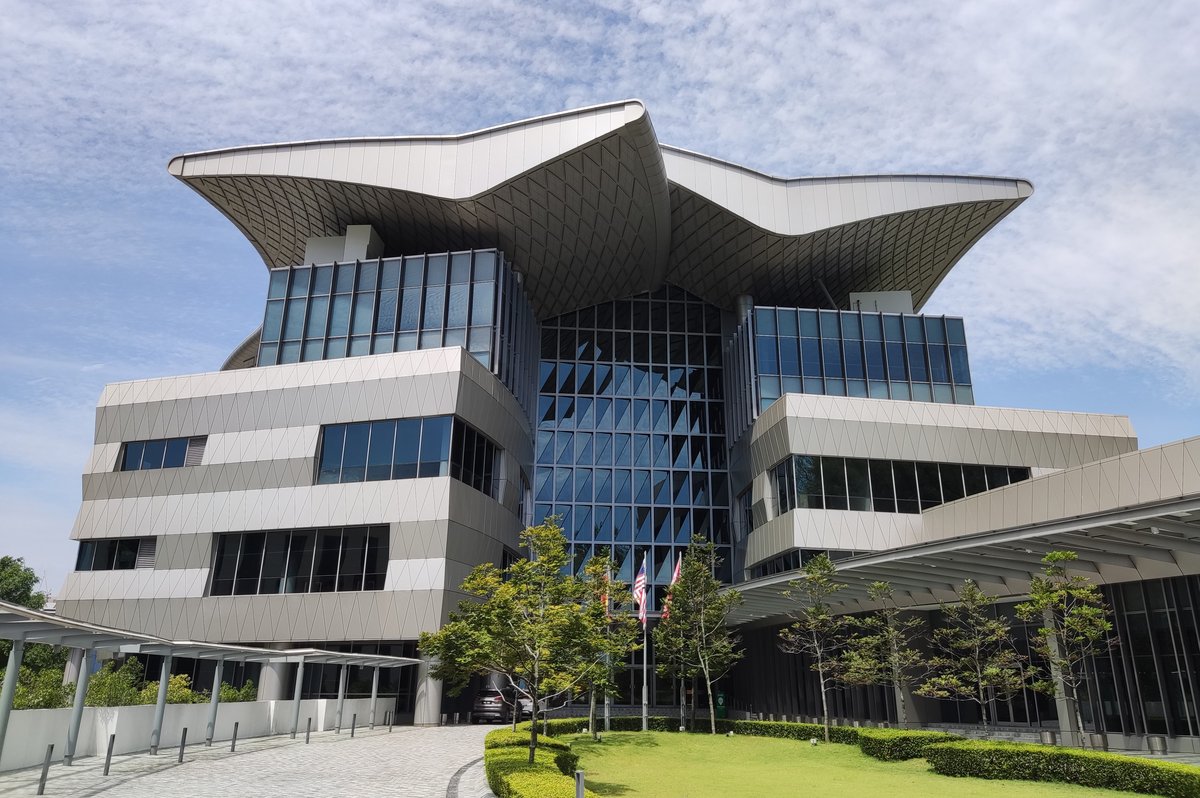
Memorial Negarawan blends modern and colonial-era architecture. The main building, once the residence of Malaysia’s first Prime Minister, features grand colonial columns and verandas, while the interior houses state-of-the-art galleries. Exhibits include original documents, photographs, ceremonial attire, and multimedia presentations, including rare footage of the signing of the Federation of Malaya Agreement (Arkib Negara Malaysia).
Key Statesmen Commemorated
- Tunku Abdul Rahman Putra Al-Haj The “Father of Independence,” celebrated for his vision of a harmonious, multi-ethnic Malaysia.
- Tun Abdul Razak Hussein Second Prime Minister, known for rural development and the New Economic Policy.
- Tun Dr. Ismail Abdul Rahman Recognized for his role in promoting unity after the 1969 racial riots.
- Tun Hussein Onn The “Father of Unity,” pivotal in fostering national cohesion.
- Tun Tan Cheng Lock, Tun V.T. Sambanthan, Tun Dr. Lim Chong Eu, Tun Datu Mustapha, Tun Fuad Stephens, Tun Temenggung Jugah Each contributed uniquely to Malaysia’s political and social landscape, representing the nation’s ethnic diversity (Emily2U).
Preservation and Educational Role
Using advanced conservation techniques, the National Archives ensures the preservation of invaluable historical artifacts for future generations. The memorial also serves as an educational hub, hosting lectures, seminars, and temporary exhibitions on leadership and governance, often in collaboration with academic institutions (Arkib Negara Malaysia, Universiti Malaya).
Memorial Layout and Visitor Experience
Galleries and Exhibition Spaces
- Entrance Hall and Orientation Gallery Offers an overview of Malaysia’s path to independence through interactive displays and timelines.
- Tunku Abdul Rahman Gallery Themed exhibits on his life, leadership, and personal effects.
- Statesmen’s Hall Multimedia presentations and memorabilia of other notable leaders.
- Independence Gallery Features murals, archival footage, and the original Malaysian flag.
- Diplomatic Gifts and Honors Room Displays over 100 gifts and honors received by statesmen.
- Personal Quarters Restored private rooms of Tunku Abdul Rahman, open to visitors.
- Temporary Exhibition Hall Rotating displays on Malaysian history, politics, and culture.
- Memorial Gardens Landscaped grounds with sculptures and plaques for reflection.
Visitor Information
Visiting Hours and Admission
- Open Tuesday to Sunday, 9:00 AM – 5:00 PM (closed Mondays and public holidays)
- Admission Free of charge for all visitors (Arkib Negara Malaysia)
Accessibility
- Wheelchair-accessible with ramps, elevators, and accessible restrooms.
- Audio guides and information available in multiple languages.
Getting There
- Public Transport Nearest LRT is Masjid Jamek (Kelana Jaya Line); 10-minute walk. Monorail and city buses also serve the area.
- Parking Limited on-site parking; public transport is recommended.
Facilities
- Information desk, gift shop, prayer rooms, restrooms, and nearby cafés.
Guided Tours, Special Events, and Photography
- Guided Tours Available by advance arrangement; ideal for groups and educational visits.
- Special Events Held on national holidays, anniversaries, and during temporary exhibitions.
- Photography Generally allowed, except in designated areas with sensitive exhibits. Flash and tripods may be restricted.
Digital Access and Virtual Tours
Memorial Negarawan offers a virtual tour through the eNegarawan portal—featuring 360° galleries, interactive displays, and detailed information. This platform ensures accessibility for remote visitors and enhances educational reach (The Star).
Practical Tips for Visitors
- Plan Ahead Confirm visiting hours and events on the official website.
- Dress Modestly Out of respect for the solemnity of the site.
- Time Allocation Allocate 1–2 hours to explore fully.
- Group Visits Arrange tours in advance for schools or large groups.
- Observe Etiquette Maintain quiet, avoid touching exhibits, and respect photography rules.
Contribution to National Identity and Multicultural Understanding
Memorial Negarawan plays a crucial role in fostering unity and appreciation for Malaysia’s multicultural heritage. By honoring leaders from diverse ethnic backgrounds, the memorial highlights the collaborative nature of Malaysia’s nation-building and promotes mutual respect among all communities (Emily2U, The Star).
Frequently Asked Questions (FAQ)
Q: What are the visiting hours?
A: Tuesday to Sunday, 9:00 AM – 5:00 PM; closed on Mondays and public holidays.
Q: Is admission free?
A: Yes, there is no entrance fee.
Q: Are guided tours available?
A: Yes, by prior arrangement via the official website.
Q: Can I take photos in the memorial?
A: Photography is allowed in most areas but check for restrictions.
Q: Is the memorial wheelchair accessible?
A: Yes, with full accessibility features.
Q: Can I tour Memorial Negarawan virtually?
A: Yes, through the eNegarawan virtual tour portal.