Introduction
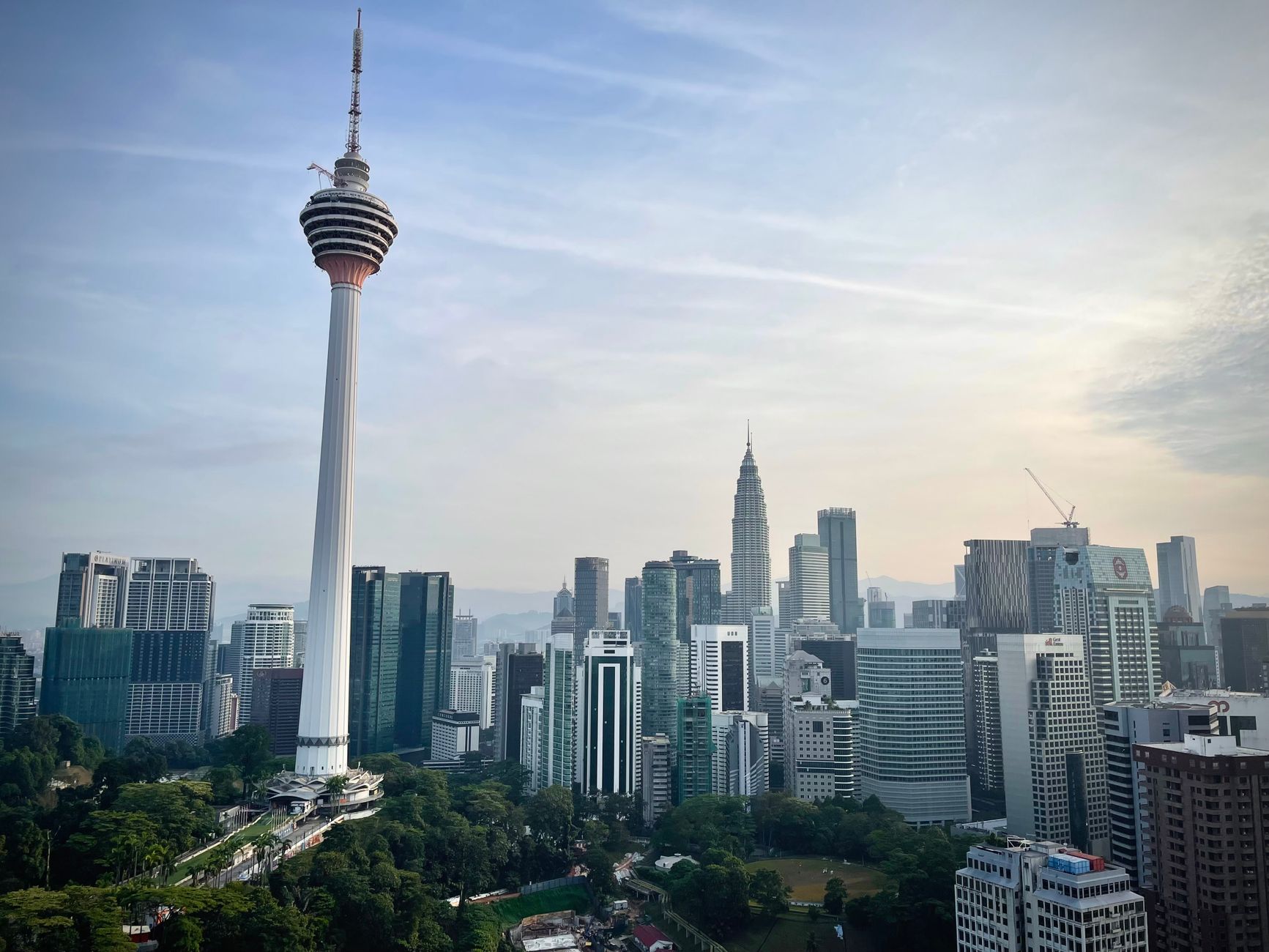
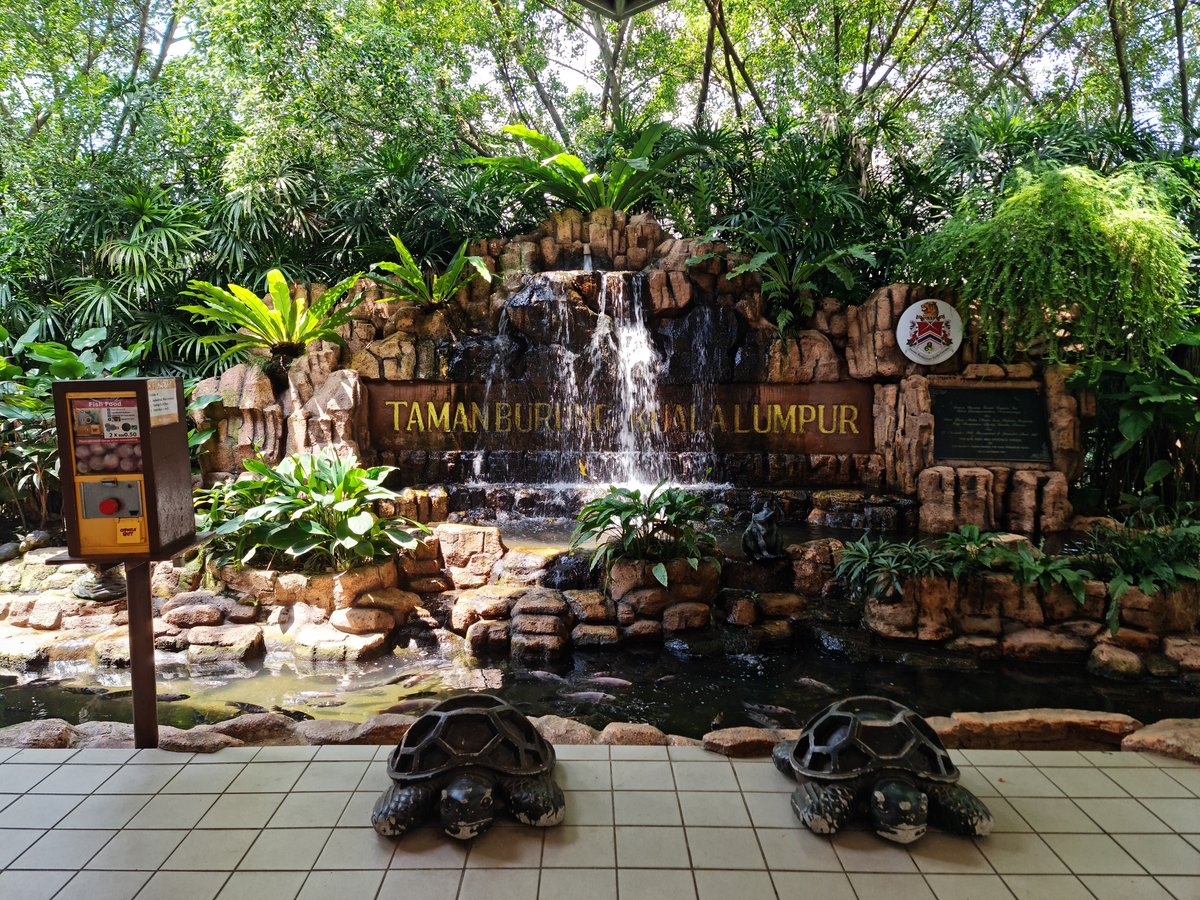
Nine hectares of primary rainforest grow at the base of a 421-metre telecommunications tower in the dead centre of Kuala Lumpur — a pocket of jungle older than the city itself, where macaques swing through canopy while office workers eat roti canai on the pavement below. Malaysia's capital is built on contradictions like this, a place where a 120-year-old Malay kampung village sits in the shadow of the world's second-tallest skyscraper, and where the question "have you eaten?" functions as both greeting and philosophy.
Three civilisations collide here and the collision is the point. Malay, Chinese, and Indian communities have shared this river-confluence settlement since tin miners founded it in the 1850s, and the result is a city where you can eat pork rib soup for breakfast in Chinatown, pray at a 160-year-old Hindu temple before lunch, and break fast at a Ramadan bazaar as the muezzin calls at dusk — all within walking distance. The food alone justifies the trip: KL operates on a four-meal system, and the post-midnight mamak run (roti canai and pulled tea at 2am, surrounded by every demographic in the city) is as culturally essential as any museum.
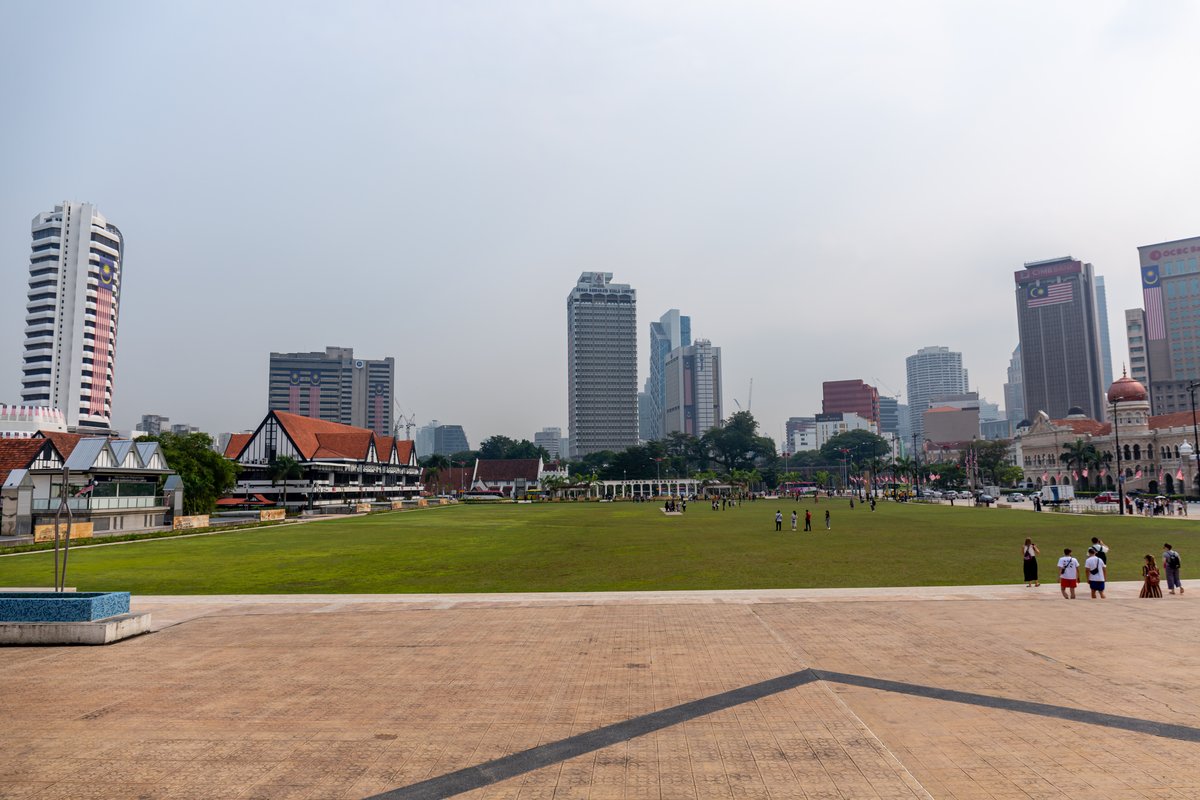
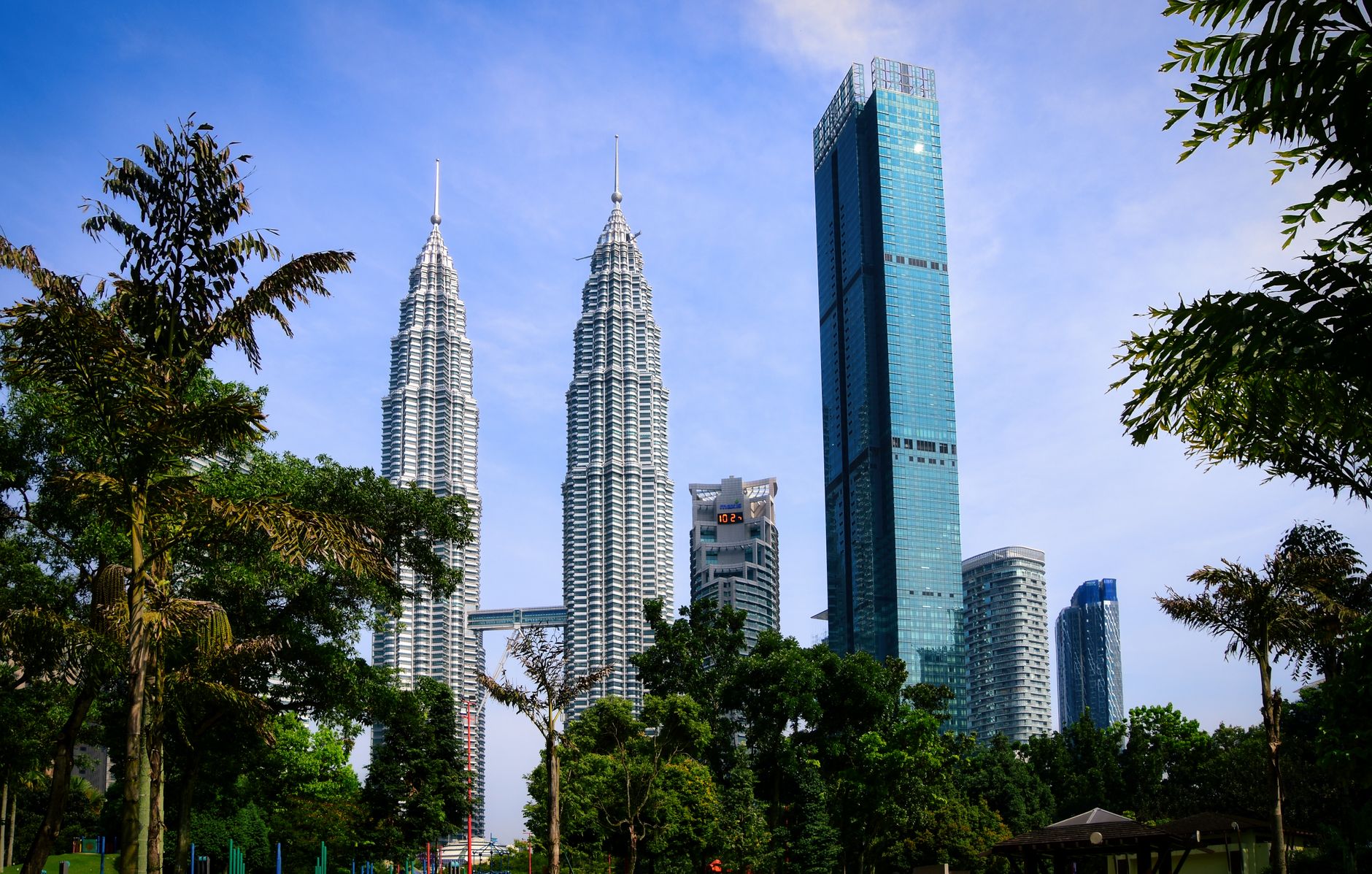
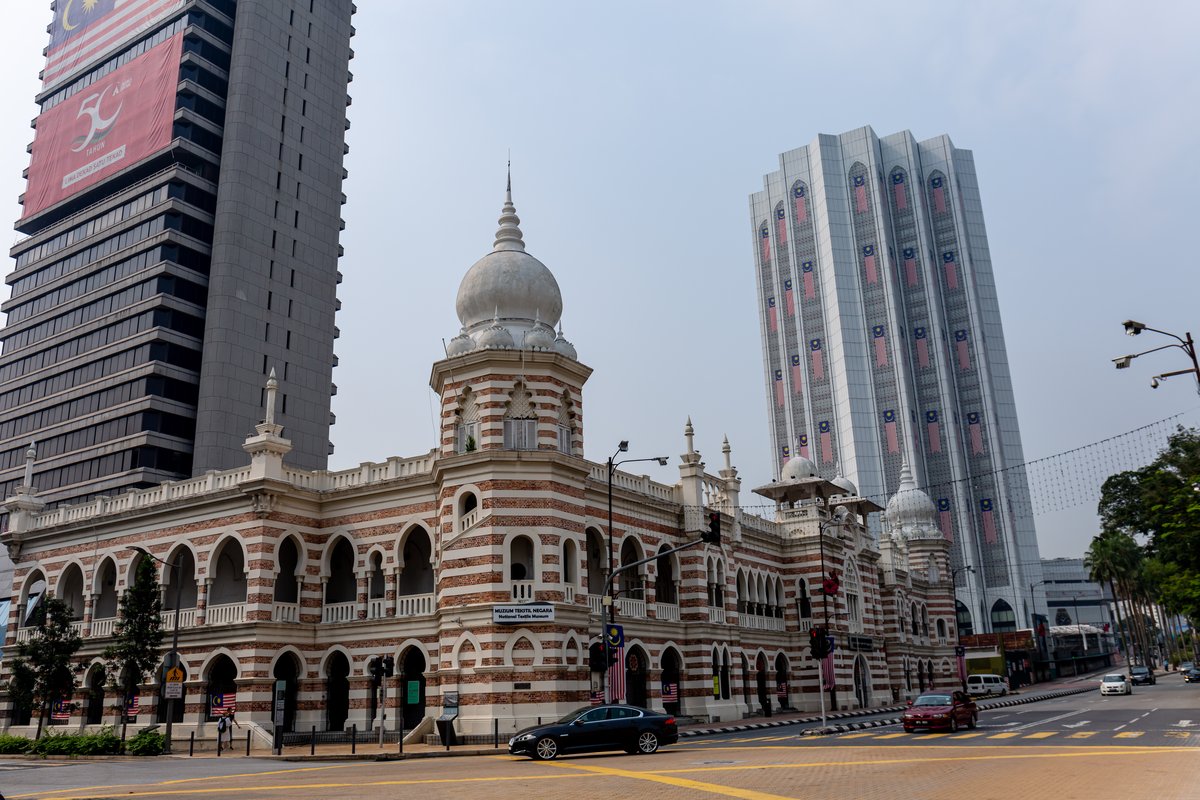
The architecture tells a parallel story. Sultan Abdul Samad's Mughal-Gothic copper domes face Merdeka Square, where independence was declared in 1957. Behind them, the Dayabumi Complex's white Islamic lattice screens rise like a geometric prayer. And looming over everything, Merdeka 118 — completed in 2023, 679 metres of glass and steel — now offers views from its 116th-floor observation deck that make even the Petronas Twin Towers look modest. KL builds vertically with an ambition that borders on compulsion.
What rescues the city from the sterility of other Asian megacities is its refusal to be curated. The best char kway teow is still served from a cart in a Chinatown alley that closes when the noodles run out. The most important jazz club seats forty people. The weekend flea market where serious collectors trade vintage cameras happens in a suburban mall basement. Kuala Lumpur rewards those who wander past the obvious and eat where the plastic stools are.
BEST 10 KUALA LUMPUR MICHELIN STREET FOOD / Malaysia Michelin Guide
STREET FOOD KINGPlaces to Visit
The Most Interesting Places in Kuala Lumpur
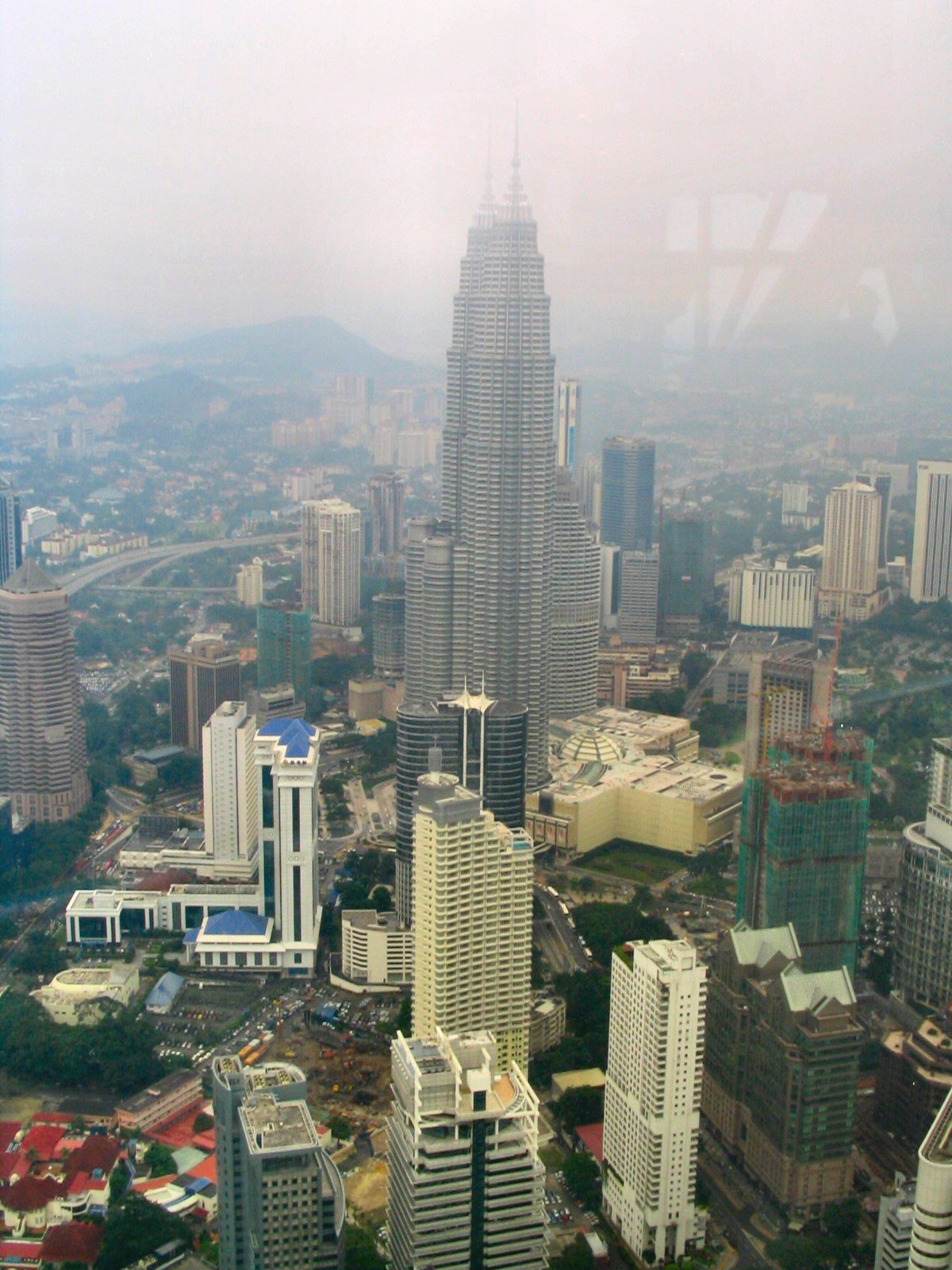
Petronas Towers
The Petronas Twin Towers stand as an iconic emblem of Malaysia’s rapid modernization and cultural heritage, dominating the Kuala Lumpur skyline as…
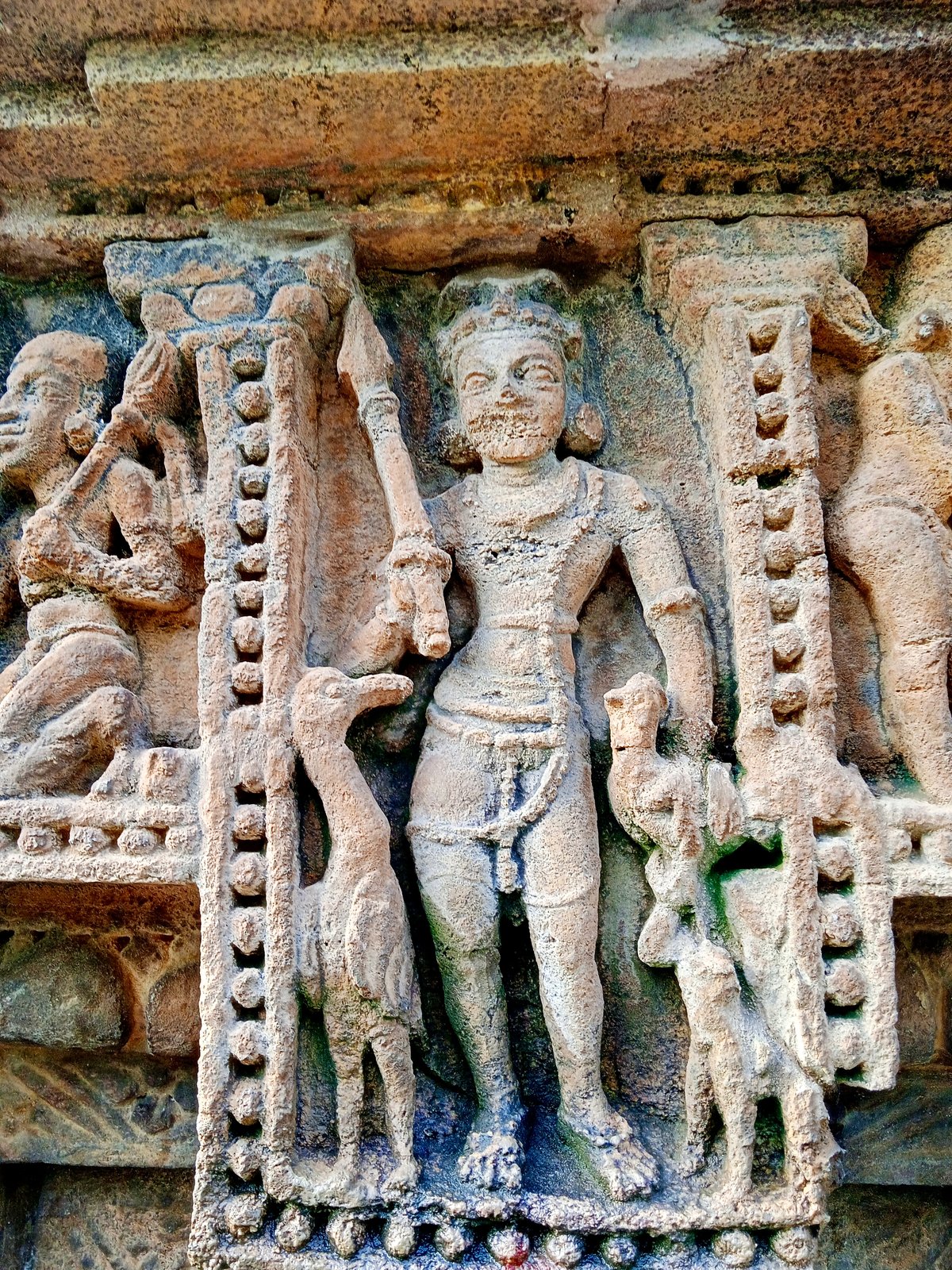
Kartikeya
The Lord Murugan Statue at Batu Caves in Selangor, Malaysia, is an awe-inspiring monument that stands as a testament to the devotion and craftsmanship of the…
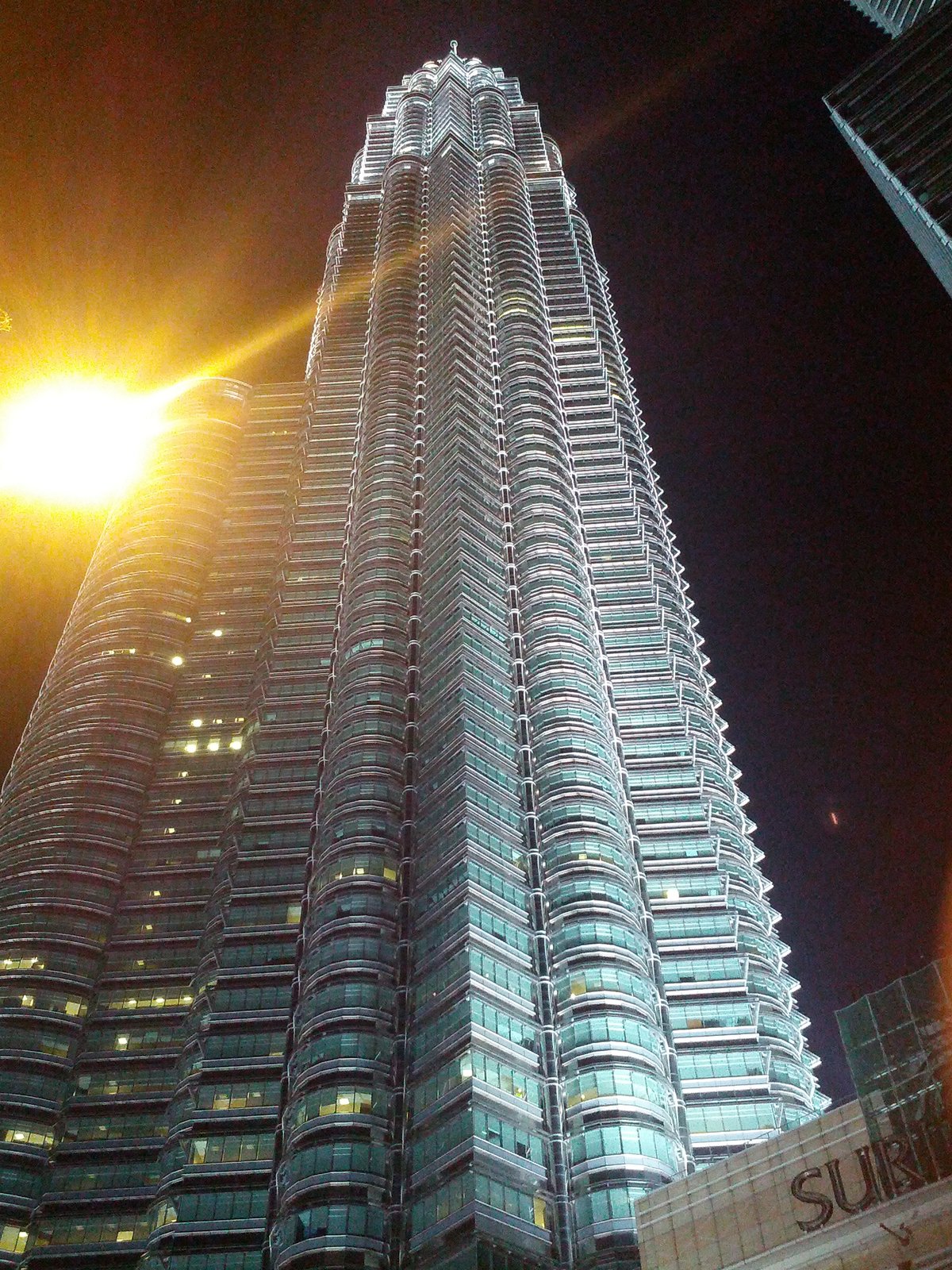
Petronas Tower 1
Petronas Tower 1, one half of the iconic Petronas Twin Towers, stands as a monumental symbol of Kuala Lumpur's rapid modernization, cultural heritage, and…
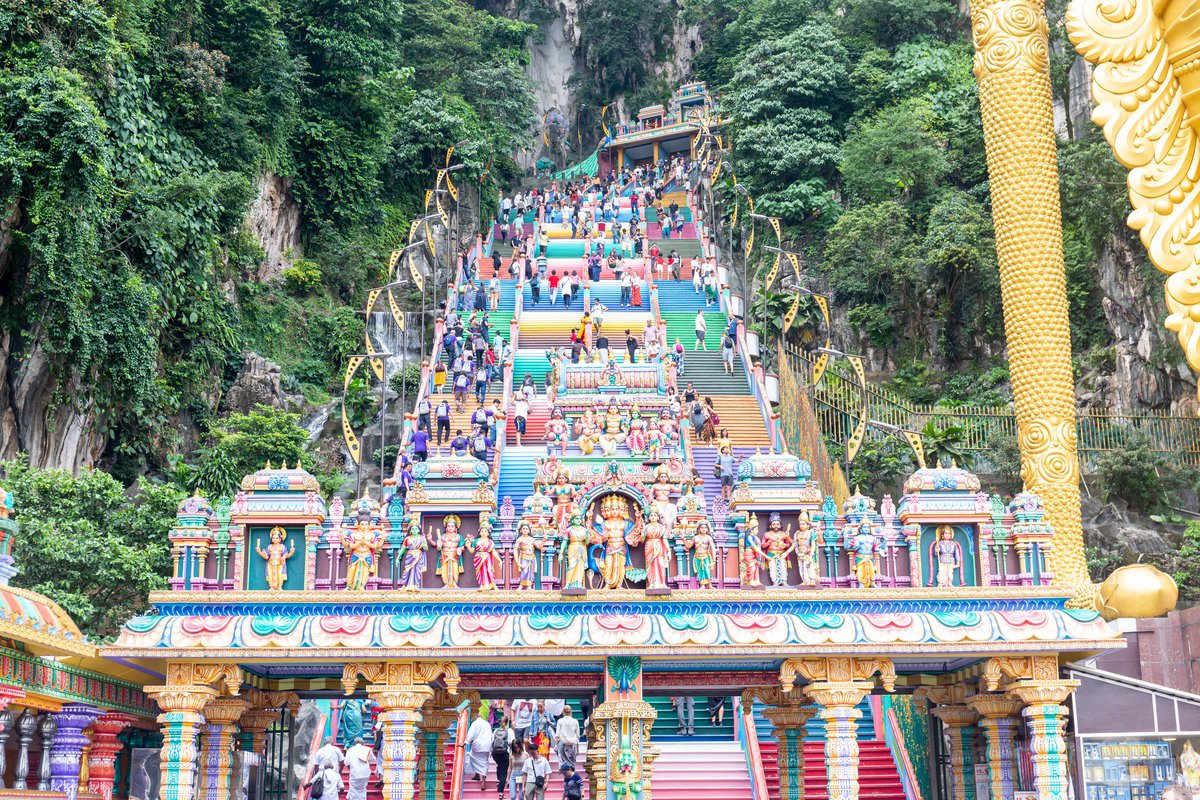
Batu Caves
The Dark Caves, located within the renowned Batu Caves complex in Kuala Lumpur, Malaysia, are a captivating destination for both tourists and nature…
Kuala Lumpur Tower
Menara Kuala Lumpur, commonly referred to as KL Tower, is an iconic landmark in Kuala Lumpur, Malaysia.
Perdana Botanical Gardens
Jalan Tembusu, nestled in the heart of Kuala Lumpur, Malaysia, is more than just a street; it is a living testament to the rich history, cultural…
Aquaria Klcc
Welcome to our comprehensive guide on visiting the Pusat Konvensyen Kuala Lumpur (KLCC), a premier convention and exhibition facility located in the heart of…
Sunway Lagoon
Sunway Lagoon, located in the heart of Bandar Sunway, Subang Jaya, Selangor, Malaysia, is a premier theme park that has captivated the hearts of millions of…
Telekom Tower
Kuala Lumpur, Malaysia’s vibrant capital, is home to two iconic towers that stand as testaments to the nation’s rich cultural heritage, technological…
Thean Hou Temple
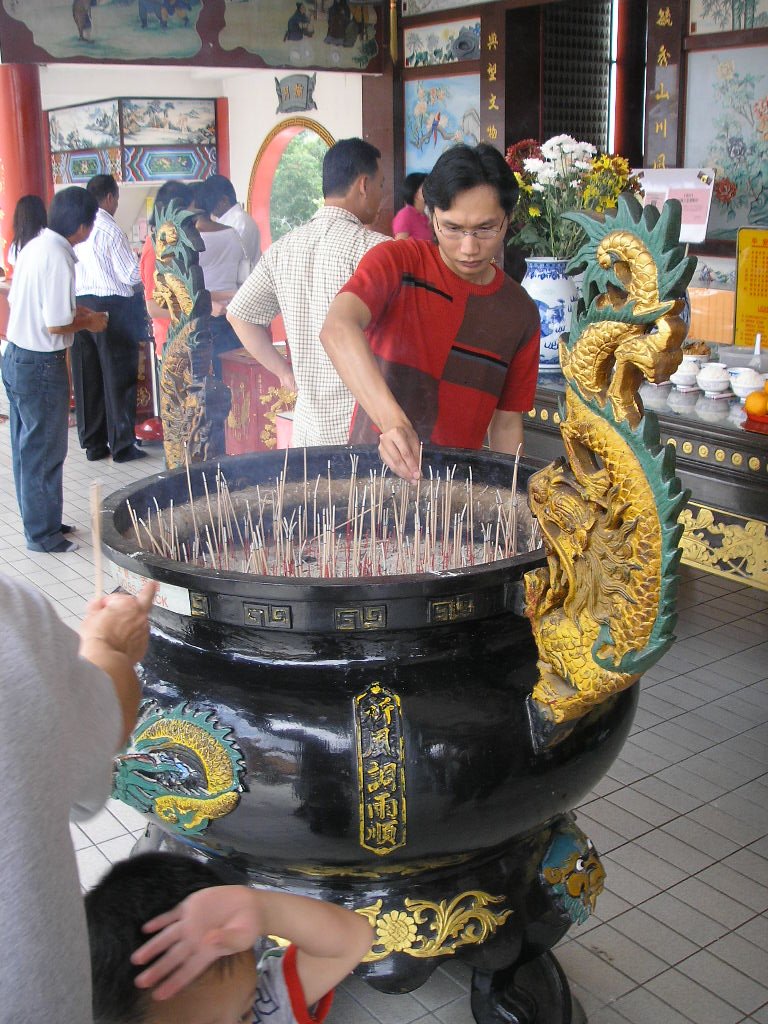
Discover the architectural marvel and cultural gem that is Thean Hou Temple in Kuala Lumpur.
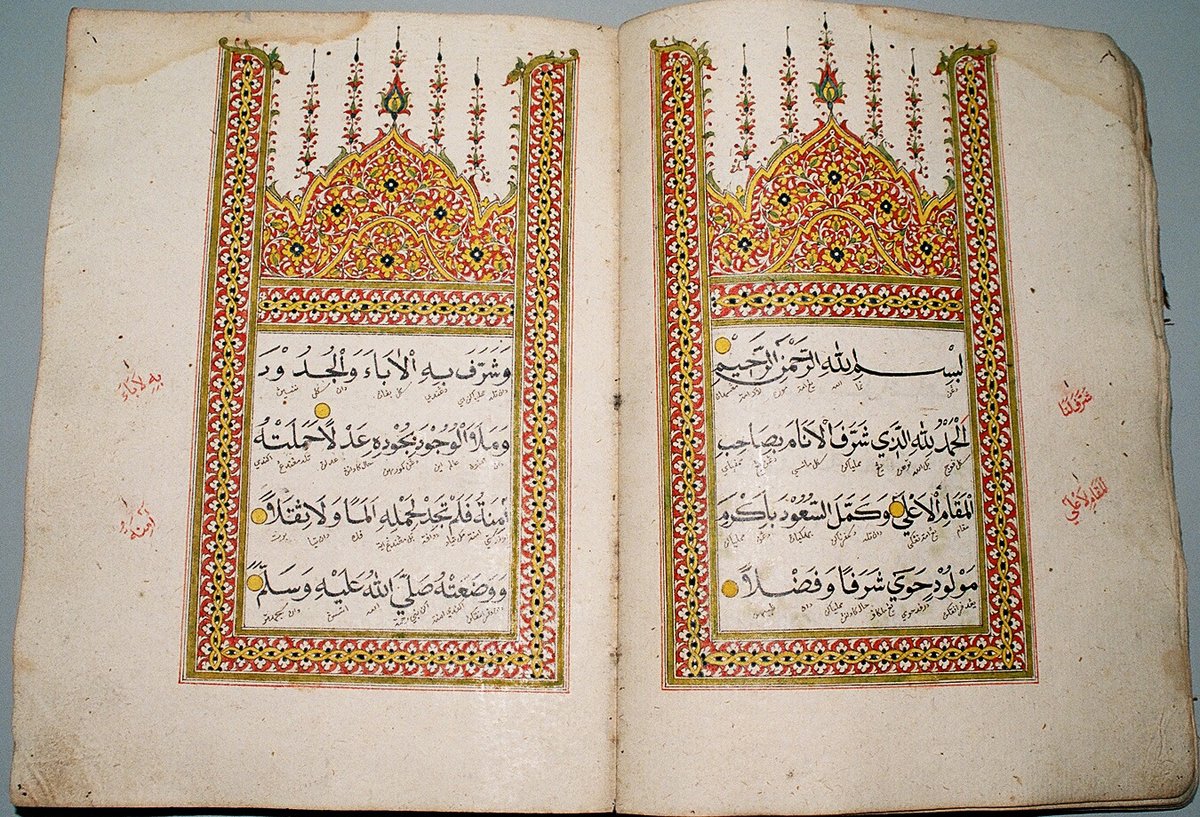
Islamic Arts Museum Malaysia
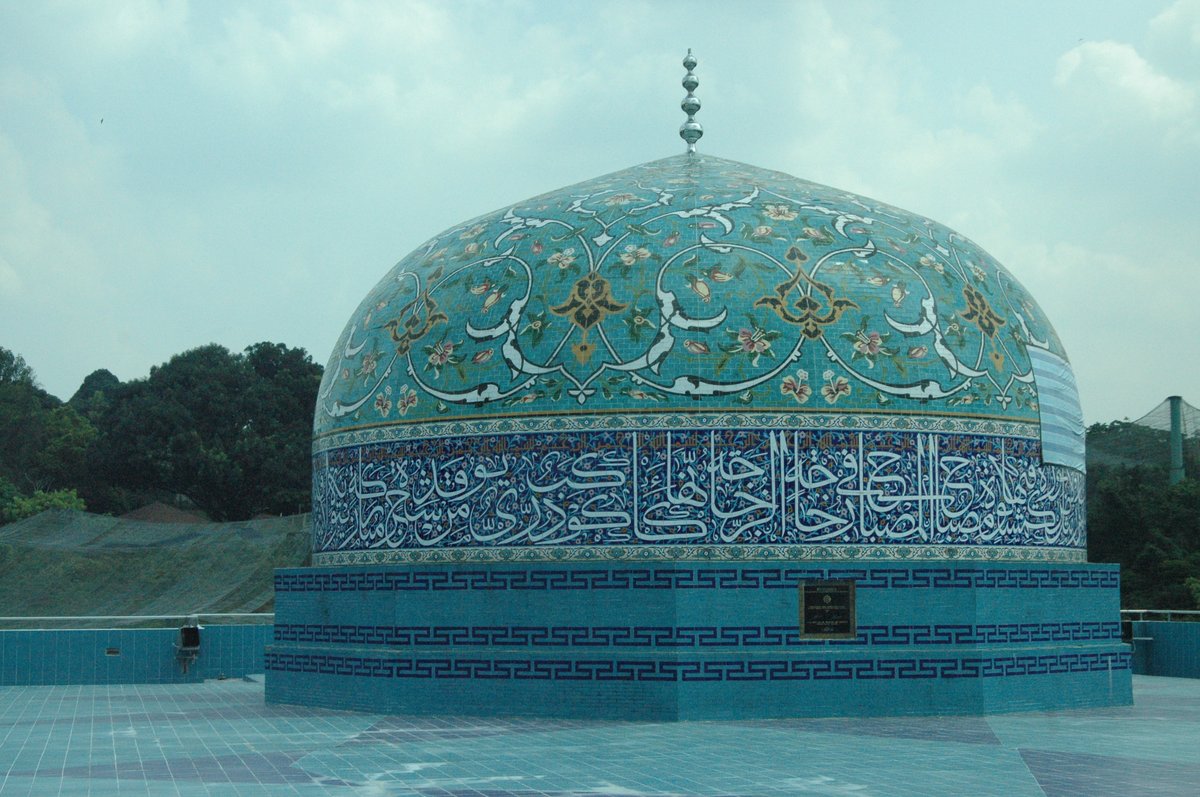
Nestled in the cultural heart of Kuala Lumpur, the Islamic Arts Museum Malaysia (IAMM) stands as a beacon of Islamic heritage and artistic excellence, making…
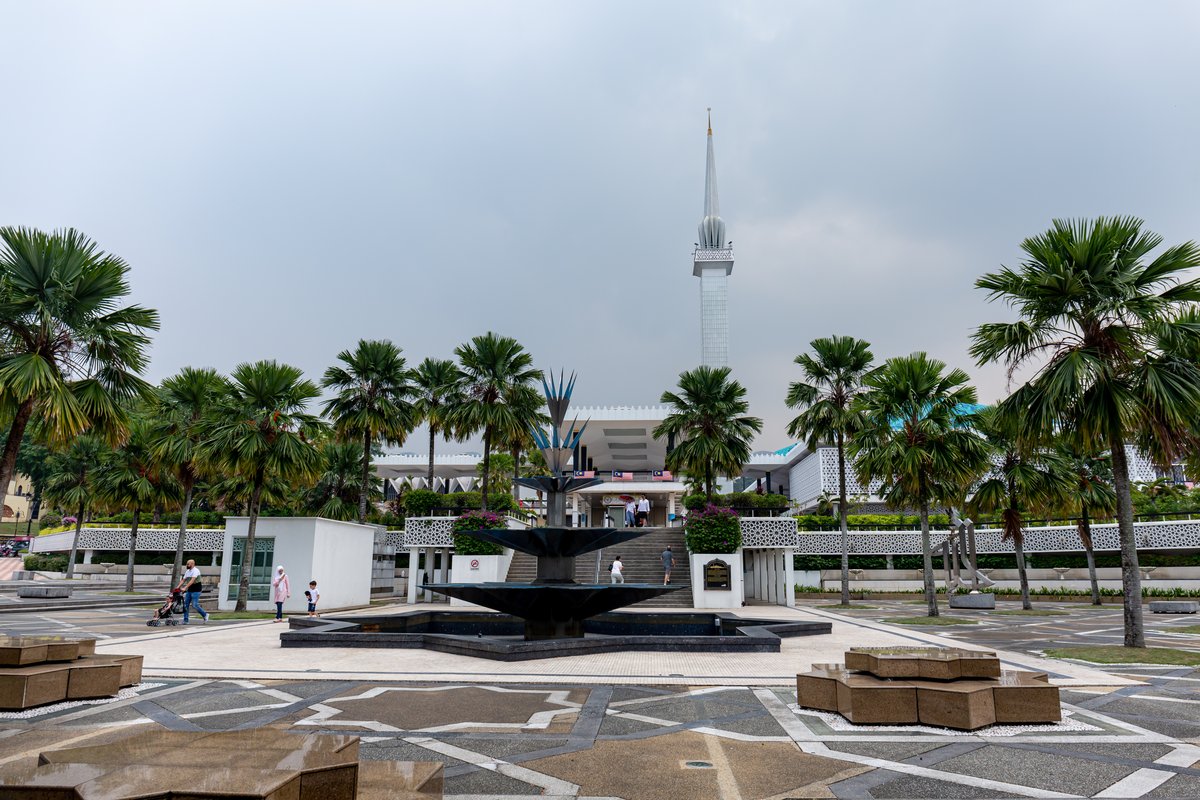
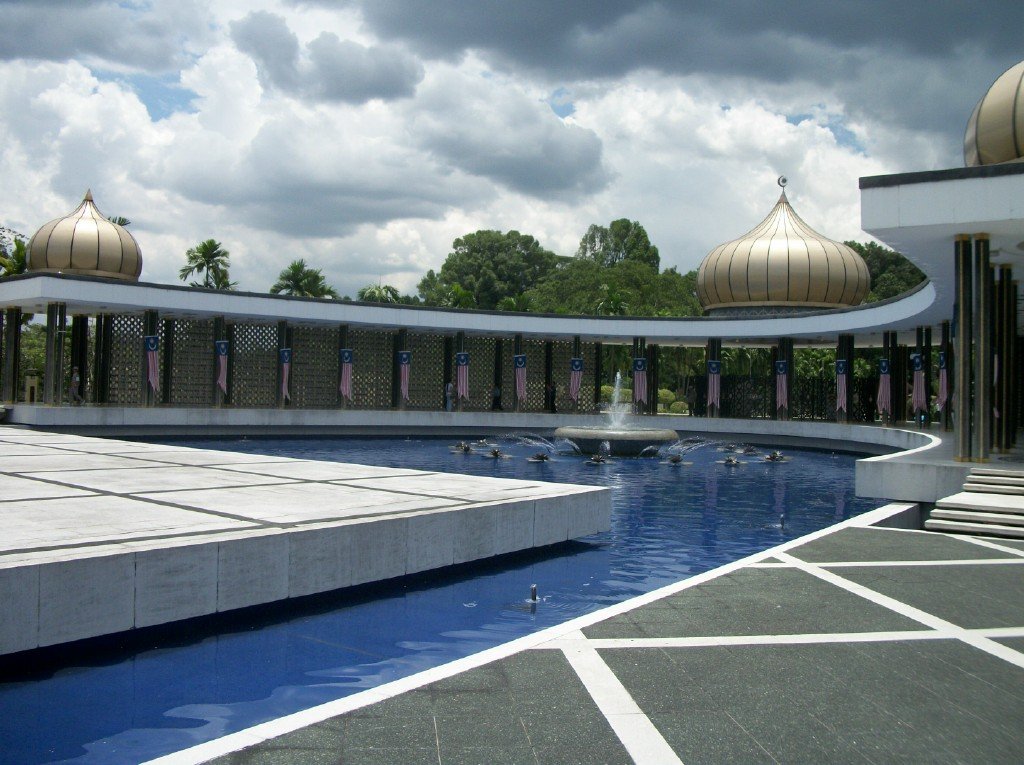
National Mosque of Malaysia
The National Mosque of Malaysia, known locally as Masjid Negara, is a premier landmark in Kuala Lumpur that seamlessly blends Malaysia's rich Islamic heritage…
What Makes This City Special
A Skyline That Argues With Itself
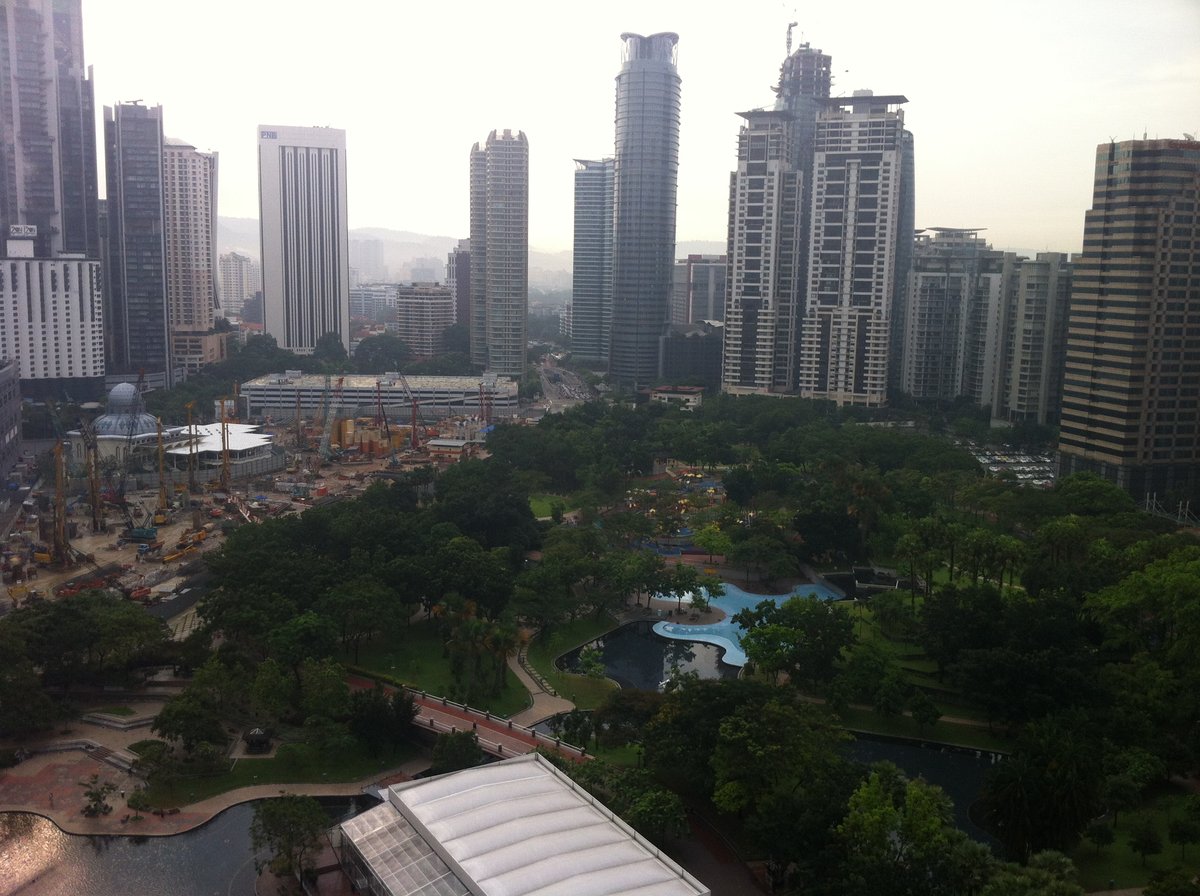
Kampung Baru's wooden stilt houses stand ten minutes' walk from the 452-metre Petronas Towers, and neither blinks. KL stacks colonial Mughal-Gothic domes, postmodern Islamic lattice screens, and the 679-metre Merdeka 118 into a skyline that reads like a timeline of competing ambitions.
Three Cuisines, One Table
Malay, Chinese, and Indian cooking traditions collide at every hawker centre, producing dishes that exist nowhere else — KL-style hokkien mee in dark soy, roti canai pulled to translucent sheets, nasi kandar piled with curries at 3am mamak stalls. A full meal costs RM5 and tastes better than most restaurants.
Sacred Spaces at Every Turn
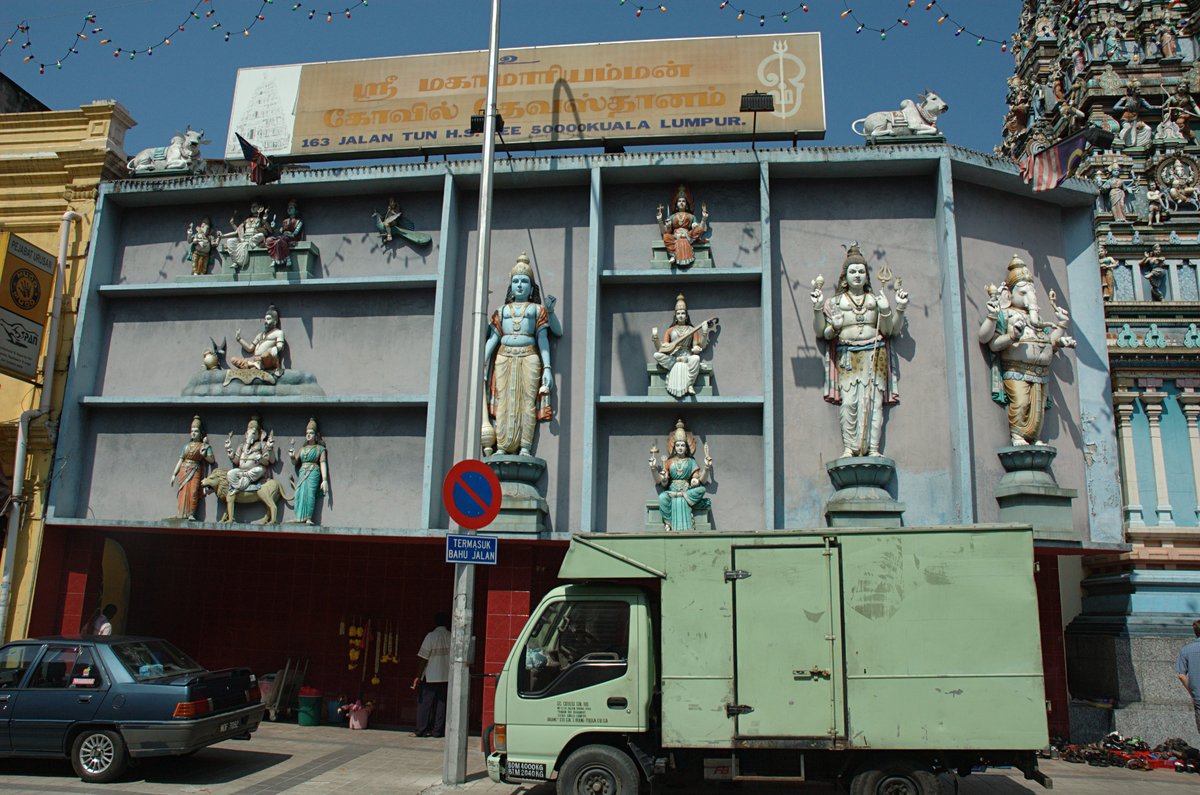
The 1864 Sze Ya Temple, the 1873 Sri Mahamariamman gopuram, and the 1909 Indo-Moorish Masjid Jamek sit within a fifteen-minute walk of each other in Chinatown. Batu Caves draws 1.5 million Hindu pilgrims each Thaipusam, while the six-tiered Thean Hou pagoda doubles as a hilltop wedding venue with skyline views.
Rainforest Inside the City Limits
Bukit Nanas, gazetted in 1906, preserves nine hectares of primary rainforest at the foot of KL Tower — hornbills and monitor lizards within earshot of traffic. The 600-hectare FRIM research forest, 25 kilometres north, has a canopy walkway above dipterocarp crowns.
Historical Timeline
Mud, Tin, and Towers: A City Born from the Jungle
From a malarial river confluence to Southeast Asia's soaring skyline
87 Miners Paddle into the Jungle
Raja Abdullah, a Selangor chief hungry for tin revenue, sends 87 Chinese miners upriver from Klang. Most die of malaria before reaching the muddy confluence of the Klang and Gombak rivers. The survivors dig anyway. The settlement they scratch into existence at that swampy junction — kuala lumpur, "muddy confluence" — will outlast every one of them.
Yap Ah Loy Takes Command
A Hakka immigrant from Guangdong becomes KL's third Kapitan Cina at age 31, inheriting a rough mining camp of perhaps a few thousand souls. Over the next seventeen years, Yap Ah Loy will defend the settlement with his own militia, rebuild it from ashes twice, finance roads and brick buildings from his own pocket, and import the labour that turns a jungle clearing into a town. He dies in 1885 owning half the land in KL and most of its debt.
Civil War Burns KL to the Ground
The Selangor Civil War — a tangle of Malay succession disputes and Chinese secret-society warfare — reaches Kuala Lumpur. The town is sacked, torched, and abandoned at least twice. Yap Ah Loy flees into the jungle, returns, fights, loses, fights again. By 1873 nearly every structure has been destroyed. KL's survival is not inevitable; it is stubborn.
The British Arrive with a Treaty
The Pangkor Treaty installs British Residents in the Malay states, ending the civil wars and beginning seven decades of colonial rule. For KL, this means order, infrastructure, and the slow erosion of local autonomy. Frank Swettenham, the ambitious young administrator who will reshape the city, is already taking notes.
KL Becomes Selangor's Capital
The British Resident moves the state capital from coastal Klang to inland Kuala Lumpur, acknowledging what the tin trade already proved: the money is here. The decision triggers the city's first real building programme — brick replaces attap, streets get graded, and the jungle starts retreating from the town centre.
Frank Swettenham Remakes the City
As British Resident of Selangor, Swettenham mandates fireproof construction, lays out a proper street grid, and commissions the Moorish-Gothic buildings that still define Merdeka Square. He dreams in domes and minarets — not out of respect for Islam, but because he thinks the style suits the tropics. He is both KL's great colonial architect and its most self-satisfied one.
Capital of the Federated Malay States
Four Malay states — Selangor, Perak, Pahang, Negeri Sembilan — federate under British oversight, and KL is named the capital. The population stands at roughly 25,000, a polyglot mix of Chinese miners, Malay administrators, Indian labourers, and British officials. The Sultan Abdul Samad Building, completed the following year in striped Mughal-Gothic splendour, announces the city's new status to anyone arriving by road.
A Railway Station Fit for a Fantasy
Architect A.B. Hubback completes KL's railway station in an extravagant Moorish style — horseshoe arches, minarets, and chatri domes more reminiscent of Rajasthan than a British rail terminus. It is wildly impractical and utterly charming. For nearly a century, this building is the first thing visitors see of Kuala Lumpur, and it sets expectations the city spends the next hundred years trying to match.
Japan Takes KL in Five Weeks
On January 11, 1942 — barely a month after landing in northeast Malaya — Japanese forces roll into Kuala Lumpur on bicycles. The British retreat without a fight to avoid urban destruction. For the Chinese community, what follows is catastrophic: the Sook Ching purges target suspected anti-Japanese sympathisers for mass execution. The occupation lasts three and a half years, and the worthless 'banana money' it leaves behind becomes a byword for economic ruin.
Liberation and the Jungle War
Japan surrenders in August, but peace does not follow. Communist guerrillas of the MPAJA emerge from the jungle and settle scores before the British return. By 1948, the Malayan Emergency begins — a twelve-year counter-insurgency against the Malayan Communist Party that militarises the countryside around KL. Half a million rural Chinese are relocated into 'New Villages' to cut guerrilla supply lines.
Merdeka! Seven Times Over
At midnight on August 31, inside the floodlit Stadium Merdeka, Tunku Abdul Rahman raises his fist and shouts 'Merdeka!' — freedom — seven times. The crowd of 20,000 roars it back each time. The Union Jack comes down, the new Malayan flag goes up, and a nation is born on a cricket pitch. The Emergency is still raging in the jungle, but in this moment, none of that matters.
Tunku Abdul Rahman, Father of Malaysia
A prince from Kedah with a law degree from Cambridge and a taste for horse racing, Tunku Abdul Rahman brokers the impossible coalition — Malay, Chinese, Indian — that wins independence without revolution. His genius is persuasion, not ideology. He governs from KL for thirteen years, navigating the creation of Malaysia, the expulsion of Singapore, and the communal tensions that will eventually force him from power after 1969.
P. Ramlee Comes Home to KL
Malaysia's greatest polymath of popular culture — actor, director, singer, composer — moves from Singapore to Kuala Lumpur after Shaw Brothers closes its Singapore studio. He spends his final decade in a modest house in Setapak, making films and music that define Malay identity for a generation. He dies in 1973, largely forgotten by the industry, at age 44. The house is now a museum; his songs are still everywhere.
May 13 Tears the City Apart
After opposition parties make gains in the general election, inter-communal violence erupts in Kuala Lumpur on May 13. The official death toll is 196; the real number is almost certainly far higher. Parliament is suspended for two years. The trauma rewires Malaysian politics permanently — the New Economic Policy that follows reshapes education, business, and public life along ethnic lines. Sixty years later, May 13 remains the date Malaysians cannot discuss and cannot forget.
KL Becomes a Federal Territory
On February 1, Kuala Lumpur is carved out of Selangor state and declared a Federal Territory, answerable directly to the national government. The move is politically contentious — Selangor loses its capital and its richest land — but it frees KL from state politics and sets the stage for the mega-development era to come. The city's population has already passed half a million.
Mahathir's Vision Takes Hold
Mahathir Mohamad becomes Prime Minister and announces that Malaysia will look East — to Japan and South Korea — for its development model. Over the next 22 years, he will remake KL's skyline, commission the world's tallest buildings, build a new airport, move the bureaucracy to a purpose-built city, and jail his deputy. His legacy is KL's gleaming modernity and the authoritarian instincts that paid for it.
KL Tower Pierces the Skyline
The 421-metre Menara KL opens atop Bukit Nanas hill, making it one of the world's tallest telecommunications towers. At its base, the last patch of original tropical rainforest within the city limits somehow survives — a tiny jungle reserve surrounded by concrete, as if the forest that KL was carved from refuses to leave entirely.
Twin Towers Crown a Crisis Year
The Petronas Twin Towers officially open on Independence Day — 452 metres of steel and glass, the world's tallest buildings, rising from what was a horse-racing track five years earlier. But the timing is brutal: the Asian Financial Crisis has cratered the ringgit, the stock market has lost 75% of its value, and Deputy PM Anwar Ibrahim is about to be sacked and jailed. The towers become the perfect symbol of KL — breathtaking ambition against a backdrop of turmoil.
Commonwealth Games Come to KL
Kuala Lumpur hosts the XVI Commonwealth Games — the first ever held in Asia. The 87,000-seat Stadium Bukit Jalil is built for the occasion, and the city deploys its new infrastructure with pride. For two weeks in September, KL is on the world's television screens for something other than financial crisis. The games are the city's coming-out party, even if the timing feels like whistling past the graveyard.
Reformasi Fills the Streets
After Mahathir sacks and arrests Anwar Ibrahim on charges widely seen as politically motivated, tens of thousands pour into KL's streets demanding reform. It is the largest protest movement in Malaysian history, and it plants the seed of a democratic opposition that will take 24 years to reach power. The word 'Reformasi' — borrowed from Indonesia's revolution happening simultaneously — becomes the rallying cry of a generation.
Flight MH370 Vanishes from KL
On March 8, Malaysia Airlines Flight 370 departs Kuala Lumpur International Airport for Beijing with 239 people aboard and disappears. No wreckage is found for over a year. Four months later, MH17 is shot down over Ukraine. The twin disasters devastate Malaysia Airlines and shake KL's ambitions as an aviation hub. MH370 remains, as of 2026, the greatest unsolved mystery in commercial aviation.
The MRT Transforms the Commute
The first phase of MRT Line 1 — the Kajang Line — opens, adding 51 kilometres of heavy rail to KL's transit network. For a city long dominated by cars and motorcycle taxis, it is a genuine shift. By the early 2020s, with a second MRT line and expanded LRT, KL's rail network becomes one of Southeast Asia's most extensive, though the last-mile problem — getting from station to destination — remains unsolved.
Malaysia's First Democratic Transfer
On May 9, the ruling Barisan Nasional coalition loses a general election for the first time since independence in 1957 — sixty-one years of unbroken rule, ended at the ballot box. The 1MDB scandal, which saw roughly $4.5 billion stolen from a state fund, has finally caught up with PM Najib Razak. Anwar Ibrahim is pardoned. Najib is arrested, tried, and sentenced to twelve years in prison. KL's streets fill with celebration, not protest, for the first time in decades.
Merdeka 118 Claims the Sky
At 678.9 metres, Merdeka 118 becomes the world's second-tallest building — after the Burj Khalifa — rising from the grounds where independence was declared in 1957. The name is deliberate: merdeka, freedom. The tower contains a Park Hyatt hotel, an observation deck, and enough office space to fill a small town. Whether KL needed a second supertall is debatable; that it built one anyway is entirely in character.
Notable Figures
Yap Ah Loy
1837–1885 · City builder, Kapitan CinaBorn in Huizhou, China, Yap Ah Loy arrived in the Malay Peninsula as a penniless labourer and rose to become the third Kapitan Cina of a small tin-mining settlement at the confluence of two muddy rivers. When the Selangor Civil War burned that settlement to the ground — twice — he financed its reconstruction almost singlehandedly, replacing flammable timber shanties with brick streets and turning a refugee camp into a functioning city. Every KL street plan, every brick building that followed, owes something to the stubborn vision of a man who died at 48, exhausted and largely unrewarded.
Frank Swettenham
1850–1946 · British colonial administratorSwettenham arrived in the Malay Peninsula as a 19-year-old cadet who couldn't speak a word of Malay and became one of the most consequential men in the region's history. His decision to move the Selangor capital from sleepy Klang to the chaotic, tin-rich settlement at the river junction transformed KL from boomtown to capital city almost overnight. The Moorish-Gothic government buildings he commissioned still line Dataran Merdeka; standing in front of the Sultan Abdul Samad Building today, you are essentially looking at Swettenham's vision of what a modern Asian capital should look like.
Tunku Abdul Rahman
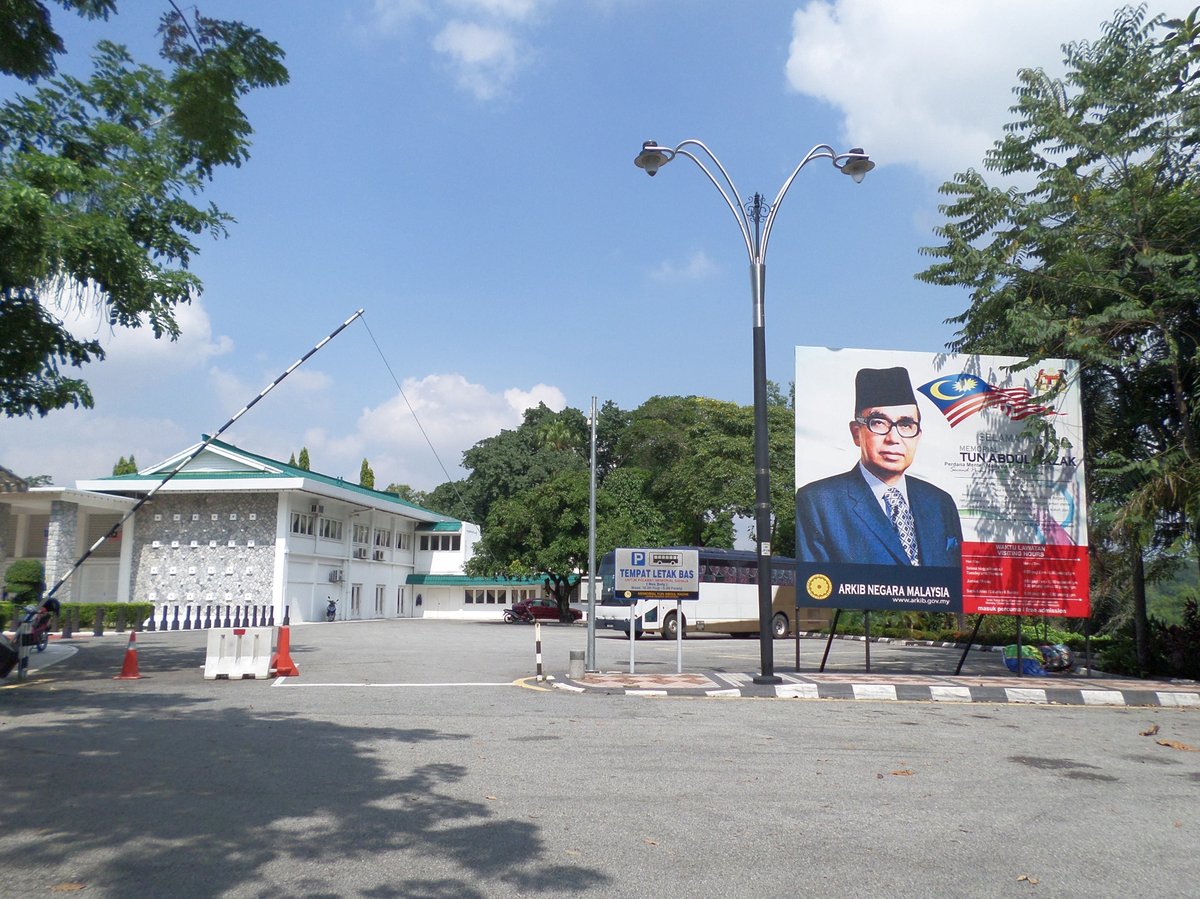
1903–1990 · First Prime Minister of MalaysiaOn 31 August 1957, Tunku Abdul Rahman stood at Stadium Merdeka in Kuala Lumpur and shouted 'Merdeka!' — independence — seven times into a crowd of 20,000. Born in Kedah and educated at Cambridge, he had spent years negotiating the British into a peaceful departure, a feat that few colonial subjects had managed by that point in history. The square outside the Sultan Abdul Samad Building — Dataran Merdeka — is still anchored by the flagpole where he raised the new Malaysian flag that night.
Mahathir Mohamad
born 1925 · Prime Minister of MalaysiaNo single person has shaped the physical Kuala Lumpur you see today more than Mahathir Mohamad. He commissioned the Petronas Twin Towers — briefly the world's tallest buildings — as a deliberate argument that Asia was no longer a postscript to Western development, and built an entirely new federal capital at Putrajaya with the same missionary conviction. Whether you find his vision inspiring or unsettling, it is impossible to stand beneath the towers at night and not feel the weight of the case he was making.
P. Ramlee
1929–1973 · Actor, film director, singer, composerP. Ramlee moved to Kuala Lumpur in 1964 when Shaw Brothers closed their Singapore studio, and spent the last decade of his life in Ampang making films that nobody could quite figure out how to distribute. The man who had been Malaysia's biggest star — actor, director, musician all at once — died in 1973 largely broke, his modest house in Ampang now a heritage museum that feels both celebratory and melancholy. If you visit Muzium P. Ramlee, notice how small the rooms are; it is hard to believe someone who loomed so large in the culture lived so quietly at the end.
Lee Chong Wei
born 1982 · Badminton playerLee Chong Wei held the world number one badminton ranking for a record 349 weeks and won three Olympic silver medals, each time denied gold by his great rival Lin Dan of China. He trained for most of his career at the Akademi Badminton Malaysia in Bukit Kiara, a forested hill in northwestern KL where the shuttle barely cools between rallies. In a country where badminton is not a minor sport but a national identity, Lee Chong Wei was the closest thing to a living patron saint.
Nicol David
born 1983 · Squash playerNicol David won eight World Squash Championship titles and held the world number one ranking for 108 consecutive months — a record in any racket sport. She trained throughout her career at the National Squash Centre in Bukit Jalil, built for the 1998 Commonwealth Games that Malaysia hosted as part of the same wave of national ambition that produced the Petronas Towers. In a sport with minimal global media coverage, she became arguably the most statistically dominant athlete Malaysia has ever produced.
Yuna
born 1986 · Singer-songwriterYunalis Mat Zara'ai — Yuna — started posting songs online from Kuala Lumpur while studying law, wearing a hijab and playing guitar in a scene that had no established template for what she was doing. She moved to Los Angeles and ended up collaborating with Usher and Pharrell Williams, becoming one of the very few Malaysian artists to achieve genuine mainstream crossover in the American market. KL was where she figured out who she was; the city's layered mix of Malay, English, and borrowed pop culture gave her exactly the hybrid sensibility she carried with her.
Plan your visit
Practical guides for Kuala Lumpur — pick the format that matches your trip.
Kuala Lumpur Money-Saving Passes & Cards
Honest guide to Kuala Lumpur passes and cards: which ones are real, where they save money, and when to skip them entirely.
Kuala Lumpur First-Time Visitor Tips & Local Hacks
Honest first-timer guide to Kuala Lumpur: booking windows for Petronas and KL Tower, airport taxi scams to avoid, Grab vs rail, temple etiquette.
Photo Gallery
Explore Kuala Lumpur in Pictures
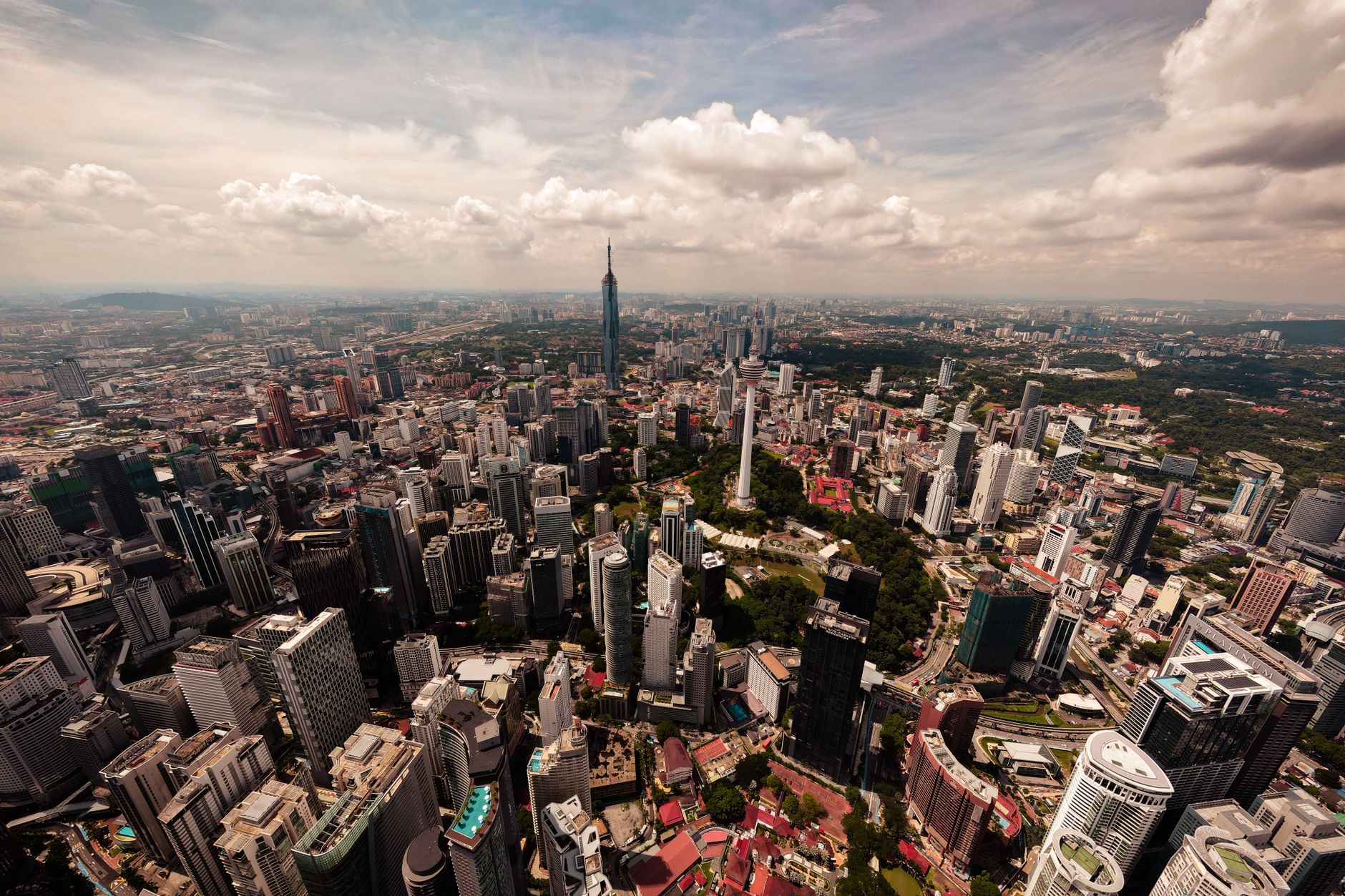
A stunning aerial perspective of Kuala Lumpur, Malaysia, showcasing the iconic Merdeka 118 and KL Tower rising above the dense urban landscape.
Pok Rie on Pexels · Pexels License
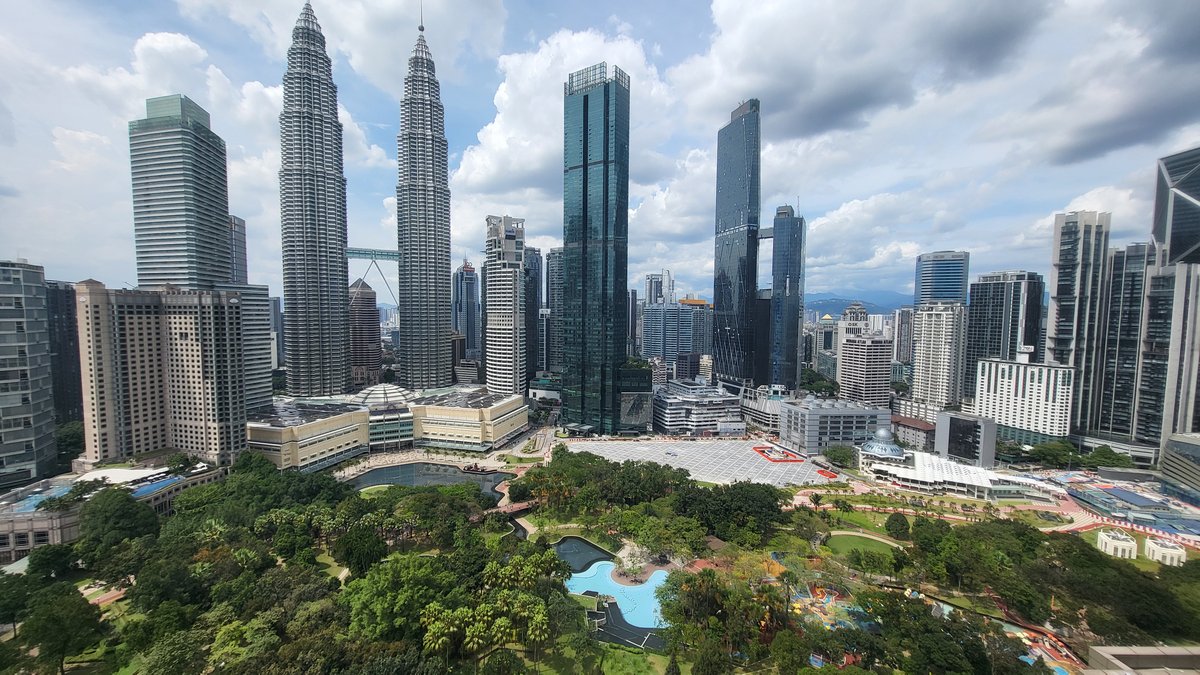
A stunning elevated view of the iconic Petronas Twin Towers and the surrounding modern architecture in the heart of Kuala Lumpur, Malaysia.
Suhail Azmi on Pexels · Pexels License
The illuminated Petronas Twin Towers stand tall against the night sky in Kuala Lumpur, Malaysia, featuring a vibrant projection of the national flag.
vitalina on Pexels · Pexels License
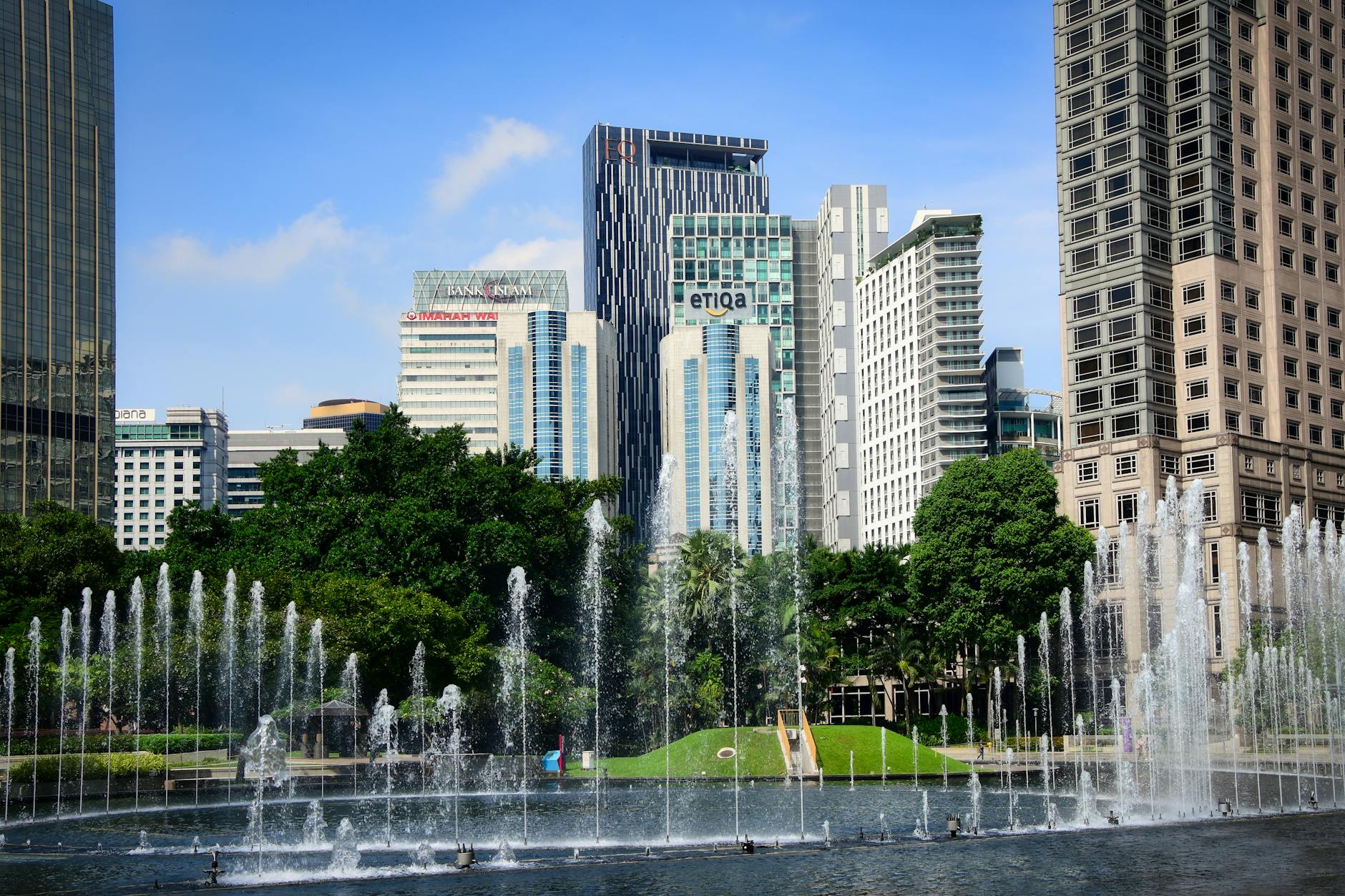
A scenic view of the modern skyline in Kuala Lumpur, Malaysia, where contemporary architecture meets the refreshing water fountains of a city park.
Joerg Hartmann on Pexels · Pexels License
A stunning aerial night shot of the iconic Kuala Lumpur Tower, standing brightly illuminated amidst the sprawling urban landscape of Kuala Lumpur, Malaysia.
Pok Rie on Pexels · Pexels License
The vibrant night skyline of Kuala Lumpur, Malaysia, showcases the iconic KL Tower glowing pink above the bustling city streets.
Munzir on Pexels · Pexels License
A striking monochromatic perspective of Kuala Lumpur's dense urban landscape, highlighting the prominent KL Tower amidst a sea of modern skyscrapers.
Yamiko Ling on Pexels · Pexels License
A stunning aerial perspective of the Kuala Lumpur cityscape, highlighting the prominent KL Tower rising above the dense urban architecture and tropical foliage.
Chew HanYang on Pexels · Pexels License
Videos
Watch & Explore Kuala Lumpur
3 Days in Kuala Lumpur Malaysia 2026 - Best Things to do in Kuala Lumpur Malaysia
Best Things To Do in Kuala Lumpur Malaysia 4K
10 Best Things to do in Kuala Lumpur Malaysia - Complete Travel Guide
Practical Information
Getting There
Kuala Lumpur International Airport (KUL) sits 57 km south in Sepang, with KLIA Main for full-service carriers and klia2 for budget airlines like AirAsia. The KLIA Ekspres train reaches KL Sentral in 28 minutes (roughly RM55 one-way). Sultan Abdul Aziz Shah Airport (SZB) in Subang handles Firefly and charter flights, 20 km west. KL Sentral is the main rail hub, connecting ETS intercity trains to Ipoh (2 hrs) and Penang, plus KTM Komuter suburban services.
Getting Around
Two MRT lines (Kajang and Putrajaya), two LRT lines (Kelana Jaya and Ampang), a Monorail, and KTM Komuter trains cover most attractions for RM1–4 per ride. Buy a Touch 'n Go card at any station or 7-Eleven — it works on all rail, buses, and highway tolls. The free Go KL City Bus runs four colour-coded routes through the tourist core every 5–10 minutes. Grab ride-hailing is cheap, reliable, and eliminates taxi negotiation entirely.
Climate & Best Time
KL is hot and humid year-round: expect 32–33°C days and 23–24°C nights with 70–90% humidity. Rain falls mostly as dramatic afternoon thunderstorms between 2–5pm, rarely washing out a whole day. The driest windows are February and June–July; October–November is wettest. September–October can bring haze from Borneo and Sumatra fires — check the air quality index those months.
Language & Currency
English is widely spoken in tourist areas, malls, and restaurants — KL is one of the most English-friendly cities in Southeast Asia. The Malaysian Ringgit (RM) runs roughly RM4.5–4.7 per USD. Cards work at malls and restaurants, but hawker stalls, wet markets, and smaller temples need cash. Exchange at licensed money changers in malls or along Jalan TAR for far better rates than the airport.
Safety
KL is generally safe; the main risk is bag-snatching from motorbikes, so carry bags crossbody on the side away from traffic. Use Grab instead of flagging taxis to avoid meter disputes, and stick to ATMs inside banks or malls. Cover shoulders and knees at mosques — Masjid Negara and Masjid Jamek provide sarongs at the entrance.
Where to Eat
Don't Leave Without Trying
Suzie Wong - Dinner Party Experience
fine diningOrder: Let the bartenders guide you — the cocktail menu reads like a love letter to vintage Malaya. Order the house punch and surrender to whatever small plates they recommend.
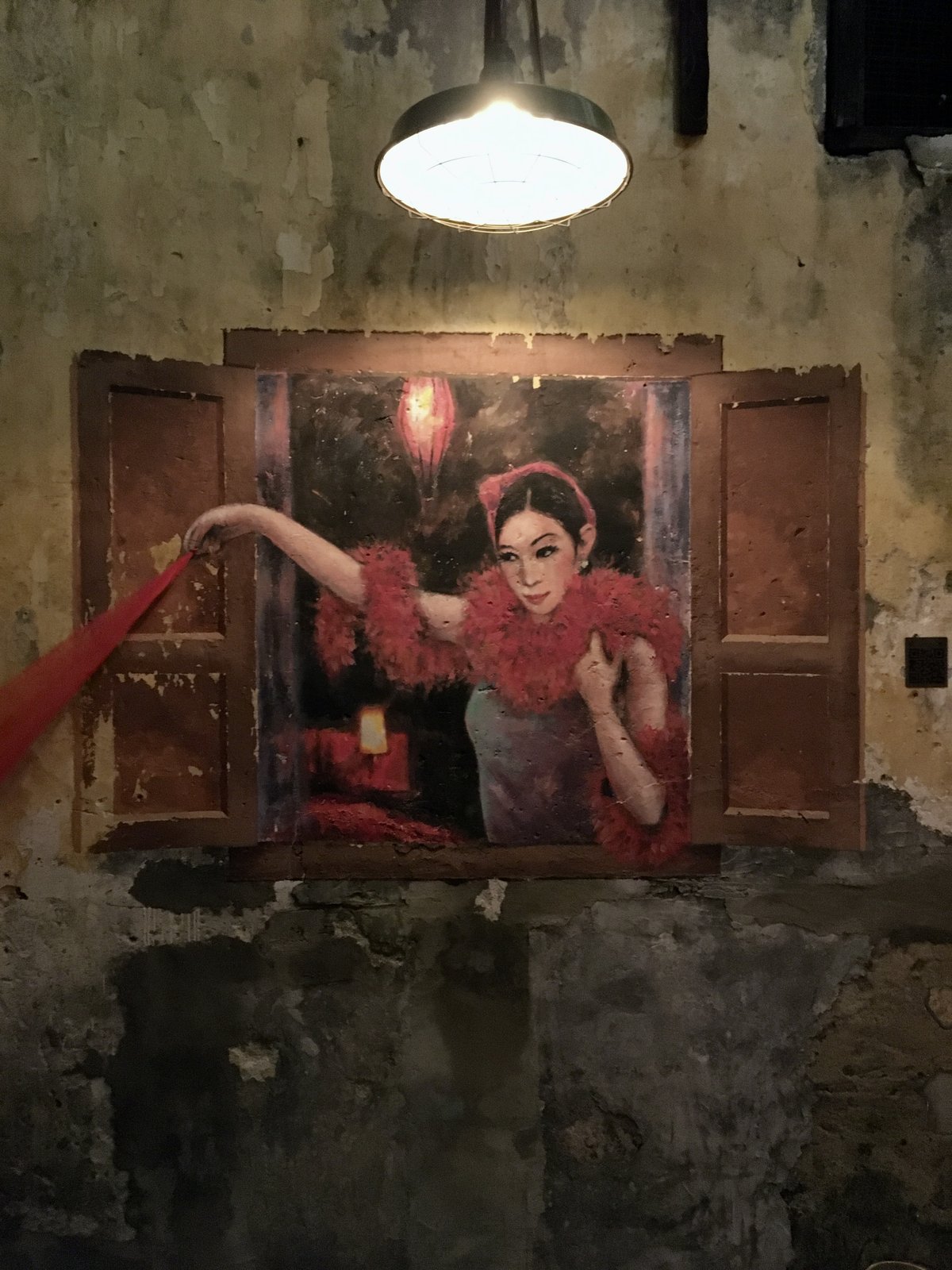
KL's most theatrical drinking experience, set inside a glamorously kitschy space that channels 1960s Cantonese cinema. Closed Monday and Tuesday — they only open when they're ready to do it properly.
PS150
local favoriteOrder: The PS Sling — their riff on a Singapore Sling with local twists — and anything off the seasonal cocktail list. Bar snacks are legitimately good.
A beautifully restored Chinatown shophouse that somehow manages to feel both historic and completely of the moment. One of the few KL bars where the cocktail program matches the aesthetic.
Lemon Garden
fine diningOrder: The weekend brunch buffet — live carving stations, a serious dim sum spread, and desserts that justify the price. Come hungry, come early.
KL's benchmark hotel buffet, consistently outperforming rivals that cost more. The Shangri-La sets it up well: quality ingredients, attentive service, and enough variety that you can build an entirely Malaysian plate or go full international.
Hotel Olympic Malaysia
local favoriteOrder: Local breakfast staples — nasi lemak, half-boiled eggs with kaya toast, and a properly pulled teh tarik. No-nonsense, no markup.
Over 6,000 reviews don't lie. This 24-hour cafe draws a devoted local crowd for straightforward Malaysian comfort food at honest prices — a rarity this close to the city centre.
The Rabbit Hole
local favoriteOrder: Brunch plates in the morning, cold beers and burgers by afternoon — the kitchen holds up across the full 16-hour day. Their weekend brunch sets are solid value.
Changkat's most dependable all-day spot: opens at 9am for coffee and stays honest until 1am. The courtyard seating makes it a genuinely pleasant place to sit in KL's heat.
Bottega KL
cafeOrder: The pasta is the reason people come back — simple, well-made, not trying to be a fine-dining restaurant. Pair it with a glass of something Italian from their well-chosen list.
A genuine Italian-run cafe on a quiet Bukit Ceylon street — good espresso, real pasta, and wine by the glass without the hotel-restaurant price tag. The kind of place you're glad to stumble onto.
Cafe ETC
cafeOrder: Specialty single-origin coffee and the brunch plates — thoughtfully done in a space that respects its heritage shophouse bones. Closed Monday, so plan accordingly.
Tucked into a beautifully kept Chinatown shophouse on Jalan Tun H.S. Lee, Cafe ETC earns its 4.5 stars through consistency and care — not tourist-trap positioning. A lovely mid-morning stop.
leaf & co. cafe
cafeOrder: The all-day brunch plates and a hand-poured filter coffee. Portions are honest and the kitchen takes its sourcing seriously for a walk-in cafe.
Over 2,400 reviews for a cafe on Jalan Sultan says everything — this is where KL's Chinatown locals and in-the-know visitors actually eat breakfast. Unpretentious, reliable, good value.
AnCasa Hotel Kuala Lumpur, Chinatown
local favoriteOrder: Local Malaysian breakfast to set up a morning in Chinatown — nasi lemak, dim sum, or a full Hainanese spread depending on what the kitchen is running.
Right on the edge of Petaling Street, the AnCasa puts you inside Chinatown before the tourist crowds arrive. Nearly 5,000 reviews reflect the volume of people who use this as their sensible, well-located base for eating through the neighbourhood.
Gravybaby Jalan P Ramlee
cafeOrder: The pastries in the morning and the loaded sandwiches for lunch — they bake well and the coffee is above-average for a bakery-cafe hybrid. Still going strong at midnight if you need it.
Opens at 8am and runs until 2am, which makes it genuinely useful in a city that eats late. On Jalan P. Ramlee near the KLCC fringe — good for a post-bar carb fix or an early pre-meeting coffee.
The Federal Kuala Lumpur (Official Website)
local favoriteOrder: The buffet lunch for a cross-section of Malaysian cooking under one roof — or the à la carte local dishes for a more focused meal. The Federal has been doing this since 1957.
One of KL's original grand hotels, and its dining rooms carry that weight with dignity. Not cutting-edge, but deeply reliable — and the Bukit Bintang location puts you at the centre of everything.
Nasi Lemak CT Garden
quick biteOrder: Nasi lemak — coconut rice, sambal, crispy anchovies, cucumber, a fried egg, and whatever protein you point at. This is the dish that explains KL. Order it the way locals do: pack everything into one spoonful.
Kampung Baru is KL's oldest Malay village enclave, and eating nasi lemak here after dark feels like a genuine glimpse of the city before the towers arrived. Open until 3am — the crowd that shows up at midnight knows exactly what they're doing.
Dining Tips
- check Mamak stalls (Indian-Muslim) are open 24 hours, accept cash only, and serve some of the best roti canai and teh tarik in the city — they are not a fallback, they are a destination
- check Tipping is not customary or expected; upscale restaurants add a 10% service charge automatically, so check your bill before tipping twice
- check Most hawker stalls and kopitiams are cash-only — carry small notes. Cards are standard at hotel restaurants, modern cafes and anything in a mall
- check Pork is served at Chinese establishments; halal food is abundant everywhere else. If in doubt, look for the halal certification on the door
- check Lunch runs roughly 12–2pm and dinner from 7–10pm, but hawker stalls open earlier and run much later — the best nasi lemak is often gone by 10am
- check For popular hawker spots (Jalan Alor, Imbi Market, Kampung Baru), go slightly off-peak — 7pm rather than 8pm, or weekday mornings rather than weekend
- check Fine dining reservations should be made weeks in advance for the serious kitchens; hotel restaurants are generally walk-in friendly
- check Eating in shopping malls is genuinely good in KL — Pavilion, Mid Valley and KLCC all have food courts and standalone restaurants worth the detour, not just convenience options
Restaurant data powered by Google
Tips for Visitors
Carry Bags Wisely
Bag snatching from passing motorcycles is KL's most reported tourist crime — keep crossbody bags on the side away from the road and tucked in front of you when walking near traffic.
Get Touch 'n Go
A Touch 'n Go card (RM10 deposit, sold at any rail station or 7-Eleven) works on MRT, LRT, monorail, KTM, and RapidKL buses — it's the only transit card you need in the city.
Beat the Thunderstorms
KL's afternoon thunderstorms hit reliably between 2–5pm — schedule outdoor sights like Batu Caves and KLCC Park for mornings and leave mall-hopping or museum visits for the downpour.
Check Your Bill
Most sit-down restaurants already add a 10% service charge plus SST to the bill — tipping on top is never expected and will likely confuse your server.
Take the KLIA Ekspres
The KLIA Ekspres reaches KL Sentral in 28 minutes from KLIA Main terminal — faster and more reliable than any road option when traffic backs up on the ELITE highway, especially during morning rush hour.
Eat Where Locals Eat
A full meal at a mamak (Indian-Muslim) stall or hawker centre costs RM5–12; the same dish at a tourist-facing restaurant near the Petronas Towers typically costs three times as much for a measurably worse experience.
Dress for Mosques
Masjid Negara and Masjid Jamek welcome non-Muslim visitors outside prayer times, but bare shoulders and shorts will get you turned away — carry a light scarf or shawl in your bag.
Explore the city with a personal guide in your pocket
Your Personal Curator, in Your Pocket.
Audio guides for 1,100+ cities across 96 countries. History, stories, and local insight — offline ready.
Audiala App
Available on iOS & Android
Join 50k+ Curators
Frequently Asked
Is Kuala Lumpur worth visiting? add
Yes — KL earns its place on the itinerary through sheer variety: Hindu cave temples beside colonial Mughal-Gothic architecture, hawker food that routinely outperforms expensive restaurants, and a public transit system that genuinely works. It rewards even a short stay, and most visitors leave having spent far less than they budgeted.
How many days do you need in Kuala Lumpur? add
Three days covers the essentials comfortably: Petronas Towers and KLCC, Batu Caves, Merdeka Square and the Islamic Arts Museum, and enough hawker stalls to form strong opinions. Five days allows day trips to Putrajaya or Malacca and time to explore Chinatown and Brickfields (Little India) properly.
Is Kuala Lumpur safe for tourists? add
KL is generally safe by regional standards — violent crime against tourists is rare. The real risk is petty theft: bag snatching from motorcycles is the most reported incident. Stay alert in crowded areas like Petaling Street, carry bags away from traffic, and use Grab rather than hailing taxis to avoid fare scams.
What is the best way to get around Kuala Lumpur? add
The MRT, LRT, and monorail network covers all major tourist areas — a Touch 'n Go card handles every line with fares typically RM1–4. For anywhere rail doesn't reach, Grab is reliable and priced upfront before you book. Walking works well within zones like KLCC–Bukit Bintang, but KL's heat and inconsistent pavements make long cross-city walks punishing.
When is the best time to visit Kuala Lumpur? add
February and June–July see the least rainfall. The city is equatorial and hot (30–33°C) year-round, so the real difference between months is how often afternoon thunderstorms interrupt plans — they peak October through November. Thaipusam at Batu Caves (January/February) draws around 1.5 million pilgrims and is extraordinary to witness if large crowds don't put you off.
How do I get from KLIA to Kuala Lumpur city centre? add
The KLIA Ekspres train is the fastest: 28 minutes non-stop to KL Sentral, running every 15–20 minutes from 5am to 1am. Budget airlines (AirAsia) use klia2, which is 33 minutes on the same line. Grab from the designated ride-hailing zone at arrivals costs roughly RM70–100 and takes 45–90 minutes depending on highway traffic.
Is English spoken in Kuala Lumpur? add
English is widely spoken across tourist areas, hotels, restaurants, and malls — KL is among the most English-friendly cities in Southeast Asia for travellers. Menu translations, signage, and transit announcements are all in English. A few Malay phrases (terima kasih for 'thank you', sedap for 'delicious') will earn warm responses, but you will not need them to navigate.
How much does a day in Kuala Lumpur cost? add
Budget travellers can manage RM80–120/day: hawker meals at RM5–12, MRT fares at RM2–4 per trip, and free or low-cost sights including KLCC Park, Merdeka Square, and Batu Caves. Mid-range spenders — one restaurant meal, a couple of paid attractions, Grab rides — typically spend RM200–350. The Petronas Sky Bridge and Observation Deck runs roughly RM80–100 per adult.
Sources
- verified Tourism Malaysia — Official Tourism Website — Official information on attractions, festivals, entry requirements, and travel practicalities for Kuala Lumpur and Malaysia.
- verified Prasarana / RapidKL — Transit Network — MRT, LRT, monorail, and RapidKL bus routes, fares, and Touch 'n Go card information for KL's public transport network.
- verified KLIA Ekspres — Airport Rail Link — Current schedules and fares for the non-stop airport express train between KLIA / klia2 and KL Sentral.
- verified Malaysian Meteorological Department — Official climate data, rainfall statistics, and seasonal patterns for Kuala Lumpur.
Last reviewed: