
Historical and Archaeological Background
Discovery and Documentation
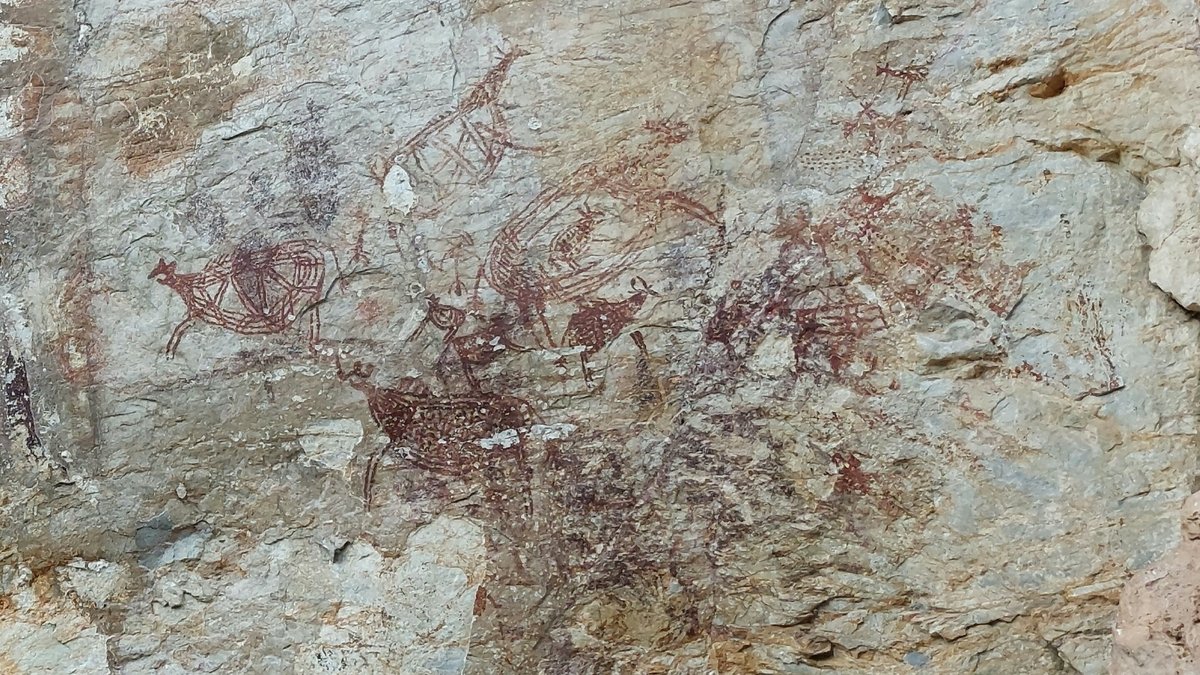
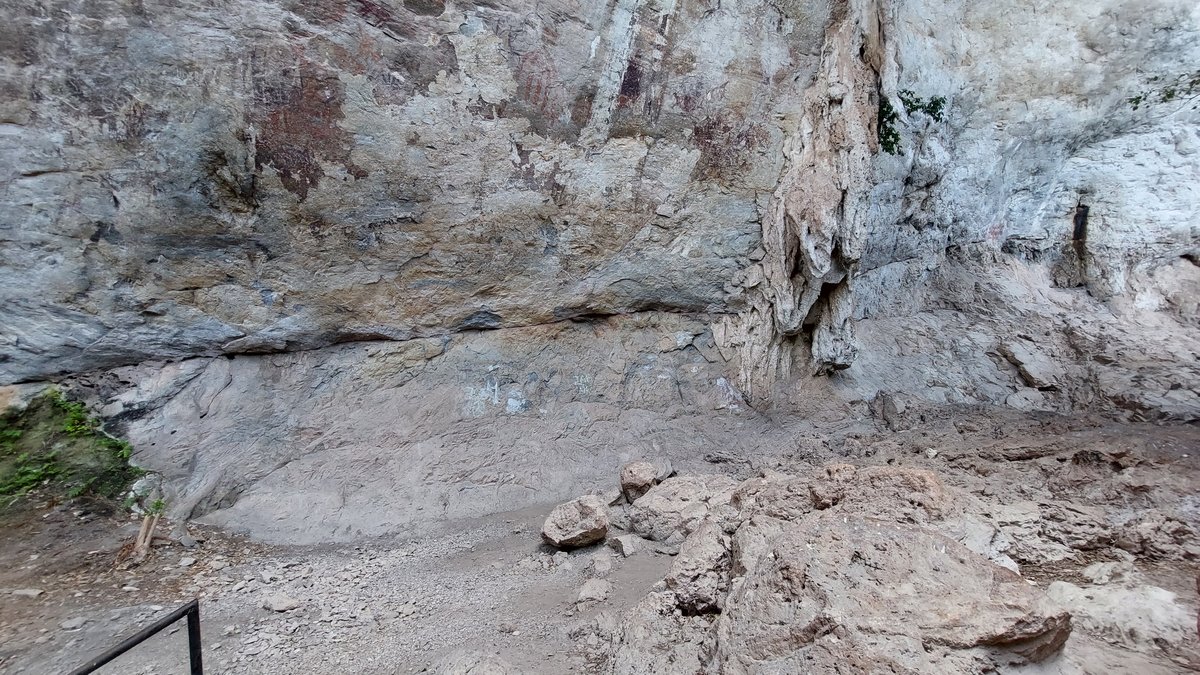
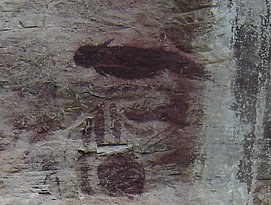
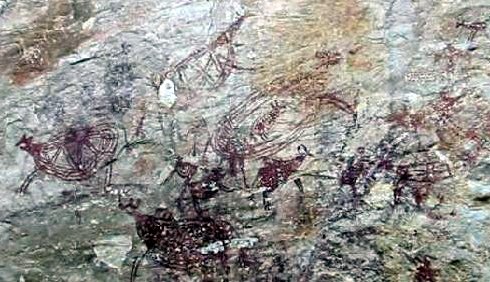
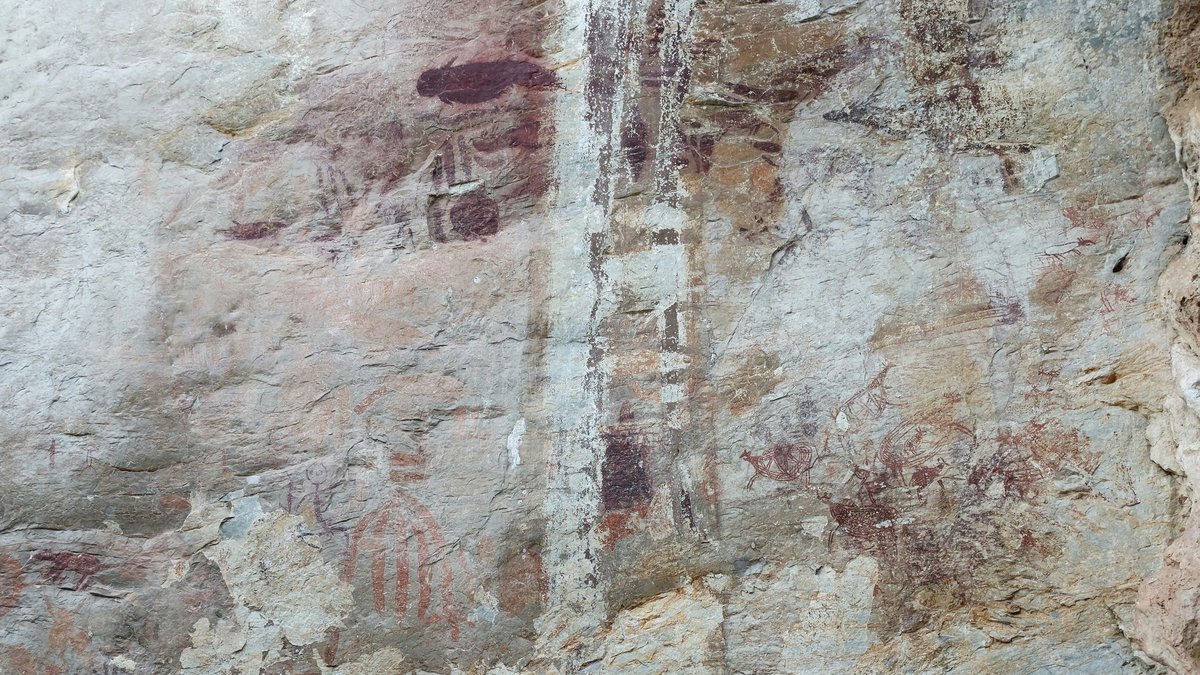
Gua Tambun was first recorded in 1959 by British officer J. M. Matthews, who identified over 80 rock paintings depicting animals, humans, and geometric patterns. Comprehensive mapping in 2009 revealed over 640 distinct rock art elements, making it Malaysia’s largest known rock art site. These findings have provided invaluable insights into the daily lives and beliefs of ancient communities (New Naratif).
Dating and Artistic Features
While exact dating is challenging, most experts place the paintings in the Neolithic period (4,000–2,000 years ago), with some possibly older, extending into the Palaeolithic era. The artwork, created using hematite-derived pigments, features deer, cattle, boars, dugongs, tapirs, turtles, human figures, geometric motifs, and ritualistic postures. The sophisticated “dark-filled contour” technique demonstrates advanced artistic skills.
Cultural and Regional Significance
The rock art at Gua Tambun bridges traditions across Southeast Asia, showing stylistic links to sites in India, Australia, and neighboring regions. For the Orang Asli, Malaysia’s indigenous peoples, Gua Tambun is a powerful symbol of ancestral creativity and cultural identity. The site not only enriches national heritage but also serves as an inspiration for contemporary Malaysian artists (New Naratif).
Conservation and Research Efforts
Gua Tambun faces ongoing threats from natural weathering, vandalism, and limited public awareness. Conservation efforts include digital documentation, high-resolution imaging, and community-driven projects like the Gua Tambun Heritage Awareness Project (2015–2017). These initiatives aim to preserve the site while fostering public appreciation and responsible tourism (Tourism Perak).
Visitor Information
Opening Hours
- Standard Hours Daily, from 8:00 AM to 6:00 PM (best to visit in daylight for safety and visibility).
- Last Entry Recommended before 5:00 PM to allow ample time for exploration.
Tickets and Admission
- Entry Fee Free of charge
- Donations Encouraged to support ongoing conservation (where facilities exist)
Directions and Accessibility
- Location West face of Gunung Panjang, about 6 km northeast of Ipoh city center (GPS: 4.60669, 101.129193)
- Getting There Best accessed by car or taxi; limited public transport. Parking is available near the entrance.
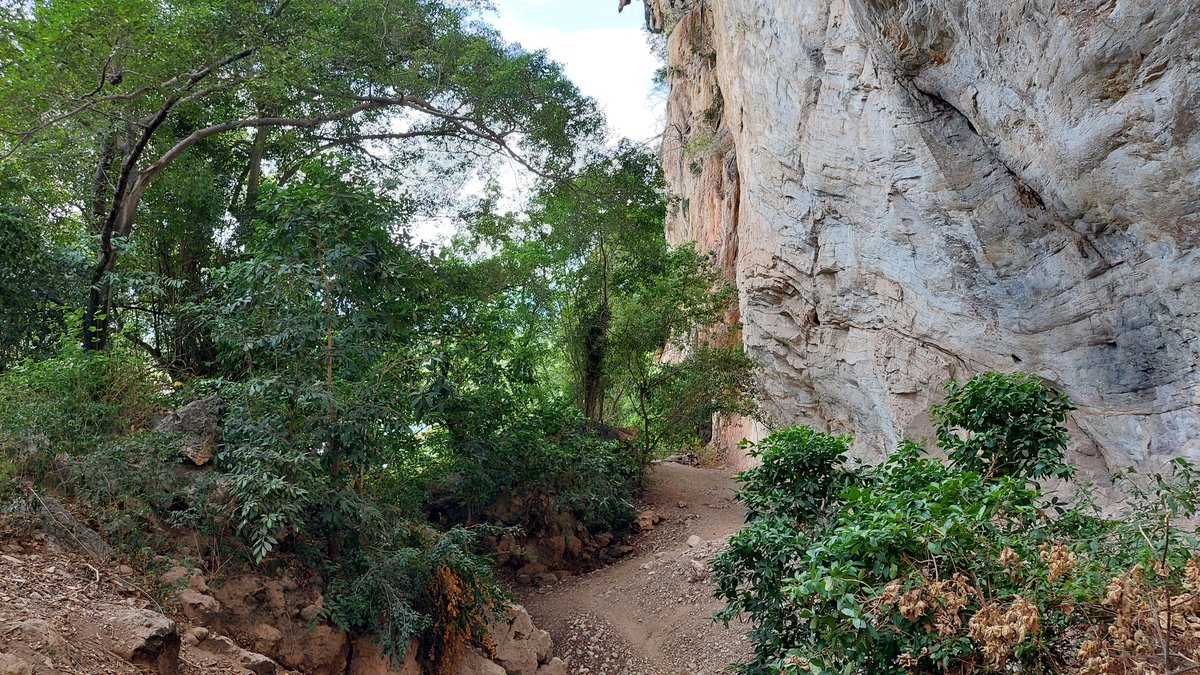
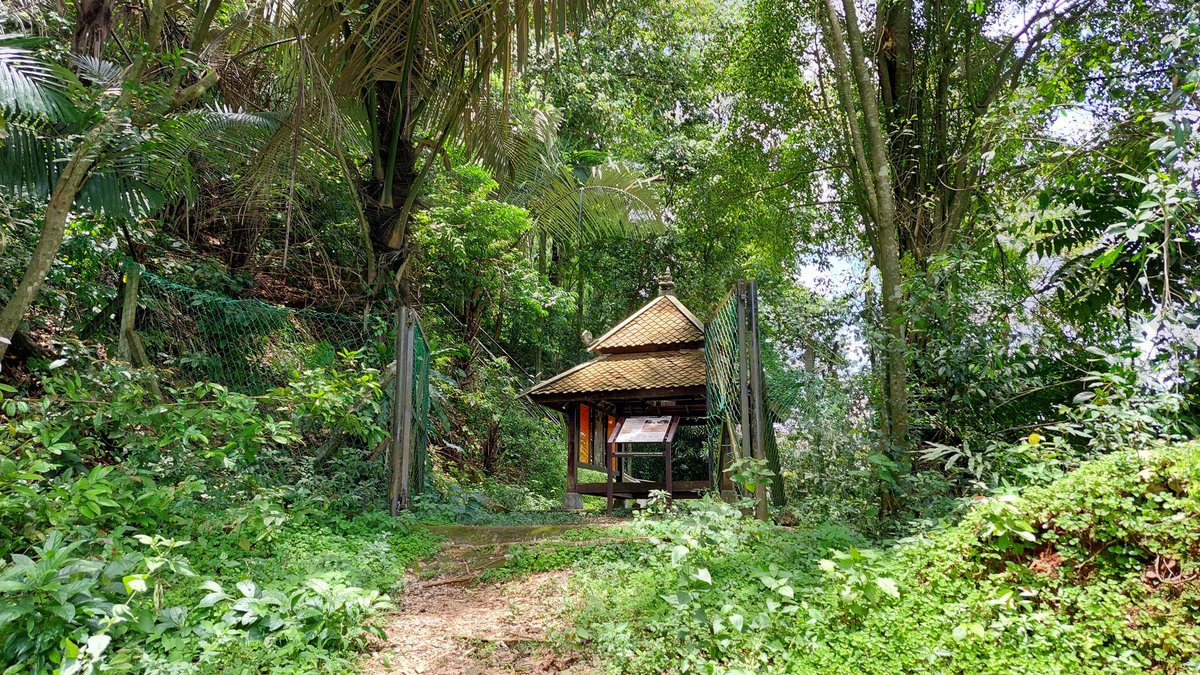
- Site Access Requires a short, steep hike with approximately 120–141 concrete steps. The trail may be slippery after rain; sturdy footwear is essential.
- Accessibility Not suitable for those with mobility challenges or for very young children due to uneven terrain and steep steps.
Best Time to Visit
- Dry Season March to September, to avoid muddy trails and ensure good visibility of the rock art.
- Ideal Hours Early morning or late afternoon for cooler temperatures and softer light.
Guided Tours and Workshops
- Regular Tours None scheduled, but occasional guided visits are offered by local heritage groups and tour operators.
- Workshops Community events and educational programs occasionally take place—check with local tourism offices for updates.
Site Facilities and Safety
- Facilities Minimal—no restrooms, food stalls, or artificial lighting at the site.
- Amenities The nearest facilities are in Tambun town or Ipoh city.
- Safety No wardens or security; visitors must take responsibility for their own safety. Mobile phone reception may be limited.
- Wildlife Be aware of monkeys, wild boars, insects, and occasionally snakes in the surrounding forest.
What to Bring and Visitor Etiquette
Recommended Items:
- Sturdy, closed-toe shoes with good grip
- Drinking water and snacks (pack out all trash)
- Sun protection (hat, sunscreen, sunglasses)
- Mosquito repellent (preferably with DEET)
- Camera (no flash photography)
- Torchlight or headlamp for enhanced viewing
- Guidebook or printed resources for self-guided exploration
Etiquette:
- Do not touch or deface the paintings
- Stay on marked paths to protect the site
- Supervise children at all times
- Avoid littering and take all rubbish with you
- Respect wildlife and the natural environment
Nearby Attractions
Enhance your Gua Tambun experience by visiting other notable sites:
- Lost World of Tambun Theme park with hot springs and family attractions
- Tambun Sai Baba Cave Temple Spiritual sanctuary in the limestone hills
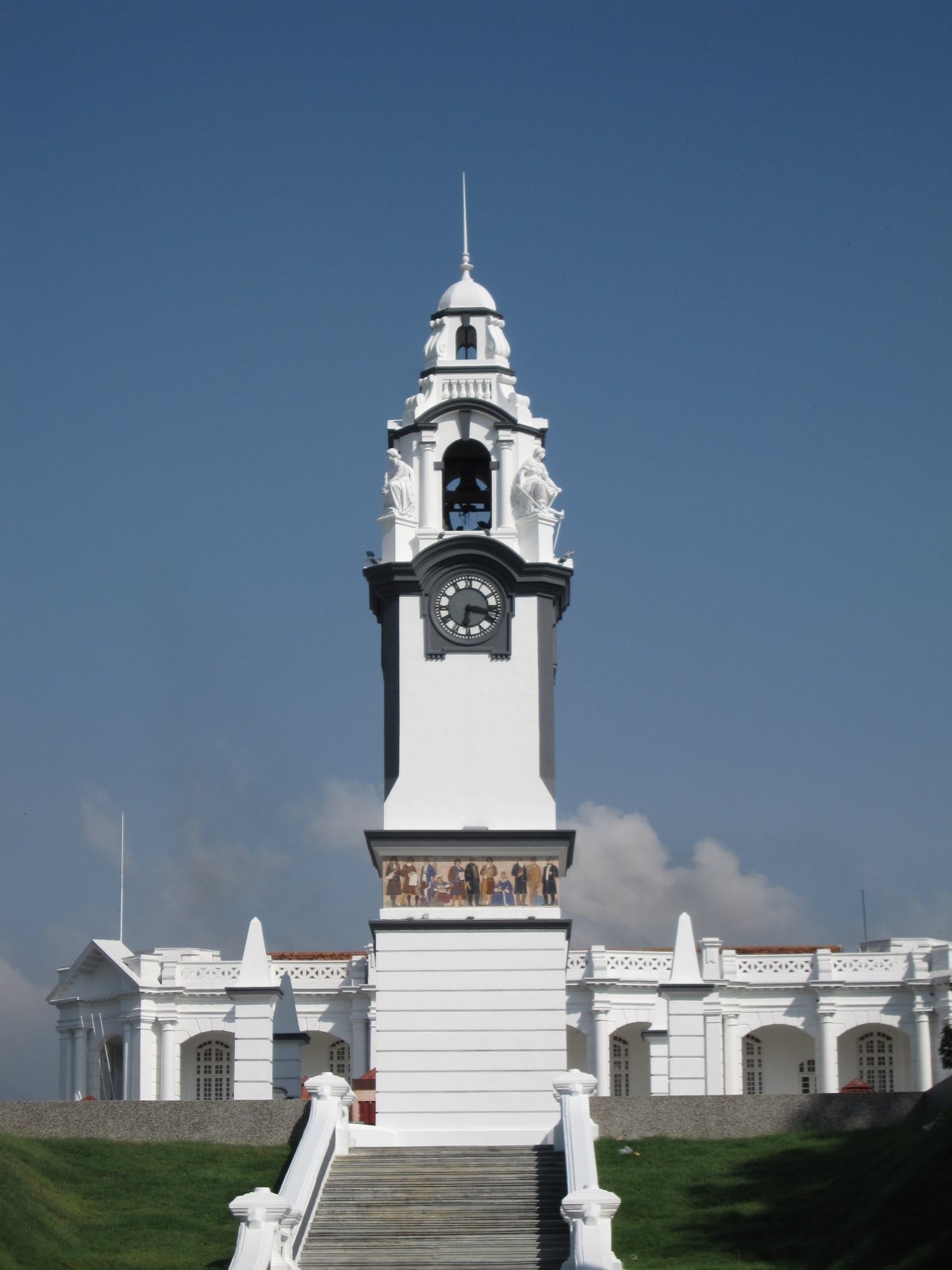
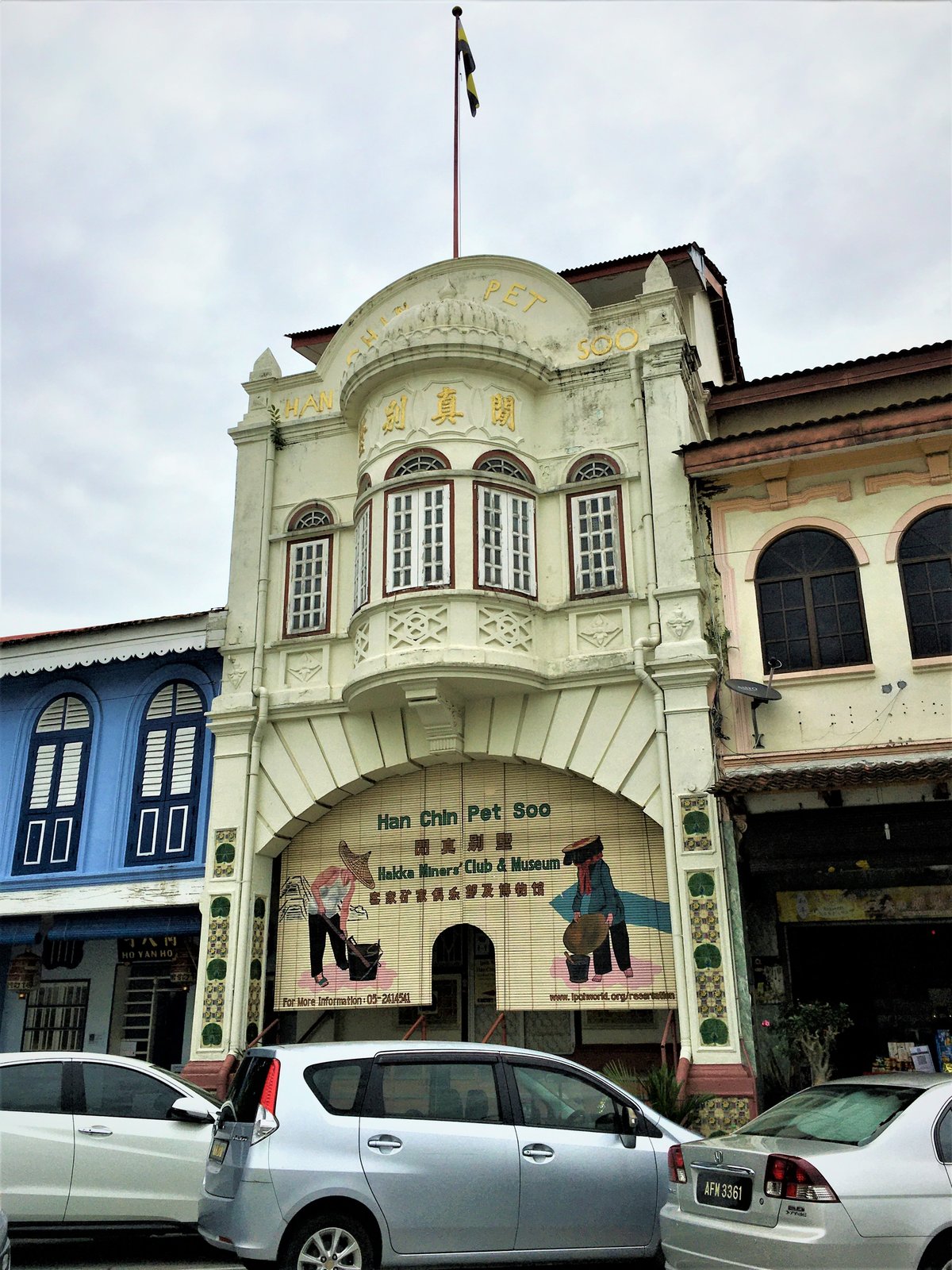
- Ipoh Heritage Trail Colonial architecture, street art, and markets
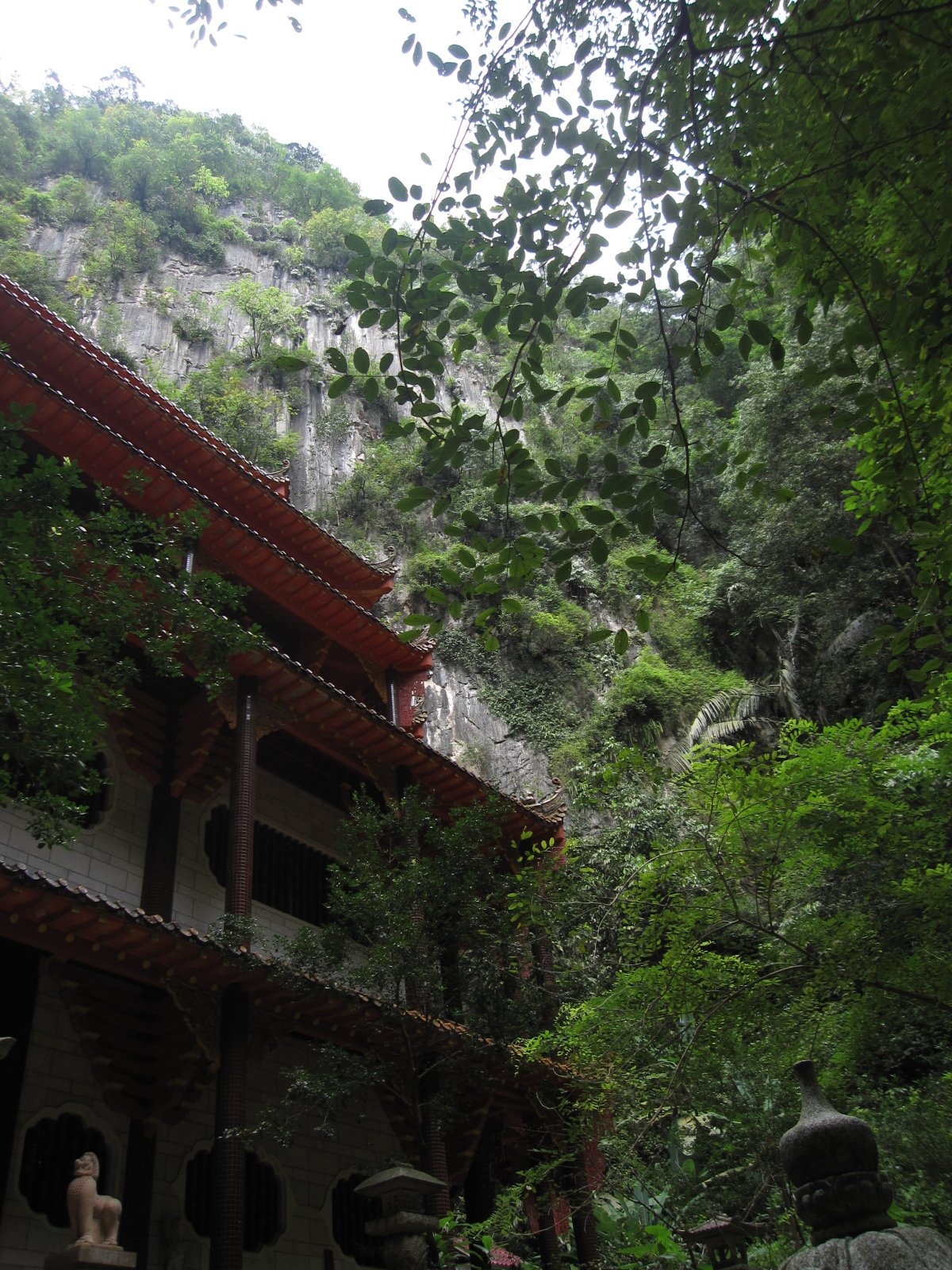
- Kek Lok Tong Cave Temple Cave temple with gardens and scenic views
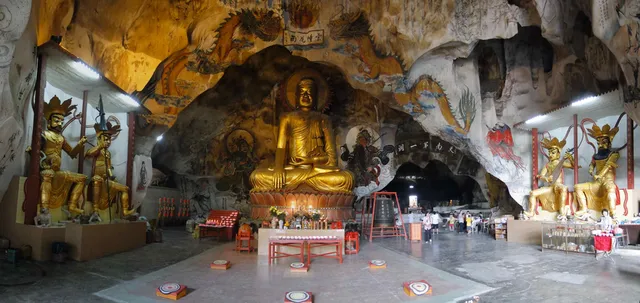
- Perak Cave Temple Renowned for murals and panoramic vistas
- Ho Yan Hor Museum Showcasing traditional Chinese medicine heritage
- Lenggong Archaeological Museum UNESCO World Heritage Site for prehistoric artifacts
Frequently Asked Questions (FAQs)
Q: What are the visiting hours for Gua Tambun?
A: Open daily from 8:00 AM to 6:00 PM; best visited in daylight.
Q: Is there an entry fee?
A: No, admission is free. Donations for conservation are appreciated.
Q: Are guided tours available?
A: No regular tours, but some local heritage groups and tour operators offer occasional guided visits.
Q: Is Gua Tambun suitable for families with children or elderly visitors?
A: Due to steep stairs and uneven terrain, it is not recommended for very young children, elderly visitors, or those with mobility issues.
Q: Can I take photos inside Gua Tambun?
A: Yes, but flash photography is prohibited to protect the rock art.
Q: Are there facilities on-site?
A: No—plan ahead and bring everything you need.