
Introduction
A Madagascar travel guide starts with one wild fact: more than 90% of the island’s wildlife exists nowhere else, and the roads can feel as epic as the sightings.
Madagascar is not a smaller version of anywhere else. It broke from India around 88 million years ago, then built its own cast: lemurs, baobabs, chameleons, spiny forests, highland rice terraces, and one of the strangest cultural mixes on the planet. In Antananarivo, royal hills and steep stair streets still shape daily life. At Ambohimanga, Merina statecraft sits on a sacred hilltop that still feels charged. Then the island swings outward fast: west to Morondava for baobabs at dusk, north to Nosy Be for ylang-ylang air and reefs, south to Tôlanaro where dry land runs straight into the sea.
Distance is the real plot twist. Madagascar looks manageable on a map, then turns every route into a decision about time, weather, and patience. The dry season from May to October is when the country opens up: clearer skies on the high plateau, rough roads that are at least passable, stronger chances of linking parks with towns instead of spending a day axle-deep in mud. Fianarantsoa works well as a base for highland culture and rail history, while Toamasina gives you the humid east coast, trade routes, and the long pull of the Indian Ocean.
Come for wildlife, yes, but stay alert to everything around it. This is a rice civilization where breakfast can mean mofo gasy bought at dawn, where zebu cattle still carry status, where taboos called fady can shape what a village eats, builds, or refuses to discuss. You see that layered history in markets, tombs, and street food as much as in museums. A smart first trip usually pairs Antananarivo with one coast and one inland region, rather than trying to conquer the whole island in a week. Madagascar punishes rushed itineraries. It rewards curiosity.
A History Told Through Its Eras
Canoes, rice terraces, and the ghosts called Vazimba
Foundations and Sacred Ancestors, c. 500-1600
A canoe lands on a shore nobody in Africa should have reached from Borneo, and yet here it is: rice seed, banana shoots, outrigger skill, and a language that still carries the memory of Southeast Asia. That is Madagascar's opening scene. Ce que l'on ignore souvent, c'est que the island does not begin with a conquering hero but with families bold enough to cross an ocean that still unsettles modern sailors.
Along the coasts, traders from East Africa, Arabia, and the wider Indian Ocean arrived with beads, cloth, astrology, and stories. Goods moved before kingdoms did. On the southeast coast, Antemoro specialists preserved sorabe writing in Arabic script, a reminder that Madagascar was never sealed off from the world; it simply chose its own rhythm.
In the central highlands, the remembered first inhabitants are the Vazimba, already half-shadow by the time later dynasties spoke of them. Their queens, Rangita and Rafohy, survive in oral tradition like figures glimpsed through mist: perhaps rulers, perhaps ancestors enlarged by ritual memory, certainly useful to every later sovereign who wanted an ancient pedigree. The hills around future Antananarivo and the sacred ridges of what would become Ambohimanga were already charged with hasina, that dangerous sacred force one does not handle lightly.
And then comes the great Malagasy pattern: political power fastening itself to landscape. Rice terraces climb the highlands, tombs anchor lineages, taboos called fady turn geography into moral law. Before the island had a single crown, it already had something more durable: a pact between the living, the dead, and the land. That pact will shape every king who follows.
Rangita survives not as a tidy historical biography but as a formidable ancestress, proof that Malagasy power could begin with women before bureaucrats began counting kings.
Some highland traditions describe early royal burials in canoe-shaped coffins, as if the dead were sent back onto the waters that first brought their people to the island.
When sacred hills became thrones
The Age of Highland Kingdoms, c. 1540-1810
Picture a hilltop settlement ringed with ditches, red earth underfoot, rice fields below, and a court where ritual matters as much as iron. This is the world of Andriamanelo, remembered in Merina tradition as the ruler who forged a kingdom from mixed inheritance and conflict. Whether every reform attributed to him is documented matters less than the ambition of the memory: founders are always credited with teaching a people how to live.
His successors sharpened that ambition. Ralambo, the son who looms behind so many court customs, is said to have reorganized rank, ceremony, and even the royal relationship with zebu cattle, that magnificent humped treasury on four legs. Ce que l'on ignore souvent, c'est que a kingdom is built as much at the feast as on the battlefield; who eats first, who sacrifices, who speaks, who keeps silence.
Then comes Andriamasinavalona, the grand monarch whose achievement contained its own poison. He expanded Imerina, strengthened the highland state, and then divided it among his sons, that old princely weakness dressed up as prudence. One hears the sigh of every dynastic historian: he created order, then handed civil war to his heirs as an inheritance.
Out of that fracture rose the man who truly changed the island's political scale, Andrianampoinimerina. In 1787 he seized Ambohimanga, expelled his rival uncle Andrianjafy, and turned a sacred hill into the beating heart of Merina legitimacy. His famous formula still rings with royal appetite: "the sea is the limit of my rice field." It sounds poetic. It was also a program.
From that moment, Madagascar ceased to be only a mosaic of powers. It began to imagine itself as something that could be gathered, disciplined, and ruled from the highlands. The next era will show what that dream costs.
Andrianampoinimerina was not a dreamy sacral king but a calculating state-builder who understood that markets, labor, and holy geography could serve the same crown.
At Ambohimanga, royal compounds preserved ritual spaces where even the arrangement of posts and thresholds signaled rank; architecture itself behaved like court etiquette.
The Merina court meets Europe, and nothing stays simple
Kingdom, Cannons, and Foreign Eyes, 1810-1896
The room is full of silk lambas, gunmetal, missionaries' paper, and the smell of damp highland earth after rain. In 1817, Radama I begins bargaining with the British from Antananarivo, eager for arms, technicians, and recognition. He wants schools, uniforms, roads, treaties. He also wants the island. Modernization, in Madagascar as elsewhere, arrives wearing boots.
Under Radama, the Merina kingdom pushes outward with force and confidence, extending control over large parts of the island. But conquest always writes two histories. From the court, it looks like unification; from the provinces, often like tax, corvée, and occupation. Stephane Bern would remind you, and rightly, that crowns rarely speak with the voice of those who carry the stones.
Then the stage darkens and sharpens with Ranavalona I. Foreign observers painted her as a monster, which is always convenient when empire wants a moral alibi, yet the truth is more interesting. She restricted missionary influence, defended sovereignty with ferocious suspicion, and ruled for thirty-three years in a century that punished women who governed without apology.
By the later nineteenth century, the court is balancing impossible pressures. Prime Minister Rainilaiarivony marries three successive queens to hold the state together, a domestic arrangement so political that Versailles would have admired it. Ranavalona II publicly embraces Christianity in 1869, royal idols are burned, and the kingdom tries to refashion legitimacy without surrendering itself.
France nonetheless comes with treaty language in one hand and artillery in the other. The conquest of 1895 and the formal annexation of 1896 end the kingdom, but not its memory. Go to Ambohimanga or climb the Haute Ville of Antananarivo and you can still feel the insult lingering under the stone.
Ranavalona I has been caricatured for generations, yet behind the legend stands a ruler who understood sooner than many European diplomats that foreign missions often arrive before foreign rule.
Rainilaiarivony married Queens Rasoherina, Ranavalona II, and Ranavalona III in succession, turning matrimony into a constitutional device.
French rule, a queen in exile, and the uprising nobody forgot
Empire, Rebellion, and the Long Road to Independence, 1896-1972
A deposed queen boards a ship under guard. Ranavalona III leaves Madagascar first for Réunion, then for Algeria, carrying the ceremonial ruin of a kingdom the French insisted was obsolete even as they feared its symbolic power. Ce que l'on ignore souvent, c'est que exile is one of empire's preferred weapons: remove the person, and you hope the memory weakens with her.
Colonial rule reordered the island with roads, schools, plantations, and forced labor. Antananarivo became an administrative capital under French eyes, its hills filled with churches, offices, and the disciplined geometry of power. Yet the colony never turned Malagasy society into a blank slate. Local elites adapted, resisted, negotiated, and wrote.
One of the most beautiful and painful figures of this era is Jean-Joseph Rabearivelo, the poet of Antananarivo who translated, invented, and belonged nowhere comfortably. He admired French letters, wrote with dazzling modernity, and still met the hard ceiling of colonial condescension. When he was denied the trip to Paris that might have crowned his career, the humiliation cut deeper because it was so politely administered.
Then came 1947. In the east and the highlands, rebellion erupted against French rule, and the repression was savage. Villages burned, arrests multiplied, bodies vanished into statistics that still refuse to settle; one can argue over numbers, not over the trauma.
Independence arrived in 1960 under Philibert Tsiranana, but colonial habits outlived the flag change. The First Republic remained close to France, calm on the surface, brittle underneath. By 1972, students, workers, and ordinary citizens had had enough of inherited dependency, and the next chapter would be written in protest rather than ceremony.
Rabearivelo, elegant and wounded, turned colonial Antananarivo into literature and paid for that double belonging with his life.
Rabearivelo reportedly arranged his final hours with terrible precision, leaving behind diaries and poems as if he were editing his own legend.
From socialist dreams to restless ballots
Revolution, Red Island, and Democratic Fragility, 1972-present
The microphones crackle, the crowds shout, and another regime promises moral renewal. After the 1972 crisis and a period of military transition, Didier Ratsiraka took power in 1975 and declared a socialist republic with the theatrical confidence so common to postcolonial strongmen. Madagascar became the "Red Island," aligned in rhetoric with revolution, though daily life remained stubbornly local: rice prices, transport, drought, schools.
Ideology did not fill stomachs. By the late 1980s and early 1990s, the system was fraying under debt, shortage, and political exhaustion. The streets of Antananarivo again became an arena of history, where presidential speeches met public impatience and learned, once more, that a capital on hills is an excellent place for dissent.
What followed was not a neat democratic ascent but a succession of bruising contests: Albert Zafy, the return of Ratsiraka, the crisis between Ratsiraka and Marc Ravalomanana in 2001-2002, then the 2009 power struggle that brought Andry Rajoelina to the fore. Each moment came wrapped in constitutional language and fueled by very human motives: ambition, fear, wounded pride, patronage. Ce que l'on ignore souvent, c'est que modern politics can be as dynastic in temperament as any royal court.
And yet the island keeps producing a stubborn civic life. Journalists, church networks, neighborhood solidarities, market women, students, rural communities: they are the less photographed custodians of continuity. Outside the palace frame, Madagascar is held together by fihavanana as much as by any constitution.
That is why the older sacred places still matter. Visit Ambohimanga after following the turmoil of modern Antananarivo, and the continuity becomes visible: power changes costume, ancestors do not. Madagascar's present is not detached from its royal past; it is arguing with it every day.
Didier Ratsiraka styled himself as a revolutionary admiral, but like many modern rulers he discovered that slogans age faster than institutions.
The nickname "Red Island" once referred not just to politics but also, with perfect Malagasy irony, to the island's laterite soil after rain.
The Cultural Soul
A Tongue That Bows Before It Speaks
Malagasy does not rush at people. It circles, inclines its head, studies the air, and only then chooses a form of address. In Antananarivo, you hear French at the bank counter, Malagasy in the market, and between the two a whole theater of caution, rank, kinship, and tenderness disguised as protocol.
The island’s strangest fact may be audible before it is visible: an Austronesian language spoken 400 kilometers off Mozambique, carrying Borneo in its vowels and the highlands in its patience. A sentence can feel like a woven mat. Pull one strand too hard and you have insulted an uncle, an ancestor, and perhaps the afternoon.
Certain words refuse translation with the dignity of old queens. Fihavanana is not kindness; it is the obligation that makes social life bearable. Hasina is not holiness; it is concentrated force, the kind that still clings to Ambohimanga, where royalty, burial, and politics entered the same room and never left.
Rice, Then the Rest of Life
In Madagascar, rice is not accompaniment. Rice is verdict, grammar, daily bread, and proof that the meal has begun. In a house from Antsirabe to Fianarantsoa, the mound of vary arrives first, white and immense, and the rest of the table knows its place.
Romazava looks modest enough to escape notice, which is exactly why it deserves worship. The broth is light, the zebu speaks in a low voice, and the brèdes mafanes leave a soft electrical murmur on the tongue, as if the dish had decided conversation was too slow. Ravitoto follows another logic: cassava leaves pounded into dark depth, pork folded through them, forest and fat entering a pact.
Breakfast can be mofo gasy eaten standing up in Antananarivo at dawn, steam on the griddle, newspaper in the hand, sugar on the lip. Then comes ranovola, the burnt-rice water that should by all rights be an accident and instead becomes a ritual. Civilizations reveal themselves in what they refuse to waste.
The Politeness of Detours
Directness lands badly here. A blunt refusal has the brutality of a door slammed in a church. Malagasy etiquette prefers the curve, the pause, the laugh that releases pressure before anyone loses face, because harmony is not decoration but infrastructure.
Watch a meal and the hierarchy becomes visible without a sermon. Elders are served first. Bowls pass by hand, not by conquest, and the communal pot imposes a discipline more elegant than any formal place setting. A country is a table set for strangers.
Fady governs more than visitors first understand. One village avoids a food, another a gesture, another a path after dark, and no two taboo maps lie exactly on top of each other. Ask before you joke, ask before you point, ask before you photograph a tomb near Morondava or a family rite outside Ambositra; the dead still hold voting rights.
Where the Dead Keep Their Appointments
Ancestor reverence in Madagascar does not belong to folklore. It belongs to scheduling, architecture, inheritance, and weather. Families speak of the dead with the practical gravity reserved elsewhere for tax officials; the ancestors protect, punish, advise, and occasionally make a household miserable until somebody performs the correct rite.
Church bells ring in the highlands, yes, and Protestant chapels in Antananarivo have shaped the skyline as firmly as brick stairways and jacaranda. Yet Christian worship did not erase older powers. It learned to live beside them, sometimes with grace, sometimes with clenched teeth, while hasina continued to circulate through hills, tombs, relics, cattle, and royal memory.
At Ambohimanga, that coexistence becomes almost architectural. The gates, the wood, the tombs, the hill itself: each element behaves like a sentence written for both the living and the dead. You leave with the strong suspicion that modern secular life is a temporary habit, whereas reverence knows how to outlast regimes.
Houses That Climb Like Arguments
The highland house tells the story before the guide does. Brick walls rise in Antananarivo with a vertical stubbornness that suits a city built on ridges, stairways, and old ambition. Verandas, steep roofs, shutters, and red earth combine into a style that feels part Merina court, part mission school, part adaptation to rain, altitude, and opinion.
Royal architecture at Ambohimanga speaks another dialect: timber, enclosure, sacred thresholds, spatial rules with legal force. A gate can carry more authority than a facade. One polished post can contain more memory than a museum case, because power here was never only displayed; it was fenced, climbed toward, and protected by ritual.
Then the coast changes the sentence. In Nosy Be and Île Sainte-Marie, humidity loosens the line, trade winds open the house, and Indian Ocean traffic leaves traces in balconies, courtyards, and port habits. Madagascar builds the way it remembers: inland with rank, seaward with exchange, everywhere with climate acting as co-author.
Ink Under Red Dust
Madagascar produced one of the great tragic writers of the twentieth century and still hides him from casual travelers as if testing their seriousness. Jean-Joseph Rabearivelo wrote in Antananarivo with the appetite of a man who had swallowed French symbolism whole and still remained irreducibly Malagasy. He translated, invented, borrowed, despaired, and made the colonial city speak in a voice too intelligent for its jailers.
Read him in the highlands and the landscape alters. The stairways of Haute Ville stop being picturesque and become psychological equipment: ascent, distance, humiliation, splendor, all at once. Literature does that when it is real. It changes masonry.
Malagasy writing has long lived in more than one script, more than one legitimacy, more than one audience. Sorabe manuscripts in the southeast, oral epics, hymns, bilingual poems, schoolroom French, market Malagasy: each carries a different permission to speak. In Fianarantsoa, with the train memories and the Catholic weight of the place, that layered textual life feels almost visible, as if language had sedimented on the hills.
What Makes Madagascar Unmissable
Lemurs, now and nowhere else
More than 100 lemur species live only in Madagascar, from mouse lemurs small enough to fit in a hand to the indri, whose calls sound almost human in the forest. This is the island’s headline for a reason.
Baobabs and stone forests
Few countries can move from the Avenue of the Baobabs near Morondava to the knife-edge limestone towers of Tsingy de Bemaraha in the same trip. The west trades lush green for shape, shadow, and silence.
Royal hills and sacred power
Madagascar’s history is written on hilltops. Antananarivo and Ambohimanga still hold the memory of Merina kingship, ancestor ritual, and the idea that power could live in a place as much as in a palace.
Rice with a worldview
Rice is not garnish here; it structures the day. Romazava, ravitoto, koba, and dawn-bought mofo gasy make sense of the island better than any generic tasting menu ever could.
Coasts with different moods
Nosy Be brings warm water, perfume crops, and easier beach logistics, while Île Sainte-Marie is tied to humpback whale season and a slower, weathered rhythm. Madagascar’s coastline is nearly 4,800 kilometers long, and it rarely repeats itself.
An island built for detours
The central highlands, rainforest escarpments, dry southwest, and coral-fringed northwest all ask for different kinds of travel. Madagascar suits people who prefer layered trips over checkbox itineraries.
Cities
Cities in Madagascar
Antananarivo
"The highland capital climbs seventeen hills above terraced rice paddies, its Haute-Ville of crumbling Creole mansions and the sacred Rova palace overlooking a city of 3 million that still slaughters zebu cattle for royal"
Nosy Be
"A volcanic island off the northwest coast where ylang-ylang plantations scent the air and dive boats leave before dawn for manta ray cleaning stations at Nosy Tanikely."
Morondava
"The gateway to the Avenue of the Baobabs — a dirt road flanked by Adansonia grandidieri trees up to 800 years old and 30 metres tall, most photogenic at dusk when the laterite dust turns gold."
Toamasina
"Madagascar's busiest port city sits on the east coast cyclone corridor, its French colonial grid still legible beneath the rust and bougainvillea, and the Pangalanes Canal begins its 700-kilometre inland journey here."
Fianarantsoa
"The intellectual and wine capital of the highlands, where Betsileo terraced paddies stack impossibly steep slopes and a narrow-gauge train descends the eastern escarpment through 48 tunnels to the rainforest coast."
Toliara
"The sun-bleached southern gateway to the spiny forest, where Mahafaly tomb sculptures painted with zebu horns and aeroplanes stand in the scrub and the Mozambique Channel reef runs close enough to wade."
Ambositra
"The woodcarving capital of Madagascar, a cool highland town of 40,000 where Zafimaniry craftsmen produce interlocking geometric marquetry — a UNESCO-recognised craft tradition — from workshops open to the street."
Antsirabe
"A highland spa town built by Norwegian missionaries in 1872 at 1,500 metres elevation, its Art Deco thermal hotel still operating and its backstreets full of pousse-pousse rickshaws and sapphire dealers."
Mahajanga
"An Arab-founded port on the northwest coast with a famous ancient baobab at the waterfront and a Comorian quarter whose mosques and fish markets remind you that the Indian Ocean is a neighbourhood, not a boundary."
Ambohimanga
"A UNESCO World Heritage royal hill 21 kilometres from Tana where Merina kings held court inside a stone gate that required 2,000 men to close each night, and where Malagasy still leave offerings of honey and rum for roya"
Île Sainte-Marie
"A narrow island off the east coast that was a pirate republic in the early 18th century — the cemetery at Baie des Forbans still holds headstones carved with skull-and-crossbones — and where humpback whales calve in the "
Tôlanaro
"The southernmost city, known on colonial maps as Fort Dauphin, pressed between granite peaks and the Indian Ocean where the spiny desert meets surf beach, and the last fuel stop before the road south becomes a track into"
Regions
Antananarivo
Central Highlands
The highlands are where Madagascar explains itself: terraced rice, brick houses on steep ridges, and royal memory that still shapes modern politics. Antananarivo can feel frayed, crowded, and magnificent in the same hour, while nearby Ambohimanga turns abstract history into a specific hill, a gate, a courtyard, a dynasty.
Nosy Be
Northwest Islands and Coast
Northwest Madagascar smells of ylang-ylang, salt, and boat fuel, with warmer water and easier beach logistics than much of the mainland. Nosy Be is the obvious base, but the region works best when you treat it as a maritime world rather than a single resort stop.
Morondava
Western Dry Forest Belt
The west is flatter, drier, and built around rivers that take their time crossing the island before reaching the Mozambique Channel. Morondava is the practical anchor for baobab country, sunset roads, and landscapes that look spare at first, then start revealing how much life survives on very little water.
Toamasina
East Coast and Canal Country
The east coast is humid, storm-shaped, and less polished than the island's postcard image, which is part of its appeal. Toamasina is Madagascar's main port city, and from here the coast stretches toward lagoons, ferries, and Île Sainte-Marie, where weather matters more than your timetable.
Fianarantsoa
Southern Highlands
South of Antsirabe, the plateau opens into one of Madagascar's most human landscapes: carved balconies, church spires, workshops, vineyards, and long road views over rice country. Fianarantsoa and Ambositra reward travelers who care as much about craft and town texture as they do about wildlife lists.
Toliara
Deep South and Southwest
The south feels like another country entirely, with drier air, thorn forest, and a coast where distances harden rather than soften. Toliara is the western anchor and Tôlanaro the southeastern one, each opening onto landscapes where transport is slower, light is harsher, and planning ahead matters more.
Suggested Itineraries
3 days
3 Days: Highlands First Look
This is the shortest route that still makes sense if you want Madagascar's political and cultural center rather than a rushed beach detour. You get the hill city streets of Antananarivo, the royal memory of Ambohimanga, and the cooler highland rhythm around Antsirabe without spending half the trip in transit.
Best for: first-timers, history-focused travelers, short stopovers
7 days
7 Days: West Coast Baobabs and Dry Country
This route trades speed for spectacle and works best if you want the western landscapes people remember years later. Start in Morondava for the baobab country, then continue north to Mahajanga for drier coast, broad estuaries, and a different pace from the central plateau.
Best for: photographers, road-trip travelers, dry-season trips
10 days
10 Days: East Coast Water and Island Days
Madagascar's east is wetter, greener, and less forgiving of tight plans, which is exactly why it rewards slower travel. This route links Toamasina with Île Sainte-Marie for canal country, sea crossings, and a coast where schedules bend around weather rather than the other way around.
Best for: return travelers, whale season trips, travelers who prefer coast over roads
14 days
14 Days: Southern Highlands to the Indian Ocean
This is the long overland route for travelers who want the island to change gradually: carved wood workshops, highland towns, rail-era streets, then dry south and open sea. It is geographically coherent and far more satisfying than trying to bolt the north and south together in the same two weeks.
Best for: slow travelers, overland specialists, repeat visitors
Notable Figures
Andriamanelo
c. 1540-c. 1575 · Founding ruler of early Merina powerTradition remembers him as the man who turned a contested highland world into a kingdom with sharper edges. He stands at the point where genealogy becomes statecraft, which is why later courts kept loading more inventions onto his name.
Ralambo
c. 1575-1612 · Merina king and ritual reformerRalambo is one of those rulers who survive in memory through custom as much as conquest. Later generations credited him with giving court life its form, as if protocol itself were a royal monument.
Andrianampoinimerina
c. 1745-1810 · King of Imerina and great unifierHe understood that a sacred hill could be used like a throne room and a military headquarters at once. His line about the sea being the limit of his rice field still captures the audacity of a ruler who thought in island-wide terms.
Radama I
1793-1828 · King of MadagascarRadama dressed ambition in the language of reform, inviting British advisers while building an army fit for conquest. He wanted Madagascar modern, but on royal terms, which is a contradiction that would haunt every successor.
Ranavalona I
c. 1778-1861 · Queen of MadagascarEuropean accounts long turned her into a gothic villainess, which says as much about Europe as about her. She was severe, suspicious, and often ruthless, but she also grasped that missionaries and merchants could become an advance guard for empire.
Rainilaiarivony
1828-1896 · Prime minister and architect of the late Merina stateHe married three queens in succession and made that extraordinary arrangement look almost administrative. Beneath the ceremony was a hard-headed strategist trying to preserve sovereignty while the imperial ring tightened.
Ranavalona III
1861-1917 · Last queen of MadagascarShe remains one of the saddest royal figures in the Indian Ocean: a queen required to embody dignity while power leaked away through treaties and cannon fire. Her exile gave the French a victory, but it also gave Madagascar a martyr of memory.
Jean-Joseph Rabearivelo
1903-1937 · Poet and diaristRabearivelo made Antananarivo into a literary capital of shadows, longing, and bilingual brilliance. He wanted France to read him as an equal; colonial society preferred admiration without equality, and the wound never closed.
Philibert Tsiranana
1912-1978 · First president of independent MadagascarTsiranana offered continuity when many wanted rupture, which is why his presidency felt stable until it suddenly felt intolerable. He inherited a flag and a bureaucracy, but also the uncomfortable intimacy of former colonial power.
Didier Ratsiraka
1936-2021 · President and revolutionary strongmanNo modern Malagasy leader better understood political theater: admiral, ideologue, nationalist, survivor. He promised a new order and instead showed how easily republican politics can fall back into courtly habits of loyalty and exclusion.
Photo Gallery
Explore Madagascar in Pictures
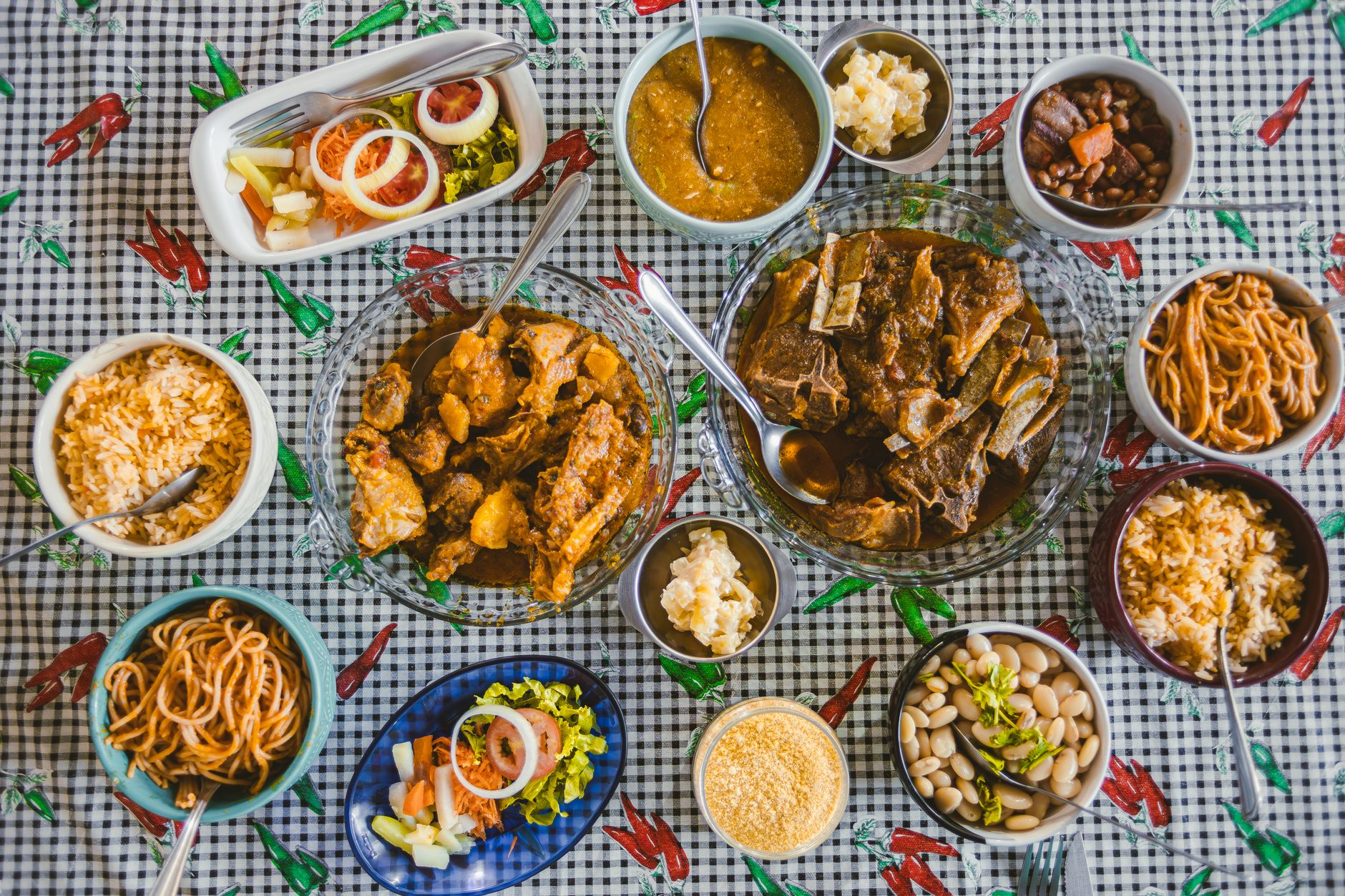
A diverse Brazilian feast displayed in a traditional setting, showcasing local cuisine varieties.
Photo by Matheus Alves on Pexels · Pexels License
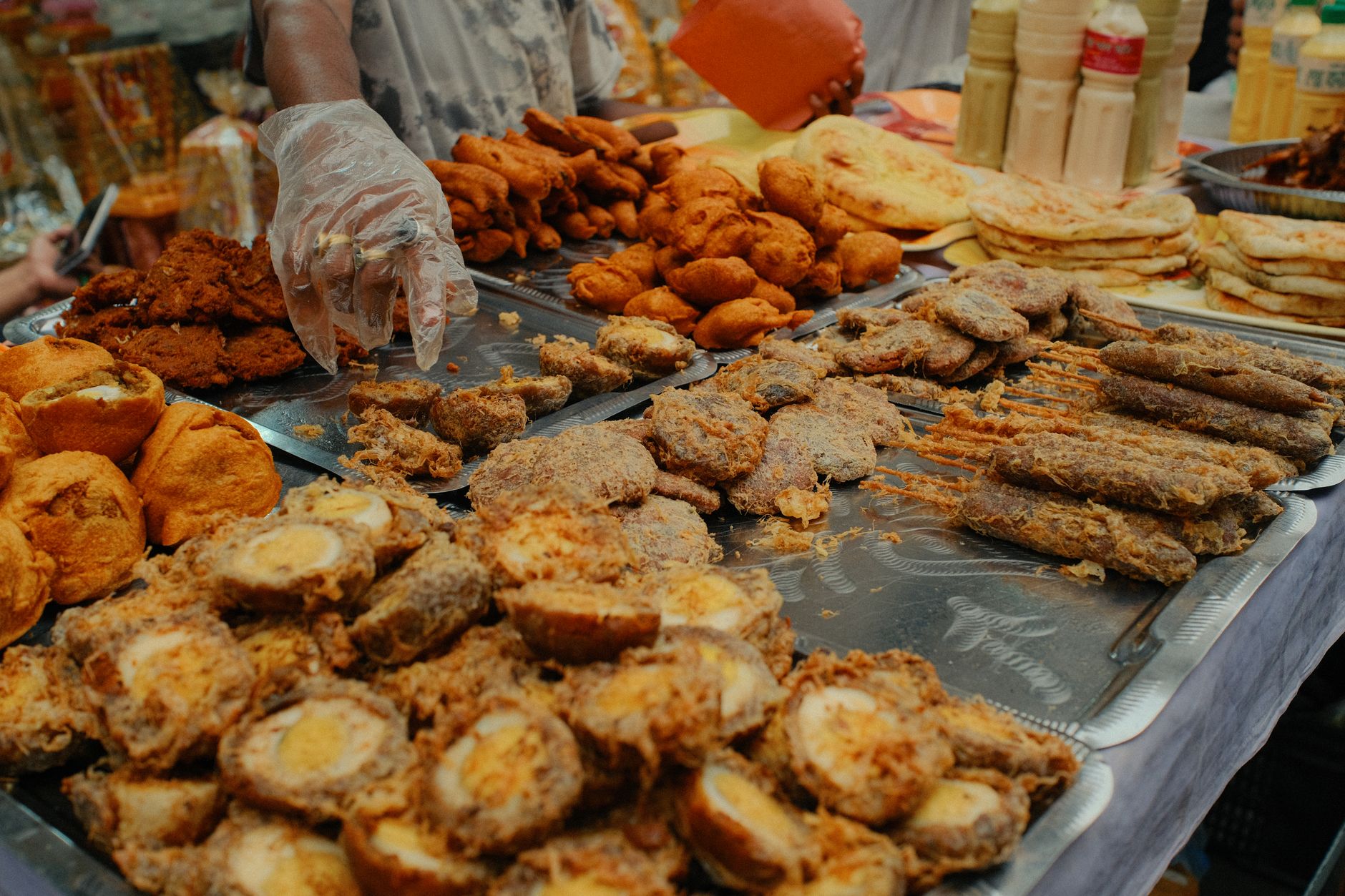
A variety of traditional foods displayed at a bustling Dhaka Iftar market during Ramadan.
Photo by Kabiur Rahman Riyad on Pexels · Pexels License
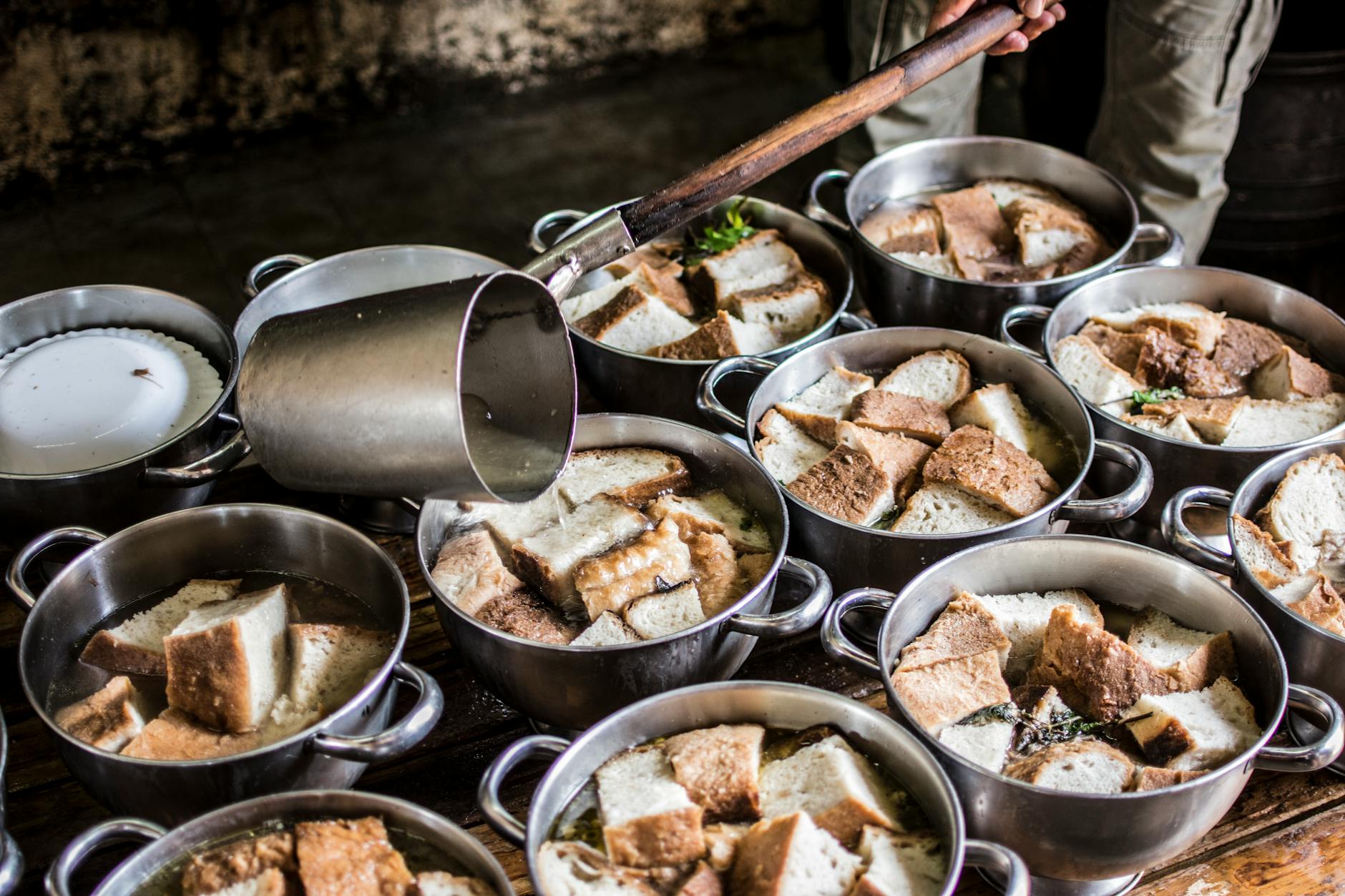
A rustic kitchen scene with pots of traditional bread soup being prepared in the Azores.
Photo by Kyla Rose Rockola on Pexels · Pexels License

Parson's chameleon perched on a branch in Madagascar's lush jungle, showcasing its vibrant camouflage.
Photo by Chen EdisoN on Pexels · Pexels License

A chameleon blends into its natural habitat on a branch in Madagascar's lush greenery.
Photo by Chen EdisoN on Pexels · Pexels License

Four children eating lollipops sit by a wooden building in Madagascar.
Photo by Chen EdisoN on Pexels · Pexels License

A vibrant panther chameleon climbs a small tree in Madagascar, surrounded by a mossy wall.
Photo by Chen EdisoN on Pexels · Pexels License
Practical Information
Visa
Madagascar is not in Schengen, and most travelers should arrive with a passport valid for at least 6 months beyond entry. Stays under 15 days are often treated differently from 30-, 60-, or 90-day tourist stays, and the official eVisa fee table does not fully match some consular guidance, so check the rule for your nationality before you fly.
Currency
The local currency is the ariary (MGA), and you will need cash for markets, taxi-brousse rides, park snacks, and many small hotels outside Antananarivo and Nosy Be. Cards work mainly in larger hotels and some restaurants, so carry backup euros or dollars and do not assume you can reconvert leftover ariary easily.
Getting There
Most international arrivals land at Ivato Airport in Antananarivo, with Nosy Be as the other main gateway. Regional international links also touch Toliara, Toamasina, and Tôlanaro on some carriers, but schedules are thinner than they look on a map, so build slack into connections.
Getting Around
Madagascar is big, roads are slow, and distance on paper means very little once you leave the paved highland corridors. Taxi-brousse is the cheapest option, private car and driver saves time, and domestic flights are often the only sane choice if you want to combine places like Nosy Be and Morondava in one trip.
Climate
May to October is the cleanest window for most trips: cooler air in the highlands, drier roads, and fewer transport headaches. November to April brings heat, rain, and cyclone risk, especially on the east coast and around Île Sainte-Marie, where storms can disrupt boats and road access fast.
Connectivity
Mobile data is much more reliable than fixed Wi-Fi once you are outside upscale hotels. Buy a local SIM in Antananarivo or Nosy Be, download maps before long road days, and expect weak signal in national parks, on island crossings, and on stretches between towns such as Antsirabe and Morondava.
Safety
The practical risks are petty theft, rough roads after dark, and long transfers that slip by hours rather than minutes. Use official airport transfers, keep valuables out of sight in Antananarivo, avoid night driving where possible, and carry enough cash, water, and medicine for delays rather than assuming the next town will have what you need.
Taste the Country
restaurantRomazava
Lunch, family table, rice mound. Broth pours over vary, elders serve first, zebu and greens follow silence, then talk.
restaurantRavitoto
Sunday pot, cassava leaves, pork fat. Spoon to bowl, bowl to rice, hand to mouth, second helping without debate.
restaurantMofo gasy
Dawn street corner in Antananarivo. Vendor lifts cakes from iron mold, commuters buy, stand, eat, leave sugar on fingers.
restaurantMasikita
Night market, charcoal smoke, friends around skewers. Zebu or chicken grills, bread tears, beer or soda passes hand to hand.
restaurantKoba
Bus station food. Banana leaf unwraps, peanut cake slices, travelers chew slowly through dust and waiting.
restaurantRanovola
End of meal, warm cup, old habit. Burnt-rice water follows lunch, settles stomach, prolongs table talk.
restaurantAkoho sy voanio
Coast meal in Nosy Be or Toliara. Coconut chicken meets rice, fingers or spoon, family or beach shack table.
Tips for Visitors
Cash First
Use ATMs in Antananarivo, Nosy Be, or larger towns when you can, then carry enough ariary for several days. Small hotels, market stalls, taxi-brousse stations, and park-side cafes often do not take cards at all.
Price Your Time
On this island, the cheapest route can cost you two full travel days. If your trip is under 10 days, spend money on one domestic flight or a private transfer before you spend it on a nicer hotel.
Road Days Lie
A transfer that looks like six hours can turn into ten after rain, roadworks, or a breakdown. Keep the day after a major road move light, especially on routes touching Morondava, Toliara, or the east coast.
Book Early in Dry Season
July to August fills the best lodges first, not the worst ones. Reserve beach stays in Nosy Be, whale season nights on Île Sainte-Marie, and high-demand park lodges before you lock in transport.
Eat at Lunch
The best local cooking often appears at midday, when rice, romazava, ravitoto, and grilled skewers are freshest. Late dinners can be thin outside larger towns, so make lunch the meal you plan around.
Skip Night Driving
Road hazards are the problem: poor lighting, livestock, potholes, and vehicles with unpredictable maintenance. If you can choose only one safety habit in Madagascar, choose arriving before dark.
Respect Fady
Local taboos vary by community and they are not decorative folklore. If a guide tells you a beach, tomb, food, or gesture is fady, follow the rule without arguing and ask questions afterward.
Explore Madagascar with a personal guide in your pocket
Your Personal Curator, in Your Pocket.
Audio guides for 1,100+ cities across 96 countries. History, stories, and local insight — offline ready.
Audiala App
Available on iOS & Android
Join 50k+ Curators
Frequently Asked
Do I need a visa for Madagascar? add
Usually yes, or at least you need to deal with entry formalities before or on arrival. Short stays under 15 days are treated differently from 30-, 60-, or 90-day tourist stays, and official eVisa pricing does not fully match every consular page, so check the rule for your passport a few days before departure.
Is Madagascar expensive to travel? add
It can be moderate on the ground and expensive in motion. Daily costs stay manageable if you use guesthouses and taxi-brousse, but private cars, park logistics, and domestic flights push the budget up quickly because the island is large and slow to cross.
What is the best month to visit Madagascar? add
May, June, September, and October are usually the safest bets. They sit inside the dry season without the July-August holiday crush, which means better road conditions, easier wildlife planning, and less competition for the better rooms.
Is Madagascar safe for tourists? add
Yes, with ordinary urban caution and serious respect for transport risk. Petty theft exists in Antananarivo and other cities, but the bigger practical danger for many travelers is long overland travel, delayed routes, and night driving on poor roads.
Can you use credit cards in Madagascar? add
Only sometimes, and mostly in larger hotels, some restaurants, and parts of Antananarivo or Nosy Be. For everyday travel you should assume cash rules the trip, from station snacks to local guides to smaller hotels.
How do you get around Madagascar without driving? add
Most independent travelers mix taxi-brousse, arranged drivers, domestic flights, and hotel transfers. Renting a self-drive car is less common than in easier road countries because distances are long, road conditions change fast, and local driving judgment matters.
Is Nosy Be or Île Sainte-Marie better? add
Nosy Be is easier for a shorter beach break, while Île Sainte-Marie suits travelers who can tolerate weather-driven logistics. Nosy Be has simpler flight access and more established resort infrastructure; Île Sainte-Marie feels looser, greener, and stronger during whale season.
How many days do you need in Madagascar? add
Ten days is the minimum for a route that feels like a trip rather than a transport puzzle. With only a week, choose one region such as the highlands, the west around Morondava, or Nosy Be, instead of trying to combine opposite ends of the island.
Is Madagascar good for a family trip? add
Yes, if you simplify the route and pay to reduce transfer fatigue. Families tend to do better with one base in Nosy Be or a short highlands circuit around Antananarivo and Antsirabe than with heroic overland plans.
Sources
- verified Madagascar eVisa Portal — Official visa categories, fee table, and entry process details.
- verified France Diplomatie: Madagascar — Current French government travel advice with entry and visa guidance.
- verified Ravinala Airports — Official airport operator information for Antananarivo and Nosy Be gateways.
- verified PwC Tax Summaries: Madagascar — Currency, VAT, and baseline fiscal reference points.
- verified UNESCO World Heritage Centre: Madagascar — Authoritative list of UNESCO World Heritage sites and inscriptions in Madagascar.
Last reviewed: