Origins and Urban Development
Situated in the Ville Haute—the historical and commercial heart of Luxembourg City—Rue Philippe-II emerged during the city’s significant urban renewal in the late 19th and early 20th centuries. Its development followed the dismantling of Luxembourg’s formidable fortifications in the 1860s, a process initiated by the Treaty of London (1867) (vdl.lu). Freed from its military constraints, the city expanded into elegant boulevards and commercial arteries, with Rue Philippe-II soon becoming a key venue for business and leisure.
Naming and Historical Figures
The street’s name honors Philippe II, Duke of Burgundy (1342–1404), also known as Philip the Bold. His influence extended over the Burgundian Netherlands, which included parts of present-day Luxembourg, symbolizing the city’s longstanding ties with European nobility and political history (onthisday.com).
Architectural Character and Urban Fabric
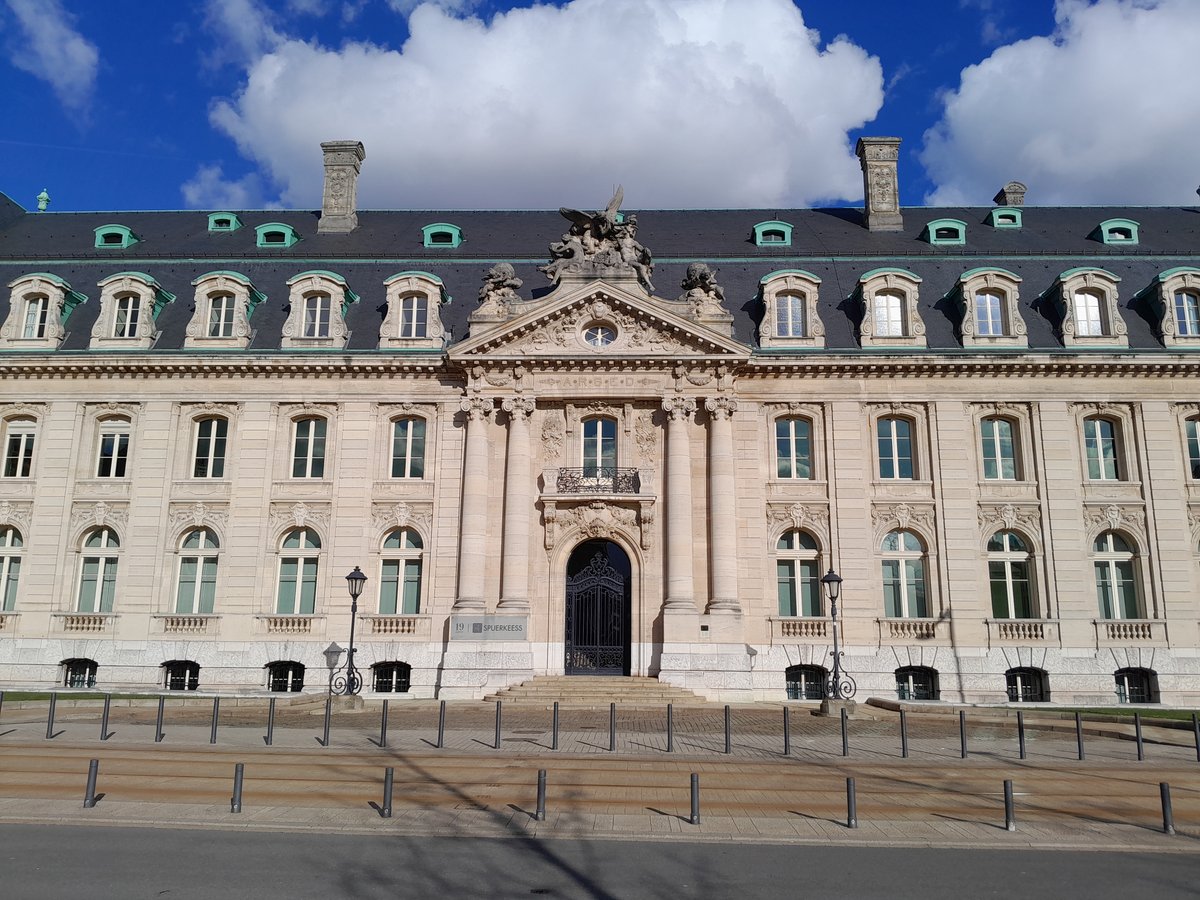
Rue Philippe-II is a showcase of architectural harmony between old and new. The street’s elegant stone buildings, adorned with ornate balconies and wrought-iron railings, reflect Beaux-Arts and Art Nouveau influences. Many upper floors serve as residences or offices, while the ground level is lined with luxury boutiques, cafes, and galleries. Recent renovations—such as the Chanel boutique at number 5, masterminded by architect Peter Marino—demonstrate a commitment to blending heritage with contemporary luxury (delano.lu).
Modern architectural elements have been thoughtfully integrated, especially in flagship stores and pop-up boutiques. Glass, steel, and minimalist designs create a dynamic dialogue with the historical context, all under strict city planning regulations to maintain the street’s unique atmosphere (SoBarnes, Le Quotidien).
Shopping, Dining, and Social Life
Luxury Boutiques and Flagship Stores
Rue Philippe-II is often dubbed the “Golden Mile” of Luxembourg due to its concentration of luxury brands and designer boutiques. Shoppers will find iconic names like Chanel, Louis Vuitton, Hermès, and Cartier, alongside innovative concept stores such as the Smets Flagship Store, renowned for its avant-garde interiors and curated art displays (SoBarnes). For those seeking more accessible fashion, nearby shops include H&M, Zara, Uniqlo, and C&A, as well as local artisan boutiques.
Pop-Up and Concept Stores
The street is a leader in contemporary retail, hosting a variety of pop-up shops such as Emergence, which highlights independent European designers, and No Rainer, known for its unique rainwear collections (Le Quotidien). These stores foster an ever-evolving retail experience, keeping the street vibrant and fresh.
Dining and Café Culture
Café terraces and patisseries along Rue Philippe-II and the adjacent Place d’Armes offer excellent opportunities for people-watching and enjoying Luxembourgish cuisine. Visitors can indulge in local specialties—such as Gromperekichelcher (potato fritters)—or opt for gourmet dining experiences.
Cultural and Historical Landmarks Nearby
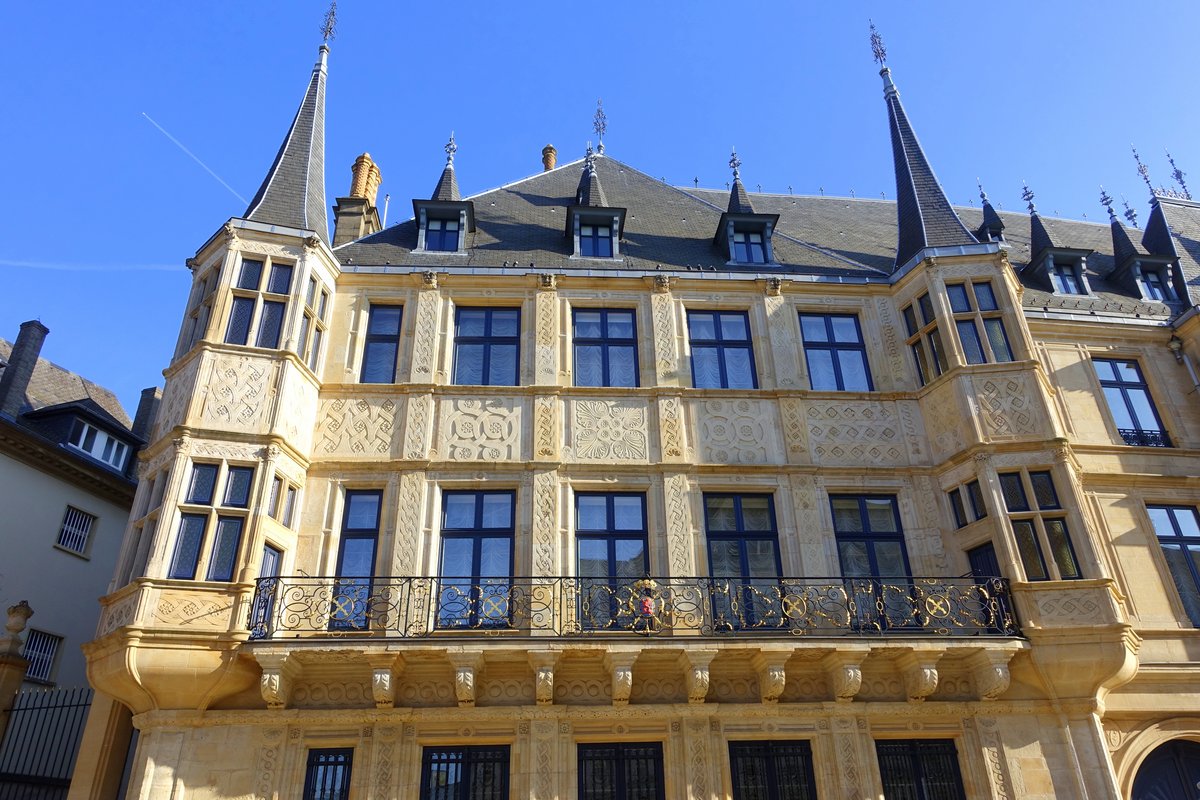
Grand Ducal Palace
A short walk from Rue Philippe-II, the Grand Ducal Palace is Luxembourg’s most iconic monument. Built in the Renaissance style in the 16th century, it serves as the official residence of the Grand Duke. Guided tours are available in summer (July–September), typically lasting 45 minutes with tickets around €12 for adults (History Hit).
Place Guillaume II and Place d’Armes
- Place Guillaume II (Knuedler) Home to the neoclassical City Hall and frequent site of markets and festivals (PlanetWare).
- Place d’Armes Surrounded by arcaded buildings, this square is a lively hub for dining and social gatherings.
Other Notable Sites
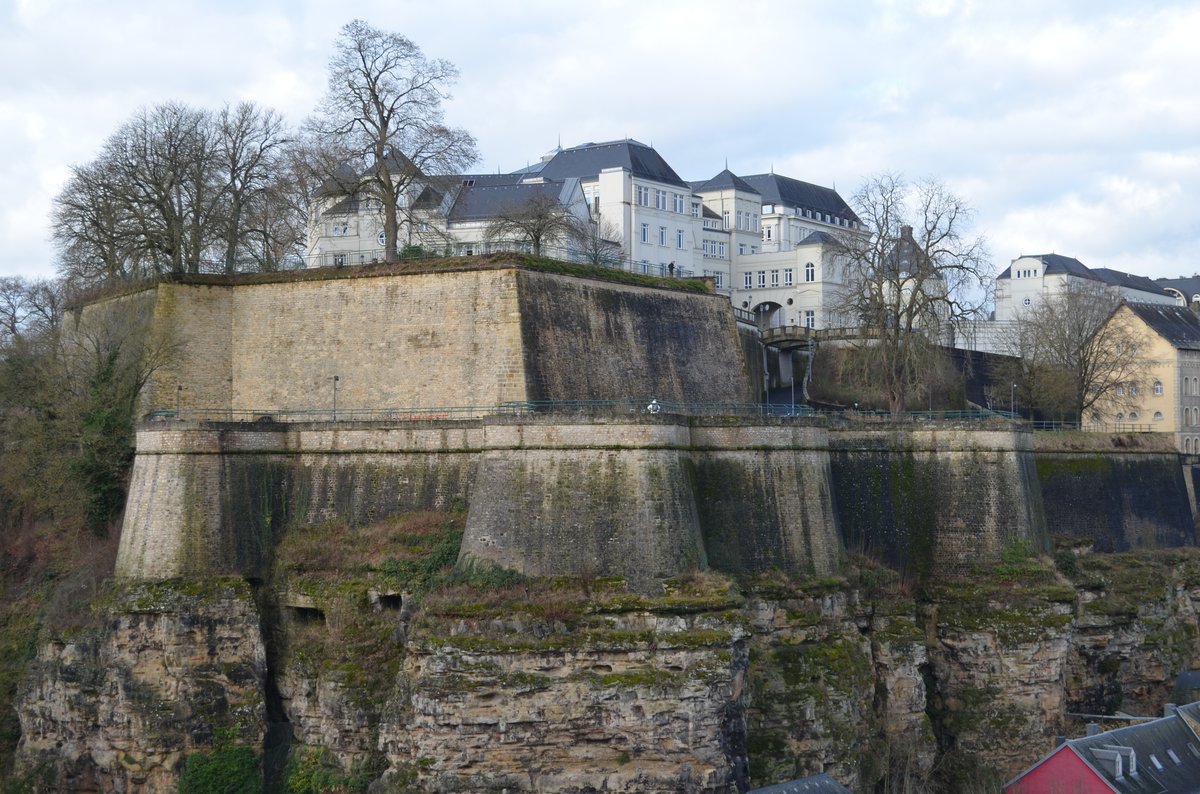
- Bock Casemates A UNESCO World Heritage Site featuring vast underground tunnels (TravelWithSkills).
- Walls of the Corniche Offering exceptional panoramic views and often called “the most beautiful balcony in Europe.”
- MUDAM (Museum of Modern Art) A contemporary landmark designed by I.M. Pei (PlanetWare).
- Am Tunnel Gallery A unique contemporary art space housed in a converted tunnel.
Visitor Information
Opening Hours and Tickets
- Rue Philippe-II Open to the public year-round, 24/7.
- Shops & Boutiques Generally 10:00–18:00 Monday to Saturday. Luxury brands may close for lunch and have reduced hours on Sundays and holidays.
- Grand Ducal Palace Guided tours available July–September. Tickets ~€12, book online or onsite.
Accessibility
The street and surrounding area are largely pedestrianized and wheelchair accessible. Major landmarks offer ramps, elevators, and other features for visitors with reduced mobility (Visit Luxembourg).
Transportation and Parking
- Public Transport Free nationwide buses and trams connect the area efficiently.
- Parking Underground parking available at Royal Hamilius and Knuedler; park-and-ride options on the city outskirts are recommended due to limited central parking.
Travel Tips
- Best Times to Visit Weekday mornings for tranquility; Saturdays and event days for a lively atmosphere; summer and December for festivals and decorations.
- Tax-Free Shopping Available for non-EU visitors—ask retailers for information.
- Safety Luxembourg is very safe, but remain vigilant in crowded areas.
Special Events and Cultural Highlights
Rue Philippe-II hosts cultural happenings throughout the year, including pop-up art installations, street markets, and open-air concerts. The “Look Up!” art project, with vibrant fluorescent strings overhead, is a visual highlight during the holiday season (luxtimes.lu). Check the Luxembourg City event calendar for the latest updates.
Frequently Asked Questions (FAQ)
Q: What are the opening hours for shops on Rue Philippe-II?
A: Most open 10:00–18:00 Monday to Saturday. Sundays and public holidays may have reduced hours or closures.
Q: Is there an entry fee to visit Rue Philippe-II?
A: No, it is a public street and free to access at all times.
Q: Are guided tours available?
A: Yes, the Luxembourg City Tourist Office offers walking tours that include Rue Philippe-II and nearby historic sites.
Q: Is the area accessible for people with disabilities?
A: Yes, the street and major landmarks are wheelchair accessible. Check individual sites for detailed information.
Q: Where can I park nearby?
A: Underground parking is available at Royal Hamilius and Knuedler, but public transport is recommended due to limited central parking.
Summary and Recommendations
Rue Philippe-II exemplifies the dynamic fusion of Luxembourg City’s historical legacy and contemporary energy. From ornate 19th-century facades to modern retail concepts, and from luxury boutiques to seasonal cultural events, the street offers something for every visitor. Its strategic location, close to the Grand Ducal Palace and Place d’Armes, makes it an ideal starting point for exploring Luxembourg’s rich urban heritage (delano.lu, luxtimes.lu).
To maximize your experience:
- Plan your visit around special events or festivals.
- Use the Audiala app for self-guided tours and real-time updates.
- Consult official tourism websites for the latest information and accessibility details.