Origins and Early Development
Rue Beaumont traces its roots to the period when Luxembourg expanded beyond its fortress walls in the Middle Ages (tripbytrip.org). First documented in the 1862 “Plan de la Ville et de la Forteresse de Luxembourg,” the street’s name—meaning “beautiful hill”—reflects the elevated terrain of the Ville Haute. Its proximity to the Grand Ducal Palace and Place Guillaume II underscores its longstanding centrality in city life (industrie.lu, mapcarta.com).
19th and Early 20th Century
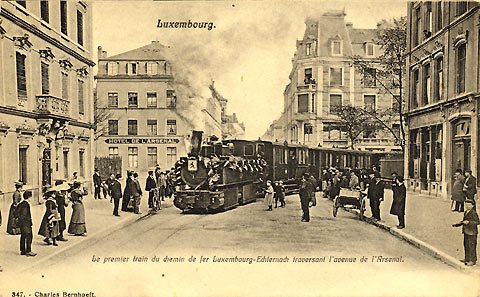
By the late 1800s, Rue Beaumont had become a bustling hub for commerce and society. Businesses like Klees-Fox, known for furniture and home décor, anchored the street’s economic vitality (industrie.lu). The architecture from this era blends traditional Luxembourgish forms with French, German, and Belgian influences, many of which are still preserved.
Post-War Evolution and Urban Renewal
In the post-war years, Rue Beaumont adapted to shifting trends, welcoming a mix of beauty salons, specialty stores, and boutique retailers. Today, institutions such as “Petits Princes” and “La Malle de Lux” continue the legacy of high-quality shopping and cultural engagement, positioning the street as a modern lifestyle destination (addresshistory.org, paperjam.lu).
2. Visiting Hours, Tickets, and Accessibility
Visiting Hours
Rue Beaumont is a public pedestrian street, accessible 24/7. Most shops operate from 10:00 AM to 6:00 PM, Monday through Saturday, with some extending hours on Thursdays and Fridays. Cafés and restaurants may remain open later, particularly in summer.
Tickets and Entry
There is no admission fee to stroll Rue Beaumont. However, nearby attractions—such as the Grand Ducal Palace and the National Museum of History and Art—may require tickets and have set visiting hours. Always check official sites for current details before visiting.
Accessibility
The street is pedestrianized and features mostly flat surfaces suitable for wheelchairs and strollers. Convenient public transportation stops, including “Place Guillaume II,” are nearby. While parking in the area is limited, several public garages serve the city center. Luxembourg’s public transport is free nationwide (visitluxembourg.com).
3. Travel Tips and Practical Details
- Best Time to Visit May through August for pleasant weather, festivals, and lively street life.
- Getting There Use Luxembourg’s free buses and trams; the city center is compact and walkable.
- Language Luxembourgish, French, German, and English are widely spoken.
- Currency Euro (€); most shops accept cards, but carrying some cash is advisable.
- Safety Luxembourg City is very safe; usual travel vigilance suffices.
- Footwear Comfortable shoes are recommended due to cobblestone paving.
4. Architectural and Urban Significance
Rue Beaumont’s streetscape is a harmonious blend of 19th-century townhouses, Belle Époque commercial buildings, and modern renovations. Ornate stonework, wrought-iron balconies, and pastel facades reflect the city’s architectural heritage. The street’s alignment follows the contours of former city fortifications, linking Rue des Capucins and Grand-Rue, and integrating seamlessly into the UNESCO-listed urban core (mapcarta.com).
5. Cultural and Social Role
Reflecting Luxembourg’s cosmopolitan identity—home to over 170 nationalities—Rue Beaumont buzzes with multilingual conversation and cultural diversity (luxembourgexpats.lu). The street participates in key city events like the “Night of the Museums,” the Schueberfouer funfair, and the Winterlights Christmas market, transforming into a lively promenade filled with music, artisanal stalls, and festive decorations (vdl.lu).
Art installations and pop-up exhibitions further animate the street, and local cafés offer the perfect vantage point for people-watching and soaking in the ambiance.
6. Economic Impact and Modern Identity
As a premier commercial artery, Rue Beaumont hosts luxury boutiques, independent shops, and gourmet food outlets. Retailers range from flagship fashion brands to local specialty stores, serving both residents and international visitors (addresshistory.org). Outdoor cafés and restaurants contribute to the street’s economic vitality and reinforce its standing as a preferred destination for shopping and leisure (futurehubs.eu).
7. Notable Landmarks and Nearby Attractions
Rue Beaumont’s central position places visitors steps from Luxembourg City’s top attractions:
- Grand Ducal Palace Official residence of the Grand Duke, open for guided tours in summer (mapcarta.com).
- National Museum of History and Art Multimedia exhibits and archaeological displays in the historic Fish Market area (tripbytrip.org).
- Place d’Armes The city’s main square, known for its lively cafés and open-air concerts.
- Bock Casemates UNESCO-listed underground tunnels and fortifications.
- Chemin de la Corniche “Europe’s most beautiful balcony,” offering panoramic views of the Alzette valley (Luxtoday).
All are within a short walking distance, creating a compact and enriching visitor circuit.
8. Frequently Asked Questions (FAQs)
Q: What are Rue Beaumont’s opening hours?
A: Rue Beaumont is open 24/7. Most shops are open 10:00–18:00, Monday to Saturday.
Q: Are tickets required to visit Rue Beaumont?
A: No, Rue Beaumont is a public street. Some nearby attractions require tickets.
Q: Is Rue Beaumont wheelchair accessible?
A: Yes, it is pedestrianized and mostly flat, with step-free access to many businesses.
Q: How do I reach Rue Beaumont via public transport?
A: Luxembourg offers free public transport citywide; bus and tram stops are near the Old Quarter.
Q: Are there guided tours that include Rue Beaumont?
A: Yes, guided walking tours are available from the Luxembourg City Tourist Office (visitluxembourg.com).