Plan and listen to Vilnius University with Audiala.
Audio guide in your pocket, itinerary in your browser. Built for the way you actually visit.
Introduction to Vilnius University and Its Significance
Founded in 1579, Vilnius University stands as a monumental testament to Lithuania’s academic, cultural, and architectural heritage. As the oldest university in the Baltic states and a pillar of Central and Eastern European scholarship, its historic Old Campus—nestled within the UNESCO-listed Vilnius Old Town—offers a captivating journey through centuries of educational excellence and architectural splendor. The university’s fusion of Gothic, Renaissance, Baroque, and Classicist styles makes it not only a leading academic institution but also a vibrant cultural hub, reflecting Lithuania’s evolving identity.
Visitors can explore 13 interconnected courtyards, marvel at the iconic St. John’s Church and bell tower, and immerse themselves in the university’s storied past, which mirrors broader European historical currents. This guide provides essential information about Vilnius University’s visiting hours, ticketing options, tours, and accessibility—plus highlights of unique experiences such as panoramic bell tower views, the university’s rare manuscript collections, and its dynamic role in cultural events. For the latest details, consult the official Vilnius University website, the Vilnius University Museum, and the Go Vilnius tourism portal.





Visitor Information: Tickets, Opening Hours, and Tours
Visiting Hours
- Courtyards: Monday–Saturday 09:00–19:00, Sunday 09:00–15:00 (closed on national holidays). (Go Vilnius)
- St. John’s Church & Bell Tower: Generally open 11:00–17:00; check for seasonal or event-related variations.
Tickets and Prices
- Courtyards: Free for individual visitors.
- Guided Tours: €2 for adults, €1 for pupils and students (minimum group of four, booked at least 24 hours in advance). (Vilnius University Museum)
- St. John’s Church & Bell Tower: Ticket required, €3–€7 for adults, discounts for students/seniors.
- Library and Historic Halls: Guided tours €12 per adult, €5 per student (minimum group size applies). (VU Library Guided Tours)
Guided Tours
- Offered in Lithuanian, English, and other languages.
- Must be booked in advance for groups; individual visitors may join scheduled public tours.
- Self-guided exploration is encouraged in the courtyards and selected public spaces.
Accessibility
- Most outdoor areas and newer buildings are wheelchair accessible.
- Some historic interiors and the bell tower may be challenging for visitors with limited mobility—contact visitor services for assistance.
Photography
- Permitted in most outdoor and public indoor areas.
- Restrictions apply in certain library halls and for specific artworks; check signage or ask staff before photographing.
Founding and Early Development (16th–17th Centuries)
Established initially as a Jesuit academy in 1570 and chartered as a university in 1579, Vilnius University became the 112th university in Europe. Early instruction focused on humanities, philosophy, and theology, with a vibrant student and faculty community drawn from across Europe. The architectural ensemble from this era reflects Gothic and early Renaissance influences.
Enlightenment, Secularization, and Expansion (18th–19th Centuries)
After the suppression of the Jesuits in 1773, the university underwent secularization, becoming a center for Enlightenment thought and scientific advancement. It played a pivotal role in shaping Lithuanian, Polish, and Belarusian identities. The university was closed in 1832 by Tsarist authorities after the November Uprising and remained shuttered for nearly a century.
Twentieth Century: Wars, Occupations, and Revival
Reestablished as Stefan Batory University in 1919, the institution endured multiple closures and administrative changes during World War II. Under Soviet rule post-1945, it became Vilnius V. Kapsukas State University, expanding academic activity while facing ideological constraints. In 1979, the university celebrated its 400th anniversary.
Post-Independence and Modern Era
Following Lithuanian independence in 1990, Vilnius University restored its autonomy, expanded academic and international partnerships, and now serves over 23,000 students across 15 faculties. The Old Campus remains a major cultural and educational hub, hosting annual traditions and artistic events.
Architectural Evolution and Styles
Vilnius University’s campus showcases four centuries of architectural innovation:
- Gothic Foundations: Pointed arches and ribbed vaults in the earliest buildings reflect the university’s Jesuit origins.
- Renaissance Flourishes: The Grand Courtyard exemplifies symmetry and classical elements from the late 16th–early 17th centuries. (serendipity-adventures.com)
- Baroque Grandeur: St. John’s Church and its ornate bell tower are highlights of the 17th–18th centuries. (wildtrips.net)
- Classicism and Later Additions: Newer buildings from the 18th–19th centuries introduce geometric clarity and restrained elegance, creating a unique visual dialogue. (e-a-a.com)
The Courtyards: Microcosms of History
The 13 interconnected courtyards each have distinct atmospheres and historical significance. The Grand Courtyard, overlooked by St. John’s Church, is the venue for major ceremonies, while the Observatory and Library Courtyards offer tranquil retreats and showcase the university’s layered past. (e-a-a.com)
Key Attractions
St. John’s Church and Bell Tower
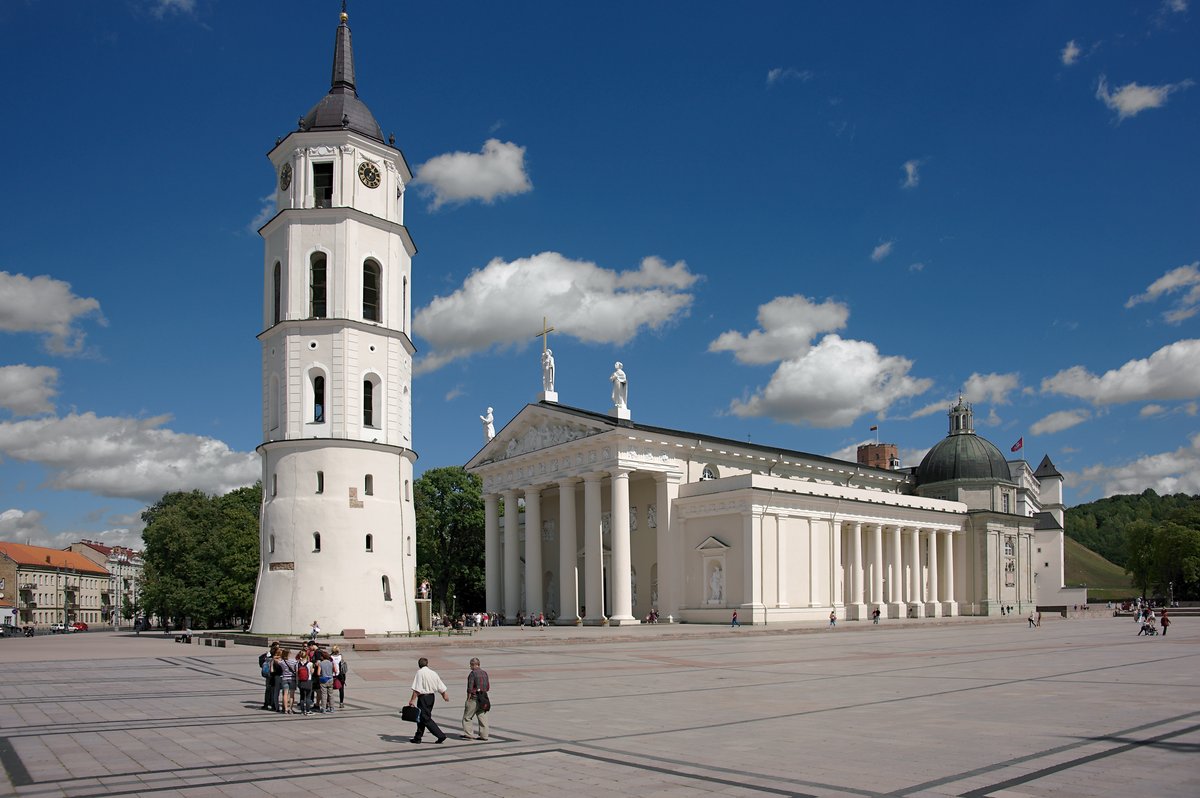
A Baroque masterpiece with lavish interiors, St. John’s Church is a focal point of the campus. Its 68-meter bell tower—the tallest in Vilnius Old Town—provides panoramic city views. (wildtrips.net)
University Library
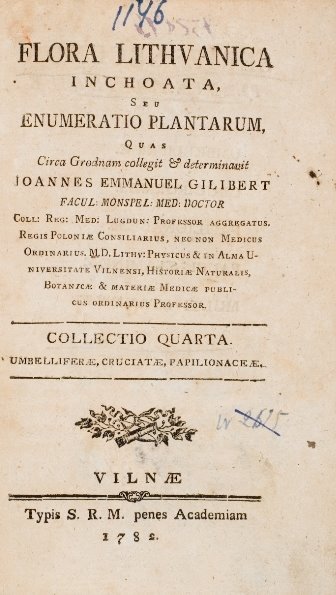
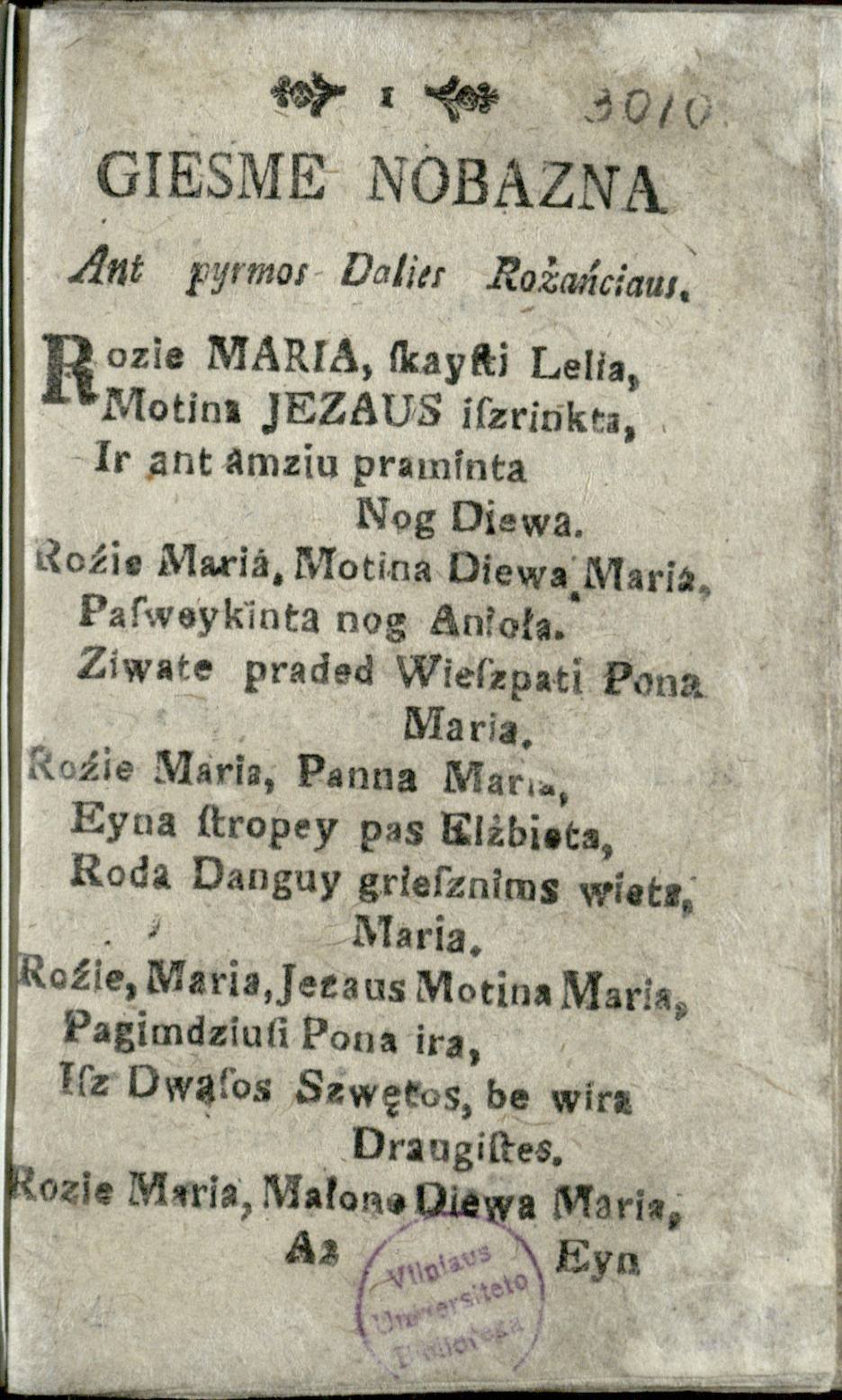
Founded in 1570, the library is among the oldest in Eastern Europe, renowned for its rare manuscripts and historic interiors. (Go Vilnius)
The Observatory
Established in 1753, the observatory played a key role in regional scientific advancement, housed in distinctive Baroque and Classicist buildings. (e-a-a.com)
Art Gallery and Botanical Garden
The art gallery hosts contemporary exhibitions and cultural events, while the Botanical Garden offers a peaceful space for visitors. (wildtrips.net)
Frescoes and Artworks
Don’t miss monumental frescoes like “The Seasons” by Petras Repšys in the Faculty of Philology, and sgraffito “Historical Portraits” by Rimtautas Gibavičius, both featuring hidden symbols and themes. (VU Museum)
Special Events and Academic Calendar Highlights
Vilnius University hosts a vibrant calendar of academic conferences, public lectures, exhibitions, and cultural festivals. Notable 2025 events include the CEWQO29 quantum optics workshop and international conferences on Western Esotericism and plasma physics (Govilnius Upcoming Conferences). Summer schools and public celebrations, such as the Dew Holiday (Rasos), also take place on campus and in the city.
For up-to-date event schedules, see the Vilnius University official website or the museum’s events page.
Practical Visitor Information
Location and Accessibility
- Address: 3 Universiteto St., Vilnius Old Town.
- Access: Easily reached on foot or by public transport; parking is limited.
- Facilities: Restrooms, a café in the Great Courtyard, and souvenir shops are available.
Photography Guidelines
- Allowed in most outdoor and public areas; indoor restrictions may apply, especially in the library and for certain artworks.
Best Times to Visit
- Late spring to early autumn (May–September) offers pleasant weather and cultural events. Winter provides a picturesque, snowy backdrop.
Cultural and Academic Atmosphere
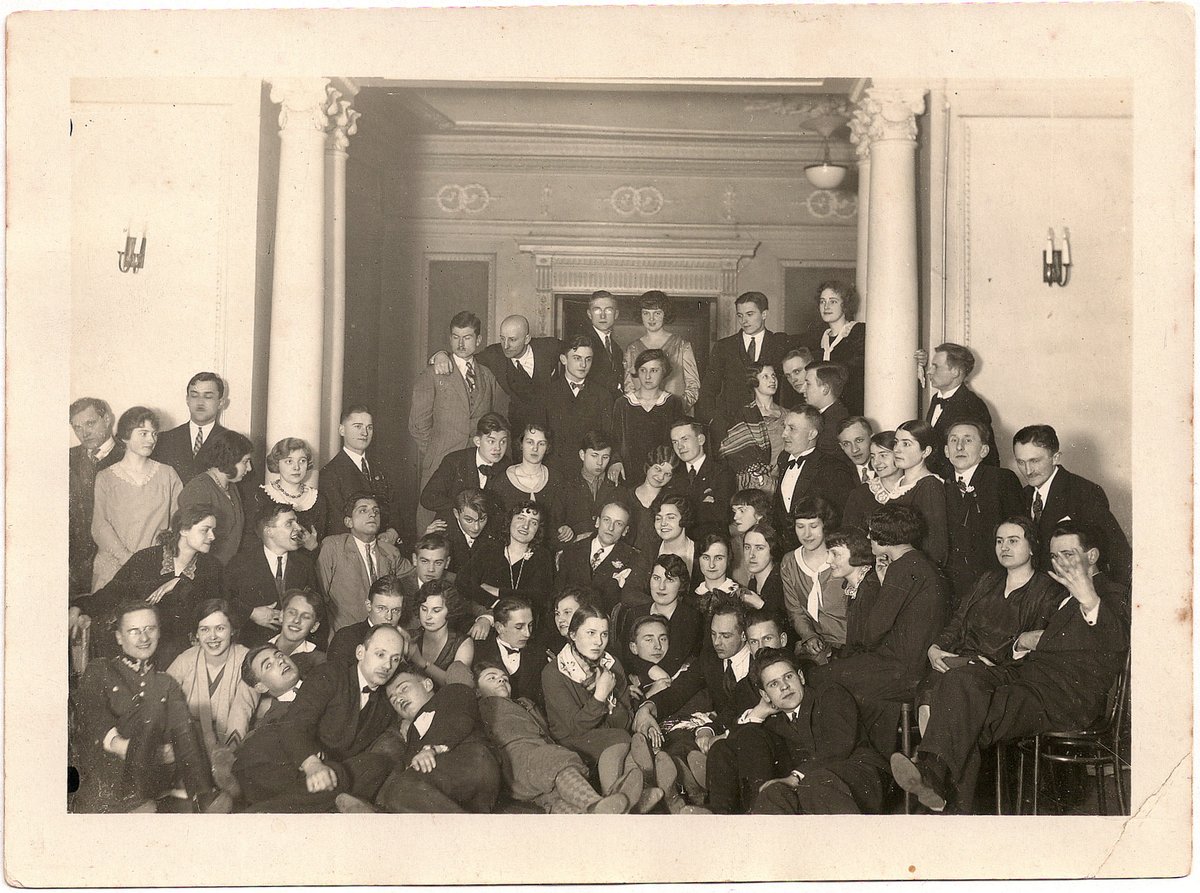
With 23,000 students and a cosmopolitan environment, Vilnius University is a lively academic and cultural center. Visitors often encounter student art groups, public performances, and festivals, adding vibrancy to the historic setting.
Frequently Asked Questions (FAQs)
Q: What are the Vilnius University visiting hours?
A: Courtyards: Monday–Saturday 09:00–19:00, Sunday 09:00–15:00. St. John’s Church and bell tower: typically 11:00–17:00.
Q: How much do tickets cost?
A: Courtyard entry is free; guided tours cost €2 (adults), €1 (students/pupils), and St. John’s Church/bell tower tickets range from €3–€7.
Q: Are guided tours available in English?
A: Yes, most tours are available in English and several other languages.
Q: Is Vilnius University accessible for disabled visitors?
A: Most outdoor and many indoor areas are accessible; some upper floors and the bell tower may present challenges.
Q: Can I take photos at Vilnius University?
A: Yes, but follow posted restrictions in certain indoor spaces.
Q: Are there nearby attractions?
A: Yes—Vilnius Old Town, the National Museum, Gediminas’ Tower, and the Gates of Dawn are all within walking distance.
Tips for a Memorable Visit
- Book guided tours ahead, particularly in peak season.
- Climb the bell tower for panoramic views.
- Explore beyond the Grand Courtyard to find hidden art and architecture.
- Check academic calendars for public events.
- Combine your visit with other Vilnius Old Town sites for a richer experience (Adventure Explore Discover).
Safety and Visitor Conduct
Vilnius University is in a safe, secure area. Visitors should respect university property, avoid restricted zones during exams or events, and adhere to posted conduct guidelines. (My Global Viewpoint)
Language and Communication
Staff and students generally speak English, and signage is bilingual in Lithuanian and English, ensuring easy navigation.
Listen to the full story in the app
The whole Vilnius University,
told well.
Listen to sourced travel stories with local history and practical context — ready offline.
Verified, and shown.
Researched and written by the Audiala editorial team from historical records, architectural archives, and local expertise.
Built from cited sources · see the method · How we make our guides →