Introduction: The Vilnius Kenesa and Its Cultural Significance
The Vilnius Kenesa, located in the peaceful Žvėrynas district of Lithuania’s capital, is a rare and significant monument reflecting the rich cultural and religious heritage of the Karaite community. As one of only two surviving Karaite prayer houses in Lithuania—the other being in Trakai—it offers an unparalleled opportunity to explore the legacy of a Turkic-speaking Jewish group whose roots in the region date back to the late 14th century. Invited by Grand Duke Vytautas the Great, the Karaites have preserved a distinct identity, practicing a form of Judaism based solely on the Hebrew Bible and eschewing the Talmud. This religious and cultural uniqueness is mirrored in the Kenesa’s architecture and ongoing community life.
Built between 1911 and 1923, the Vilnius Kenesa is an architectural jewel. It blends Moorish Revival elements with Eastern European and Lithuanian influences, featuring horseshoe arches, an onion-shaped dome, and intricate geometric motifs. These features highlight the Karaites’ Eastern origins and contribute to Vilnius’s diverse architectural landscape. The Kenesa remains an active cultural center, hosting religious services, educational activities, and community gatherings that help sustain the Karaite language, customs, and identity.
Due to its ongoing religious function and heritage status, visiting the Kenesa typically requires planning. It is mainly open during special events, religious festivals, or by appointment. Entry is usually free, with donations welcomed for preservation. Guided tours—available through local organizations—provide deeper insights into the Kenesa’s history and architecture. Accessibility is somewhat limited due to the building’s historic structure, so visitors with mobility needs should contact the management in advance.
Whether you are a history enthusiast, architecture aficionado, or cultural traveler, the Vilnius Kenesa offers a profound encounter with Lithuania’s multicultural legacy and the enduring spirit of its Karaite community. For current visiting hours and special events, refer to official heritage resources and community sites (In Your Pocket, Karaim.eu, Go Vilnius).
Historical Background
Origins of the Karaite Community in Vilnius
The Karaites, a Turkic-speaking religious and ethnic group, trace their Lithuanian presence to the late 14th century. Grand Duke Vytautas the Great brought several hundred Karaite families from Crimea to serve as guards and administrators. Over centuries, the Karaites established a distinct minority community, maintaining their language, faith, and traditions (In Your Pocket). By the early 20th century, Vilnius was home to a vibrant Karaite community, albeit modest in numbers.
Construction and Architectural Significance
Situated at Liubarto g. 6, the Vilnius Kenesa is one of only a few surviving Karaite prayer houses globally. Construction began in 1911 under architect Michail Prozorov and was completed in 1923 after World War I interruptions (Made in Vilnius). The Kenesa’s design exemplifies Moorish Revival architecture, with horseshoe arches, pointed windows, and an onion-shaped dome—features that speak to the community’s Eastern heritage and set the building apart within the Žvėrynas district (Lonely Planet).
Architectural Features
Exterior and Interior Design
The Kenesa’s exterior showcases tapering horseshoe arches, geometric and plant-inspired motifs, and stained glass windows. The onion-shaped dome atop the building is emblematic of its Eastern influence. The modest, rectangular structure aligns with the size of the local Karaite community.
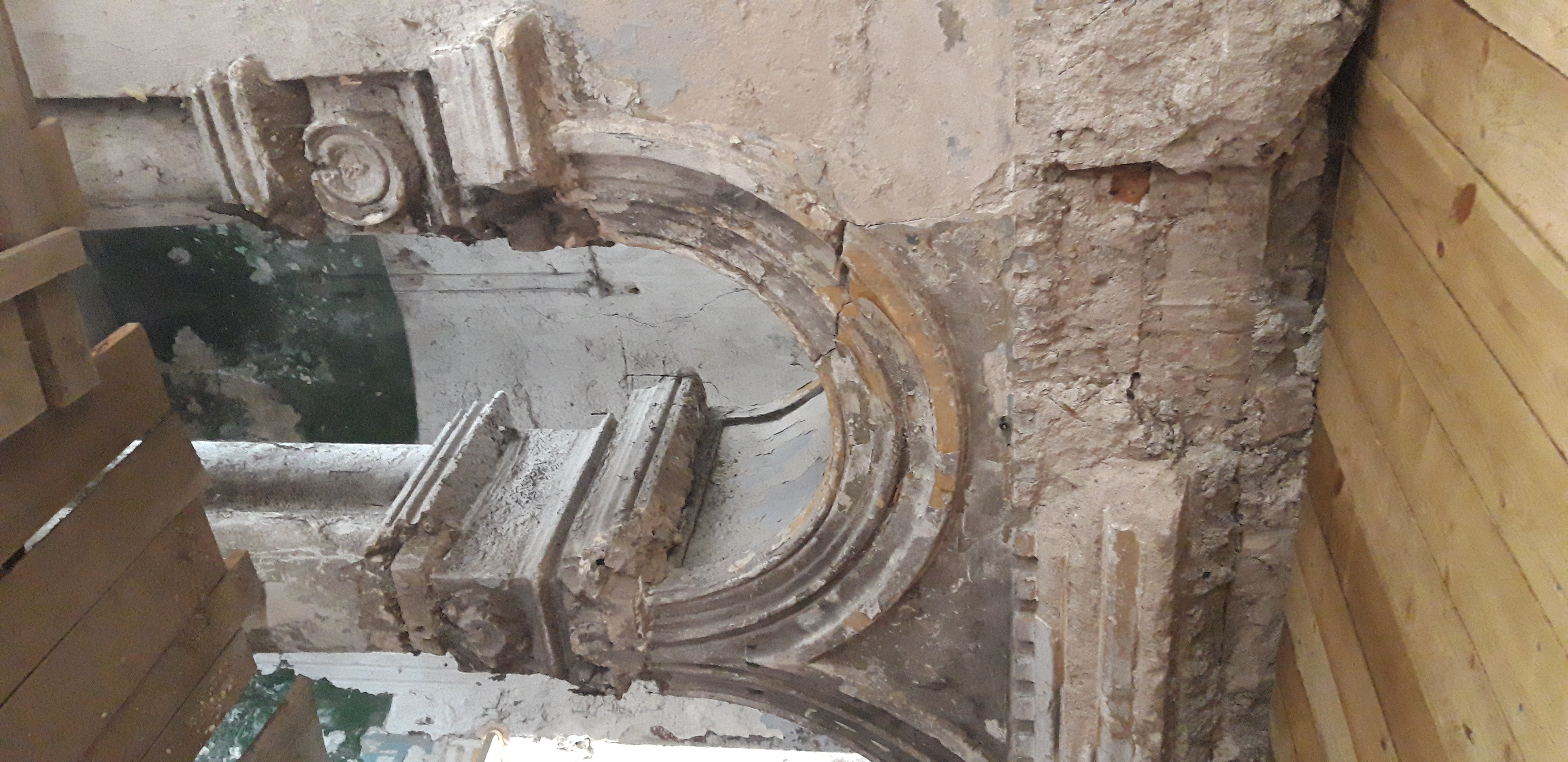
Inside, the prayer hall is oriented towards Jerusalem, with men and women seated separately according to tradition. The interior is adorned with geometric patterns, wooden craftsmanship, and colored glass, all reflecting Karaite religious values that avoid figurative imagery (Karaim.eu). The central tevah (reader’s platform) and aniconic decoration foster a contemplative atmosphere.
Cultural and Religious Significance
Karaite Community and Religious Life
The Vilnius Kenesa is a focal point for the Karaite community’s religious and cultural life. The Karaites’ worship is based solely on the Hebrew Bible, and their services incorporate Hebrew and the Karaim language. The community celebrates biblical festivals such as Passover, Shavuot, and Sukkot in distinctive ways. The Kenesa is also a venue for educational activities, sustaining the Karaite language and traditions (totallyjewishtravel.com).
Interfaith and Multicultural Context
Vilnius is celebrated for its multicultural history, with Catholic, Orthodox, Protestant, Jewish, and Karaite communities. The Kenesa’s resilience through turbulent eras is a testament to Lithuania’s religious pluralism. It participates in interfaith dialogue, cultural festivals, and heritage tours, reinforcing its status as a symbol of coexistence (wewillnomad.com).
Visiting the Vilnius Kenesa
Visiting Hours, Tickets, and Accessibility
- Visiting Hours: The Kenesa is generally open to visitors by appointment or during cultural and religious events. Regular hours are not maintained, so advance contact is essential.
- Tickets: Entry is free, though donations for maintenance and preservation are welcome.
- Guided Tours: Available upon request via the Karaite community or local cultural organizations.
- Accessibility: There are steps at the entrance and limited adaptations for wheelchair users; contact in advance for assistance.
- Photography: Permitted outside and in non-sacred areas; restricted during services.
Current visiting information can be found via Karaim.eu or Go Vilnius.
Visitor Etiquette
Visitors should dress modestly (shoulders and knees covered). Men may be asked to cover their heads. During services, maintain silence and do not photograph or disturb worshippers.
Travel Tips and Nearby Attractions
- Location: Liubarto g. 6, Žvėrynas, Vilnius. Easily accessible by public transport or taxi.
- Nearby Attractions: Explore the wooden architecture and tranquil streets of Žvėrynas, the UNESCO-listed Vilnius Old Town, Gediminas Tower, other synagogues, and the Trakai Kenesa.
- Special Events: The Kenesa occasionally hosts cultural and educational programs, especially during significant anniversaries or heritage days.
Historical Transformations and Restoration
After its consecration in 1923, the Kenesa served as the Karaite community’s spiritual heart. It was nationalized in 1949 during the Soviet era and repurposed for secular uses. After Lithuanian independence, the building was restored and returned to the community, with careful efforts to revive its Moorish Revival features. The adjacent community center, built in 1923, continues to support religious and social life (Karaim.eu).
Frequently Asked Questions (FAQ)
Q: What are the Vilnius Kenesa visiting hours?
A: The Kenesa is open during religious services, cultural events, or by advance appointment. Contact the Karaite community to arrange a visit.
Q: Is there an entrance fee?
A: No, entrance is free. Donations are encouraged.
Q: Are guided tours available?
A: Yes, guided tours can be arranged through the community or local cultural organizations.
Q: Is the Kenesa accessible for wheelchair users?
A: Accessibility is limited; please contact the community before your visit.
Q: Can I take photographs inside?
A: Photography is only allowed with permission and is restricted during services.
Listen to the full story in the app
Your Personal Curator, in Your Pocket.
Audio guides for 1,100+ cities across 96 countries. History, stories, and local insight — offline ready.
Audiala App
Available on iOS & Android
Join 50k+ Curators
Sources
- verified
- verified
-
verified
Vilnius Kenesa Visiting Hours, Tickets, and Architectural Guide to a Historic Lithuanian Site, 2025, Lonely Planet and Local Sources
- verified
- verified
- verified
Last reviewed: