Plan and listen to Vilnius Cathedral with Audiala.
Audio guide in your pocket, itinerary in your browser. Built for the way you actually visit.
Introduction
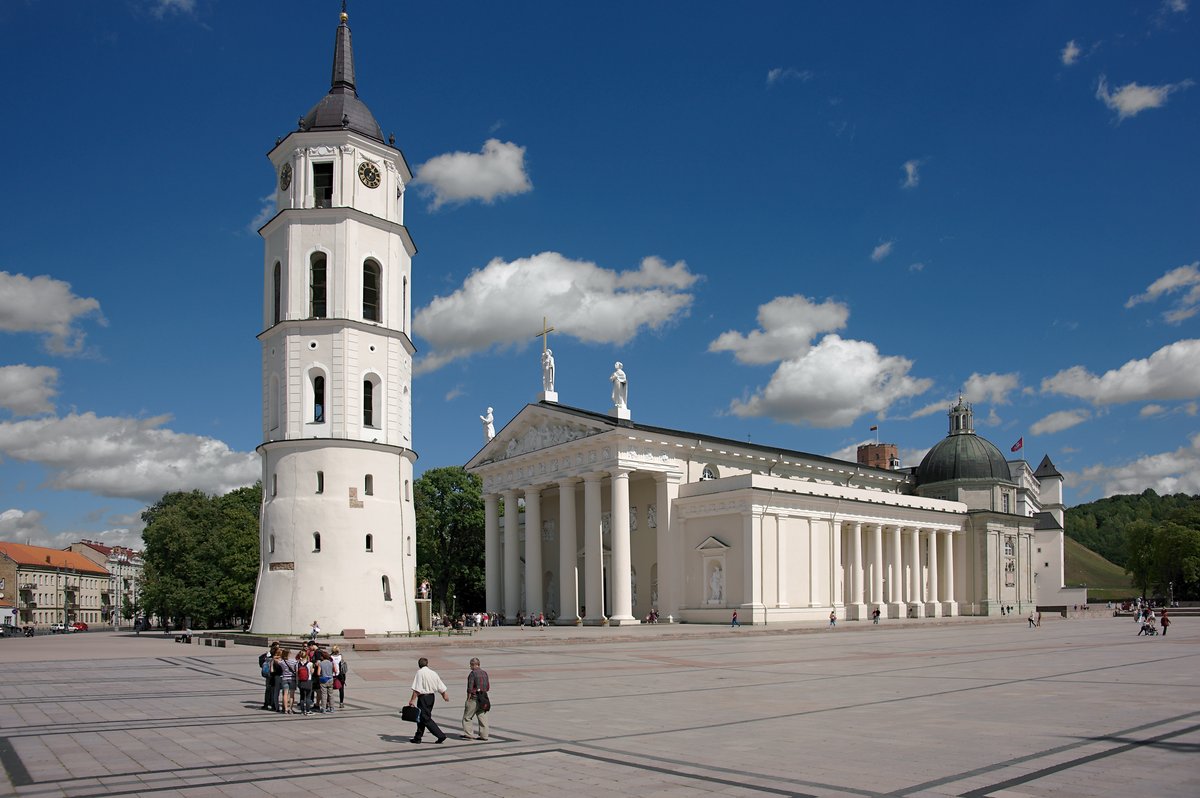
Vilnius Cathedral, officially the Cathedral Basilica of St. Stanislaus and St. Ladislaus, is the spiritual and architectural heart of Lithuania's capital. Its history stretches from medieval pagan roots through centuries of religious, cultural, and political transformation, culminating in its current neoclassical grandeur. Situated in the UNESCO-listed Old Town, the cathedral is not only a hub for Catholic life but also a symbol of Lithuanian resilience and national identity (Wikipedia; Go Vilnius; Vytis Tours). This guide presents in-depth insights into the cathedral’s history, art, visitor information, and practical tips for exploring Vilnius’s most important monument.



Origins and Construction
The site’s sacred significance dates to the 13th century, when Grand Duke Mindaugas, after his conversion to Christianity, commissioned Lithuania’s first cathedral (likely wooden), laying spiritual foundations that would endure for centuries (Vytis Tours). In the 14th century, Grand Duke Gediminas oversaw the construction of a stone Gothic cathedral, marking Lithuania’s evolving Christian identity (Wikipedia).
Gothic, Renaissance, and Baroque Transformations
Following Lithuania’s official Christianization in 1387, a new Gothic cathedral was constructed, only to be destroyed by fire in 1419. Grand Duke Vytautas the Great then commissioned a larger Gothic structure, elements of which—including robust walls and pillars—still survive. The 16th and 17th centuries brought Renaissance and Baroque renovations, especially after devastating fires, introducing chapels, crypts, and ornate bell towers (Wikipedia).
Neoclassical Rebirth
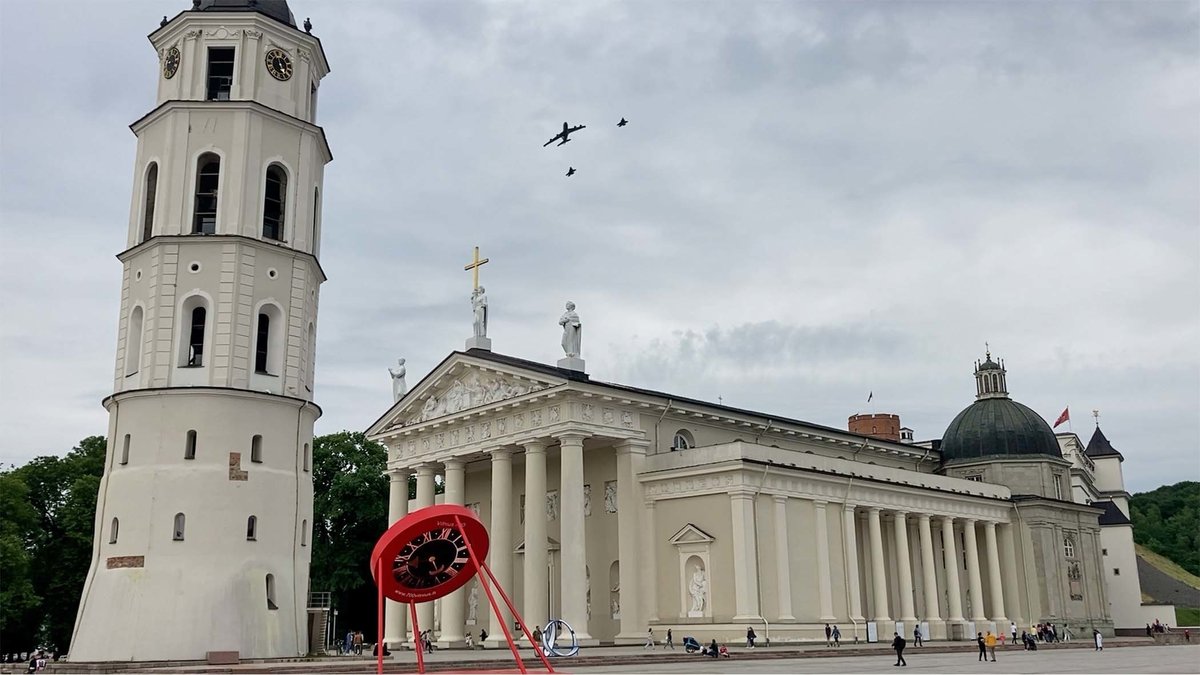
A catastrophic tower collapse in 1769 led to a comprehensive neoclassical redesign by Laurynas Gucevičius (1779–1783). The result: a strict quadrangular plan, a grand Doric-columned portico, and a pediment inspired by Palladian ideals. The façade’s sculptures and the 57-meter bell tower, with its medieval and neoclassical layers, became city icons (Vytis Tours).
Crypts, Royal Tombs, and Lost Treasures
Beneath the cathedral lies a labyrinth of crypts housing Lithuanian and Polish nobility, including the Jagiellon dynasty. In late 2024, a hidden chamber was discovered containing royal regalia—crowns, scepters, and medallions crafted for the funerals of figures like Alexander Jagiellon and Barbara Radziwiłł, safeguarded during WWII and lost for decades (Heritage Daily; Archaeology Mag; Euronews).
National and Religious Significance
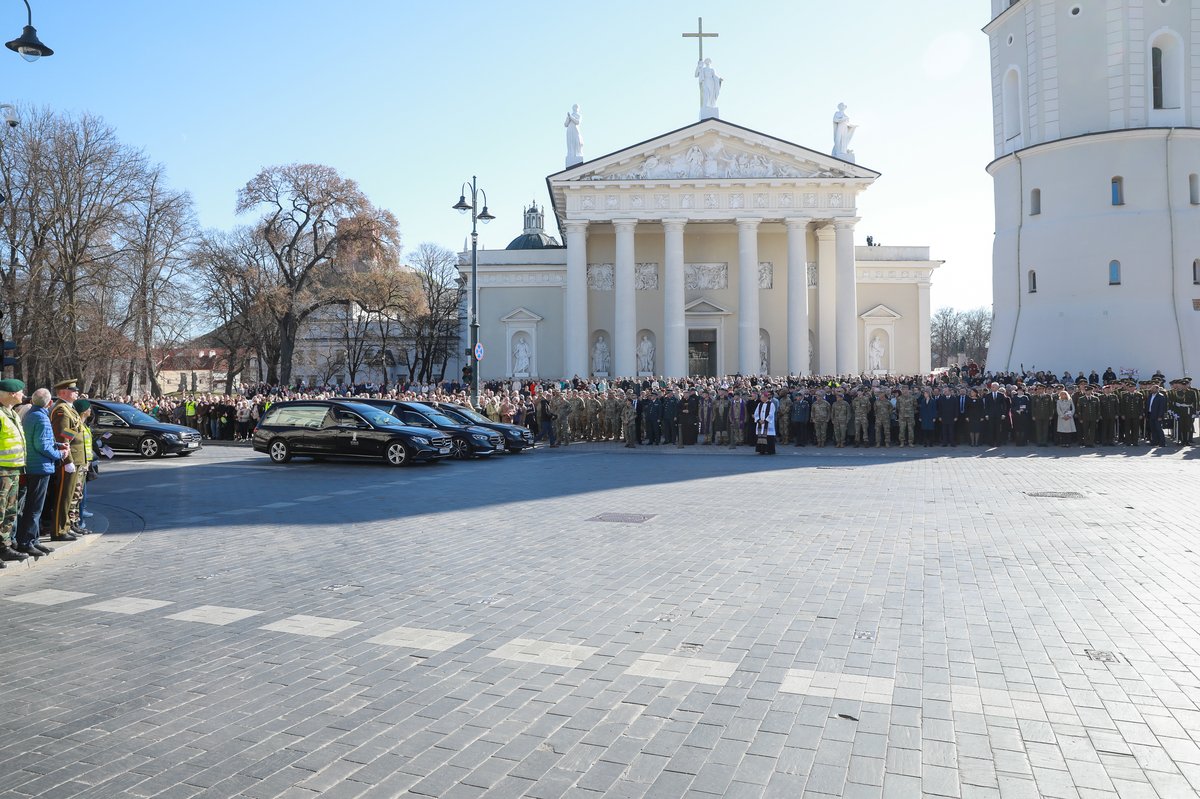
The cathedral has witnessed coronations, inaugurations, and major national ceremonies. It was repurposed as a gallery during the Soviet era but returned to the Church in 1988, symbolizing the revival of Lithuanian identity (Vytis Tours).
Artistic and Cultural Heritage
Inside, over forty works of art—from 16th-century frescoes to neoclassical sculptures—adorn the cathedral. Restoration has revealed the oldest fresco in Lithuania and remnants of pre-Christian altars, highlighting the site’s layered spiritual history (Wikipedia).
Ongoing Preservation
Post-independence, major restorations have preserved the cathedral’s structure and art, most recently with the discovery of royal regalia prompting further research and exhibitions (Archaeology Mag).
Symbol of Lithuanian Identity
Vilnius Cathedral remains a centerpiece for religious, state, and cultural life, embodying Lithuania’s resilience and continuity (Go Vilnius).
Architectural and Artistic Highlights
Neoclassical Masterpiece
Gucevičius’s neoclassical vision is evident in the cathedral’s white façade, colonnaded portico, and triangular pediment. These features exemplify Enlightenment ideals and dominate Cathedral Square (Vilnius Tourism).
Traces of Earlier Styles
Gothic and Renaissance elements survive in crypt vaulting and side chapels, especially the Chapel of St. Casimir, with its domed ceiling and ornate stucco work (culturetrekking.com).
Baroque Flourish
The Baroque Chapel of St. Casimir (1623–1636) is the cathedral’s artistic centerpiece, with a marble altar, frescoed dome, and gilded angels, inspired by Italian masters.
The Bell Tower
Rising 57 meters, the separate bell tower—originally a defensive structure—offers panoramic views of Vilnius Old Town and houses Lithuania’s oldest clock. Its architecture blends medieval, Renaissance, and neoclassical styles.
Interior Treasures
- Main Nave: Elegant coffered ceilings, Doric columns, and restrained neoclassical décor.
- Altars: The high altar dedicated to St. Stanislaus, plus richly decorated side altars.
- Frescoes and Paintings: Biblical scenes and portraits narrate Lithuania’s Christianization.
- Sculptures: Statues of saints and angels, both inside and on the façade, symbolize faith and nationhood.
- Royal Regalia and Jewelry: Newly found treasures in the crypts, including crowns and scepters, are highlights of medieval Lithuanian goldsmithing (medievalists.net).
Practical Visitor Information
Visiting Hours
- Cathedral: Daily, generally 9:00 AM–7:00 PM (hours may vary by season or event).
- Bell Tower: Typically 10:00 AM–6:00 PM.
Check the official website before your visit for current schedules.
Tickets and Admission
- Cathedral: Free entry.
- Crypts and Bell Tower: Tickets required (€3–€7 depending on area and visitor status).
- Guided Tours: €5–€10 depending on language and duration.
Tickets can be purchased on-site or via the official website.
Guided Tours & Audio Guides
- Multilingual guided tours (English, Lithuanian, Russian, and more) available.
- Audio guides and mobile app options offer self-paced exploration (Audiala app).
Accessibility
- Wheelchair access to main areas; some historic sections (crypts, tower) may be challenging.
- Accessible restrooms available.
- Contact visitor services for assistance (Audiala).
Dress Code & Etiquette
- Modest dress (shoulders and knees covered).
- Remain silent during services.
- Photography permitted without flash or tripods (Nomad Epicureans).
Amenities
- Restrooms, gift shop, and information desk on site.
- Benches for rest.
Nearby Attractions
- Gediminas Tower: Panoramic city views (We Love Lithuania).
- Palace of the Grand Dukes: Museum of royal heritage.
- Vilnius University: Historic campus.
- Cathedral Square: Central plaza for events and festivals (Free Tour Community).
Special Events and Community Role
Vilnius Cathedral hosts Masses, concerts, and national festivities such as St. John’s Night and major Christmas celebrations. The square is a focal point for public gatherings, reinforcing the cathedral’s role as a cultural and civic center (Vilnius With Locals).
Practical Tips
- Best Visit Times: Spring and autumn for fewer crowds; summer for events.
- Peak Hours: Mornings and late afternoons are quieter.
- Language: Staff and guides widely speak English.
- Safety: Vilnius is safe; exercise standard caution.
- Weather: Dress for Cathedral Square’s exposure.
Frequently Asked Questions (FAQ)
Q: What are Vilnius Cathedral’s visiting hours?
A: Typically 9:00 AM–7:00 PM daily; hours may change during religious events.
Q: Is there an entrance fee?
A: The main cathedral is free. Tickets (usually €3–€7) are required for the crypts and Bell Tower.
Q: Are guided tours available?
A: Yes, in multiple languages; book on-site or online.
Q: Is the cathedral accessible?
A: The main areas are accessible, but the crypts and Bell Tower have limited access.
Q: Can I take photos inside?
A: Yes, but no flash or tripods.
Visitor Experiences
Visitors praise Vilnius Cathedral for its serene atmosphere, stunning architecture, and rich history. Reviews recommend guided tours for deeper understanding. Its location makes it a perfect starting point for exploring Old Town (Vilnius With Locals).
Plan Your Visit
For the latest visiting hours, ticket info, and event updates, download the Audiala app and check the official Vilnius Cathedral website. Explore nearby historical sites, join guided tours, and immerse yourself in the legacy of Vilnius’s most iconic monument.
Listen to the full story in the app
The whole Vilnius Cathedral,
told well.
Listen to sourced travel stories with local history and practical context — ready offline.
Verified, and shown.
Researched and written by the Audiala editorial team from historical records, architectural archives, and local expertise.
Stanislaus and St. Ladislaus, 2025, Go Vilnius
Built from cited sources · see the method · How we make our guides →