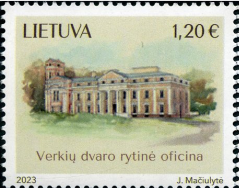
Plan and listen to Verkiai Palace with Audiala.
Audio guide in your pocket, itinerary in your browser. Built for the way you actually visit.
Introduction
Verkiai Palace, nestled within the verdant expanse of Verkiai Regional Park just north of Vilnius, stands as a testament to Lithuania’s rich historical, architectural, and cultural legacy. Often called the “Versailles of Vilnius,” this neoclassical and Baroque estate invites visitors to discover the aristocratic and ecclesiastical traditions that have shaped the region for centuries. Surrounded by a beautifully landscaped park and religious landmarks such as the Verkiai Calvary, the palace complex offers a harmonious blend of architecture, culture, and nature (Spotting History; Wikipedia).
This detailed guide provides everything you need to plan your visit to Verkiai Palace and its surroundings, including historical background, architectural highlights, visiting hours, ticketing, accessibility, travel tips, and recommendations for nearby attractions. Whether you’re a history enthusiast, architecture admirer, or nature lover, Verkiai Palace is a must-see destination within Lithuania’s vibrant heritage landscape (Live the World; Wild Trips).
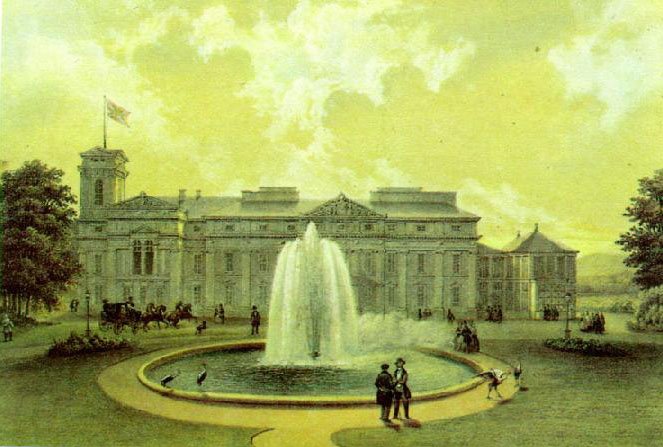
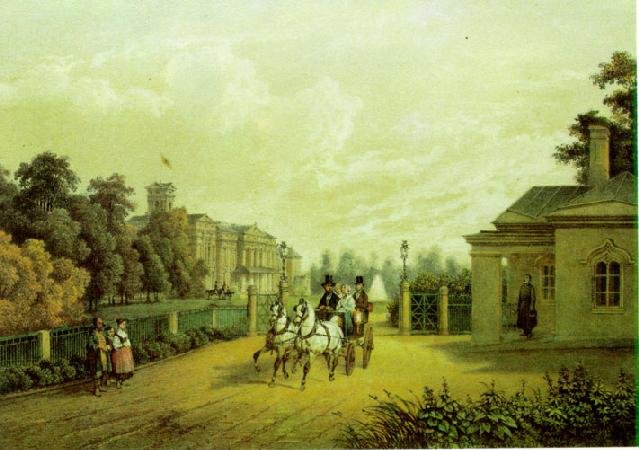
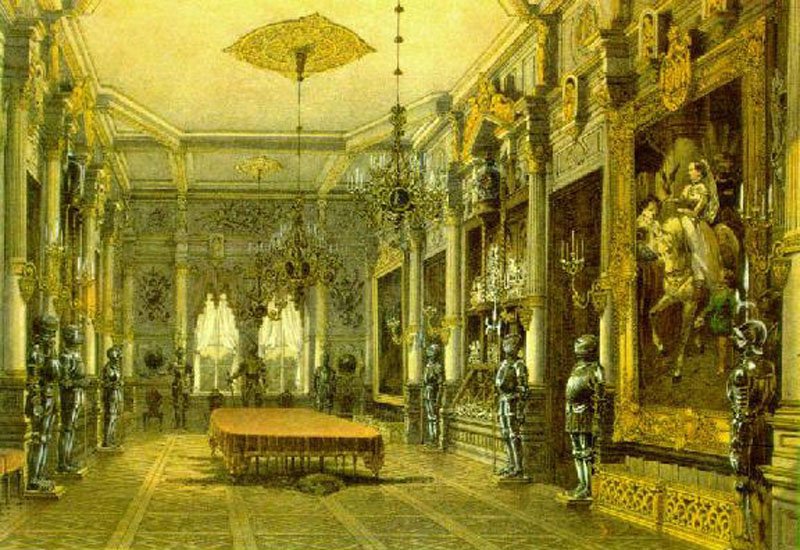
Medieval Origins and Ecclesiastical Significance
The origins of Verkiai Palace date back to the 13th century, when a ducal manor stood on this site. In 1387, Grand Duke Jogaila, also King of Poland, donated Verkiai to the Vilnius Episcopate as part of Lithuania’s Christianization, making the estate the permanent summer residence for the bishops of Vilnius (Wikipedia). Over the following centuries, Verkiai grew in prominence as an ecclesiastical, economic, and cultural center, with its estate expanding to include ponds, mills, and various residential and service buildings (Spotting History; Neakivaizdinis Vilnius).
Neoclassical Transformation
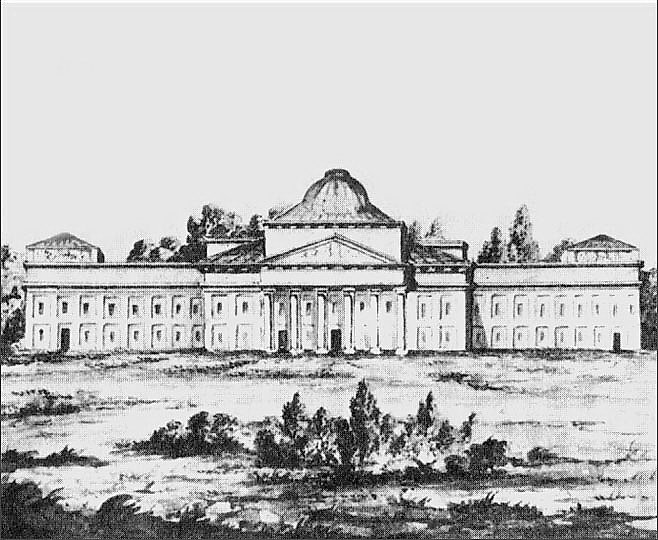
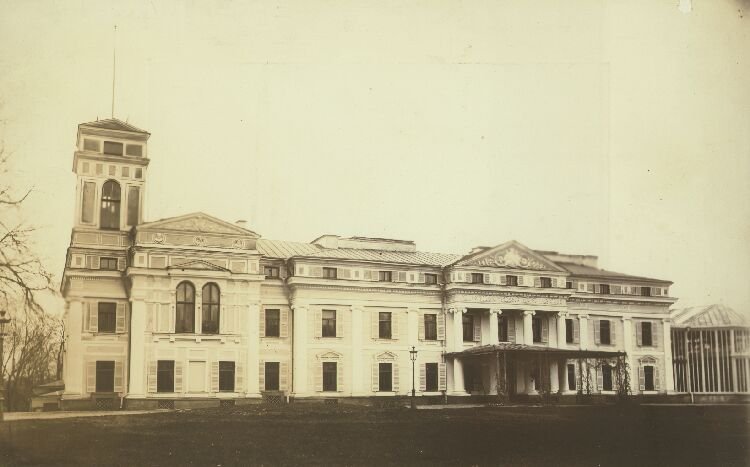
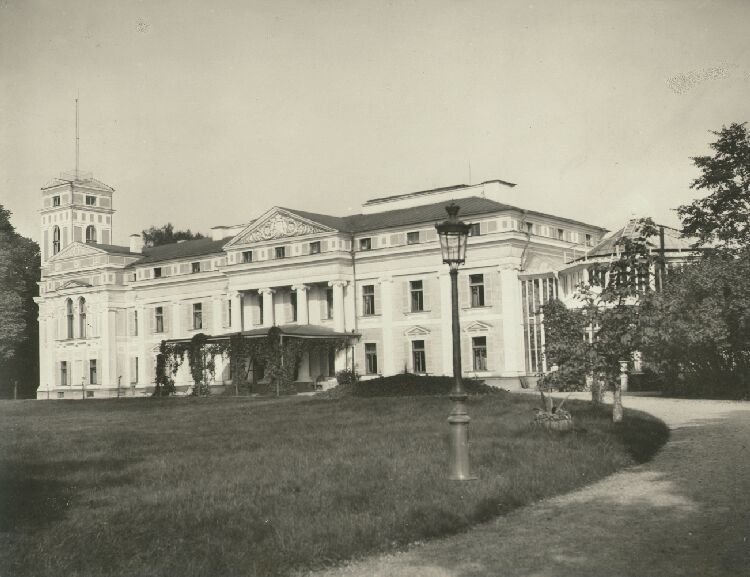
The late 18th century marked Verkiai’s most significant transformation. Bishop Ignacy Jakub Massalski commissioned architects Marcin Knackfus and Laurynas Gucevičius to redesign the palace in the neoclassical style. The new ensemble boasted a central palace (never fully completed), flanked by opulent office wings, stables, a theater, and a library, all complemented by landscaped gardens. The estate’s grandeur earned it the moniker “Versailles of Vilnius” (Live the World; Spotting History).
19th and 20th Century Changes
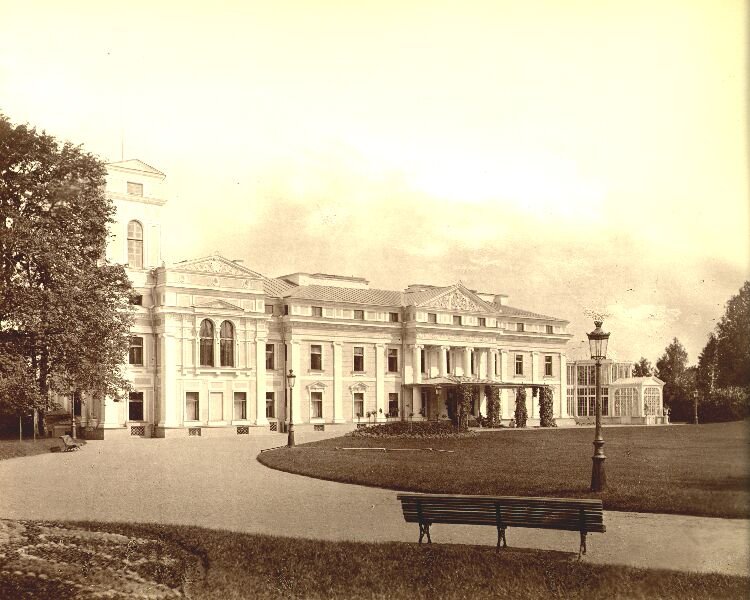
After Bishop Massalski’s execution in 1794, Verkiai changed hands multiple times and suffered damage during the Napoleonic Wars. In the mid-19th century, Prince Ludwig Wittgenstein demolished the central palace and converted the eastern wing into a luxurious residence. Later, the estate was repurposed for educational and scientific uses during the Soviet era. Restoration efforts in recent decades have preserved much of the palace’s neoclassical and Baroque character (Neakivaizdinis Vilnius; Wikipedia).
Architectural Evolution
Baroque and Classicism
Verkiai Palace’s architectural journey began with early wooden and masonry structures. In the late 17th century, Bishop Bžostovskis commissioned the first substantial masonry palace, featuring a castle-like layout and Baroque axial planning. The late 18th-century redesign under Massalski and Gucevičius introduced classicist elements—symmetry, proportion, and restrained ornamentation—integrating the estate seamlessly with its natural surroundings (Spotting History; Wikipedia).
Surviving Structures
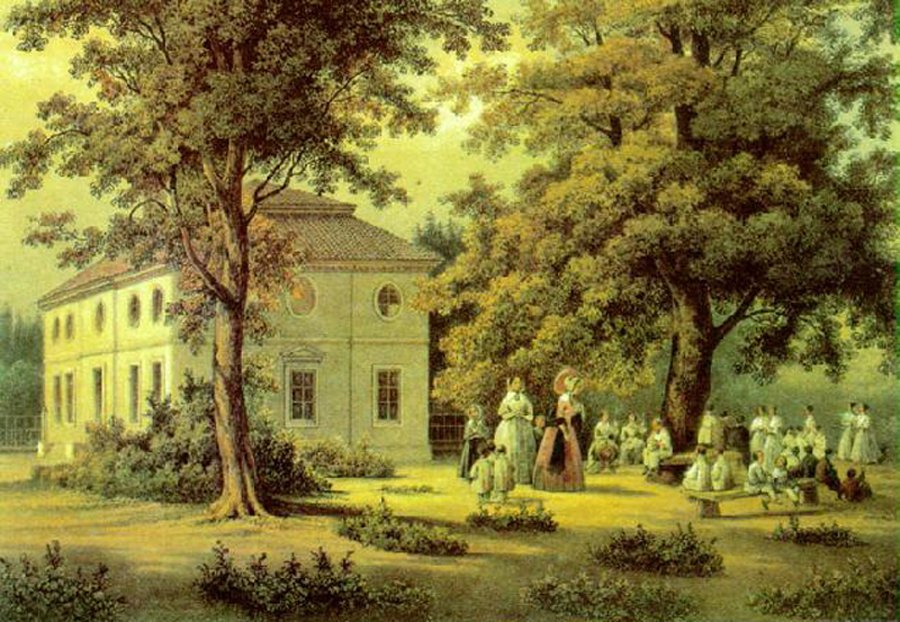
Despite the loss of the central palace, Verkiai retains its classicist office wings (officinas), a pavilion, stables, icehouse, gatehouse, greenhouses, and vaulted cellars. These structures, together with auxiliary buildings inspired by Lithuanian folk art, represent the layered history and evolving aesthetic of the estate (Neakivaizdinis Vilnius).
Landscape Design
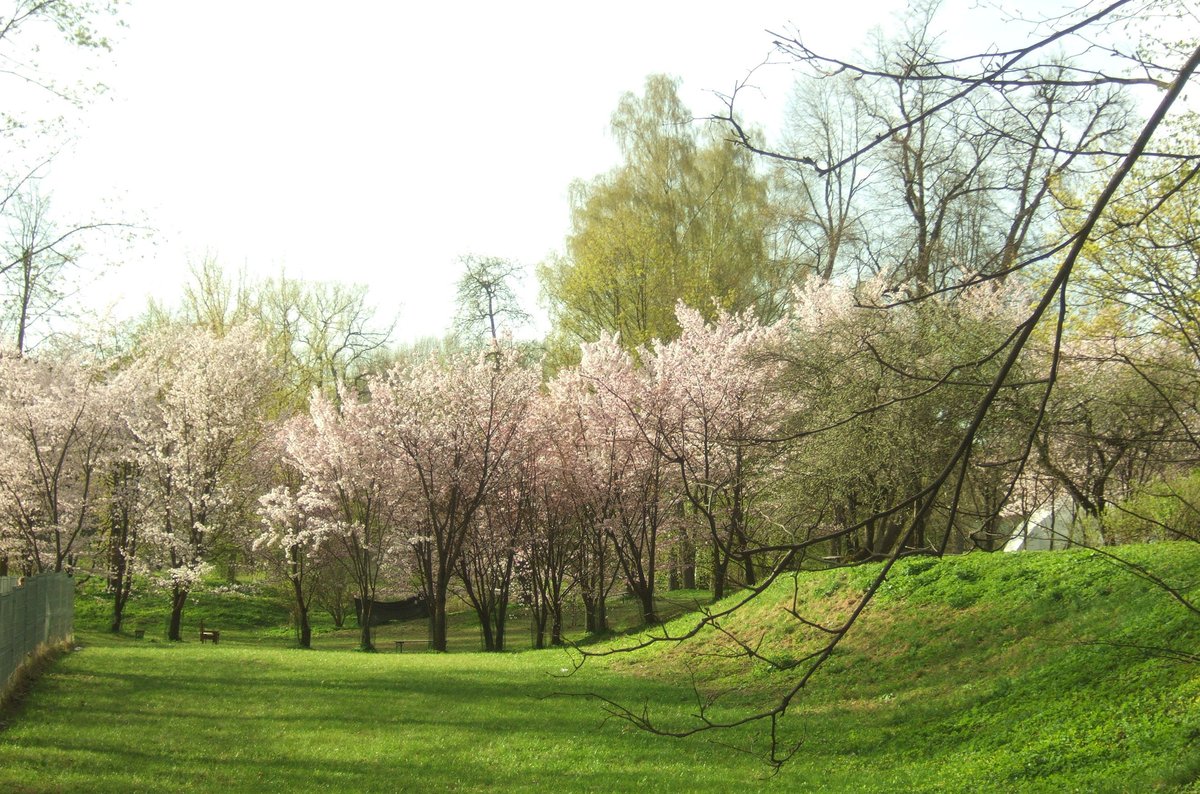
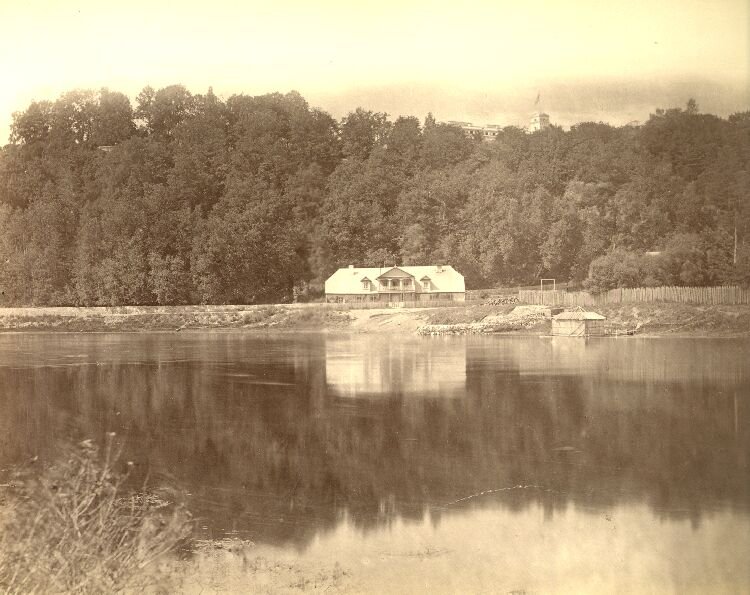
Set within 36 hectares of landscaped parkland, Verkiai’s grounds evolved from Renaissance formality to 19th-century naturalism. Meandering paths, ornamental ponds, fountains, and scenic viewpoints connect the upper and lower parks, offering visitors a harmonious interplay of architecture and nature. The Verkiai Calvary—a complex of 22 chapels and two churches—remains a vital religious and cultural landmark, especially during Pentecost pilgrimages (Live the World; Wikipedia).
Visiting Verkiai Palace and Regional Park
Visiting Hours and Tickets
- Verkiai Regional Park: Open year-round, generally from dawn to dusk (typically 6:00 AM – 10:00 PM).
- Verkiai Palace: The palace buildings are presently closed to the public for regular tours due to preservation efforts. The exterior and park grounds remain open for public exploration.
- Tickets: Entry to the park is free. There are no tickets required to view the palace exteriors. Guided tours, when available, may carry a separate charge (WeTravelWithKids).
Accessibility
The main park trails are paved and generally accessible for visitors with limited mobility, though some natural areas may have uneven terrain. Restrooms, informational signage, and benches are available. Ramps and accessible paths are provided near key sites; visitors with specific needs should check for the latest updates at local visitor centers (Live the World).
Getting There
- Location: Dvaro gatvė 49, LT-08406 Vilnius, about 7 km north of Vilnius city center.
- Public Transport: Buses from Vilnius city center serve the park (e.g., routes 38 and 48).
- By Car: Parking is available near the park entrance. The site is also accessible by taxi and bicycle, with well-marked cycling routes (WeLoveLithuania).
Facilities and Family Features
The park provides rest areas, picnic spots, playgrounds, and gentle trails suitable for families with children and strollers. Educational signage and family-oriented events are available throughout the year. Café options and refreshments can be found near the palace and Green Lakes (WeTravelWithKids).
Nearby Attractions
- Verkiai Calvary: Pilgrimage complex with chapels and churches.
- Church of the Discovery of the Holy Cross: Historic Baroque church.
- Trinapolis Monastery and Church: Noted for Baroque architecture.
- Green Lakes (Žalieji Ežerai): Popular for recreation and swimming.
- Vilnius Old Town: UNESCO World Heritage Site, 15 minutes by car.
Special Events and Guided Experiences
Verkiai Palace and its park regularly host cultural events, concerts, outdoor exhibitions, and religious festivals, especially during spring and summer. The annual Pentecost pilgrimage at Verkiai Calvary is a major highlight. Guided tours (in multiple languages) are available by prior arrangement, offering in-depth perspectives on the estate’s history and architecture (Live the World; Wild Trips).
Practical Tips and Frequently Asked Questions
Practical Visitor Tips
- Best Season: Late spring to early autumn for outdoor activities; winter for snow sports and photography.
- What to Bring: Comfortable shoes, weather-appropriate clothing, water, snacks, and, in summer, swimwear for the lakes.
- Etiquette: Dress modestly at religious sites. Respect local customs, especially during ceremonies. Photography is usually permitted outdoors.
- Conservation: Stay on marked trails, do not disturb wildlife, and dispose of litter responsibly.
Frequently Asked Questions
Q: Can I enter Verkiai Palace?
A: The palace interiors are currently closed to the public; exteriors and park grounds are open for exploration.
Q: Are guided tours available?
A: Yes, through local agencies or by special arrangement during events.
Q: What are the park’s opening hours?
A: Verkiai Regional Park is open daily, generally from dawn to dusk.
Q: Is there an entrance fee?
A: No, park entry and viewing the palace exterior are free.
Q: How accessible is the site?
A: Main paths are accessible; some areas may be difficult for wheelchairs.
Q: How do I get there from Vilnius?
A: Approximately 7 km north of the city center; accessible by bus, car, taxi, or bicycle.
Listen to the full story in the app
The whole Verkiai Palace,
told well.
Listen to sourced travel stories with local history and practical context — ready offline.

Verified, and shown.
Researched and written by the Audiala editorial team from historical records, architectural archives, and local expertise.
Built from cited sources · see the method · How we make our guides →