Introduction to Laisvės kelias
Laisvės kelias, or "The Path of Freedom," is a monumental symbol of unity and independence located in Vilnius, Lithuania. This site commemorates the Baltic Way, a peaceful political demonstration that took place on August 23, 1989, marking a pivotal moment in the fight against Soviet oppression. The Baltic Way saw approximately two million people forming a human chain that spanned over 600 kilometers across Estonia, Latvia, and Lithuania, making a powerful statement for independence (LRT). Erected to honor the 20th anniversary of Lithuania's independence, Laisvės kelias serves as both a historical monument and an educational tool, reminding visitors of the importance of unity and peaceful protest in achieving political change.
Strategically located at the intersection of Konstitucijos Avenue and Geležinio Vilko Street in Vilnius, the monument is designed to be highly accessible and visible. Each brick in the monument is inscribed with the name of a supporter, symbolizing collective effort and national pride. The structure, unveiled on August 23, 2010, not only captures the historical significance of the Baltic Way but also invites reflection on the broader struggle for Lithuanian independence (Delfi). Laisvės kelias stands as a testament to the enduring spirit of the Lithuanian people and their journey towards freedom, making it an essential site for anyone interested in the nation's rich history and cultural heritage.
History of Laisvės kelias
Origins and Historical Context
Laisvės kelias commemorates the Baltic Way, a peaceful political demonstration that took place on August 23, 1989. This event marked the 50th anniversary of the Molotov-Ribbentrop Pact, a non-aggression treaty between Nazi Germany and the Soviet Union that secretly divided Eastern Europe into spheres of influence (LRT).
The Baltic Way
The Baltic Way was a human chain spanning approximately 675 kilometers (419 miles) across the three Baltic states—Lithuania, Latvia, and Estonia. It connected the capitals of these countries: Vilnius, Riga, and Tallinn. The demonstration was organized to show solidarity among the Baltic nations and to demand independence from the Soviet Union. An estimated 2 million people participated, with around 800,000 Lithuanians joining hands at 19:00 on August 23, 1989 (LRT).
Significance of the Event
The Baltic Way was not just a local protest but a global statement. It drew significant international media attention, highlighting the Baltic states' desire for independence. The peaceful nature of the protest and the sheer number of participants made it a powerful symbol of unity and resistance against Soviet oppression. The event is credited with accelerating the independence movements in the Baltic states, leading to Lithuania's declaration of independence on March 11, 1990 (LRT).
Creation of Laisvės kelias
Laisvės kelias was conceived as a tribute to the Baltic Way and the broader struggle for Lithuanian independence. The project was initiated by a group of Lithuanian patriots, including notable figures such as Romualdas Ozolas and Algirdas Kaušpėdas. The monument was designed to be a lasting symbol of freedom and unity, incorporating the names of prominent Lithuanian personalities and ordinary citizens who contributed to the project (Delfi).
Construction and Design
The construction of Laisvės kelias began in June 2010, with the first bricks being fired in May of the same year. Each brick bears the name of an individual or family who supported the project, symbolizing the collective effort and unity of the Lithuanian people. The monument was officially unveiled on August 23, 2010, marking the 21st anniversary of the Baltic Way (Delfi).
Location and Structure
Laisvės kelias is strategically located at the intersection of Konstitucijos Avenue and Geležinio Vilko Street in Vilnius, near a major traffic circle. This location was chosen to ensure high visibility and accessibility, making it a prominent landmark in the city. The monument's design features a series of interconnected bricks, each representing a step towards freedom and unity. The structure is both a physical and symbolic pathway, inviting visitors to reflect on the historical journey towards independence (Delfi).
Cultural and Educational Impact
Laisvės kelias serves not only as a memorial but also as an educational tool. It reminds visitors of the importance of unity and peaceful protest in achieving political change. The monument is included in various educational programs and tours, helping to educate younger generations about Lithuania's struggle for independence. It also hosts events and ceremonies, particularly on significant anniversaries related to the Baltic Way and Lithuanian independence (LRT).
International Recognition
The significance of the Baltic Way and, by extension, Laisvės kelias, has been recognized internationally. In 2009, documents related to the Baltic Way were added to UNESCO's Memory of the World Register, acknowledging their importance in documenting the history of peaceful protests and the fight for independence (LRT).
Visitor Information
Visiting Hours and Tickets
Laisvės kelias is open to the public year-round and is free to visit. There are no tickets required to access the monument. Visitors can freely explore the site at any time of the day.
How to Get There
The monument is easily accessible by foot, car, or public transportation. It is located near a major traffic circle at the intersection of Konstitucijos Avenue and Geležinio Vilko Street, making it a convenient stop for tourists exploring Vilnius.
Nearby Attractions
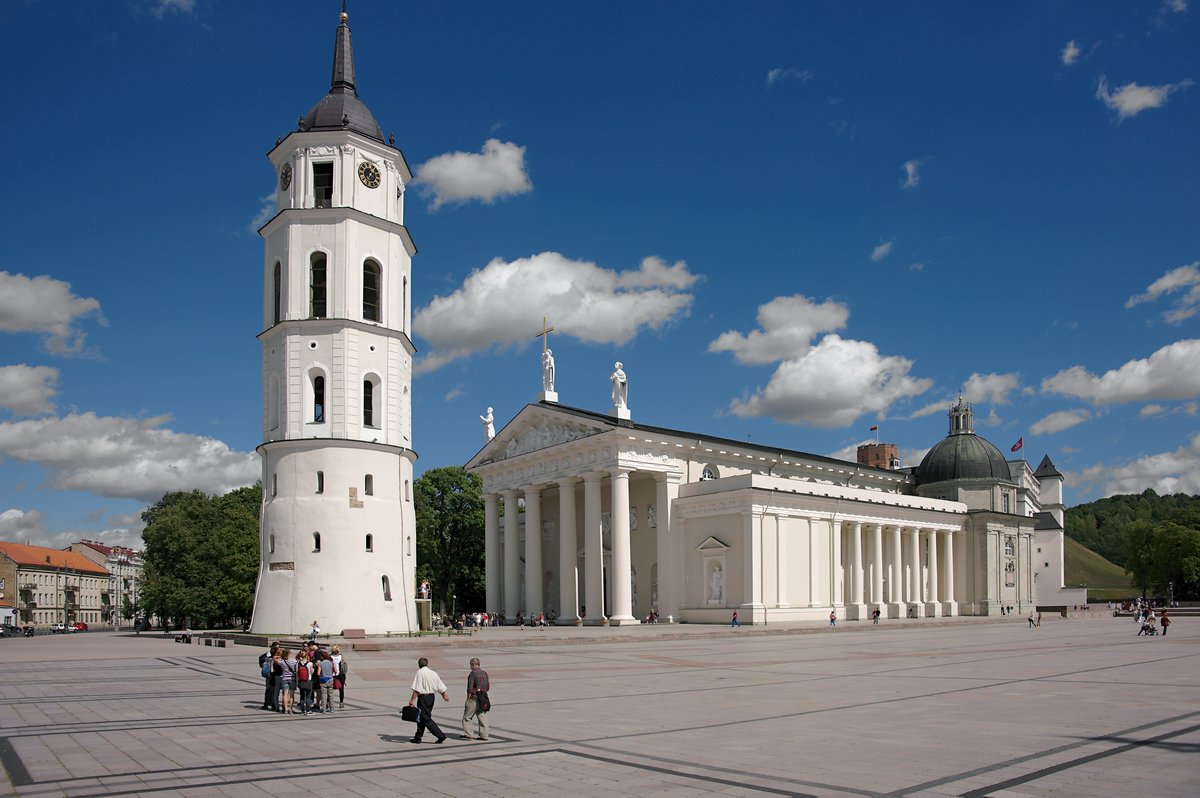
While visiting Laisvės kelias, you can also explore other nearby historical sites in Vilnius, such as the Gediminas' Tower, Vilnius Cathedral, and the Museum of Occupations and Freedom Fights. These sites offer additional insights into Lithuania's rich history and cultural heritage.
Travel Tips
- Best Times to Visit: The monument is open year-round, but visiting during significant anniversaries like August 23 can provide a more enriching experience with various commemorative events.
- Nearby Accommodations: Consider staying in the city center of Vilnius, where you will find a range of accommodations from luxury hotels to budget-friendly hostels.
- Dining Recommendations: Try local Lithuanian cuisine at nearby restaurants like Senoji Trobelė or Bernelių Užeiga for an authentic dining experience.
Visitor Experience
Visitors to Laisvės kelias can engage with the monument in various ways. The site is open to the public year-round and is free to visit. The monument's design encourages interaction, allowing visitors to walk along the path and read the names inscribed on the bricks. This personal connection to the individuals who contributed to the project enhances the emotional impact of the visit (Third Eye Traveller).
Commemorative Events
Laisvės kelias is a focal point for commemorative events, particularly on August 23, the anniversary of the Baltic Way. These events often include speeches, performances, and other activities that celebrate Lithuanian independence and the spirit of unity. The monument also serves as a gathering place for other national celebrations and public demonstrations, reinforcing its role as a symbol of freedom and civic engagement (Third Eye Traveller).
FAQ
What are the visiting hours for Laisvės kelias?
Laisvės kelias is open to the public year-round and can be visited at any time of the day.
Do I need to buy tickets to visit Laisvės kelias?
No, the monument is free to visit, and no tickets are required.
How can I get to Laisvės kelias?
The monument is easily accessible by foot, car, or public transportation. It is located at the intersection of Konstitucijos Avenue and Geležinio Vilko Street in Vilnius.
Are there other historical sites near Laisvės kelias?
Yes, nearby attractions include Gediminas' Tower, Vilnius Cathedral, and the Museum of Occupations and Freedom Fights.
Discover More
For more information about Vilnius historical sites and travel tips, follow us on social media or download our mobile app Audiala for exclusive content and updates.
Listen to the full story in the app
Your Personal Curator, in Your Pocket.
Audio guides for 1,100+ cities across 96 countries. History, stories, and local insight — offline ready.
Audiala App
Available on iOS & Android
Join 50k+ Curators
Last reviewed: