Introduction
Nestled in the vibrant cityscape of Vilnius, the Protestant Cemetery stands as a poignant testament to Lithuania’s rich multicultural and religious heritage. Established in the early 19th century, it served as a burial ground for Lutheran and Calvinist communities, reflecting the coexistence of faiths within a predominantly Catholic and Orthodox city. Although much of the original cemetery was lost during the Soviet era, its legacy endures through the surviving mausoleum of Jan Fryderyk Niszkowski, historical records, and the park that now occupies the site.
This comprehensive guide explores the cemetery’s historical background, its architectural and cultural significance, and offers practical information for visitors. Whether you are a history enthusiast, genealogist, or traveler seeking to uncover Vilnius’s lesser-known historical sites, this article will help you make the most of your visit.
For further historical context and visitor insights, see the official Vilnius tourism resources and cultural heritage accounts (Vilnius Tourism, Made in Vilnius, Wikipedia).
Photo Gallery
Explore Protestant Cemetery, Vilnius in Pictures

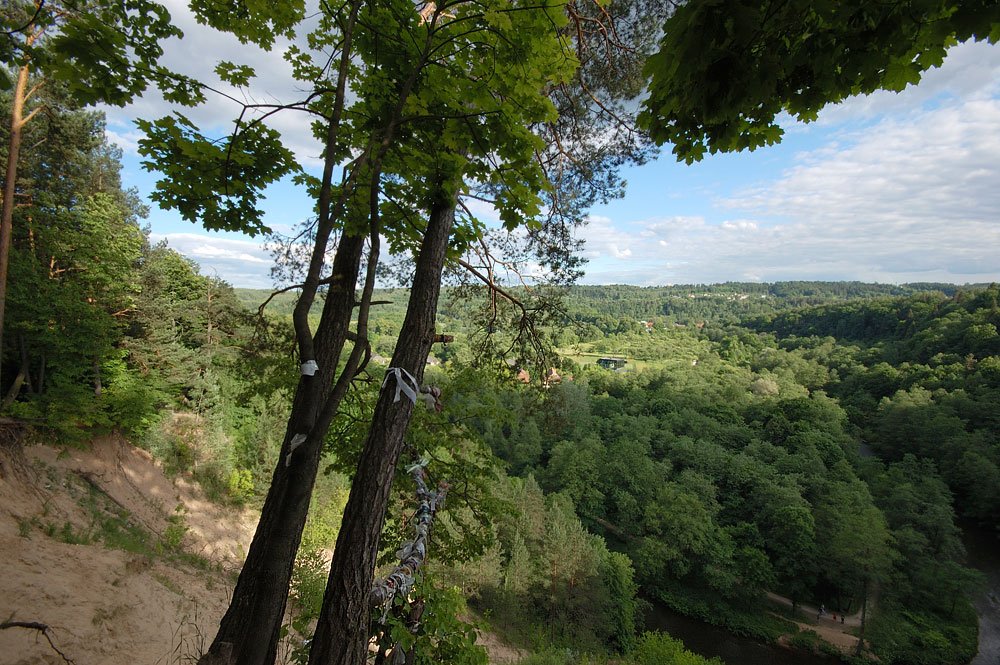
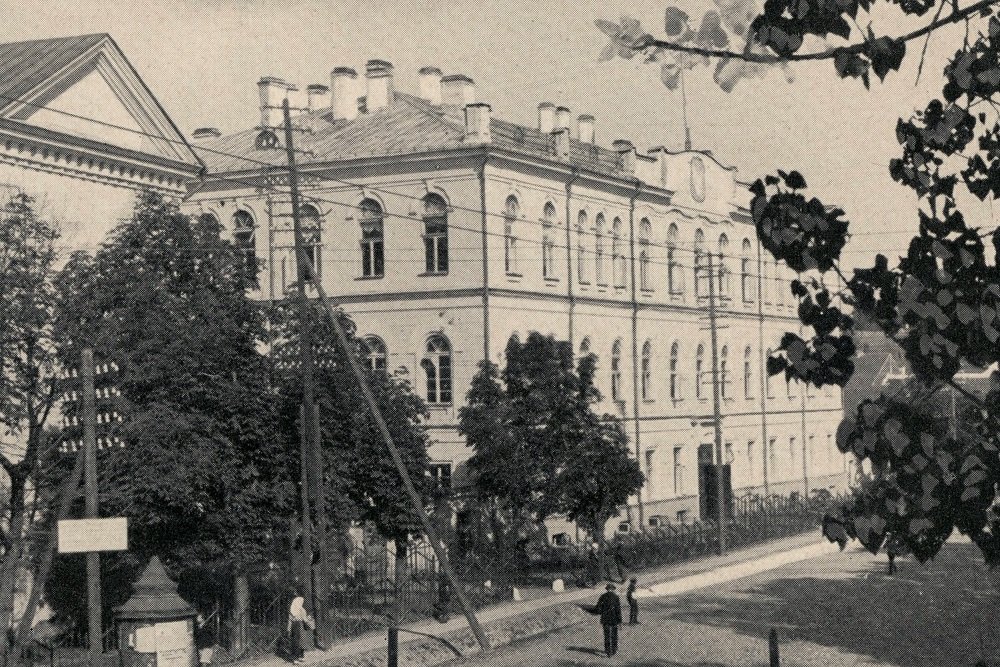
A serene view of the Evangelical cemetery in Vilnius featuring historic tombstones surrounded by lush greenery and tall trees

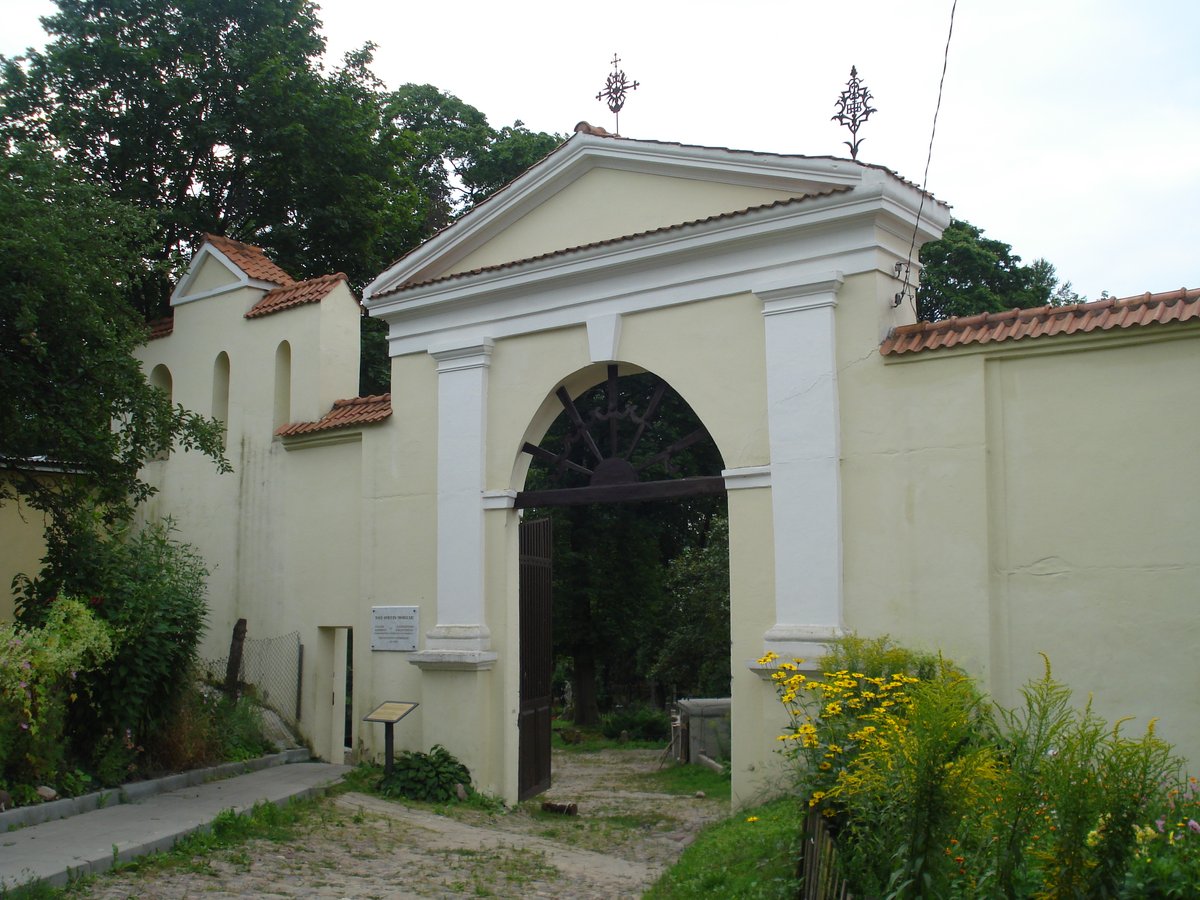
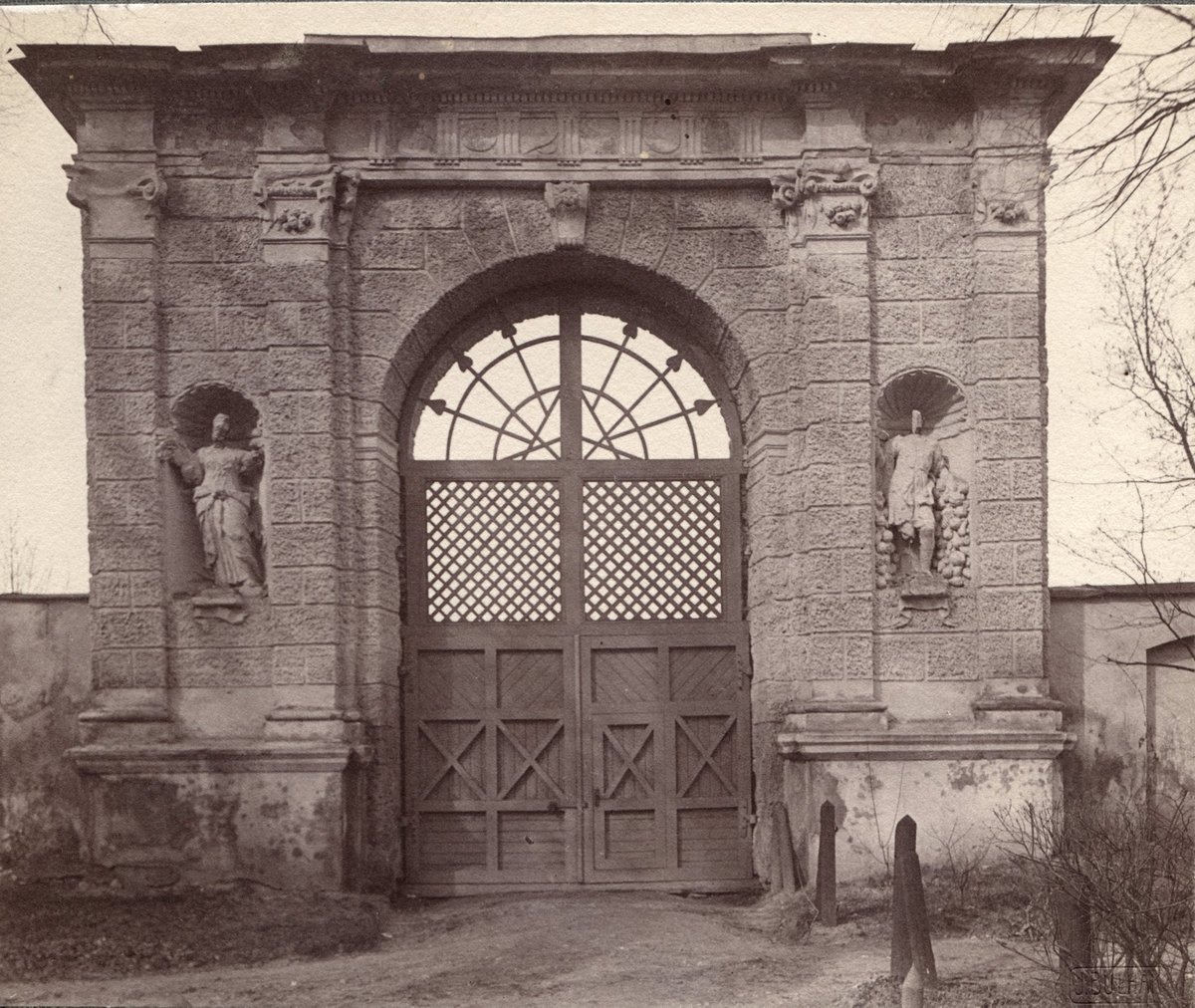
Black and white photograph of the historic Evangelical Cemetery gate located on Boŭfałava Hill in Vilnia, showcasing early 20th century architecture and cultural heritage.

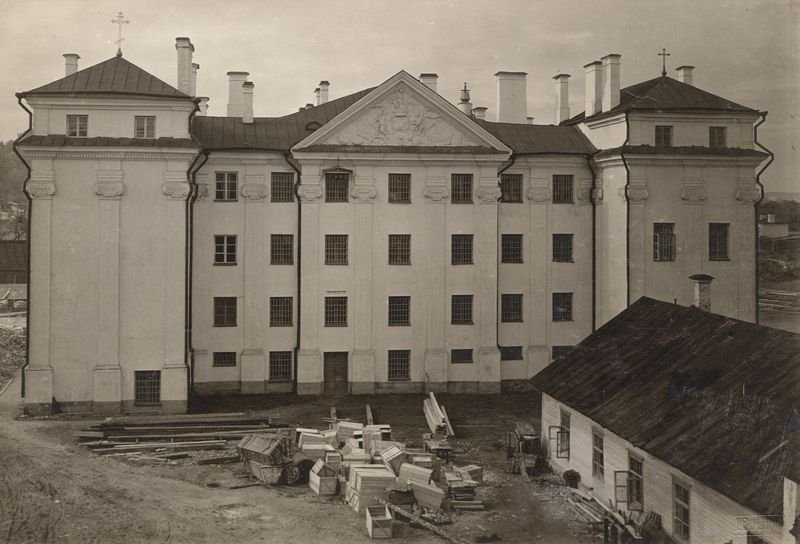
A black and white image showing the Evangelical cemetery church located on Boŭfałava hara (Boŭfałava hill) in Vilnia, taken between 1915 and 1918. The photo captures the historical architecture and surrounding cemetery.

Historic image of evangelical cemeteries located on Boŭfałava Hill in Vilnia, showcasing burial sites and monuments.

A historic black and white photograph showing the Evangelical cemetery on Boŭfałava Hill in Vilnia, captured between 1915 and 1920 by J. Bułhak.

Black and white photograph of the Evangelical Cemetery located on Boŭfałava Hill in Vilnius taken in 1919 by J. Bułhak, showcasing the historic cemetery landscape.

Black and white historic photograph of Boŭfałava Hill and the Evangelical Cemetery in Vilnia depicting trees, gravestones, and the serene landscape from 1919

Black and white historical photograph taken in 1919 showing the Evangelical Cemetery located on Boŭfałava Hara hill in Vilnia.

Black and white historical photograph showing the evangelical cemetery located on Bufalava Hill in Vilnia, taken by J. Bułhak in 1919

Evangeline cemetery grave of Vauzhyntsa Putkamer located in Vilnia, showcasing the historical tombstone and serene surroundings.
Historical Background
Establishment and Early Development
The Protestant Cemetery in Vilnius was established in the early 19th century as part of a broader movement to relocate burial grounds outside crowded city centers. The original Lutheran cemetery, dating back to the 1550s, was located on land donated by the Radziwiłł family on Liejyklos Street. As Vilnius expanded, and due to health concerns, burials were moved outside the city walls.
Before the closure of the original cemetery, a professor from Vilnius University cataloged the most notable tombstones, an archive later preserved by Eustachy Tyszkiewicz. The new Protestant Cemetery, constructed outside the city walls, featured a brick enclosure, a shelter for the poor, and a neo-classical chapel equipped with bells and a pipe organ. Tombstones from the old cemetery were relocated to the new site, symbolically linking generations of the Protestant community.
Multidenominational Use and Community Significance
From 1830, the cemetery also served the Calvinist community, whose previous burial ground had reached capacity. This shared use highlighted cooperation among Vilnius’s Protestant groups. The cemetery became a focal point for religious expression and community solidarity, containing graves of both prominent citizens and ordinary townspeople.
Architectural Features and Notable Monuments
The cemetery’s centerpiece was its neo-classical chapel, notable for its architectural elegance and musical features. The most significant surviving monument is the mausoleum of Jan Fryderyk Niszkowski, a renowned surgeon and Vilnius University professor, which remains as a testament to the community’s historical contributions.
Soviet Era: Closure and Destruction
In 1958, the cemetery was closed by Soviet authorities as part of a broader policy of secularization and urban redevelopment. By 1974, the site was largely demolished, and the Palace of Marriages (Santuokų rūmai) was constructed where the chapel once stood. Many tombstones were repurposed for public construction, mirroring similar fates suffered by other minority cemeteries in Vilnius.
Surviving Legacy and Present-Day Remnants
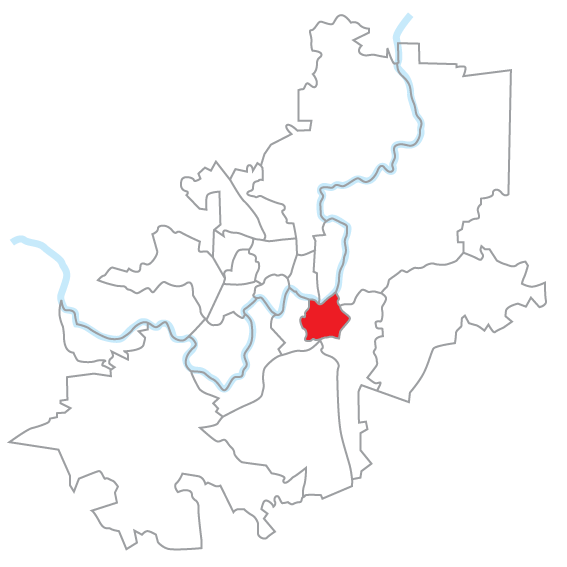
Today, the only remaining physical evidence of the Protestant Cemetery is the Niszkowski mausoleum. The area now functions as a public park, with the Palace of Marriages marking the site of the former chapel. Historical records, museum collections, and the mausoleum continue to preserve the memory of Vilnius’s Protestant community.
Visiting the Protestant Cemetery
Visiting Hours
The Protestant Cemetery site is now a public park open year-round from dawn to dusk. There are no gates or restricted entry, allowing visitors to explore freely.
Tickets and Admission
Admission is free. There are no tickets or entrance fees required to visit the site or view the Niszkowski mausoleum. Access to the Palace of Marriages is limited to wedding events.
Accessibility
The park features paved walkways suitable for visitors with mobility impairments. Public transportation and bike-sharing stations nearby make it convenient to access the site.
How to Get There
- Location: Near Vilnius city center.
- By foot: Approximately a 15-minute walk from the Old Town.
- By public transport: Bus routes 1, 2, and 88 stop nearby.
- By bike: City bike-sharing services are available.
Best Time to Visit
Spring through autumn provides the most pleasant weather for outdoor exploration. Early mornings and late afternoons offer the best light for photography and a quieter atmosphere.
Nearby Attractions
Combine your visit with these nearby sites:
- Vilnius Old Town: UNESCO World Heritage Site with historic architecture.
- Užupis District: An artistic neighborhood known for its bohemian spirit.
- Vilnius University: One of the oldest universities in Eastern Europe.
- Gates of Dawn: A revered religious site.
Guided Tours and Special Events
While there are no regular guided tours dedicated exclusively to the Protestant Cemetery, some city walking tours include information about the site's history. Special events or heritage days occasionally feature the cemetery as part of broader cultural programming.
Visitor Etiquette and Practical Tips
- Respectful Conduct: Maintain a quiet, respectful atmosphere as the site remains a place of remembrance.
- Photography: Discreet personal photography is allowed; avoid photographing private ceremonies or mourners.
- Facilities: No restrooms or cafes on-site; facilities available in nearby cafés and public buildings.
- Accessibility: Main paths are wheelchair-friendly, but some areas may have uneven terrain.
- Weather: Bring appropriate clothing for the season, and wear comfortable shoes.
- Donations: While entry is free, donations for the park’s upkeep are appreciated.
Frequently Asked Questions (FAQ)
Is the Protestant Cemetery in Vilnius open to the public?
Yes, the former cemetery site is a public park open daily from dawn to dusk.
Are there entrance fees or tickets required?
No, access is free of charge.
Are guided tours available?
Some city tours include the cemetery; check with local tourism offices for schedules.
Is the site accessible for visitors with disabilities?
Yes, paved paths facilitate access for visitors with mobility needs.
Can I visit the Palace of Marriages?
It is generally only open for wedding events.
Can I take photographs?
Yes, for personal use; please be respectful of the surroundings and other visitors.
Are pets allowed in the park?
Rules may vary; service animals are typically allowed.
Visuals and Media
- Images: Photographs of the Niszkowski mausoleum, park area, and historic information boards enhance the visitor experience.
- Maps: Interactive maps and virtual tours are available on Vilnius tourism websites.
- Alt text suggestions: "Niszkowski mausoleum in Vilnius Protestant Cemetery park," "Pathways at the former Protestant Cemetery, Vilnius."
Discover More
The Protestant Cemetery in Vilnius—though largely erased by Soviet redevelopment—remains a crucial site for understanding the city’s religious and multicultural past. The surviving mausoleum and historical records provide a window into Vilnius’s layered history and urban development. Visitors are encouraged to approach the site with reverence, explore nearby historic attractions, and utilize digital resources to enrich their experience.
For further planning, download the Audiala app for guided tours and audio content, and follow local cultural organizations on social media for event updates and travel tips.
Listen to the full story in the app
Your Personal Curator, in Your Pocket.
Audio guides for 1,100+ cities across 96 countries. History, stories, and local insight — offline ready.
Audiala App
Available on iOS & Android
Join 50k+ Curators
Sources
-
verified
Protestant Cemetery, Vilnius - Wikipedia [https://en.wikipedia.org/wiki/Protestant_Cemetery,_Vilnius]
-
verified
Made in Vilnius: 10 Most Significant Vilnius Cemeteries
[https://madeinvilnius.lt/en/the-history-of-Vilnius/studio-of-the-city-of-Vilnius/10-most-significant-Vilnius-cemetery/]
-
verified
Mapcarta: Protestant Cemetery Vilnius
[https://mapcarta.com/W24570120]
-
verified
Official Vilnius Tourism Website
[https://www.vilnius-tourism.lt]
- verified
Last reviewed: