Plan and listen to Orthodox Church Of The Holy Spirit, Vilnius with Audiala.
Audio guide in your pocket, itinerary in your browser. Built for the way you actually visit.
Introduction
The Orthodox Church of the Holy Spirit, located in the heart of Vilnius Old Town, stands as a testament to Lithuania’s rich Eastern Orthodox heritage and architectural brilliance. As the principal Russian Orthodox sanctuary in Lithuania, the church embodies centuries of spiritual devotion, resilience through political upheavals, and artistic achievement. From its 14th-century origins to its Baroque transformation, the church remains a vital religious and cultural center, drawing pilgrims, tourists, and art lovers alike (Go Vilnius; Spotting History).
This comprehensive guide details the history, significance, visiting information, architectural features, accessibility, and travel recommendations for the Orthodox Church of the Holy Spirit. Whether you are interested in Lithuania’s religious history, architecture, or simply seeking an enriching experience in Vilnius, this guide will help you plan your visit.


Origins and Early Development
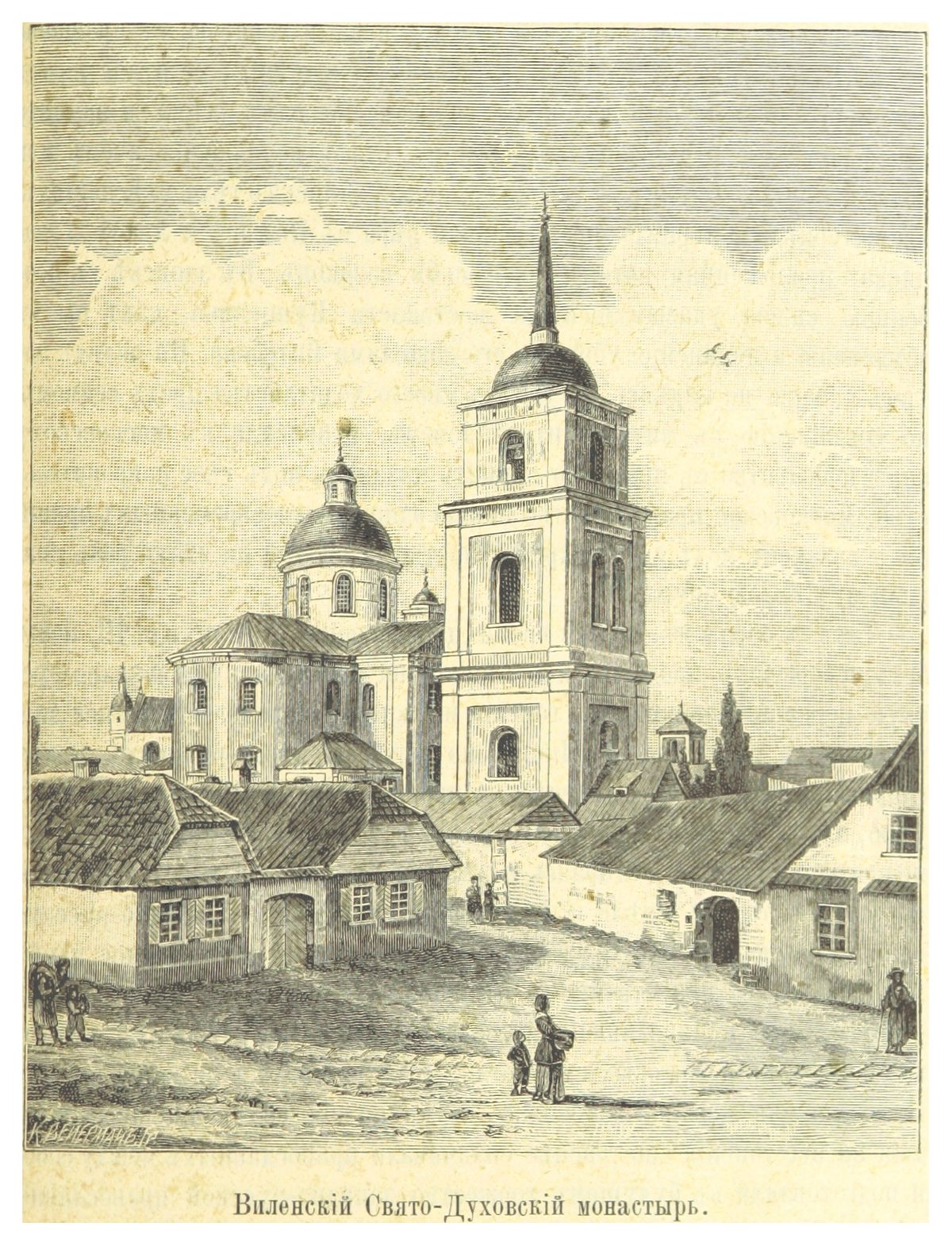
The Orthodox presence in Vilnius dates back to at least the 14th century, with a wooden church possibly established under Grand Duke Gediminas (Go Vilnius). The documented foundation of the current church complex traces to 1567, when the Orthodox Brotherhood of Vilnius set up the monastery and church, supported by King Władysław IV Vasa (Spotting History; LDK Istorija).
Amidst the Reformation and the Union of Brest (1596), which challenged Orthodox Christians’ rights, the Brotherhood became a hub for Orthodox education and publishing, establishing a school and printing house by 1596 (LDK Istorija).
Baroque Transformation and Later Modifications
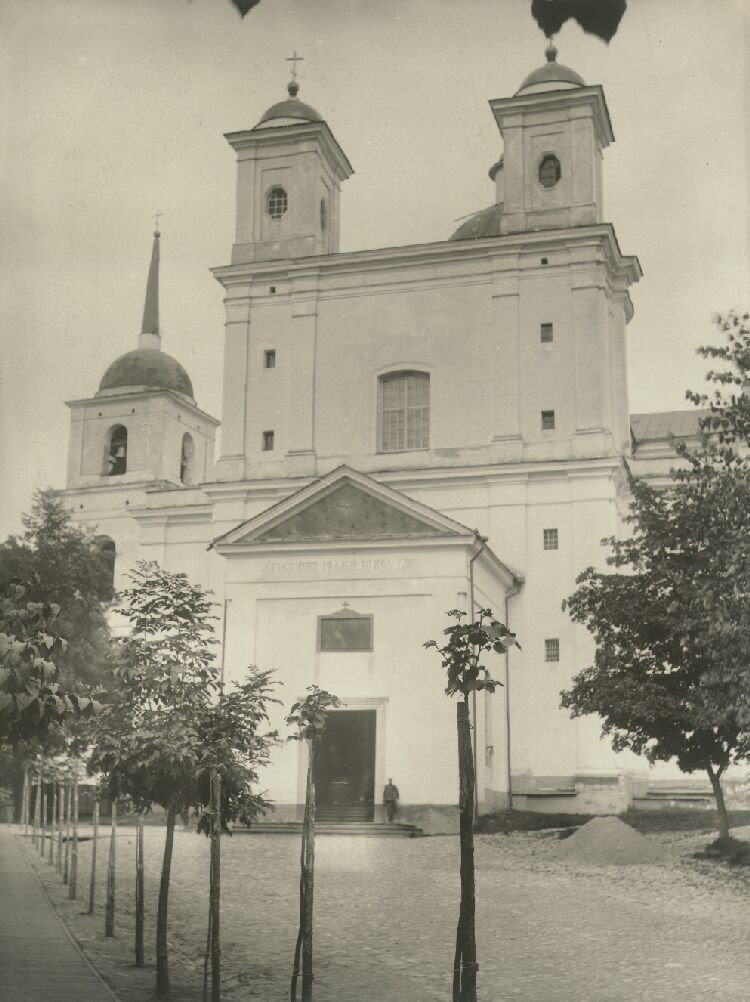
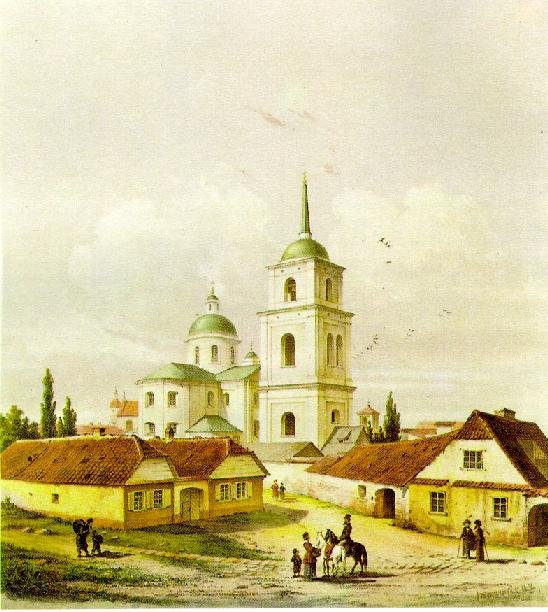
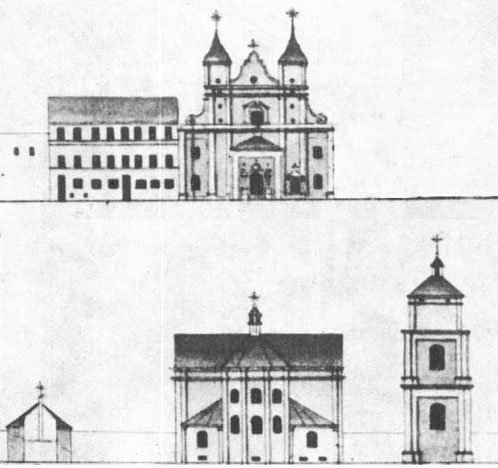
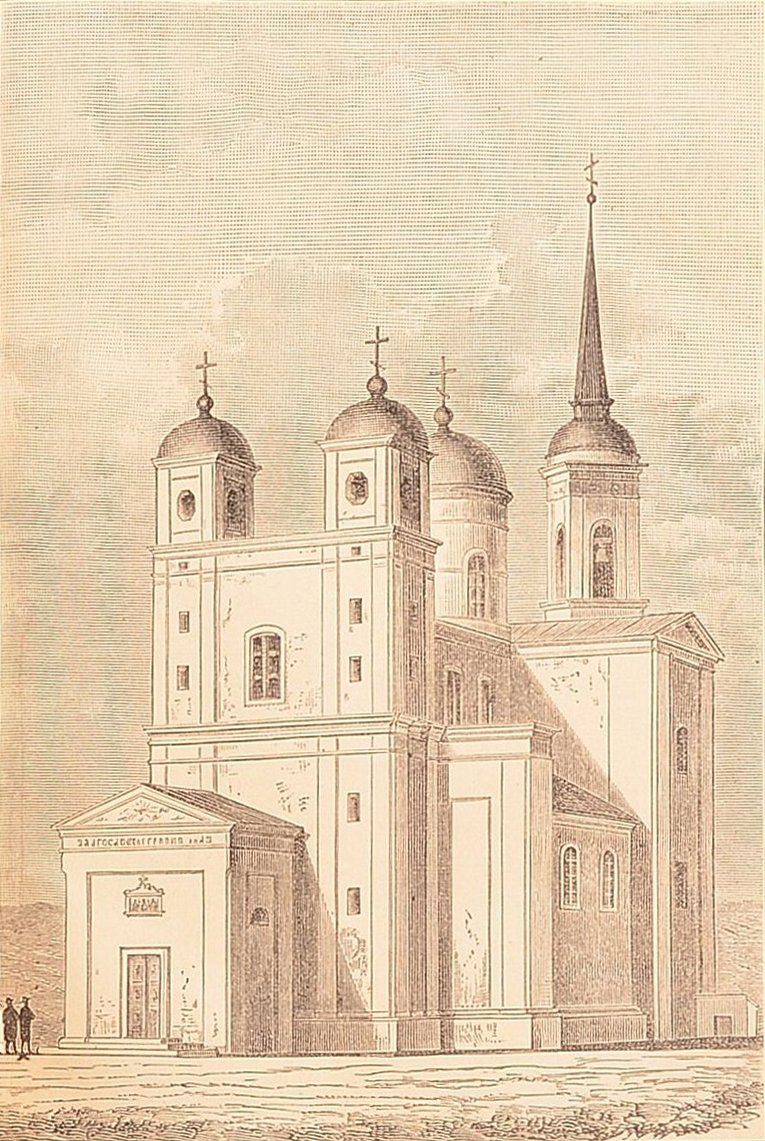
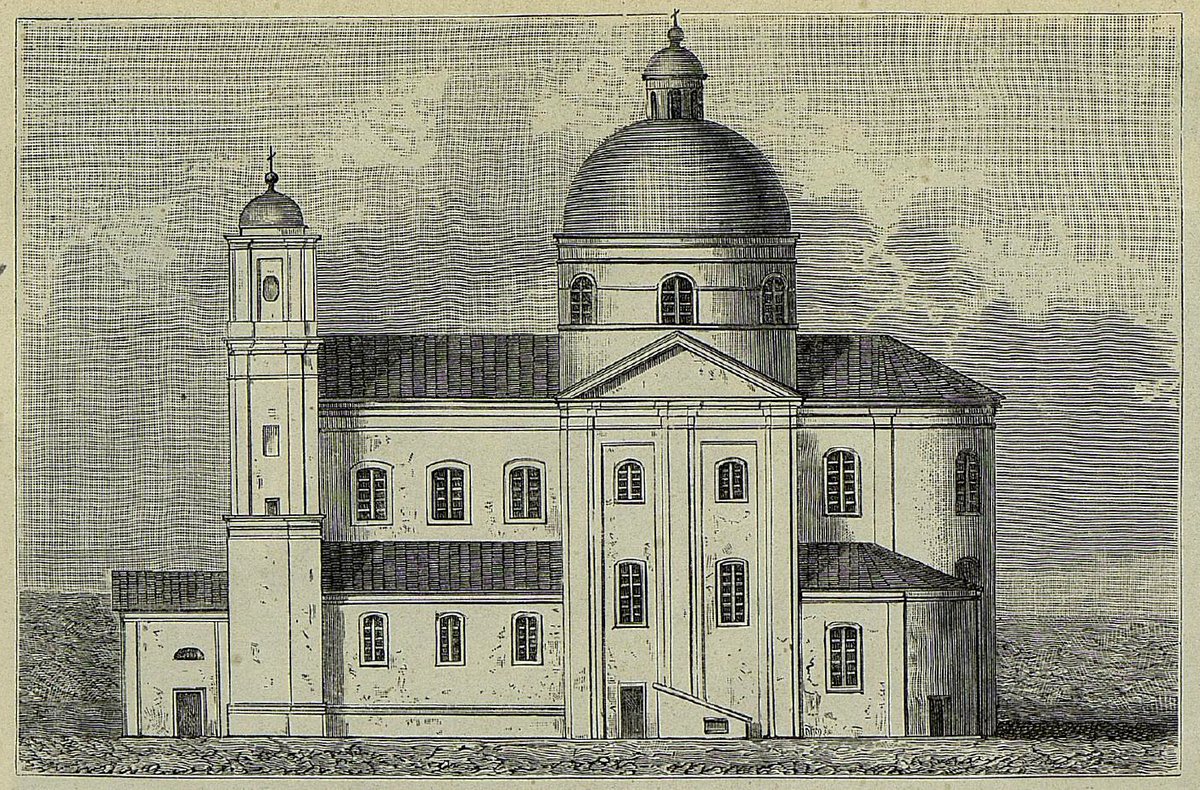
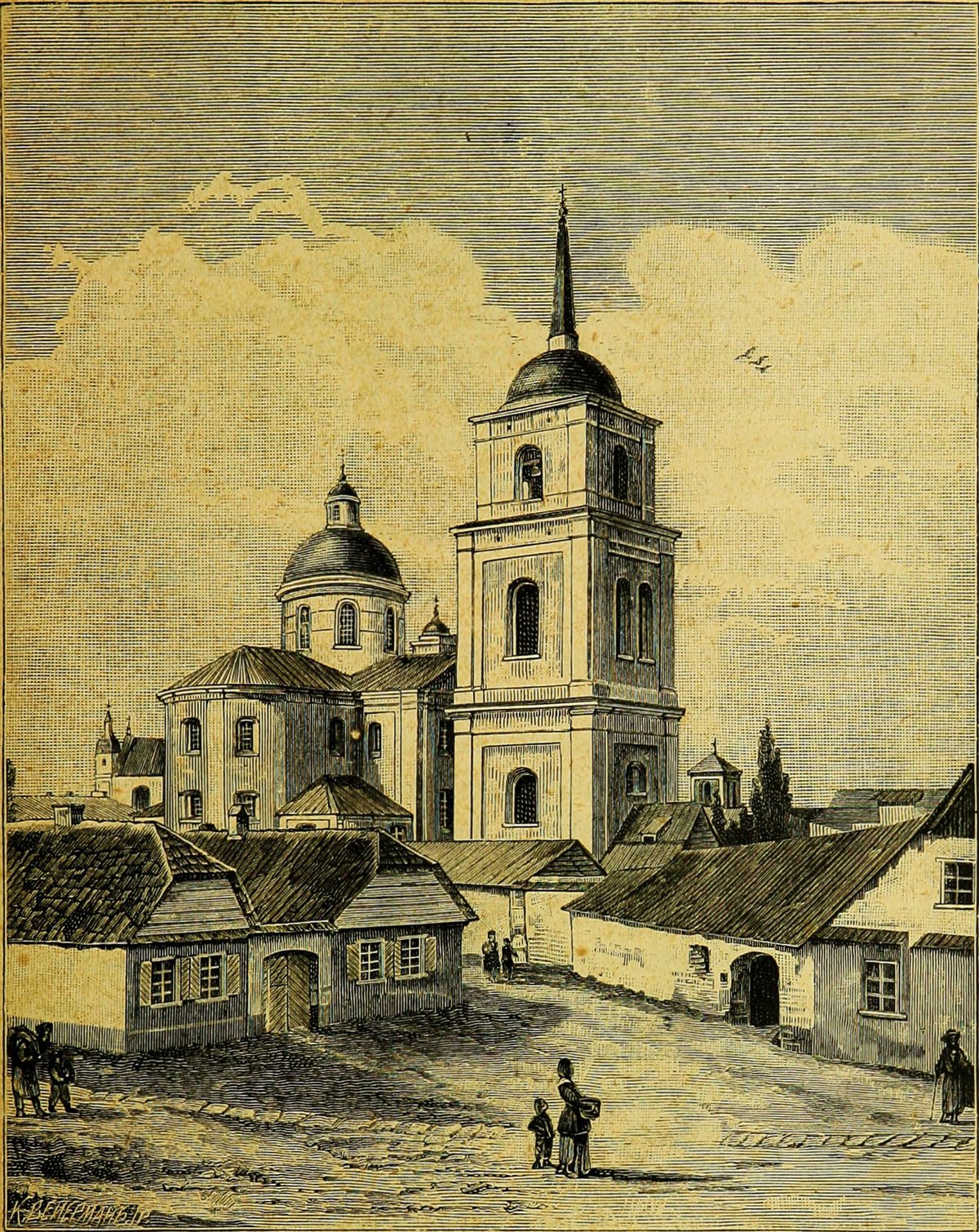
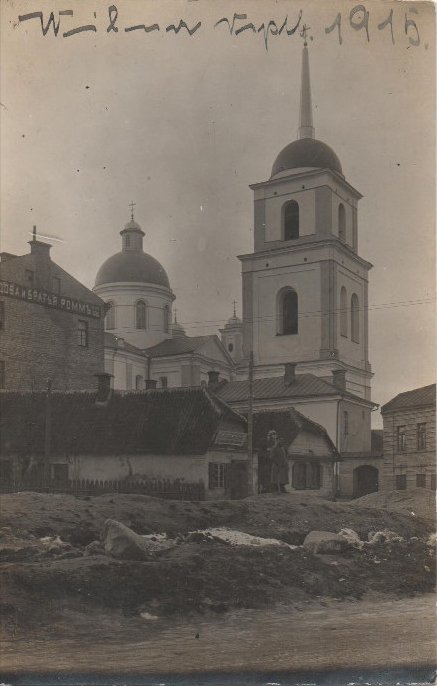
Originally built as a wooden structure, the church was reconstructed in brick in 1638. A catastrophic fire in 1749 prompted a Baroque redesign under architect Johann Christoph Glaubitz (1749–1753), resulting in the unique Baroque-style Orthodox church seen today (Wikipedia; Travel David M Byrne). The 19th century brought further renovations, including Neo-Byzantine elements and restoration of the adjoining monastery and convent, with Gothic fragments preserved (Spotting History; In Your Pocket).
Religious and Cultural Significance
Relics of the Vilnius Martyrs
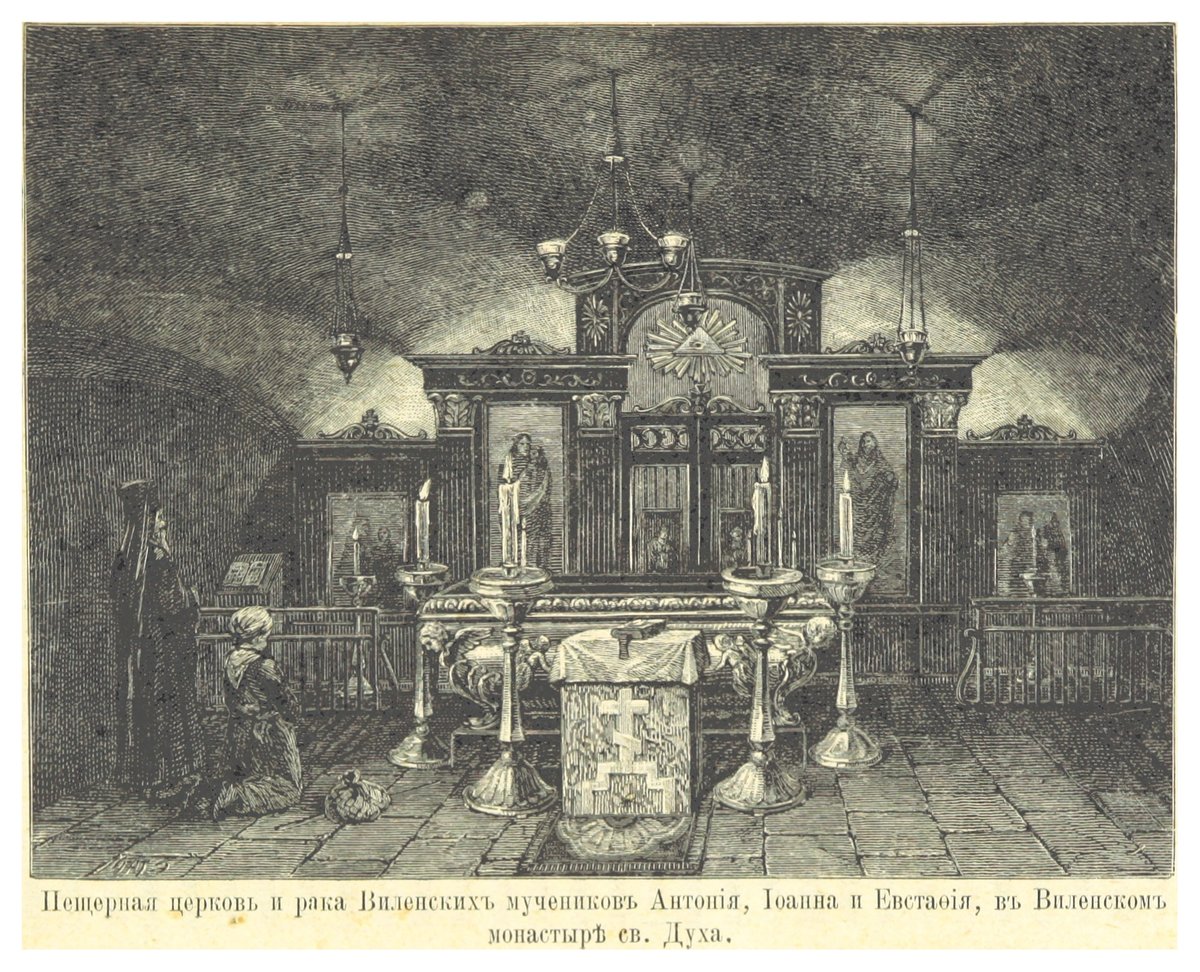
The church is a prominent pilgrimage site, enshrining the relics of Saints Anthony, John, and Eustathios—14th-century martyrs revered in the Orthodox tradition. Their relics, discovered in the 19th century, are displayed in the crypt in liturgical vestments that change color with the Orthodox calendar (In Your Pocket; Wikipedia).
Intellectual, Artistic, and Multicultural Roles
From its earliest days, the church complex was a center of Orthodox education and publishing (LDK Istorija). Artistically, it is celebrated for its Baroque and Rococo interiors, iconography, and 18th-century organ by Adam Gottlob Casparini. The church also serves Vilnius’s Polish community with Masses in Polish, reflecting the city’s multicultural fabric (Go Vilnius).
During the Soviet era, the church remained operational—a rarity among religious institutions. In 1993, Pope John Paul II visited, and for nearly two decades, the church housed the revered Divine Mercy painting (thecatholictravelguide.com).
Architecture and Interior Highlights
Facade & Domes
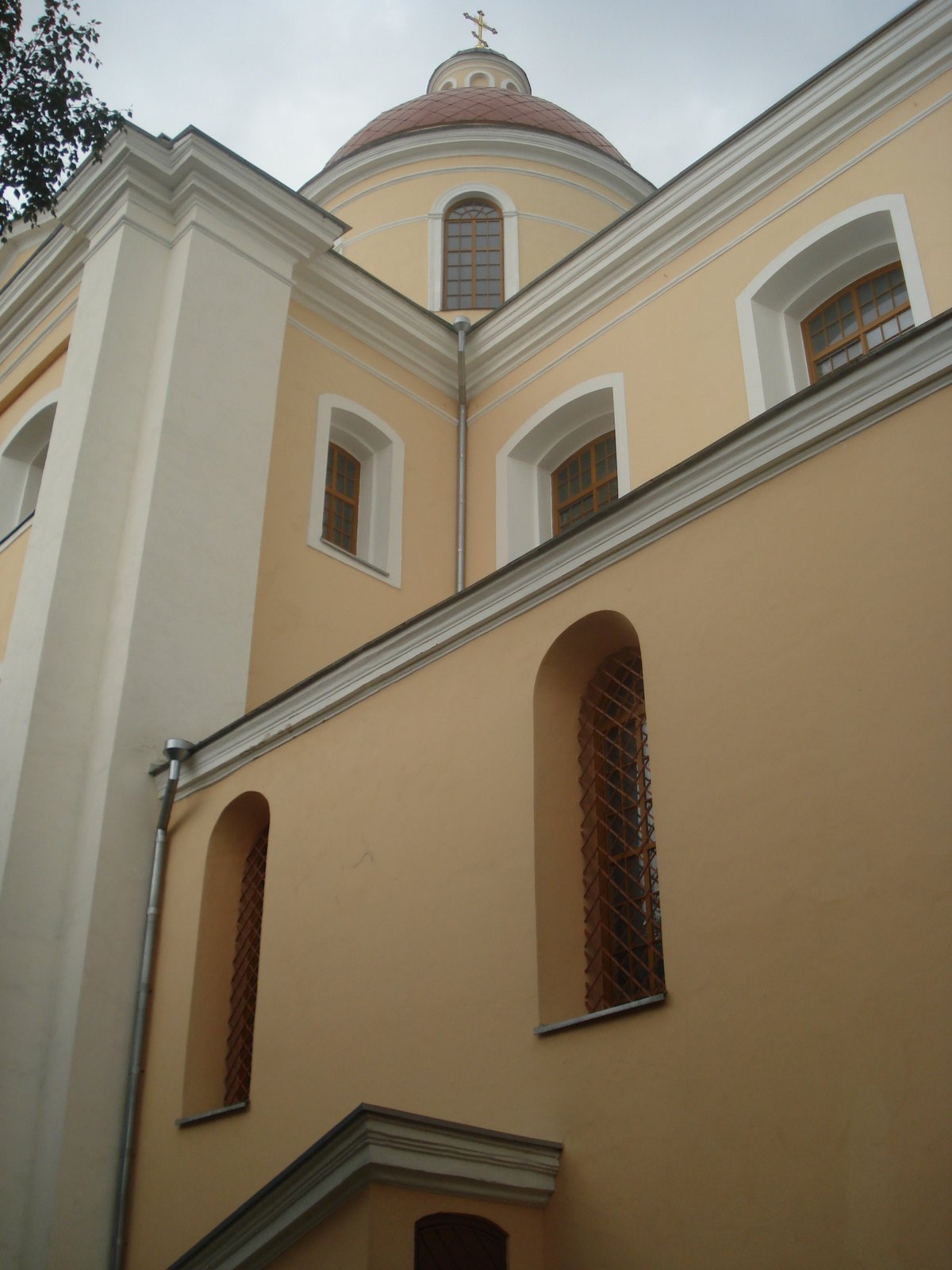
The church showcases a white-and-pastel Baroque facade with symmetrical design, arched windows, and decorative niches. Its three turquoise onion domes, topped with gilded crosses, symbolize the Holy Trinity and are visible across the Old Town (Vilnius Tourism). The adjacent Baroque bell tower houses historic bells still in use today (Orthodox Vilnius).
Iconostasis & Frescoes
Inside, the lavish 18th-century iconostasis is a masterpiece of woodcarving and gilding, adorned with icons of Christ, the Virgin Mary, and saints (Vilnius Orthodox Heritage). The walls and vaults are covered in vivid Baroque frescoes depicting biblical and local Orthodox themes. The dome features a grand Christ Pantocrator surrounded by angels.
Extensive marble and stucco work, including pilasters and gilded reliefs, add to the opulence (Orthodox Heritage Lithuania).
Crypt and Monastic Complex
The crypt, beneath the sanctuary, contains the relics of the Vilnius Martyrs and mummified remains from historical tragedies. The church is part of a monastic complex with living quarters for monks and nuns, a refectory, and a courtyard with commemorative plaques (Orthodox Church of the Holy Spirit).
Visiting Information
Hours and Tickets
- Visiting Hours: Typically open daily from 8:00 AM–6:00 PM (some sources cite 9:00/10:00 AM opening; check official sources for updates).
- Admission: Free; donations are encouraged to support maintenance and charitable activities.
- Guided Tours: Available by request or through local operators; some areas like the crypt may require prior arrangement (Vilnius Tourism Accessibility).
Accessibility
- Ramps and multilingual signage are provided, but the crypt and some areas may be inaccessible to wheelchair users due to the historic structure.
- Restrooms are not available on site.
Location and Getting There
- Address: Aušros Vartų gatvė 7B, Vilnius Old Town.
- Transport: Easily reached by foot from the city center or nearby attractions (Gate of Dawn, Town Hall Square). Public transport stops are close by; parking is limited.
- Travel Tips: Wear comfortable shoes for cobblestones; dress modestly for services; respect ongoing worship.
Nearby Attractions
Combine your visit with other Vilnius historical sites, including:
- Gate of Dawn
- Vilnius Cathedral
- Gediminas Tower
- Uzupis District
- St. Casimir’s Church
These sites are within walking distance and offer a broader view of Vilnius’s religious and cultural landscape.
Frequently Asked Questions (FAQ)
Q: What are the Orthodox Church of the Holy Spirit’s visiting hours?
A: Typically 8:00 AM–6:00 PM daily, but check official sources for seasonal or holiday changes.
Q: Is there an entrance fee or are tickets required?
A: Entry is free; donations are welcomed. Guided tours or crypt access may require advance booking.
Q: Is the church accessible for visitors with disabilities?
A: Main areas are accessible with ramps, but the crypt may not be.
Q: Can I attend religious services?
A: Yes, visitors are welcome; be respectful during services and adhere to etiquette.
Q: Is photography allowed?
A: Yes, except during services and with no flash. Avoid photographing worshippers.
Q: Are there guided tours?
A: Yes, guided tours are available—contact the parish or local operators.
Listen to the full story in the app
The whole Orthodox Church Of The Holy Spirit, Vilnius,
told well.
Listen to sourced travel stories with local history and practical context — ready offline.
Verified, and shown.
Researched and written by the Audiala editorial team from historical records, architectural archives, and local expertise.
Built from cited sources · see the method · How we make our guides →