Introduction
Set in Vilnius’ UNESCO-listed Old Town, the Mary Magdalene Monastery is a distinguished site that intertwines the religious, cultural, and architectural history of Lithuania. As the only active female Orthodox monastery in the country, it serves as a living testament to faith, resilience, and community service. This guide provides detailed visitor information, historical background, architectural highlights, and practical travel tips to help you fully appreciate this unique spiritual sanctuary (Wikiwand).
Founding and Early Development
The Mary Magdalene Monastery was established on November 9, 1864, amid the period of Russification in Lithuania. Created by imperial decree under the direction of Governor General M.N. Muravyov, it was intended to promote Eastern Orthodoxy in a region with strong Catholic traditions. The monastery was founded on the site of a former Catholic convent—the Monastery of the Heart of Jesus—whose community was dissolved and the buildings repurposed for Orthodox worship. The monastery officially opened on July 22, 1865, and welcomed nuns from Moscow’s St. Alexis Convent (Wikiwand).
Architectural Evolution
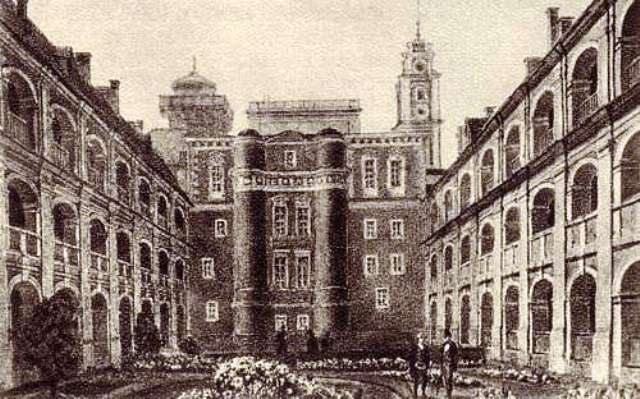
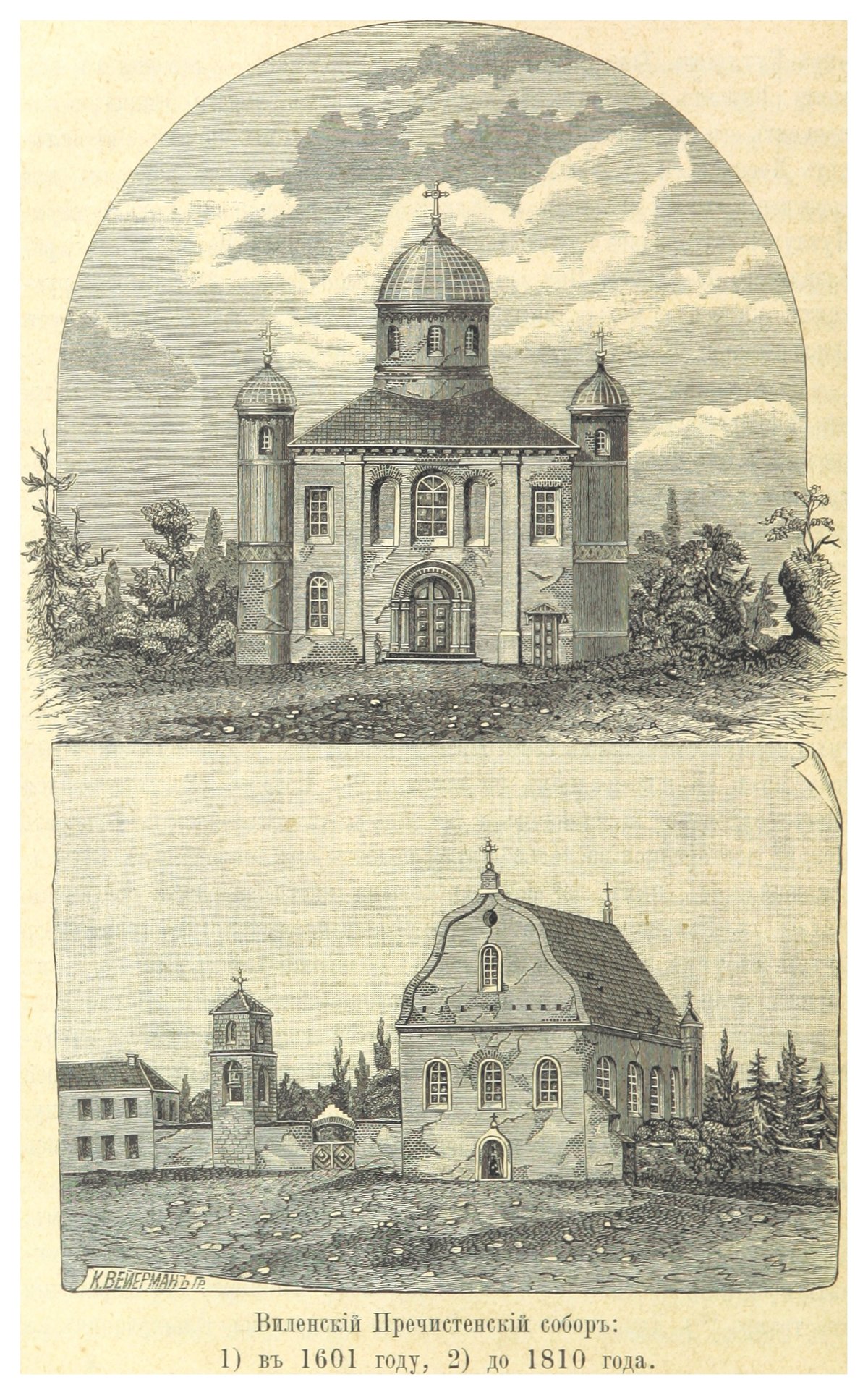
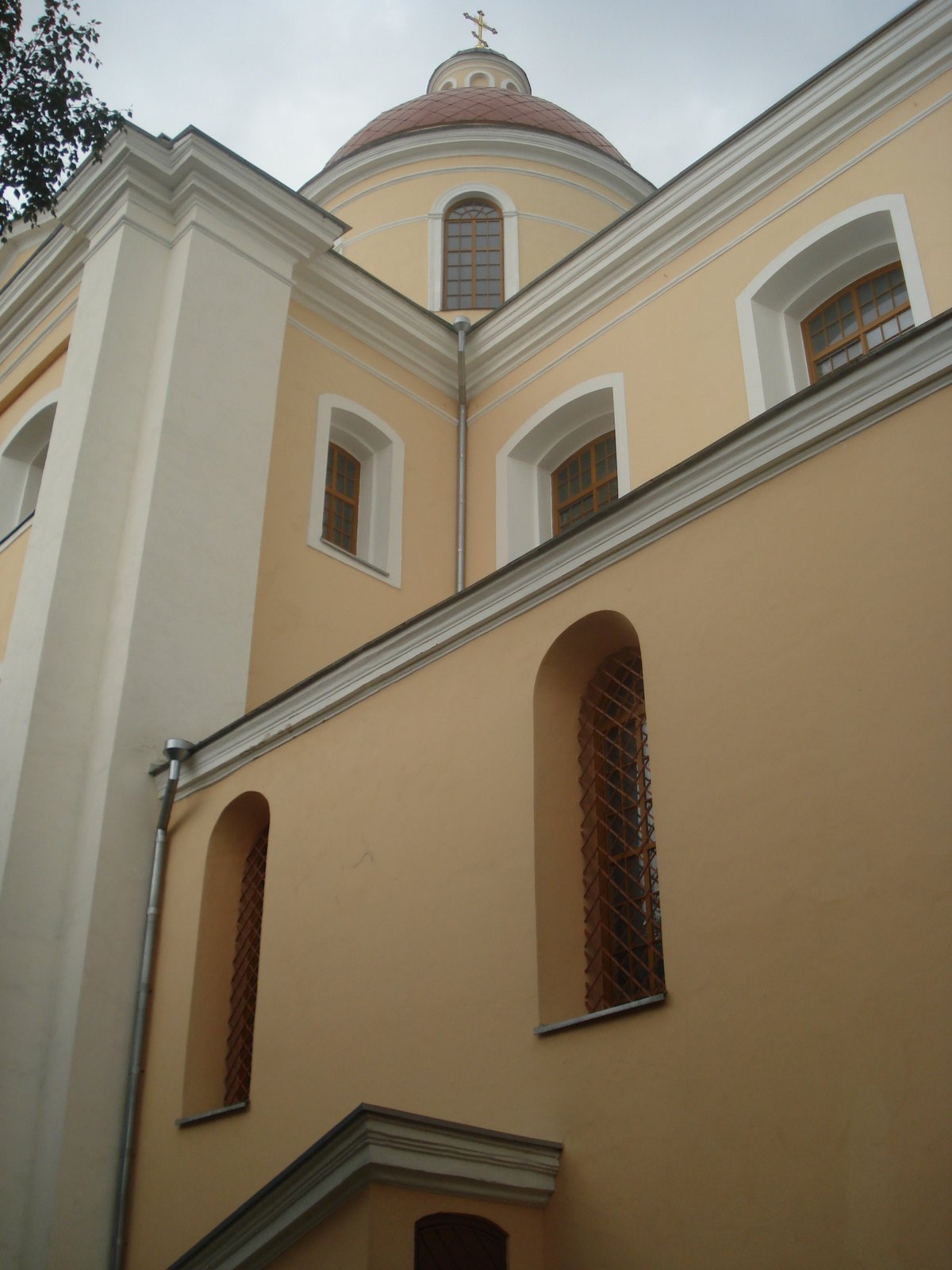
Substantial changes were made to adapt the original Catholic site to Orthodox traditions. The church was rededicated to St. Mary Magdalene, with the addition of a central dome, new west towers, and canopied entrances. The former bell tower was dismantled, and the grounds were enhanced with orchards, creating a tranquil environment for prayer and contemplation (clever-geek.imtqy.com).
Social and Religious Role
From its inception, the monastery combined spiritual life with charitable work. The nuns—mostly from Russia—ran a school, an orphanage, and workshops producing liturgical vestments and icons. By 1912, the community included 89 nuns, renowned for their choir and for providing leadership to other Orthodox monasteries in the region (Everything Explained Today).
Impact of War and Political Change
During World War I, the monastery was evacuated due to the advancing front, and the returned Visitation nuns reclaimed the site after the war. The Orthodox community relocated within Vilnius, preserving their traditions until they were able to return to the original site in 2015.
Soviet Era and Revival
After Soviet occupation, the monastery buildings were confiscated in 1960 and the nuns moved to the Holy Spirit Monastery. Despite suppression, the community survived and, following Lithuania’s independence, the monastery was officially restored to its historic location on May 5, 2015 (clever-geek.imtqy.com). Today, it stands as the only operational female Orthodox monastery in Lithuania.
Spiritual Significance and Devotional Practices
Dedicated to St. Mary Magdalene—a symbol of repentance, forgiveness, and the sacred feminine—the monastery is a focal point for Orthodox liturgical life. The feast of St. Mary Magdalene on July 22 is a major celebration, drawing pilgrims for special services and processions (Jeremy Payton Books).
Artistic and Cultural Heritage
The monastery’s church blends Baroque architecture with Orthodox iconography. Highlights include the ornate iconostasis, intricate frescoes, and relics such as those donated in 1939 by Metropolitan Dionizy of Warsaw. Occasional exhibitions and concerts reflect the monastery’s ongoing engagement with Vilnius’ cultural scene (Europe Up Close).
Visiting Information
Hours, Tickets, and Accessibility
- Opening Hours: Tuesday through Sunday, 10:00 AM – 5:00 PM. Closed Mondays and Orthodox holidays.
- Admission: Free; donations are encouraged to support upkeep and charitable works.
- Accessibility: The grounds are wheelchair accessible with paved paths and adapted facilities. For assistance, contact the monastery in advance.
Dress Code and Visitor Etiquette
- Modest clothing is required (shoulders and knees covered).
- Women are encouraged to cover their heads inside the church.
- Maintain silence and respect throughout the monastery.
- Photography is allowed in certain areas, but always seek permission, especially during services or inside the church.
Guided Tours and Special Events
- Guided Tours: Available in English and Lithuanian by prior arrangement through the monastery or local tourism offices.
- Special Liturgical Celebrations: Major feast days, especially July 22, feature unique processions and choral performances.
- Virtual Tours: Explore virtual tours and high-quality images on official tourism portals.
Getting There
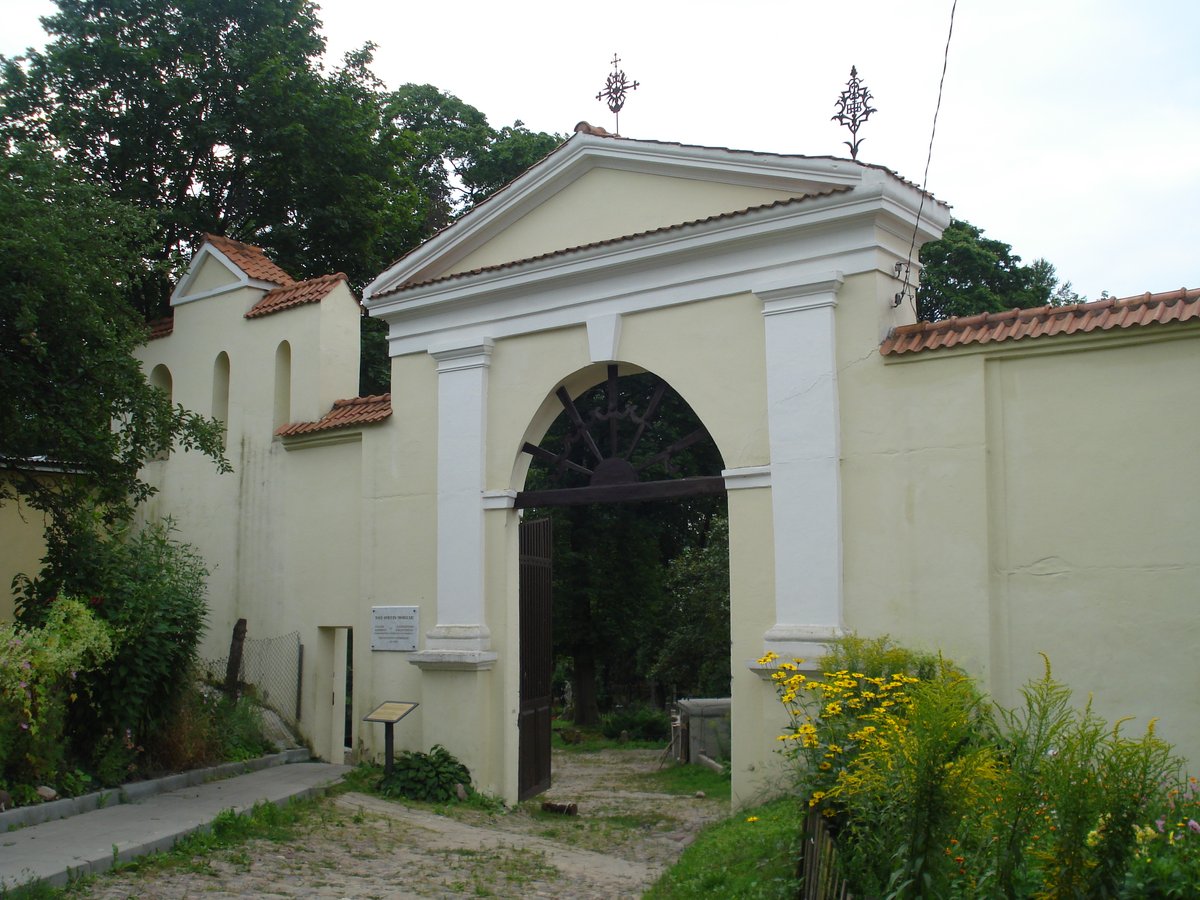
- Location: Central Vilnius Old Town, near Gediminas Tower and the Gate of Dawn.
- Public Transport: Easily accessible by bus or trolleybus (routes 1, 2, or 3). Taxis and pedestrian access from Old Town are convenient (Vilnius Public Transport Information).
Nearby Attractions
- Gate of Dawn
- Church of St. Peter and St. Paul
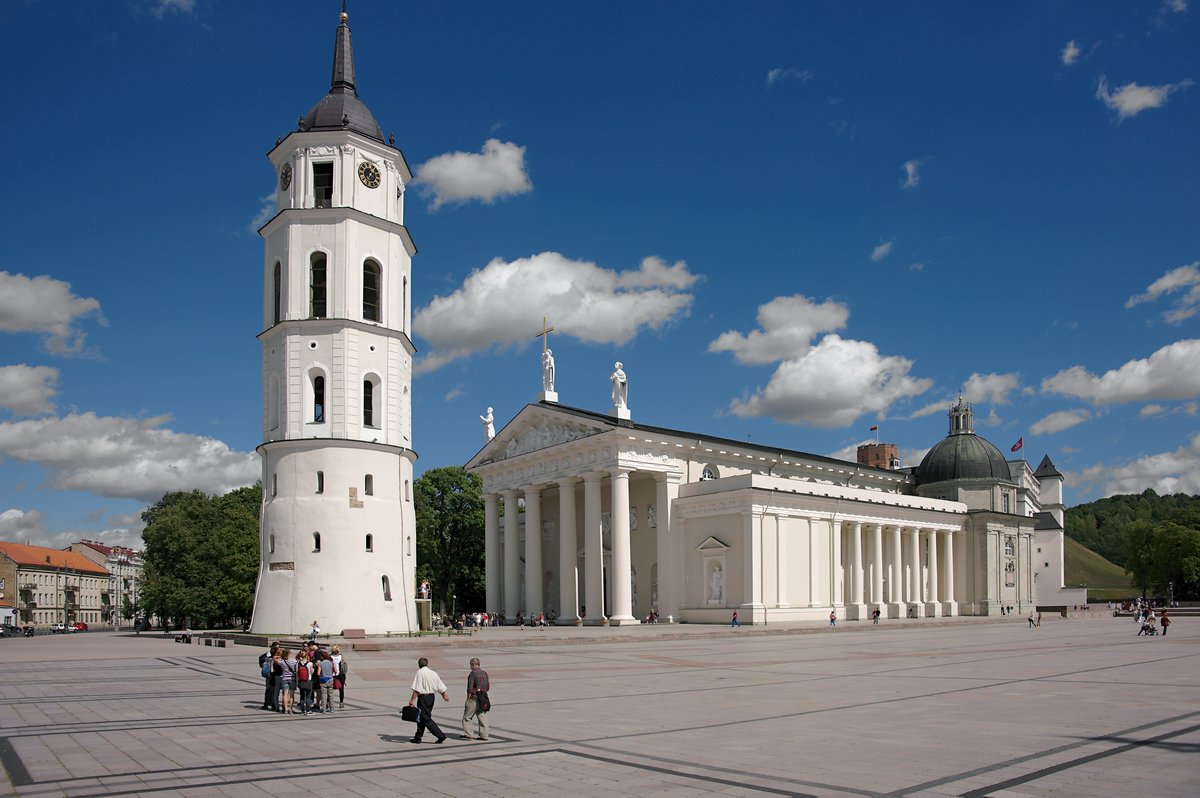
- Vilnius Cathedral
- Gediminas Tower
Enjoy the many cafés, restaurants, and shops throughout Vilnius Old Town, as well as annual events like the Kaziuko Mugė (St. Casimir’s Fair) (True Lithuania).
Frequently Asked Questions (FAQ)
Q: What are the visiting hours?
A: Tuesday–Sunday, 10:00 AM–5:00 PM. Closed Mondays and Orthodox holidays.
Q: Is there an entrance fee?
A: No, but donations are appreciated.
Q: Are guided tours available?
A: Yes, by prior arrangement.
Q: Is the monastery accessible for visitors with disabilities?
A: Yes, with adapted paths and facilities.
Q: Can I take photographs?
A: In permitted areas only; always seek permission.
Q: What is the dress code?
A: Modest attire; women should cover their heads inside the church.
Listen to the full story in the app
Your Personal Curator, in Your Pocket.
Audio guides for 1,100+ cities across 96 countries. History, stories, and local insight — offline ready.
Audiala App
Available on iOS & Android
Join 50k+ Curators
Sources
- verified
- verified
- verified
- verified
- verified
- verified
Last reviewed: