Introduction
Vilnius, known as the “Jerusalem of the North,” is a city deeply intertwined with centuries of Jewish cultural, religious, and scholarly life. Its Jewish cemeteries are not only sacred burial grounds but also living testaments to a vibrant community that shaped the city’s identity from the 14th century onward. Visiting these cemeteries—especially the Old Jewish Cemetery in Šnipiškės (Piramont), the Užupis Jewish Cemetery, and the active New Jewish Cemetery in Šeškinė (Sudervė)—offers a unique opportunity to connect with Lithuania’s Jewish heritage, honor the memory of notable figures like the Vilna Gaon, and reflect on the resilience and revival of Jewish culture in Eastern Europe (Vilnius with Locals; Jewish Heritage Lithuania; TripJive).
This guide provides a comprehensive overview of the history, cultural significance, visiting hours, ticketing, accessibility, and travel tips related to Vilnius’s Jewish cemeteries, along with recommendations for related heritage sites and practical visitor information.
Historical Development of Jewish Cemeteries in Vilnius
Jewish Settlement and the Emergence of Cemeteries
The Jewish presence in Vilnius dates back to at least the 14th century, making the establishment of cemeteries an early and vital priority. These sacred spaces—beit kvarot or beit olam—served religious needs and became historical records of the community. Over the centuries, Vilnius developed into a major hub of Jewish scholarship and culture, earning its reputation as the “Jerusalem of the North” (Vilnius with Locals).
The Three Main Jewish Cemeteries
1. Old Jewish Cemetery (Šnipiškės / Piramont)
- Founded: 15th century in the Šnipiškės suburb (now Žirmūnai district).
- Significance: Final resting place of the Vilna Gaon and thousands of others.
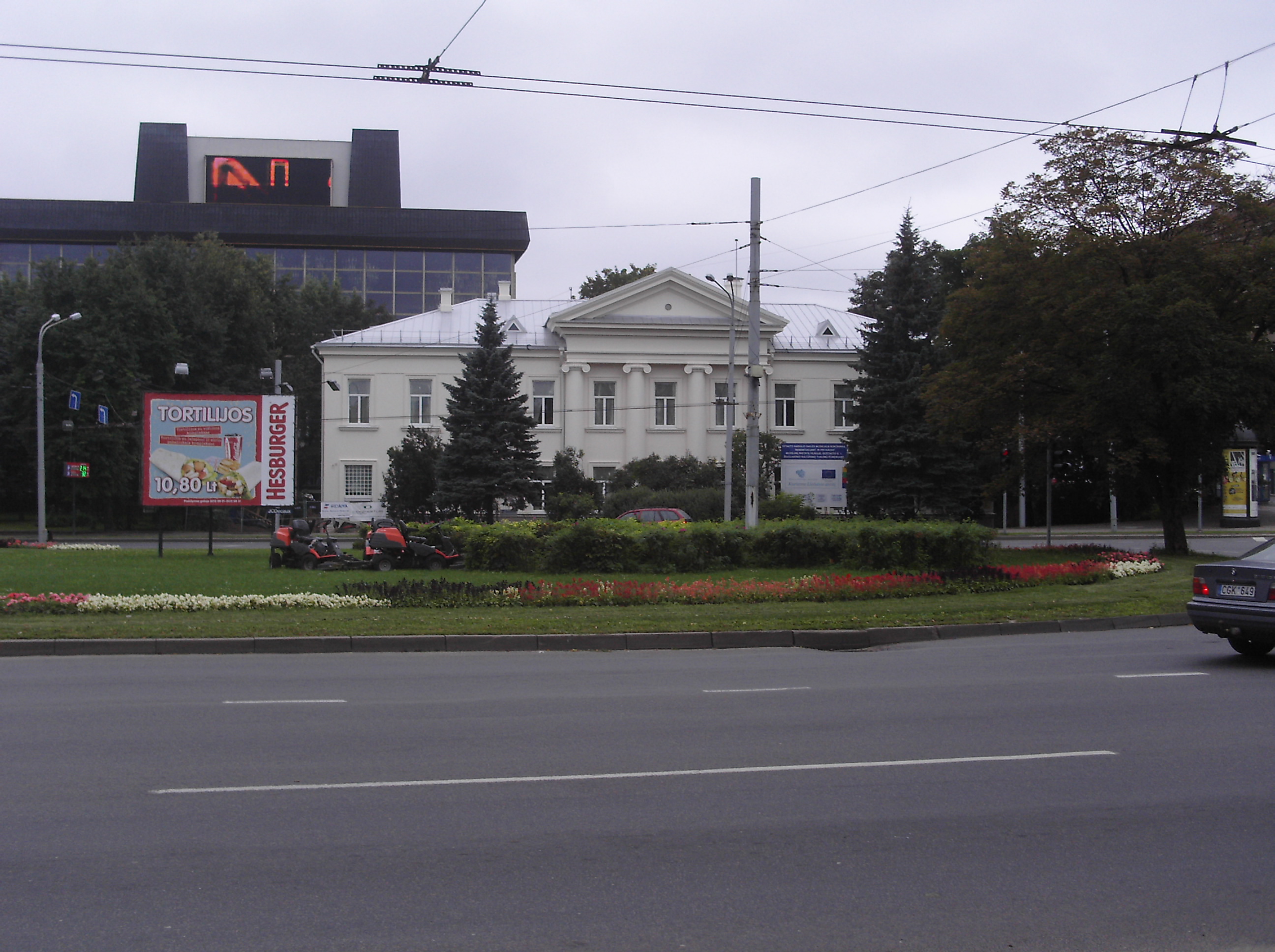
- Destruction: Closed in 1831, destroyed mid-20th century under Soviet rule for the construction of Žalgiris Stadium and the Palace of Concerts and Sports (Wikipedia). Today, the site is marked by a memorial plaque and is protected as a historical heritage site.
2. Užupis (Zarechye) Cemetery
- Established: 1828 in the Užupis district.
- Role: Main cemetery after Šnipiškės closure, interring approximately 70,000 individuals (Jewish Heritage Lithuania).
- Destruction: Razed in the 1960s by Soviet authorities; tombstones were repurposed as building materials.
- Current Status: Marked by a memorial built from recovered stones and partially reconstructed gates.
3. New Jewish Cemetery (Šeškinė / Sudervė)
- Location: Šeškinė district, Sudervės str. 28.
- Active Use: Established after Užupis closure and now the only functioning Jewish cemetery in Vilnius (Vilnius with Locals).
- Notable Graves: The Vilna Gaon’s remains were reinterred here, and the cemetery serves as a pilgrimage and remembrance site.
Cultural and Religious Significance
Vilnius’s Jewish cemeteries are more than burial places. They are enduring symbols of faith, learning, and community. Tombstones are inscribed in Hebrew, Yiddish, Russian, Polish, and Lithuanian, reflecting the diversity and reach of Vilnius’s Jewish population. Pilgrims from around the world visit the Vilna Gaon’s grave and other notable sites, often leaving stones as a sign of respect (Jewish Heritage Lithuania).
Destruction, Memorialization, and Preservation
Over the 20th century, especially during the Soviet era, Vilnius’s Jewish cemeteries faced systematic destruction. The loss of original headstones and the repurposing of cemetery grounds were deeply traumatic for the community (Times of Israel). Since Lithuania’s independence, efforts have focused on memorialization and education, with plaques, restored gates, and guided tours helping to honor the lost heritage. The Old Jewish Cemetery is now protected, and international advocacy ensures ongoing respect for these sacred sites (Jewish Heritage Lithuania; UCSJ).
Visiting Hours, Tickets, and Practical Information
Visiting Hours and Tickets
- New Jewish Cemetery (Šeškinė/Sudervė): Open daily during daylight hours, usually from 9:00 AM to 7:00 PM. Closed on Saturdays and Jewish holidays. No entrance fee is required (Vilnius with Locals).
- Old Jewish Cemetery (Šnipiškės) and Užupis Memorial: Open to the public at all times as outdoor memorials; no tickets or entrance fees.
Accessibility
- Sudervė Cemetery: Accessible by car and public transport; parking is nearby. Some paths are uneven—sturdy footwear is advised. The site is partly accessible for visitors with limited mobility.
- Užupis Memorial: Flat and open, suitable for most visitors.
- Old Jewish Cemetery: Terrain is uneven; access may be challenging for some. The memorial is located near the Neris River.
Etiquette and Customs
- Dress modestly; head covering is customary for men.
- Remain respectful and maintain silence.
- Avoid stepping on graves, eating, or drinking on the grounds.
- Placing small stones on graves is a traditional gesture of respect.
Photography
- Permitted, but please avoid disturbing ceremonies or other visitors and do not use flash near memorials.
Guided Tours
- Local tour operators and the Vilna Gaon Jewish State Museum offer guided Jewish heritage tours, which include insights into the cemeteries’ history, customs, and notable figures (Best Pub Crawl).
- Private and group tours are available in English and other languages.
Related Jewish Heritage Sites in Vilnius
- Vilna Gaon Jewish State Museum: Multiple locations, with exhibitions on Jewish life and the Holocaust.
- Choral Synagogue (Pylimo g. 39): The only functioning synagogue in Vilnius.
- Great Synagogue Site (Žydų g. 3): Once the spiritual heart of Jewish Vilnius, now marked by archaeological remains.
- Paneriai (Ponar) Memorial: A site just outside Vilnius commemorating Holocaust victims.
Frequently Asked Questions (FAQ)
Q: Are there entrance fees to visit the Jewish cemeteries in Vilnius?
A: No, all cemeteries and memorial sites are free to visit.
Q: What are the opening hours?
A: The New Jewish Cemetery is open daily during daylight hours but closed on Saturdays and Jewish holidays. Memorial sites are accessible at all times.
Q: Are guided tours available in English?
A: Yes, various tour operators offer English-language tours covering Jewish heritage sites and cemeteries.
Q: Is the New Jewish Cemetery wheelchair accessible?
A: It is partially accessible, but some areas have uneven terrain.
Q: Can I take photographs?
A: Yes, respectfully and without disturbing others or ceremonies.
Visuals and Media Suggestions
- Photos of the Sudervė Cemetery entrance (alt: "Jewish Cemeteries Vilnius visiting hours - Sudervė Cemetery entrance")
- Historical images of the Old Jewish Cemetery before its destruction
- Map of Vilnius’s Jewish heritage sites
- Virtual tour of the Old Jewish Cemetery
Internal and External Links
- Internal: Vilnius Jewish Heritage Walking Tour, Jewish Museums in Lithuania
- External: Jewish Heritage Lithuania, Lithuanian Jewish Community, Vilna Gaon Jewish State Museum
Listen to the full story in the app
Your Personal Curator, in Your Pocket.
Audio guides for 1,100+ cities across 96 countries. History, stories, and local insight — offline ready.
Audiala App
Available on iOS & Android
Join 50k+ Curators
Sources
- verified
- verified
- verified
- verified
- verified
- verified
- verified
- verified
Last reviewed: