Introduction
The Church of the Holy Trinity in Trinapolis, Vilnius, is a remarkable testament to Lithuania’s religious, architectural, and cultural heritage. Founded in the late 17th century by Bishop Konstanty Kazimierz Brzostowski and the Trinitarian Order, this Baroque sanctuary has played an integral role in Vilnius’s spiritual and community life for centuries. Its unique architectural features, storied past, and ongoing function as a center for worship and cultural events make it a must-visit for pilgrims, history enthusiasts, and travelers alike. This comprehensive guide offers essential information on history, architecture, opening hours, tickets, accessibility, and practical tips for making the most of your visit.
For further details, guided tour arrangements, and updates on events, consult official sources and trusted tourism portals (Made in Vilnius, AllTrips, True Lithuania).
Origins and Foundation
Established in 1695 on the northern outskirts of Vilnius, the Church of the Holy Trinity was commissioned by Bishop Brzostowski and entrusted to the Trinitarian Order, famed for their charitable missions in Europe. Construction spanned from the late 17th century until 1709, resulting in a church and monastery complex that quickly became a focal point for local Catholic life (Made in Vilnius).
Architectural Evolution
Baroque Beginnings and Rococo Flourishes
The church exemplifies mature Baroque architecture, characterized by its elongated octagonal nave and rectangular exterior—a unique design in Lithuania. The central nave is topped by a cross vault, while the presbytery and towers (completed in the mid-18th century) add verticality and grandeur. In the mid-1700s, Rococo elements were incorporated, introducing elegant ornamentation while preserving the building’s harmonious proportions.
Italian Influence
The architectural plan reflects a synthesis of Lithuanian and Italian styles, drawing inspiration from Borromini’s San Carlo alle Quattro Fontane in Rome. The fluidity of the church’s interior, absence of straight lines, and interplay of light and space evoke the creative spirit of 17th–18th century ecclesiastical design.
Religious and Community Significance
Over the centuries, the church and monastery have served diverse roles. Beyond being a hub for Catholic worship, the site housed a children’s orphanage, a shelter for the elderly, and a school—demonstrating its importance as a social and charitable center (Made in Vilnius).
Notable Historical Events
- Used as a French military hospital during the Napoleonic Wars.
- Converted to an Orthodox church in 1849 under Russian rule, with corresponding architectural changes.
- Served as a tuberculosis hospital and later a tourist base during the Soviet period.
- Restored after Lithuanian independence and reconsecrated in 1997; today, it hosts the Order of Saint Basil the Great and the Ukrainian Greek Catholic community (Made in Vilnius).
Visiting Information
Opening Hours
- General hours: 9:00 AM – 6:00 PM daily (may vary during religious holidays and special events)
- Services: Mass typically held on Sundays at 10:00 AM and 6:00 PM
Tickets and Admission
- Entry: Free
- Donations: Welcome to support preservation and community programs
- Guided Tours: Book in advance via the church office or local tour operators; fees may apply for private groups (AllTrips)
Accessibility
- Wheelchair access: Ramps at the main entrance and accessible restrooms
- Mobility: Some historic areas (monastic cells, towers) may have steps or uneven surfaces; contact ahead for details
Guided Tours and Events
- Tours: In-depth tours available by arrangement, focusing on history, architecture, and art
- Cultural events: Concerts, exhibitions, and festivals held throughout the year—check the church or tourism board websites for schedules
Visitor Tips
- Dress code: Modest attire (shoulders and knees covered); hats removed inside
- Behavior: Maintain silence and respect during services; photography may be limited—ask before photographing interior spaces
- Transport: Reachable by bus (lines 7G and 22), taxi, or car (on-site parking is limited)
- Best time to visit: May–June and September for mild weather and fewer crowds; winter visits offer a cozy, contemplative atmosphere but require warm clothing (Vilnius Tourism Board)
Architectural and Artistic Highlights
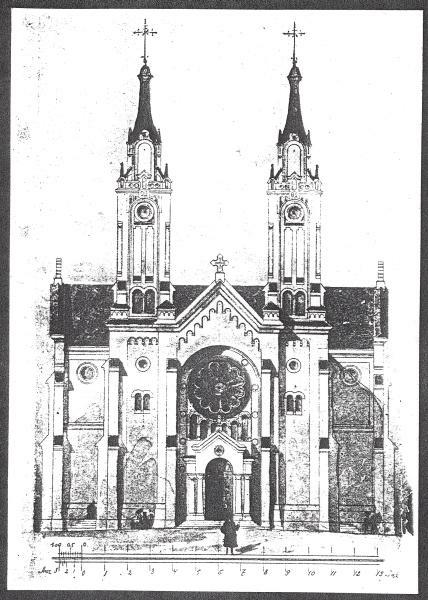
- Façade: Twin towers and triangular pediment with sparse Baroque decoration
- Interior: Elongated octagonal nave, dynamic cross vaulting, preserved Rococo details
- Artworks: Original Baroque/Rococo sculptures and altars, with some pieces on display in regional museums
- Symbolism: Masterful use of light, sacred iconography, and decorative stucco representing both theological and cultural themes (AllTrips)
Nearby Attractions
- Vilnius University Botanical Garden: Lush gardens a short stroll from the church
- Užupis District: Artistic quarter known for its bohemian spirit and vibrant street art
- Neris Riverside: Scenic trails perfect for walking or cycling
- Other religious sites: Gates of Dawn, Vilnius Old Town churches (True Lithuania)
Frequently Asked Questions (FAQ)
Q: What are the current opening hours?
A: Generally 9:00 AM – 6:00 PM daily. Hours may change during holidays—check the official parish website.
Q: Is there an entry fee?
A: No, entry is free. Donations are encouraged.
Q: Are guided tours offered?
A: Yes, book in advance via the church or with local tour operators.
Q: Is the church accessible for people with disabilities?
A: The main areas are accessible; some historic spaces may pose challenges. Contact in advance for assistance.
Q: Can I attend services if I am not a parishioner?
A: Yes, all are welcome to attend services; observe respectful conduct.
Q: Is photography allowed?
A: Generally permitted outside of services; always ask before taking photos inside.
Listen to the full story in the app
Your Personal Curator, in Your Pocket.
Audio guides for 1,100+ cities across 96 countries. History, stories, and local insight — offline ready.
Audiala App
Available on iOS & Android
Join 50k+ Curators
Sources
- verified
- verified
- verified
- verified
Last reviewed: