Plan and listen to Church Of The Holy Cross, Vilnius with Audiala.
Audio guide in your pocket, itinerary in your browser. Built for the way you actually visit.
Introduction
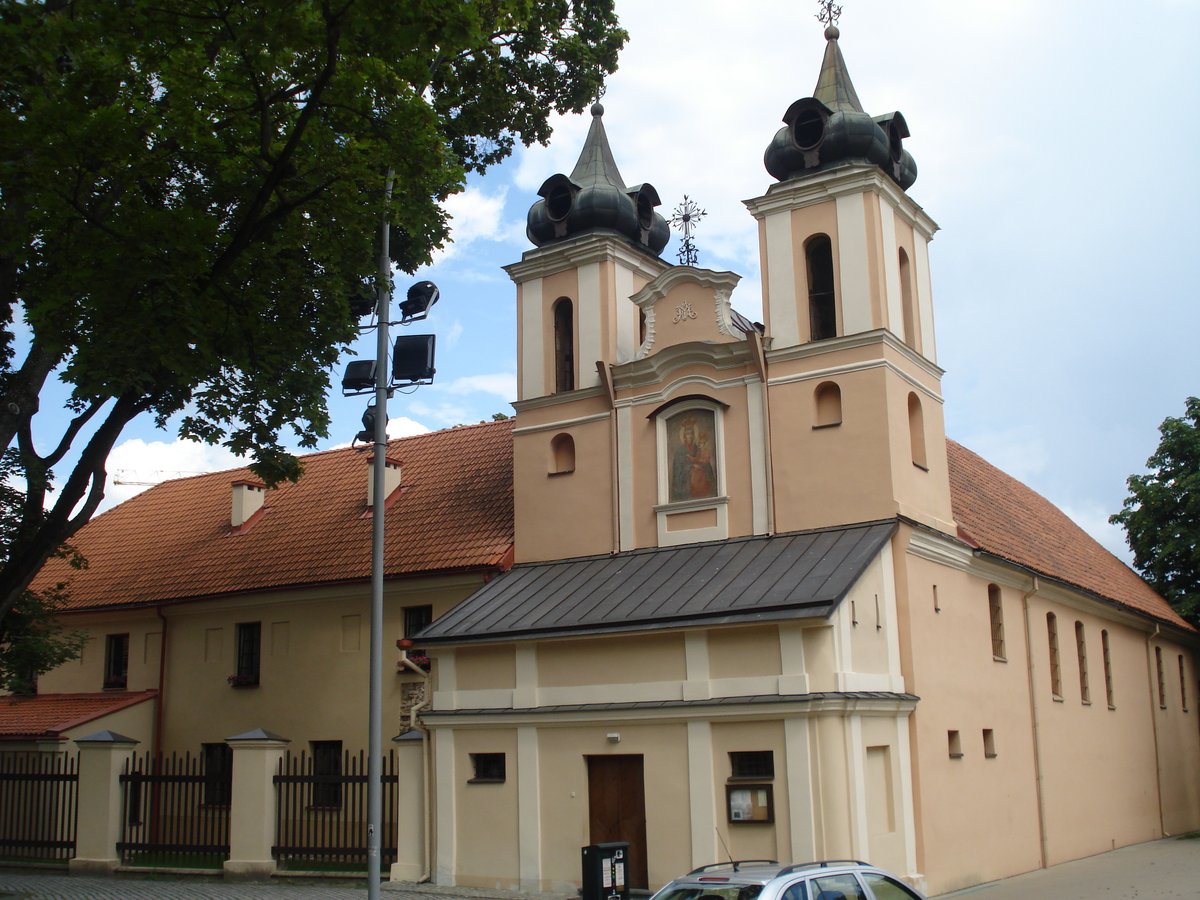
The Church of the Holy Cross (Šv. Kryžiaus bažnyčia) in Vilnius stands as a testament to the city’s rich religious, architectural, and cultural history. Nestled on the Hill of Three Crosses within the scenic Verkiai Regional Park, this Baroque masterpiece is a vital pilgrimage site, an architectural gem, and an enduring symbol of Lithuania’s spiritual heritage. Whether you are interested in its artistic treasures, miraculous spring, or the role it has played in Vilnius’s identity, this comprehensive guide will help you plan your visit, understand its significance, and appreciate its unique atmosphere.

Origins and Foundation
The Church of the Holy Cross is deeply connected to Vilnius’s religious development. Established in the early 16th century by Bernardine (Franciscan Observant) monks, it was part of a broader consolidation of Catholicism in the Grand Duchy of Lithuania (True Lithuania). Its site, on the Hill of Three Crosses, holds powerful associations with martyrdom and spiritual resilience.
The church and adjacent Vilnius Calvary were later rebuilt as an act of thanksgiving following the liberation of Vilnius from Russian occupation in 1661. The Calvary, established in the 17th century, became a renowned pilgrimage site, allowing the faithful to symbolically walk the Stations of the Cross (see-vilnius.eu).
Architectural Development
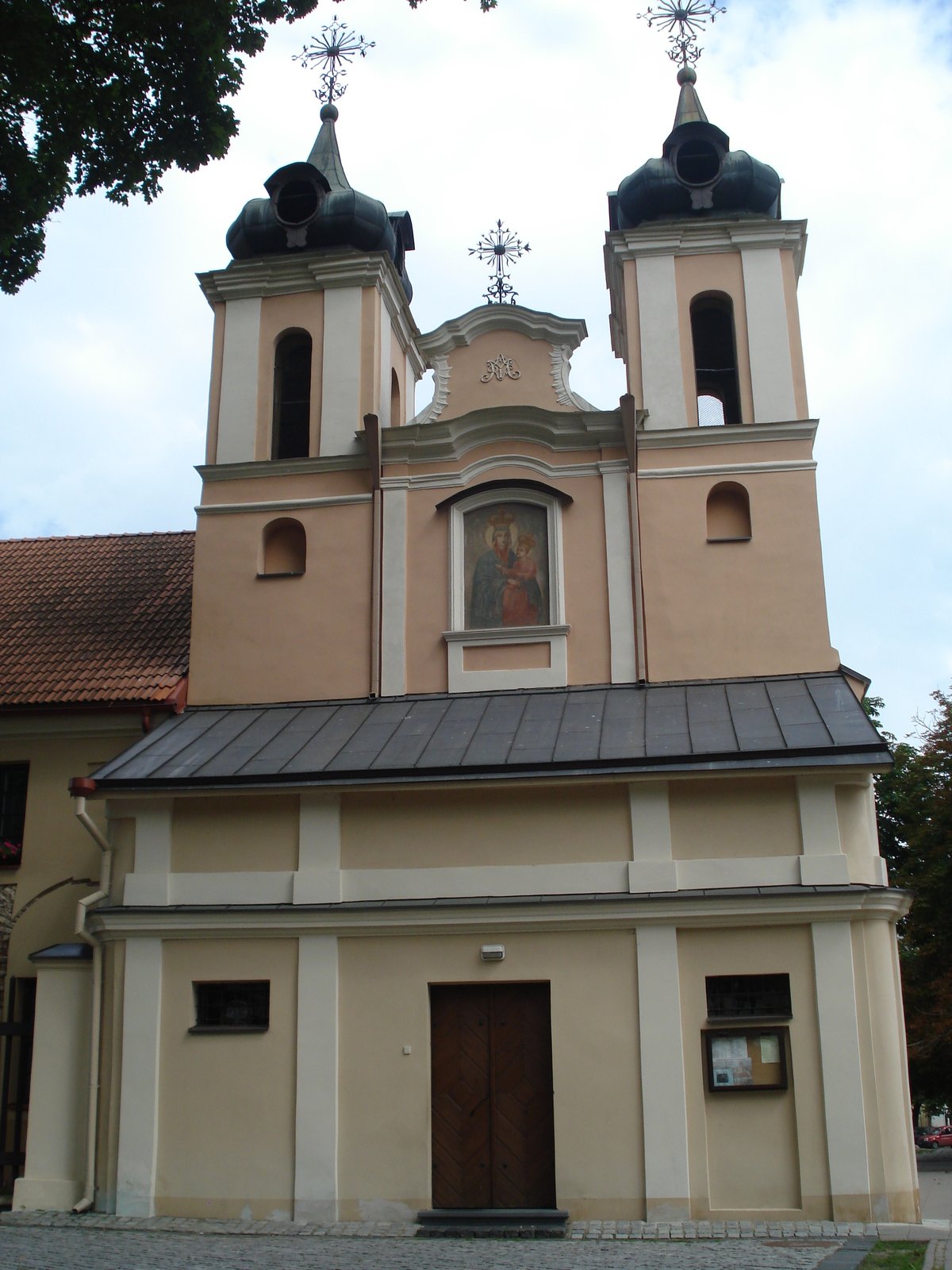
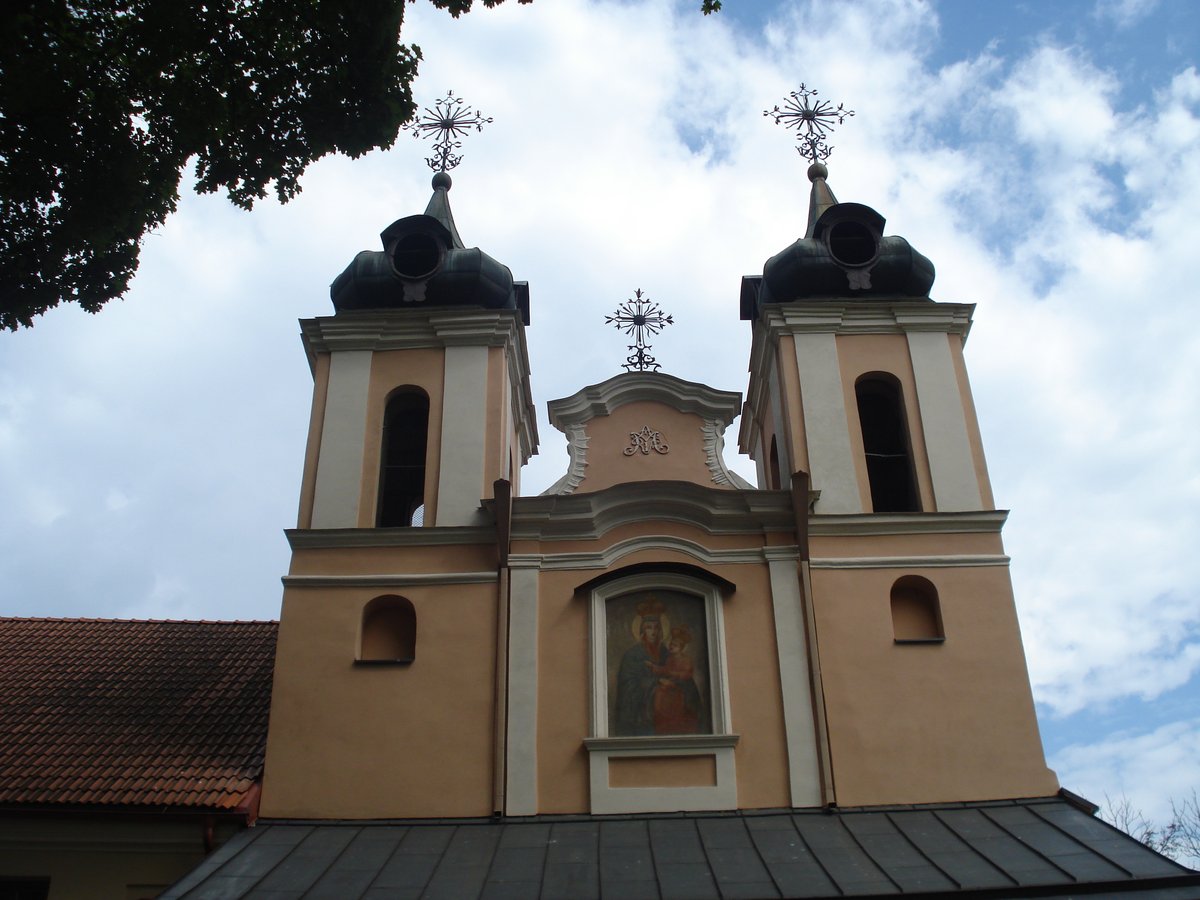
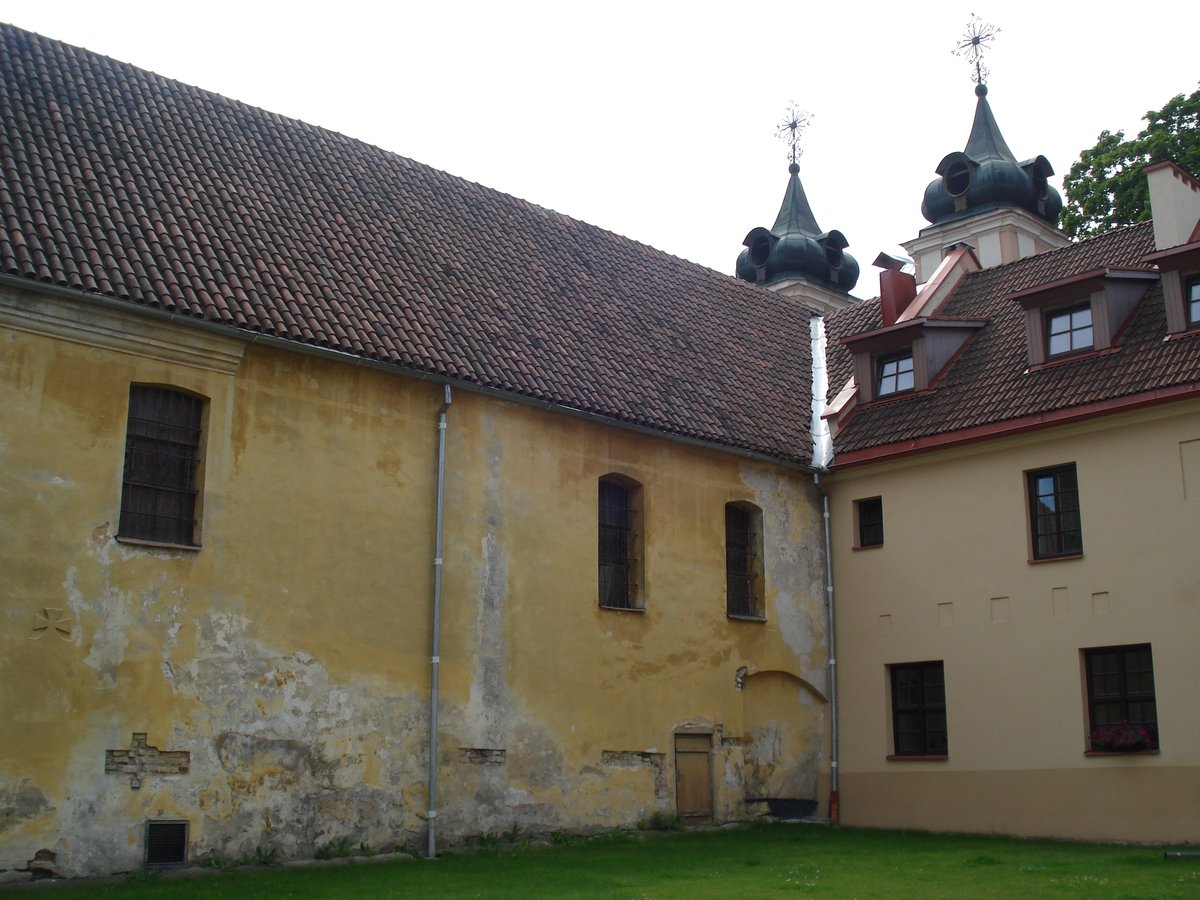
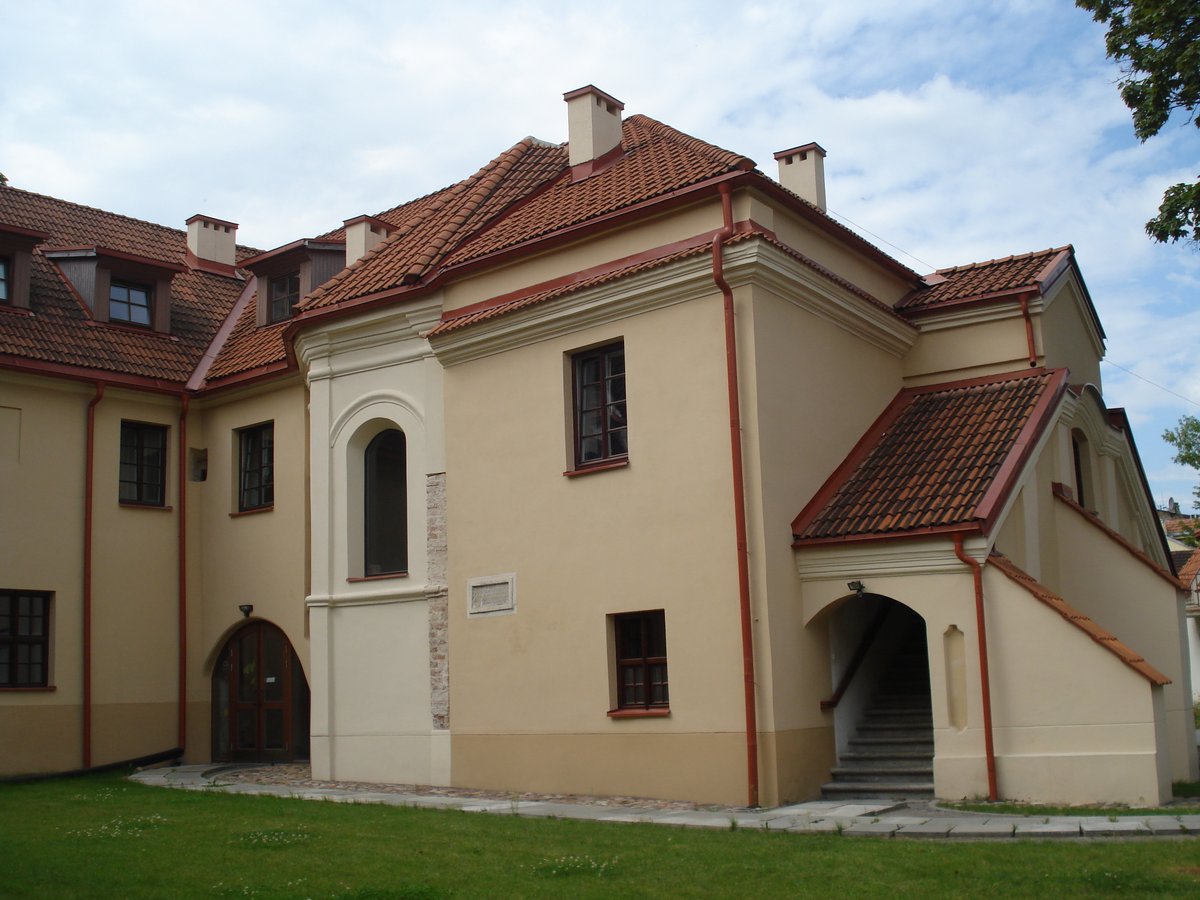
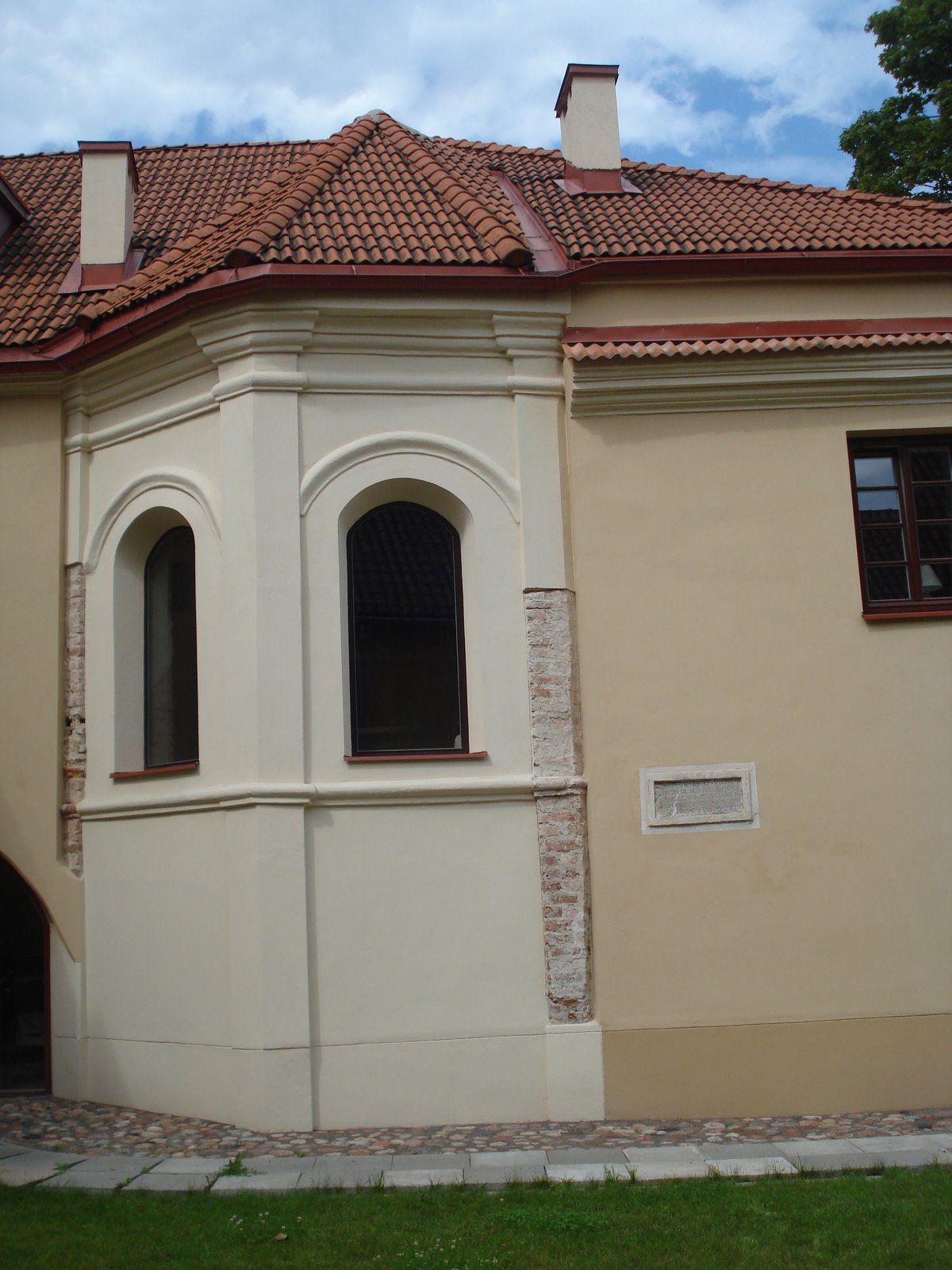
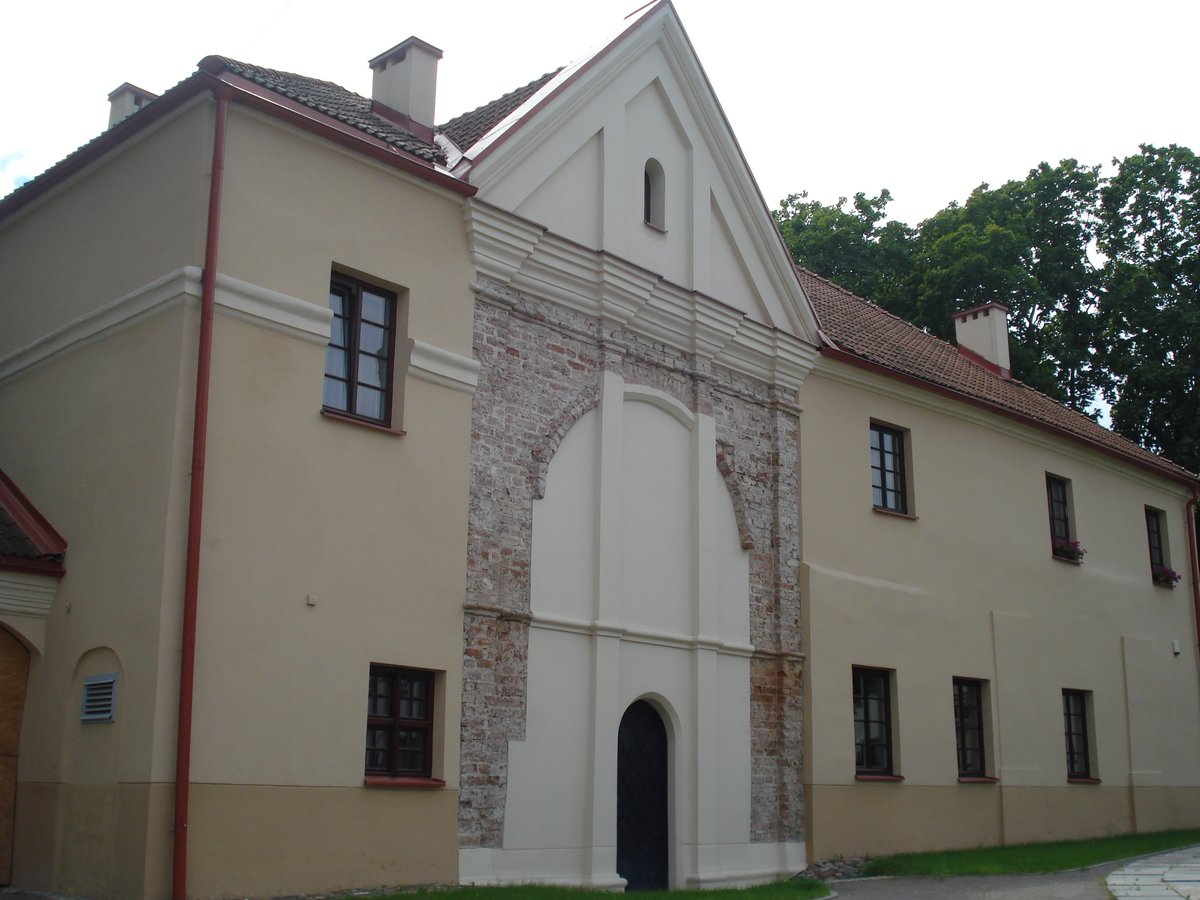
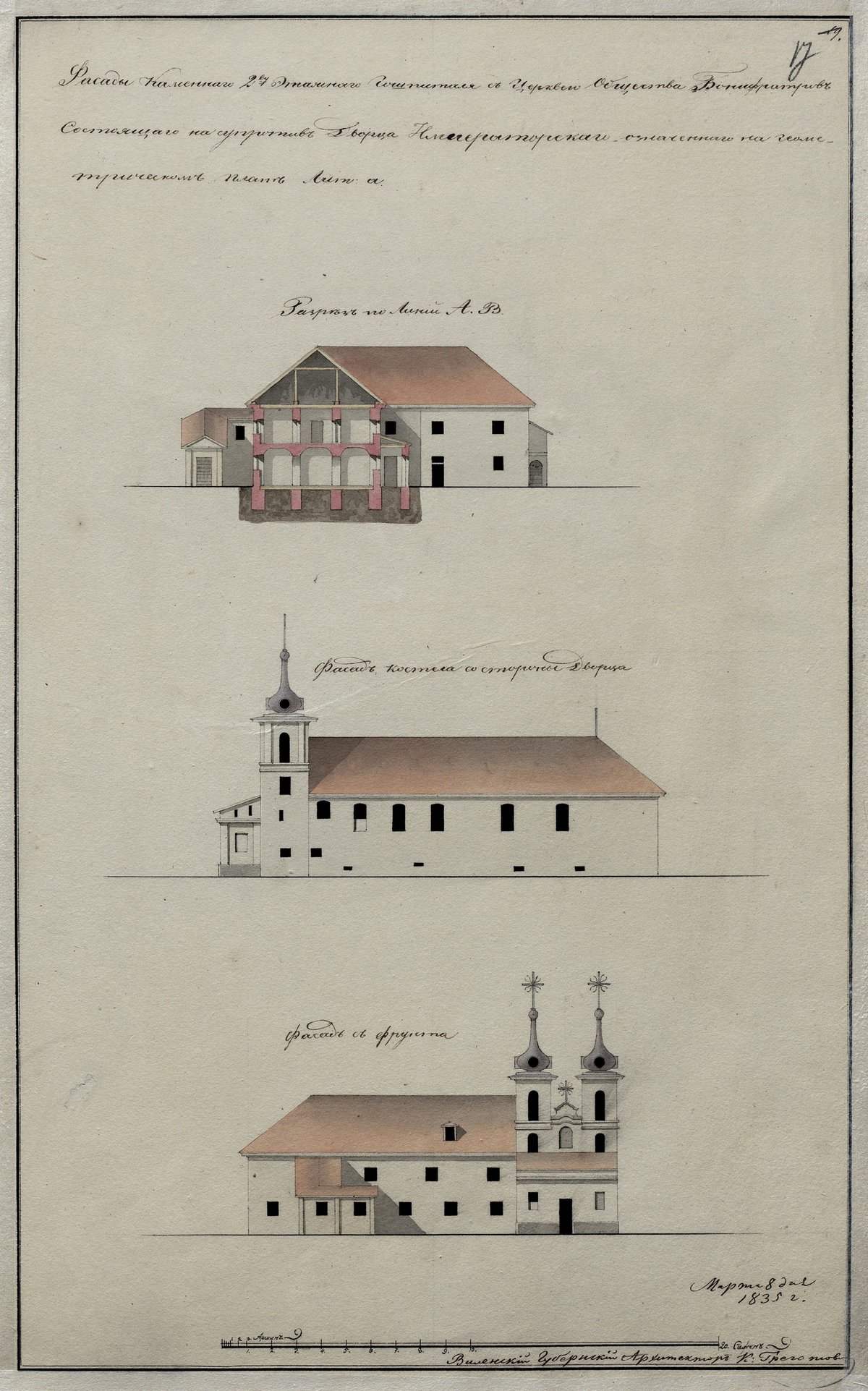
Originally constructed in Gothic style, the church was later transformed into a Baroque masterpiece during the 17th and 18th centuries. Its modest exterior, marked by lattice crosses and twin towers, gives way to an interior rich with mural paintings, stucco reliefs, and sacred art typical of the Lithuanian Baroque period. After enduring fires, wars, and political upheavals—including use as military barracks and an Orthodox church—the church underwent significant restoration, most recently completed in 2002 after Lithuania regained independence (True Lithuania; see-vilnius.eu).
Religious and Cultural Significance
Pilgrimage Traditions
The Church of the Holy Cross is the culminating point of the Vilnius Calvary—a 7-kilometer pilgrimage route with 35 stations, designed to replicate Jerusalem’s Via Dolorosa. This tradition, introduced in the 17th century, became a focal point for Lithuanian Catholic devotion. Annual processions, especially during Pentecost and the Feast of the Discovery of the Holy Cross (May 3rd), draw pilgrims from across Lithuania and beyond (see-vilnius.eu).
Community and National Identity
Historically, the church served as a hub for Catholic education and community life, especially during periods of foreign occupation. The destruction and subsequent restoration of the Three Crosses monument during the Soviet era underscored its role as a symbol of Lithuanian resilience and faith (True Lithuania). The church’s presence continues to foster unity and cultural identity in Vilnius.
Architectural and Artistic Features
Exterior and Location
Set atop a symbolic hill within Verkiai Regional Park, the church’s location evokes Jerusalem’s sacred topography. The surrounding hills bear biblical names, and elements of the Calvary route are directly integrated into the church structure—making it unique among European pilgrimage sites (see-vilnius.eu). The building’s Baroque façade is dignified yet understated, focusing attention inward on the spiritual journey.
Interior Highlights
Inside, the church boasts 18th-century mural paintings, intricate stucco reliefs, and a main altar dedicated to the Holy Cross. Notable features include:
- Miraculous Spring: Flowing through the basement, this spring is reputed to have healing properties, especially for eye ailments (Wikipedia).
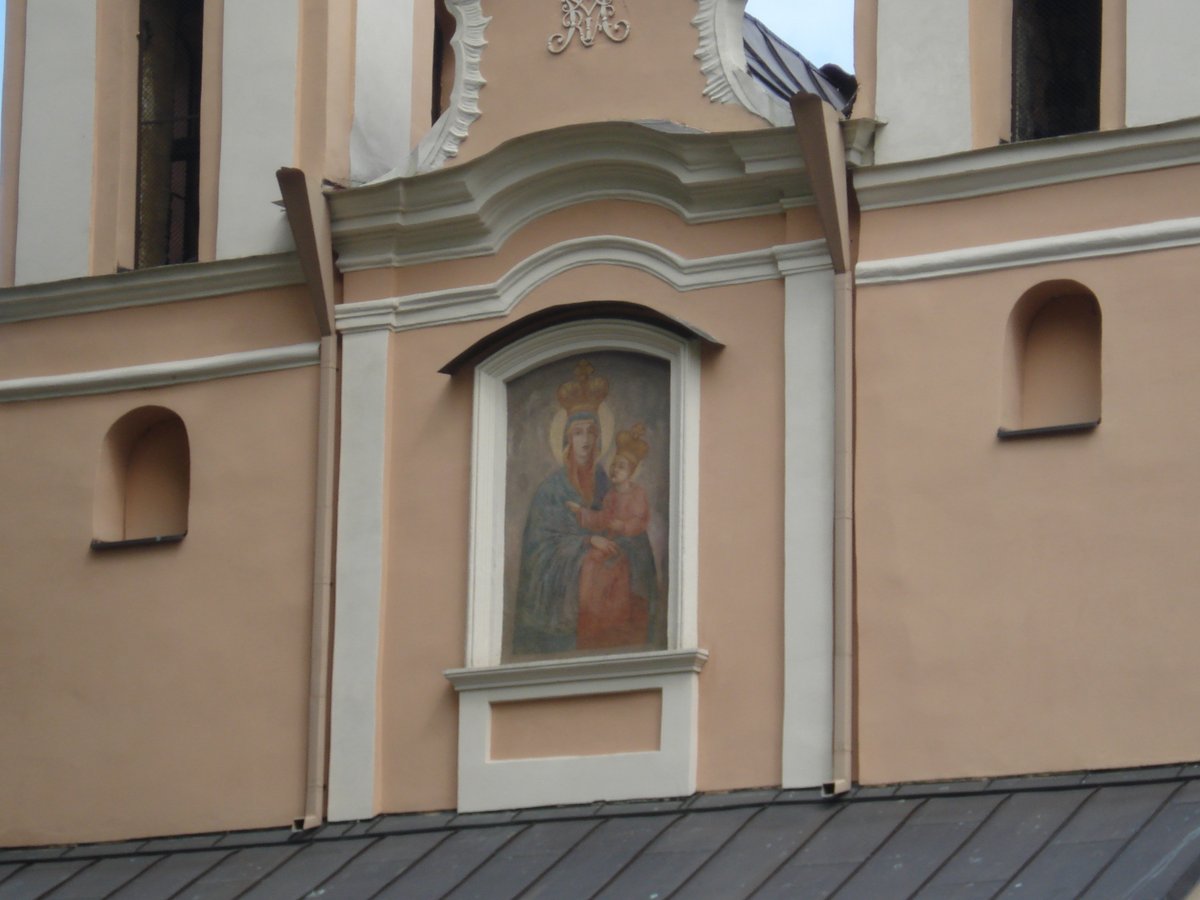
- Artworks and Relics: The church houses frescoes depicting the Passion of Christ, a relic of the Holy Cross, and the revered “Holy Virgin Mother of Snow” painting (City of Mercy).
- Acoustics: The vaulted ceilings create a resonant environment, often used for sacred music concerts.
Visiting Information
Hours and Tickets
- Visiting Hours: Generally from 9:00 AM to 6:00 PM daily. Hours may be extended during major Catholic feast days such as Pentecost, or adapted for services and events. Always check the parish or tourism websites for up-to-date information.
- Tickets: Entry to the church and Calvary route is free; donations are welcome to support ongoing maintenance (In Your Pocket).
Accessibility
- Access: The church and main entrance are partially accessible for visitors with mobility impairments, though sections of the Calvary route and the spring in the basement may be challenging due to stairs and uneven terrain.
- Transport: Located in Verkiai Regional Park and easily reached by public transport, taxi, or on foot. In Vilnius Old Town, the church is accessible from nearby landmarks like the Gates of Dawn and Vilnius Cathedral (In Your Pocket; Wikipedia).
Guided Tours and Travel Tips
- Tours: Guided tours are available upon request and are highly recommended for those seeking deeper insights into the church’s history and art. Book in advance, especially during peak pilgrimage seasons.
- Tips:
- Wear comfortable shoes for exploring the Calvary route and nearby hills.
- Modest attire is expected inside the church, especially during services.
- Photography is generally permitted, except during services or when photographing sacred objects—always ask if unsure.
Special Features and Pilgrimage
- Miraculous Spring: Accessible from the basement, the spring is a destination for pilgrims seeking healing.
- Integrated Stations of the Cross: Three of the Calvary’s stations are architecturally part of the church, with Station 32 (the Crucifixion) represented by the main altar itself.
- Annual Events: The church hosts regular Catholic masses, feast days, and pilgrimage events, especially during Pentecost and the Feast of the Discovery of the Holy Cross.
Nearby Attractions
- Vilnius Old Town: Explore cobblestone streets, the Gates of Dawn, and Vilnius Cathedral (Go Vilnius).
- Bernardine Cemetery and Monastery: Adjacent historic sites with deep roots in Vilnius’s religious history.
- Gediminas Tower: Experience panoramic city views from this iconic symbol of Vilnius (True Lithuania).
- Pilgrim Routes: The church is a highlight of the Vilnius Calvary Way of the Cross and is included in the Pilgrim Route of John Paul II (City of Mercy).
FAQs
Q: What are the Church of the Holy Cross’s visiting hours?
A: Generally 9:00 AM to 6:00 PM; hours may vary on holidays or for services.
Q: Is there an entrance fee?
A: Entrance is free; donations are appreciated.
Q: Are guided tours available?
A: Yes, by advance booking.
Q: Is the church accessible for people with disabilities?
A: The main entrance is accessible, but some areas (such as the Calvary chapels and spring) may be challenging.
Q: Can I take photos inside the church?
A: Photography is permitted outside of services; always respect posted guidelines.
Listen to the full story in the app
The whole Church Of The Holy Cross, Vilnius,
told well.
Listen to sourced travel stories with local history and practical context — ready offline.
Verified, and shown.
Researched and written by the Audiala editorial team from historical records, architectural archives, and local expertise.
Built from cited sources · see the method · How we make our guides →