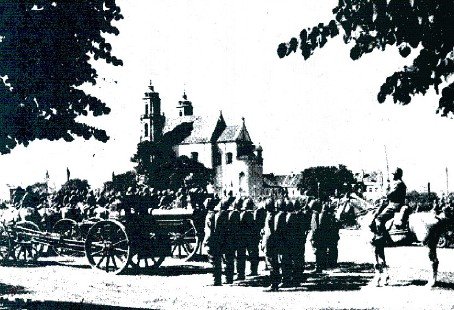
Plan and listen to Church Of St. Philip And St. Jacob, Vilnius with Audiala.
Audio guide in your pocket, itinerary in your browser. Built for the way you actually visit.
Introduction
The Church of St. Philip and St. Jacob (Šv. apaštalų Pilypo ir Jokūbo bažnyčia) is a captivating landmark nestled in Vilnius’s historic Lukiškės district. Renowned for its striking Baroque architecture, rich religious heritage, and cultural significance, the church has served as a spiritual, artistic, and community hub for centuries. Whether you are a pilgrim, architecture enthusiast, or traveler eager to explore Vilnius historical sites, this guide delivers all the essential information—visiting hours, ticketing, accessibility, highlights, and insider tips—to ensure a memorable experience.
Drawing on authoritative sources such as the City of Mercy and Go Vilnius, this article provides up-to-date details to help you fully appreciate the church’s spiritual, historical, and artistic legacy.

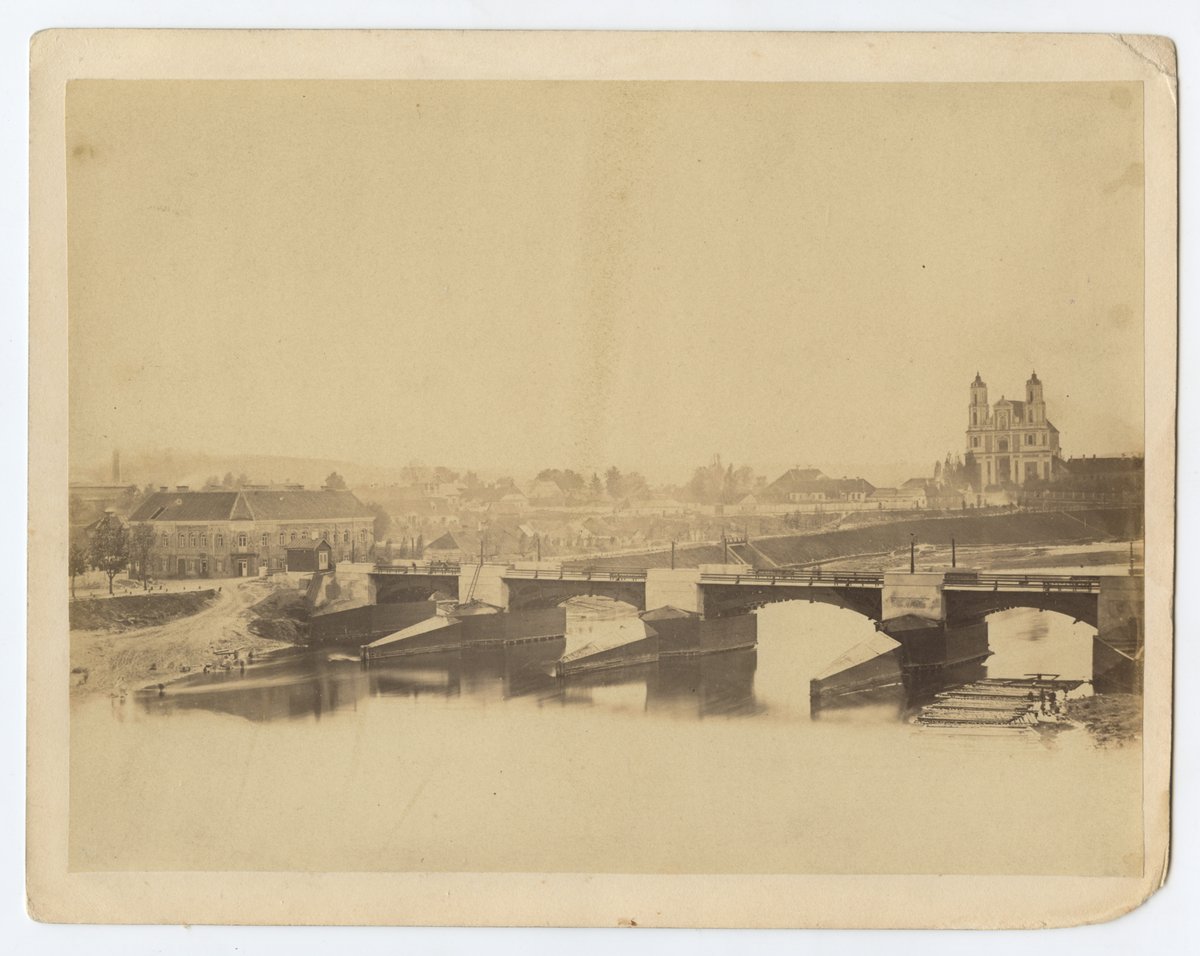
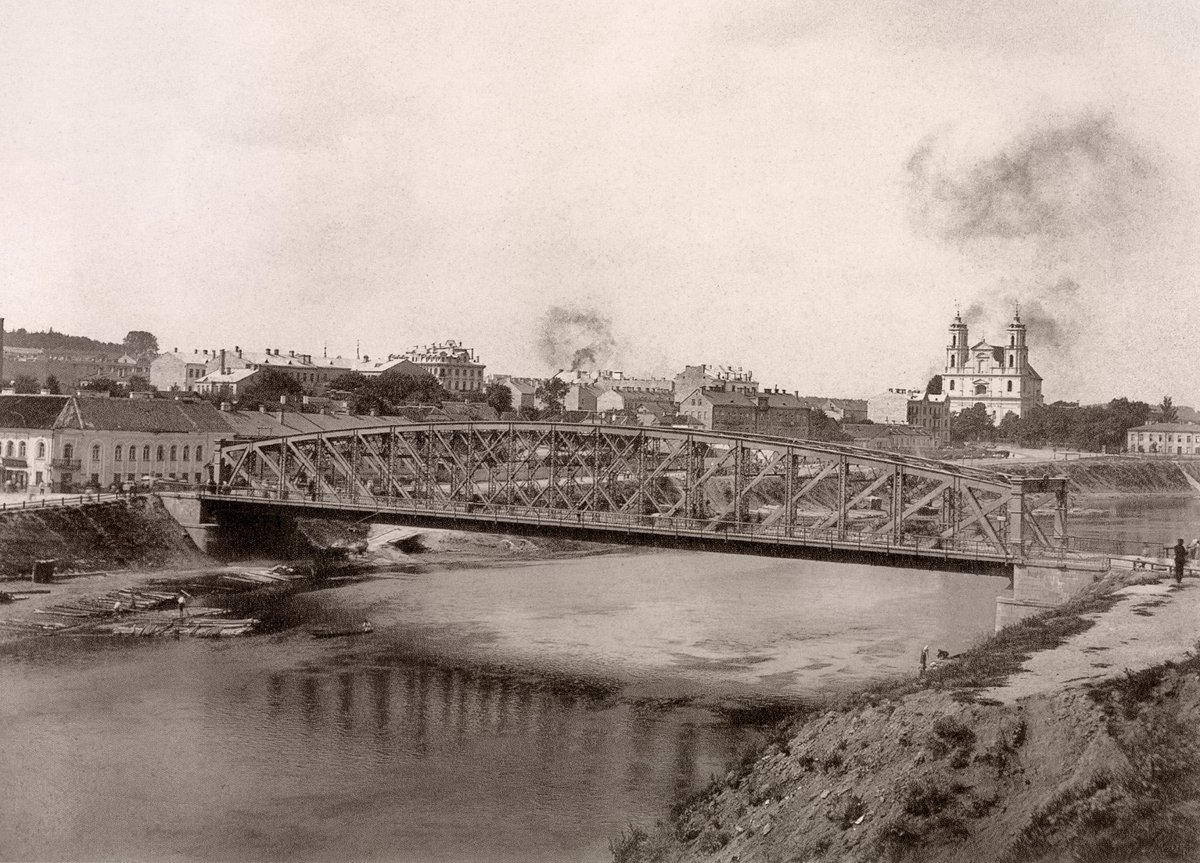
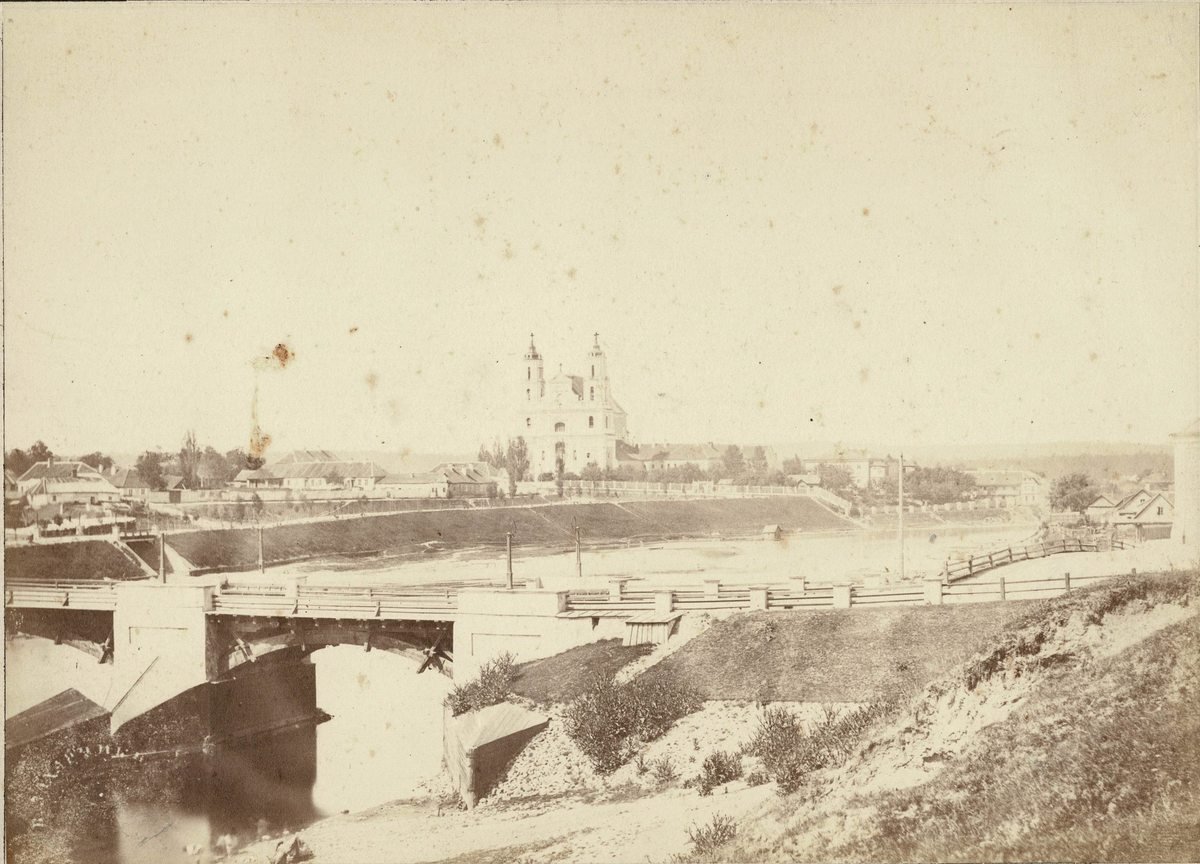

Quick Facts
- Location: Lukiškių g. 6, 01108 Vilnius, Lithuania (adjacent to Lukiškės Square)
- Established: Early 17th century (current Baroque structure completed in the 18th century)
- Architectural Style: Baroque with Rococo and Neoclassical elements
- Main Attractions: Striking red façade, Lukiškės Icon of the Mother of God, largest carillon in the Baltic States, ornate altars and frescoes
- Admission: Free (donations encouraged)
- Accessibility: Wheelchair accessible; assistance available upon request
Visiting Information
Opening Hours
- Monday–Saturday: 9:00 AM – 6:00 PM
- Sunday: 10:00 AM – 5:00 PM
- Extended hours during religious holidays and festivals
- Note: Check the parish’s official website or Go Vilnius before your visit for current times, as hours may vary due to services or special events.
Tickets and Entry
- Admission: Free for all visitors
- Donations: Welcomed to support preservation and community initiatives
Accessibility
- Wheelchair Access: Main entrance equipped with ramps
- Assistance: Available on request for visitors with special needs
Guided Tours
- Languages: Lithuanian, English, Polish
- Booking: Recommended in advance via the church office or Vilnius Tourist Information Centre
- Highlights: History, architectural features, sacred art, and carillon demonstrations
Early Foundations
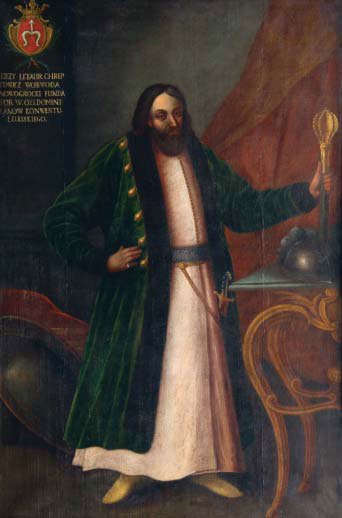
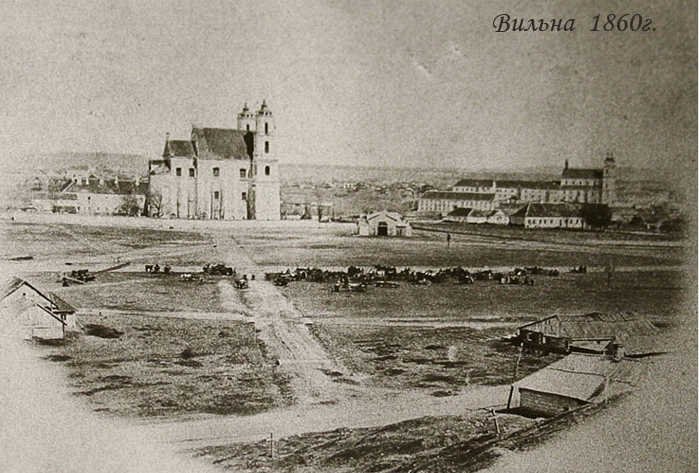
- Beginnings: Established by the Dominican Order in 1642, initially as a wooden church and monastery to serve the spiritual needs of the local—and often underprivileged—community.
- Dominican Mission: Provided free burials for the poor and became a focal point for Marian devotion.
Rebuilding and Baroque Flourish
- Destruction: The original wooden structure was destroyed during 17th-century wars.
- Masonry Reconstruction: Rebuilt in the 18th century in enduring Baroque style, the church’s current form features robust walls, grand proportions, and ornate detailing.
Soviet Era and Restoration
- Suppression: During Soviet occupation, the church was closed, repurposed as a warehouse, and the adjacent monastery became a hospital.
- Revitalization: After Lithuanian independence in 1990, the church was restored to religious use, its artistry and liturgical functions painstakingly revived.
Architectural and Artistic Highlights
Exterior
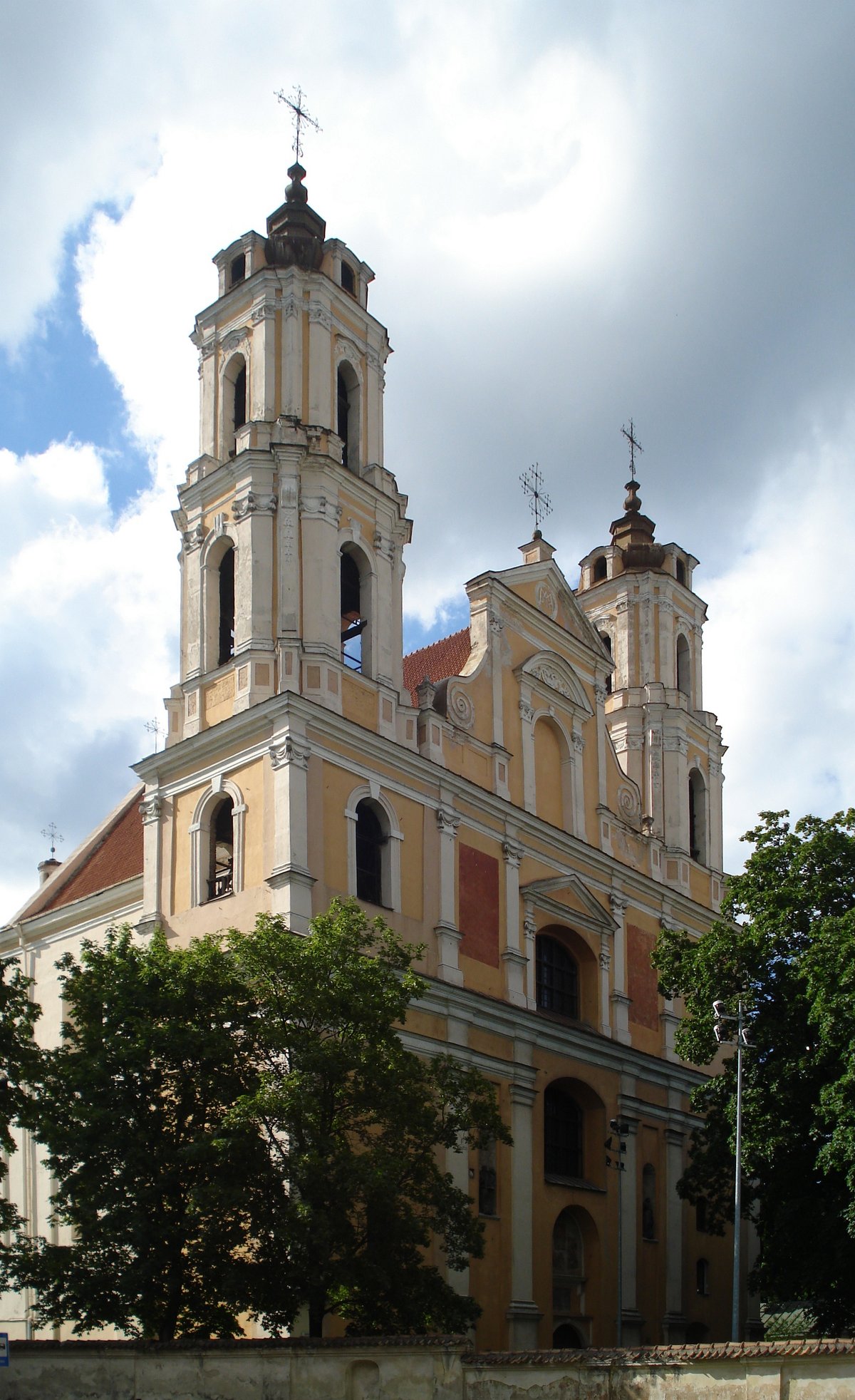
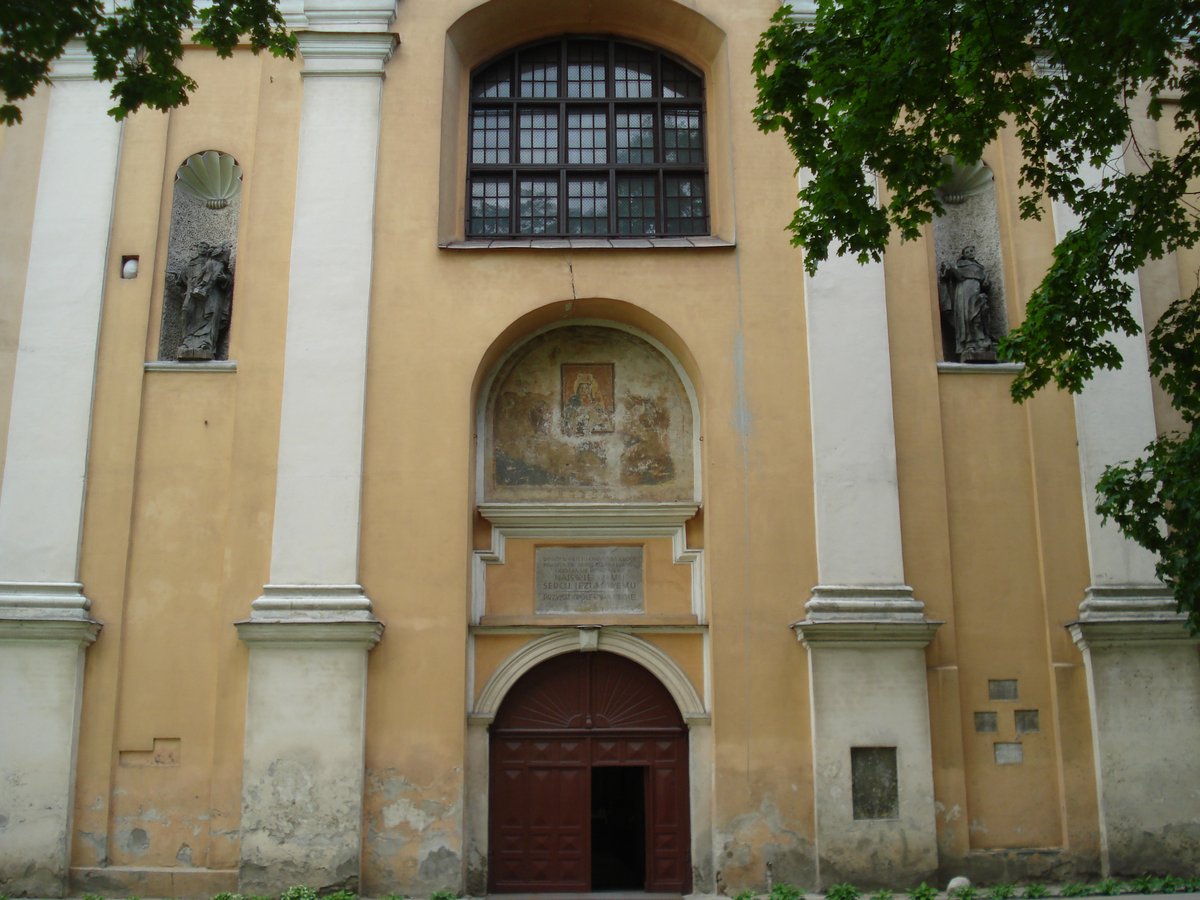
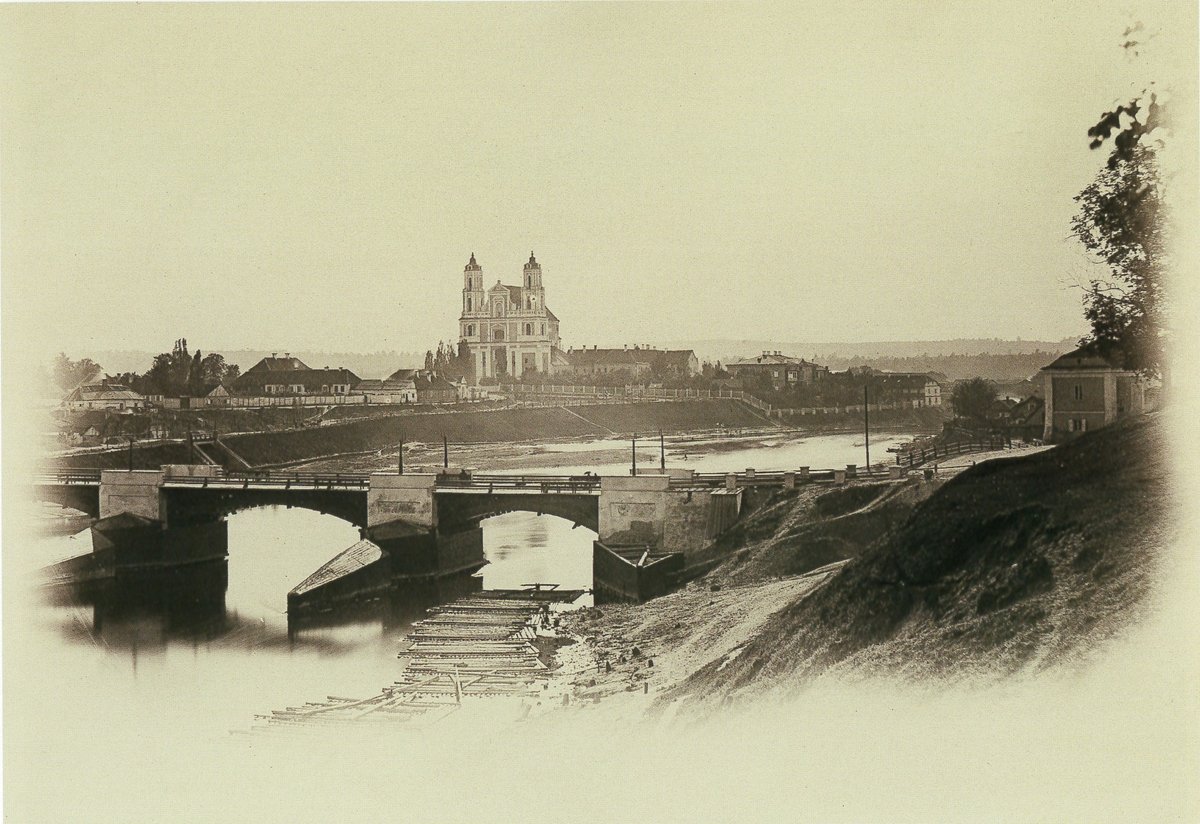
- Façade: Distinctive red Baroque design with twin towers, pilasters, decorative moldings, and a central pediment.
- Bell Towers: Each topped with elegant domes and lanterns, creating a dramatic skyline presence.
Interior
- Nave and Altars: Spacious central nave lined with side chapels, featuring gilded carvings, polychrome marble, and vibrant frescoes.
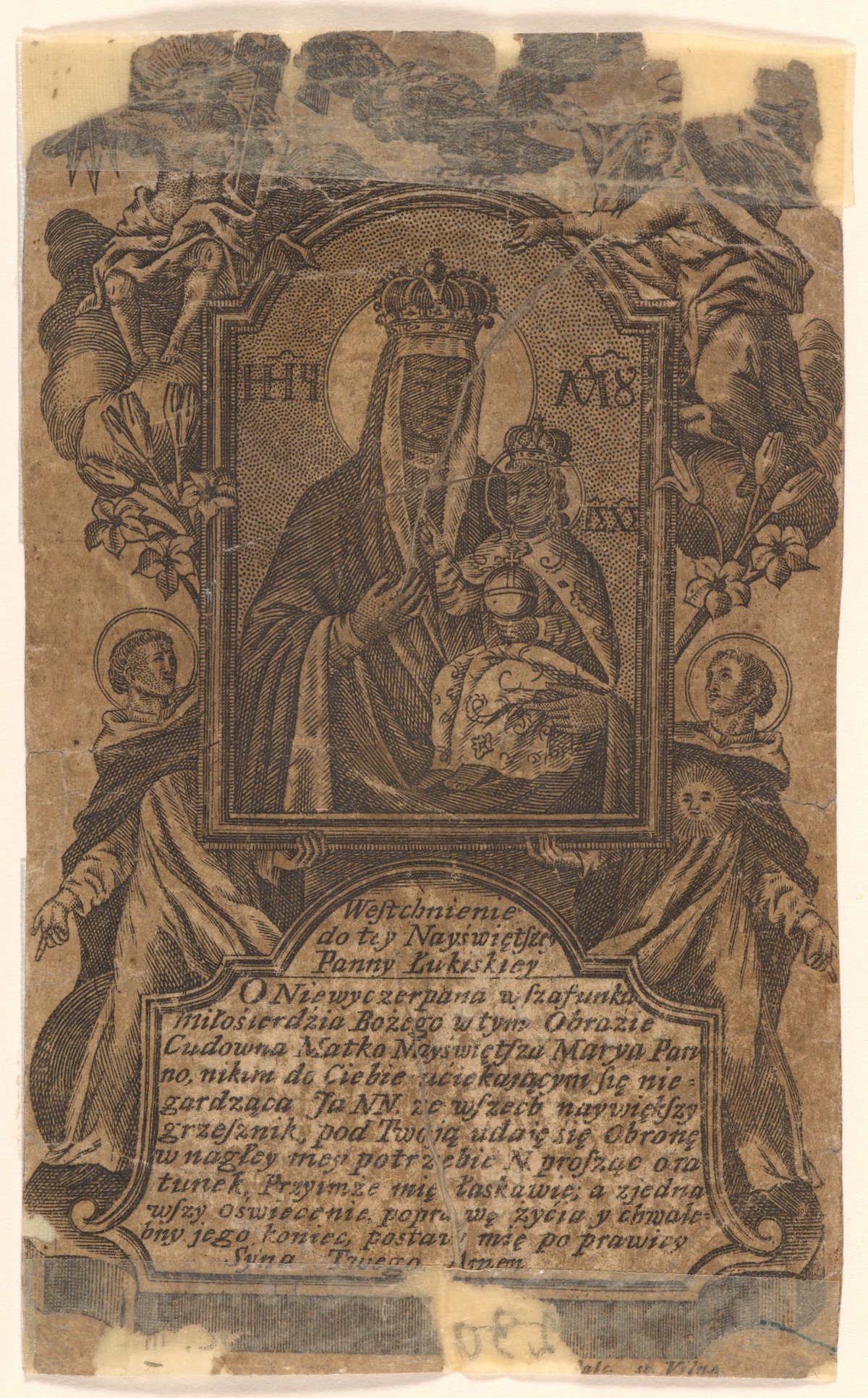
- Sanctuary: The main altar houses the revered Lukiškės Icon of the Mother of God, venerated for centuries and associated with miraculous events (Go Vilnius).
- Artworks: Numerous paintings and sculptures depict Saints Philip and Jacob, Dominican saints, and scenes from Marian devotion.
The Carillon
- Largest in the Baltic States: Installed in 2015, the carillon comprises 61 bells, crafted in the Netherlands (Go Vilnius).
- Concerts: Free bell concerts daily at 1:00 PM and 7:15 PM, featuring Lithuanian folk melodies and classical pieces.
Spiritual and Cultural Significance
- Pilgrimage Site: The church is a key stop on Marian pilgrimage routes and the Route of St. Jacob, attracting pilgrims from Lithuania and beyond (City of Mercy).
- Religious Life: Hosts daily Mass, confessions, feast day celebrations, and processions—especially the annual feast of Saints Philip and Jacob on May 3rd.
Practical Visitor Tips
- Dress Code: Modest attire required (shoulders and knees covered), especially during services.
- Photography: Allowed outside of Mass; no flash; respect worshippers' privacy.
- Restrooms: None inside the church; public facilities nearby.
- Souvenirs: Religious items available from parish staff or local kiosks.
- Safety: The church is in a safe, central area; remain mindful of personal belongings during busy events.
Nearby Attractions
- Lukiškės Square: Hosts cultural events and markets.
- Gediminas Avenue: Main street with shops, cafes, and restaurants.
- Vilnius Cathedral and Old Town: Both within walking distance, offering more historical and architectural discoveries.
- Museum of Genocide Victims (KGB Museum): A short walk away, providing deeper context to Vilnius’s 20th-century history.
Events and Special Programs
- Carillon Concerts: Free daily performances; check schedule for special events.
- Religious Feasts: Major celebrations during Easter, Christmas, and Marian festivals.
- Cultural Participation: The church is involved in citywide events such as the Vilnius Festival and Night of Churches.
Frequently Asked Questions (FAQ)
What are the Church of St. Philip and St. Jacob visiting hours?
Open Monday–Saturday 9:00 AM–6:00 PM, Sunday 10:00 AM–5:00 PM; extended on special occasions.
Is there an entry fee or are tickets required?
Admission is free; donations are appreciated.
Are guided tours available?
Yes, tours in English, Lithuanian, and Polish can be arranged in advance.
Is photography allowed?
Permitted outside of services; please avoid flash and respect worshippers.
Is the church accessible for visitors with disabilities?
Yes, wheelchair access and assistance are available.
How can I get there?
Central location at Lukiškių Square, accessible by public transport or on foot from Vilnius Old Town.
Summary and Final Tips for Travelers
The Church of St. Philip and St. Jacob stands as a beacon of Vilnius’s spiritual, cultural, and architectural legacy. Its awe-inspiring Baroque design, sacred artworks, and vibrant religious life offer a profound experience—whether you come for quiet reflection, a guided tour, or the enchanting carillon concerts. Its central location and free admission make it an essential stop for all travelers exploring Vilnius historical sites.
Enhance your visit with resources like the Audiala app for audio guides and consult official tourism sites for the latest updates. Immerse yourself in the enduring story of this remarkable church as part of your journey through Lithuania’s capital.
Listen to the full story in the app
The whole Church Of St. Philip And St. Jacob, Vilnius,
told well.
Listen to sourced travel stories with local history and practical context — ready offline.
Verified, and shown.
Researched and written by the Audiala editorial team from historical records, architectural archives, and local expertise.
Philip and St. Jacob in Vilnius: History, Tickets & Tips, 2025, City of Mercy
Philip and St. Jacob in Vilnius: History, Visiting Hours, and Visitor Guide, 2025, Vilnius Tourism and related sources
Philip and St. Jacob Visiting Hours, Tickets & Visitor Guide to Vilnius Historical Sites, 2025, Go Vilnius
Built from cited sources · see the method · How we make our guides →