Introduction
Nestled in Vilnius’ UNESCO-listed Old Town, the Church of St. Michael the Archangel (Šv. Mykolo bažnyčia) stands as a remarkable emblem of Lithuania’s religious, cultural, and architectural heritage. Built as a mausoleum for the influential Sapieha family in the late 16th century, the church has weathered centuries of change—from Renaissance and Baroque artistry to periods of war, occupation, and modern cultural revival. Today, it is also home to the Museum of Church Heritage, offering a unique lens on Lithuania’s spiritual traditions and noble patronage. This guide provides in-depth historical context, architectural highlights, practical visiting advice, and tips for experiencing the best of Vilnius’ sacred and cultural sites (Everything Explained Today; True Lithuania; Museum of Church Heritage).
Photo Gallery
Explore Church of St. Michael, Vilnius in Pictures
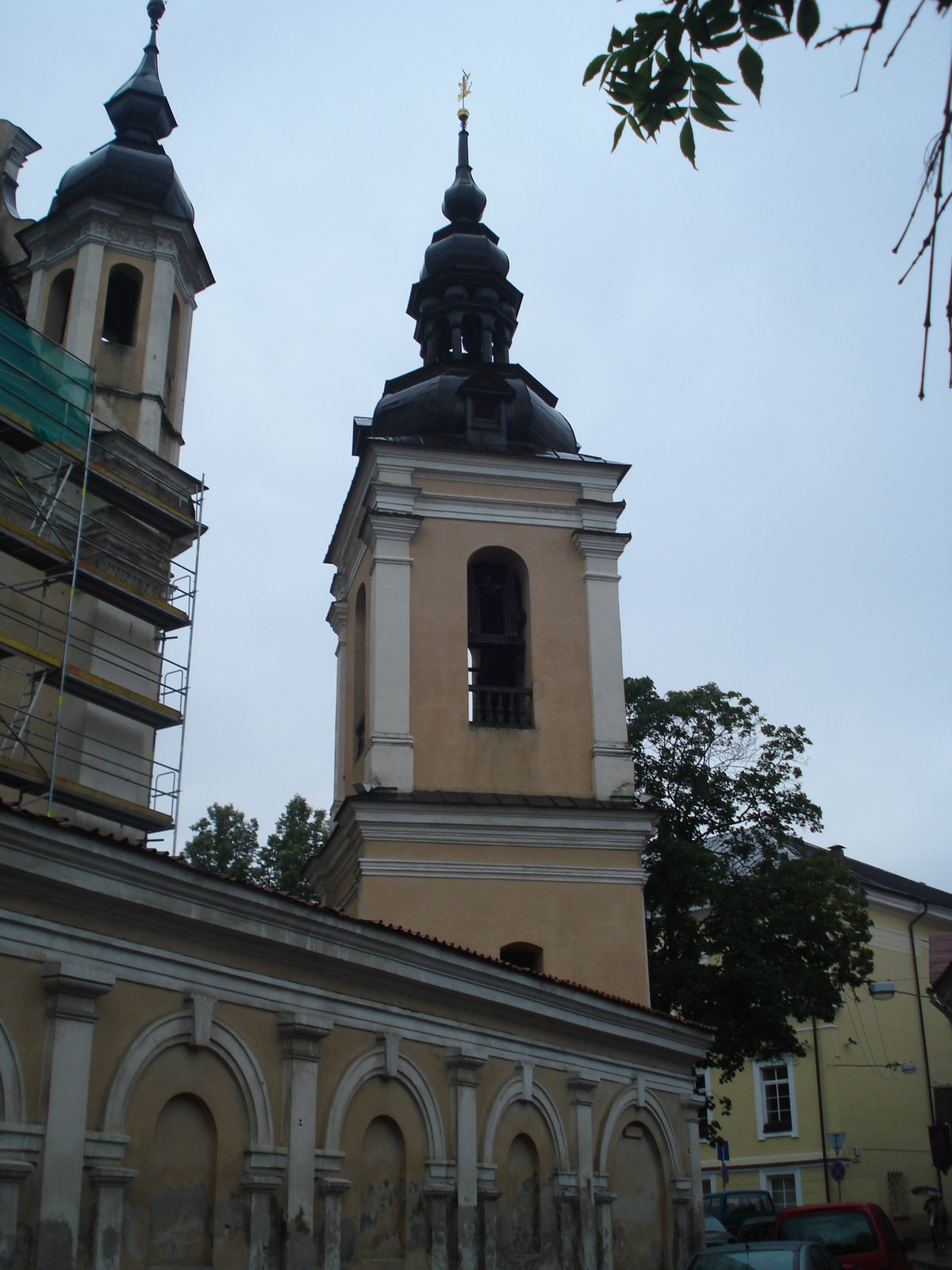
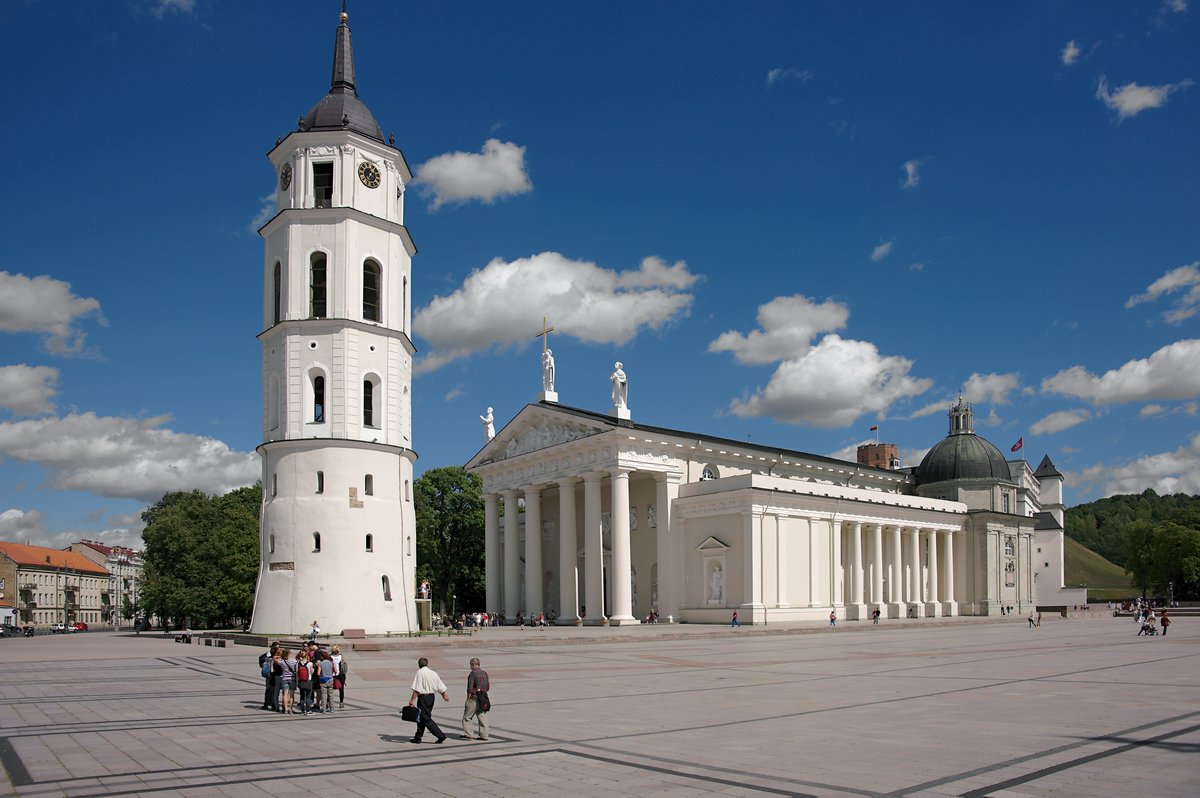
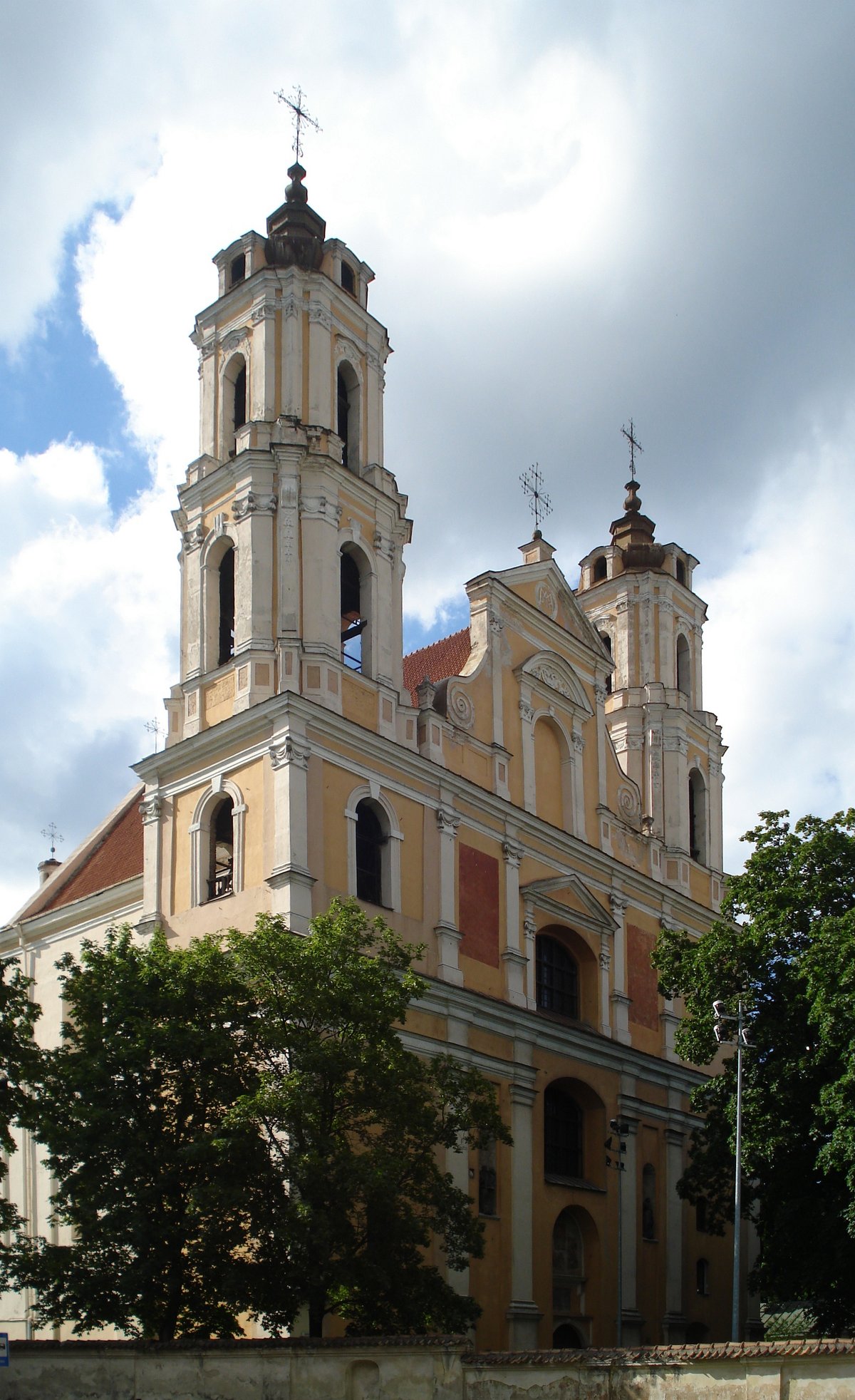
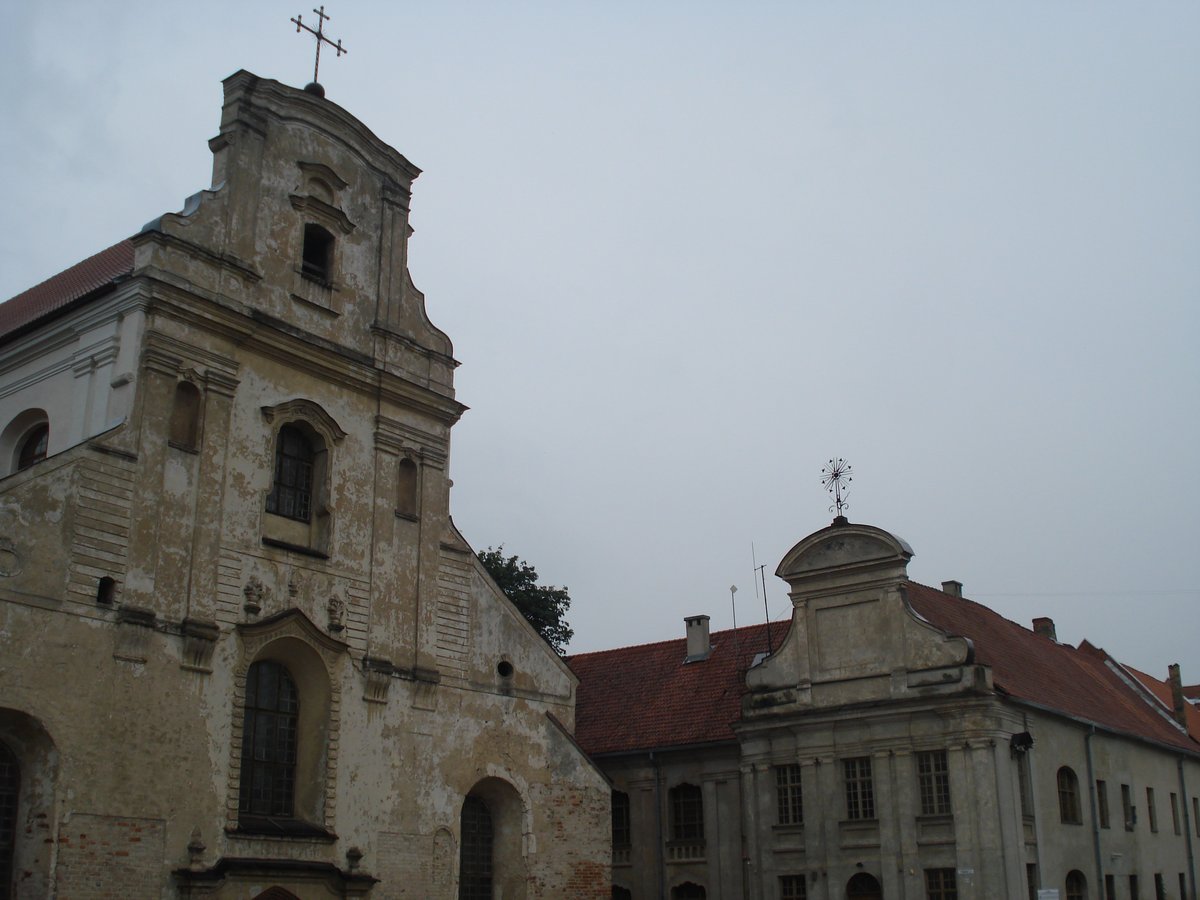
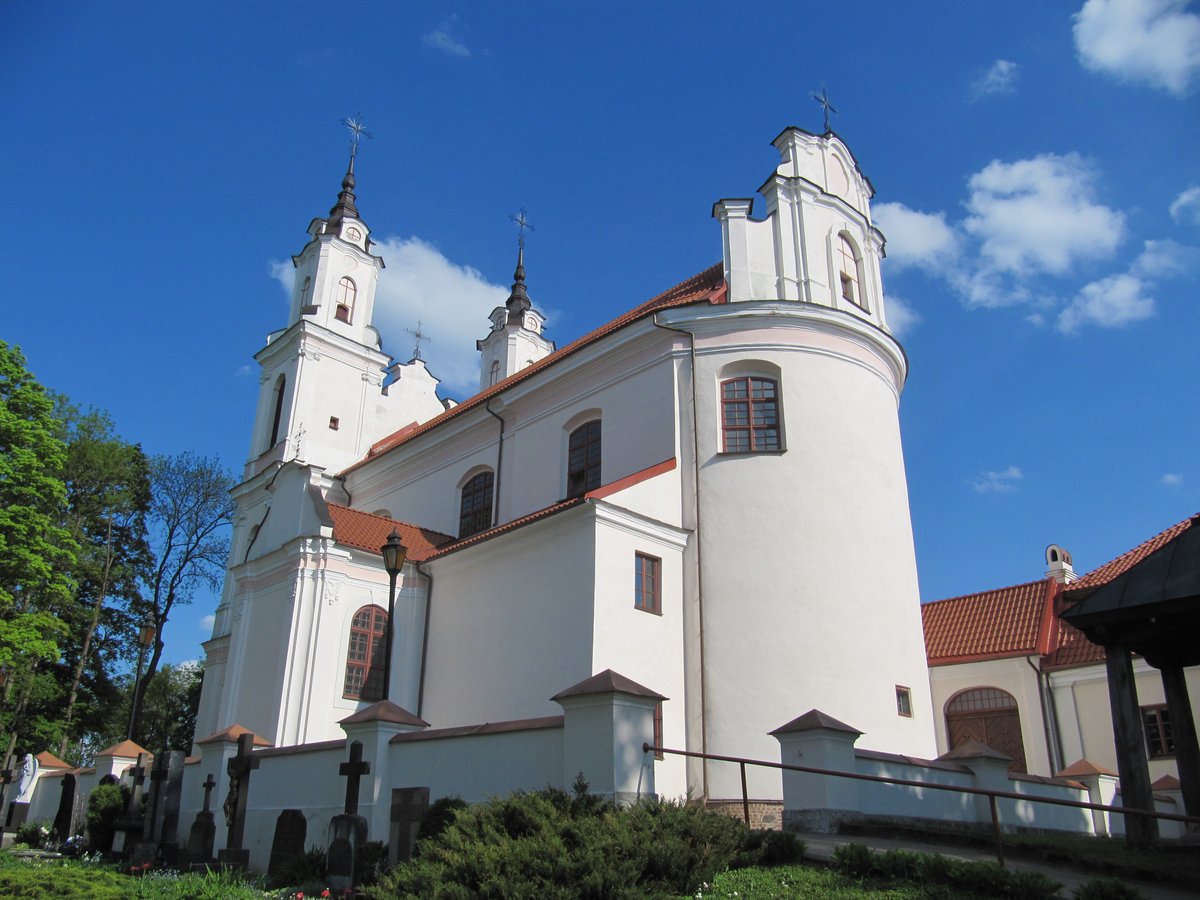
Historic Church of St Michael in Vilnius featuring its distinctive belltower against a clear sky
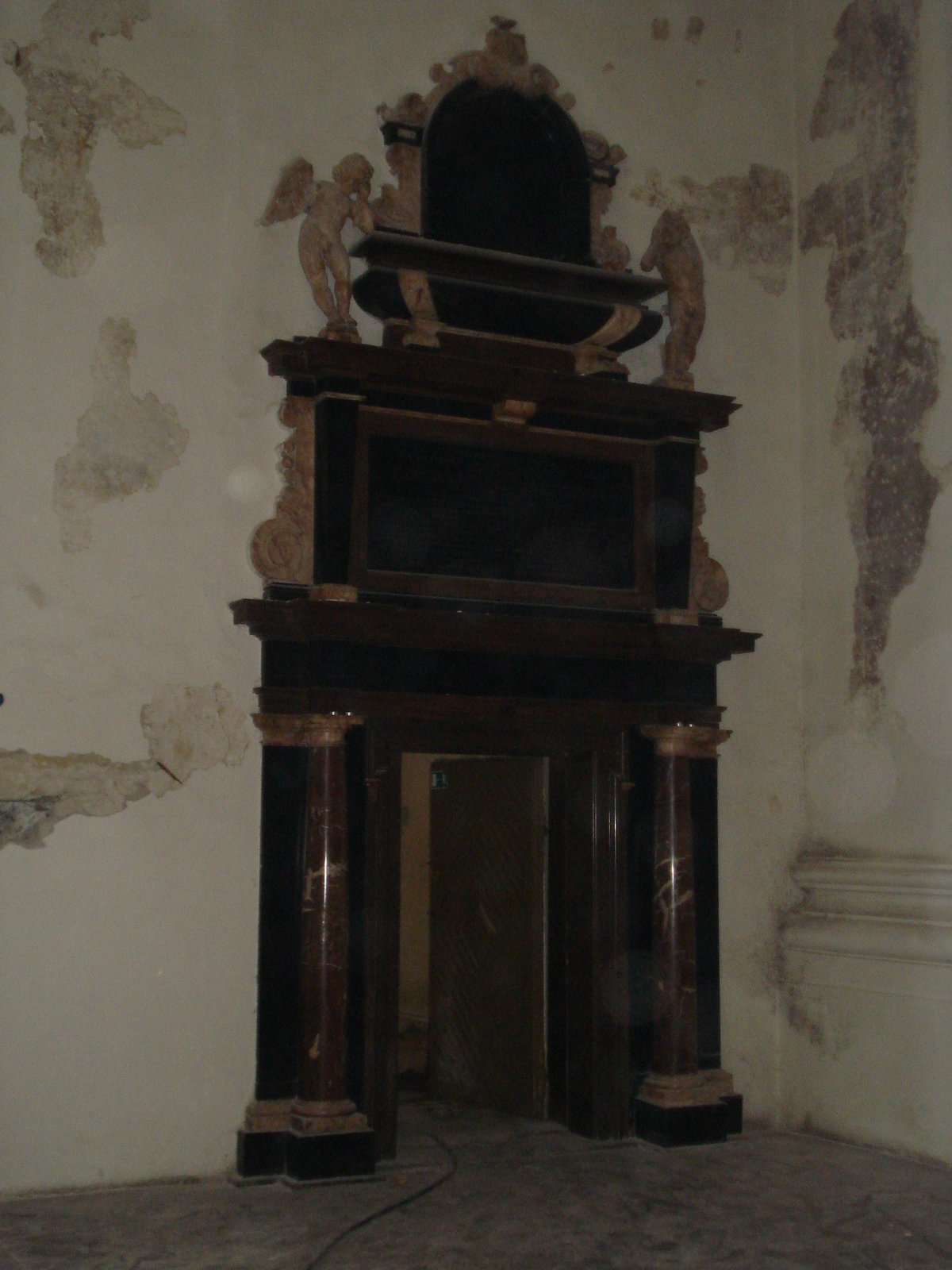
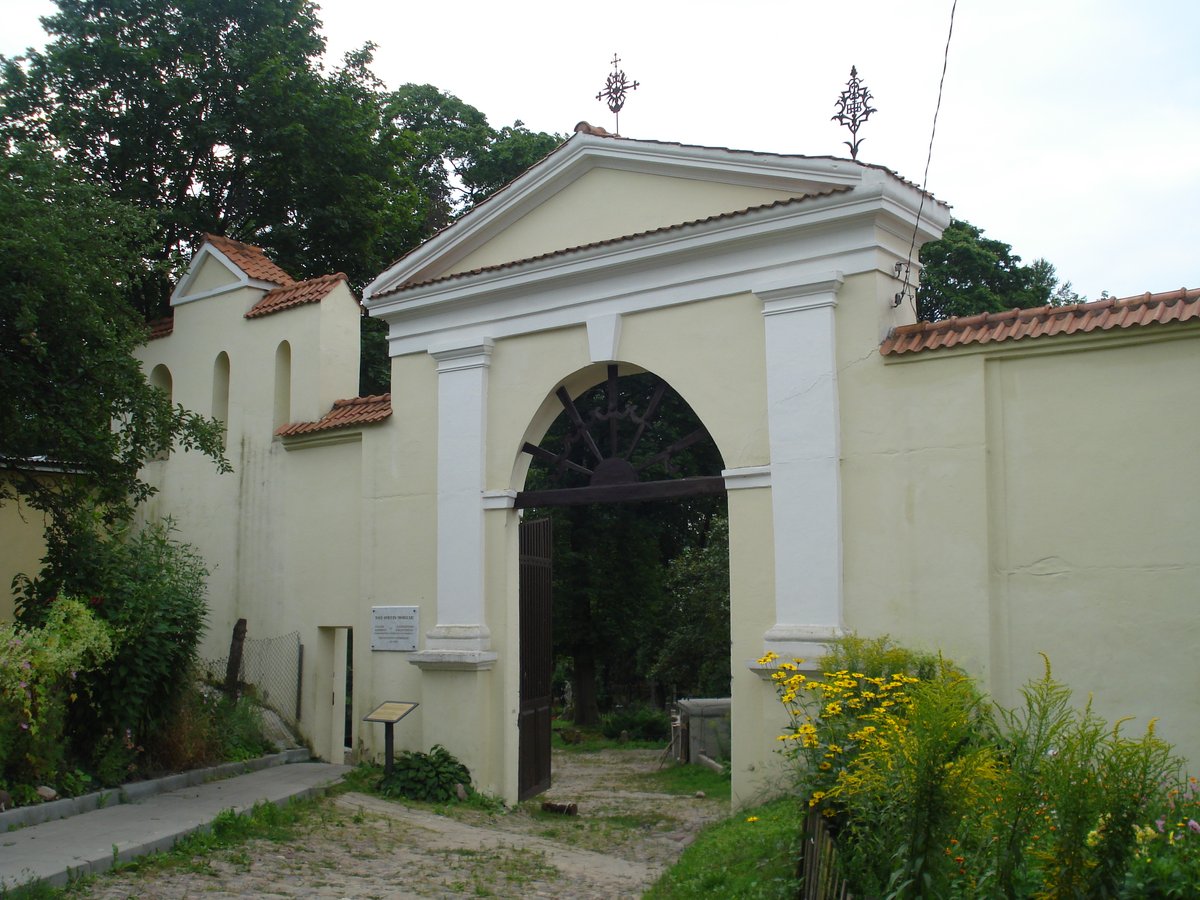
Exterior view of Church of St. Michael in Vilnius showing the epitaph of Jan Stanisław Sapieha, who died in 1637, positioned over the sacristy gate
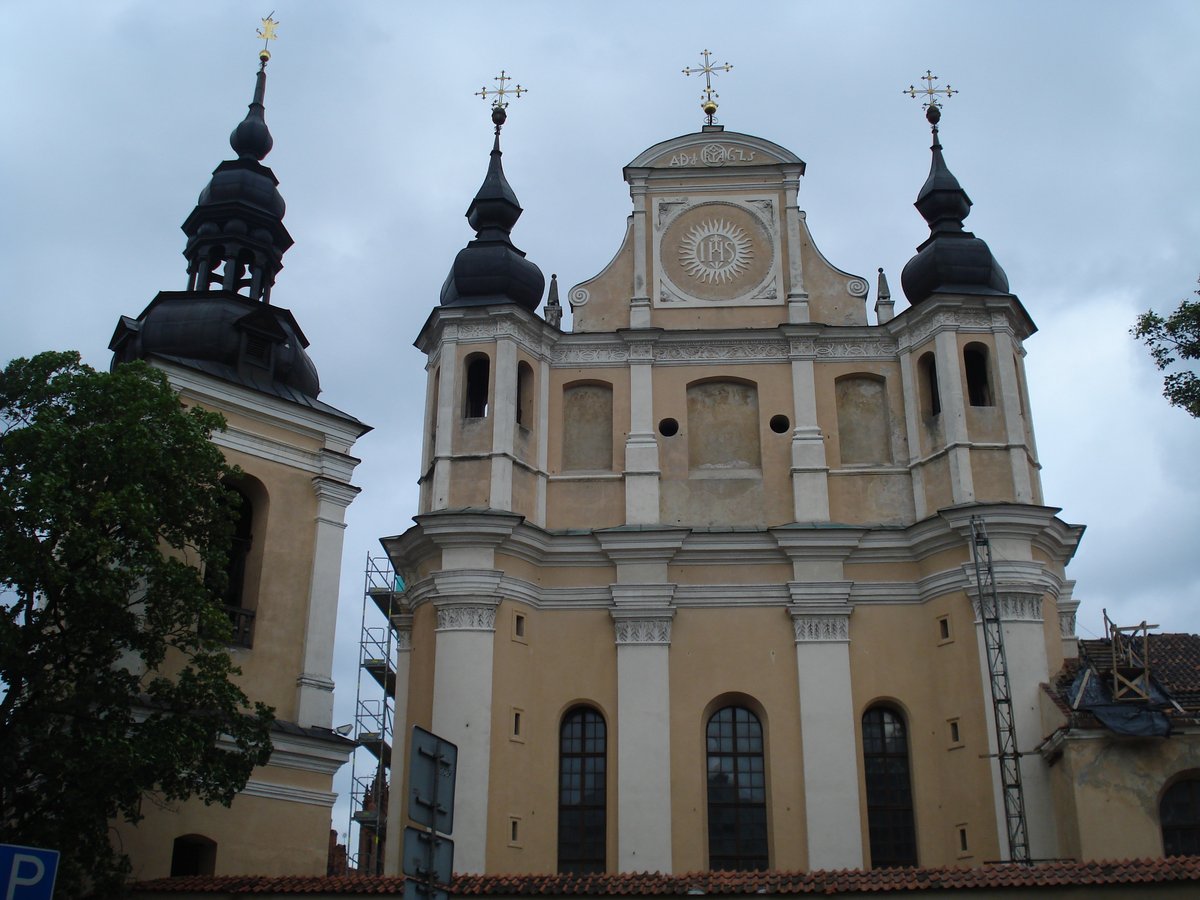
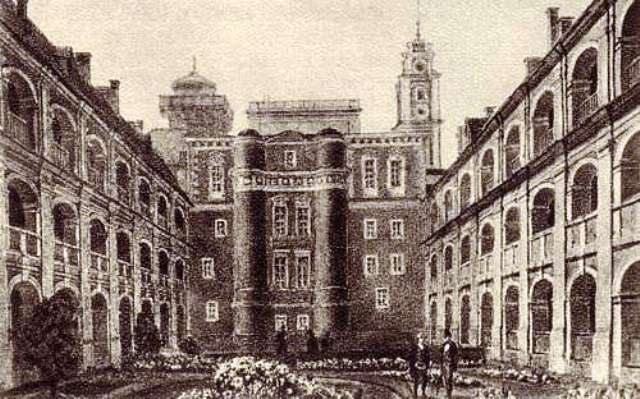
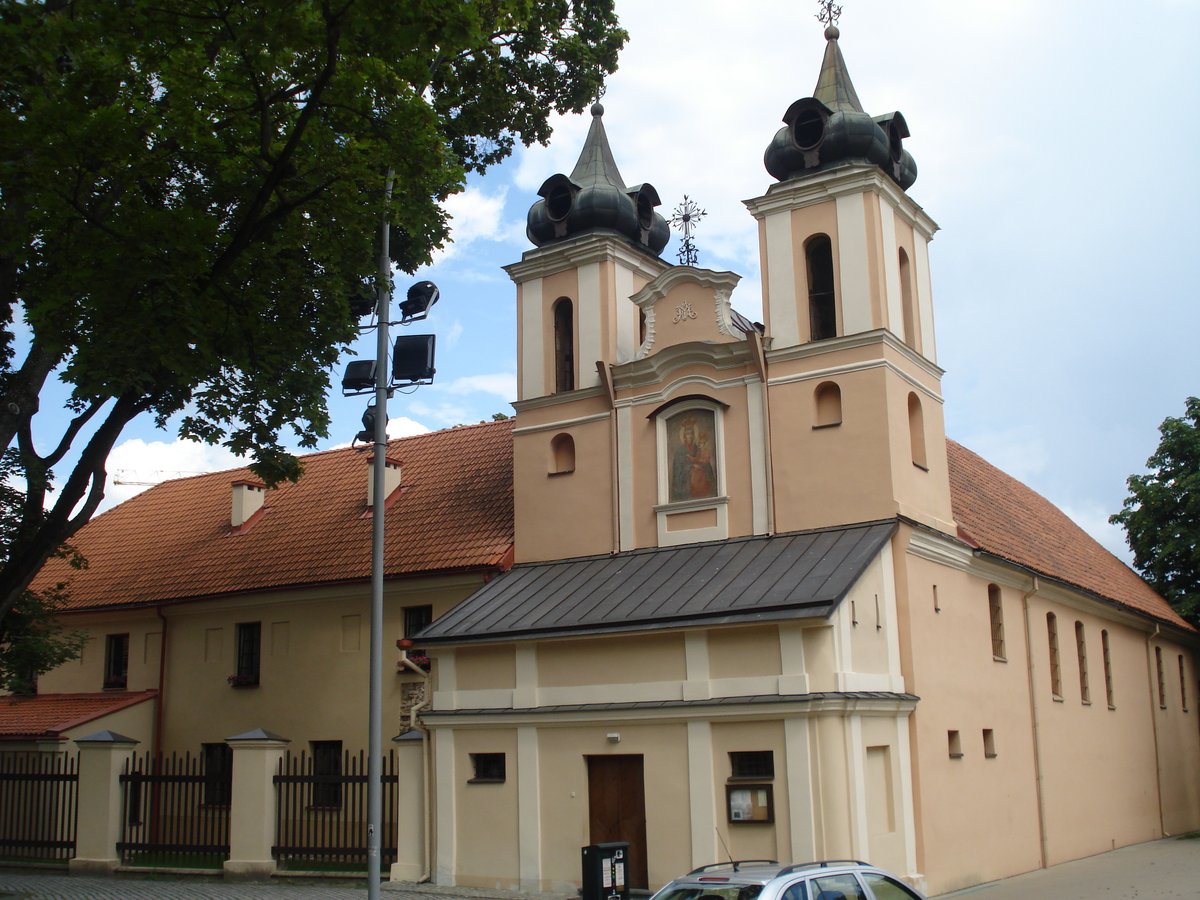
Image of the courtyard of Church of St Michael located in Vilnius, showcasing historic architecture and serene outdoor space.
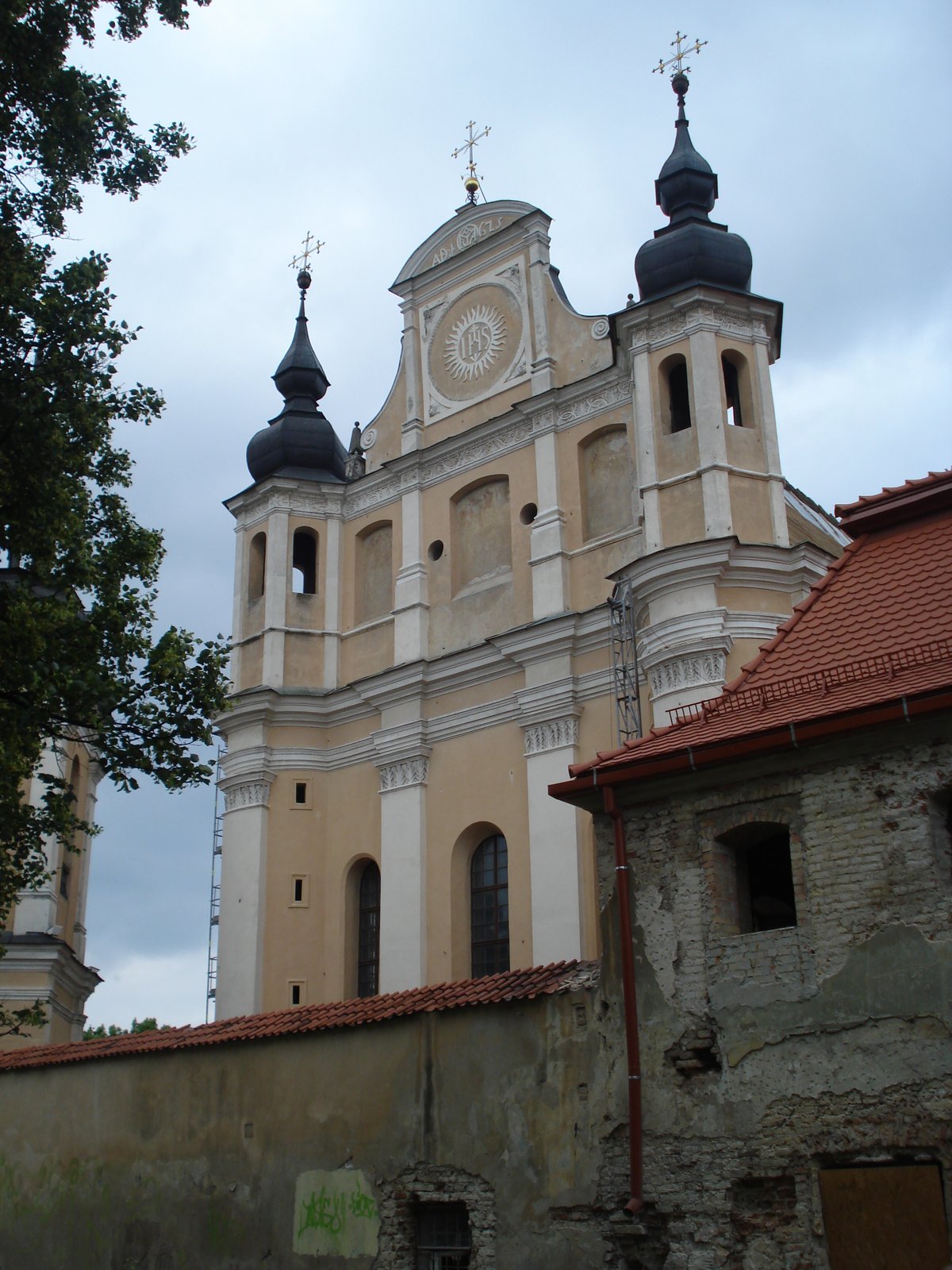
The courtyard of the Church of St. Michael located in Vilnius, showcasing historic architecture and surrounding greenery.
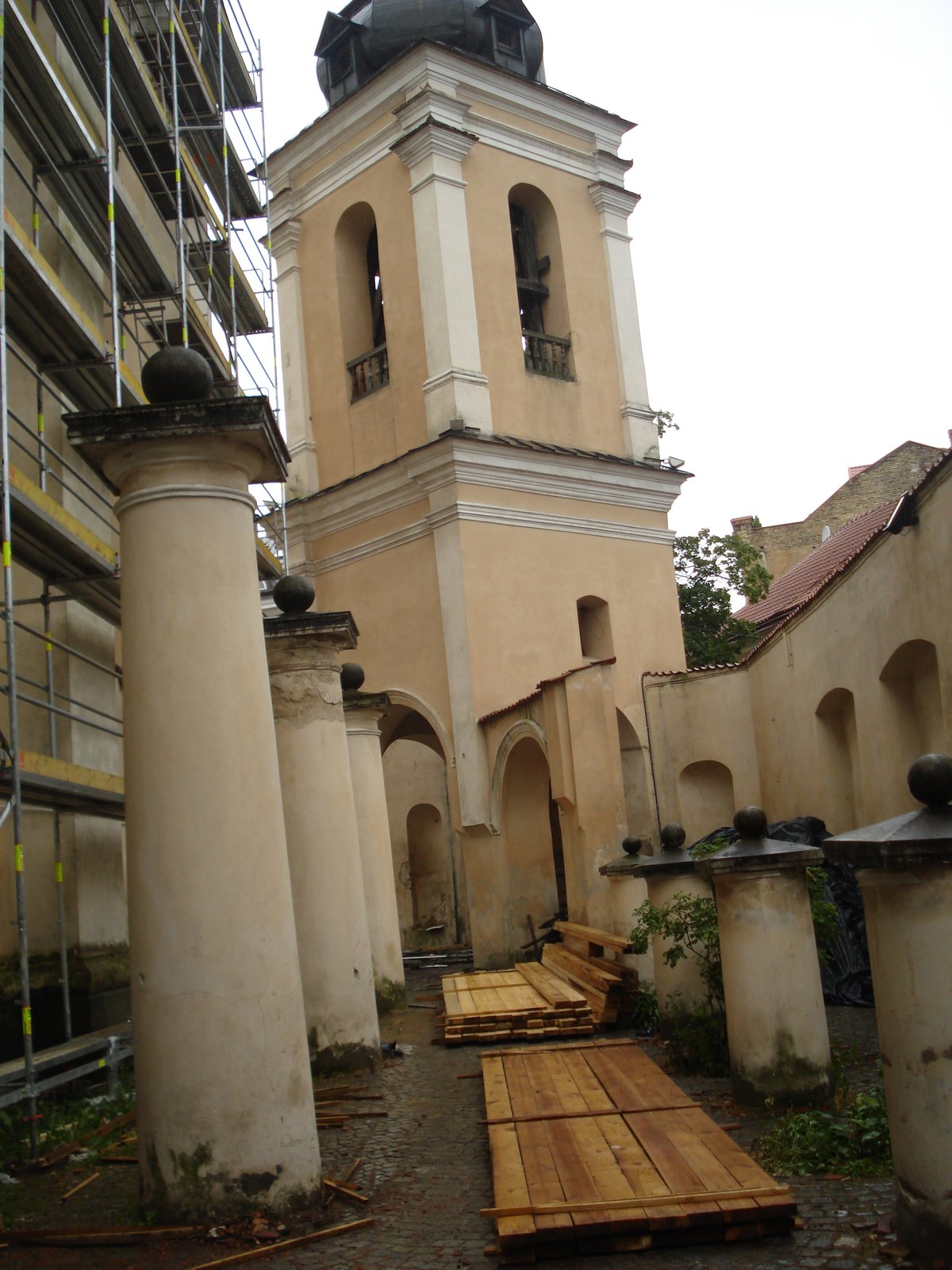
Historic Church of St. Michael courtyard in Vilnius showcasing traditional Lithuanian architecture
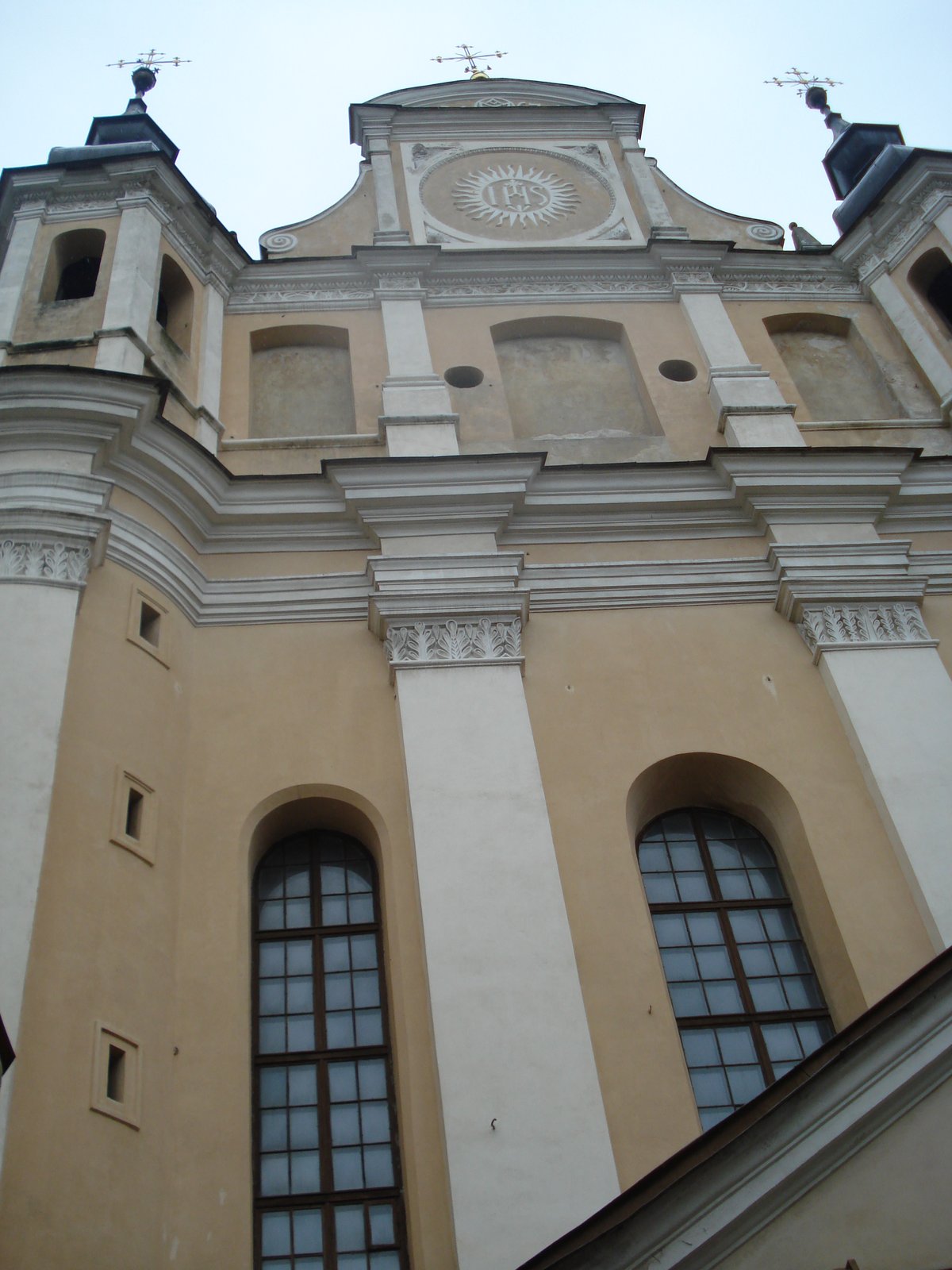
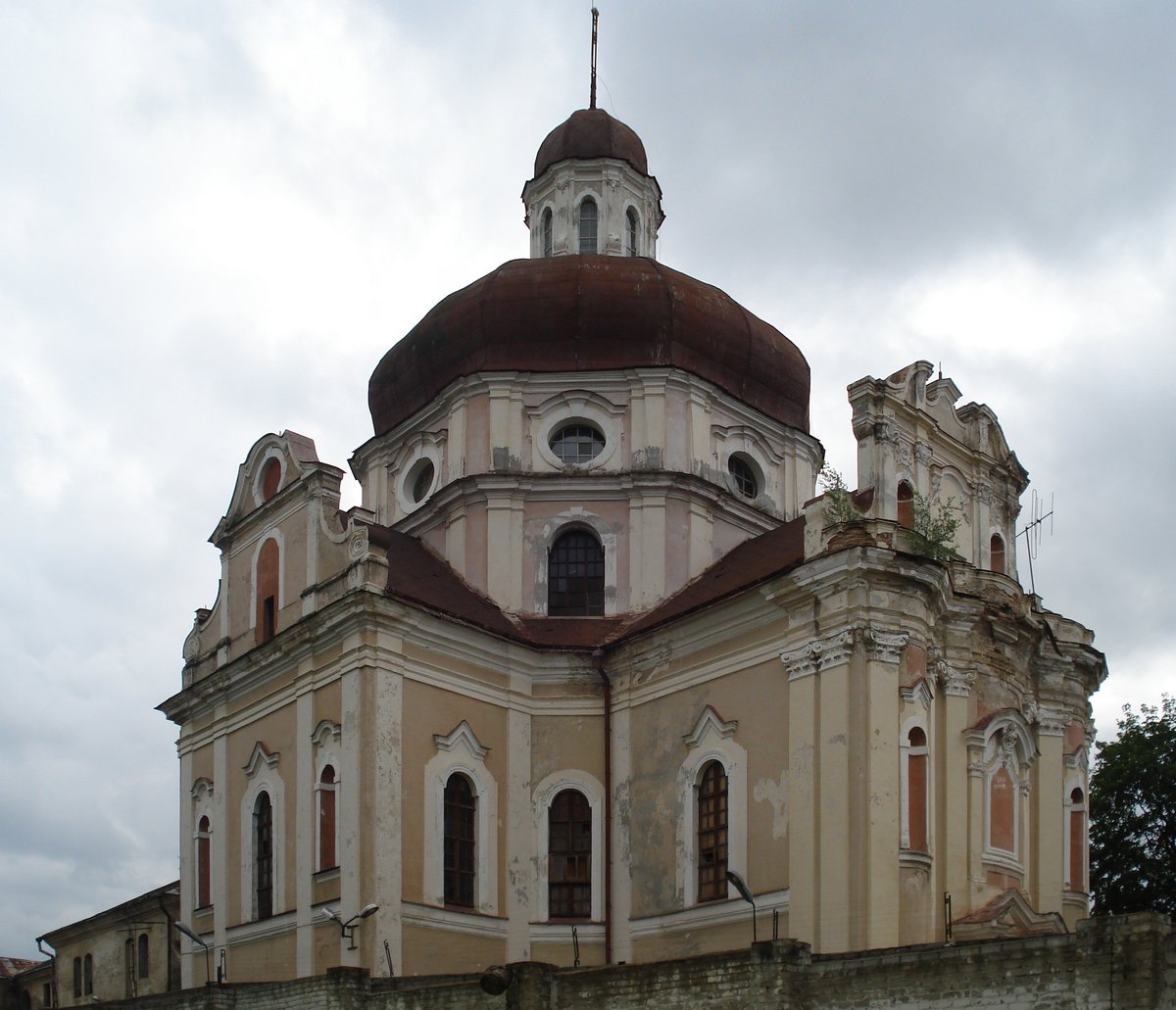
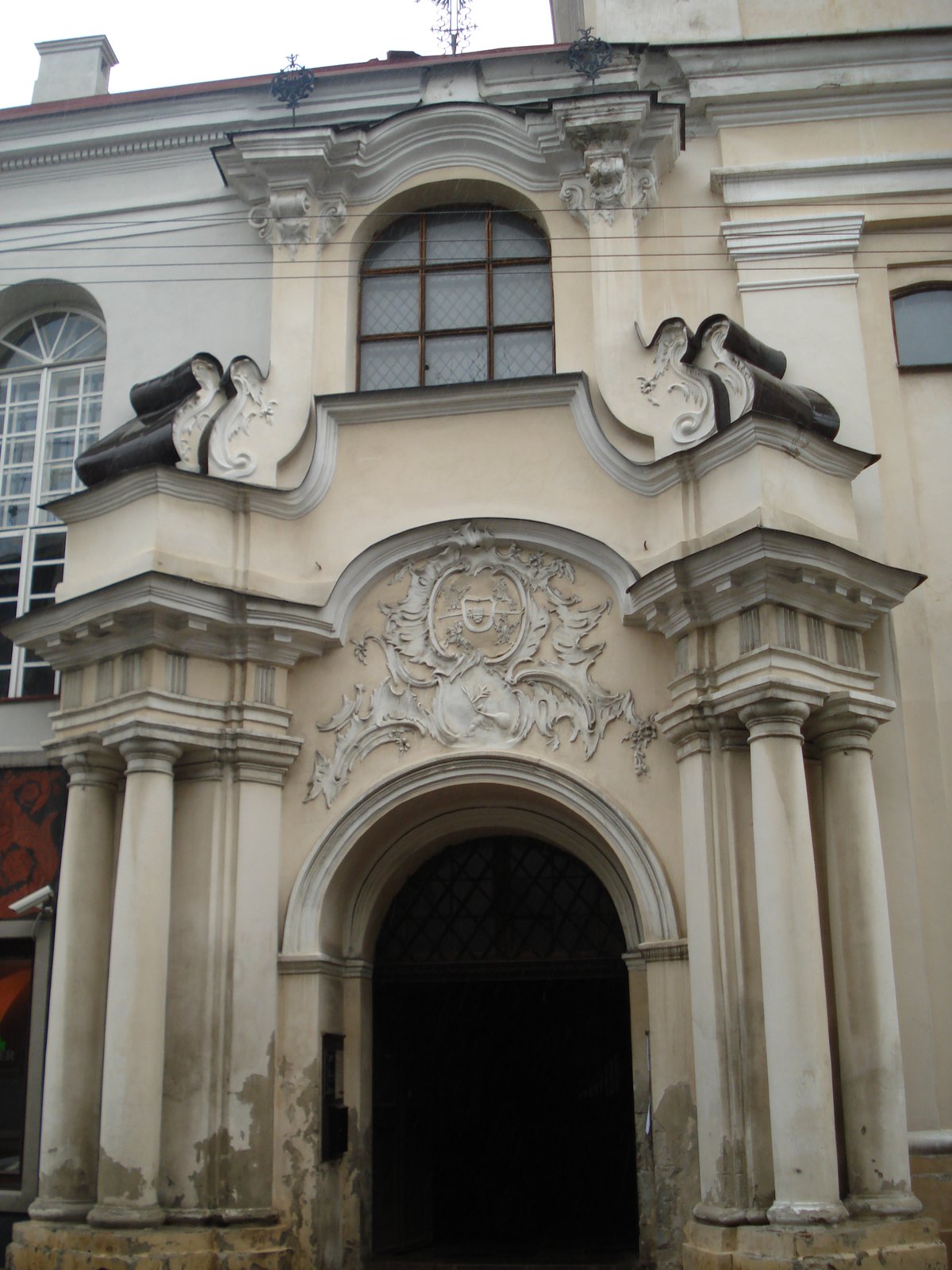
Detailed view of the facade of the Church of St. Michael located in Vilnius, showcasing its architectural design
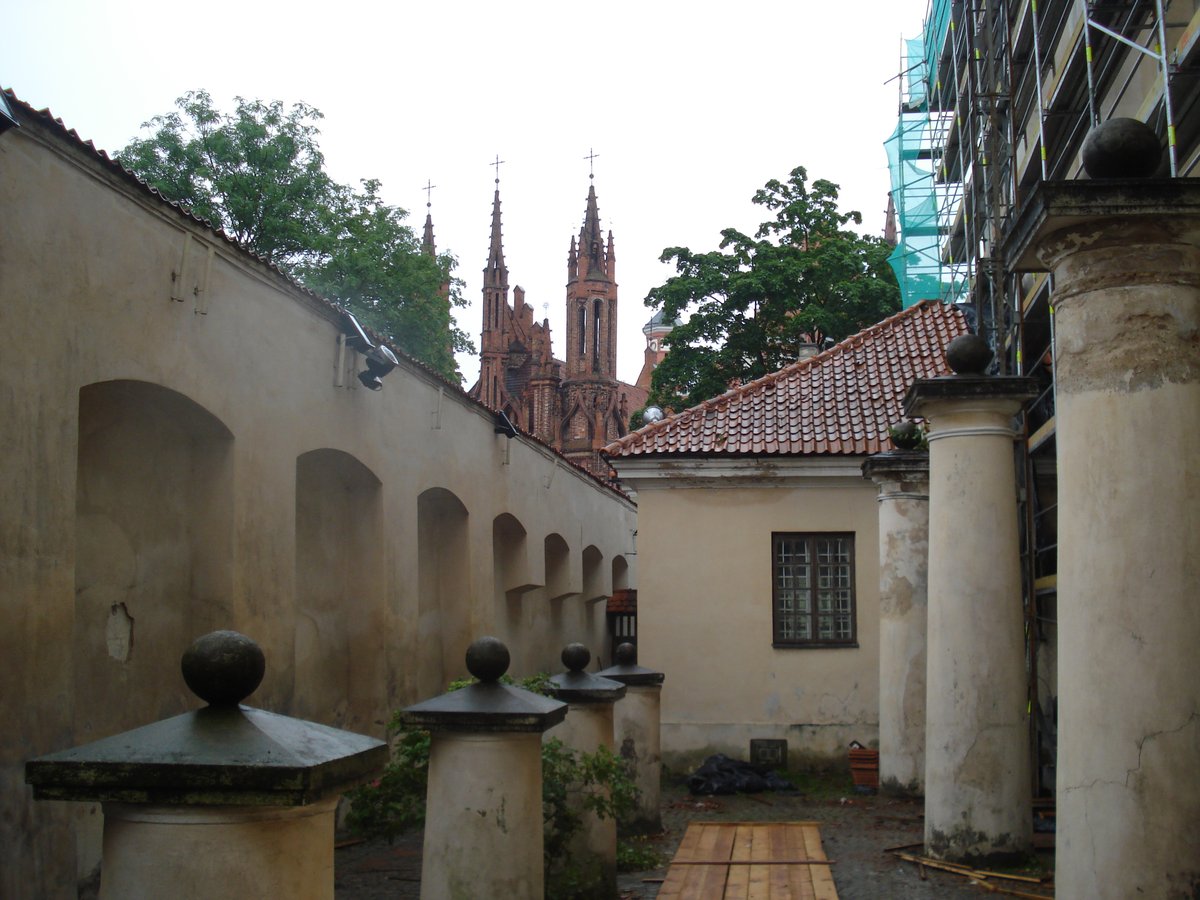
View of the Church of St. Michael courtyard in Vilnius with architectural details
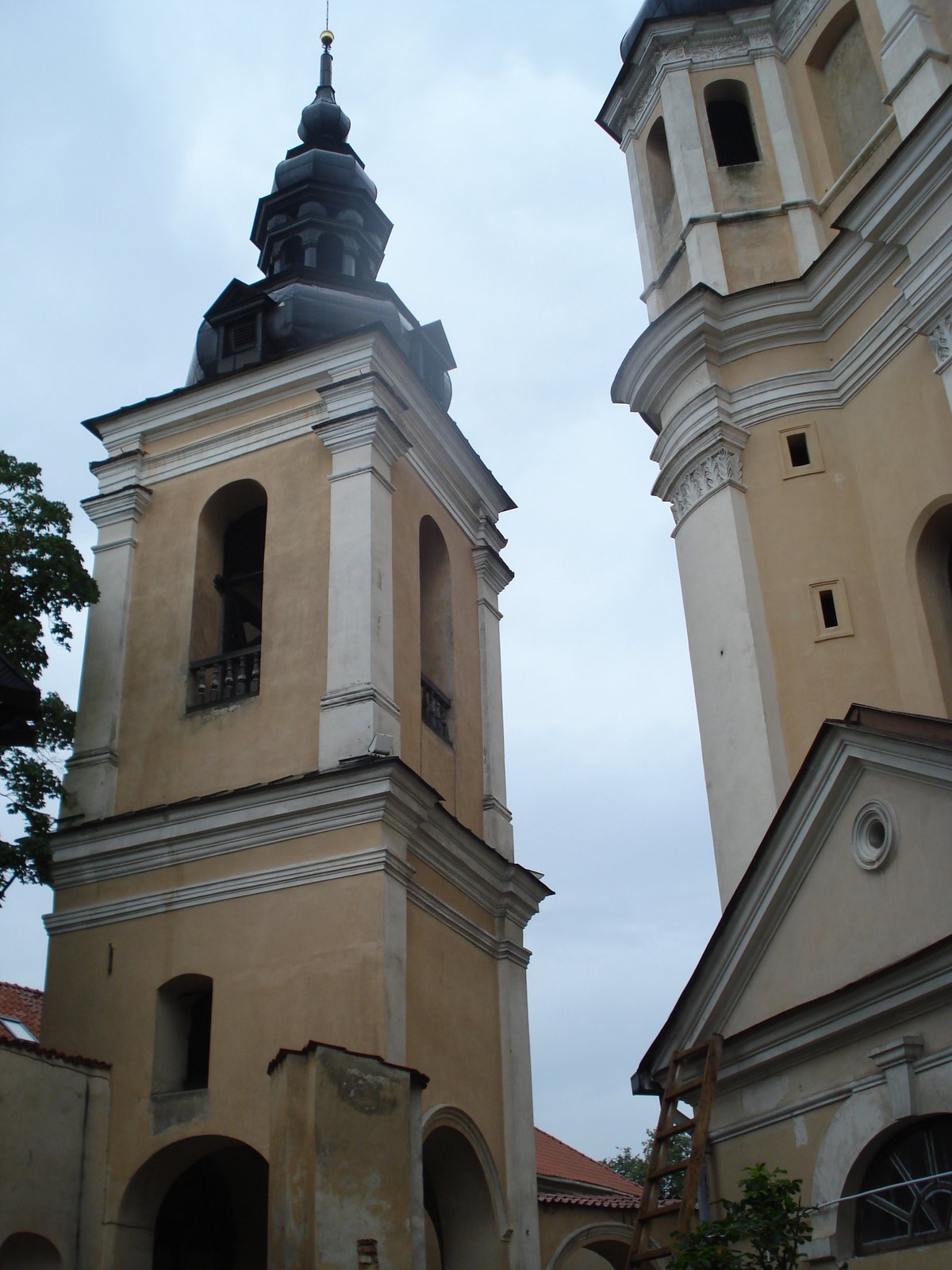
Scenic view of Church of St Michael in Vilnius featuring its historic Balltower architecture
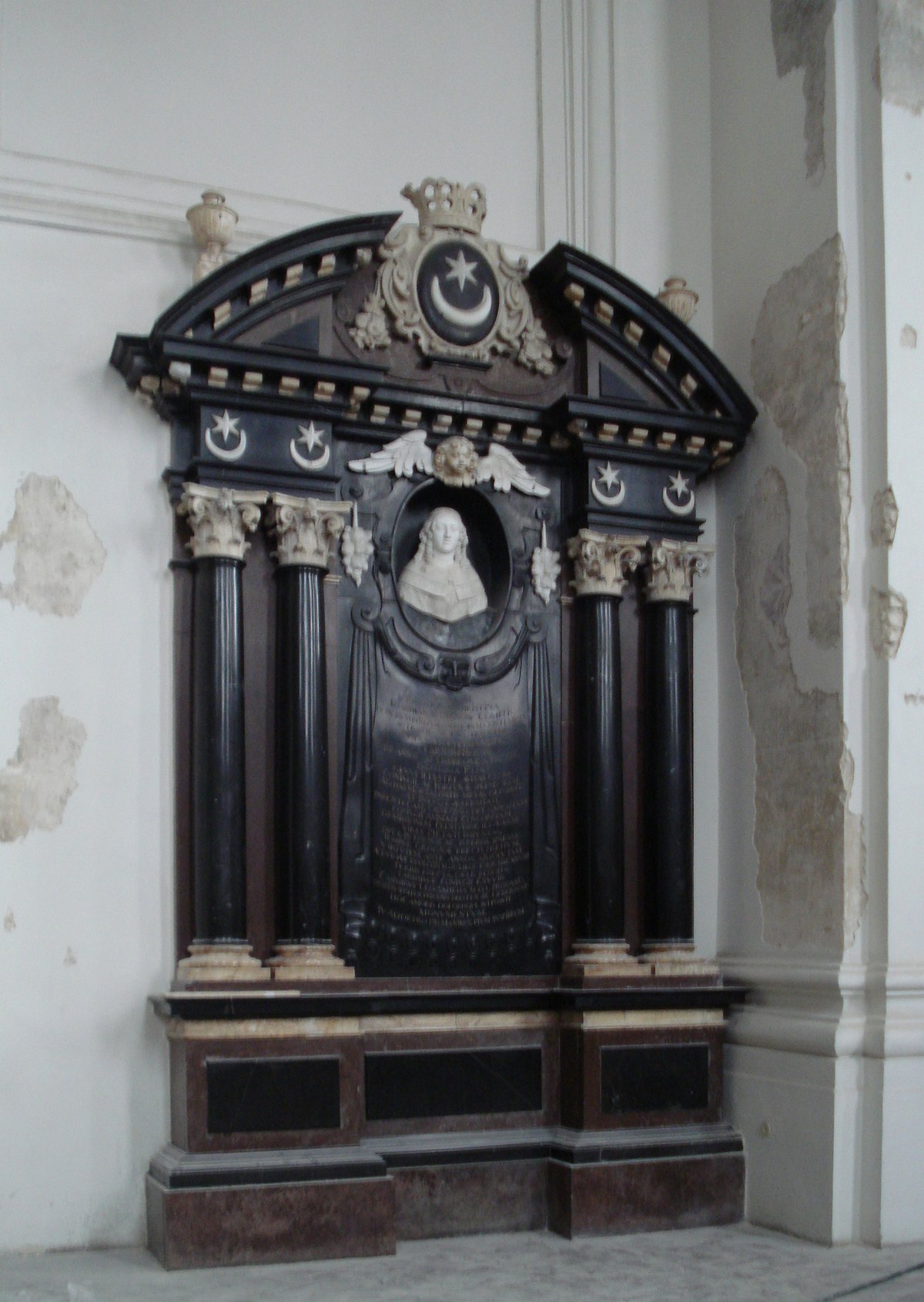
Exterior view of the Church of St. Michael in Vilnius, featuring the tomb of Teodory Krystyny z Tarnowskich Sapieżyny who died in 1652.
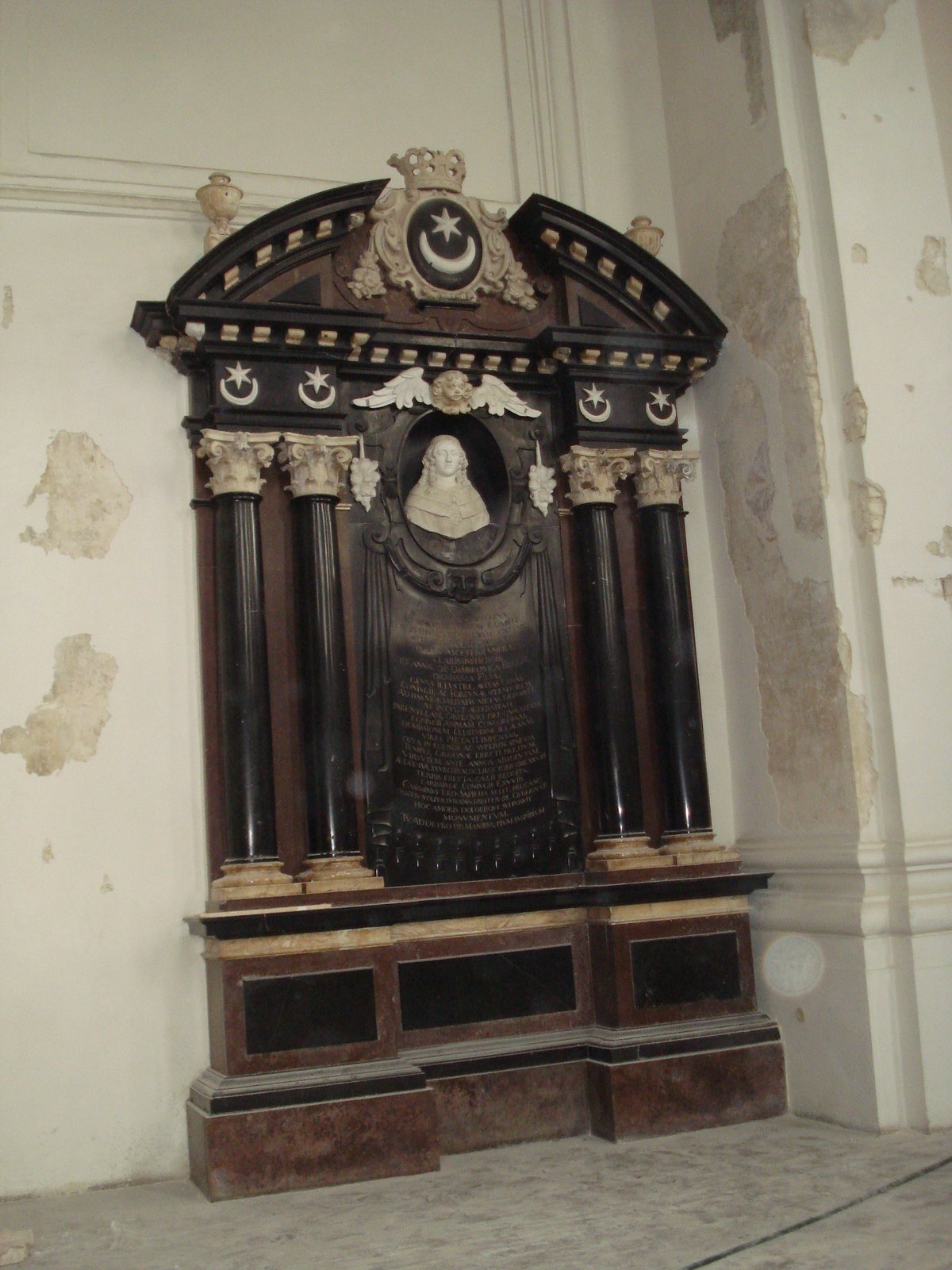
Exterior view of the Church of St. Michael in Vilnius featuring the historic tomb of Teodory Krystyny z Tarnowskich Sapieżyny who died in 1652
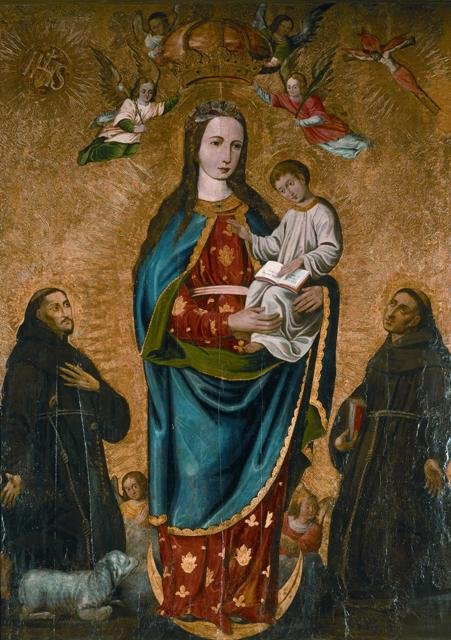
Maci Bozaja Sapiežynskaja (Mother of God of Sapieha) icon from Bernardine Church in Vilnia, Belarus, XVII century religious artwork.
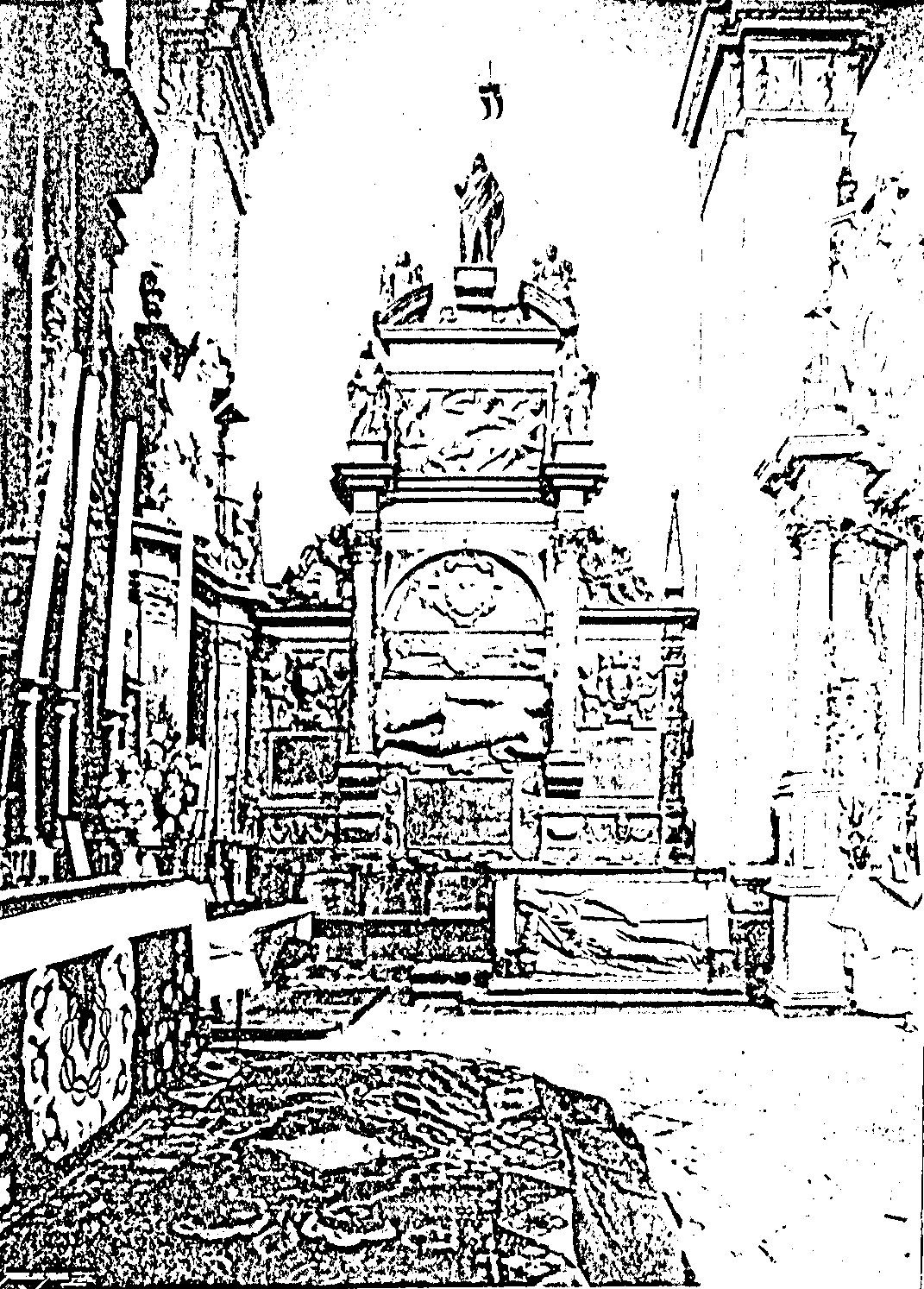
Historic funerary monument of Lew Sapieha located in the Carmelite church in Białynicze, featured in Edward Nowakowski's book about the miraculous image of the Virgin Mary.
Origins and Foundation
Commissioned between 1594 and 1597 by Lew Sapieha, Chancellor of the Grand Duchy of Lithuania, the Church of St. Michael was initially conceived as a family mausoleum. Construction was completed by 1604, making it one of Vilnius’ earliest examples of the transition from Renaissance to Baroque architecture. Its location on the right bank of the Vilnia River placed it at the heart of Vilnius’ religious and communal life (Everything Explained Today; Wikipedia).
Architectural Evolution
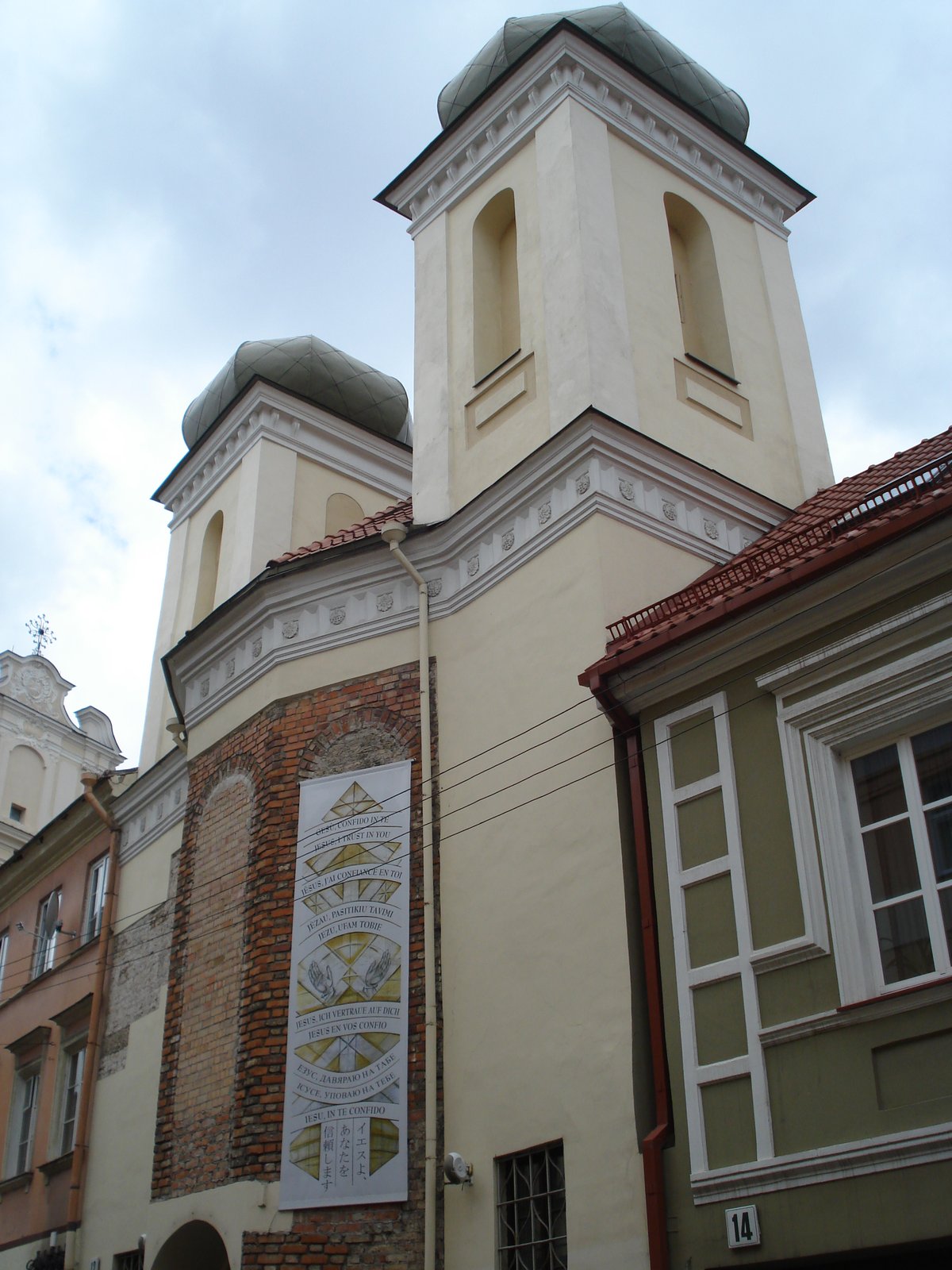
St. Michael’s Church features a whitewashed Renaissance façade with emerging Baroque elements—twin towers, decorative pilasters, and a pediment with a frieze. The 18th-century iron weathervane atop the belfry depicts St. Michael vanquishing the devil, symbolizing spiritual victory. Inside, a single-nave layout is topped by a barrel vault adorned with stars, hearts, and rosettes. The high altar, crafted from colored marble and alabaster, dates from the early 17th century, while side altars in late Rococo style were added in the 18th century (Wikipedia; Everything Explained Today).
Turbulence and Restoration
The church has been repeatedly damaged and restored—first after a roof collapse in 1627, then during the mid-17th century war with Moscow, and again following closure under Russian Imperial rule in 1888. It was returned to the Sapieha family in the early 20th century and restored under Polish and later Lithuanian stewardship. Soviet-era secularization saw its conversion into the Museum of Architecture from 1972 to 2006 (Everything Explained Today; True Lithuania).
Modern Revival
After Lithuanian independence, the church was reconsecrated and opened in 2009 as the Museum of Church Heritage. Today, it preserves and displays sacred art, liturgical objects, and historical documents, and regularly hosts cultural events, concerts, and educational programs (Govilnius.lt).
Architectural and Artistic Highlights
- Renaissance-Baroque Synthesis: Harmonious proportions and symmetry, pilasters, arched windows, and a triangular pediment mark the Renaissance influence; Baroque elements are seen in the spires and ornate details (Open House Vilnius).
- Sapieha Family Mausoleum: The crypts and tombstones of the Sapieha family, including Leon Sapieha, are adorned with Latin inscriptions and Baroque ornamentation.
- Decorative Vaulting: The barrel vault with diamond-shaped ribs and painted fragments enhances the visual rhythm of the interior (Architektūra Lietuvoje).
- Museum Collections: The Museum of Church Heritage showcases goldsmithing, textiles, liturgical items, rare books, and reliquaries, including treasures from Vilnius Cathedral (Museum of Church Heritage).
- Connected Monastery Structures: The adjacent Bernardine Monastery features Renaissance and early Baroque architecture, a peaceful courtyard, and a refectory with the Sapieha coat of arms.
Religious and Cultural Context
Vilnius is a city renowned for its religious diversity, with over 30 churches in the Old Town alone. St. Michael’s Church, dedicated to the Archangel Michael—a symbol of spiritual protection—stands within a corridor of sacred sites, including St. Anne’s Church and the Bernardine Monastery. During the Soviet era, the church’s conversion to a museum reflected anti-religious policies; its post-independence revival underscores the resilience of Lithuanian Catholic identity (True Lithuania).
Visiting Information
Location
- Address: Šv. Mykolo g. 9, Vilnius Old Town
- Proximity: Walking distance from Cathedral Square, St. Anne’s Church, Bernardine Garden, and other key Vilnius attractions.
Opening Hours
- Standard: Tuesday to Sunday, 10:00 AM – 6:00 PM
- Museum of Church Heritage: Typically Tuesday to Saturday, 11:00 AM – 6:00 PM (check official website for updates)
- Closed: Mondays and major public holidays
Tickets and Admission
- Museum Admission: €4–€6 for adults; €2–€3 for students/seniors; free for children under 7
- Guided Tours: Available in Lithuanian and English; additional fee may apply; book in advance
- Special Exhibitions/Events: Check online calendar for details
Accessibility
- Most entrances and interiors are wheelchair accessible; ramps and assistance available on request
- Restrooms and a museum shop on site
Visitor Tips
- Arrive early or late afternoon for a quieter visit
- Dress modestly, as the church remains a sacred space
- Photography allowed without flash; professional equipment requires permission
- Allow 45–60 minutes to explore both church and museum
Enhancing Your Visit
Guided Tours and Educational Programs
Join a guided tour for in-depth insights into the church’s Sapieha legacy, art, and architecture. Special workshops and events are organized throughout the year—check the museum’s calendar for schedules.
Nearby Attractions
- St. Anne’s Church: Iconic Gothic architecture, 0.05 miles away
- Bernardine Church & Monastery: Noted for its buttresses, 0.09 miles away
- Amber Museum-Gallery: Showcasing Baltic amber, 0.05 miles away
- House of Signatories: Site of Lithuania’s Declaration of Independence, 0.11 miles away
- Bernardine Garden: Green space ideal for relaxation
Facilities
- Gift shop with religious souvenirs and books
- Cafés and restaurants nearby, especially along Pilies Street
- Free Wi-Fi may be available—ask staff for access
Safety and Language
Vilnius is safe for tourists. Staff speak Lithuanian and English, with some Polish and Russian; exhibition labels are typically multilingual.
Frequently Asked Questions (FAQ)
Q: What are the opening hours of the Church and Museum?
A: Tuesday to Sunday, 10:00 AM – 6:00 PM for the church; museum hours may vary. Check official website for updates.
Q: Is there an admission fee?
A: Yes. €4–€6 for adults, discounts for students/seniors, free for children under 7.
Q: Are guided tours available?
A: Yes, in Lithuanian and English; book in advance for availability.
Q: Is the site accessible for visitors with disabilities?
A: Yes, with ramps and assistance as needed.
Q: Can I take photos inside?
A: Photography is allowed without flash; professional use requires permission.
Practical Advice and Additional Recommendations
- Check the Museum of Church Heritage website for current hours, events, and special exhibitions.
- Download the Audiala mobile app for curated walking tours and audio guides of Vilnius historical sites.
- Consider combining your visit with a walking tour of Vilnius Old Town to maximize your experience.
Summary
St. Michael’s Church in Vilnius is a living testament to Lithuania’s complex past, blending Renaissance-Baroque architecture, noble heritage, and modern cultural vitality. As both a sacred space and a museum, it welcomes visitors to explore its art, architecture, and the enduring story of Lithuanian identity. Whether you seek quiet contemplation, historical insight, or artistic inspiration, the Church of St. Michael is an essential stop on any Vilnius itinerary.
Listen to the full story in the app
Your Personal Curator, in Your Pocket.
Audio guides for 1,100+ cities across 96 countries. History, stories, and local insight — offline ready.
Audiala App
Available on iOS & Android
Join 50k+ Curators
Sources
-
verified
Everything Explained Today, 2025, Church of St
Michael, Vilnius
-
verified
Wikipedia contributors, 2025, Church of St
Michael, Vilnius
- verified
- verified
-
verified
Open House Vilnius, 2025, The Church of St
Michael the Archangel and the Bernardine Monastery
-
verified
Architektūra Lietuvoje, 2025, Vilnius St
Michael's Church and Bernardine Monastery Complex
-
verified
GPSmyCity, 2025, St
Michael’s Church in Vilnius
- verified
- verified
- verified
Last reviewed: