Introduction
In the heart of Vilnius’s UNESCO-listed Old Town, the legacy of the Church of St. Joseph the Betrothed endures as a poignant symbol of faith, resilience, and historical transformation. Though the church itself was demolished in the late 19th century, its story remains essential to understanding Vilnius’s religious, cultural, and architectural landscape. This guide provides a comprehensive look at the church’s origins, architectural significance, the circumstances of its destruction, and practical tips for modern-day visitors seeking to connect with Vilnius’s layered heritage.
For further exploration, visitors can utilize curated walking tours and digital resources that illuminate Vilnius’s multifaceted religious history (Official Vilnius Tourism Website, Vilnius Old Town UNESCO).
Photo Gallery
Explore Church of St. Joseph the Betrothed in Pictures

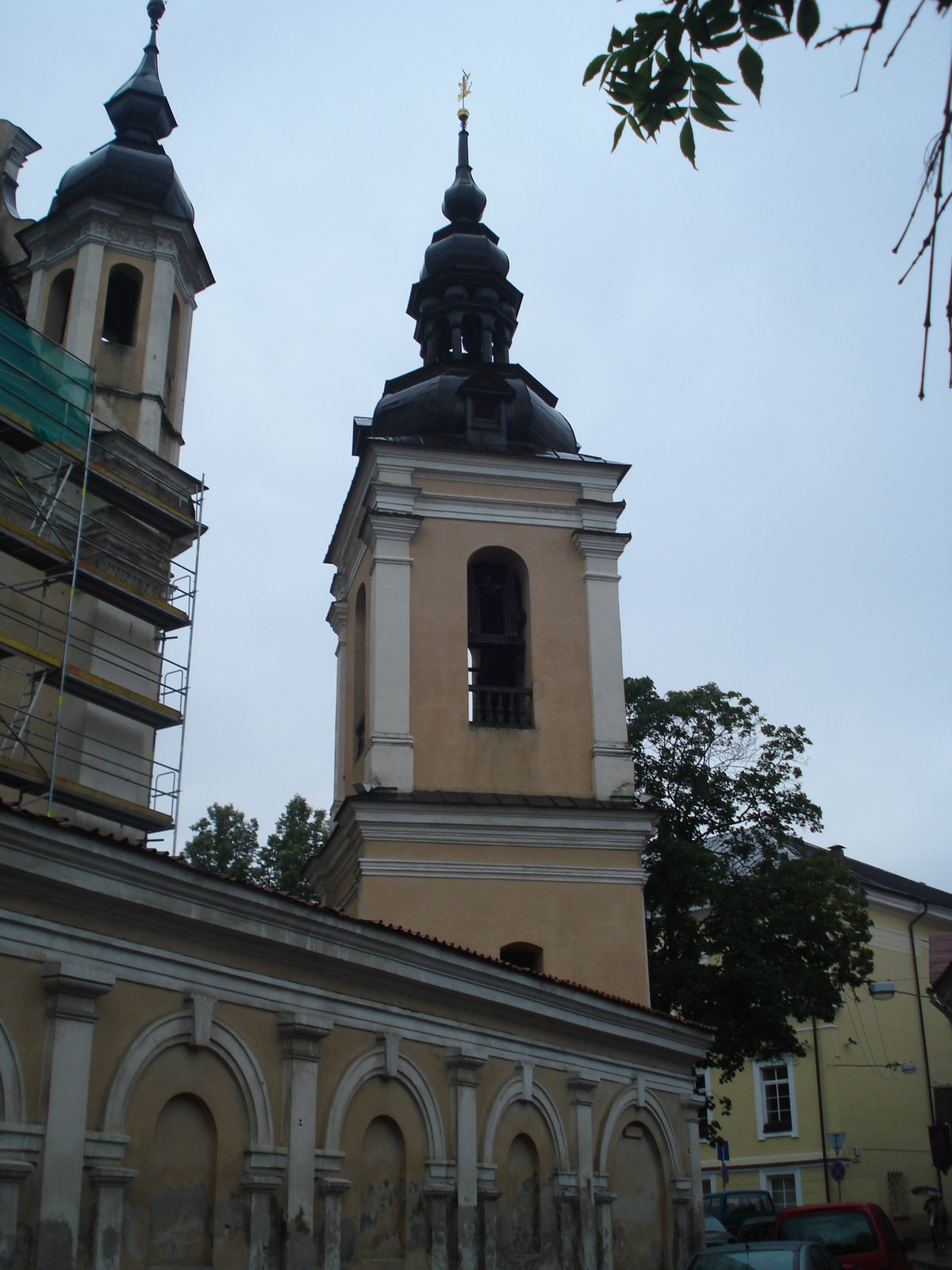
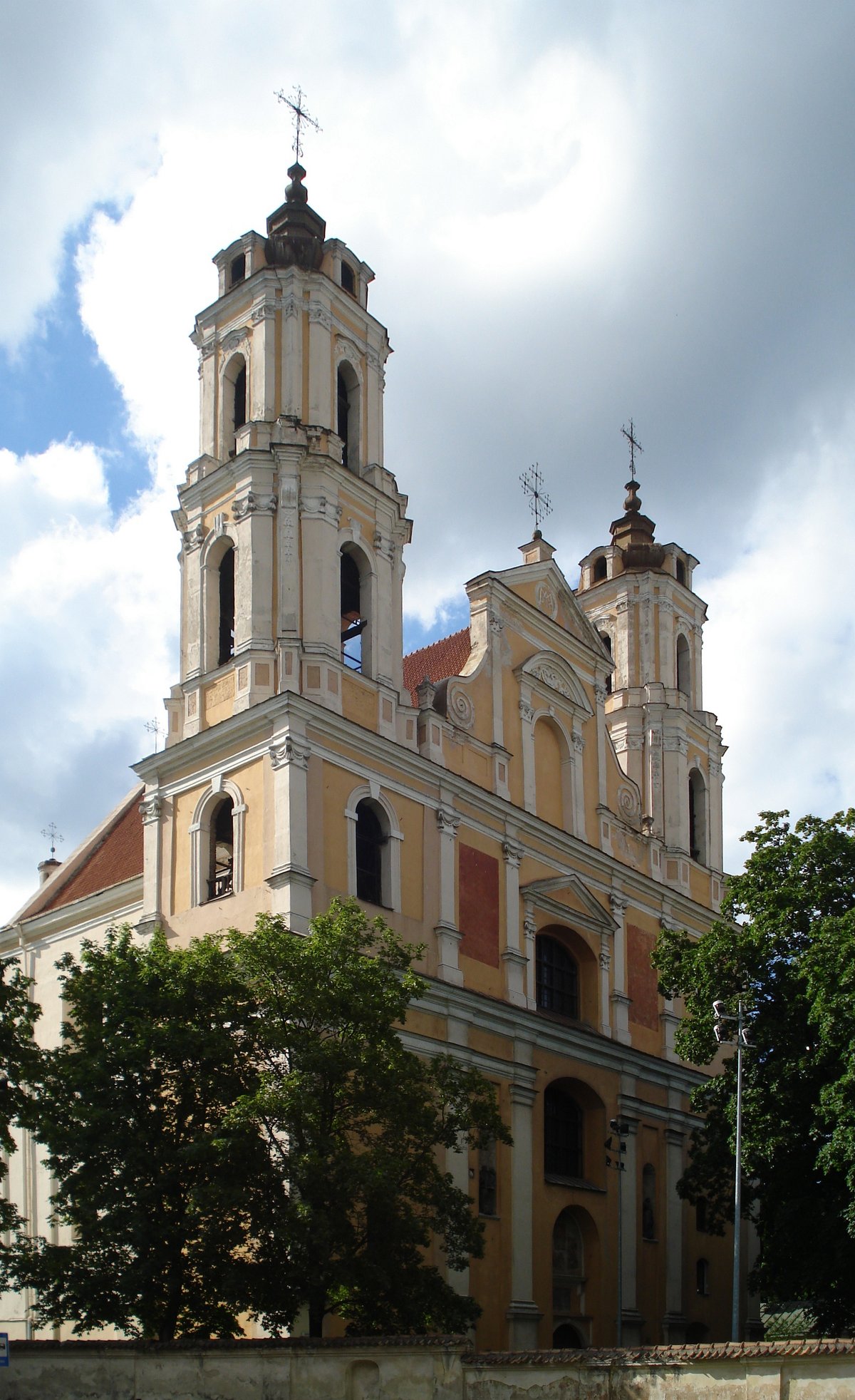
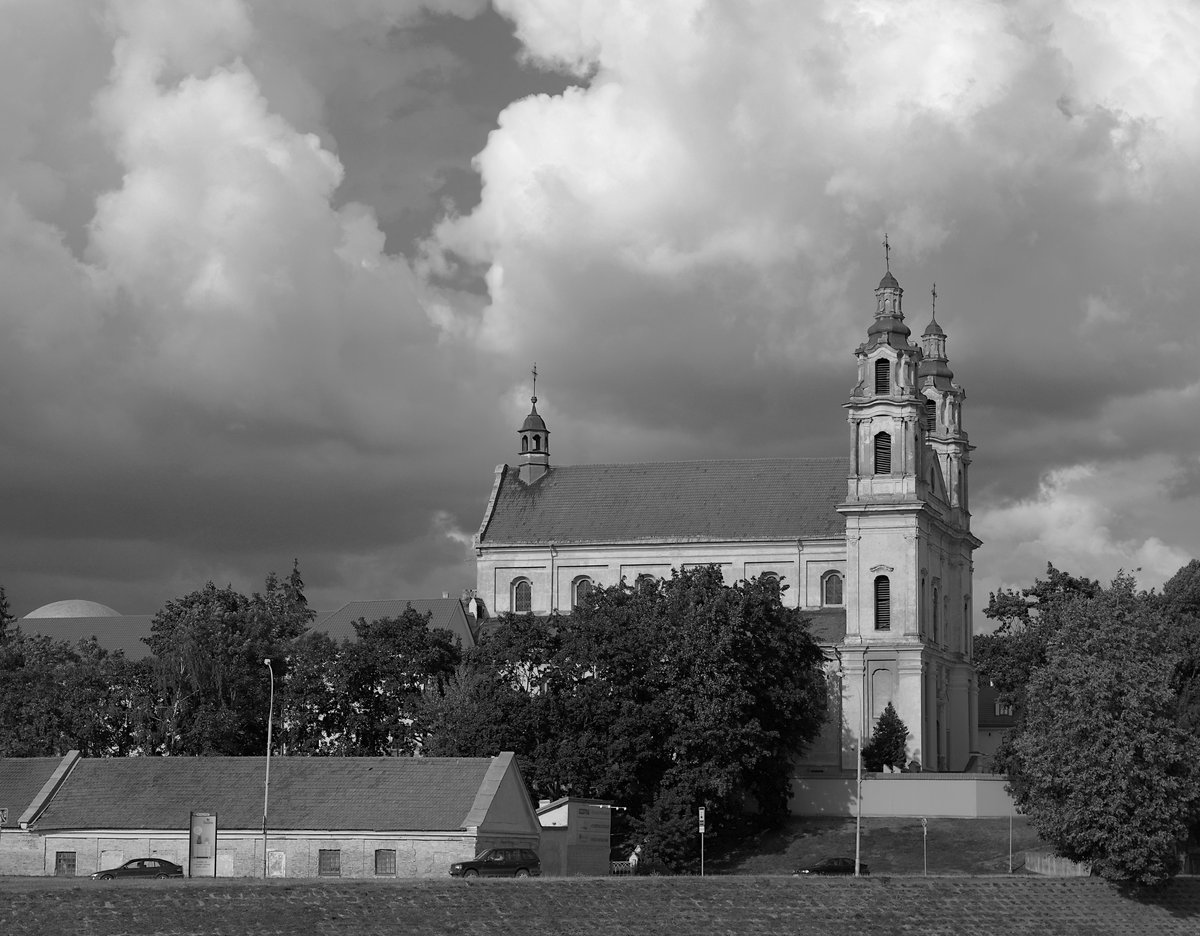
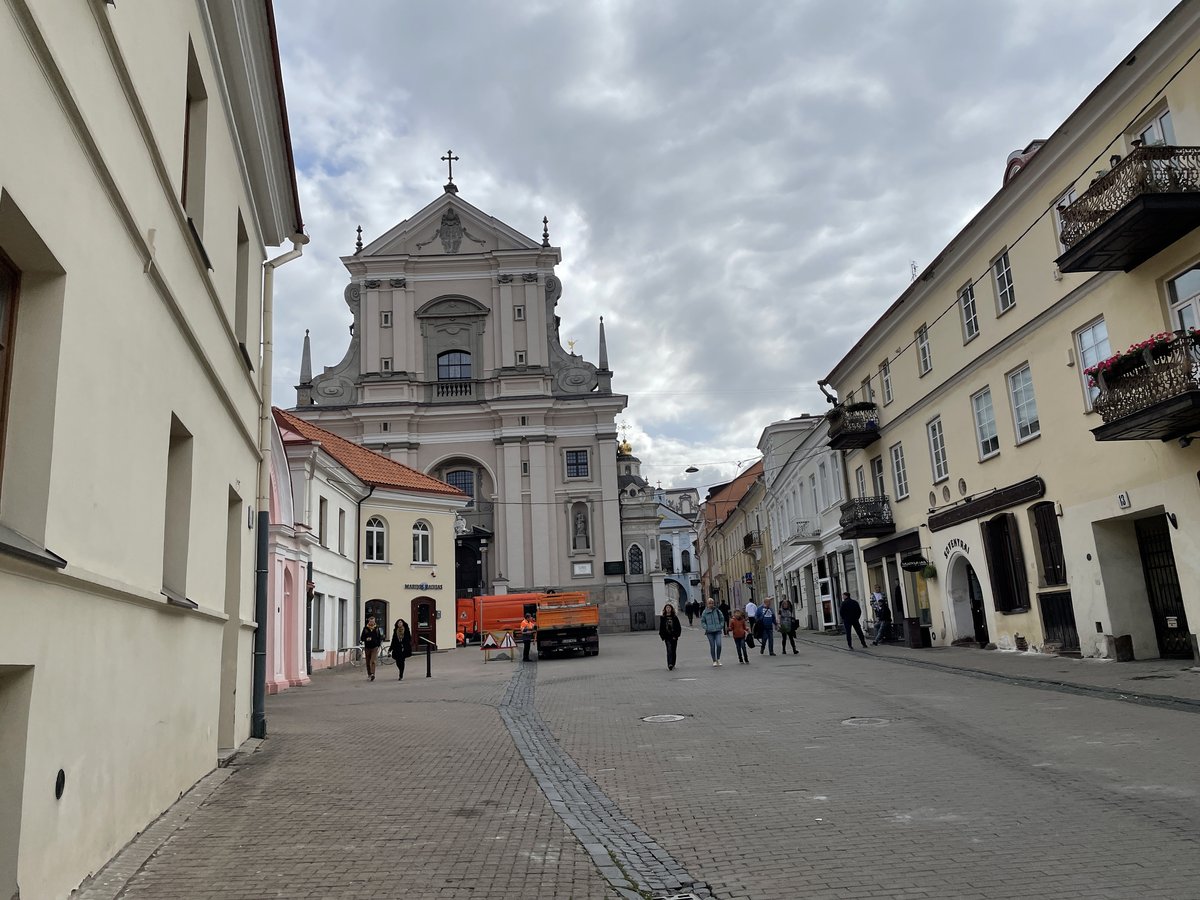
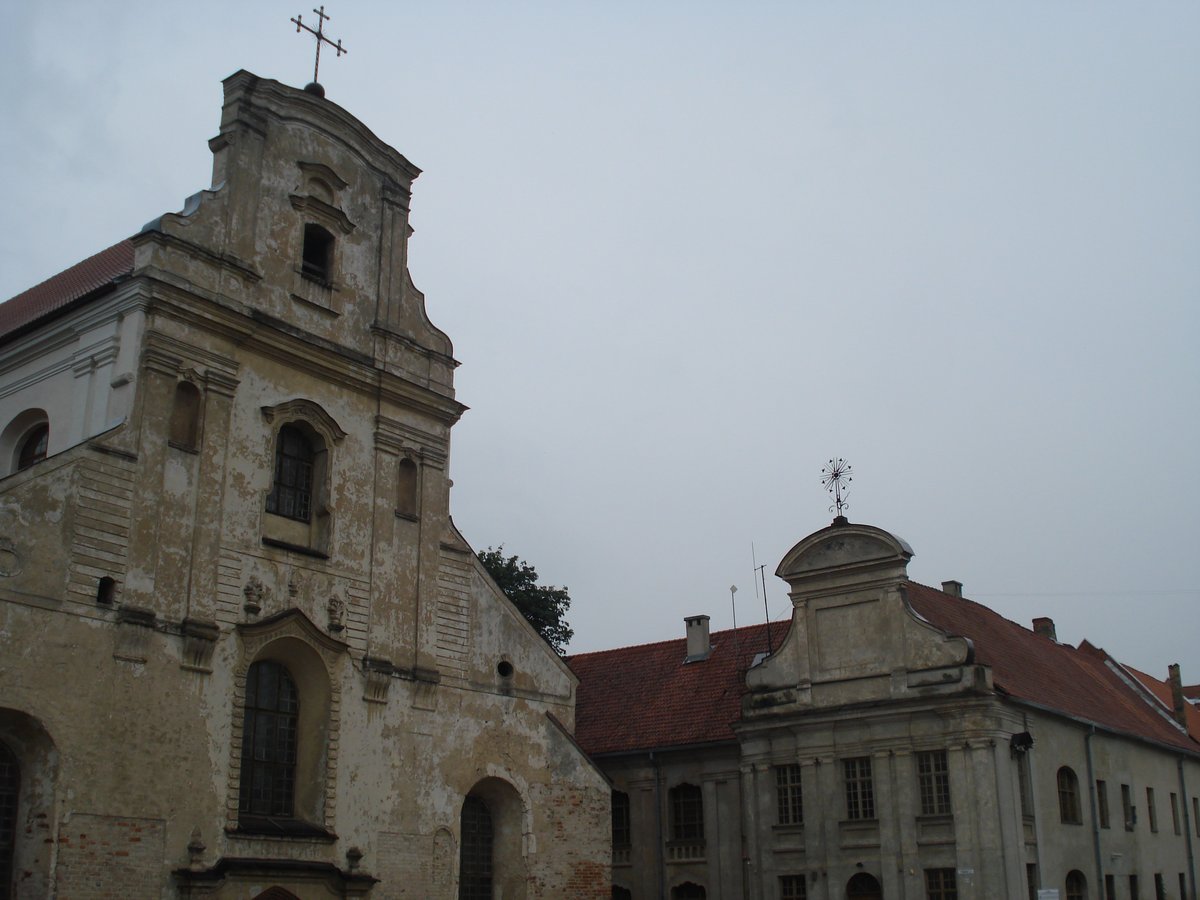
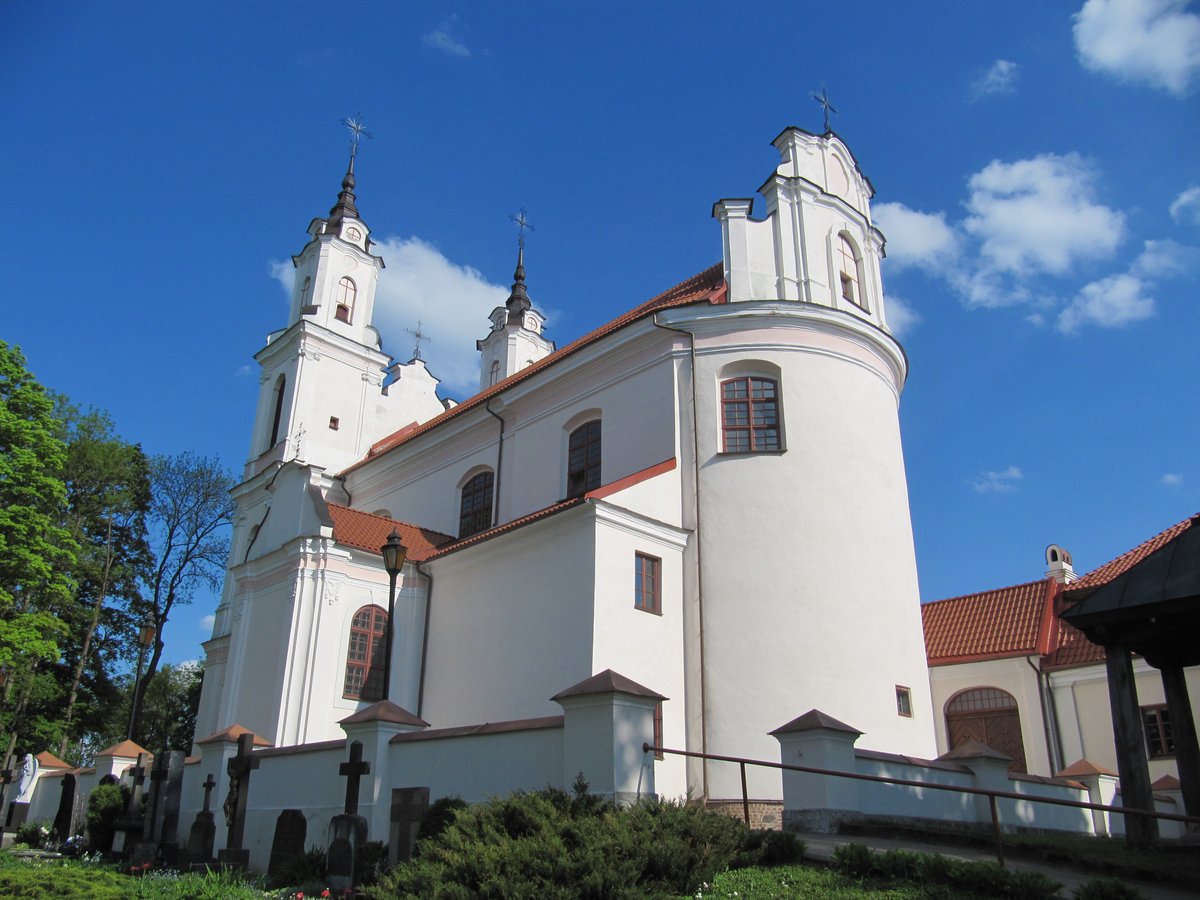
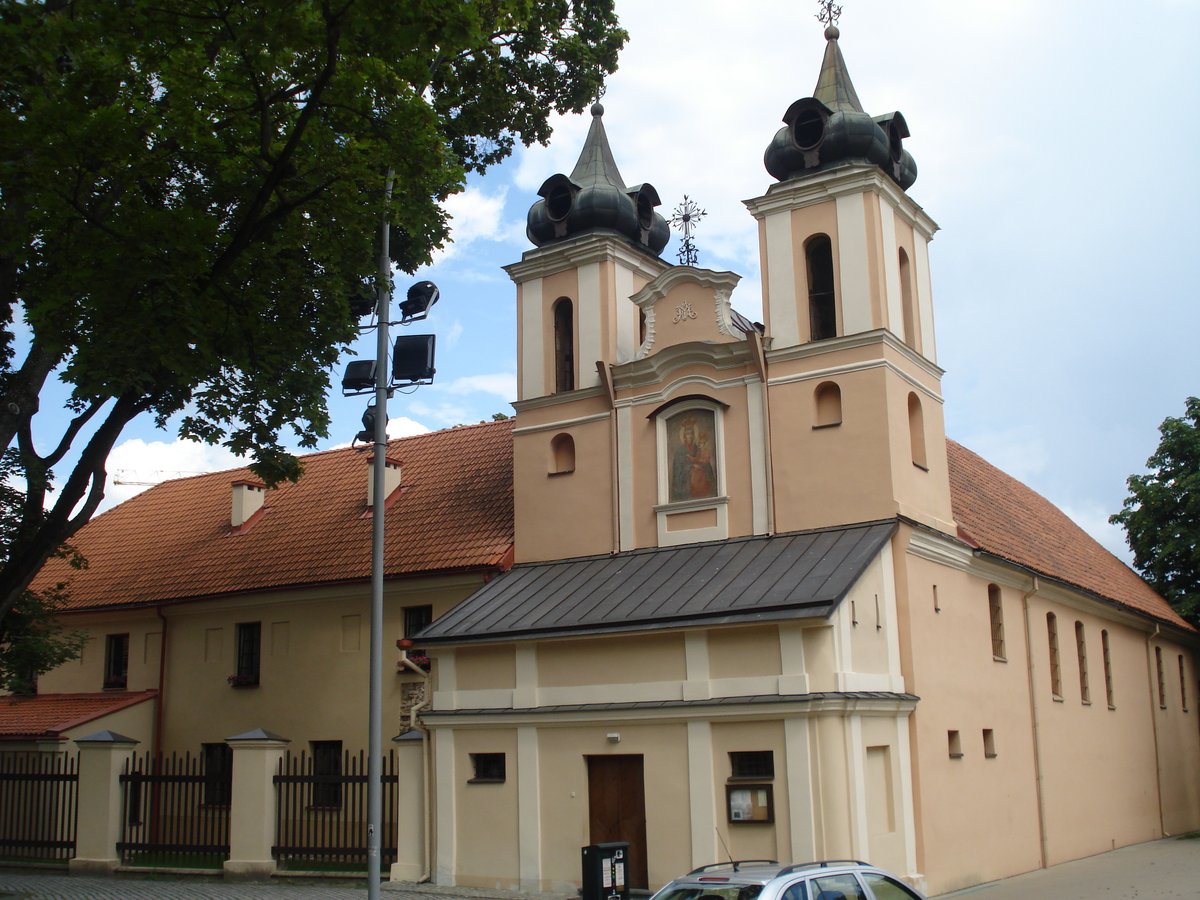
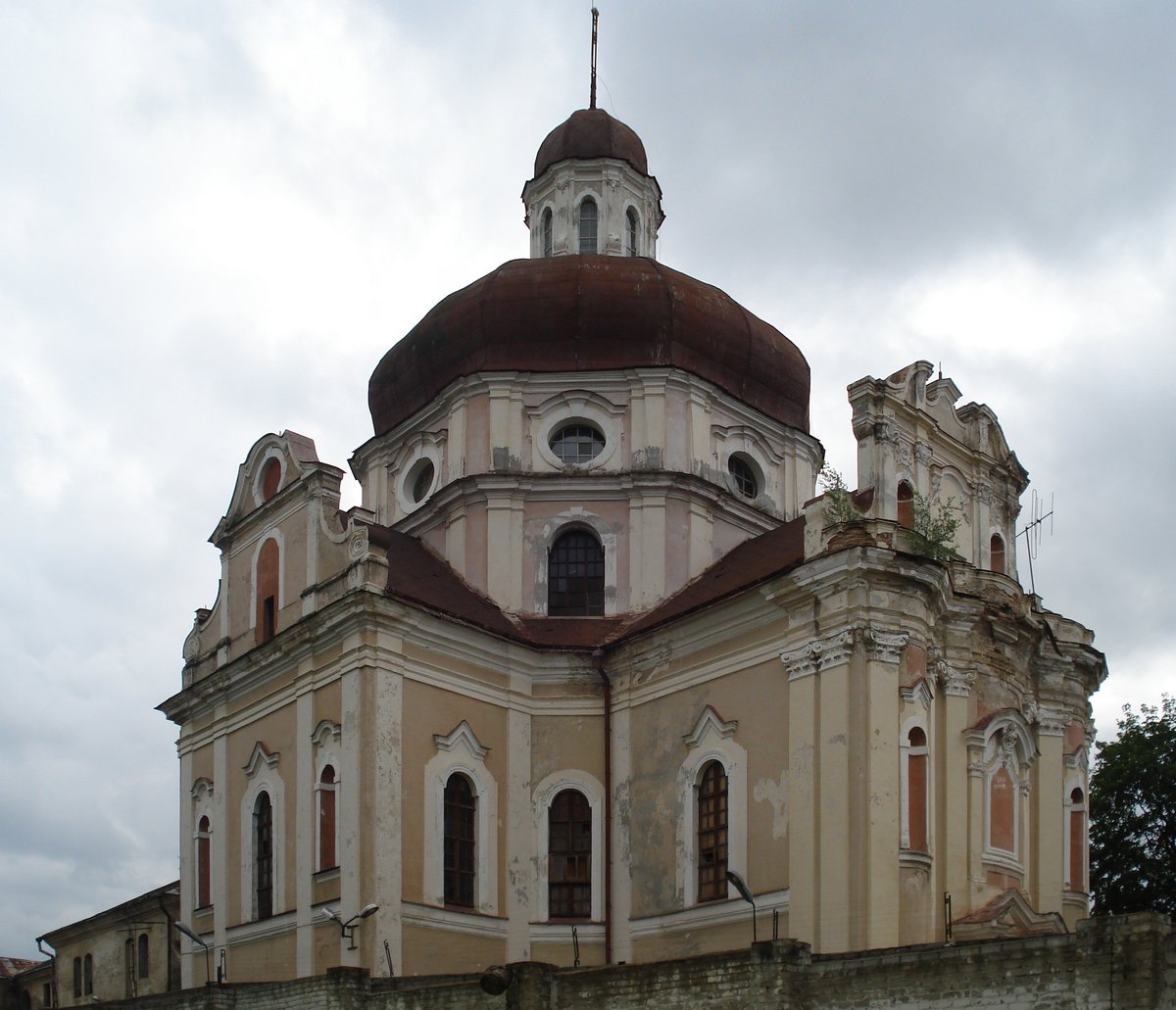
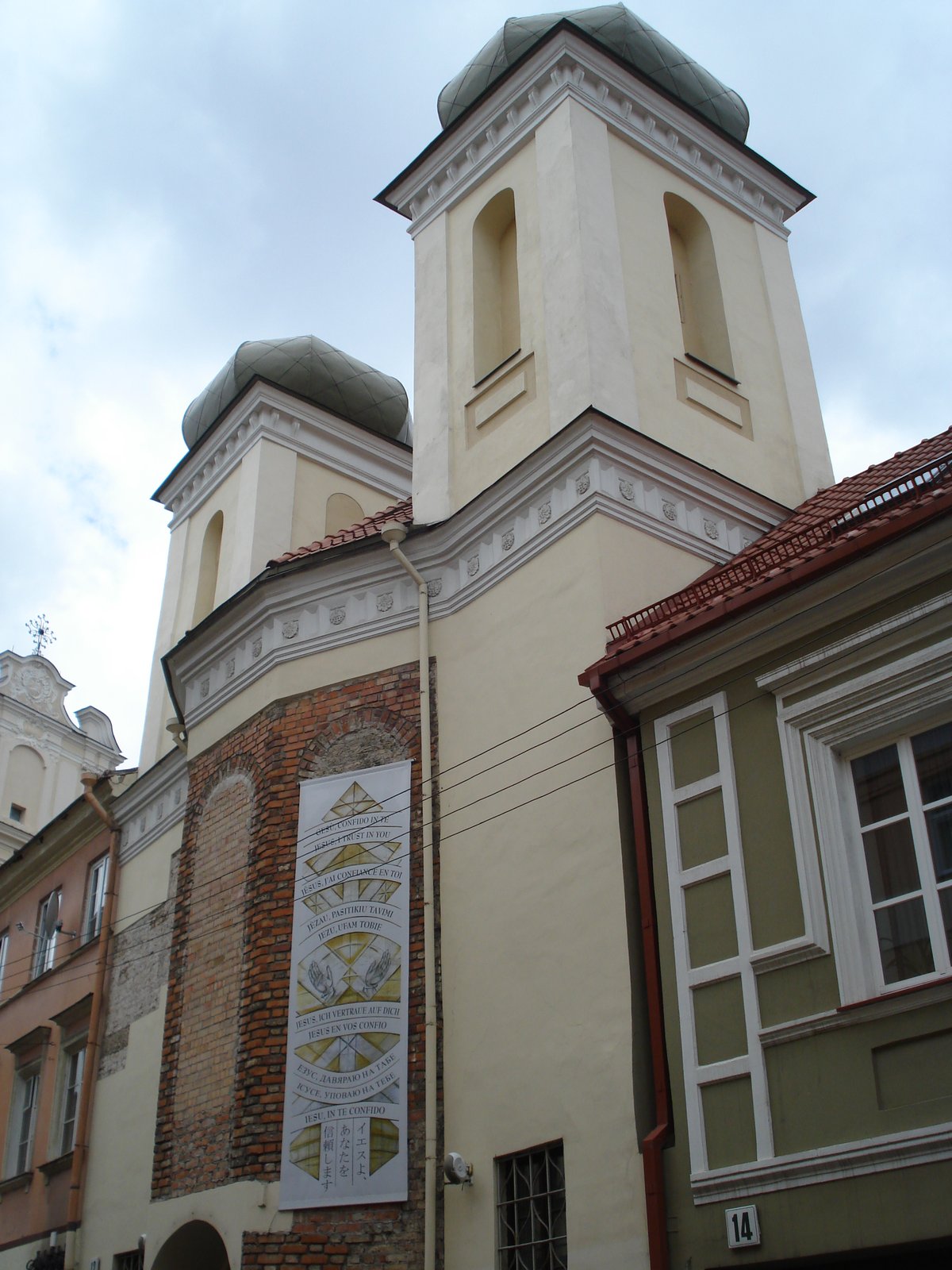
Exterior view of Church of Saint Joseph showcasing its historical architectural design

Exterior view of St. Juozapas church in Vilnius showcasing its classic architecture under a clear blue sky

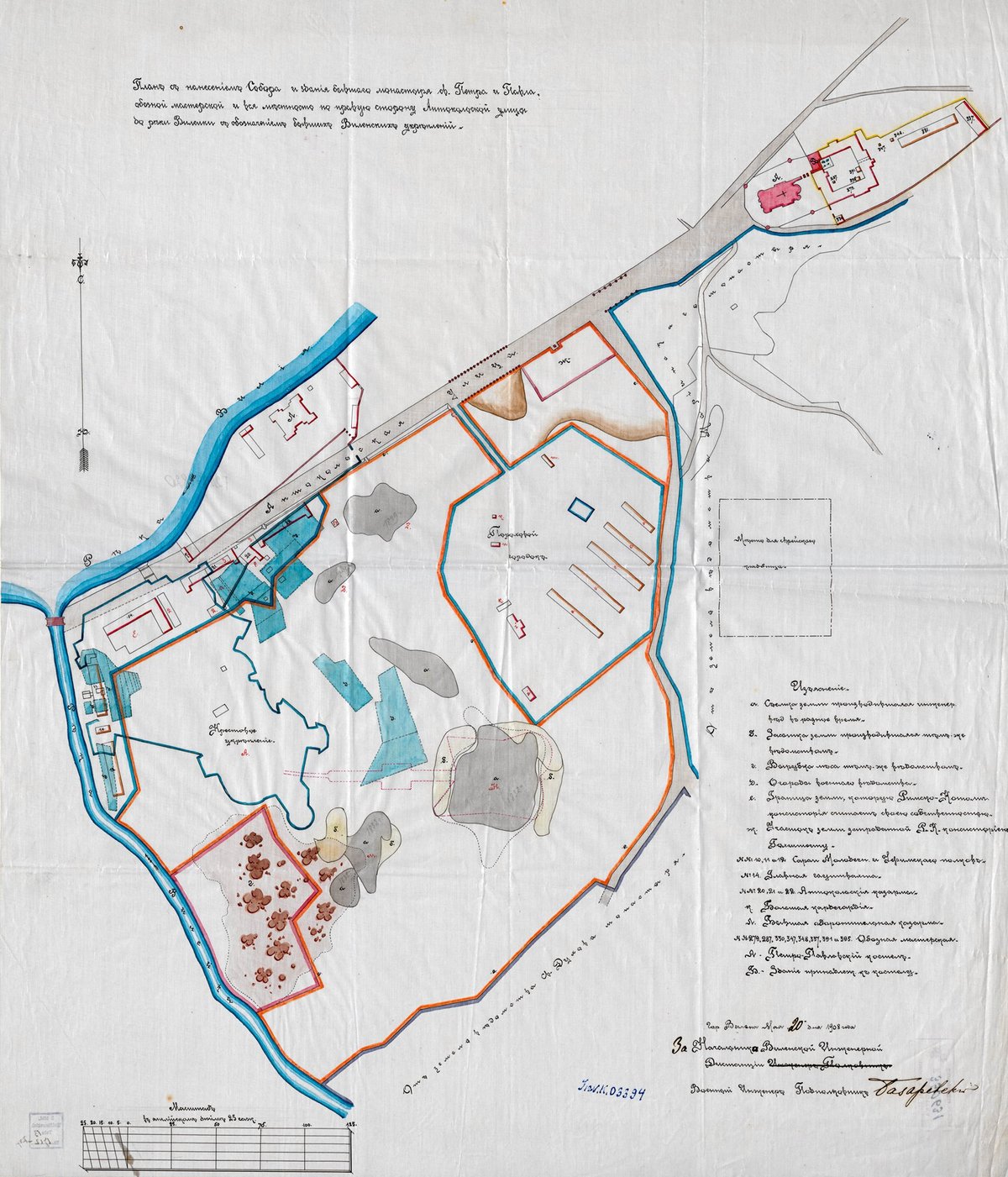
Historical image of St. Joseph the Betrothed Church in Vilnius taken before its demolition in 1877 by tsarist authorities as part of Russification policies.

Photograph showing the demolition of St. Joseph the Betrothed Church in Vilnius by tsarist authorities in 1877 as part of Russification policies enforcement.

Historic image from 1877 showing Konskaja Street in Vilnia with view of St. Joseph Church adjacent to the Carmelite Monastery

Historic street Konskaja in Vilnia showing the Church of St. Joseph at the Carmelite Monastery, painted by J. Čachovič (1870-76)

A historic 19th-century view of Vilnia's Konskaja Street showcasing the Church of St. Joseph at the Carmelites monastery, painted by J. Čachovič between 1870-76 and 1905.

Historic 1876-77 illustration of Konskaja street in Vilnia featuring the Saint Joseph Church at the Carmelite monastery, depicting 19th century architecture and urban scenery.

Historical image of Konskaja street in Vilnia featuring the Church of St. Joseph at the Carmelite Monastery, captured in 1875.

Historic view of Konskaja street in Vilnia featuring the Church of Saint Joseph as depicted in 1877 by S. Kalinoŭski
Foundation and Role in the Community
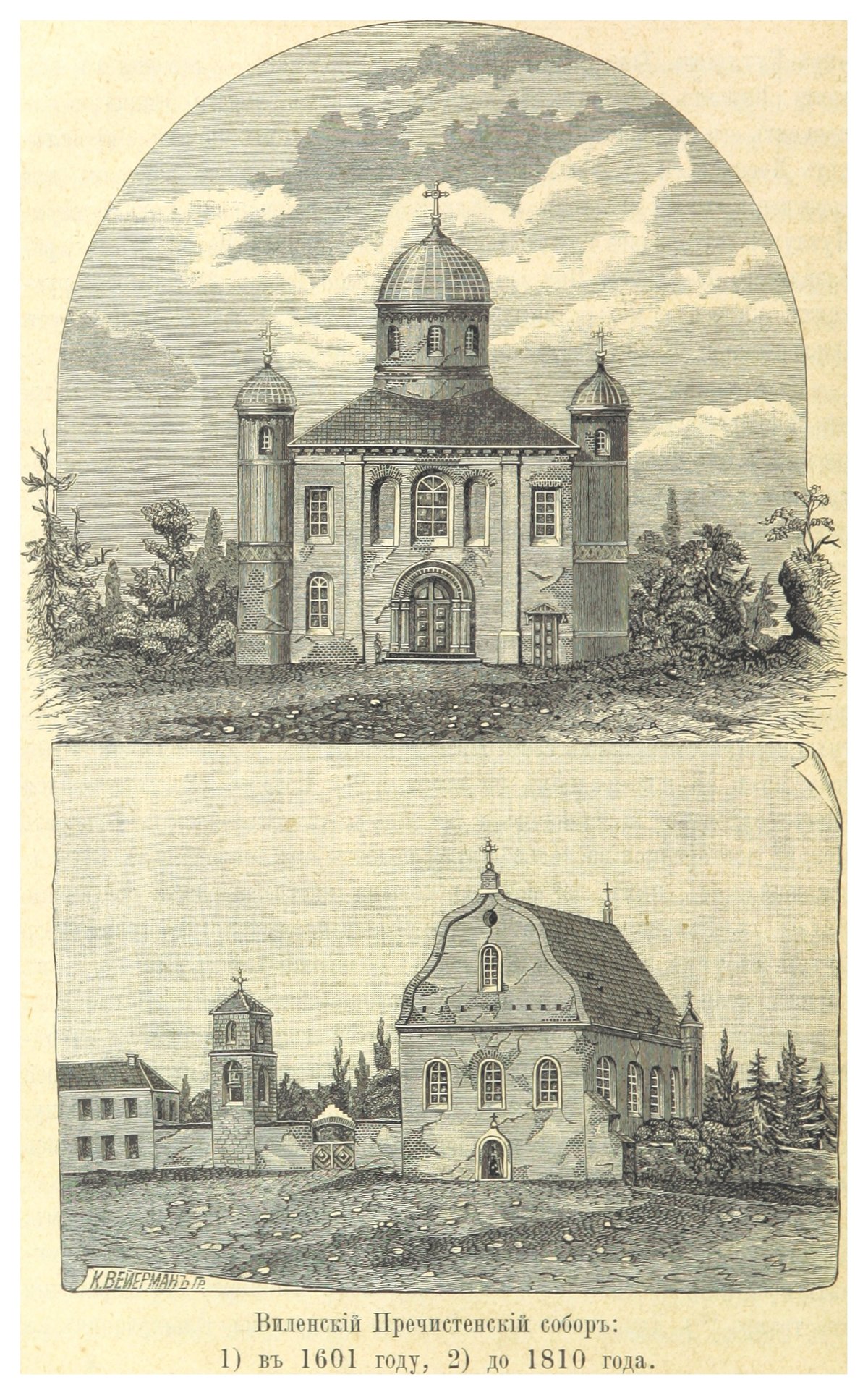
The Church of St. Joseph the Betrothed was established in 1638 by the Carmelite Order during a period of Catholic revival in the Grand Duchy of Lithuania. Located on Arklių Street, the church was commissioned by Stefan Pac, vice-chancellor of the Grand Duchy, and entrusted to the care of the Carmelites. It quickly became an important center for worship, education, and charitable outreach in Vilnius, serving as a spiritual anchor for the city’s Catholic community—a role that extended far beyond its primary function as a place of prayer and ceremony (wikiland.org).
Demolition and Russification
The church’s fate was sealed in the 19th century, following the January Uprising (1863-1864) and the subsequent crackdown on Catholic institutions by the Russian Empire. In 1877, as part of a broader Russification campaign, the church was demolished by order of the Tsarist authorities. Its destruction not only erased a Baroque architectural gem but also symbolized the suppression of local religious and cultural identity. The site eventually became a market square, with no physical traces or commemorative markers of the church remaining (wikiland.org).
Architectural Features and Influences
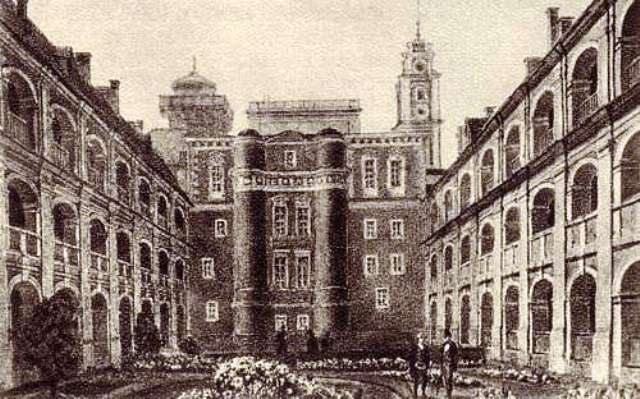
Though no detailed records survive, the Church of St. Joseph the Betrothed is remembered as a quintessential example of Vilnius Baroque architecture. Its ornate façade, likely adorned with decorative pilasters and sculpted portals, and a grand vaulted interior, would have harmonized with the city’s reputation as the “City of Churches.” The church’s artistic elements included imported altarpieces and possibly polychrome frescoes, reflecting both local craftsmanship and broader European influences.
The church’s presence also echoed Vilnius’s religious diversity, integrating subtle Eastern Christian influences into predominantly Catholic forms—a testament to the city’s multicultural heritage.
Visiting the Site Today
Hours, Tickets, and Guided Tours
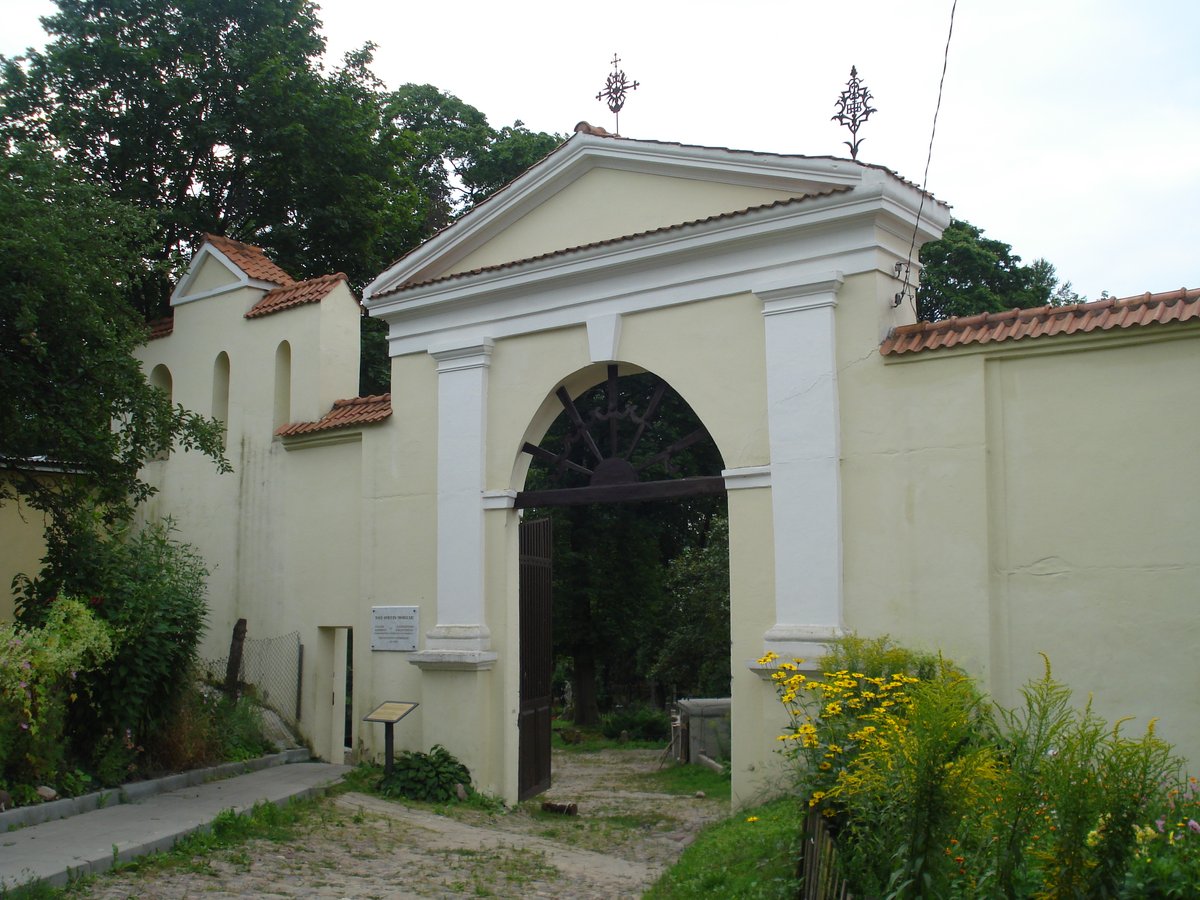
The original church no longer stands, and its former location on Arklių Street is now an open square within Vilnius Old Town. There are no entrance fees or specific visiting hours, as the site is freely accessible to all. However, visitors can enrich their understanding by joining guided walking tours that focus on Vilnius’s lost and surviving churches. These tours are widely available through local operators and tourism websites (True Lithuania, govilnius.lt).
Accessibility and Nearby Attractions
The square is easily reached on foot or by public transport. While there are no commemorative plaques at the site, nearby religious landmarks offer a tangible connection to Vilnius’s ecclesiastical heritage:
- St. Peter and St. Paul’s Church: A Baroque masterpiece open daily (St. Peter and St. Paul’s Church Information)
- St. Casimir’s Church: Early Baroque church with beautiful interiors
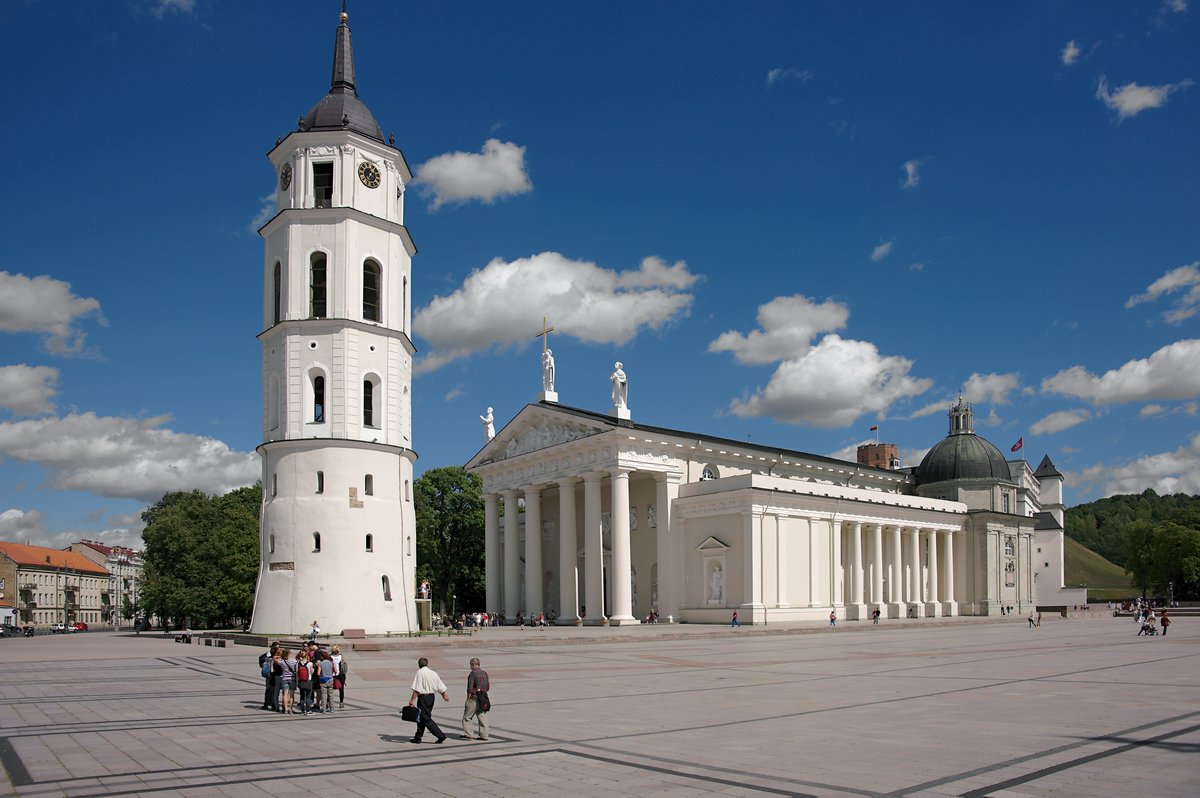
- Vilnius Cathedral and Cathedral Square: The city’s principal Catholic church
- Gate of Dawn: Pilgrimage site housing a revered icon
- Vilnius University and Church of St. Johns: Historic academic and religious complex
Vilnius Old Town itself is a walkable, pedestrian-friendly environment, though visitors should be prepared for cobblestone streets.
Practical Tips for Visitors
- Orientation: Use digital maps like Mapcarta or Google Maps to locate Arklių Street and the former church site.
- Walking Tours: Consider joining a guided tour for deeper historical context and access to archival visuals.
- Best Times to Visit: Summer (June–August) offers pleasant weather, but the Old Town is accessible year-round.
- Accessibility: While most of Old Town is accessible, some uneven surfaces may present challenges for visitors with mobility issues.
- Nearby Amenities: Cafés, restaurants, and shops are abundant in the vicinity.
Frequently Asked Questions (FAQ)
Q: Can I visit the Church of St. Joseph the Betrothed today?
A: The church was demolished in 1877 and no longer exists. The site is now an open public square.
Q: Are there any tickets or entrance fees?
A: No, the square is open to the public and free to access.
Q: What are the must-see nearby religious sites?
A: St. Peter and St. Paul’s Church, St. Casimir’s Church, Vilnius Cathedral, and the Gate of Dawn.
Q: Are guided tours available?
A: Yes, several local tour operators offer themed walks focused on Vilnius’s religious heritage and lost churches.
Q: Is the area accessible for people with disabilities?
A: The Old Town is generally pedestrian-friendly, though cobblestones may pose challenges in certain areas.
Listen to the full story in the app
Your Personal Curator, in Your Pocket.
Audio guides for 1,100+ cities across 96 countries. History, stories, and local insight — offline ready.
Audiala App
Available on iOS & Android
Join 50k+ Curators
Sources
-
verified
Church of St
Joseph the Betrothed in Vilnius: History, Architecture, and Visitor Guide, 2025
-
verified
Church of St
Joseph the Betrothed Vilnius: History, Demolition, and Visiting Vilnius Historical Sites, 2025
-
verified
Visiting the Site of the Former Church of St
Joseph the Betrothed in Vilnius: History and Practical Tips, 2025
-
verified
Church of St
Joseph the Betrothed Vilnius: History, Visiting Tips & Nearby Attractions, 2025
- verified
Last reviewed: