Plan and listen to Church Of St. Ignatius, Vilnius with Audiala.
Audio guide in your pocket, itinerary in your browser. Built for the way you actually visit.
Introduction
Nestled in the UNESCO-listed Old Town of Vilnius, the Church of St. Ignatius (Šv. Ignoto bažnyčia) is a testament to Lithuania’s religious, cultural, and architectural heritage. Built by the Jesuit order in the early 17th century, this Baroque monument has endured through fires, wars, and political upheavals to become the cathedral of the Lithuanian Military Ordinariate. With its rich artistic interior, including Simonas Čechavičius’s 1757 altar painting and unique polychrome decorations, the church serves as a vibrant place of worship and a site of historical and national significance. This guide provides essential information on visiting hours, ticket policies, accessibility, guided tours, and nearby attractions, ensuring a rewarding visit for history enthusiasts, architecture lovers, and spiritual travelers alike. For in-depth details, visit cityofmercy.lt and the Vilnius Tourism official site.

Jesuit Foundations and Early Baroque Splendor
The Jesuits arrived in Vilnius in 1569, establishing a novitiate and service buildings that laid the groundwork for their educational and religious mission (cityofmercy.lt). By 1602, their influence had grown, and construction of the Church of St. Ignatius began in 1622. Consecrated in 1647, the church featured a classic Baroque basilica layout, with a dome and two steeples, richly adorned with frescoes and polychrome artwork (wikipedia.org).
Fires, Reconstruction, and Artistic Flourishing
The 18th century was marked by devastation and renewal. Fires in 1737 and 1748 severely damaged the church, prompting an ambitious restoration led by architect Tomas Zebrauskas. The project embraced the late Baroque style and enhanced the church’s artistic heritage, most notably with Simonas Čechavičius’s 1757 main altar painting, depicting St. Ignatius’s vision en route to Rome (cityofmercy.lt).
20th Century Transformations and Soviet Suppression
Following World War I and Lithuanian independence, the church was restored to serve military personnel, with Blessed Michael Sopocko overseeing a 1929 renovation that added polychrome oriental artwork. However, during the Soviet era, the church was secularized—used as a cinema, warehouse, and later for governmental offices (cityofmercy.lt).
Restoration and Modern Role
After Lithuania regained independence, the church was restored and, in 2004, became the cathedral of the Military Ordinariate. The restored structure symbolizes both spiritual resilience and national identity (wikipedia.org).
Baroque Architecture and Artistic Highlights
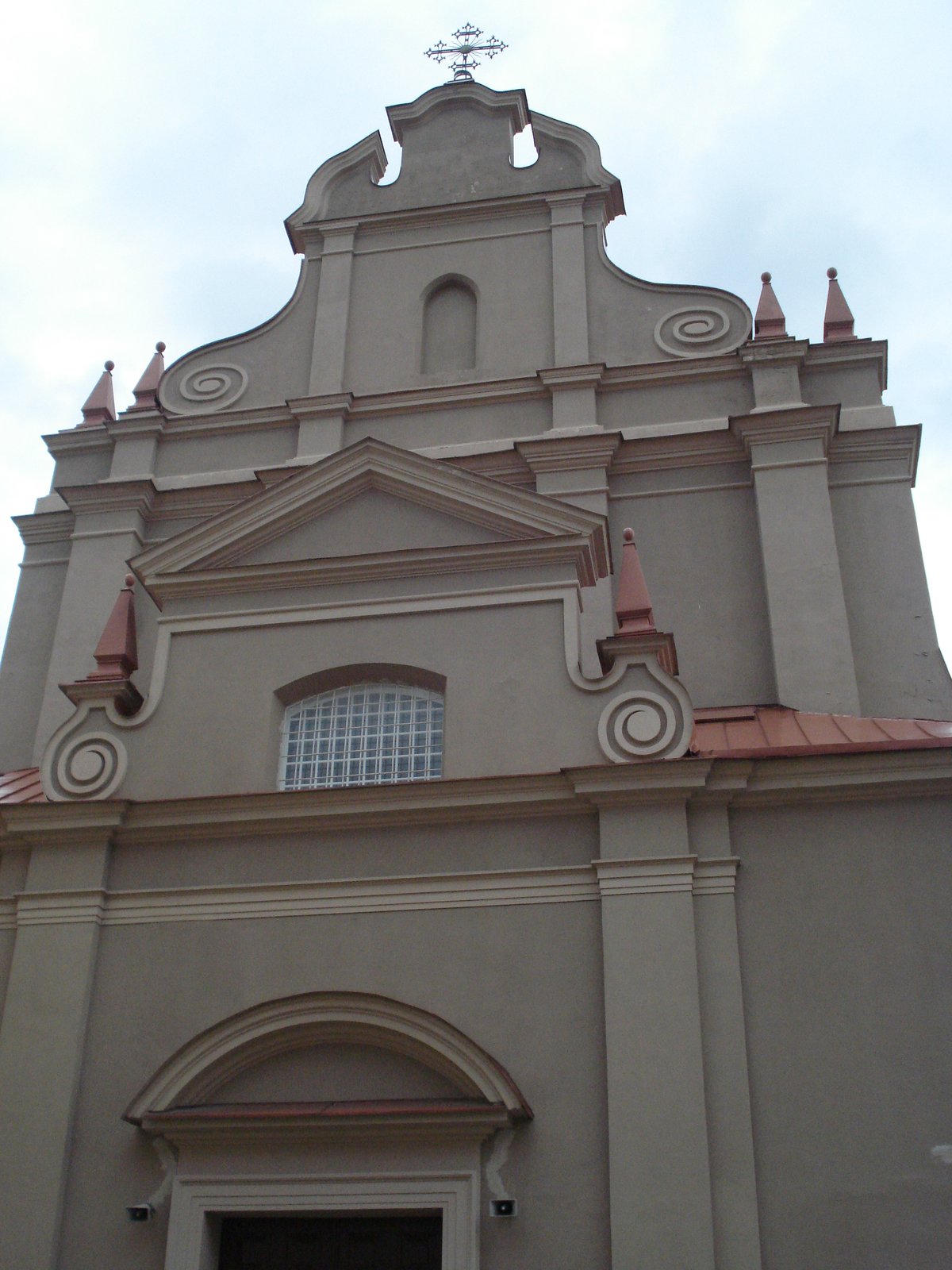
The Church of St. Ignatius exemplifies Lithuanian Baroque, with its harmonious façade, ornate pilasters, and dynamic forms (Vilnius Tourism). Inside, a single-nave layout with side chapels accommodates large congregations, and the high altar, with gilded woodwork and Solomonic columns, commands attention. The frescoes, restored in the 21st century, depict scenes from St. Ignatius’s life and allegorical virtues, while the pulpit showcases the Jesuit focus on preaching.
The adjacent bell tower, added in the mid-18th century, features Baroque detailing and a distinctive dome. The entire complex once included a Jesuit college, parts of which now serve cultural and community purposes.
Cultural and Religious Significance
Jesuit Legacy and Community Role
The church remains a symbol of Jesuit educational and missionary work in Lithuania, exemplified by its connection to Vilnius University and its role as a center for Jesuit formation (cityofmercy.lt). Its dedication to St. Ignatius Loyola underscores a tradition of spiritual discipline, education, and community engagement.
Military and National Identity
Since 2004, the church has been the cathedral of the Lithuanian Military Ordinariate, serving as a spiritual home for military personnel and their families. It hosts religious services, commemorations, and national ceremonies, bridging Lithuanian religious traditions with modern national identity (wikipedia.org).
Resilience Through History
The church’s survival through fires, wars, and secularization epitomizes the resilience of Vilnius’s Catholic community, making it a symbol of perseverance and faith (Encyclopedia of Lithuania).
Visitor Information
Visiting Hours
- Standard Hours: Tuesday to Sunday, 10:00 AM to 6:00 PM (last admission at 5:45 PM). Closed Mondays and during public holidays.
- Special Events: Hours may change during religious holidays or special ceremonies; check the official website or local tourism offices for updates.
Tickets and Admission
- Entry: Free of charge; donations are welcome for restoration efforts.
- Tours: Guided tours in multiple languages are available for a fee—bookable online or at the church entrance.
Accessibility
- Mobility: Wheelchair ramps and accessible restrooms are available. Some historic areas may remain challenging due to architecture.
- Assistance: Available on request (Vilnius Tourism Accessibility).
Dress Code and Etiquette
- Dress modestly, covering shoulders and knees.
- Remain quiet; silence is appreciated during services.
- Photography is allowed except during services; avoid using flash.
Guided Tours and Audio Guides
- Book in advance, especially during peak seasons.
- Consider using the Audiala app for audio-guided tours and historical insights.
Nearby Attractions
The church is within walking distance of:
- Vilnius University: Historic campus with impressive courtyards.
- Gates of Dawn: Iconic city gate and pilgrimage site.
- Presidential Palace: Official residence with guided tours.
- St. Anne’s Church: Renowned Gothic architecture.
- Museum of Illusions: Interactive exhibits for families.
Enjoy local cafes, restaurants, and shops throughout the Old Town (Go Vilnius).
Special Events and Masses
- Mass schedules and event updates are posted at the entrance and online.
- The church hosts concerts featuring its restored 18th-century pipe organ.
Frequently Asked Questions (FAQ)
Q: What are the Church of St. Ignatius visiting hours?
A: Typically Tuesday–Sunday, 10:00 AM–6:00 PM; closed Mondays. Check for changes during holidays.
Q: Is there an entrance fee or are tickets required?
A: Entry is free; donations are appreciated. Guided tours may require a ticket.
Q: Is the church accessible for visitors with disabilities?
A: Yes, ramps and accessible restrooms are available, but some historic areas may pose challenges.
Q: Are guided tours available?
A: Yes, in multiple languages. Book in advance or at the entrance.
Q: Can I take photographs inside?
A: Yes, outside of services and without flash.
Q: What other historical sites are nearby?
A: Vilnius University, Gates of Dawn, St. Anne’s Church, Presidential Palace.
Practical Travel Tips
- Currency: Euros (€); cards widely accepted.
- Language: Lithuanian is official; English spoken in tourist areas.
- Safety: Vilnius is safe, but remain vigilant against petty theft.
- Transport: Old Town is walkable; buses and taxis are affordable.
Enhance Your Experience
- Best time to visit: May–September for mild weather and longer daylight.
- Dress warmly in winter; services may limit sightseeing during holidays.
- Combine your visit with walking tours of Vilnius’s historic churches and Old Town.
For more about Vilnius’s religious and architectural heritage, see True Lithuania and Road Affair.
Visual Highlights
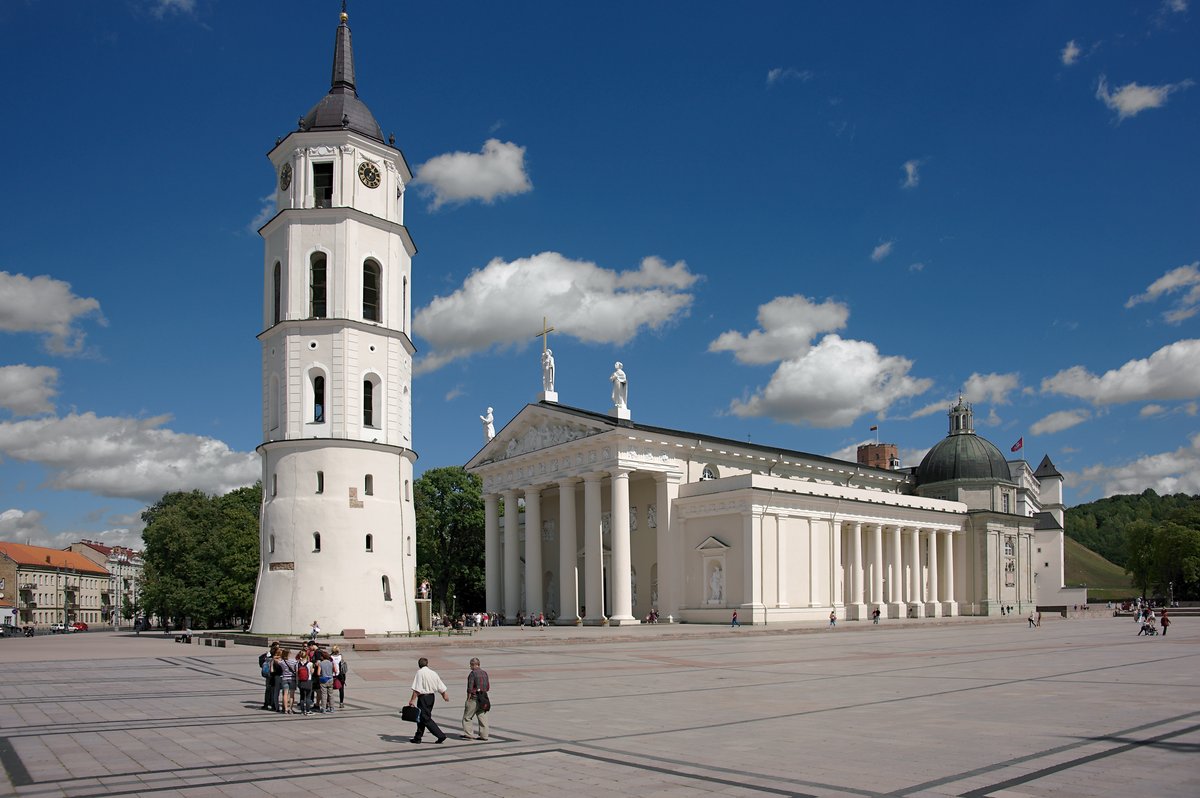
- Capture the Baroque façade, ceiling frescoes, and altar artworks.
- Sample photos:

Listen to the full story in the app
The whole Church Of St. Ignatius, Vilnius,
told well.
Listen to sourced travel stories with local history and practical context — ready offline.
Verified, and shown.
Researched and written by the Audiala editorial team from historical records, architectural archives, and local expertise.
Ignatius in Vilnius: Visiting Hours, History, and Cultural Insights, 2025, cityofmercy.lt
Ignatius in Vilnius: Hours, Tickets & Historical Highlights, 2025, Vilnius Tourism
Ignatius Church Vilnius: History, Tickets, and Travel Tips, 2025, gcatholic.org
Ignatius of Loyola in Vilnius, 2025, Go Vilnius
Built from cited sources · see the method · How we make our guides →