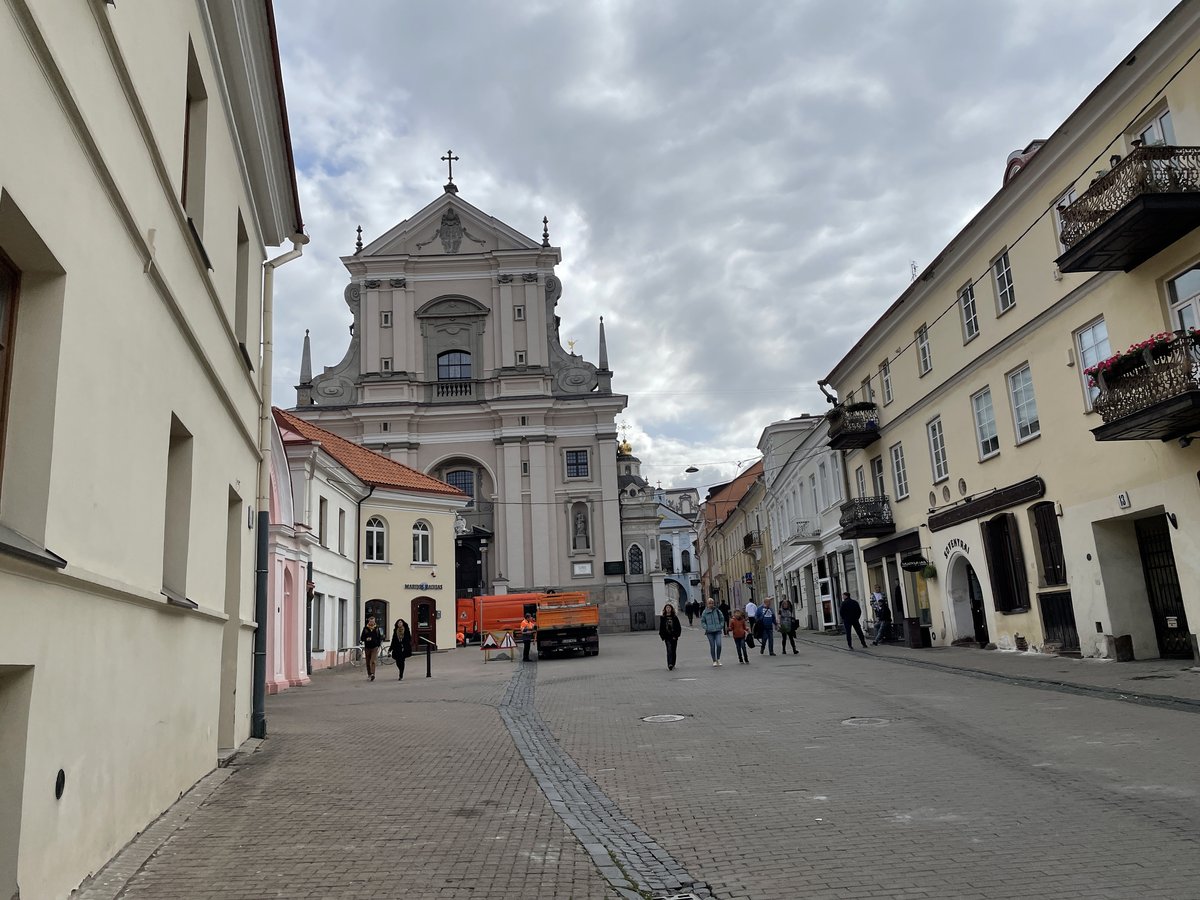
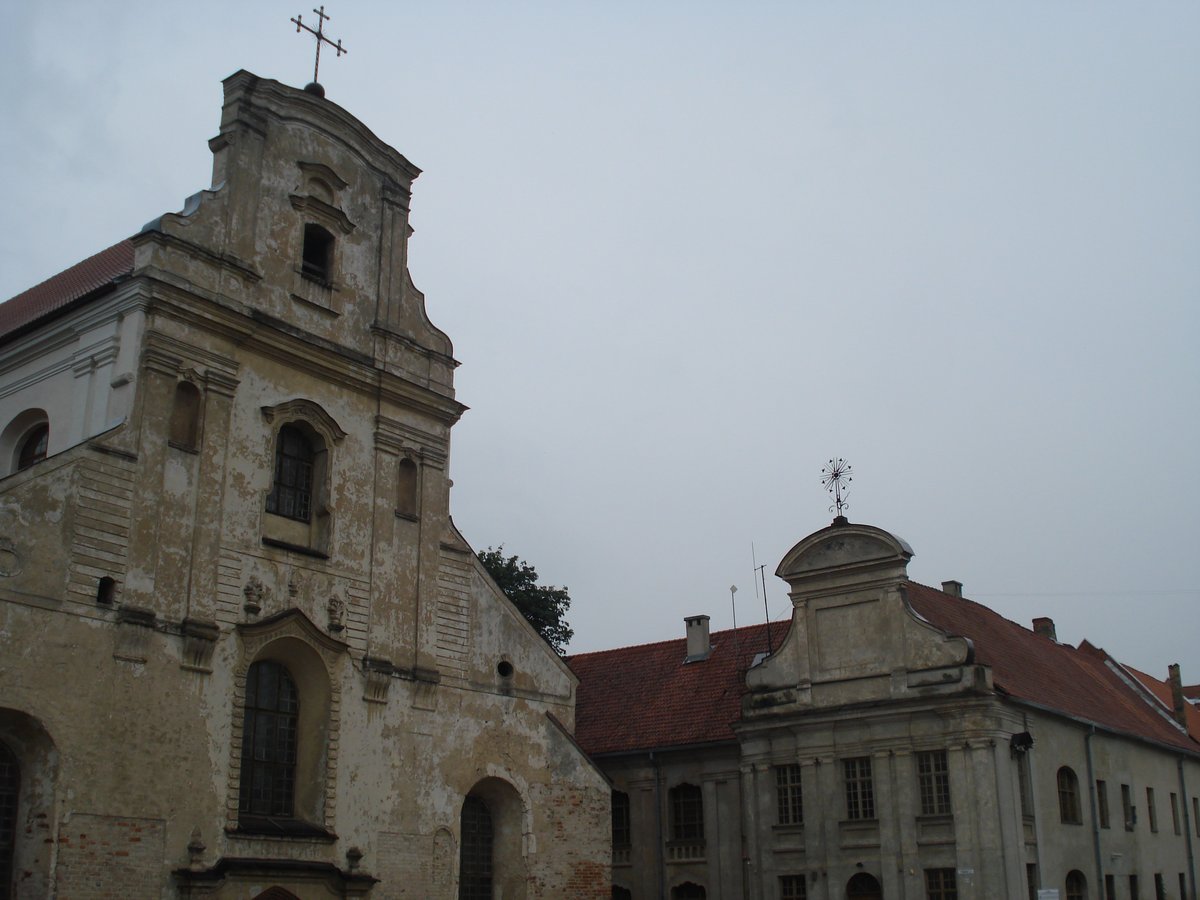
Introduction
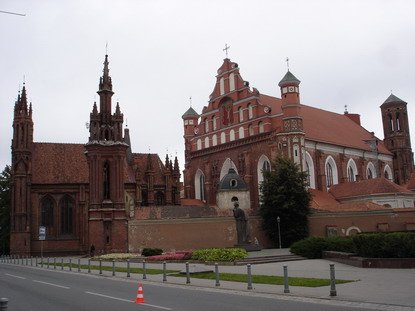
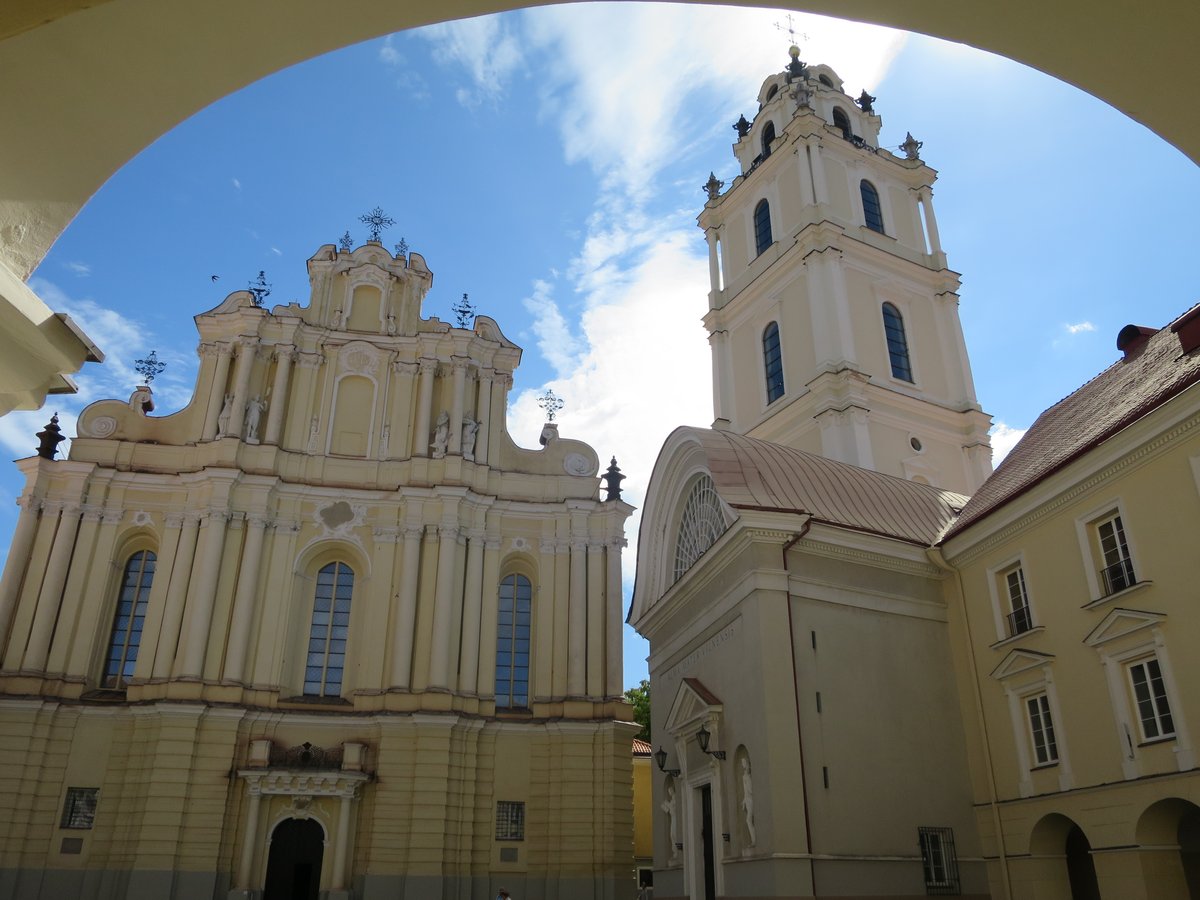
The Church of Saint Stephen (Šv. Stepono bažnyčia) is a hidden architectural and historical treasure in Vilnius, Lithuania. Located near the vibrant Naujamiestis district and just south of the Old Town’s historic core, this early 17th-century church reflects the city’s rich religious, cultural, and architectural heritage. With its origins rooted in the Counter-Reformation and Catholic consolidation, Saint Stephen's stands as a unique testament to the city's spiritual diversity and resilience. This guide provides everything you need to know for your visit—covering hours, ticketing, accessibility, historical context, and tips for making the most of your experience.
Photo Gallery
Explore Church of Saint Stephen in Vilnius in Pictures
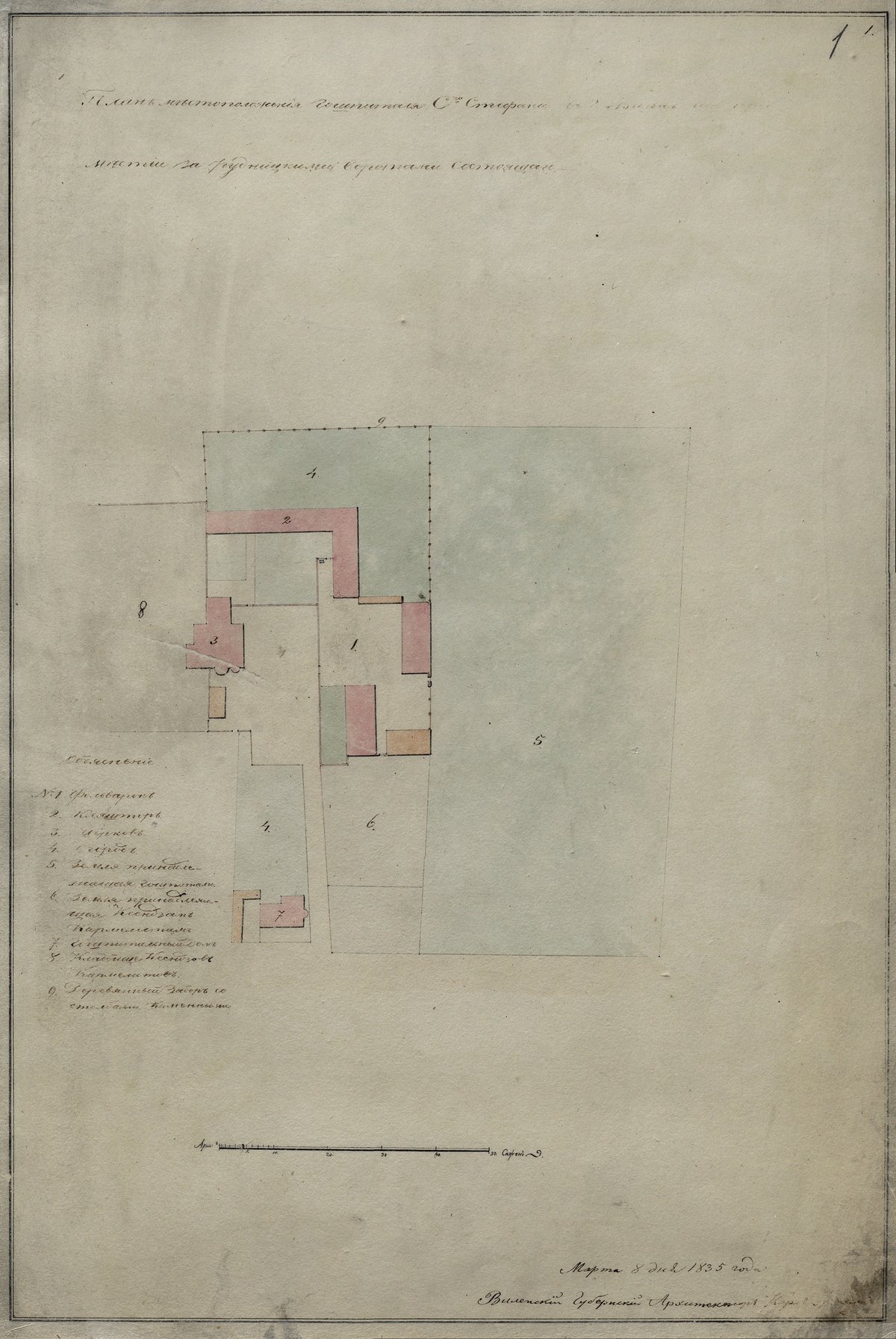
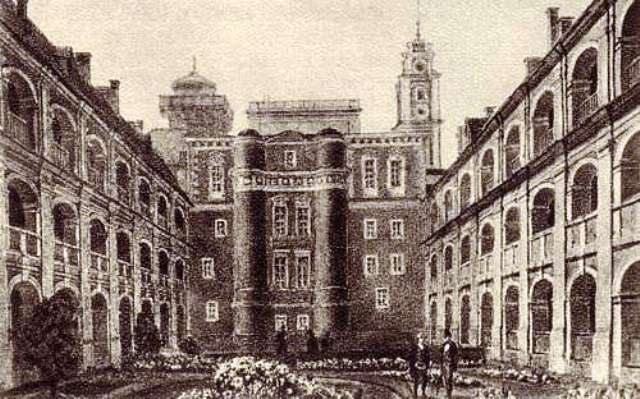
Historic 1835 image of Vilnia's Rudnickaje pradmiescie featuring St. Stephen Church and Marianite monastery.
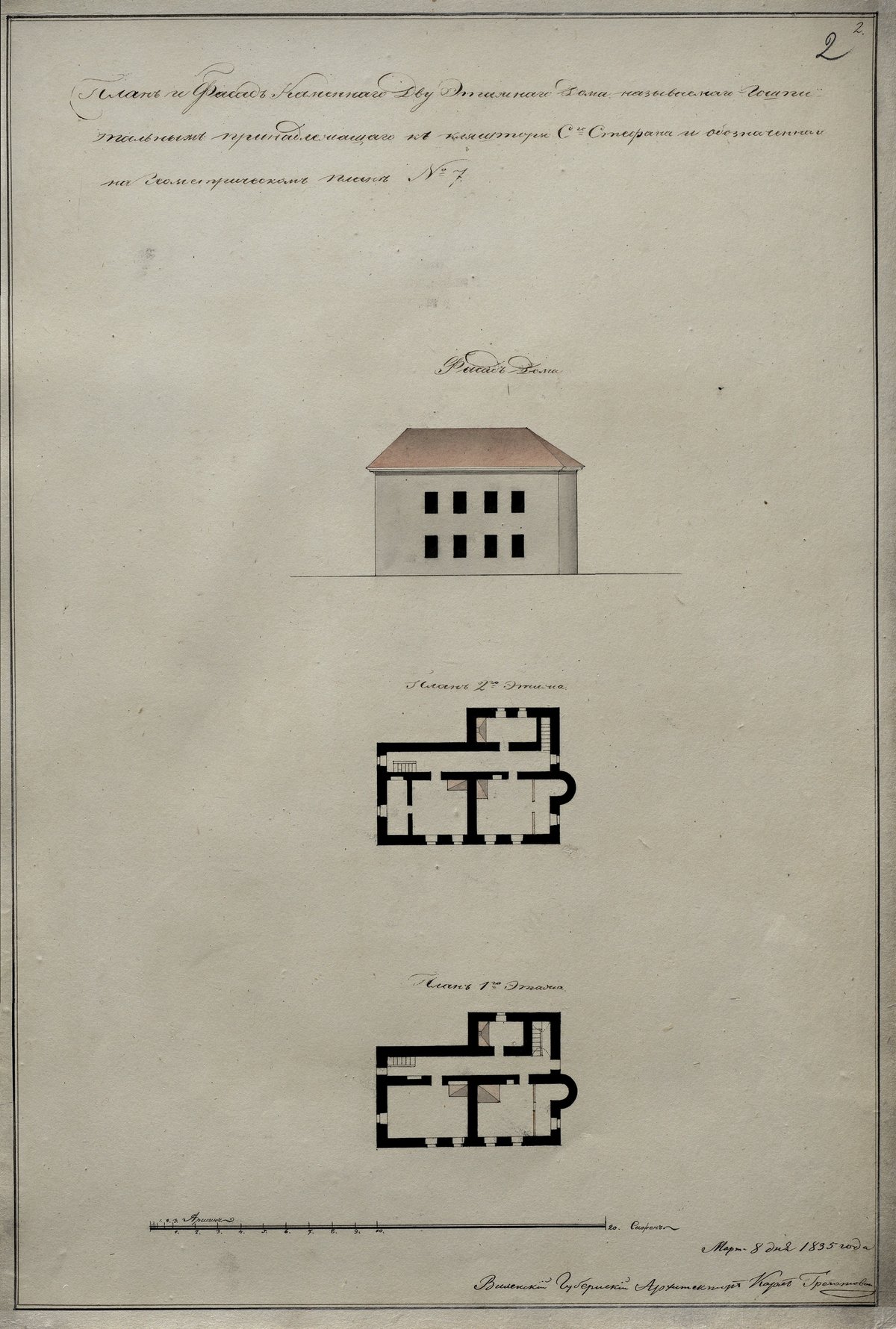
An 1835 historical image showing Vilnia's Rudnickaje Pradmiescie district featuring the Mariavite Monastery.
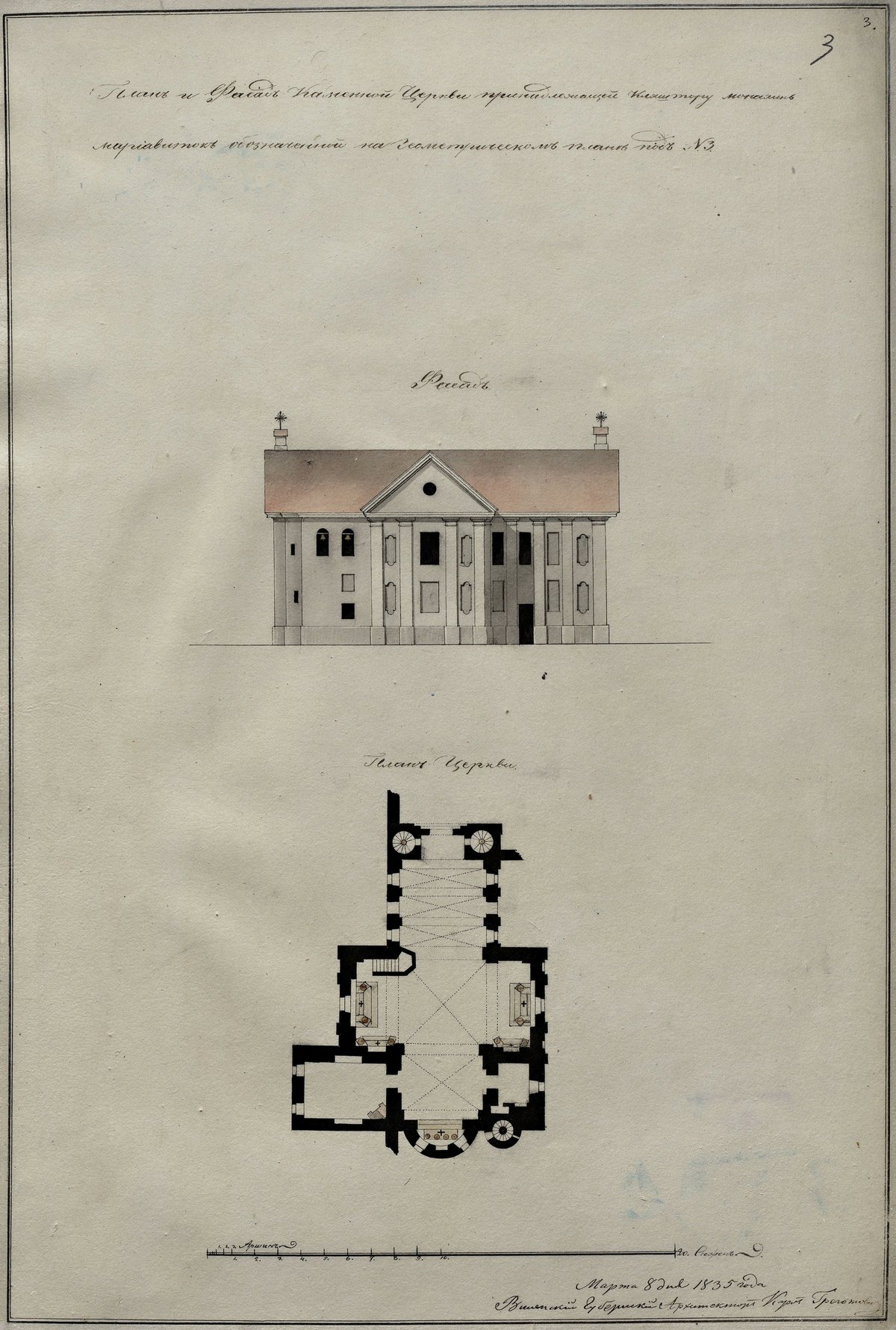
Historic image of Vilnia's Rudnickaje Suburb featuring the Church of St. Stephen at the Marianite Monastery captured in 1835, showcasing architectural heritage.
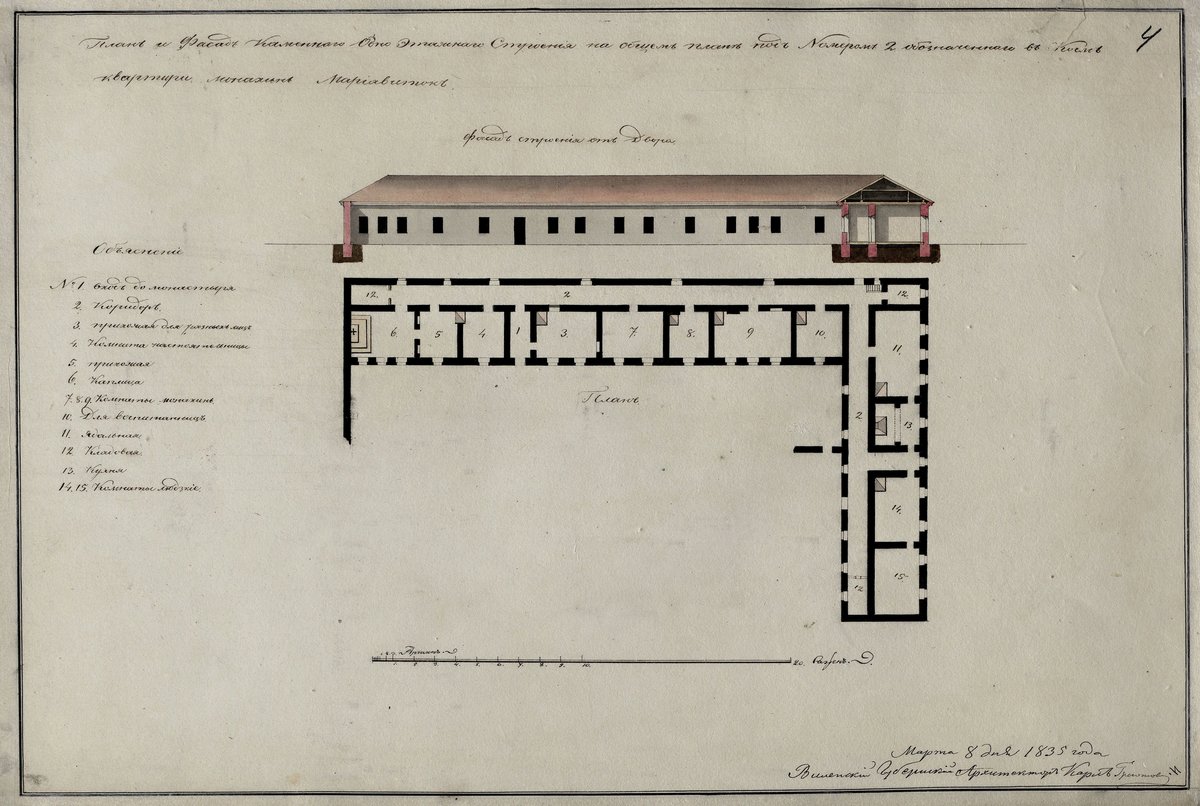
A historical image from 1835 showing Vilnia cityscape including Rudnickaje pradmiescie neighborhood and the Maryjavicki convent
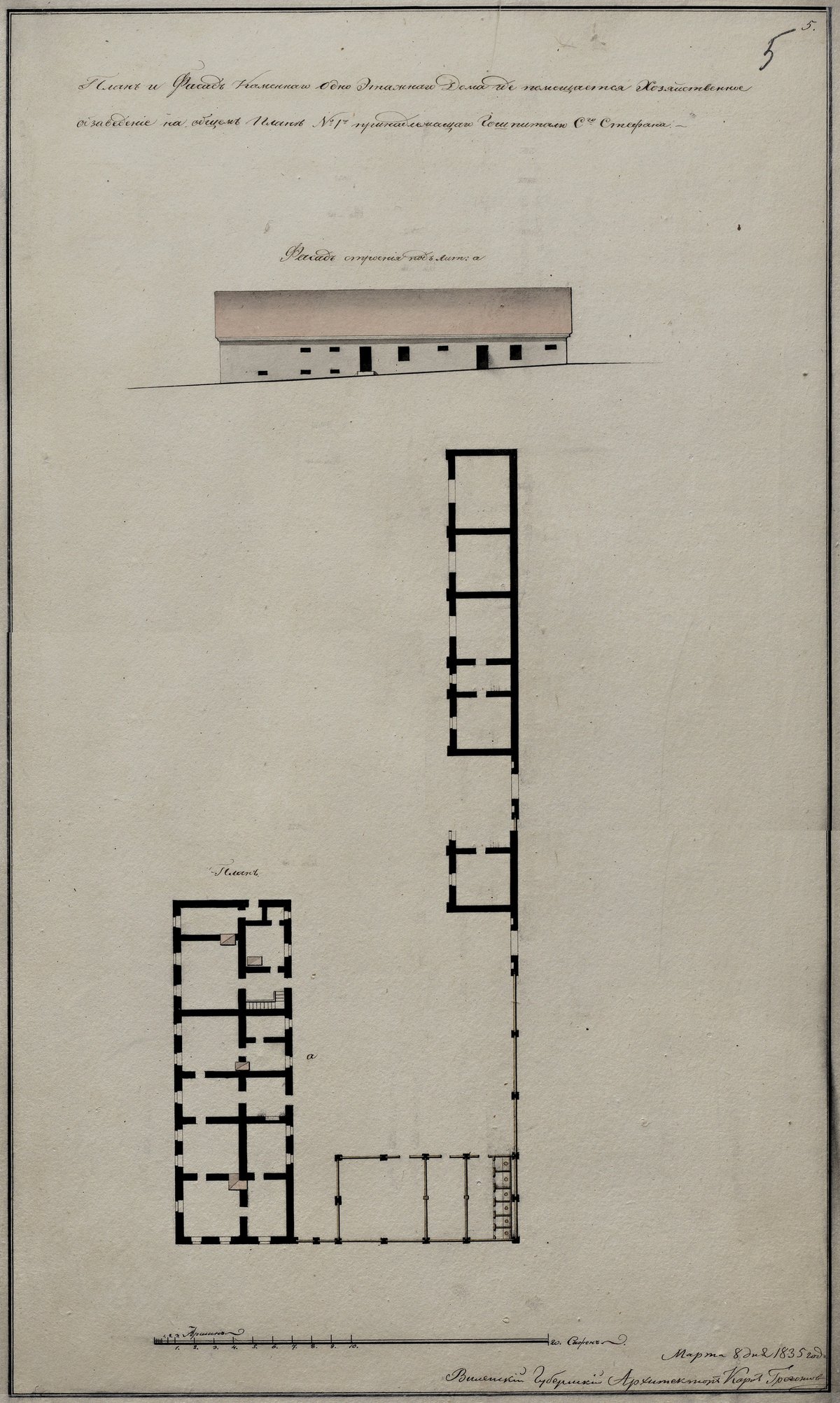
Historic image showing Vilnia's Rudnickaje pradmiescie with the Mariavite monastery in the year 1835.
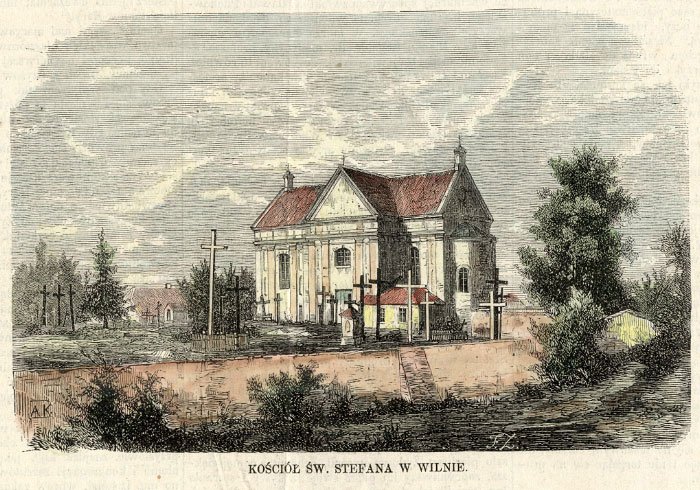
Vintage 1863 image showcasing Vilnia city, specifically the Rudnickaje district, highlighting the Church of Saint Stephen
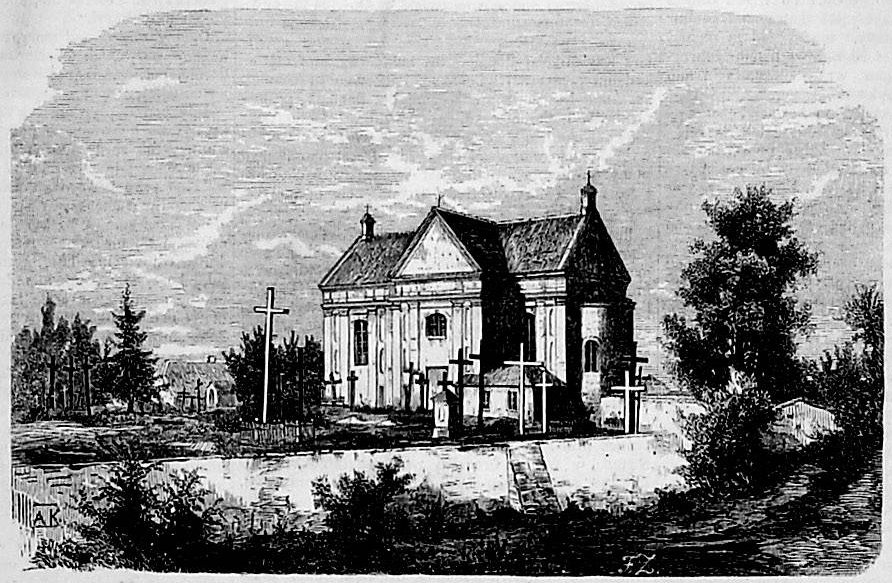
Black and white engraving from 1863 showcasing the Rudnickaje pradmiescie district of Vilnia with the prominent Church of Saint Stephen building in the center.
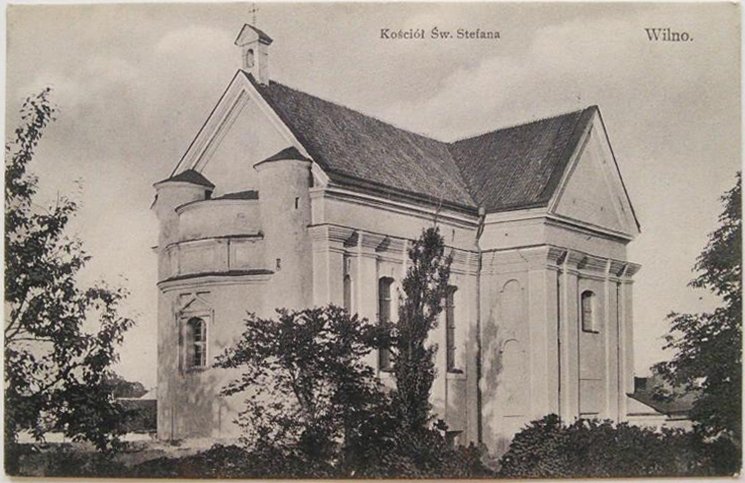
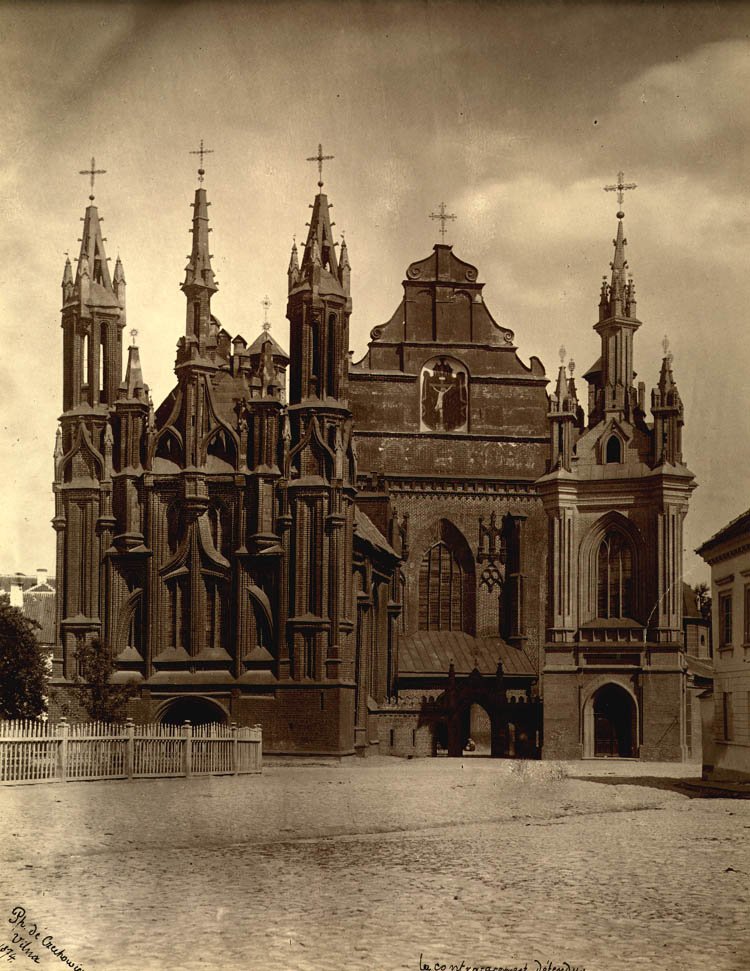
Photograph of the Church of St. Stephen at the Marianite Monastery located in the Rudnickaje District of Vilnia, captured between 1912 and 1914 by J. Bułhak.
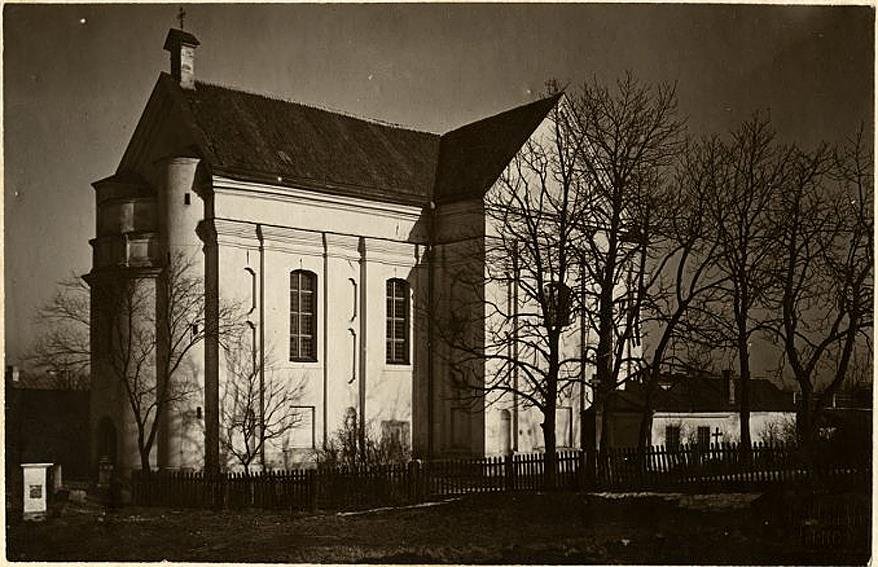
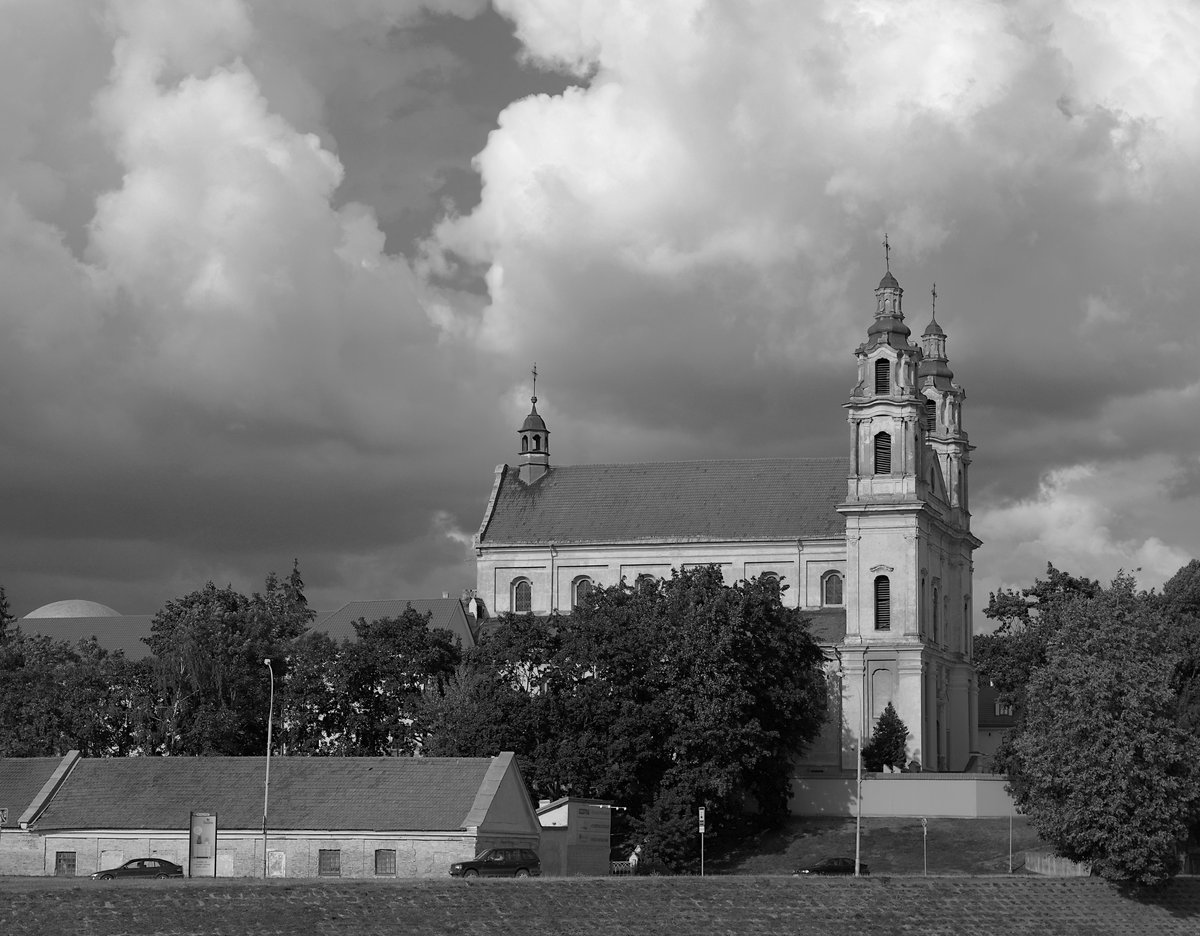
A historic black and white photograph showing Vilnia's Rudnickaje pradmiescie area featuring the Saint Stephen Church next to the Mariavite monastery captured by J. Bułhak in 1917.
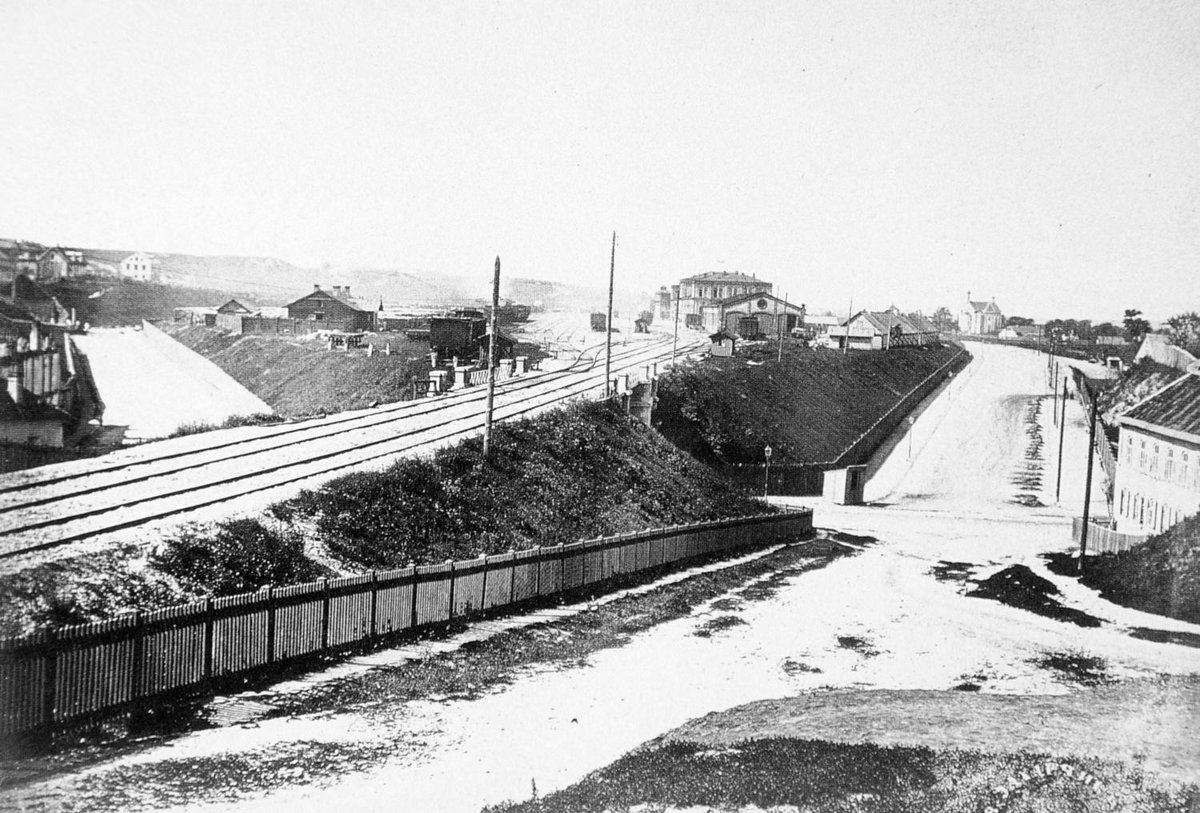
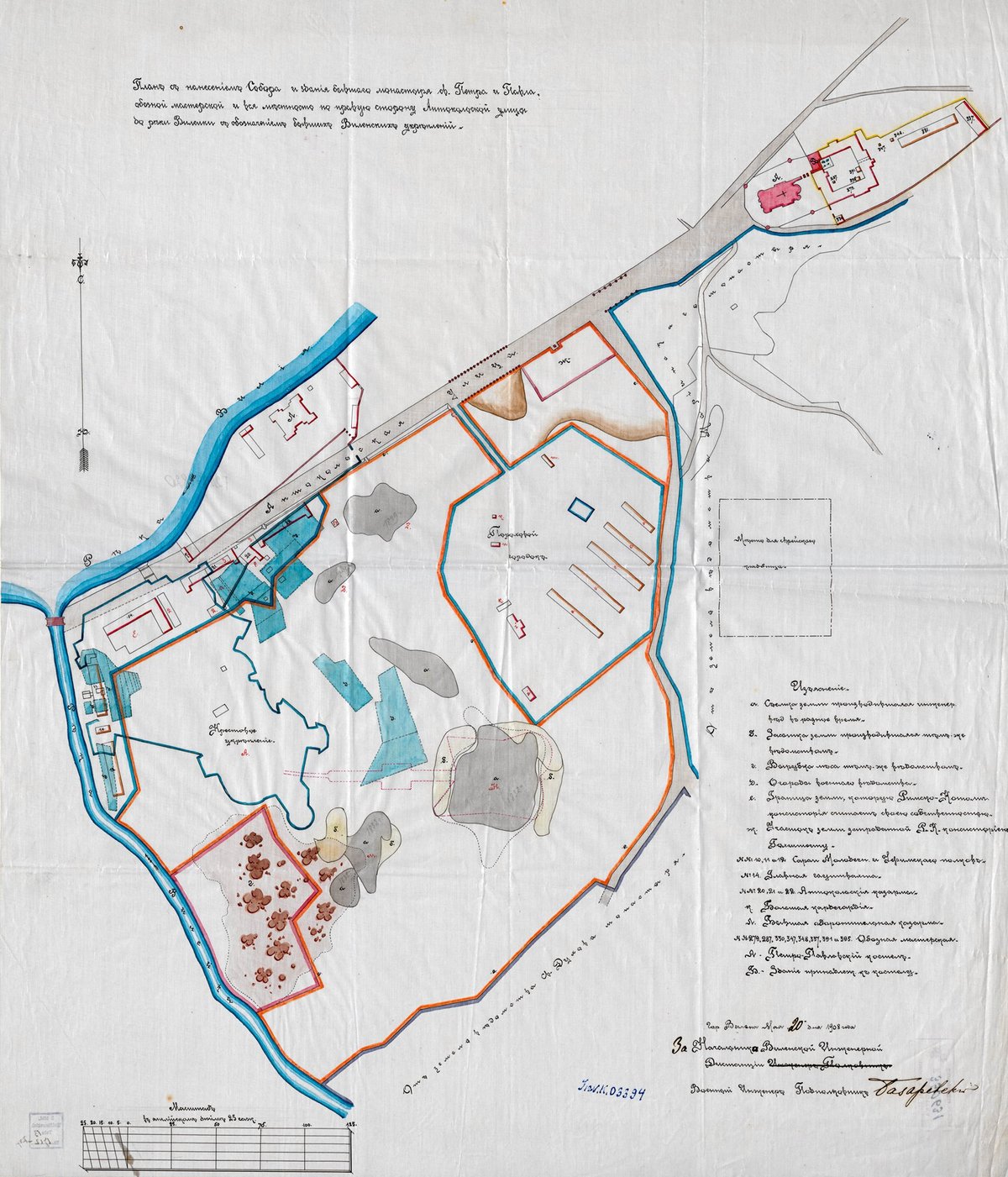
19th-century image of Vilnia's Rudnickaje Pradmiescie area featuring the railway and the St. Stephen church at the Mariavite monastery, captured by V. Zacharčyk from 1865-79
Visiting Hours, Tickets, and Accessibility
Opening Hours:
- Tuesday to Sunday, 10:00 AM – 5:00 PM
- Closed on Mondays and major public holidays
Tickets:
- Entry is free. Donations are welcome and support ongoing preservation efforts.
Accessibility:
- The main entrance features a ramp for wheelchair users and those with limited mobility, though some interior areas have uneven flooring due to the building’s historic nature.
- For special needs or guided group visits, contact local tourism offices in advance.
Guided Tours:
- Available by prior arrangement and during special events. Tours provide in-depth exploration of the church’s architecture, history, and restoration.
Event Access:
- The church is also open for concerts, exhibitions, and cultural events. Event-specific visiting hours may apply—check the official Vilnius tourism website or Go Vilnius for updates.
How to Get There
- Address: [Insert official address here], Vilnius, Lithuania
- By Foot: About a 15–20 minute walk from Vilnius Old Town and Užupis district.
- By Public Transport: Several bus and trolleybus lines stop within a 10-minute walk of the church.
- By Car: Limited parking nearby; use public transport or park on the Old Town’s periphery.
Origins:
Built between 1600 and 1612, the Church of Saint Stephen was commissioned by the Brotherhood of Saint Roch, a Catholic lay fraternity dedicated to charitable works—especially caring for the sick and poor (True Lithuania). Its construction marked Vilnius’s transition from Renaissance to Baroque architecture and reinforced Catholic presence in a multi-confessional city.
Role in the Community:
Strategically located near Vilnius’s hospital and cemetery, the church served as both a spiritual and social hub for the southern suburbs. Its charitable mission, particularly during the plague and times of hardship, reflected the Catholic ethos of the period.
Historical Transformations:
Saint Stephen’s endured wars, occupations, and neglect—repurposed during the Russian Empire, used as a warehouse in the Soviet era, and stripped of many original furnishings. Restoration in the post-independence period returned it to the Catholic community and secured its status as a protected monument (TheTravel).
Architectural Highlights
Style:
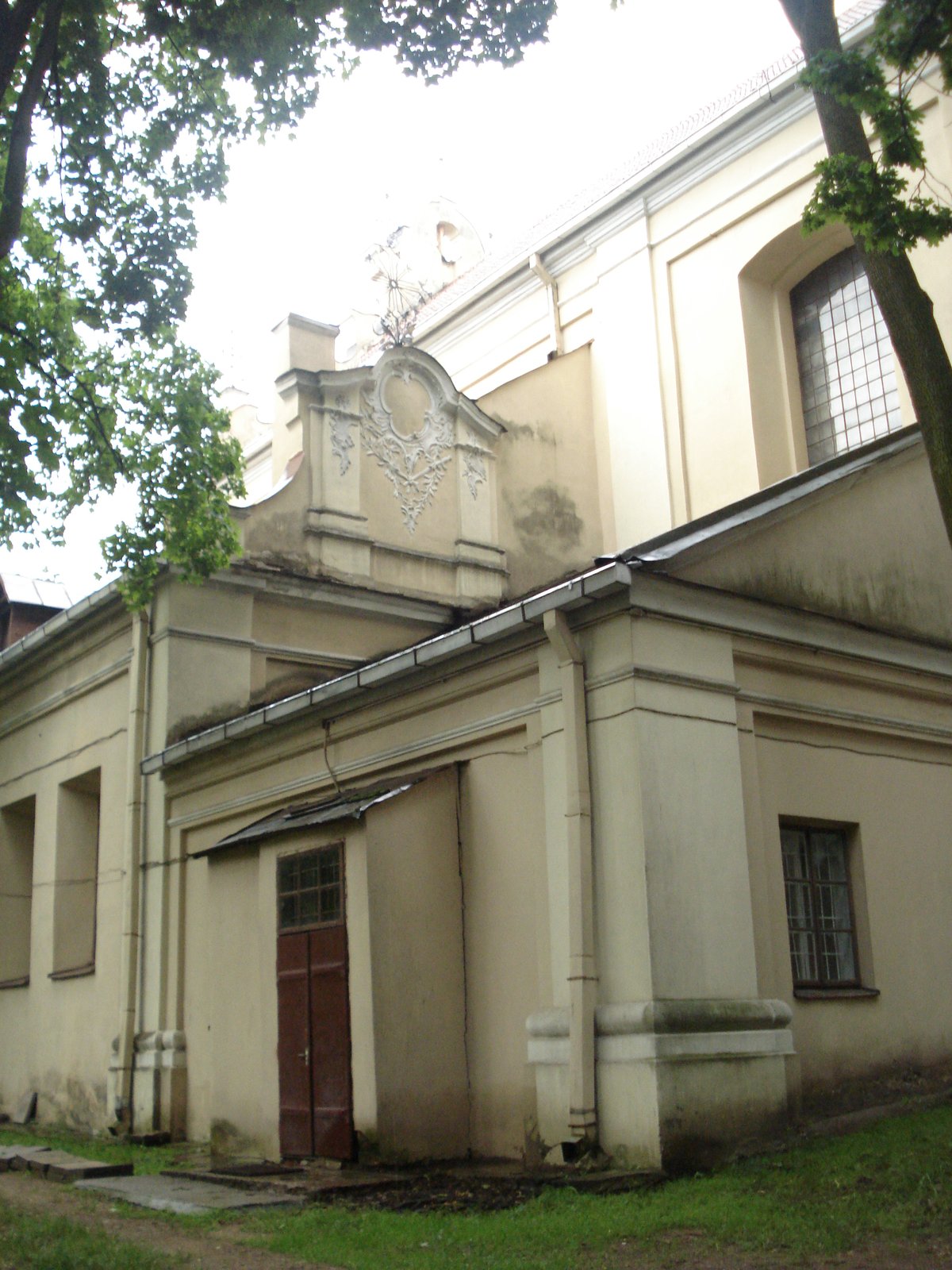
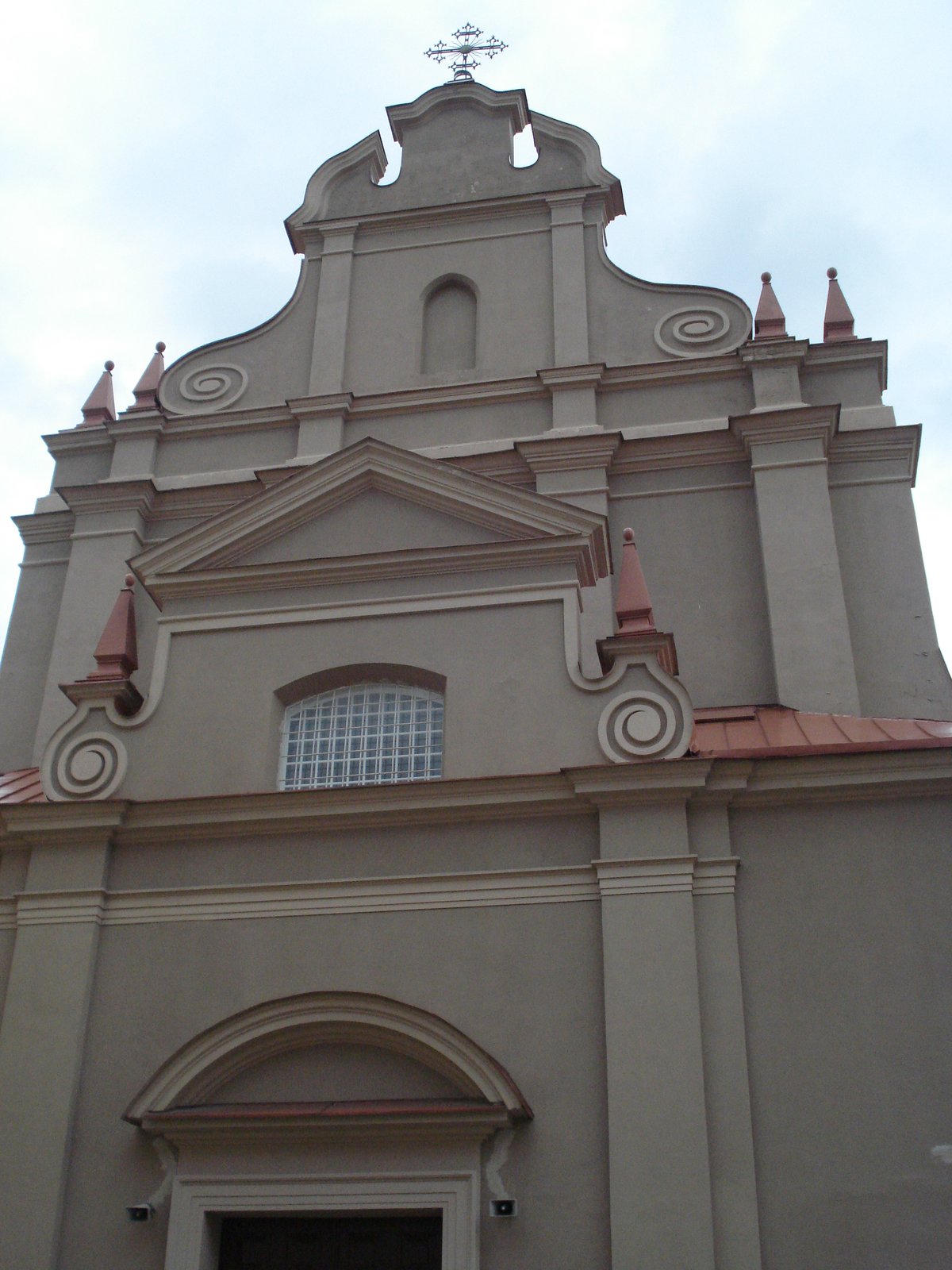
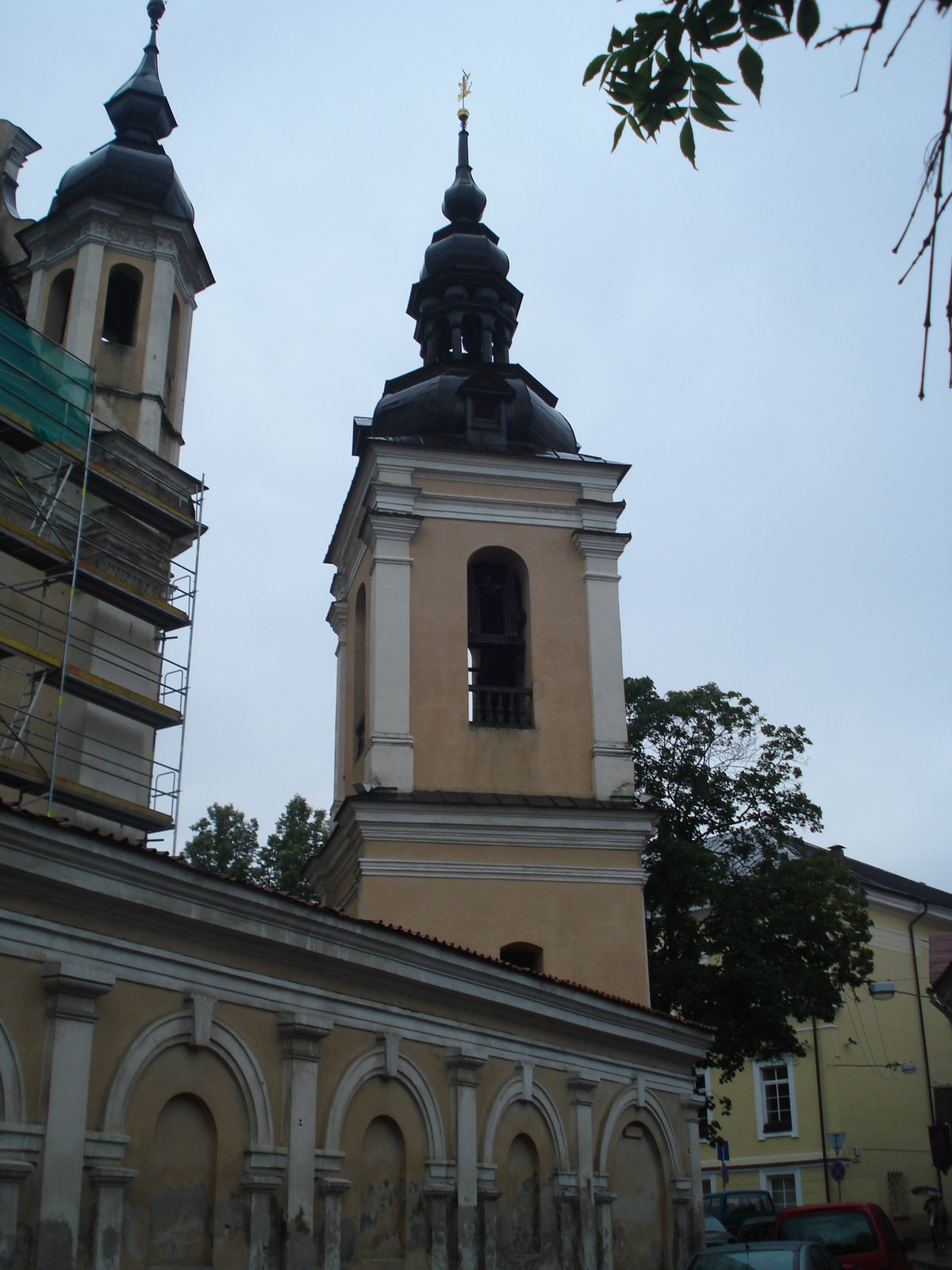
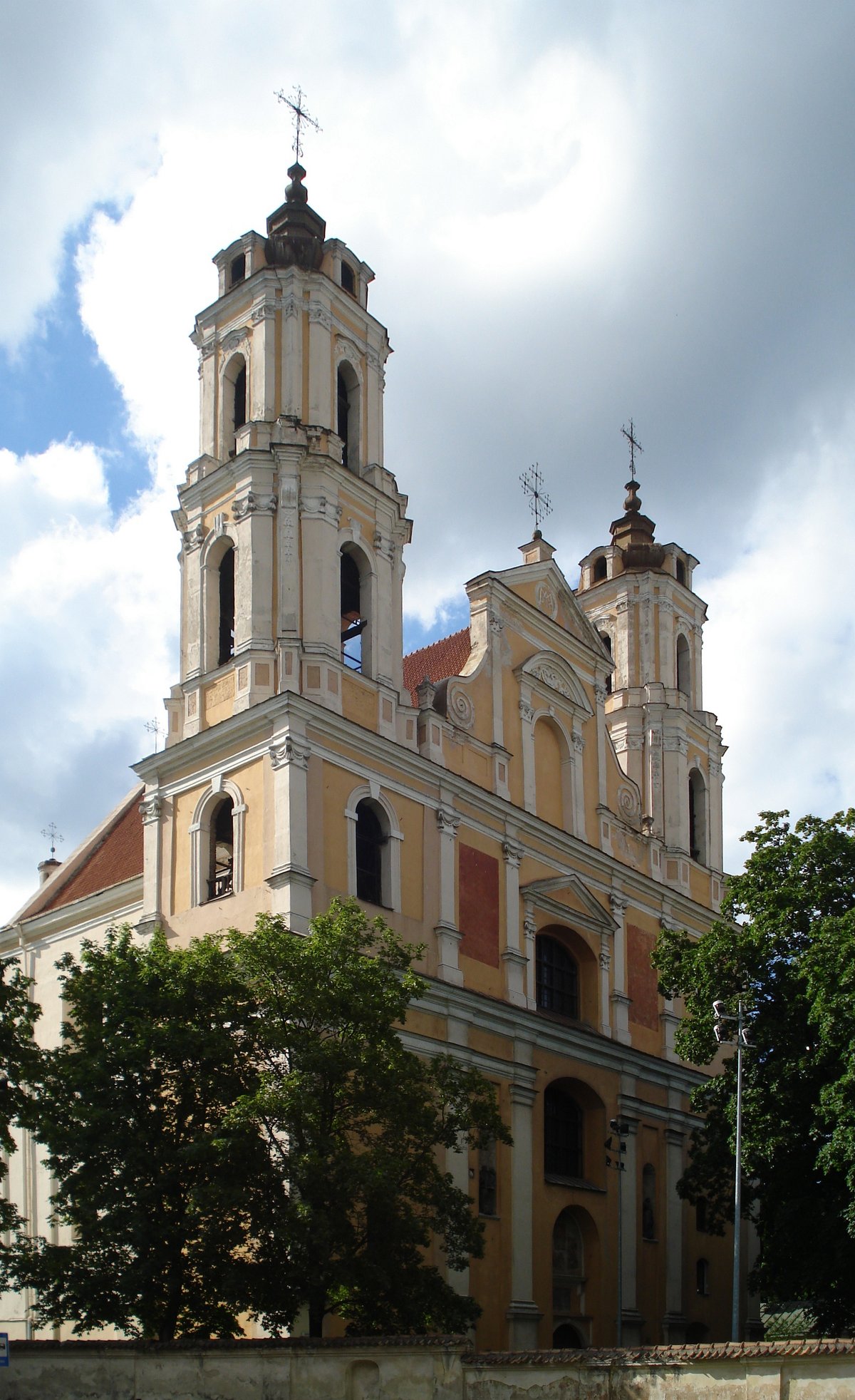
An early Baroque structure with lingering Renaissance elements, Saint Stephen’s is notable for its restrained façade—single nave, semi-circular apse, and modest stucco ornamentation. The exterior’s dark gray plaster, achieved with ground coal, stands out among Vilnius’s religious buildings.
Distinctive Features:
- Unique sgraffito plasterwork on friezes and select elements, rare among Vilnius churches.
- Geometric Mannerist decoration and symmetrical windows emphasizing verticality.
- A mid-17th-century bell tower, historically used for processions and city events.
Interior:
While much of the original interior decoration—including elaborate altars, frescoes, and woodwork—has been lost, restoration efforts have preserved significant architectural details. The nave remains simple, with subtle projections hinting at former chapels and the altar area.
Restoration and Preservation
The church suffered heavy deterioration during the 19th and 20th centuries, particularly under Soviet rule. In 2015, a major restoration stabilized the structure, conserved the rare sgraffito plaster, and improved accessibility. This project was funded by both the Lithuanian Department of Cultural Heritage and the Roman Catholic Church. Ongoing conservation ensures that Saint Stephen’s remains an enduring part of Vilnius’s UNESCO-listed Old Town (Govilnius).
Cultural Significance
Multicultural Heritage:
Vilnius is famed for its religious diversity, historically home to Catholic, Orthodox, Lutheran, Reformed, Jewish, and Karaite communities (True Lithuania). Saint Stephen’s, while Catholic, played a role in this mosaic—serving marginalized populations and symbolizing the city’s spirit of coexistence.
Modern Utilization:
No longer an active parish, the church today hosts concerts, cultural events, and exhibitions, especially during city-wide festivals. It is a key stop for heritage and architectural tours, linking visitors to Vilnius’s complex past and vibrant present (Go Vilnius).
Visitor Experience & Nearby Attractions
Experience:
- Attend a concert, exhibition, or join a guided tour for a deeper appreciation of the church’s history and architecture.
- Take in the unique exterior and restored interior, especially the sgraffito details.
Nearby:
- Užupis District: Bohemian quarter with art galleries and cafes.
- Vilnius Old Town: Home to the Gate of Dawn, Church of St. Anne, and other historic landmarks.
- Naujamiestis: Lively district with modern cultural venues and creative spaces.
Frequently Asked Questions (FAQ)
Q: What are the Church of Saint Stephen’s visiting hours?
A: Tuesday–Sunday, 10:00 AM–5:00 PM; closed Mondays. Hours may vary during events.
Q: Is there an entrance fee?
A: Entry is free; donations are appreciated.
Q: Are guided tours available?
A: Yes, by appointment and during special events.
Q: Is the church wheelchair accessible?
A: Yes, with a ramp at the entrance, though some interior areas may have uneven flooring.
Q: Can I take photos inside?
A: Photography without flash is generally permitted; check on-site for restrictions.
Q: What is the best way to get there?
A: By public transport or on foot from the city center; parking is limited.
Listen to the full story in the app
Your Personal Curator, in Your Pocket.
Audio guides for 1,100+ cities across 96 countries. History, stories, and local insight — offline ready.
Audiala App
Available on iOS & Android
Join 50k+ Curators
Sources
- verified
-
verified
Visiting the Church of St
Stephen in Vilnius: Hours, Tickets, and Historical Highlights, 2024
- verified
- verified
- verified
Last reviewed: