Plan and listen to Church Of Ascension In Vilnius with Audiala.
Audio guide in your pocket, itinerary in your browser. Built for the way you actually visit.
Introduction
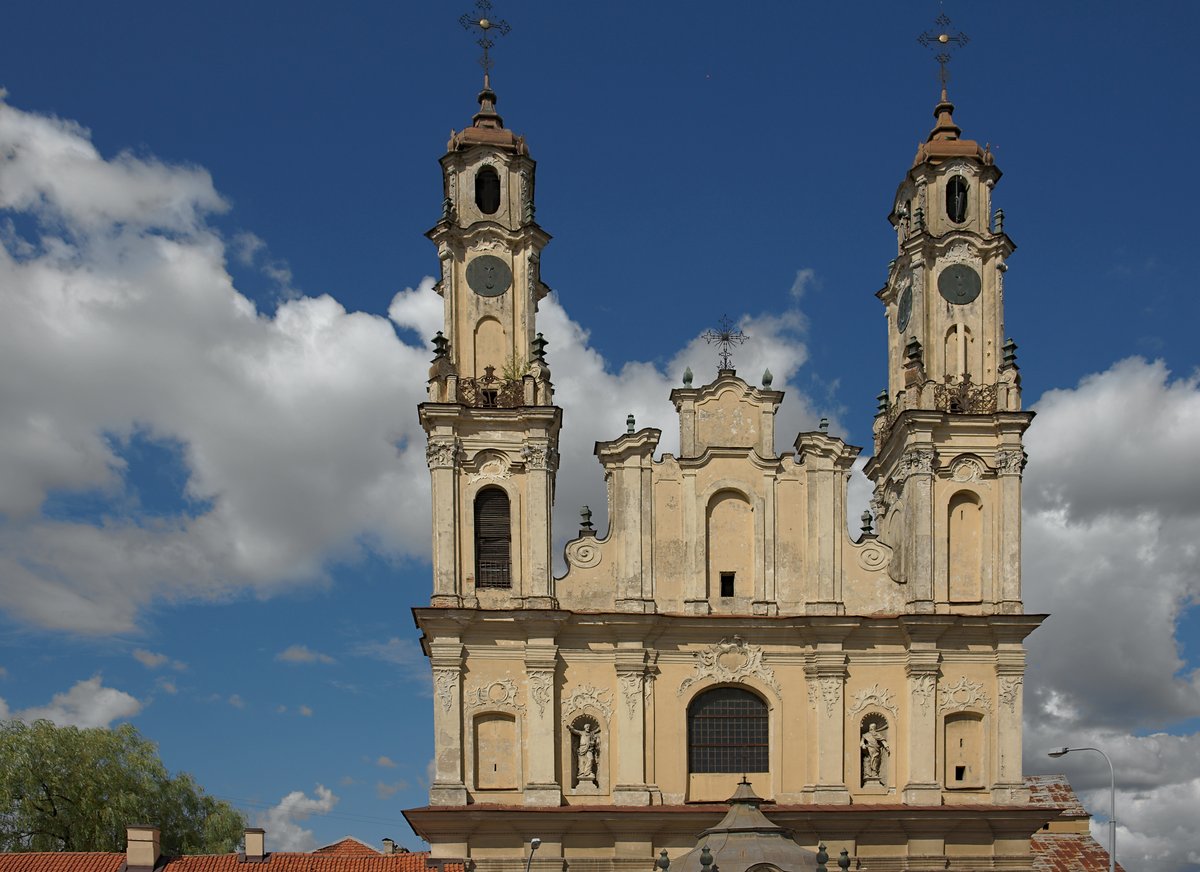
The Church of the Ascension in Vilnius is a multifaceted symbol of Lithuania’s spiritual, architectural, and cultural history. Located in Vilnius’ UNESCO-listed Old Town, the name "Church of the Ascension" refers to several historically significant sites—each with distinct origins, styles, and religious traditions. From the medieval Gothic Franciscan church to the Baroque masterpiece on Saviour’s Hill and the Russian Orthodox Cathedral of the Ascension, these churches collectively reflect the city’s layered religious evolution and multicultural identity (True Lithuania; Go Vilnius; Live the World).
This comprehensive guide provides an in-depth look at the history, architecture, and significance of the various Churches of the Ascension in Vilnius. You’ll find detailed visitor information, including opening hours, ticketing, guided tours, accessibility tips, and nearby attractions—empowering you to plan a rewarding and respectful visit.

Origins and Early Development
- Gothic Franciscan Church: Established in 1421 on Trakų Street, the Church of the Ascension of the Virgin Mary is one of Vilnius’s oldest surviving churches. Built soon after Lithuania’s Christianization, it became a focal point for the Franciscan order, whose adjacent monastery fostered religious and educational activity (True Lithuania).
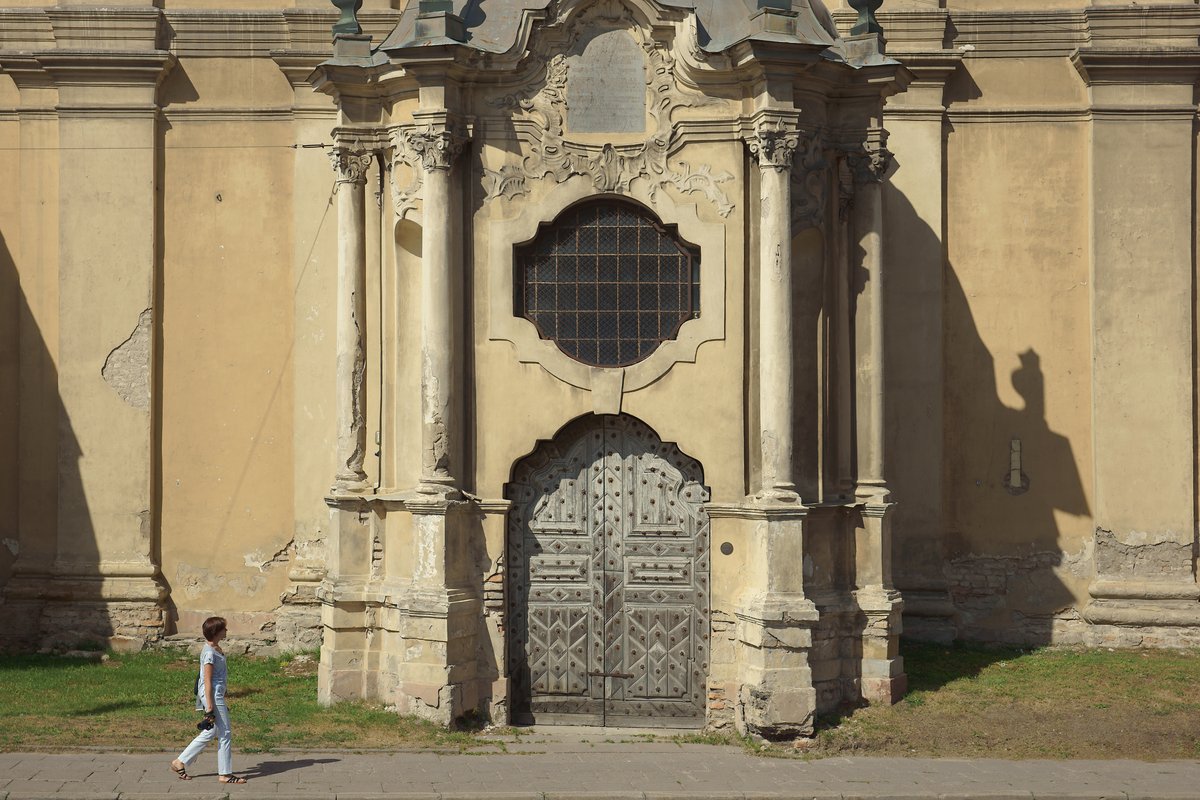
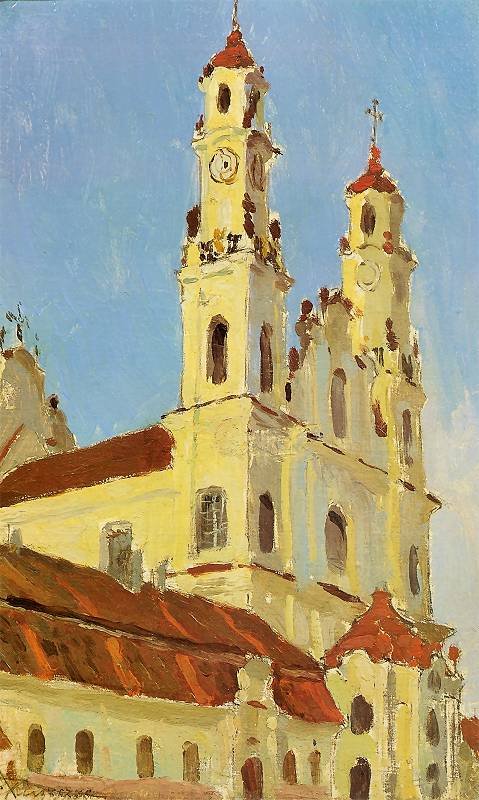
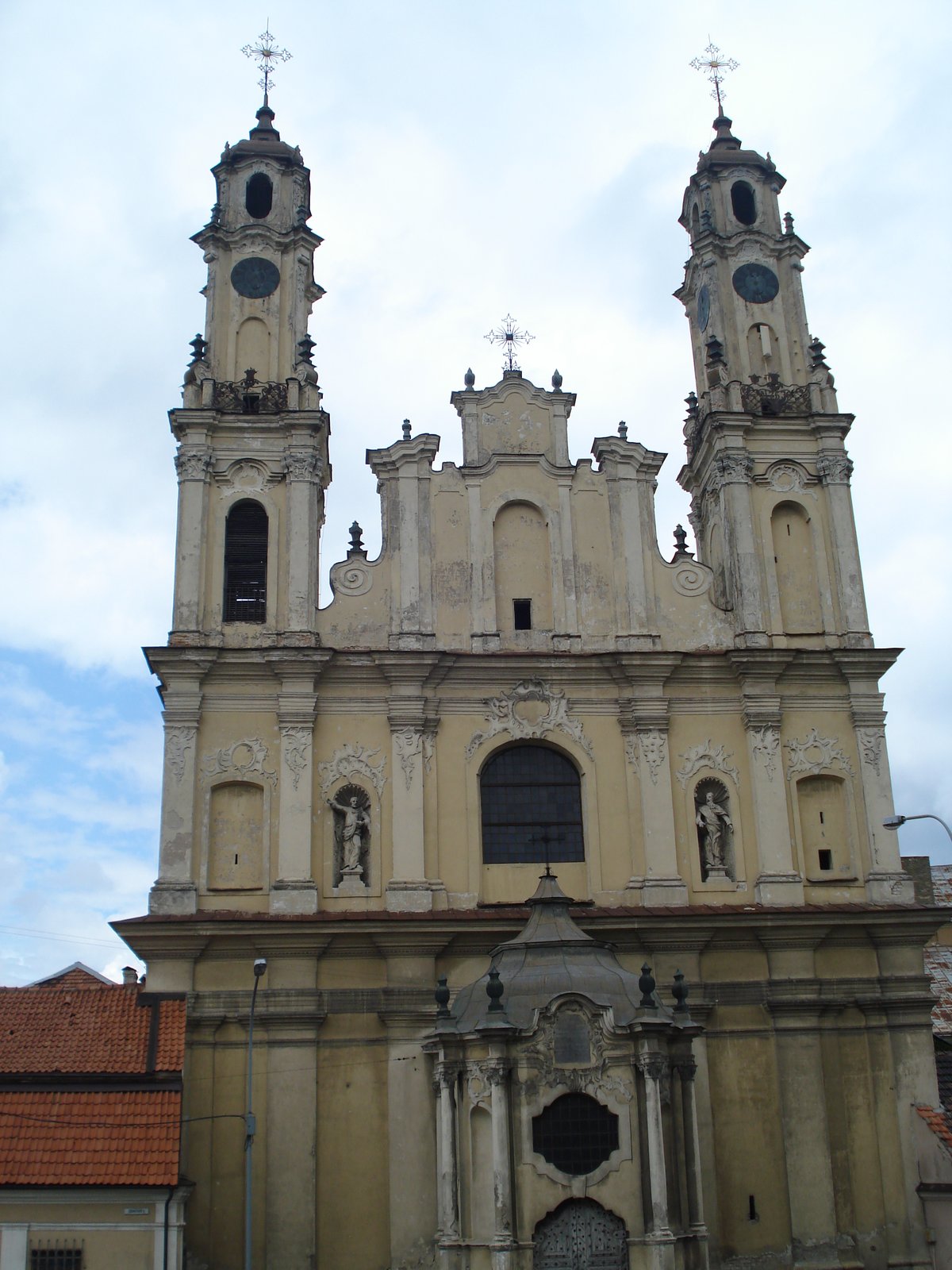
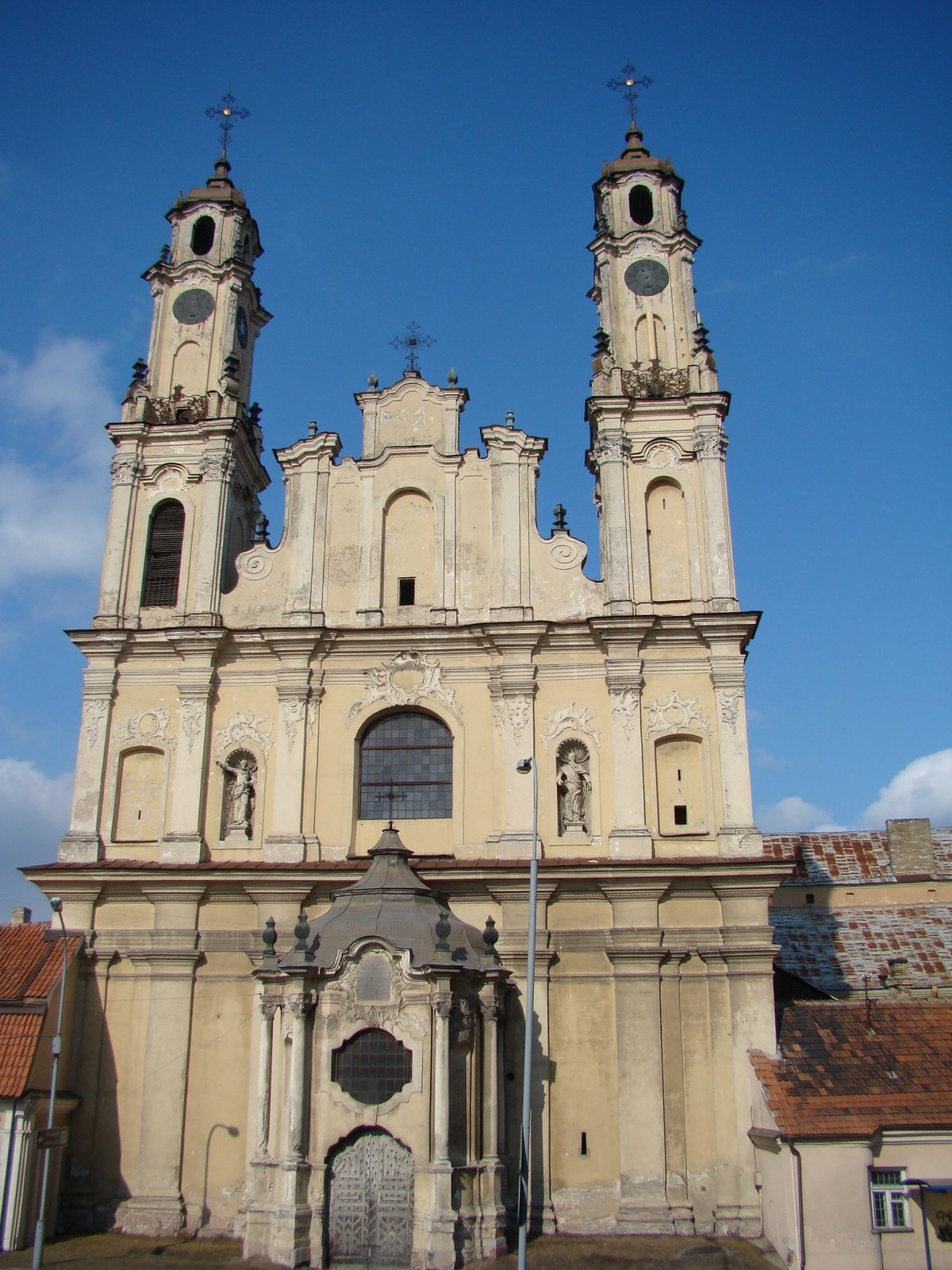
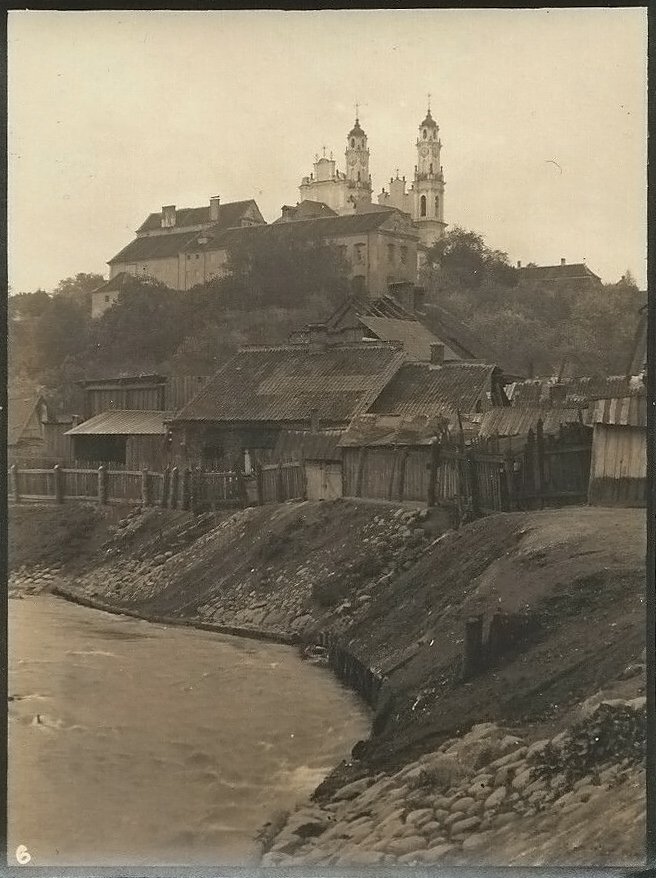
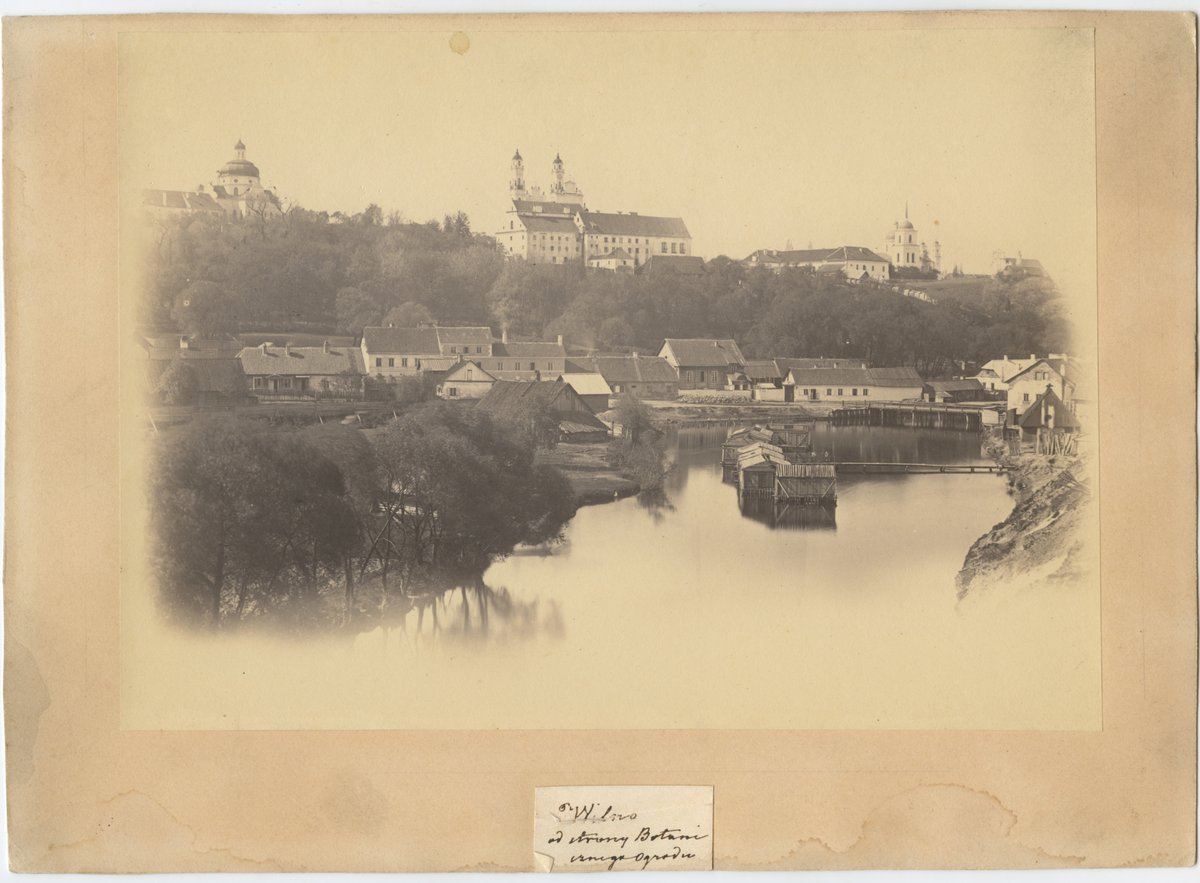
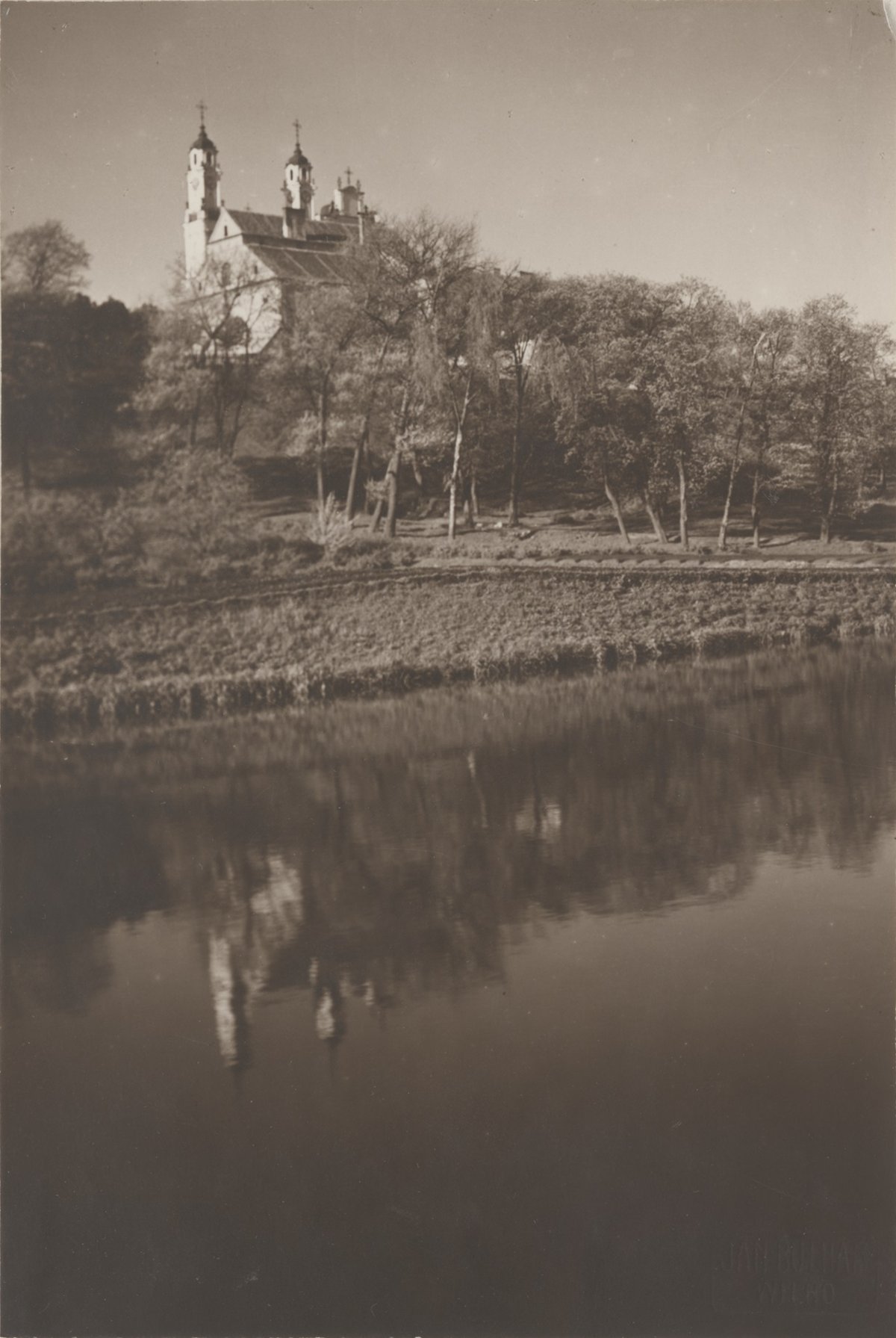
- Baroque Church on Saviour’s Hill: Construction began in 1695, reflecting Vilnian Baroque aesthetics under the Congregation of the Mission. Despite difficulties, it was completed in 1730, later receiving its distinctive twin towers and elaborate façade (Wikipedia).
- Russian Orthodox Cathedral of the Ascension: Dating to 1348, this cathedral marks the introduction of Orthodox Christianity to Vilnius and has been central to the Russian and Slavic communities’ spiritual life (True Lithuania).
Impact of Fires, Wars, and Political Upheaval
All three churches faced periods of destruction and neglect, notably during the 18th-century fires, the partitions of the Polish-Lithuanian Commonwealth, Russian imperial rule, and especially Soviet occupation—when many religious sites were closed, repurposed, or desecrated (True Lithuania).
Post-Independence Restoration
Following Lithuanian independence in 1990, restoration efforts began to stabilize and preserve these sites. The Catholic and Orthodox communities, along with heritage organizations, have worked to reclaim and restore the churches and their monastic ensembles, balancing historical integrity with adaptive uses (True Lithuania).
Architectural Highlights
Gothic Franciscan Church
- Exterior: Fortress-like appearance, thick walls, pointed arches—exemplary of early Lithuanian Gothic design.
- Interior: Once richly decorated, now relatively plain due to centuries of damage. Traces of original frescoes and altarpieces remain (True Lithuania).
Baroque Church on Saviour’s Hill
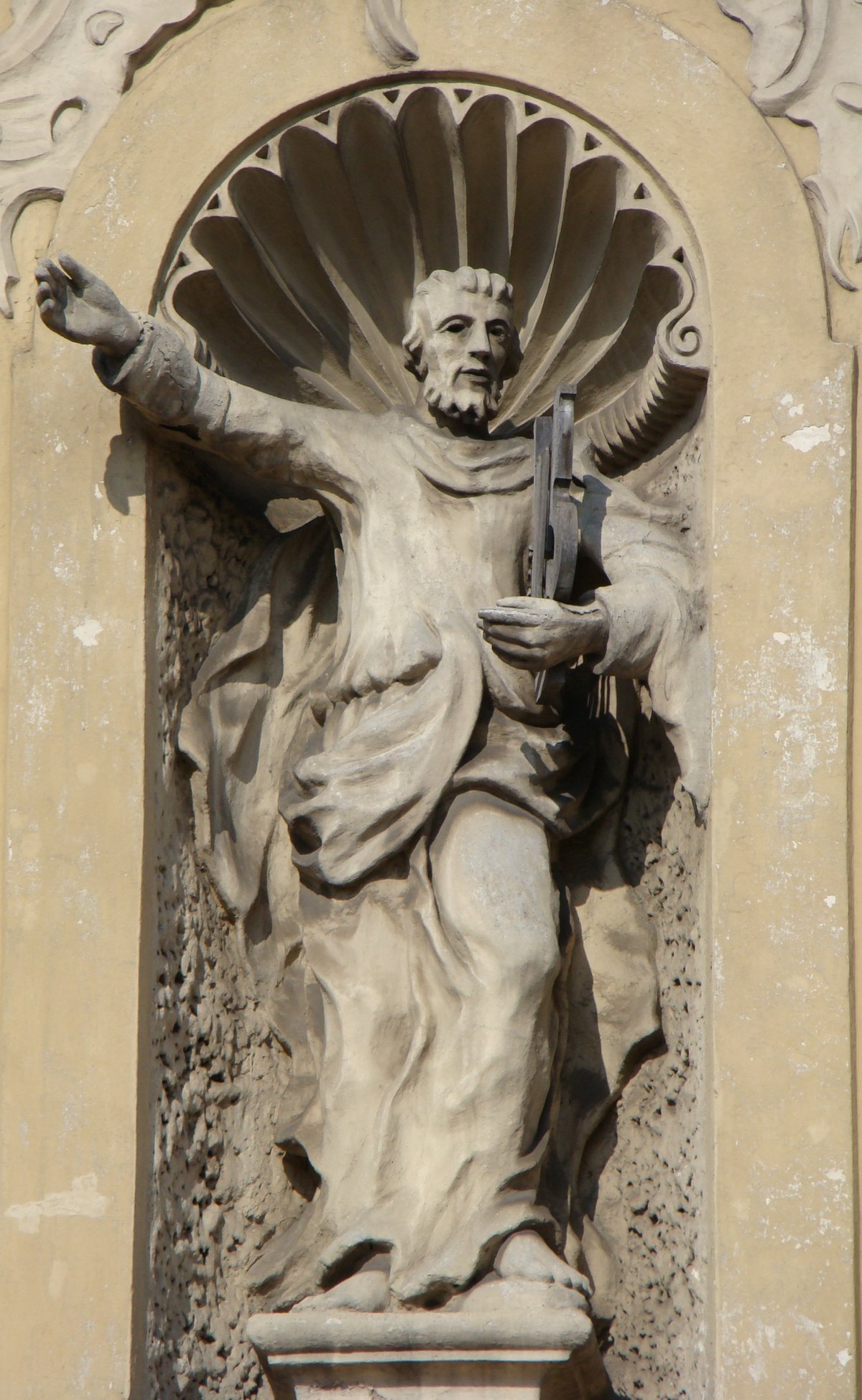
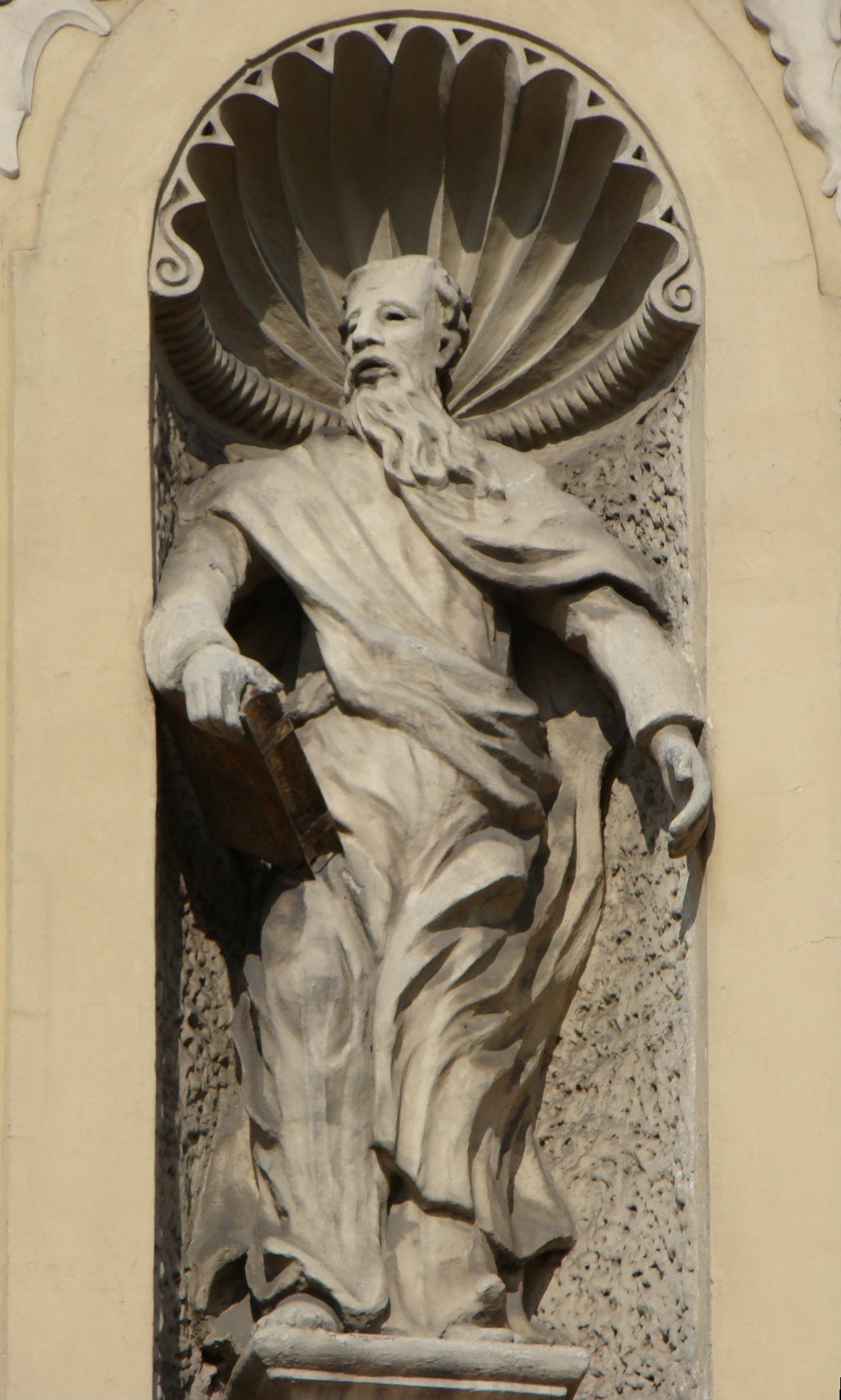
- Façade: Dynamic late Baroque and Rococo detailing; twin towers by Johann Christoph Glaubitz dominate the skyline (Wikipedia; Live the World).
- Interior: Modest yet elegant, reflecting Vincentian humility. Highlights include frescoes, stained glass, and a rococo altar (Live the World).
- Monastic Ensemble: The church and former monastery complex, set on Saviour’s Hill, historically included a hospital and is surrounded by terraced gardens.
Russian Orthodox Cathedral of the Ascension
- Architecture: Originally Gothic/Orthodox blend; rebuilt in 19th-century Russian ecclesiastical style, with domes and ornate iconostasis.
- Interior: Rich in Orthodox iconography, sacred relics, and decorative elements central to liturgical life (True Lithuania).
Restoration and Preservation
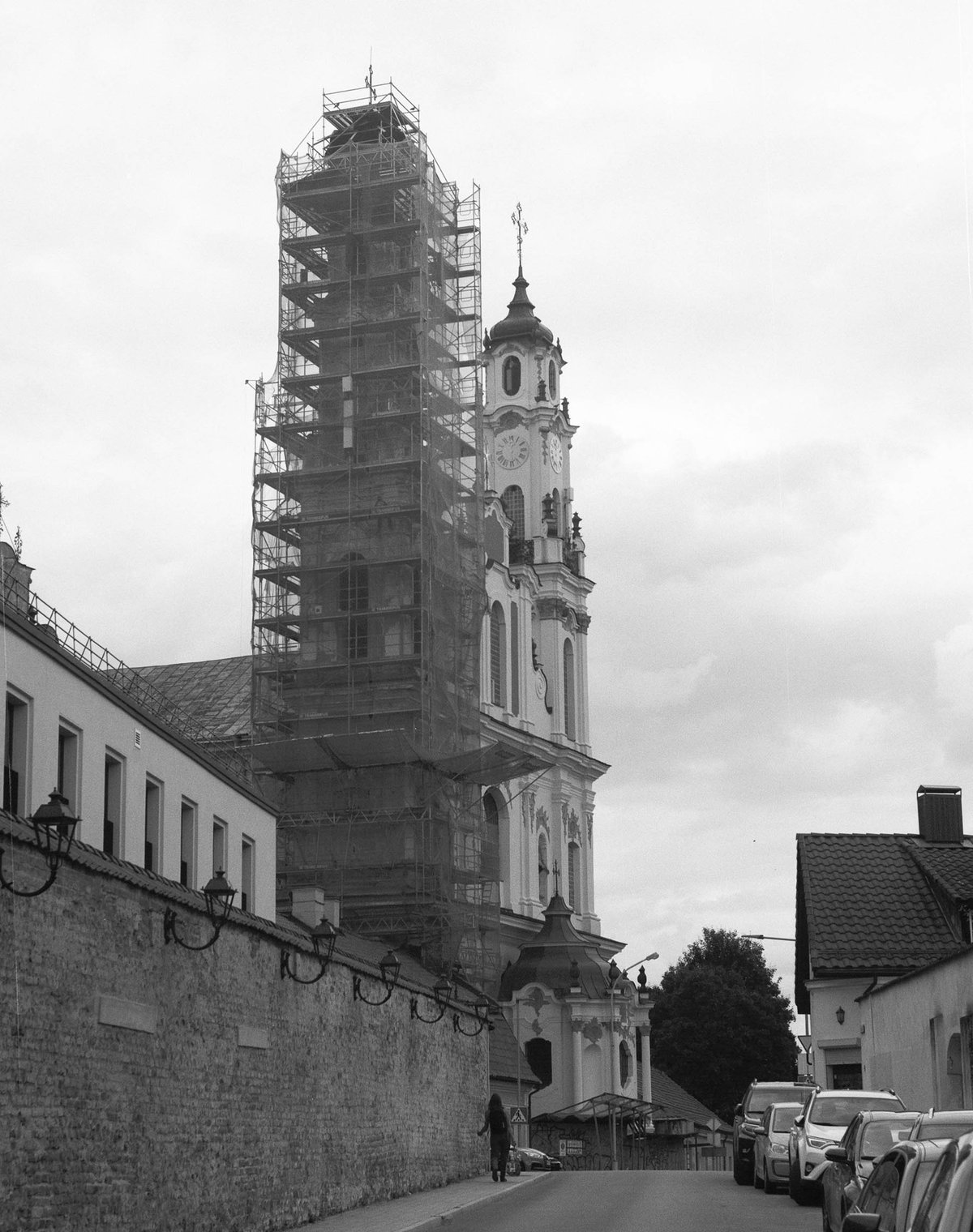
- Baroque and Gothic Churches: Both have undergone periods of abandonment and repurposing (e.g., as barracks or hospitals under Soviet rule). Restoration is ongoing, with the National Museum of Lithuania overseeing future prospects for public access (Live the World).
- Orthodox Cathedral: Active restoration post-independence has revived its religious and cultural functions, making it a focal point for Vilnius’s Orthodox community.
Visiting Information
Opening Hours and Tickets
- Gothic Franciscan Church (Trakų Street): Typically open 10:00 AM–6:00 PM daily; hours may change on holidays or for special events. Entry is free, with donations encouraged (True Lithuania).
- Baroque Church on Saviour’s Hill: Not regularly open for interior visits due to preservation; exterior can be viewed any time. Occasional special tours and events may offer limited access (Live the World).
- Russian Orthodox Cathedral: Open Tuesday to Sunday, 10:00 AM–6:00 PM; closed Mondays. Admission is free; donations welcome (True Lithuania).
Guided Tours
Guided tours can be arranged through local tourism offices or reputable operators. Many walking tours of Vilnius Old Town include the exteriors and historical context of the Churches of the Ascension (Go Vilnius; In Lithuania).
Accessibility
- Most exteriors are accessible from public streets.
- Interiors may have restrictions due to ongoing restoration or historical architecture (e.g., steps, uneven floors).
- The Orthodox Cathedral is partially accessible, but visitors with mobility needs should inquire in advance.
Dress Code and Etiquette
- Modest dress is required; head coverings for women are customary in Orthodox sites.
- Photography is usually allowed outside of services; always ask for permission inside.
- Remain quiet and respectful, especially during liturgies.
Nearby Attractions and Travel Tips
- Bernardine Gardens: Tranquil park near Saviour’s Hill.
- Užupis District: Bohemian quarter with galleries and street art.
- Vilnius Cathedral, Gates of Dawn, Presidential Palace: All within walking distance.
- Cafés and Amenities: Numerous options nearby for refreshments and restrooms.
Travel Tips:
- Wear comfortable shoes for cobblestone streets and hilly terrain.
- Early morning or late afternoon offers optimal lighting for photography.
- Check local event calendars for religious festivals and special concerts.
Special Events and Community Role
- Feast of the Ascension: Major event in the Orthodox calendar; check schedules for special liturgies.
- Cultural Festivals: Churches participate in city-wide celebrations, fostering interfaith dialogue and community engagement (Explore City Life).
Frequently Asked Questions (FAQ)
Q: What are the visiting hours for the Churches of the Ascension in Vilnius?
A: The Orthodox Cathedral is open Tuesday–Sunday 10:00–18:00. The Gothic and Baroque churches have more limited or exterior-only access; check current schedules before visiting.
Q: Is there an entrance fee or do I need tickets?
A: Entry is generally free, with donations welcome. Special events or guided tours may require a fee.
Q: Are guided tours available?
A: Yes, many city tours include the churches’ exteriors and historical context; private tours can be arranged.
Q: Is photography allowed inside?
A: Allowed outside of services, but always request permission; restricted during liturgies.
Q: Are the churches accessible for visitors with mobility impairments?
A: Accessibility varies; exteriors are mostly accessible, but interiors may pose challenges. Check in advance for accommodations.
Recommendations for Visitors
- Combine your visit with a walking tour of Vilnius Old Town for broader context.
- Respect local customs, especially at active places of worship.
- Attend a service or special event for immersive cultural experience.
- Use the Audiala app for audio guides and up-to-date information.
Summary
The Churches of the Ascension in Vilnius represent the city’s resilience, architectural diversity, and spiritual richness. Each site—whether Gothic, Baroque, or Orthodox—offers a unique window into Lithuania’s evolving faith communities and multicultural heritage. Restoration and preservation efforts ensure their stories continue to inspire visitors today. For a deeper understanding and memorable visit, consult official tourism resources, join a guided tour, and explore nearby attractions.
Listen to the full story in the app
The whole Church Of Ascension In Vilnius,
told well.
Listen to sourced travel stories with local history and practical context — ready offline.
Verified, and shown.
Researched and written by the Audiala editorial team from historical records, architectural archives, and local expertise.
Built from cited sources · see the method · How we make our guides →