Plan and listen to Chapel Of Saint Casimir with Audiala.
Audio guide in your pocket, itinerary in your browser. Built for the way you actually visit.
Introduction
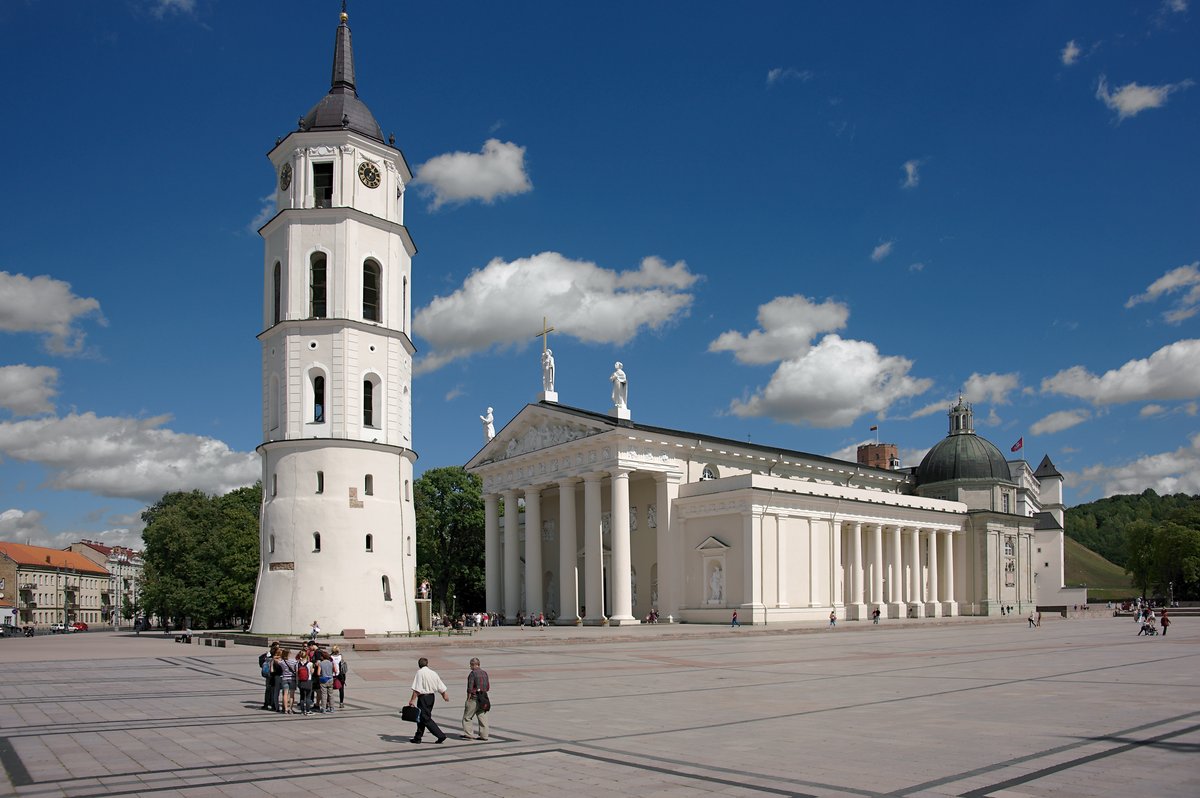
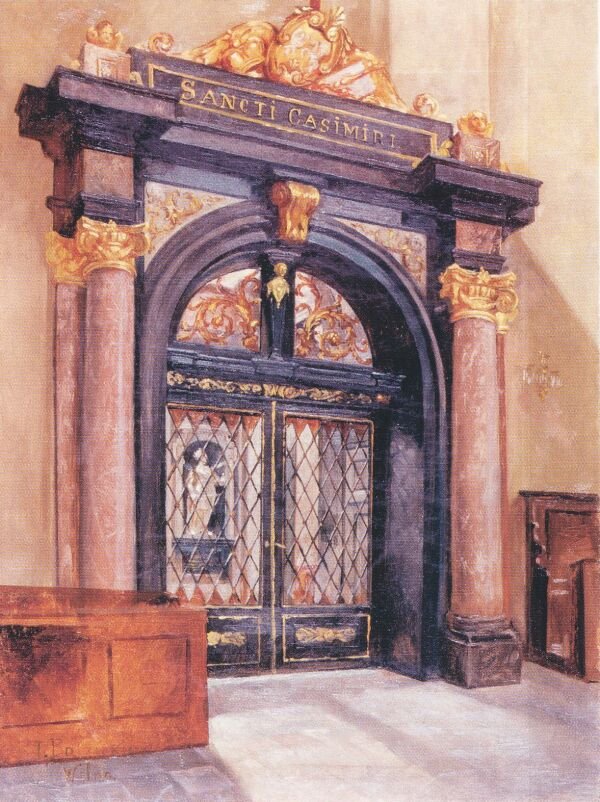
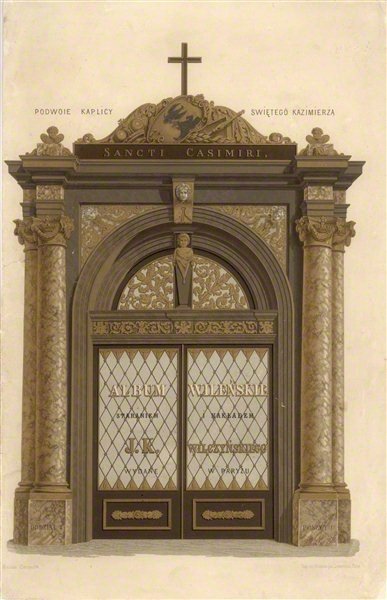
The Chapel of Saint Casimir, located within the Vilnius Cathedral, stands as a crowning jewel of Lithuanian religious, artistic, and cultural heritage. Constructed between 1623 and 1636 under the patronage of King Sigismund III Vasa, this Baroque masterpiece was built to enshrine the relics of Saint Casimir—Lithuania's only canonized saint, revered for his piety, charity, and role as a national patron. The chapel has witnessed centuries of historical turbulence, architectural transformation, and spiritual devotion, making it an essential destination for pilgrims, art lovers, and travelers exploring Vilnius. This guide provides a comprehensive overview of the chapel’s history, architectural and artistic significance, practical visiting details, and tips to enhance your experience.

Origins and Foundation
The origins of the Chapel of Saint Casimir are closely linked to the canonization of Saint Casimir in 1602. Seeking to reinforce Catholic identity in the face of religious diversity and Reformation influences, the chapel was constructed as a monumental shrine to house the saint’s relics (Academia.edu). Jesuit architects, under royal commission, were instrumental in its design, ensuring the chapel would serve as a spiritual and visual focus within the Vilnius Cathedral complex (TravelGuideEurope.eu).
Architectural Design and Symbolism
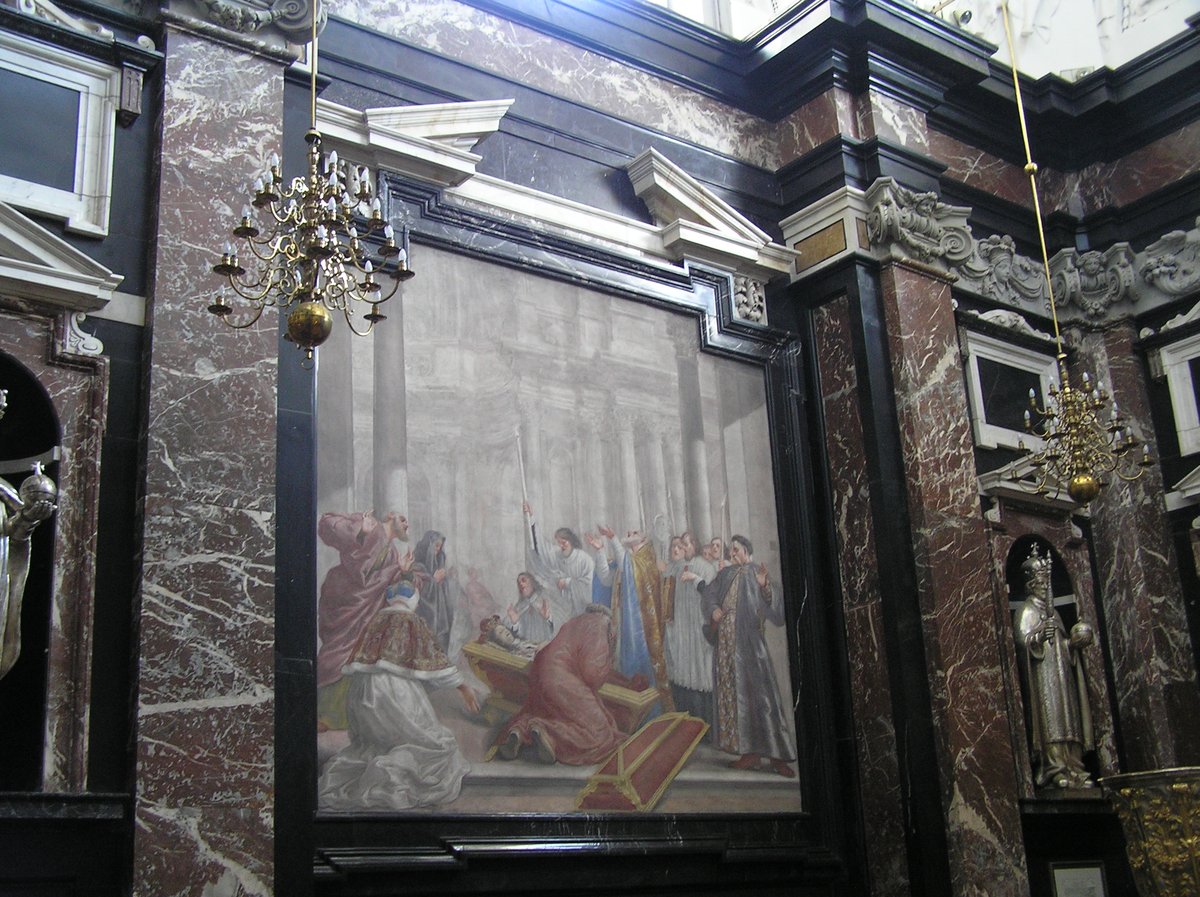
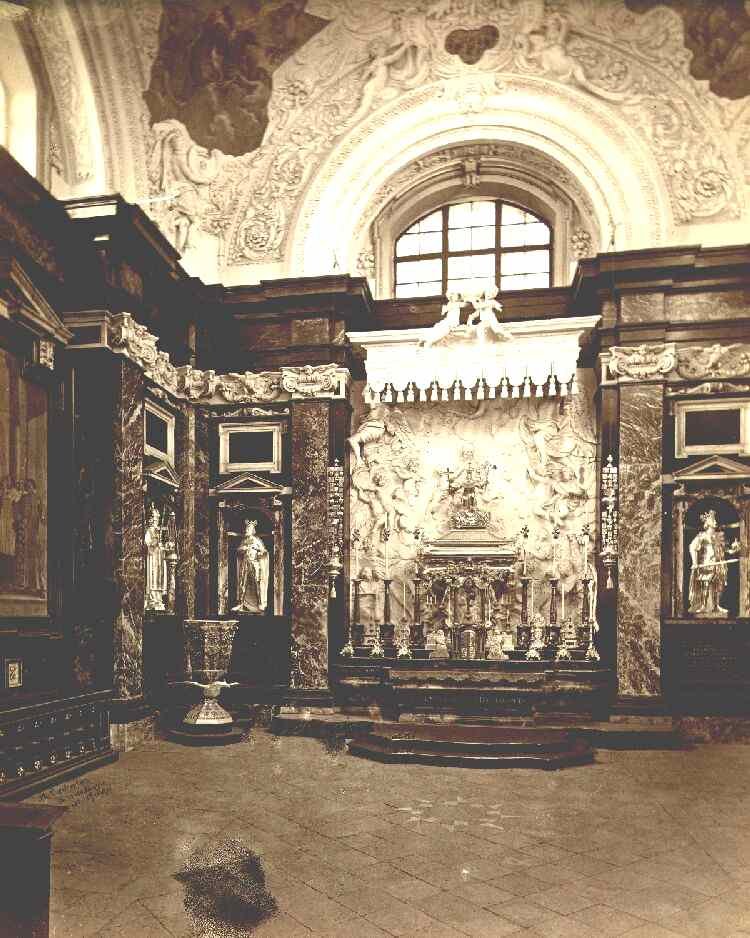
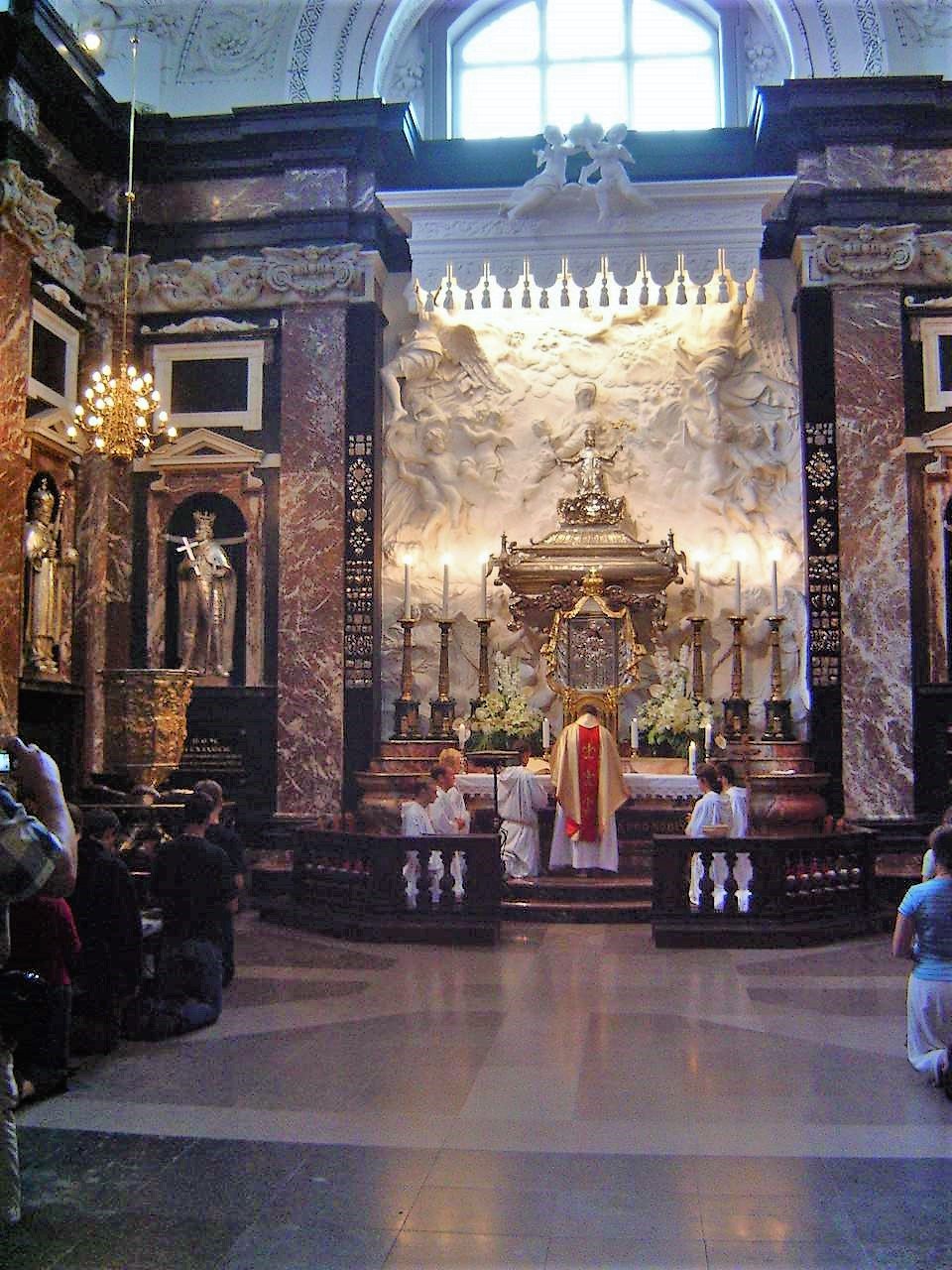
The Chapel of Saint Casimir is one of the earliest and most influential examples of Baroque architecture in Lithuania. Its design is a unique synthesis of biblical symbolism, early Christian architectural forms, and local traditions. The cubic core of the chapel recalls the Holy of Holies in Solomon’s Temple, while the use of black marble (noir de Namur) for the walls references the Ark of the Covenant (sciendo.com). Pilasters of ox-blood colored marble evoke the porphyry columns of the Aedicule in Jerusalem, symbolically linking the space to Christianity's sacred geography.
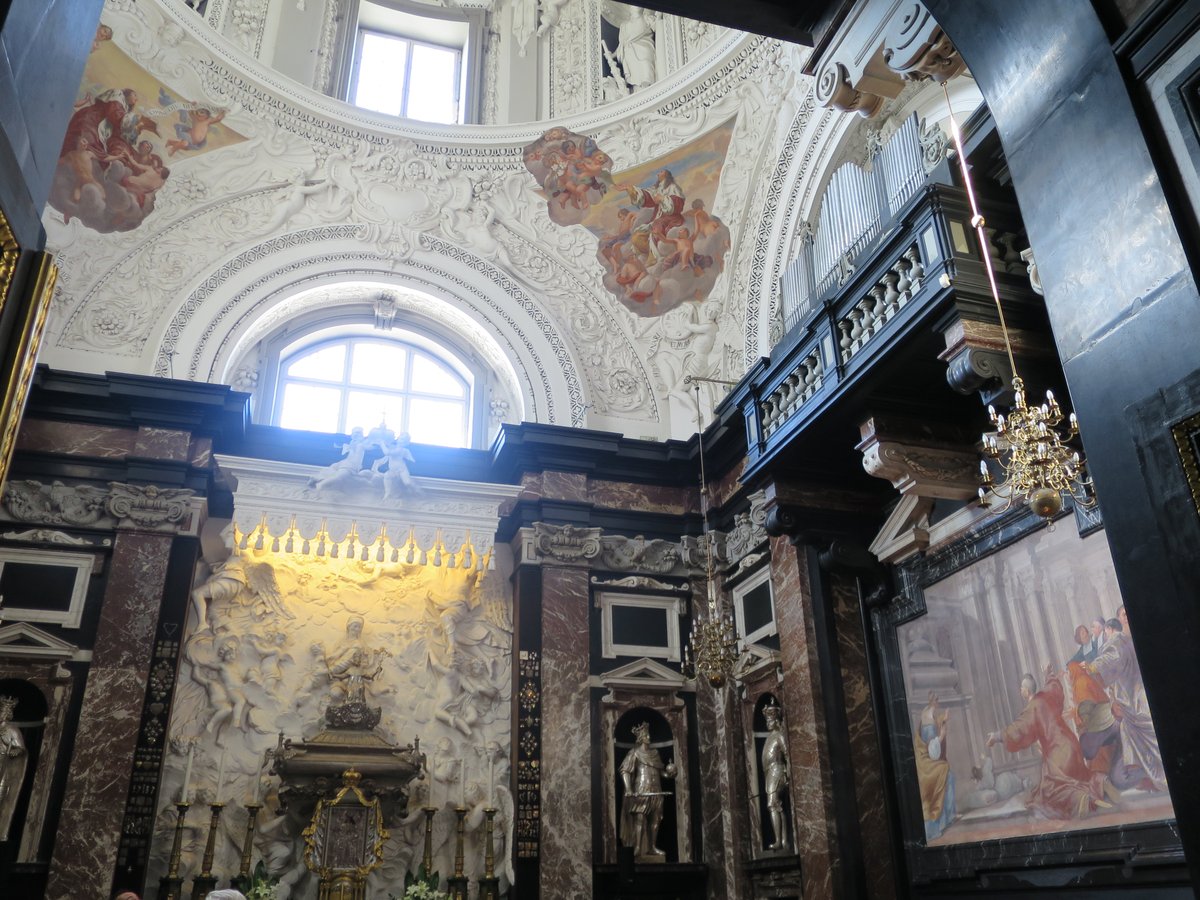
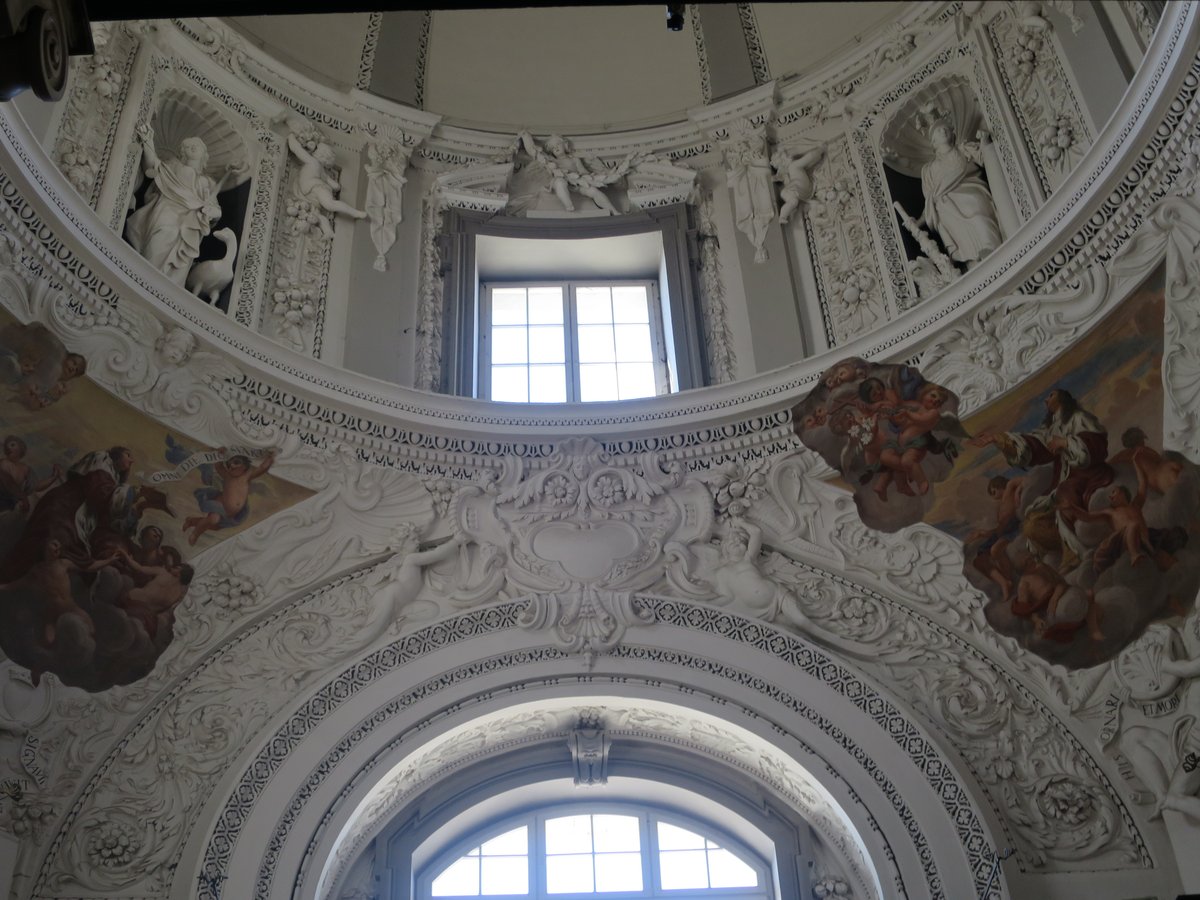
The chapel’s domed ceiling, elaborate stucco work, and gilded decorations embody the grandeur and dynamism of the Baroque era. The harmonious geometry of the layout reflects early Christian mausoleums, with the Greek cross plan underscoring the universality of the Christian faith (trek.zone).
Artistic Treasures and Notable Features
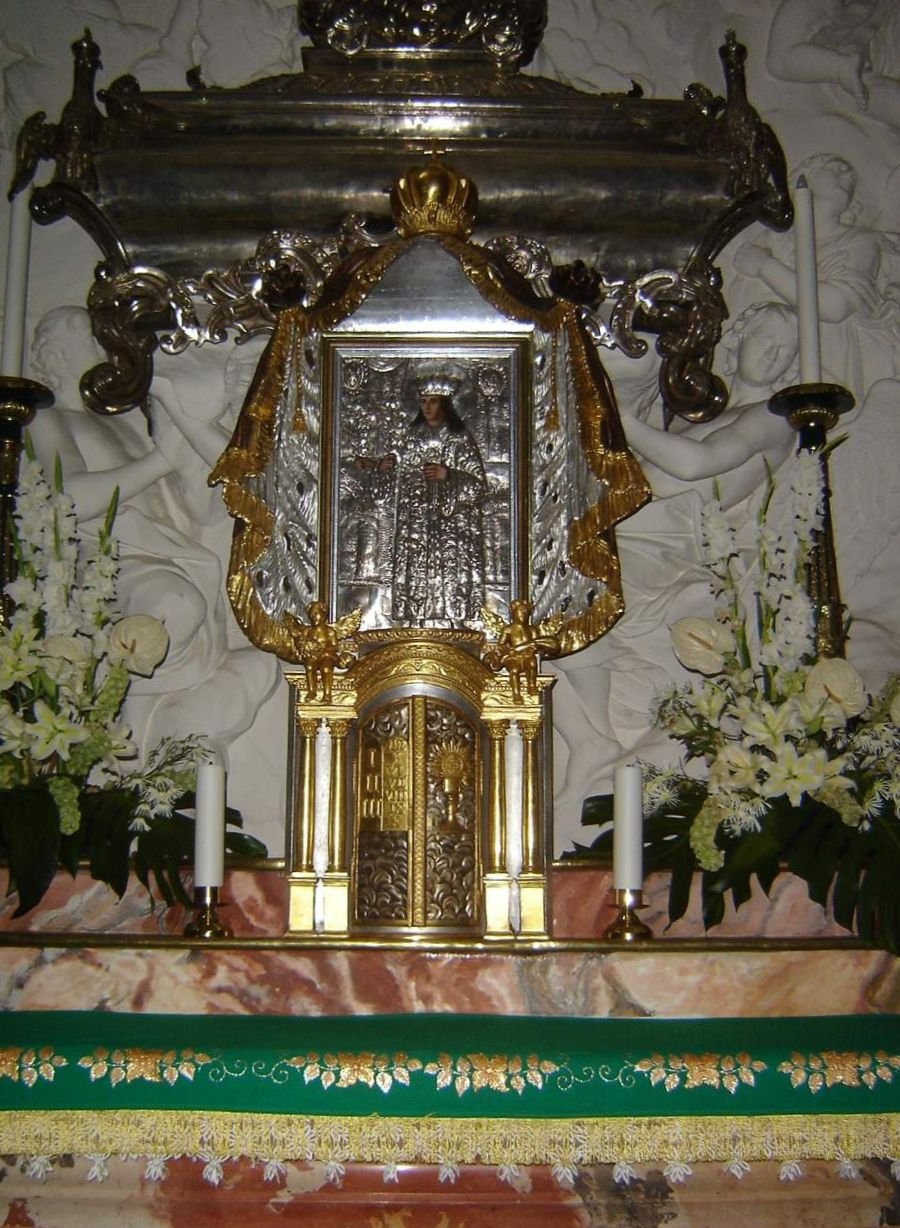
At the chapel’s heart is the ornate faux marble altar and the silver sarcophagus containing Saint Casimir’s relics, a centerpiece for both veneration and artistic admiration (Wikipedia). Above the altar hangs the iconic "Three-Handed St. Casimir" painting, a miraculous image central to Lithuanian Catholic identity (Atlas Obscura).
Other highlights include:
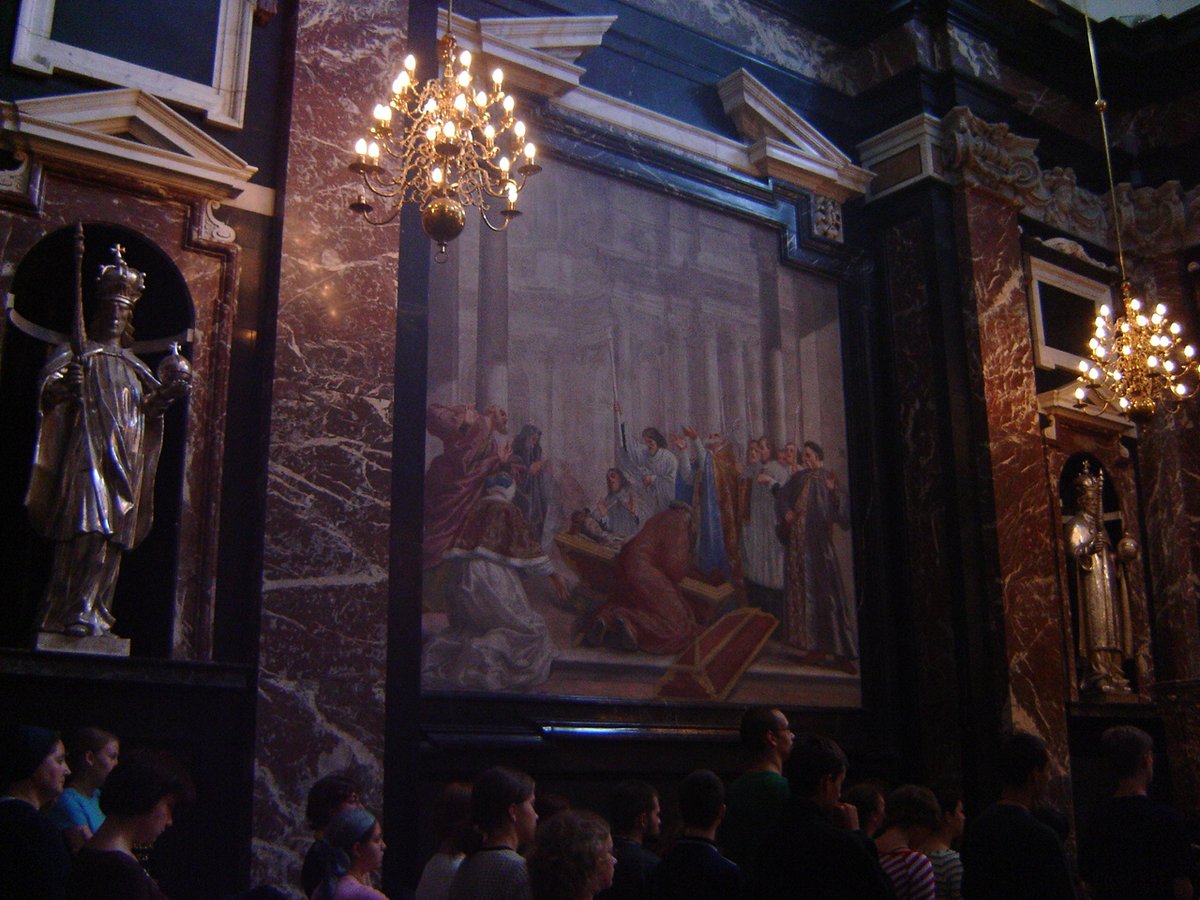
- Baroque Sculptures: Eight silver-plated, larger-than-life statues of Polish and Lithuanian monarchs, including Saint Casimir and Władysław II Jagiełło.
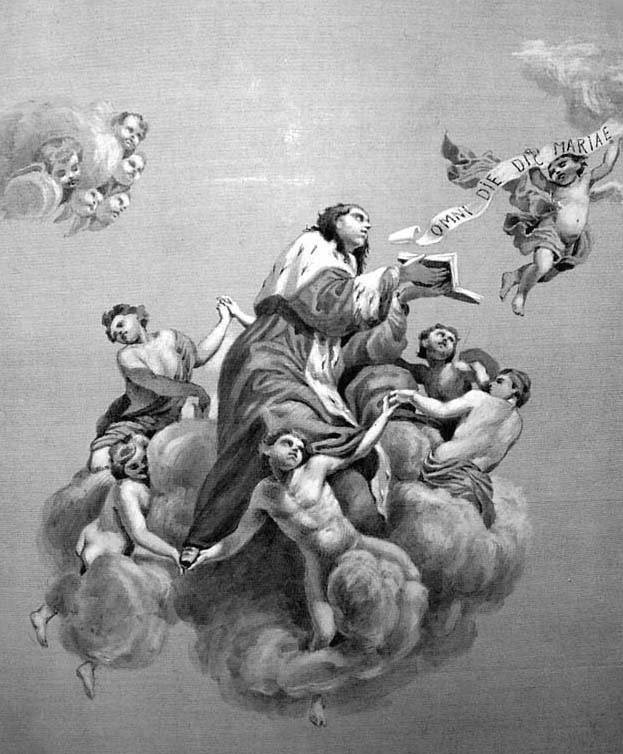
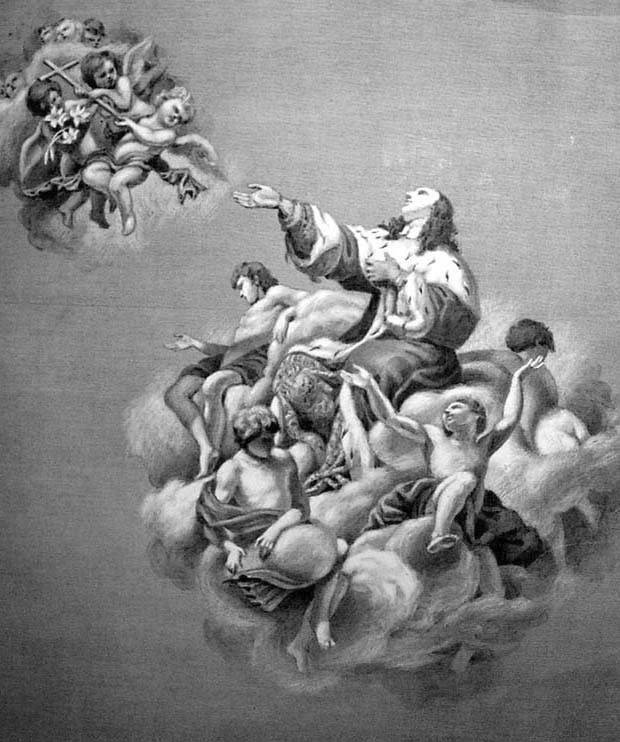
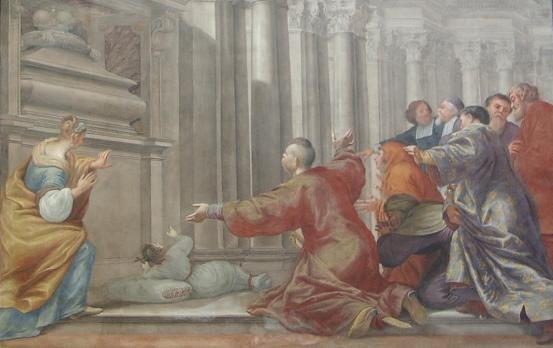
- Notable Paintings: "The Opening of the Coffin of St. Casimir" and "The Resurrection of Ursula," monumental works illustrating the saint’s miracles (Wikipedia).
- Crypt and Bas-reliefs: Discovered during recent renovations, the crypt contains 17th-century religious bas-reliefs and remains a site of historical and devotional interest (SpottingHistory).
Visiting Hours, Tickets, and Accessibility
Opening Hours:
- Typically open daily from 7:00 AM to 7:00 PM
- Hours may vary during religious services or special events—check the cathedral’s website or local tourism information for updates
Tickets and Admission:
- Entry is free as part of the Vilnius Cathedral complex; donations are welcome to support preservation (Our Lady of Siluva)
Accessibility:
- The chapel is wheelchair accessible via the cathedral’s main entrance, with ramps available; some areas may have uneven flooring or steps
Guided Tours:
- English-language tours are typically offered on Tuesdays, Thursdays, and Saturdays, lasting 30–60 minutes. Self-guided materials and audio guides are also available (Trip101).
Dress Code and Etiquette:
- Modest attire is required; hats, shorts, and sleeveless tops should be avoided.
- Maintain silence or speak quietly, especially during Mass or private prayer.
- Photography without flash is allowed except during services.
Historical Turbulence and Restoration
The Chapel of Saint Casimir has survived wars, occupations, and religious suppression. It endured damage during the Russian occupation (1655–1661), was altered for Orthodox liturgy in the 19th century, and was used as a Lutheran chapel during World War I (SpottingHistory). Under Soviet rule, the cathedral was converted into a Museum of Atheism, a secular function that paradoxically preserved the chapel’s Baroque splendor (Baltic Times).
Restoration in the late 20th century returned the chapel to the Catholic Church, and religious services resumed in 1991 (Wikipedia). Today, the chapel is fully restored, with ongoing preservation ensuring its legacy for future generations.
Cultural Significance and Events
The chapel is a living symbol of Lithuanian resilience and Catholic heritage. It plays a central role in national and religious ceremonies, including:
- Feast of Saint Casimir (March 4): Major pilgrimage, special Masses, and processions (Vytis Tours)
- Saint Casimir’s Fair (Kaziuko mugė): Historic folk and religious festival in Vilnius Cathedral Square
- State Holidays: Special liturgies on Lithuanian Independence Day and other national observances
The chapel also hosts organ and choral concerts, lectures, and exhibitions, reinforcing its role as a center of culture and community.
Travel Tips and Nearby Attractions
- Best Times to Visit: Early mornings or late afternoons on weekdays for a quieter experience; visit outside major feast days to avoid crowds
- Nearby Attractions: Vilnius Old Town (UNESCO World Heritage Site), Gediminas Tower, Gate of Dawn, Palace of the Grand Dukes, and St. Anne’s Church (trek.zone)
- Amenities: Gift shop, restrooms, and cafés nearby; limited parking, so walking or public transportation is recommended
Frequently Asked Questions (FAQ)
Q: What are the visiting hours for the Chapel of Saint Casimir?
A: Generally, the chapel is open daily from 7:00 AM to 7:00 PM, but hours may fluctuate during special events or holidays.
Q: Is there an entrance fee?
A: No, entry is free; donations are appreciated.
Q: Are guided tours available?
A: Yes, English-language guided tours are available on select days; booking in advance is recommended.
Q: Is the chapel accessible for people with disabilities?
A: The chapel is mostly accessible, with ramps available. Some areas have steps; contact the cathedral for assistance.
Q: Can I take photos inside?
A: Yes, photography without flash is allowed, except during services.
Listen to the full story in the app
The whole Chapel Of Saint Casimir,
told well.
Listen to sourced travel stories with local history and practical context — ready offline.
Verified, and shown.
Researched and written by the Audiala editorial team from historical records, architectural archives, and local expertise.
Casimir, Vilnius, 2023, Wikipedia
Built from cited sources · see the method · How we make our guides →