Plan and listen to Cathedral Of The Theotokos, Vilnius with Audiala.
Audio guide in your pocket, itinerary in your browser. Built for the way you actually visit.
Introduction
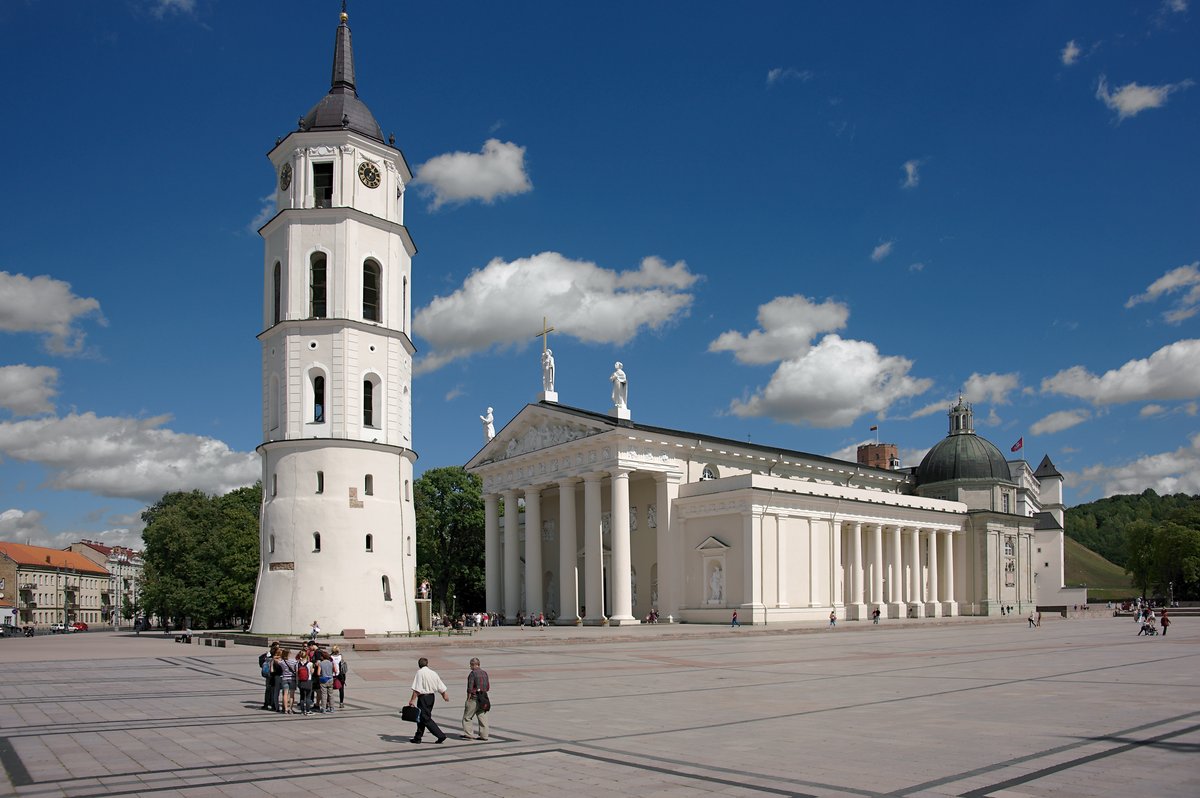
Nestled in the heart of Vilnius’ UNESCO-listed Old Town, the Cathedral of the Theotokos stands as a testament to Lithuania’s rich religious tapestry and architectural evolution. This Orthodox cathedral, with origins dating back to the 14th century, is a symbol of spiritual devotion and cultural resilience, reflecting a blend of Gothic, Byzantine, Baroque, Neoclassical, and Georgian influences. This comprehensive guide provides detailed information on its history, architectural highlights, religious importance, as well as practical details for visitors including opening hours, ticketing, accessibility, and nearby attractions (History of the Lithuanian Orthodox Cathedral; Live the World).


Origins and Early History
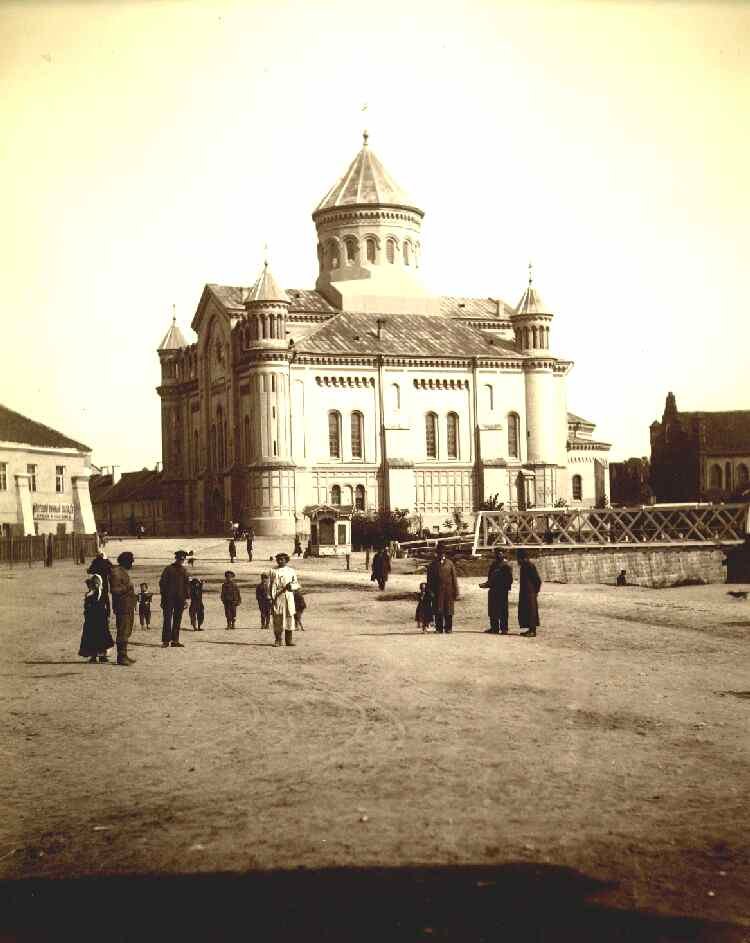
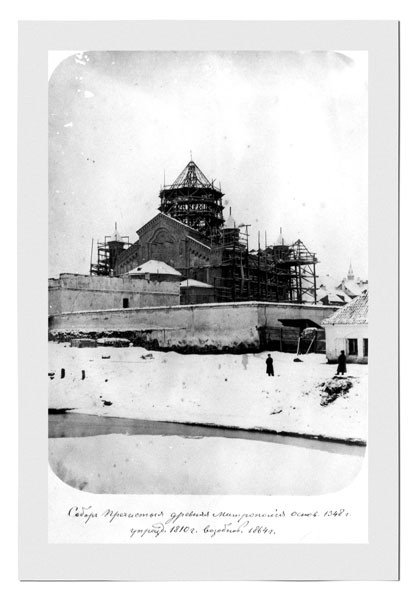
The Cathedral of the Theotokos was founded in 1346 by Grand Duke Algirdas for his Orthodox wife, Uliana of Tver. From its inception, the cathedral played a pivotal role in consolidating Orthodox Christianity in Lithuania, serving as a spiritual and administrative center for the Orthodox community. Its establishment symbolized the era’s dynastic and religious ties between Lithuania and neighboring Orthodox regions (History of the Lithuanian Orthodox Cathedral).
Architectural Evolution
Gothic Beginnings
Initially constructed in a fortress-like Gothic style, the cathedral was characterized by robust masonry, pointed arches, and tall, narrow windows. This defensive architecture reflected both practical needs during turbulent times and the interplay of Western and Eastern Christian artistic traditions.
Later Transformations
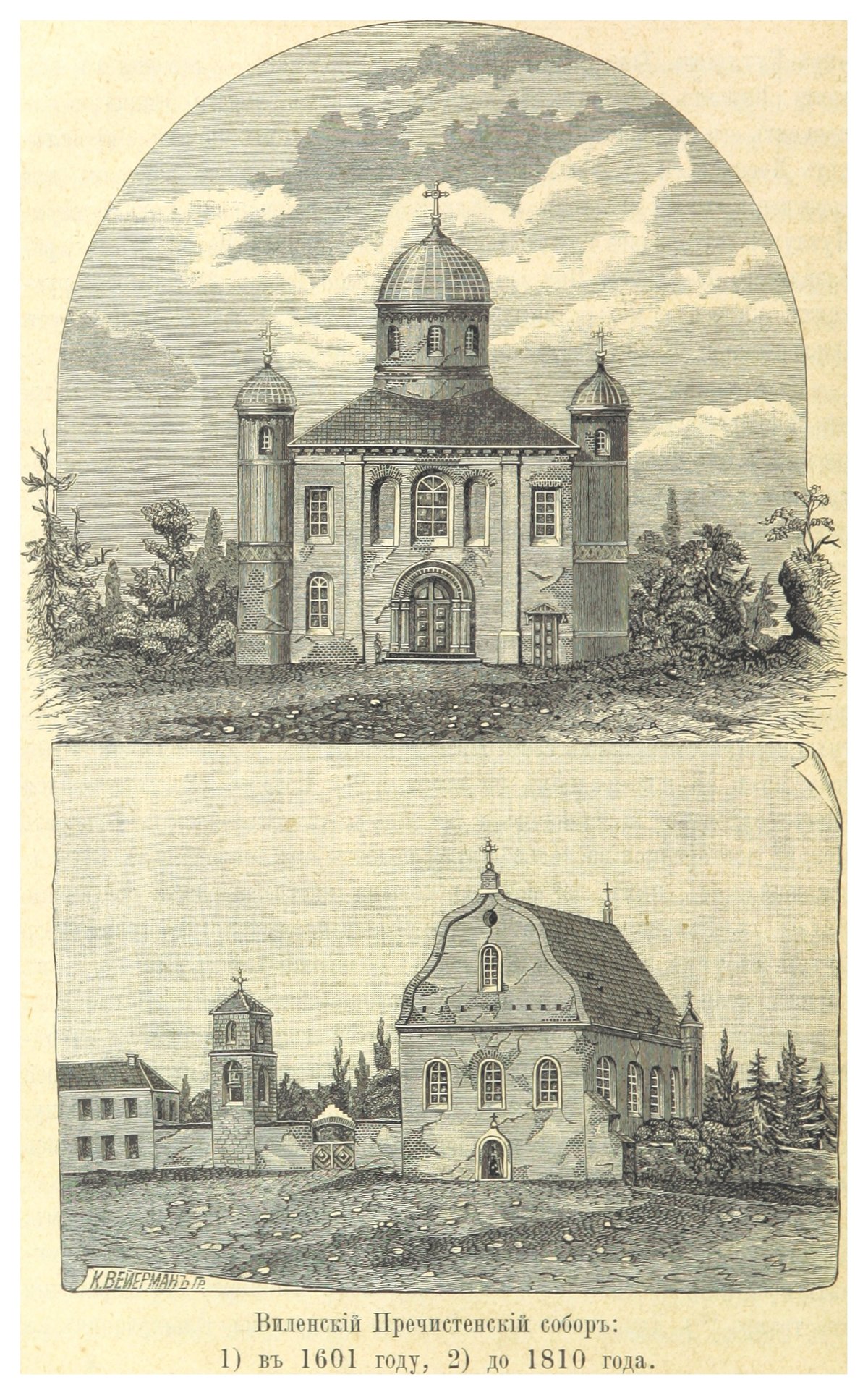
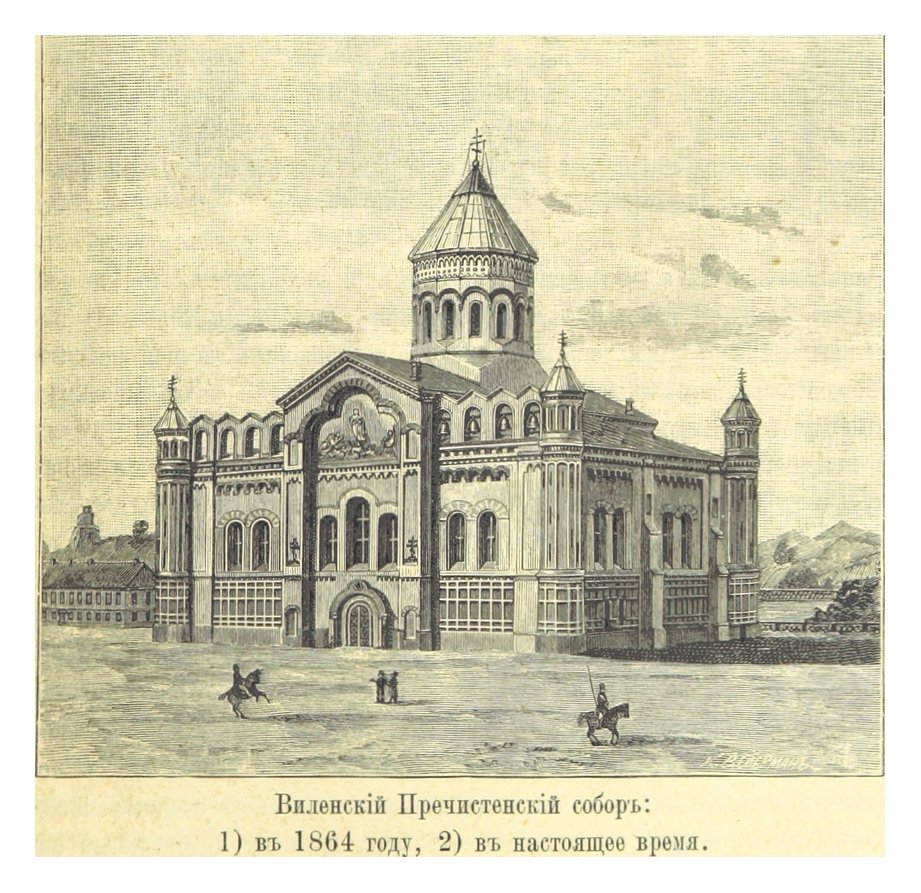
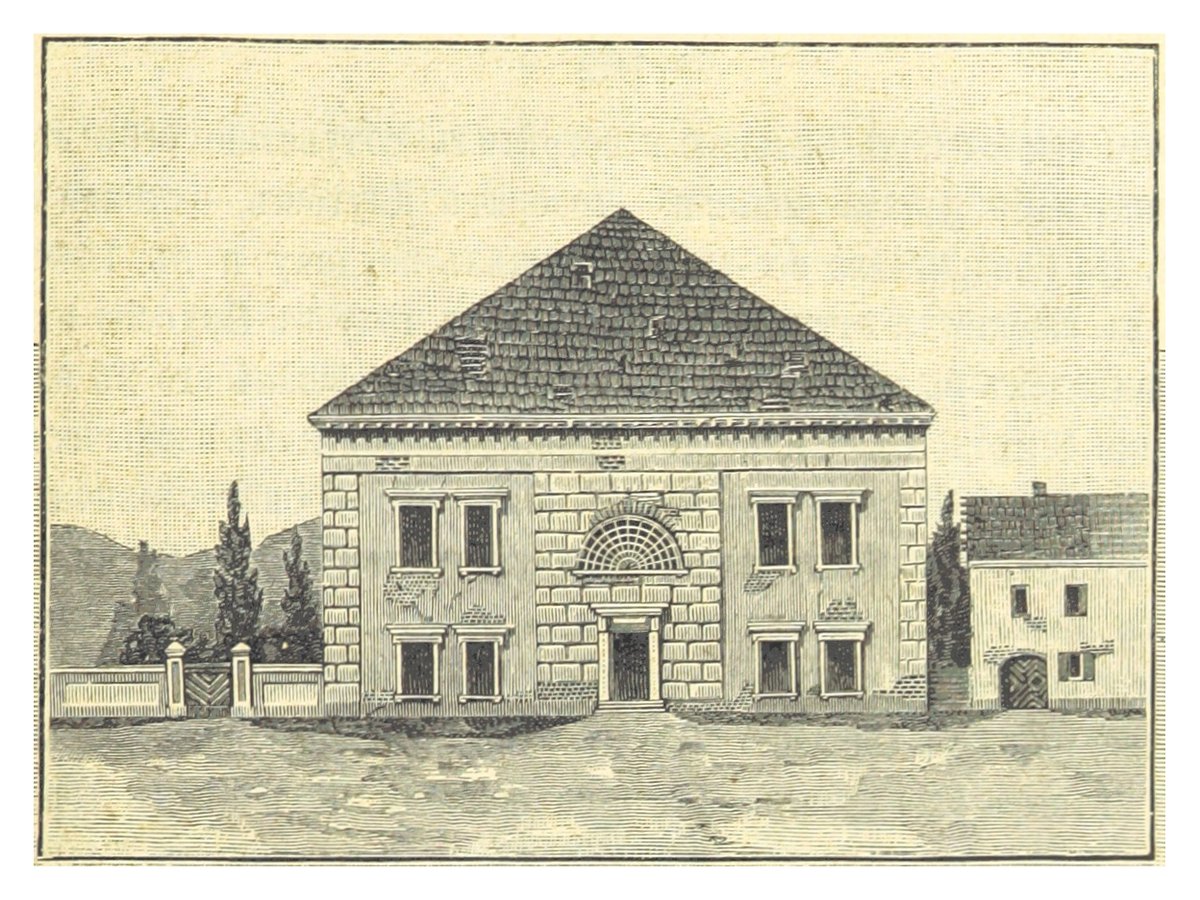
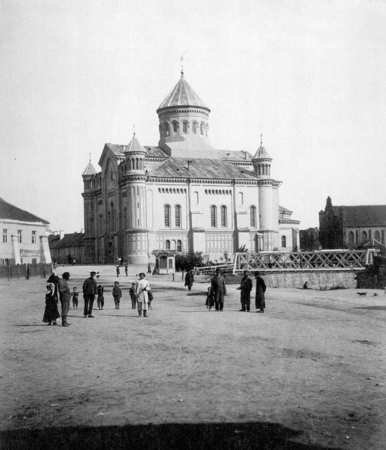
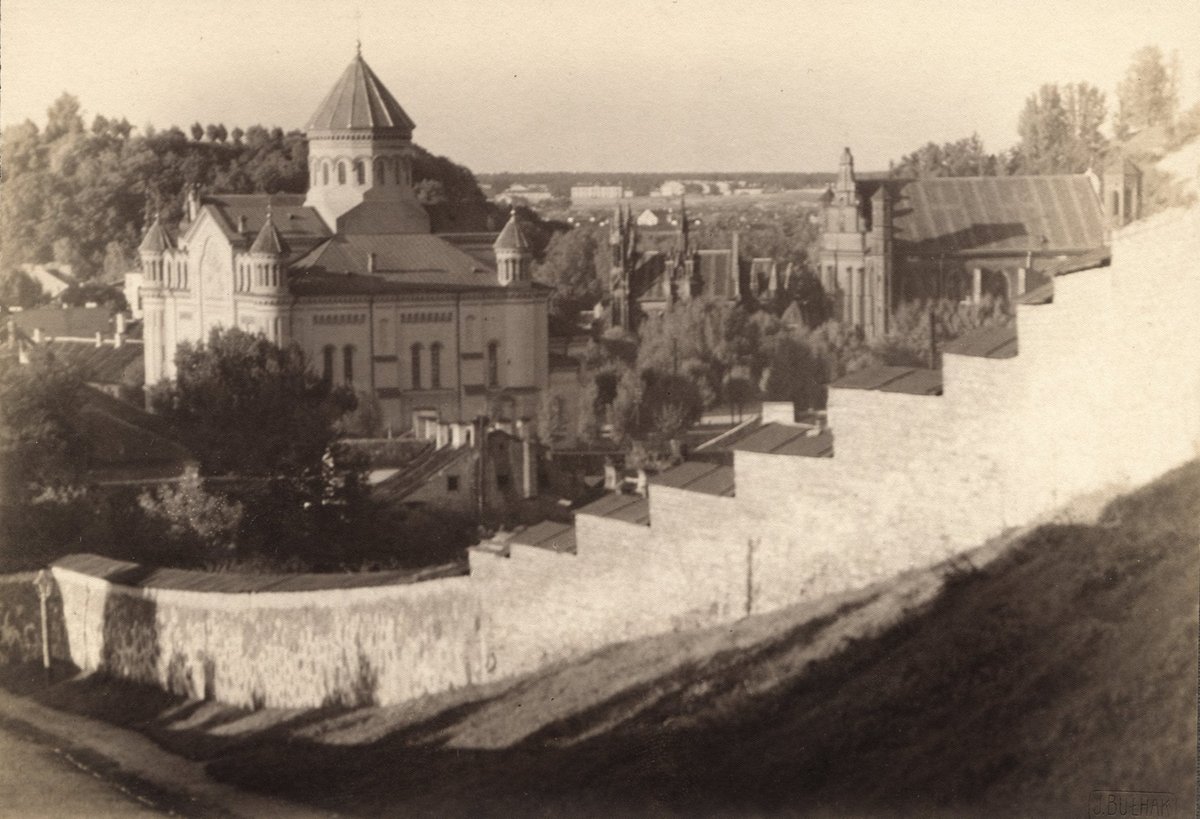
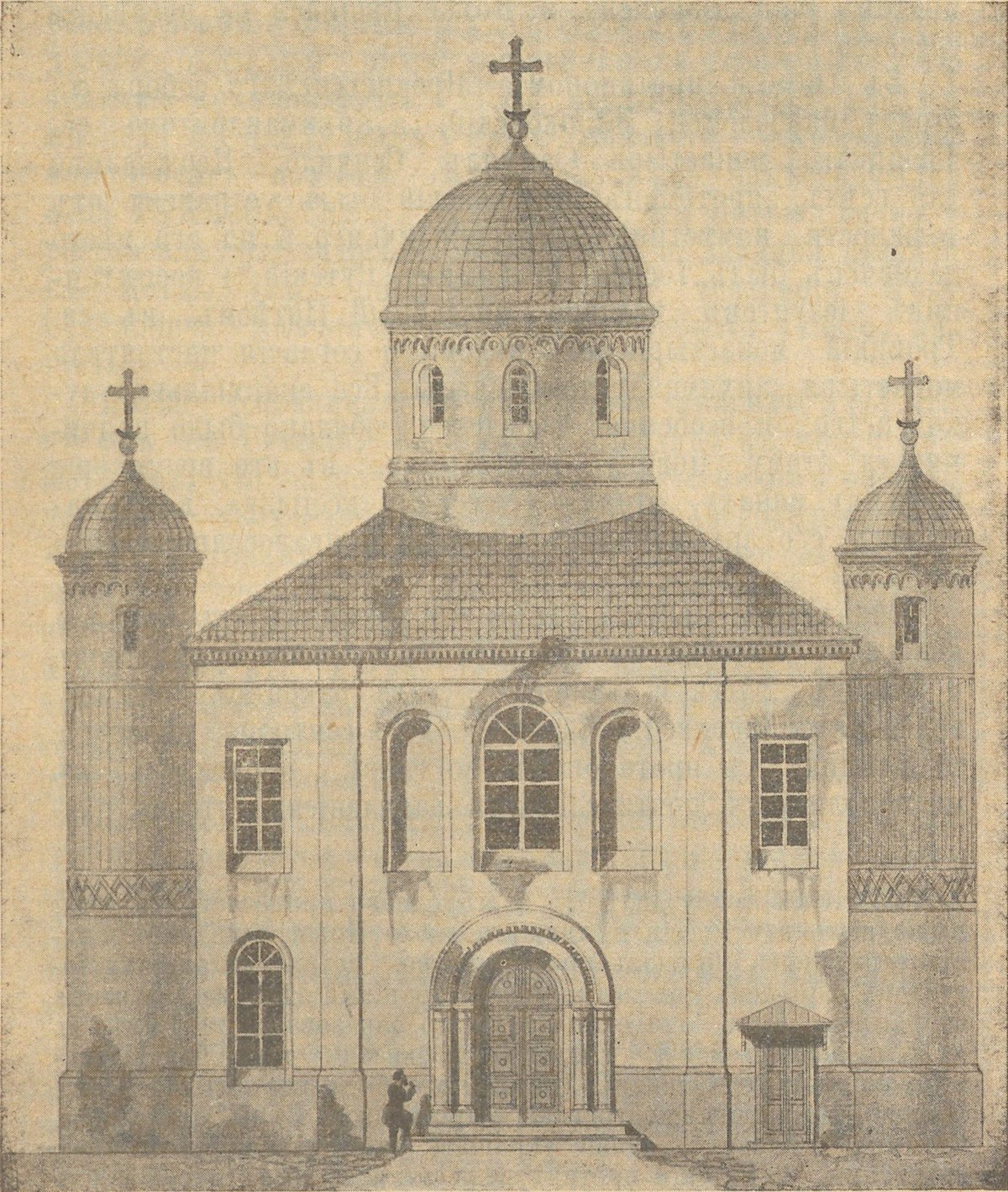
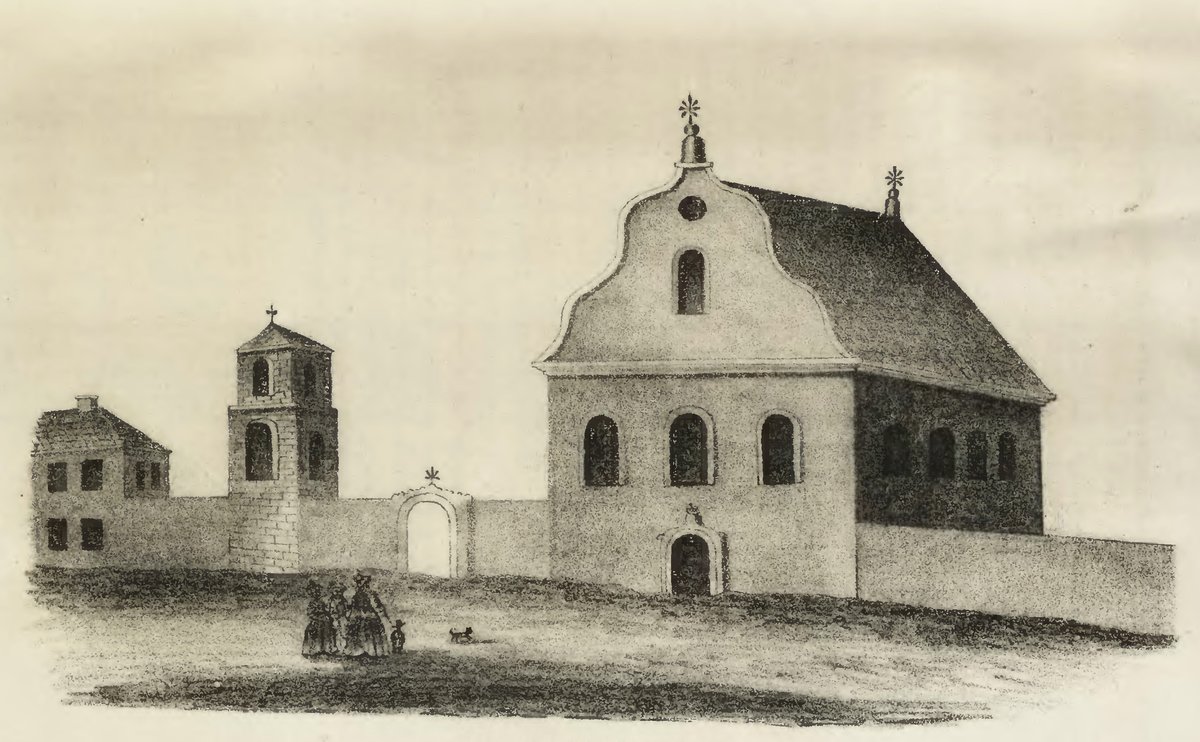
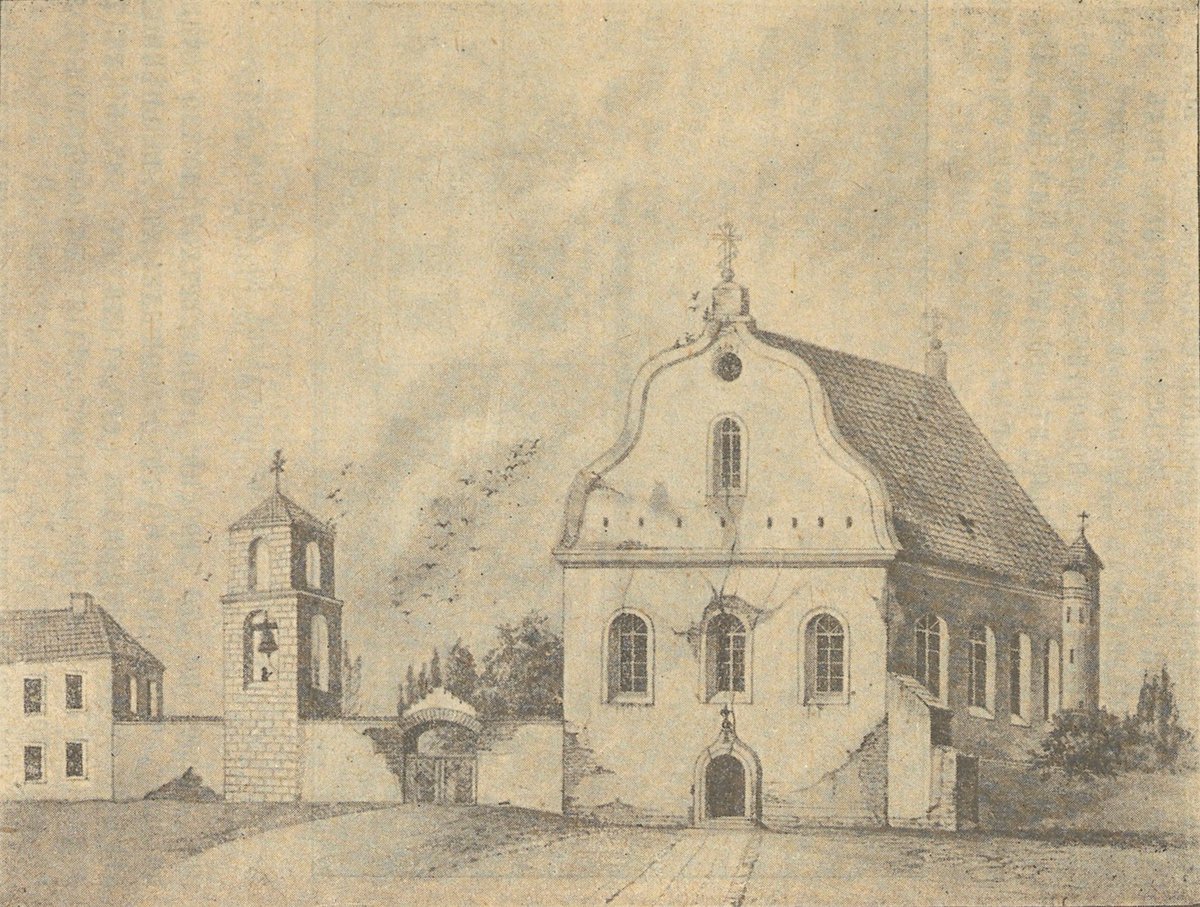
The cathedral underwent numerous reconstructions following fires, wars, and shifts in political power. The 17th and 18th centuries saw Baroque elements introduced, while the 19th-century restorations, under Russian architects, brought a lighter dome and some Georgian influences. Soviet occupation led to secular use and neglect, but post-independence Lithuania restored the cathedral to its religious function and historical appearance (Live the World; Nomad Epicureans).
Religious and Cultural Significance
The Cathedral of the Theotokos is more than an architectural landmark—it is a living center of Orthodox faith in Lithuania. Its iconostasis, adorned with 19th-century icons, features local saints and reflects the region’s distinct spiritual heritage. The cathedral’s resilience through periods of war, secular repurposing, and restoration mirrors Lithuania’s broader history of religious coexistence and cultural transformation (History of the Lithuanian Orthodox Cathedral).
Notable Events in Cathedral History
- Medieval Origins: Foundation in 1346 by Grand Duke Algirdas.
- Restorations: Multiple reconstructions, especially after fires and wars.
- Soviet Era: Used as a dissection center and barracks for over 60 years.
- Post-Independence: Returned to the Orthodox Church and fully restored.
- Modern Role: Venue for religious services, concerts, and cultural events (Nomad Epicureans).
Visitor Information
Visiting Hours
- Standard Hours: Daily from 10:00 AM to 6:00 PM.
- Seasonal Variations: Check the official website or local visitor centers for changes during religious holidays or special events.
Tickets and Admission
- Entry: Free for all visitors; donations are welcome.
- Guided Tours: May incur a small fee, especially for in-depth or group tours.
- Special Events: Tickets for concerts or exhibitions can be purchased on-site or online.
Guided Tours
- Availability: Offered in Lithuanian, Russian, and English.
- Booking: Recommended in advance through local tour operators or visitor centers.
- Content: Focus on history, architecture, and religious art.
Accessibility
- Mobility: Street-level entrances, ramps available at main doors.
- Inside: Some uneven flooring and steps; partial accessibility for wheelchairs.
- Assistance: Guide dogs allowed with advance notice. Assistance for visitors with disabilities can be arranged.
Location and Getting There
- Address: 10 Šv. Mykolo Street, Vilnius Old Town.
- Transport: Easily reached by foot or public transport from the city center. Close to major bus and tram stops.
Nearby Attractions
- Vilnius Cathedral
- Gediminas’ Tower
- Gates of Dawn
- Bernardine Gardens
- Užupis district (artistic neighborhood)
- Pilies Street (shopping and cafés) (A Ticket to Take Off)
Architectural Highlights
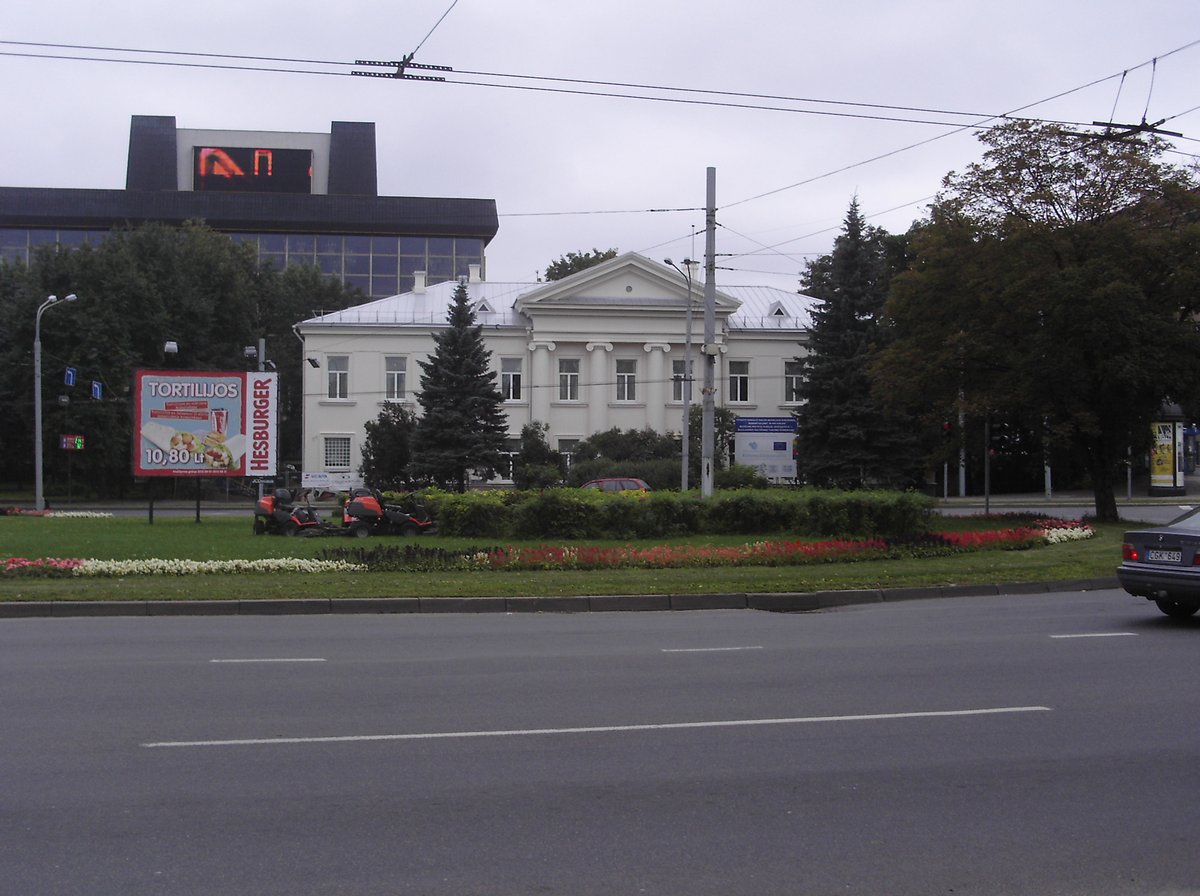
- Exterior: Fortress-like Gothic style, later layered with Baroque, Neoclassical, and Georgian elements. Distinctive domes, pale stone façade, Neoclassical portico, and pointed Gothic windows (Live the World; Evendo).
- Interior: Spacious nave, ornate multi-tiered iconostasis, vibrant frescoes, and traditional Orthodox layout.
- Artistic Details: Icons of the Virgin Mary and saints, frescoes blending Byzantine and local styles, carved choir stalls, decorative metalwork, and patterned floors.
- Structural Features: Robust masonry walls, domes supported by pendentives, and large windows for natural light.
Visitor Experience and Tips
- Best Times to Visit: Late spring through early autumn (May–September) for mild weather and fewer crowds (National Traveller; Where and When).
- Dress Code: Modest attire; women may wish to cover their heads during services.
- Photography: Generally permitted without flash; ask permission during services.
- Duration: Allocate 30–45 minutes for a visit; longer if joining a guided tour.
- Facilities: Limited restrooms inside; numerous cafés and restaurants in Old Town.
- Accessibility: Partially accessible; assistance recommended for those with mobility challenges.
Frequently Asked Questions (FAQ)
Q: What are the Cathedral of the Theotokos visiting hours?
A: Typically 10:00 AM to 6:00 PM; check ahead during holidays.
Q: Is there an entrance fee or ticket required?
A: Entry is free; donations are appreciated. Guided tours and events may require a fee.
Q: Are guided tours available?
A: Yes, in multiple languages; book in advance for best availability.
Q: Is the cathedral wheelchair accessible?
A: Partial accessibility; ramps at entrance but some interior steps.
Q: Can I attend religious services?
A: Yes, services are open to the public; maintain respectful behavior.
Q: Is photography allowed?
A: Yes, without flash or tripods; avoid during services unless permitted.
Discover More
Enhance your Vilnius experience by downloading the Audiala app for audio guides and exclusive content. Follow us on social media for updates, and explore our other guides to discover more of Vilnius’ historical and cultural treasures.
Listen to the full story in the app
The whole Cathedral Of The Theotokos, Vilnius,
told well.
Listen to sourced travel stories with local history and practical context — ready offline.
Verified, and shown.
Researched and written by the Audiala editorial team from historical records, architectural archives, and local expertise.
Built from cited sources · see the method · How we make our guides →