Grand Duchy of Lithuania
castle
25 January 1323
Gediminas Writes the First Letter
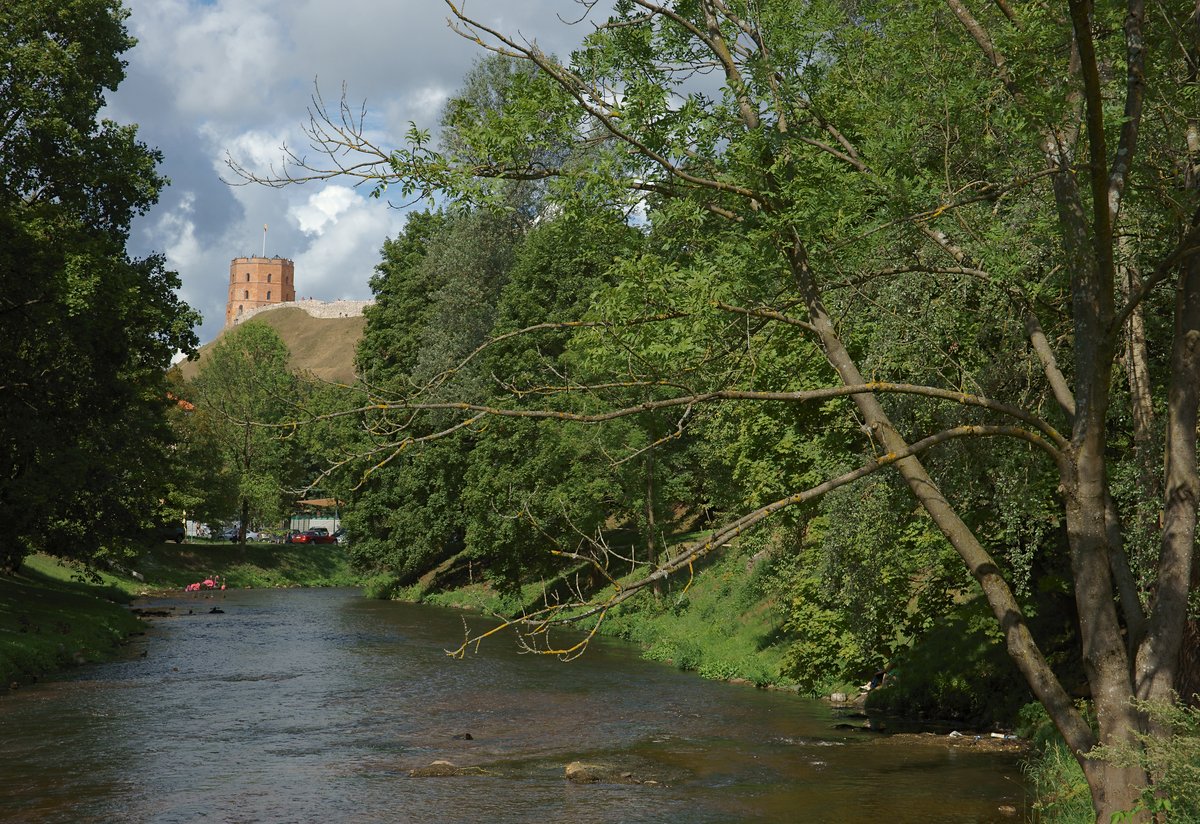
Grand Duke Gediminas pens a circular letter to German merchants: 'In our city of Vilna, there is room for craftsmen and traders.' With this bureaucratic invitation, Vilnius becomes a capital. The ink hasn't dried before carpenters arrive to build the first wooden castle on the hill that now bears his name.
gavel
22 March 1387
Magdeburg Rights Granted
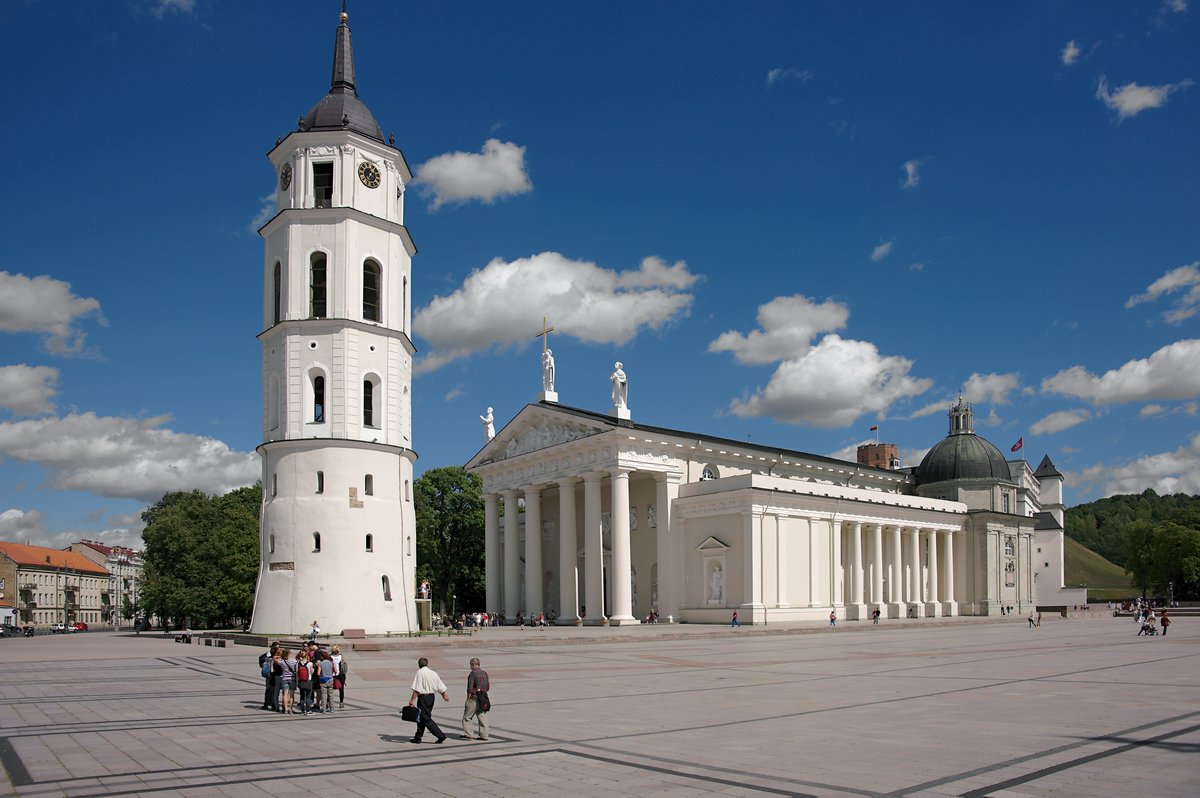
King Jogaila signs the parchment that transforms a wooden fortress into a proper city. Overnight, Vilnius gains self-governance, weekly markets, and the right to brew beer. The first Catholic bishopric is established; construction begins on the cathedral that will be rebuilt five times over the next 500 years.
school
30 October 1579
Stefan Báthory Founds University
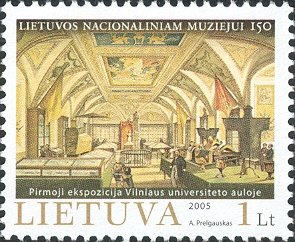
King Stefan Báthory signs the decree that creates the easternmost university in Europe for two centuries. Thirty-seven years after the Jesuits arrive, their college becomes Vilnius Academy. Scholars from Kraków to Königsberg now trek to study astronomy in a city where wolves still howl beyond the walls.
local_fire_department
30 June–1 July 1610
The Great Fire Consumes 4,700 Homes
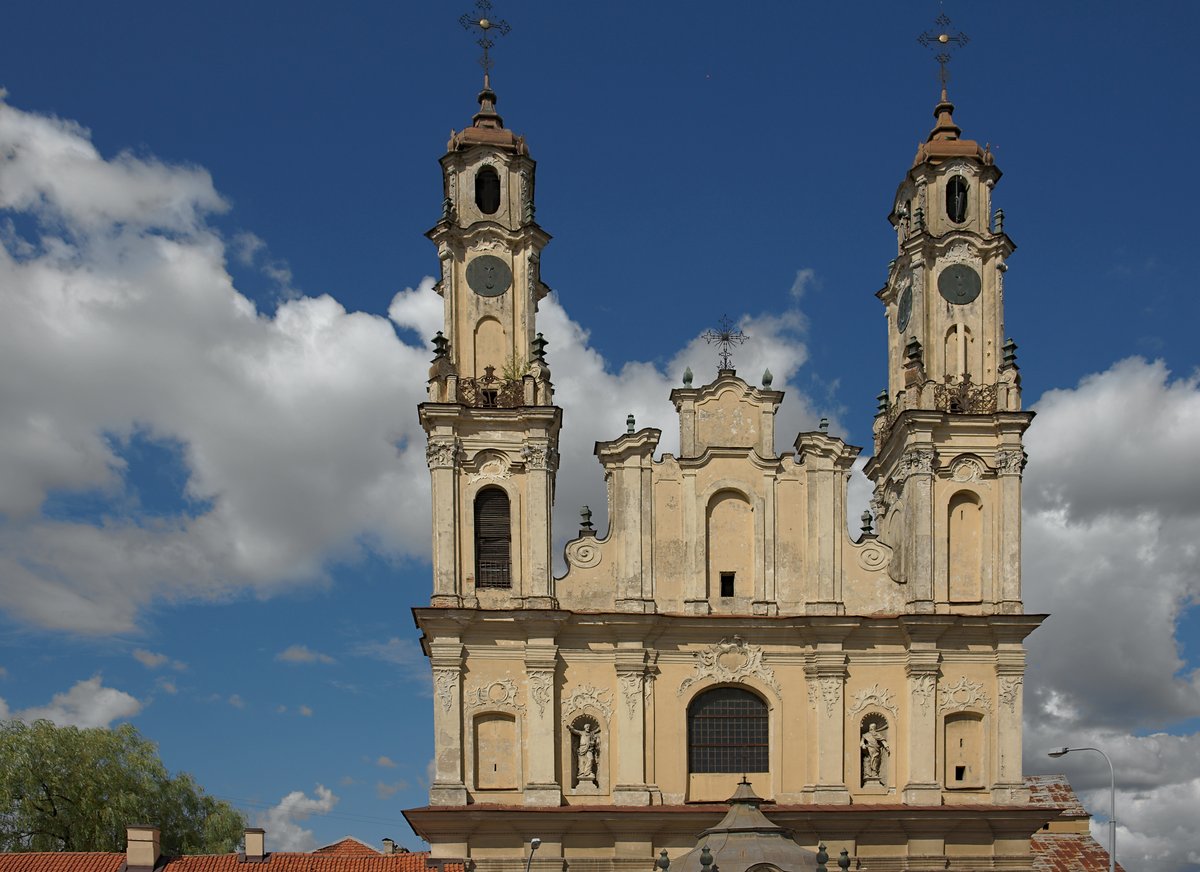
One spark in a baker's oven becomes an inferno that burns for 36 hours. Ten churches collapse into ash, the university library smolders, and one-third of the population loses everything. The fire reveals the city's medieval maze of wooden alleys; reconstruction will birth the Baroque skyline we see today.
swords
8 August 1655
Muscovites Burn the Capital
Russian troops breach the walls after a week-long siege. They loot for days, carrying icons and manuscripts back to Moscow. The burning of Vilnius marks the first foreign occupation in Grand Duchy history. When the army withdraws six years later, the population has halved and wolves roam the cathedral ruins.
person
c. 1720
Elijah ben Solomon Born
In a narrow Jewish quarter alley, the boy who will become the Vilna Gaon takes his first breath. By 30, he'll be the most feared Talmudic scholar in Europe, attracting students who sleep three to a bed in winter. His commentaries will make Vilnius the 'Jerusalem of Lithuania'—a title that will outlive both and empire.
Russian Empire
gavel
1795
Third Partition Erases Independence
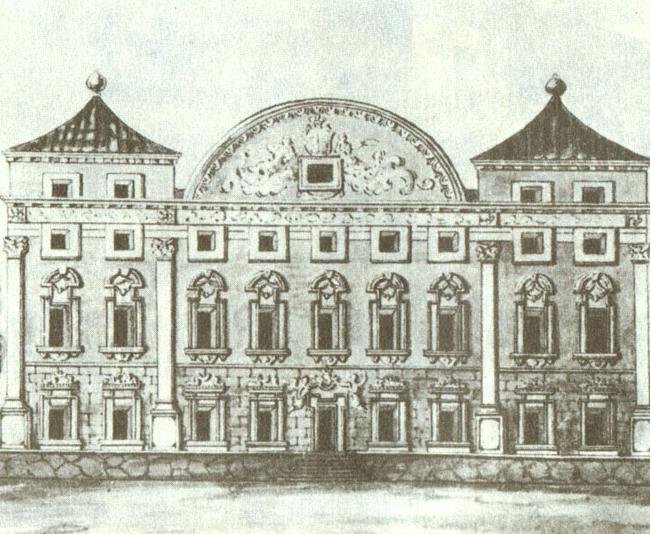
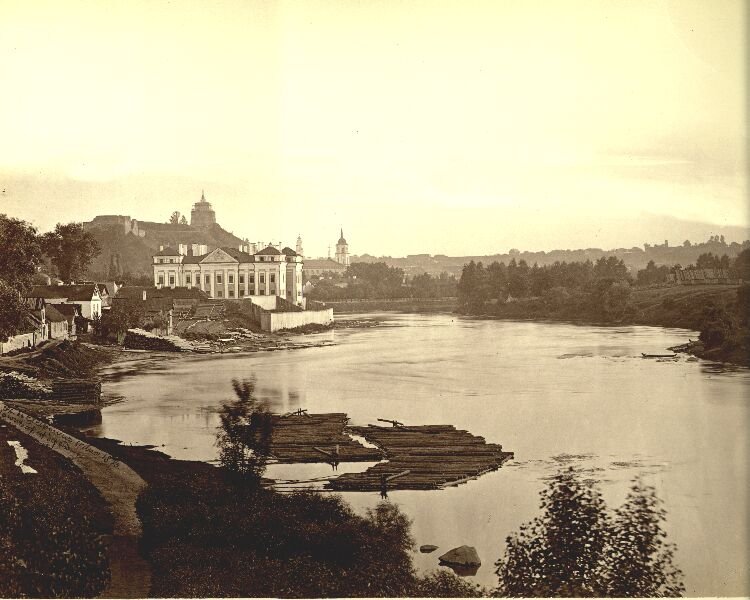
The Russian Empire swallows Vilnius whole. Overnight, Lithuanian becomes the language of peasants; Polish of the nobility; Russian of the court. The royal palace is demolished stone by stone. For the next 123 years, maps will show 'Wilno' as just another provincial capital in the Tsar's vast domain.
swords
June–December 1812
Napoleon's Grand Army Arrives
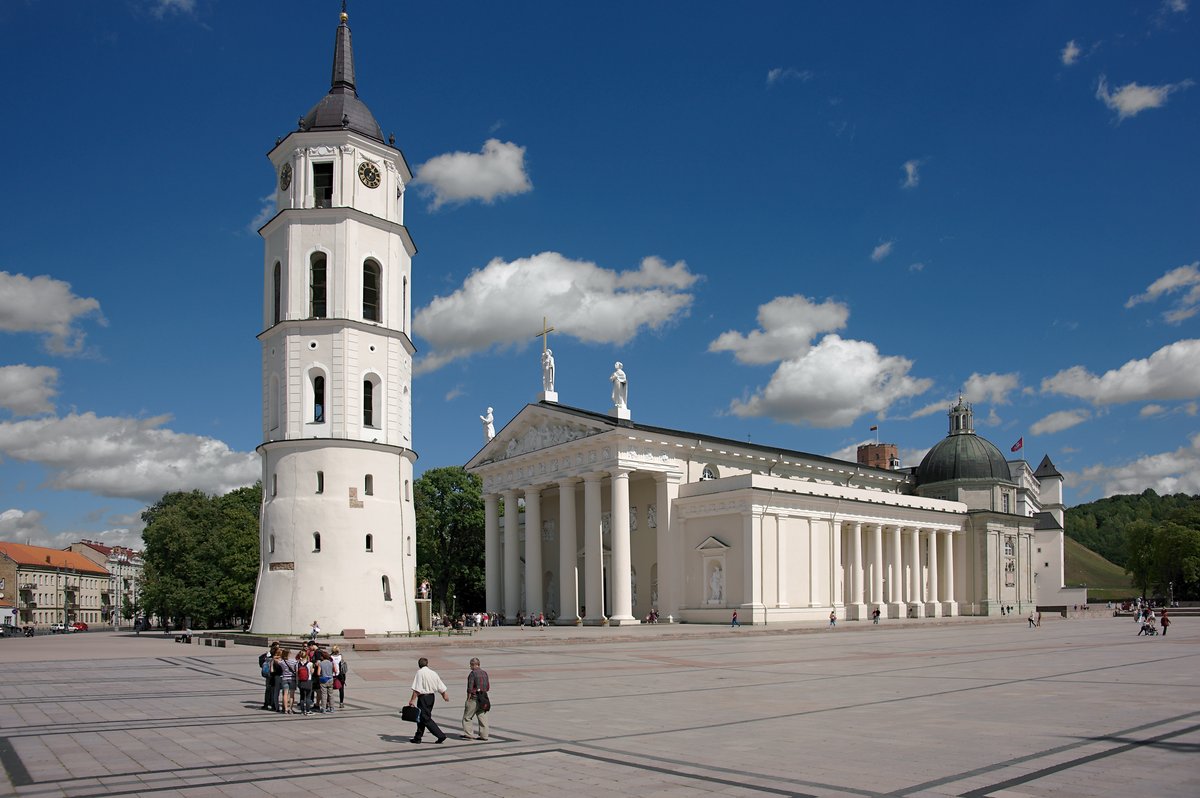
60,000 French soldiers camp where Gediminas Tower stands. Napoleon reviews troops in Cathedral Square while Lithuanians hope for restored independence. Five months later, the retreating Grande Armée drags frozen corpses along the same streets. The city's cellars are emptied of wine; its forests of firewood.
school
1832
Tsar Closes the University
After the 1831 uprising, punishment comes swift and deliberate. Vilnius University locks its doors—permanently, the Russians think. Professors scatter to Kraków and Paris; 20,000 volumes in the library are boxed for St. Petersburg. The 13 courtyards stand empty, their arcades echoing with pigeons.
person
1914
Romain Gary Born
In the Jewish quarter on Vokiečių Street, Romain Kacew enters the world speaking Lithuanian, Yiddish, and Russian before French. The multilingual boy will become France's only two-time Prix Goncourt winner, capturing Vilnius winter smells—coal smoke, horse sweat, and baking bread—in novels that make Parisians shiver.
World War II
swords
1941
Ponary Massacres Begin
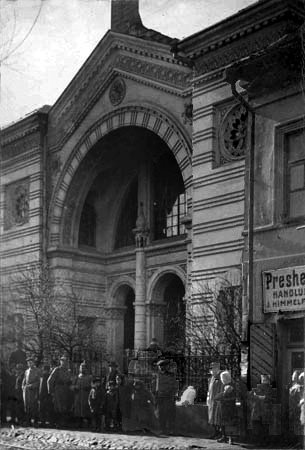
Nazi occupation turns Vilnius into a killing field. 74,000 Jews—80% of the community—are marched to Ponary forest and shot. The Great Synagogue, standing since 1633, becomes a stable for horses. By war's end, Yiddish has vanished from the streets where the Vilna Gaon once walked.
Soviet Period
local_fire_department
1950
Soviets Destroy Three Crosses
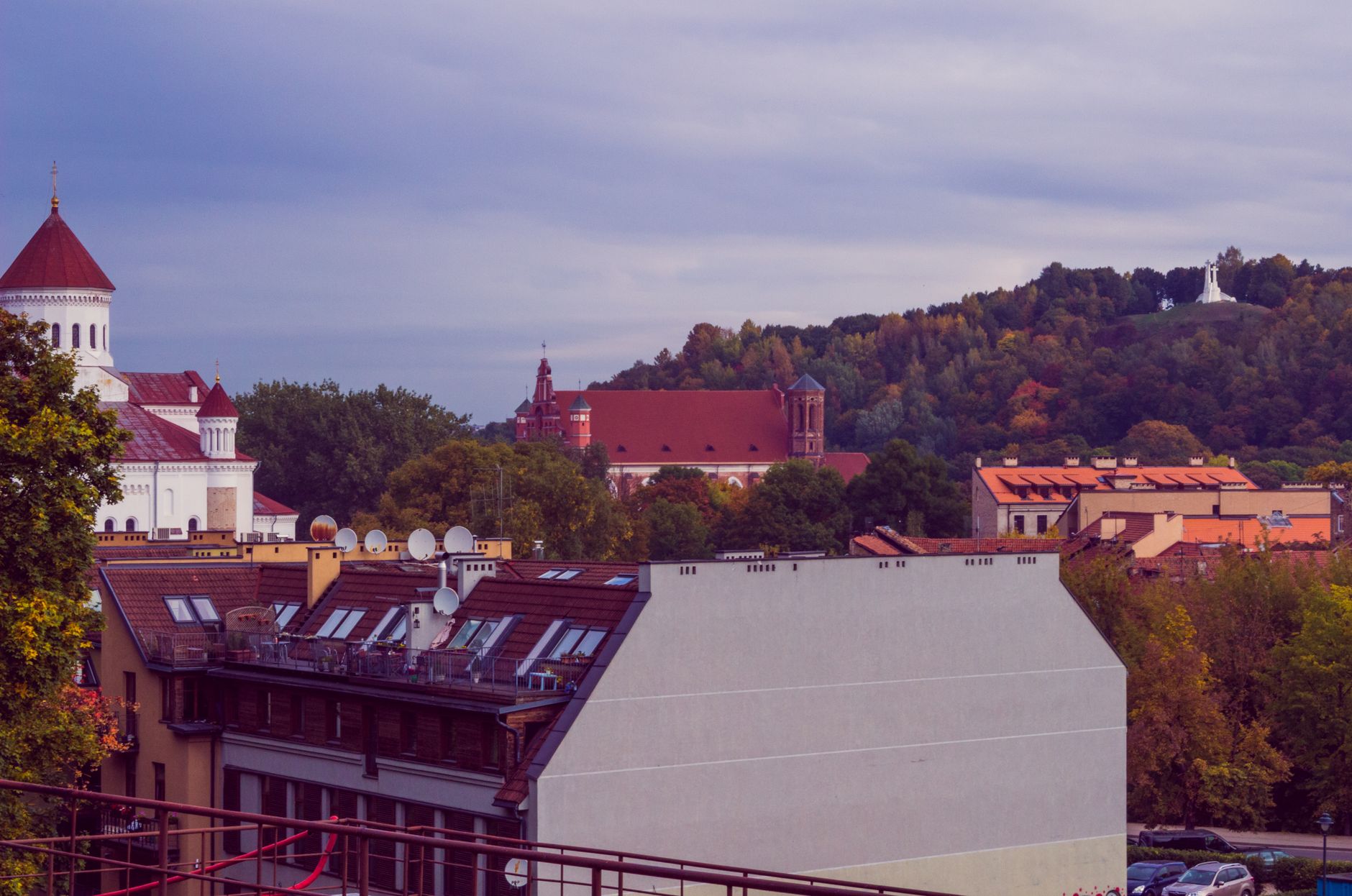
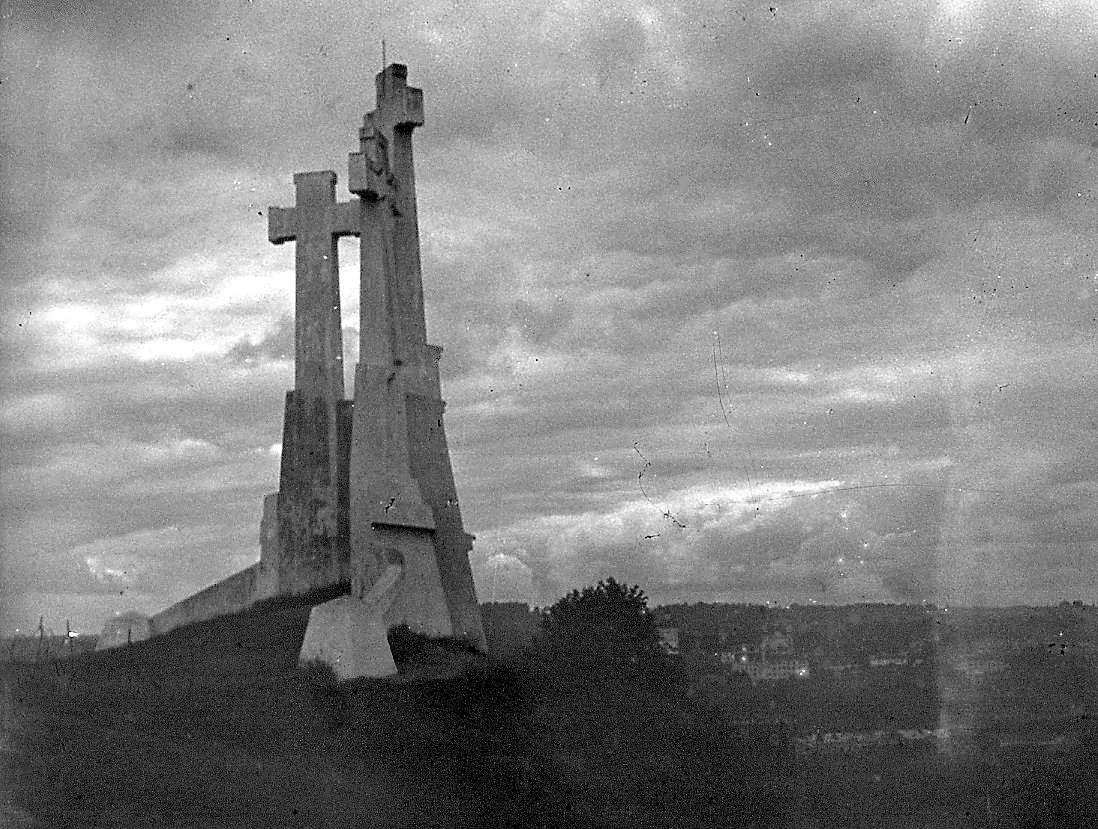
The monument atop the hill overlooking Užupis—built in 1916, rebuilt in 1939—is dynamited overnight. It's a warning shot: Lithuanian nationalism will not be tolerated. The empty silhouette haunts postcards for 39 years until Lithuanians rebuild it in 1989, piece by piece, under Soviet noses.
Independent Lithuania
gavel
11 March 1990
Independence Restored
In the Supreme Soviet chamber, deputies vote 124-0 to restore Lithuania's independence. Moscow calls it illegal. In January 1991, Soviet tanks roll toward the TV Tower; 14 civilians die defending it. The world watches as Vilnius becomes the first domino in the USSR's collapse.
castle
1994
Old Town Becomes UNESCO Site
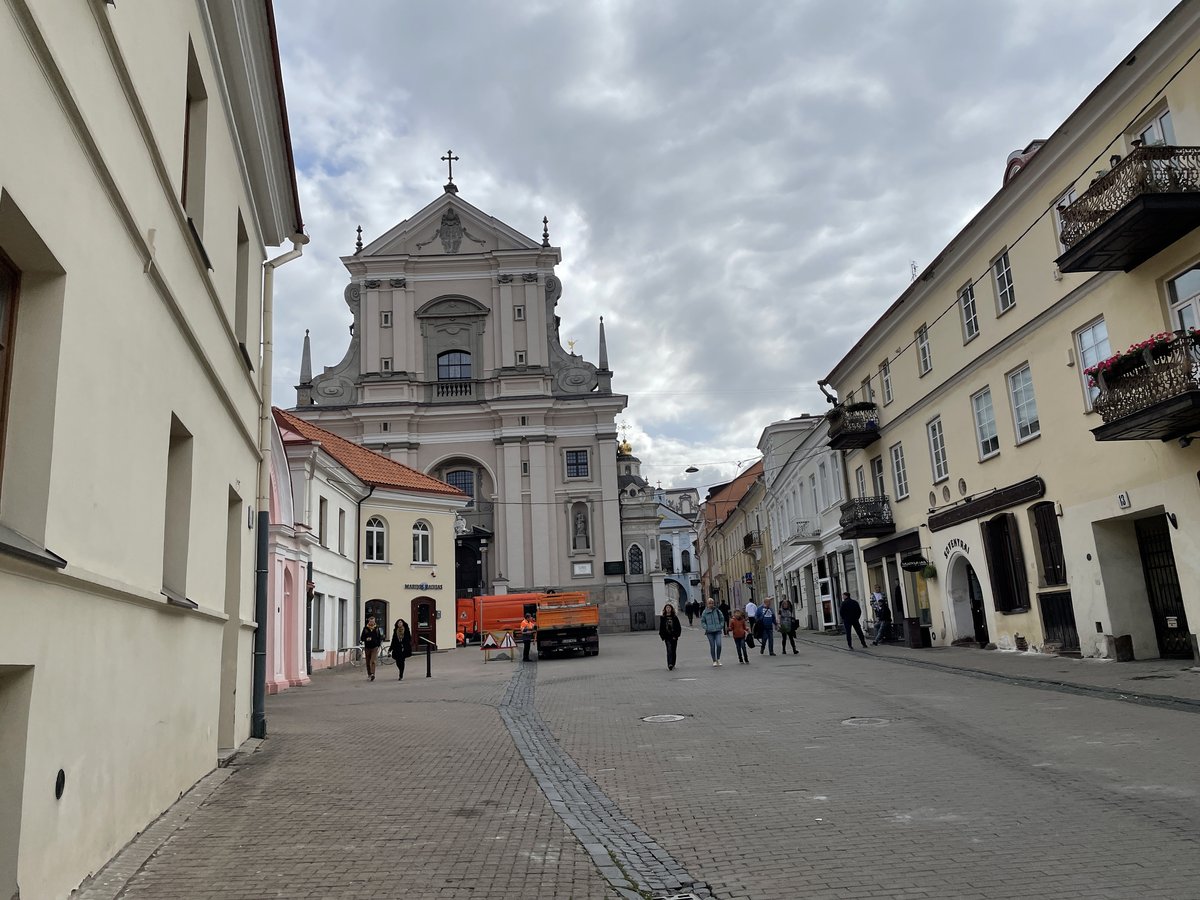
352 hectares of Gothic, Renaissance, and Baroque buildings—1,400 structures in all—gain world heritage status. The recognition comes just in time: abandoned Soviet factories still scar the edges. Restoration begins house by house, revealing frescoes hidden under 19th-century plaster.
public
July 2023
NATO Summit in Vilnius
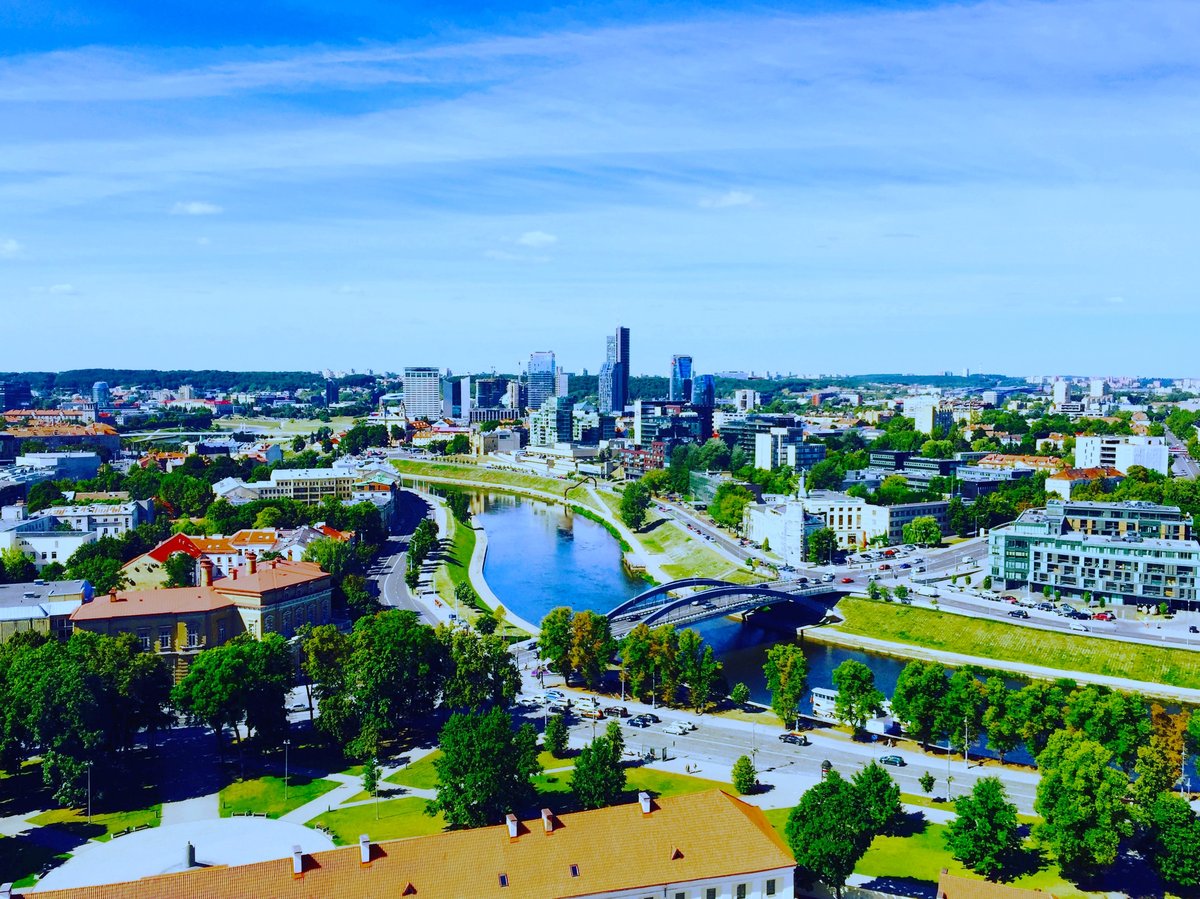
32 world leaders gather where Teutonic Knights once camped. The city that survived partitions, occupations, and burnings now hosts decisions about Europe's future. Air raid sirens from Ukraine echo across the Neris River, reminding everyone that Vilnius still sits on the fault line of empires.