Historical Evolution of Klaipėda
Klaipėda’s origins trace back to Baltic tribes such as the Curonians, who settled along the lagoon and coast (mexicohistorico.com). The city was strategically founded by the Teutonic Knights in the 13th century, later known as Memel and incorporated into Prussia and the German Empire. Following World War I and the Klaipėda Revolt, the city joined independent Lithuania in 1923 (ctdots.eu). Klaipėda endured wartime destruction and Soviet occupation but has since revitalized its Old Town, port, and cultural scene (klaipedatravel.lt).
Klaipėda Historical Sites and Maritime Heritage
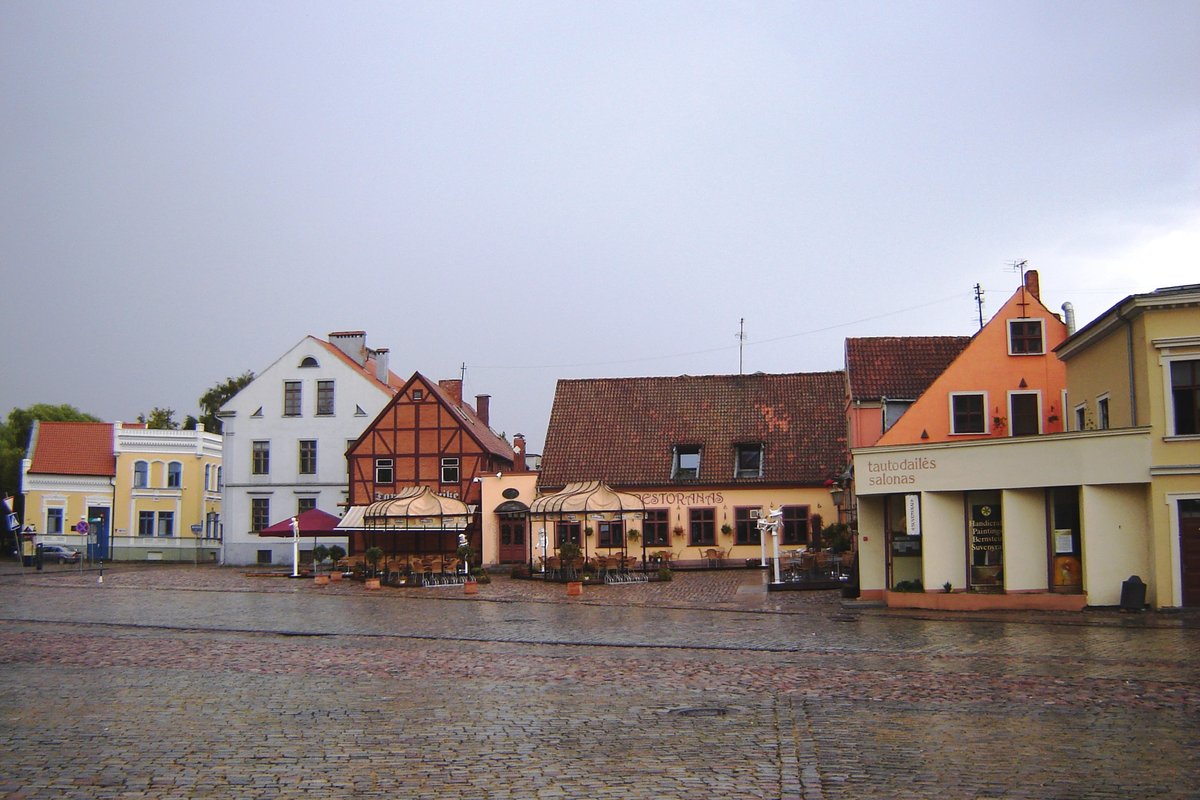
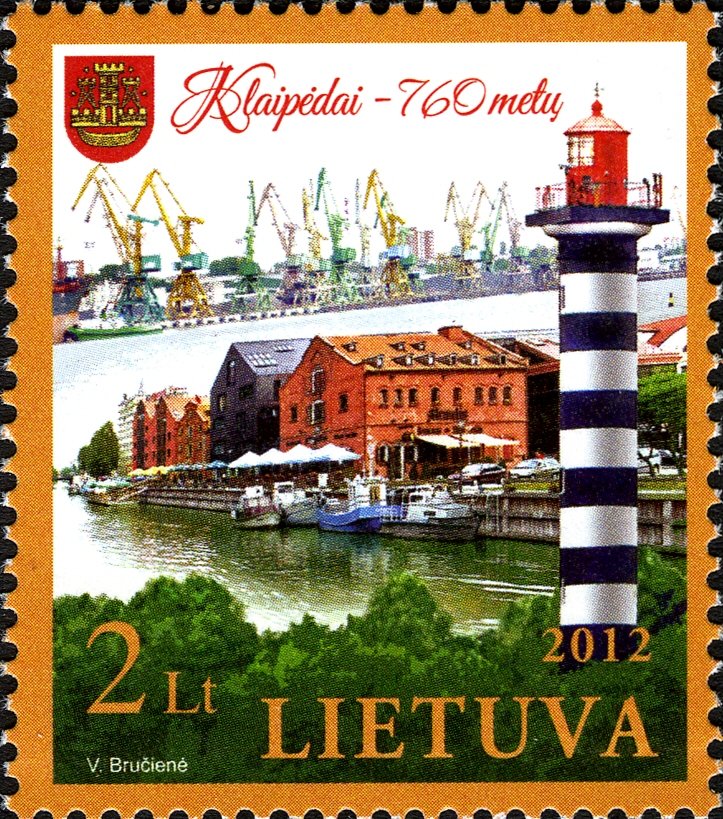
Klaipėda’s Old Town is renowned for its German fachwerk buildings, cobbled streets, and landmarks such as the Castle site and historic lighthouse. The city’s maritime identity is celebrated through the Lithuanian Sea Museum, annual Sea Festival, and a vibrant waterfront, where ships like the Lkl Sūduvis anchor Klaipėda’s naval story (destinationabroad.co.uk).
Lkl Sūduvis: Origins and Historical Significance
The Lkl Sūduvis (M52) began life as the German Navy’s M1071 Koblenz in 1958. Acquired by Lithuania in 1999 after independence, Sūduvis became a symbol of the country’s modern naval ambitions and NATO integration (museumships.us). Decommissioned in 2021, the ship was preserved as a museum, maintaining its authentic Cold War-era equipment and serving as an educational center (nerablogooro.lt).
Visiting Lkl Sūduvis: Hours, Tickets, and Location
Location and Accessibility
Lkl Sūduvis is docked on the River Dangė, near Klaipėda’s Castle Bridge and Royal Embankment—steps from the Old Town (museumships.us). The site is easily accessible on foot, by public transport, or by car. Parking is available nearby; note that port parking zones require payment (KlaipedaTravel.lt).
Visiting Hours
- May–September Open daily, typically 10:00–18:00. Check the Lithuanian Sea Museum website for the latest schedule.
- October–April Group visits by appointment only.
- Closed Major holidays and during inclement weather.
Ticket Prices and Booking
- Adults €5–6
- Students/Seniors €3–4
- Families (2 adults + 2 children) €12
- Children under 6 Free
- Escape Room “SOS” (group, 3–7 people) €60 (advance booking required)
- Purchase On-site or online via the official portal
Accessibility and Visitor Tips
- Most exhibits are accessible; however, steep stairs and narrow corridors are original to the ship. Limited wheelchair access—contact staff in advance for assistance.
- Guided tours are available in Lithuanian and English (Russian on request).
- Dress in layers and wear sturdy shoes due to maritime weather and shipboard conditions (destinationabroad.co.uk).
Nearby Attractions
- Klaipėda Old Town Fachwerk architecture, artisan shops, and historic squares.
- Lithuanian Sea Museum & Aquarium Interactive exhibits, dolphinarium, and marine history.
- Curonian Spit UNESCO-listed dunes and pine forests, accessible by ferry.
- Local Restaurants Harbor-side seafood and Lithuanian cuisine (Top Travel Sights).
Onboard Experience: Museum Exhibits and Activities
Explore the bridge, command center, crew quarters, mess hall, and engine room. Exhibits feature:
- Original navigation and minehunting equipment
- Uniforms, artifacts, and multimedia presentations
- Hands-on activities: simulated navigation, naval communication, knot tying
- Temporary exhibitions and educational displays
Photography is permitted for personal use (no flash in sensitive areas).
Educational Programs and Events
- Guided Tours Led by naval veterans or museum staff.
- Workshops Maritime safety, navigation, mine warfare.
- Special Events Navy Day, Sea Festival (late July), historical reenactments
- Escape Room Experience “SOS” escape game for groups (advance booking required)
Practical Visitor Information
- Facilities Restrooms, gift shop, and café on site or nearby.
- Language Staff speak Lithuanian and English; interpretive materials are bilingual.
- Safety Supervise children; heed safety notices on steep stairs and narrow passageways.
- Health EU visitors should carry EHIC; others should have travel insurance (Audiala).
Seasonal Highlights
- Summer (June–August) Extended hours, festivals, warm weather, and outdoor events.
- Sea Festival Parades, concerts, and naval displays centered at the port (Orana Travel).
- Shoulder Seasons Quieter atmosphere for in-depth exploration.
- Winter Limited opening hours; festive Old Town events nearby.
Frequently Asked Questions (FAQ)
Q: What are Lkl Sūduvis visiting hours?
A: Typically 10:00–18:00, May–September; off-season by appointment. Always consult the official website for updates.
Q: How much are tickets?
A: Adult tickets are €5–6, student/senior discounts apply, and family tickets are available. Escape Room is €60/group.
Q: Is the museum accessible for people with disabilities?
A: Wheelchair access is limited. Contact the museum for details.
Q: Are guided tours available in English?
A: Yes, as well as in Lithuanian and upon request, Russian.
Q: Can I take photographs onboard?
A: Yes, for personal use; flash and tripods may be restricted.
Q: What’s the best time to visit?
A: Summer for festivals and longer hours; late spring and early autumn for fewer crowds.