The Atlantic breeze in Monrovia carries scents of grilling fish from Ce Ce Beach, diesel exhaust from Water Street, and something sharper—the memory of conflict and resilience. This is a capital built by freed American slaves on a strip of land between mangrove swamps and ocean, where the ruins of a luxury hotel stare down at markets selling brightly patterned Lappa fabric. Liberia’s story, from its singular 1847 founding to its survival through civil wars and epidemics, is written in the city’s concrete, its music, and its Sunday morning hymns.
Researched from Wikidata, Wikipedia & official sources · fact-checked ·
How we make our guides →
MThe Atlantic breeze in Monrovia carries scents of grilling fish from Ce Ce Beach, diesel exhaust from Water Street, and something sharper—the memory of conflict and resilience. This is a capital built by freed American slaves on a strip of land between mangrove swamps and ocean, where the ruins of a luxury hotel stare down at markets selling brightly patterned Lappa fabric. Liberia’s story, from its singular 1847 founding to its survival through civil wars and epidemics, is written in the city’s concrete, its music, and its Sunday morning hymns.
Start at Providence Island, a small scrap of land in the Mesurado River. Freed slaves from the American South first stepped ashore here in 1822. There's no grand monument, just the quiet understanding that this was the seed of a republic. The real monument is the city itself, a layered testament to that Americo-Liberian past and the sixteen indigenous ethnic groups that form its present.
You see that past in the whitewashed Sacred Heart Cathedral, its nave filled with the murmur of weekday prayer. You find its present in the controlled chaos of Waterside Market, a dense labyrinth of shouts, bargaining, and hawkers selling everything from shoes to dried fish. The energy is physical, a constant negotiation for space and price.
Photography Hotspot
02
Why Monrovia.
What makes this place worth slowing down for.
history
A City Built on Rebirth
Monrovia is a palimpsest of resilience. Stand on Providence Island where freed American slaves landed in 1822, then look up at the bullet-pocked concrete of the abandoned Hotel Ducor. The city doesn't hide its scars—it frames them against the Atlantic horizon.
groups
The Market's Pulse
Waterside Market is a kinetic symphony of commerce. The air smells of smoked fish and hot pepper, and the sound is a constant negotiation over piles of Lappa fabric and plastic sandals. It feels less like shopping and more like immersion.
beach_access
Ocean-Front Social Fabric
Life here flows toward the water. At Ce Ce Beach, Friday nights are for karaoke under colored lights with the salt breeze. Belle Azure offers a calmer counterpoint, where you can rent a paddle boat and watch the city from the waves.
04
Neighborhoods.
Where to wander, by quarter — each with its own rhythm.
01
Central Monrovia
This is the historic and administrative heart. You'll find the National Museum's quiet galleries, the Centennial Pavilion with its collection of presidential cars, and the J.J. Roberts Memorial Library, a repository of national memory. The air here feels official, threaded with history and the quieter pace of government buildings.
02
Mamba Point & Snapper Hill
Occupying the city's western peninsula, this area holds diplomatic compounds and the city's most dramatic physical presence. The derelict Hotel Ducor dominates the skyline from Snapper Hill. Book a guide to walk its echoing, graffiti-strewn halls for a view of the Atlantic that’s worth the climb. The vibe here is one of faded grandeur and stark geography.
03
Water Street & Waterside Market
This isn't a quiet neighborhood—it's an immersive, full-body experience. Water Street runs parallel to the oceanfront, leading into the dense maze of Waterside Market. Prepare for a cacophony of vendors, the smell of salt and produce, and a kinetic energy that defines Monrovian commerce. You come here to feel the city's pulse, not to relax.
04
Sinkor
A long, spread-out residential and commercial strip east of downtown. This is where you'll find Ce Ce Beach, the social hub for Friday night live music under colored lights. Further along, newer leisure spots like Belle Azure offer paddle boats and a calmer waterfront. Sinkor is where Monrovia goes to unwind by the water.
09
Insider tips.
Small things that change how the city treats you.
history_edu
Visit Providence First
Start with Providence Island. It's not pretty, but standing where freed American slaves landed in 1822 frames everything you'll see afterward. The lack of glamour is the point.
assignment_ind
Book A Guide
For the Ducor Hotel ruins and some sites, you need a pre-arranged guide through companies like West Tourism Management. You can't just walk in.
schedule
Check Museum Hours
The National Museum closes on Sundays and at 5pm on Saturdays. Plan accordingly for its essential but difficult civil war exhibits upstairs.
beach_access
Friday Night at Ce Ce
Head to Ce Ce Beach on a Friday. That's when the live music, karaoke, and colored lights transform it into the city's social hub.
local_mall
Brave Waterside Market
For Lappa fabrics and pure energy, go to Waterside Market on Water Street. It's loud, crowded, and the real deal.
payments
Carry Small Bills
Use Liberian dollars for markets and small vendors. Keep a mix of small denominations—bargaining is expected, and change can be scarce.
11
Gallery.
The city, as it actually looks.
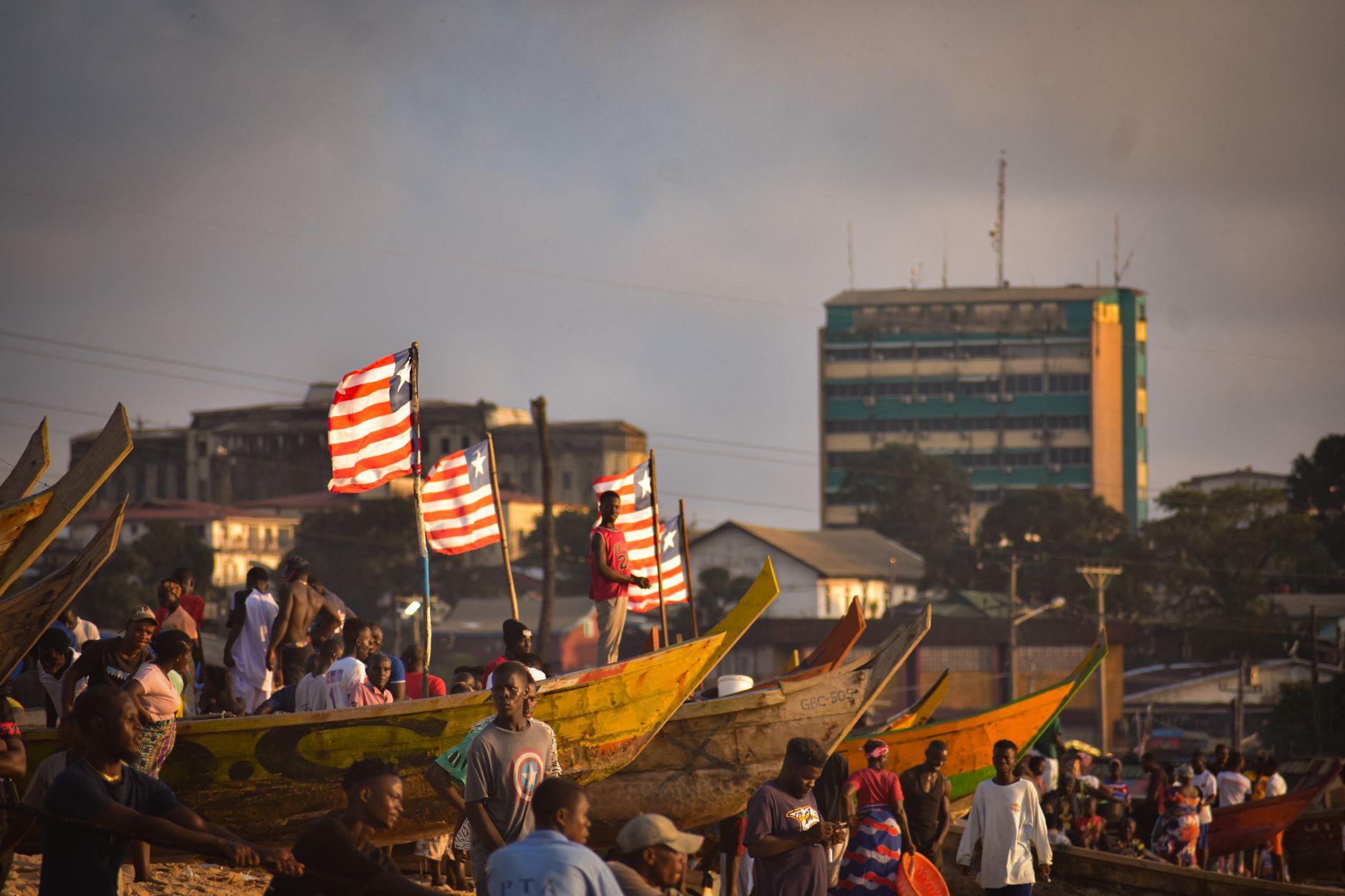
Local fishermen and residents gather on the beach in Monrovia, Liberia, as the golden hour light illuminates the traditional boats and the city skyline.
Isiaka D. Massalay on Pexels
A scenic aerial perspective of the urban landscape in Monrovia, Liberia, highlighting the prominent NPA building surrounded by greenery.
Kweku Pozybhle Directs on Pexels
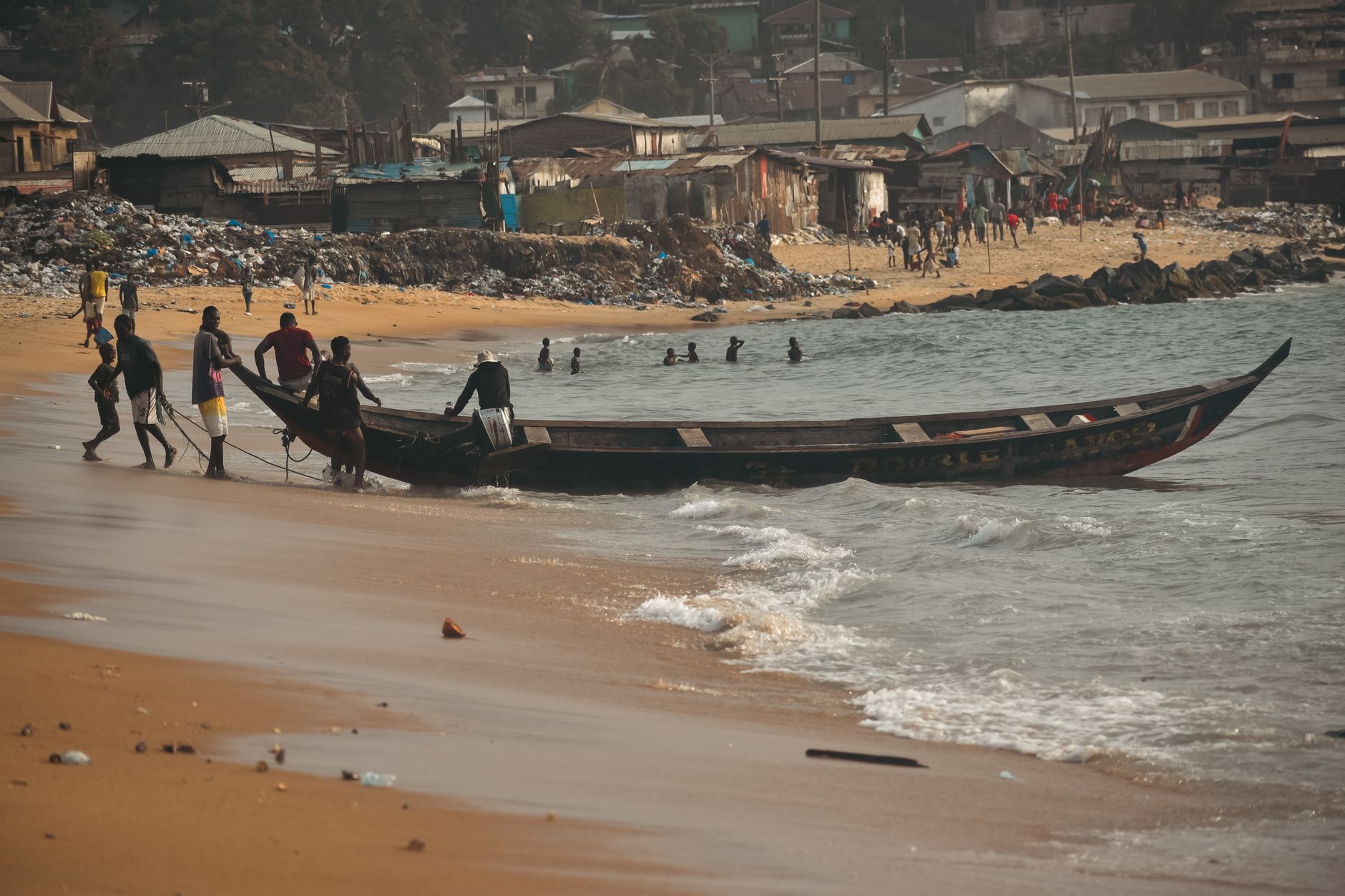
Local fishermen work together to pull their boat onto the sandy shores of Monrovia, Liberia, under the soft glow of a hazy afternoon.
B. Aristotlè Guweh Jr on Pexels
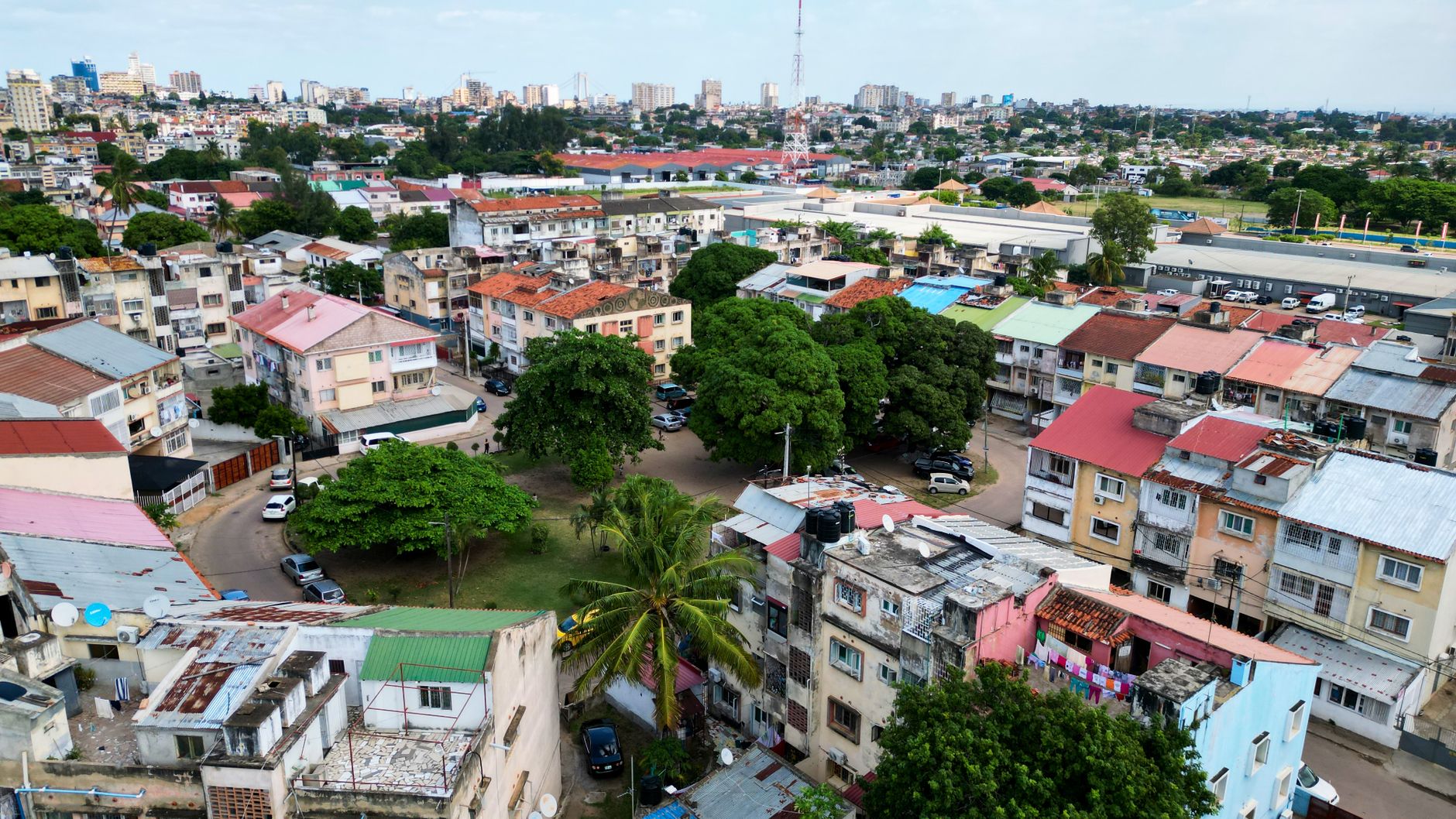
An elevated perspective captures the dense residential architecture and vibrant greenery of a neighborhood in Monrovia, Liberia.
SINAL Multimédia on Pexels
12
Frequently asked
Is Monrovia worth visiting?
Yes, if you travel for history and human resilience over polish. You come for the story: a nation founded by freed American slaves, surviving civil wars and Ebola. The landmarks are often humble or in ruins, but the narrative they hold is immense.
How many days should I spend in Monrovia?
Three to four days is enough. You'll need one for the core historical sites like Providence Island and the National Museum, another for exploring the beaches and markets, and a third for day trips or revisiting spots like the Ducor ruins.
Is Monrovia safe for tourists?
Exercise common sense and use local guides. Petty crime exists, so avoid displaying valuables. For specific sites like the Ducor Hotel, safety is managed by booking through official tour operators who control access.
What is the best way to get around Monrovia?
Hire a car and driver for the day. It's affordable and the most practical option. Public transport is chaotic, and having a local navigator is invaluable for finding unmarked sites and handling any checkpoints.
How expensive is Monrovia for travelers?
Accommodation and imported goods can be pricey, but local food and transport are cheap. A mid-range hotel might cost $80-120 a night, while a plate of jollof rice from a street vendor is under $2. Budget for guided tours as essential expenses.
What should I not miss in Monrovia?
Don't miss the National Museum's civil war gallery and the view from the abandoned Ducor Hotel. The first explains the recent past with unflinching photos; the second offers a panoramic, silent vista over a city that's still rebuilding.
Ready to book?
13Before you go
Practical Information
Flight
Getting There
Fly into Roberts International Airport (ROB), located about 35 miles east of the city center. A few regional carriers also serve Spriggs Payne Airport (MLW), a smaller airstrip within Monrovia itself, mainly for flights to Freetown and Abidjan.
Directions transit
Getting Around
There's no metro or formal bus system. Transport is a mosaic of yellow taxis (shared or private), motorbike taxis (called 'pen-pen'), and private drivers. Negotiate all fares before you get in. Hiring a guide with a vehicle for the day is the most efficient way to see specific sites like the Ducor.
Thermostat
Climate & Best Time
It's hot, humid, and wet. Temperatures hover between 75°F and 90°F year-round. The heavy rainy season runs May to October, with downpours that can flood streets. The dry season, November to April, offers more reliable sunshine and is the recommended window for a visit.
Translate
Language & Currency
English is the official language. Liberian English, with its own distinct cadence and phrases, is the lingua franca. The currency is the Liberian dollar (LRD), but US dollars are widely accepted. Carry small bills for market purchases and taxis.
Take Monrovia with you
All of Monrovia, downloaded once.
0 places, one continuous walking route. Free with your first city.
Strictly necessary cookies keep navigation working. Analytics cookies (PostHog, Google Analytics) help us learn which pages work — aggregate only, no ads, no selling. You can change this any time from the footer.
Privacy
Cookie preferences
Pick what you're okay with. You can change this any time from the footer.
Strictly necessary
Always on
Sign-in, language, navigation. Always on.
Product analytics
PostHog and Google Analytics, aggregate usage only. Helps us see which pages work and which need fixing. No selling, no ads.
Marketing
Off today. Reserved if we ever run paid acquisition. We will ask again before turning it on.