Maseru

Lesotho

Maseru

Africa’s highest capital keeps the world’s second-largest arch dam in its backyard and sunrise braais on Thaba-Bosiu plateau.

location_on 8 attractions
calendar_month Autumn (Mar–May)
schedule 2–3 days

Introduction

The first thing that catches you off guard in Maseru is the altitude of the air — thin, bright, and carrying the faint smell of sorghum beer from morning markets. Lesotho’s capital sits at 1,600 m, ringed by the Maluti Mountains, and feels less like a city than a high-plains village that forgot to stop growing.

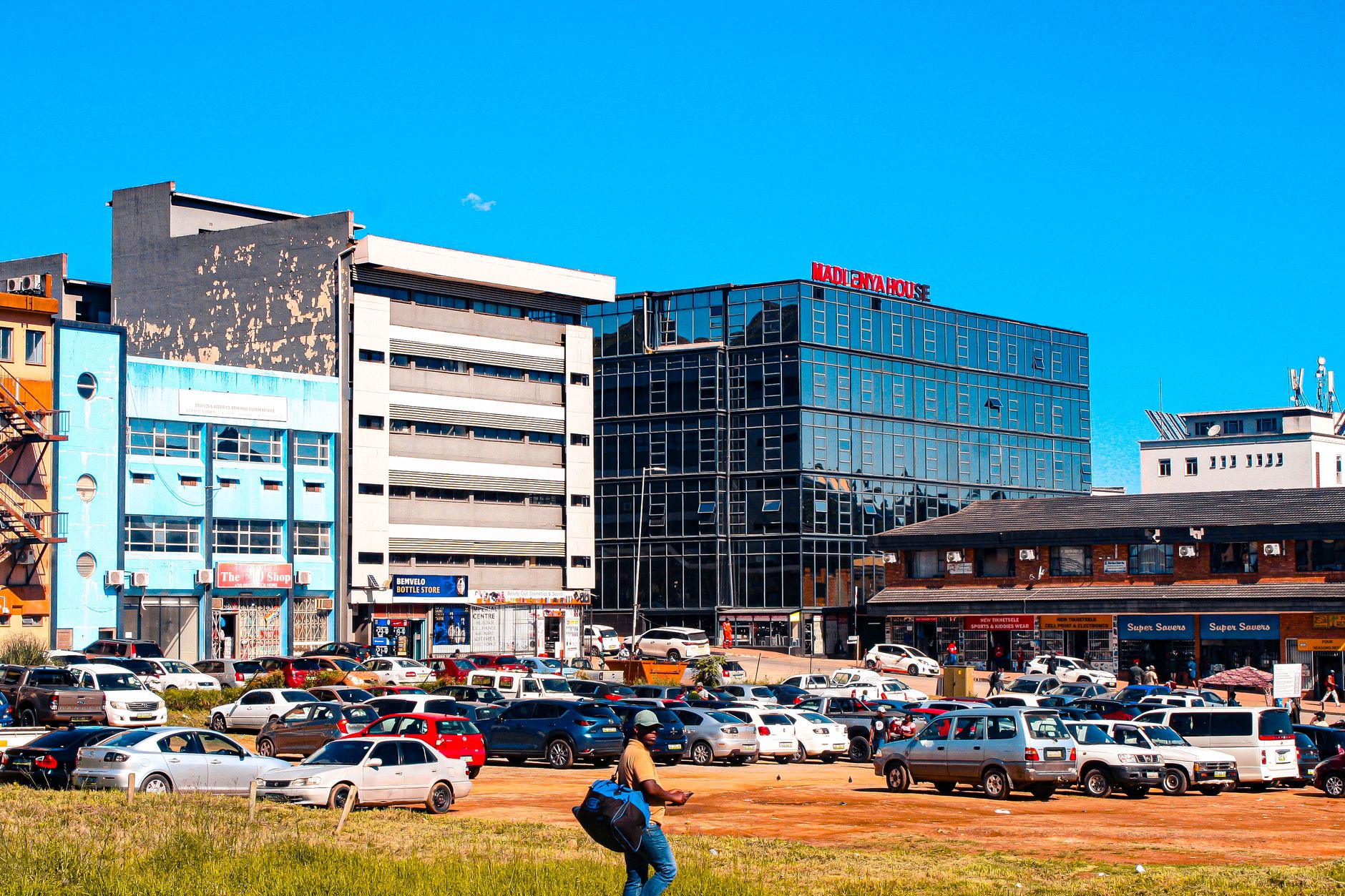
Kingsway Road, the only thoroughfare that pretends to be a boulevard, strings together colonial brick arcades, glass bank towers, and roadside stalls selling Basotho blankets the size of double beds. Traffic lights blink red at noon while herd boys in rubber boots lead cattle past the central post office, their cellphones clipped to woollen balaclavas like improvised armor against the wind.

There is no postcard perfection here. Parts of Maseru look unfinished on purpose: rebar poking from roofs, waiting for the next family extension; half-painted shop signs that announce “SPAR” in letters taller than the door. What holds the place together is the sound — women greeting each other in Sesotho clicks, taxi conductors drumming on minibus roofs, hymns leaking from the Cathedral of Our Lady of Victories every evening at six. Stay long enough and you realize the city’s real monument is its soundtrack, not its skyline.

What Makes This City Special

Thaba Bosiu Plateau

The sandstone mesa that King Moshoeshoe I turned into an impregnable citadel still feels like a natural fortress at dusk when the cliffs glow rust-red and the Caledon Valley drops away. Local guides will point out the hoof marks their ancestors swore were made by horses that grew wings to escape invaders.

Mokorotlo Hat Building

Maseru’s skyline is basically one perfect cone: the 1966 government shop shaped like a Basotho straw hat, 12 m tall and woven from concrete ribs. Inside, the air smells of fresh wool as women in blankets sell tapestries that record village histories stitch by stitch.

RAW Spot Gallery Nights

On the first Thursday of each month an unmarked door on Parliament Road opens to a white room where artists project cellphone videos onto brick and sell linocuts for the price of a taxi ride. The bar serves sorghum beer in enamel mugs; conversations switch between Sesotho and art-school English every sentence.

Pap & Pony Pop-ups

Between the taxi rank and the Anglican cathedral, women dish out polenta-smooth pap topped with slow-mutton and carrot-chilli chutney from cast-iron pots. Lunch costs 30 ZAR (about $1.60) and finishes when the pot is scraped clean, usually by 13:30.

Historical Timeline

Where Mountains Became a Kingdom

From sandstone plateau to capital city

palette
c. 1600 BCE

San Artists Paint the Cliffs

Bushmen hunter-gatherers press ochre palms against overhangs at what will later be Thaba Bosiu. Their eland and human figures still survive under later Basotho walls, the valley's first signatures. The art faces southeast, catching winter sunrise light that turns the sandstone blood-orange.

castle
1824

Moshoeshoe Climbs the Night Mountain

Chief Moshoeshoe leads his people up Thaba Bosiu after fleeing the Matiwane raids. The plateau becomes his capital, its name meaning 'Mountain at Night' because locals swear it grows taller after dark. From here he begins welding scattered clans into something new: the Basotho nation.

public
1824

Birth of Maseru Village

The chief establishes a small settlement below Thaba Bosiu's western cliffs as a trading post with Cape Colony missionaries. Mud-brick huts line a single track that floods every summer. Nobody imagines this seasonal ford will ever matter beyond the valley.

church
1833

French Missionaries Arrive

Three Paris Evangelical Missionary Society priests pitch tents beside the Caledon River. They build the first stone house in 1837, teach wheat farming, and introduce the plough. The mission station's bell, cast in France, still rings every Sunday at the original pitch that cracked on the voyage out.

gavel
1869

British Declare Basotholand a Protectorate

After decades of Boer incursions, the British crown annexes the territory and chooses Maseru as the administrative headquarters. A magistrate's court goes up in corrugated iron; traders replace cattle paths with ox-wagon tracks. The Union Jack flies where leopard skins once hung.

person
1869

Moshoeshoe II Born in Maseru

Constantine Bereng Seeiso enters the world in a thatched royal dwelling near the magistrate's camp. As the great-grandson of Moshoeshoe I, his cradle is carved from yellowwood cut on Thaba Bosiu. He will later become the first king of independent Lesotho, ruling from the same valley.

factory
1906

Railway Reaches the River

The Natal-Basutoland rail extension ends at the new Maseru Bridge station. Freight sheds of corrugated iron smell of creosote and wool. For the first time, a Basotho miner can ride a train to Johannesburg and return with wages in his blanket instead of walking three weeks.

music_note
1953

Tsepo Tshola Hears Jazz at Victoria Hotel

Eight-year-old Tsepo sneaks into the Victoria's bar to listen to South African exiles play marabi piano. The hotel's cracked leather stools and cigarette haze seed the voice that will later earn him the nickname 'Village Pope.' His first public performance happens here six years later.

church
1958

Cathedral of Our Lady Consecrated

Morisset's twin-towered brick church rises where the old mission garden stood. Stained-glass windows depict Basotho converts in traditional blankets, the only such Marian iconography in Africa. The bishop dedicates the building to Basotho who died fighting fascism in World War II.

gavel
4 Oct 1966

Independence Day Fireworks Over the Stadium

At midnight the Union Jack descends and the new Lesotho flag—a mokorotlo hat on green, white, and blue—rises to a 21-gun salute. King Moshoeshoe II takes the oath in Sesotho while 15,000 citizens cheer in Setsoto Stadium. Maseru becomes a capital in its own right, no longer a colonial outpost.

swords
1970

Prime Minister Flees Under Gunfire

After disputed elections, troops loyal to Leabua Jonathan surround the State House. Prime Minister Ntsu Mokhehle escapes across the Caledon River in a farmer's pickup, blankets covering him. The city wakes to roadblocks of oil drums and soldiers checking passes; democracy stalls for twenty years.

swords
1986

Military Coup at Dawn

Colonel Justin Lekhanya's tanks roll down Kingsway at 4 a.m., crushing the flowerbeds outside the Royal Palace. Radio Lesotho plays martial music while citizens whisper the Sesotho word for coup: 'pinyane.' King Moshoeshoe II is placed under house arrest; Maseru's newspapers stop printing for a week.

person
1990

Letsie III Crowned in the Palace Courtyard

Twenty-seven-year-old Mohato Bereng Seeiso accepts the crown after his father is forced into exile in the UK. The ceremony is brief—military officers outnumber diplomats. Women in traditional seshoeshoe dresses ululate while soldiers keep their rifles at ease; the capital holds its breath between tradition and army.

local_fire_department
1998

City Burns in Political Riots

Allegations of election fraud spark looting that guts 80 percent of the central business district. By morning, the smell of burning plastic drifts across the Caledon; shops that sold blankets for three generations are cinders. South African troops enter under SADC mandate to restore order.

school
2004

First Lady Opens National Library

Queen 'Masenate Mohato Seeiso cuts the ribbon on a building of concrete and blue glass—the city's first public library since independence. Inside, 40,000 books include the first Sesotho-language encyclopedia. Schoolchildren queue for cards bearing the national motto: 'Khotso, Pula, Nala'—Peace, Rain, Prosperity.

flight
2011

Moshoeshoe I International Airport Opens

The runway, 3.2 km of tarmac on a plateau 1,600 m above sea level, finally handles jets nonstop to Johannesburg. The old airstrip had required passengers to walk across grass to a tin shed. Arrivals now descend into a terminal roofed like a rondavel, smelling of fresh paint and highveld dust.

music_note
2022

Sannere Fills Maseru Club

Relebohile Monaphathi, stage name Sannere, headlines the Sesotho Fashioneng festival. 2,000 fans cram the colonial-era Maseru Club to hear famo basslines fused with trap drums. His set ends with the crowd chanting 'Ke Romiloe Nna'—a song about village pride that streams across Africa that night.

schedule
Present Day

Notable Figures

King Letsie III

born 1963 · Reigning Monarch
Rules from Maseru’s Royal Palace

He signs laws in a city that still measures time by cattle bells echoing from nearby kraals. Walk past the palace gates at dusk and you’ll hear the national anthem drifting from a practice marching band in the barracks next door.

Tsepo Tshola

1953–2021 · Musician
Launched career at Maseru’s Victoria Hotel

His baritone soaked the Vic’s lounge while exiles swapped notes on apartheid escape routes. Today the hotel is gone, but taxi drivers still hum ‘Ho Lokile’ while threading Kingsway traffic.

Moshoeshoe II

1938–1996 · First King of Independent Lesotho
Lived and ruled from Maseru

He once fled the city in a diplomatic convoy, returned, fled again, yet always came back to the same sandstone ridge his ancestor fortified. Modern traffic lights now blink where his cavalry once drilled.

Moso Sematlane

born c.1990 · Writer & Filmmaker
Lives and works in Maseru

Their short stories set taxi-rank hustles and late-night shebeens on the same page as royal gossip. Ask for directions to their favourite corner café and you’ll end up debating queer futures over steaming mugs of ting.

Practical Information

flight

Getting There

Moshoeshoe I International Airport (MSU) sits 18 km southeast of town; a pre-booked shuttle to the CBD runs 150–300 LSL. Most visitors land in Johannesburg (JNB) and drive 4–5 hours via the N1 to Maseru Bridge border post. No passenger trains serve Lesotho.

directions_transit

Getting Around

Maseru has no metro, tram, or integrated bus card. Movement depends on shared minibus taxis flagged from the roadside—cash only, 5–10 LSL per ride within town. Hotel taxis cost 80–120 LSL for cross-town trips; agree before you get in.

thermostat

Climate & Best Time

October–April brings 25–30 °C afternoons and violent short storms; May–August is dry, sunny, and can drop to –1 °C at night. Come in March–May or September–November for clear skies, green hills, and 15–25 °C afternoons without the summer crowds.

translate

Language & Currency

English works in hotels and government offices, but market negotiations happen in Sesotho—learn ‘Lumela’ (hello) and ‘Ke a leboha’ (thank you). Both Lesotho loti (LSL) and South African rand (ZAR) circulate at 1:1; ATMs dispense either, but vendors prefer small ZAR notes.

shield

Safety

Daytime CBD walks are generally fine; after 20:00 take a registered taxi rather than walking the dim side streets off Kingsway. Keep cameras inside bags at traffic lights—motorbike snatchings target obvious tourists—and ignore the “I’ve run out of petrol” roadside hustle near the border.

Tips for Visitors

nightlight
Skip Night Walks

Streetlights are patchy outside Kingsway Road; book a shuttle by WhatsApp before dark to avoid haggling with unofficial taxis.

payments
Carry Small Rand

Minibus fares jump without warning—drivers accepted M23 one week, M30 the next. Keep a pocket of coins and ZAR notes; no cards.

schedule
Market Clock

Main Market prices drop 30 % after 3 pm. Arrive before 9 am if you want wild spinach still dew-damp; come late for cheap stew beef.

photo_camera
Royal No-Photo Zone

The palace gates look harmless, but guards will make you delete shots. Point your lens toward the jacaranda-lined ridge behind instead.

hiking
Thaba-Bosiu at Dawn

Morning light turns the basalt cliffs copper and you’ll have the plateau trails to yourself; the last kombi back to town leaves at 4 pm.

restaurant
Pap & Moroho Rule

Hotel buffets charge 120 LSL for pap—taxi-rank stalls charge 15. Look for enamel pots billowing smoke; the spinach should be almost crisp.

Explore the city with a personal guide in your pocket

Your Personal Curator, in Your Pocket.

Audio guides for 1,100+ cities across 96 countries. History, stories, and local insight — offline ready.

smartphone

Audiala App

Available on iOS & Android

download Download Now

Join 50k+ Curators

Frequently Asked

Is Maseru worth visiting? add

Yes, if you treat it as a launchpad rather than a destination. One day covers the city’s sights; use the rest for overnight trips to Sani Pass or Maletsunyane Falls where the real drama sits.

How many days should I spend in Maseru? add

Budget two nights: arrive, see Thaba-Bosiu and the national museum, eat pap in the market, then leave early on day three for the mountains. Four days total if you add Semonkong.

Do I need a 4WD to get around Maseru? add

Not in town—paved roads handle sedans fine. You will need high-clearance for Sani Pass or Sehlabathebe; hire in Maseru before you leave.

Is Maseru safe for solo travellers? add

Daylight is generally fine; stick to Kingsway Road and the mall area. After dark use pre-booked shuttles, avoid the bus rank, and keep valuables out of sight.

Can I use South African rand in Maseru? add

Absolutely—rand and loti trade 1:1 everywhere, even for a 5-rand street snack. ATMs dish out either currency, but carry cash; cards flop in most eateries.

What’s the cheapest way from the airport to town? add

Pre-book The Provider Shuttle (about 200 LSL) instead of negotiating with freelance cabbies who open at 400. Journey is 25 minutes on a smooth new road.

When is the best weather in Maseru? add

March–May: crisp mornings, 22 °C afternoons, almost no rain. September–November is runner-up—wildflowers on the plateau but expect occasional thundershowers.

Sources

Last reviewed: