
Place
Lebanon Updated Apr 2026
The first thing that hits you in Beirut is the volume: not decibels, though the city is loud, but the sheer density of stories packed into one street. A 19th-century villa with bullet-pocked balconies leans against a glass-box bank; the smell of cardamom coffee drifts out of a 1960s kiosk still printing left-wing pamphlets; two doors down, a DJ sound-checks for a set that won’t start until 2 a.m. Beirut, Lebanon, refuses to settle on a single identity, and that refusal is what keeps travelers returning despite—sometimes because of—the chaos.
 Photo: Jo Kassis / Pexels
Built from cited sources · see the method · How we make our guides →
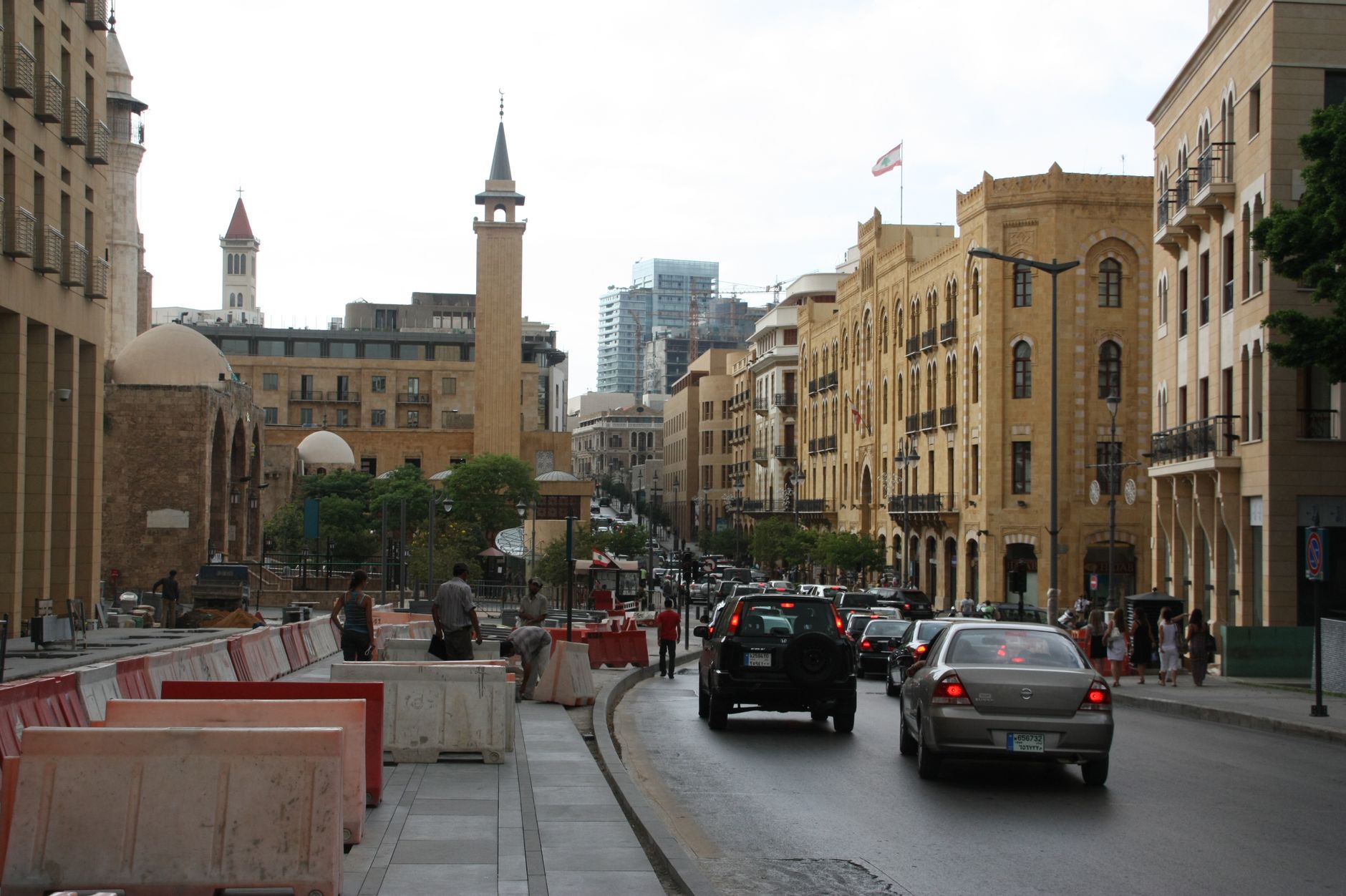
You can cross the capital in 25 minutes by taxi, yet every block behaves like a micro-republic. Greek Orthodox bells answer the muezzin from Mohammad al-Amin’s blue Ottoman dome; Armenian grandmothers haggle over parsley grown in the Bekaa while art students paste satirical stencils on Civil War concrete. The city’s unofficial motto is “bukra mish m’alem”—tomorrow is unclear—which locals treat less as despair and more as permission to live tonight.
Recovery here isn’t a slogan; it’s a design principle. The 2020 port explosion blew out stained glass at the 1912 Sursock Palace and shuttered galleries, yet within weeks pop-up exhibitions spilled into broken ground floors. Rooftop bars run on generators, bookshops operate from former bomb shelters, and the national museum stayed open even when its ceiling was propped up by scaffolding. Beirut doesn’t wait for perfect conditions; it practices architecture, cuisine, and partying with the urgency of people who know the clock is ticking.
Come for the Roman law school ruins under downtown parking lots, for the sunrise swim off the Corniche where fishermen share cigarettes with clubbers heading home, for mezze served at 11 p.m. sharp and the argument about which mountain village makes the best arak that follows. You’ll leave with a lighter wallet, a liver that’s earned its stripes, and the disconcerting sense that every other city is underperforming.
Not every monument, just the ones we'd walk you past ourselves.
Where to wander, by quarter — each with its own rhythm.
Before you go
Seven millennia of earthquakes, empires, and reinvention at the eastern edge of the Mediterranean
Neolithic families build reed huts on a limestone bluff where the Beirut River meets the sea. They salt fish and trade obsidian blades with passing boats. Nothing suggests this patch of sand will matter to anyone else for another 6,800 years.
Twenty-three-year-old Alexander storms ashore after a brief naval skirmish. Greek becomes the language of the agora; Phoenician merchants grumble but adapt. The conqueror stays just long enough to rename the harbor Berytus on his maps.
Pompey's legions parade past new marble columns. Latin law replaces Phoenician custom overnight. Roman veterans receive land grants on the outskirts; their sons will grow up thinking of themselves as Beirutis.
Emperor Augustus grants full colonial status. The city mints its own coins bearing the emperor's face and builds the eastern empire's finest law school. Students argue torts in Latin while the Mediterranean glitters outside the lecture halls.
A 7.5-magnitude quake strikes at dawn. Thirty-foot waves drown the harbor. The famed law school collapses mid-lecture; papyrus scrolls float in the wreckage like white birds. Emperor Justinian will rebuild, but the golden age is over.
Arab cavalry ride through the broken Roman gates. The call to prayer echoes where Latin oratory once ruled. Within a generation, minarets rise beside crumbling basilicas. The city's name shrinks to Bayrūt on Arab tongues.
After five months of stone-throwers and siege towers, Baldwin I breaches the walls. Knights kneel in the Al-Omari Mosque—temporarily rededicated as St. John's Church—while blood dries in the courtyard. The Crusader castle on the hill will stand for 177 years.
Sultan Khalil's engineers systematically demolish every Crusader wall. What took decades to build comes down in weeks. Beirut shrinks to a fishing village of 3,000 souls. The harbor silts up; pirates move in.
Selim I's army plants the crescent flag above the ruined citadel. Damascus appoints a pasha; taxes flow north. Suleiman's engineers dredge the harbor. For four centuries, the city dreams provincial dreams under imperial skies.
Butrus al-Bustani installs the first Arabic printing press in the Ottoman Empire. Ink smells mingle with coffee and sea-salt. Newspapers like *Al-Jinan* spark a literary revival that will reshape Arab identity from Cairo to Baghdad.
French engineers blast the rocky seabed to create deep-water berths. Steamships replace dhows; silk and citrus exports quintuple. The first customs house—built from yellow limestone—still stands near today's container cranes.
General Gouraud reads the proclamation from the steps of the Petit Serail. Tricolor flags replace the crescent. Beirut becomes capital of Greater Lebanon—an artifice drawn by French cartographers that locals will fight to keep alive.
At 3:00 a.m., parliament proclaims independence while French tanks idle outside. The deputies are arrested, then freed after 11 days of international pressure. November 22 becomes Lebanon's birthday—celebrated with fireworks that still terrify older residents.
Nouhad Haddad—now Fairuz—steps onto the Roman stage in a white dress. Her voice carries across the Bekaa Valley and into transistor radios across the Arab world. Overnight, Beirut becomes the soundtrack to an entire generation's youth.
Gunfire erupts on April 13th after a bus massacre in Ain el-Rummaneh. Within weeks, the Green Line divides the city. Former neighbors become snipers; the Holiday Inn becomes a vertical battlefield. The fighting will last 15 years.
The young militia leader wins the presidency by a single vote. Supporters dance in Achrafieh streets. Twenty-three days later, a bomb in Kataeb headquarters ends his life. His widow will light a candle in the same church every September 14th for forty years.
Militia leaders sign peace in Saudi Arabia, then return to collect reconstruction contracts. Syrian soldiers patrol Hamra Street. Downtown lies in ruins—280,000 shells have fallen on 18 square kilometers. The rebuilding will be as political as the bombing.
A car bomb detonates as the historian starts his morning coffee. His book *Beirut* sits unfinished on his desk. The murder triggers the Cedar Revolution—one million Lebanese flags wave from balconies. His empty chair at the café becomes a shrine.
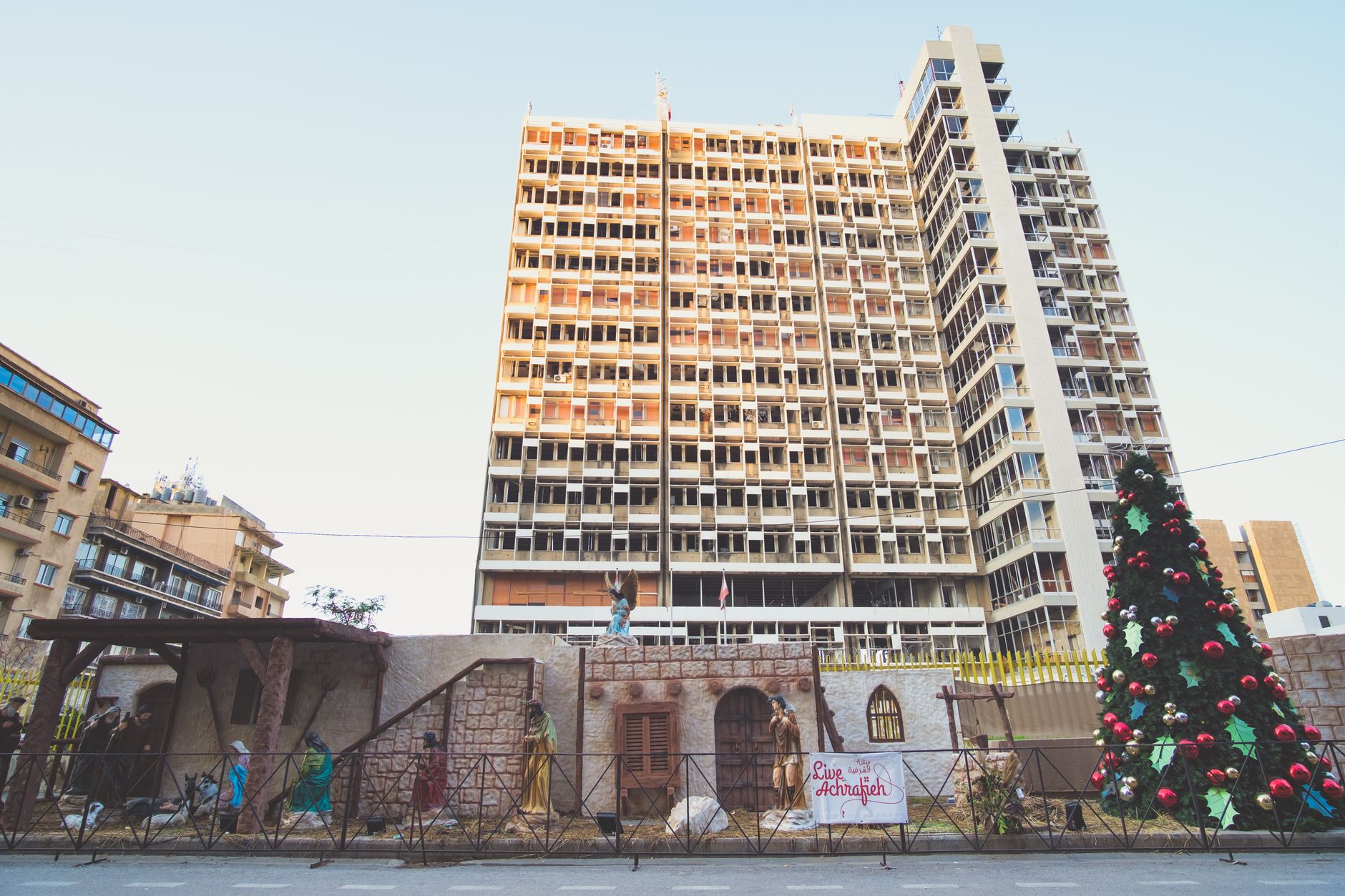
2,750 tons of neglected ammonium nitrate detonate at 6:07 p.m. The blast shatters windows in Cyprus. Gemmayzeh's Ottoman balconies collapse like matchsticks. Beirut loses 218 lives, 300,000 homes, and whatever remained of its optimism in a single heartbeat.
Poet & Artist · 1883–1931
Born in Bcharre, lived in Beirut as a teen
He walked from the mountain village to Beirut’s printing houses in 1895 clutching charcoal sketches. Today his face stares from café walls; he’d probably order espresso, sketch the port cranes and remind you that ‘your pain is the breaking of the shell that encloses your understanding.’
Singer · born 1935
Began career in Beirut’s Hamra cafés
She rehearsed in the Piccadilly Theater before it went dark, singing to students who couldn’t afford tickets. Fairuz still refuses to perform abroad while Beirut aches; her voice plays from cracked taxi radios at dawn like the city’s lullaby to itself.
Consumer Advocate · born 1934
Parents emigrated from Beirut’s Ehden village
He grew up hearing stories of mountain waterfalls cooler than any American fridge. When he campaigned against unsafe cars, he carried the memory of Beirut’s unregulated 1950s buses—no brakes, no timetable, but plenty of opinions.
Where locals actually book dinner — not the tourist menus.
Breakfast disk of thyme, sumac, and sesame baked onto dough, best eaten folded straight off the saj dome; ask for a side of fresh mint and tomato to roll inside.
Raw minced lamb blended with bulgur and spices, served at room temperature with onion wedges and olive oil; order before noon when the meat is ground that morning.
Shredded phyllo pressed over soft akkawi cheese, soaked in rose-water syrup and flipped onto a plate still bubbling; the corner shop in Bourj Hammoud keeps it on the burner till 3 a.m.
Layers of marinated chicken or beef rotate on vertical spits; the vendor shaves crispy edges into thin pita with garlic whip, pickles, and a stripe of chili.
Whole sea bass poached in tahini-lemon-garlic sauce, finished with coriander and pine nuts; fishermen in Minet el-Hosn sell the day's catch to cafés along the Corniche.
Small things that change how the city treats you.
The city, as it actually looks.



Yes—if you follow daily security briefings. Banks, museums, bars and the Corniche are functioning; you’ll find lower prices, almost no tourist queues, and locals eager to talk. Still, keep a go-bag and flexible itinerary.
Three full days covers downtown, National Museum, Gemmayze nightlife and a half-day trip to Byblos. Add two more for Baalbek, Jeita and the Chouf mountains.
Cash in U.S. dollars. ATMs dispense local lira at an unfavourable official rate; exchange houses on Hamra give the market rate and accept USD everywhere.
Shared vans and buses run but have no posted routes—ask the driver. After dark use ride-hailing apps (Careem, Uber) which work reliably and show the fare up-front.
Smart-casual works everywhere. Cover shoulders and knees for mosques and mountain villages; heels are useless on cobblestones in Gemmayzeh.
No. Bottled water is cheap and delivered to café tables automatically; ask for “miyeh ma‘daniyye” if you want local spring brands.
Saved and recently read places — kept on this device only.
Photos may have been resized or cropped.