Plan and listen to Technical University Of Kenya with Audiala.
Audio guide in your pocket, itinerary in your browser. Built for the way you actually visit.
Introduction
The Technical University of Kenya (TU-K) is a distinguished institution in Nairobi, renowned for its role in advancing technical and vocational education in East Africa. Evolving from its roots as the Royal Technical College of East Africa, through its Kenya Polytechnic era, to a fully chartered university since 2013, TU-K exemplifies Kenya’s dedication to practical, industry-focused education. Its campus, centrally situated along Haile Selassie Avenue, stands as a landmark of academic innovation and a gateway to Nairobi's historical and cultural heritage (Wikipedia; UoN History).
This comprehensive guide is designed for prospective students, academic visitors, and tourists. It details TU-K’s history, academic offerings, visitor logistics, nearby attractions, and practical tips to ensure a meaningful and rewarding campus experience. For the latest updates, visitors are encouraged to consult TU-K’s official website, social media, or use the Audiala app for interactive maps and exclusive content.


Early Foundations and Colonial Context
TU-K traces its roots to post-World War II, when the colonial government prioritized technical education to support economic growth. The 1949 Willoughby Report recommended establishing a technical institute in Nairobi for Kenya, Uganda, and Tanganyika, leading to the creation of the Royal Technical College of East Africa (RTCEA). This institution became a hub for technical and semi-professional training, setting the groundwork for future educational integration in the region (Wikipedia).
Kenya Polytechnic and the Evolution to University
As RTCEA began offering degree programs, the Kenya Technical Institute (KTI) was formed to focus on diploma training. In 1961, KTI became Kenya Polytechnic, strategically located along Haile Selassie Avenue to serve Nairobi’s growing urban and economic center. The Polytechnic specialized in technical and vocational education and training (TVET), producing middle-level manpower crucial for Kenya’s development after independence.
By 1960, RTCEA gained authority to offer University of London degrees, and in 1964 it became University College Nairobi, further aligning with global academic standards (Wikipedia; UoN History). In 2013, after expanding its academic portfolio, Kenya Polytechnic received a university charter, officially becoming the Technical University of Kenya.
Academic Structure and Pan-African Impact
TU-K is organized into several faculties, including Engineering and Built Environment, Applied Sciences and Technology, Social Sciences and Technology, Business and Management Studies, and Creative Arts and Media. Programs range from certificate and diploma courses to bachelor’s, master’s, and doctoral degrees, with an emphasis on practical skills and industry relevance (EAFinder; Wikipedia).
The university is also the headquarters of the Commonwealth Association of Technical Universities and Polytechnics in Africa (CAPA), supporting technical education and skills development across 18 African countries. TU-K fosters entrepreneurship, women’s participation in technical fields, and leadership training for TVET administrators (ATUPA Historical Background).
TU-K’s Role in Kenya’s Education Landscape
TU-K is instrumental in training engineers, technologists, and technicians who drive Kenya’s industrialization and innovation. Its central location near government offices, transport hubs, and business districts makes it a key site for academic and cultural engagement. TU-K’s commitment to accessible, inclusive education is reflected in its modern facilities and support services (uniRank).
Practical Visitor Information
Visiting Hours
- Monday – Friday: 8:00 AM – 5:00 PM
- Weekends: By prior arrangement with the university administration.
Tickets and Entry
- Entry: Free for self-guided campus visits.
- Guided Tours: Contact the administration to schedule; some special events or research center visits may require advance booking.
Accessibility
- Wheelchair-accessible entrances, ramps, and restrooms are available.
- Security personnel assist visitors at main entry points.
Travel Tips
- TU-K is on Haile Selassie Avenue, easily accessed via public transport, taxis, or ride-hailing services.
- Key nearby landmarks: Times Tower, City Square Post Office.
Guided Tours & Special Events
- TU-K hosts academic conferences, exhibitions, and public lectures open to visitors. Visit the official TU-K website or contact the administration for up-to-date event listings and to arrange guided tours.
Photographic Spots
- The campus offers excellent photo opportunities with its blend of modern and historic architecture and the Nairobi skyline. Permission is required for photography inside classrooms and laboratories.
Nearby Attractions
- Kenya National Archives
- Nairobi Railway Museum
- Kenyatta International Conference Centre (KICC)
- All within walking distance, offering rich cultural and historical experiences.
Campus Setting and Layout
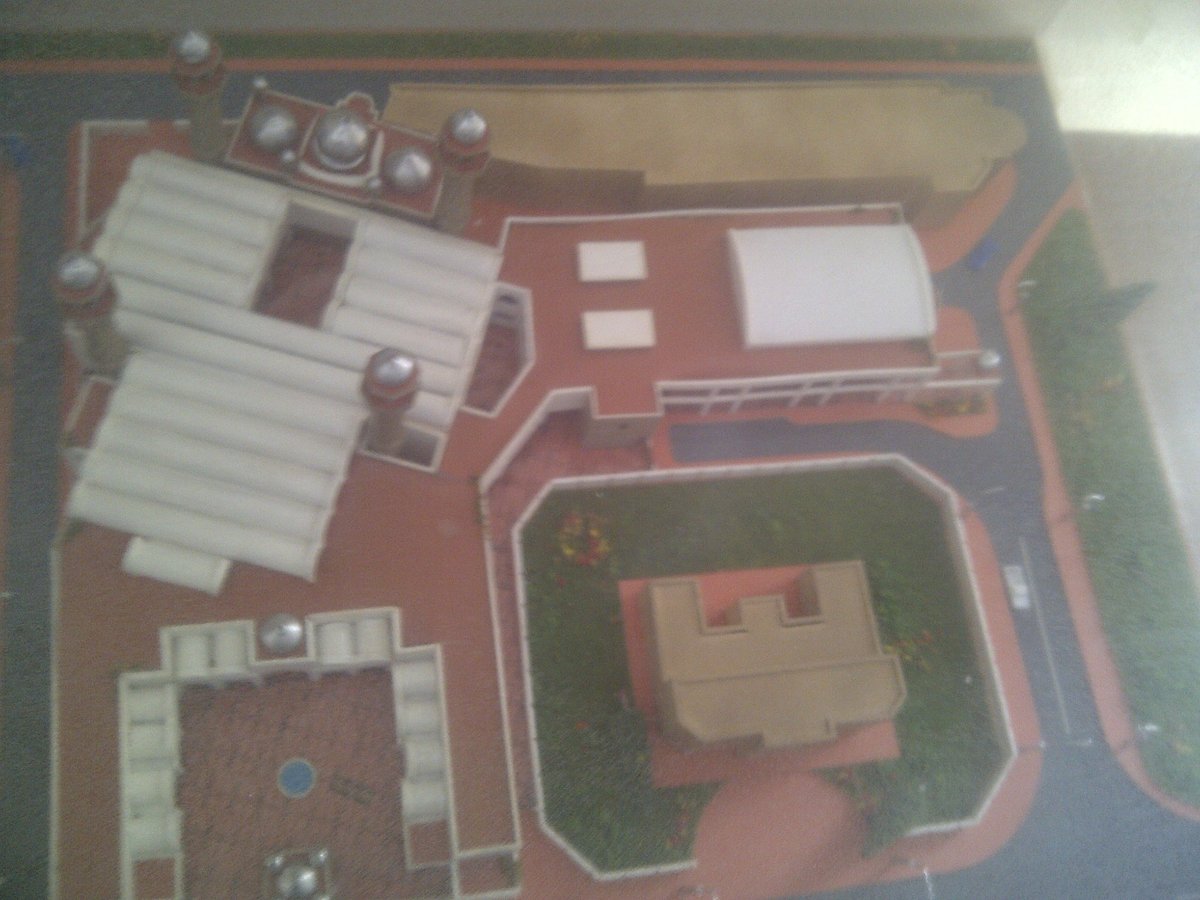
TU-K’s campus blends Kenya Polytechnic’s historic structures with modern academic buildings, creating a unique educational atmosphere (UrbanKenyans; uniRank).
Key Facilities
- Academic Blocks: Discipline-specific lecture halls, labs, and faculty offices.
- Library Complex: Centralized, supporting research and digital resources (TU-K Profile).
- Student Services: Admissions, counseling, and support offices.
- Recreational Spaces: Courtyards and social areas, with ongoing sports facility enhancements.
Student Services and Accommodation
- Library: Access to print and digital materials, including an I-Repository for research.
- E-Learning: Advanced portal for blended and distance learning (TU-K E-Learning).
- Housing: Limited on-campus; off-campus housing is common in nearby neighborhoods.
- Career Services: Strong industry links for internships and job placement (AllUniversity).
Academic Programs
- Certificate, Diploma, and Degree Courses: Engineering, technology, business, arts, sciences, and more.
- Postgraduate Studies: Master’s and doctoral programs with a focus on research.
- Flexible Modular System: Supports credit transfers and ongoing professional development (TU-K Academic Programmes).
- Admissions: Competitive cluster point system; intakes in April, July, August, and December (UrbanKenyans).
Visitor Tips and Safety
- ID Requirement: Carry valid identification for campus security.
- Dress Code: Nairobi’s July weather is mild; wear light layers and comfortable shoes (KimKim).
- Safety: The campus and central Nairobi are safe during the day; remain vigilant and avoid isolated areas at night (SmartNomadKenya).
- Connectivity: Local SIM cards offer affordable data for navigation and communication (TravelTomTom).
Frequently Asked Questions (FAQs)
Q: What are TU-K’s visiting hours?
A: 8:00 AM to 5:00 PM, Monday to Friday; weekends by prior arrangement.
Q: Is there an entry fee?
A: No, self-guided campus visits are free. Some guided tours or special events may require booking.
Q: How do I book a guided tour?
A: Contact the administration via the official TU-K website or by phone.
Q: Is the campus accessible for visitors with disabilities?
A: Yes, with wheelchair ramps and accessible restrooms.
Q: What academic programs are available?
A: TU-K offers certificate to doctoral programs in engineering, technology, sciences, business, and creative arts.
Q: What are the best nearby attractions?
A: Kenya National Archives, Nairobi Railway Museum, and KICC.
Q: Is photography allowed?
A: Yes, in public areas; permission required for classrooms and labs.
Q: Are there food options on campus?
A: Yes, cafeterias and kiosks serve meals and refreshments.
Discover More
The Technical University of Kenya is both a vital educational institution and a rewarding destination for visitors interested in Kenya’s technical progress and Nairobi’s urban history. Whether you are touring the campus, attending an event, or exploring academic opportunities, TU-K offers a welcoming environment, modern facilities, and deep historical roots.
For the latest news, events, and visitor information, follow TU-K on social media, visit the official website, and download the Audiala app for exclusive content, campus maps, and interactive guides.
Summary of Key Points and Visitor Tips
TU-K has been instrumental in shaping Kenya’s technical expertise and industrial landscape, evolving from colonial origins to a modern university with regional and Pan-African significance. The campus is centrally located, accessible, and open for visits, with free entry during regular hours. Visitors can enjoy guided tours, academic events, and explore nearby cultural landmarks, enriching their understanding of Kenya’s educational journey (Wikipedia; uniRank). TU-K’s role as a CAPA hub further highlights its commitment to vocational education and skills development (ATUPA Historical Background).
Plan your visit in advance, use digital resources, and connect with TU-K for a fulfilling experience in the heart of Nairobi.
Listen to the full story in the app
The whole Technical University Of Kenya,
told well.
Audio guides for 1,100+ cities across 96 countries. History, stories, and local insight — offline ready.
Verified, and shown.
Researched and written by the Audiala editorial team from historical records, architectural archives, and local expertise.
Researched from Wikidata, Wikipedia & official sources · fact-checked · How we make our guides →