Plan and listen to Nairobi National Park with Audiala.
Audio guide in your pocket, itinerary in your browser. Built for the way you actually visit.
Introduction to Nairobi National Park: History and Significance
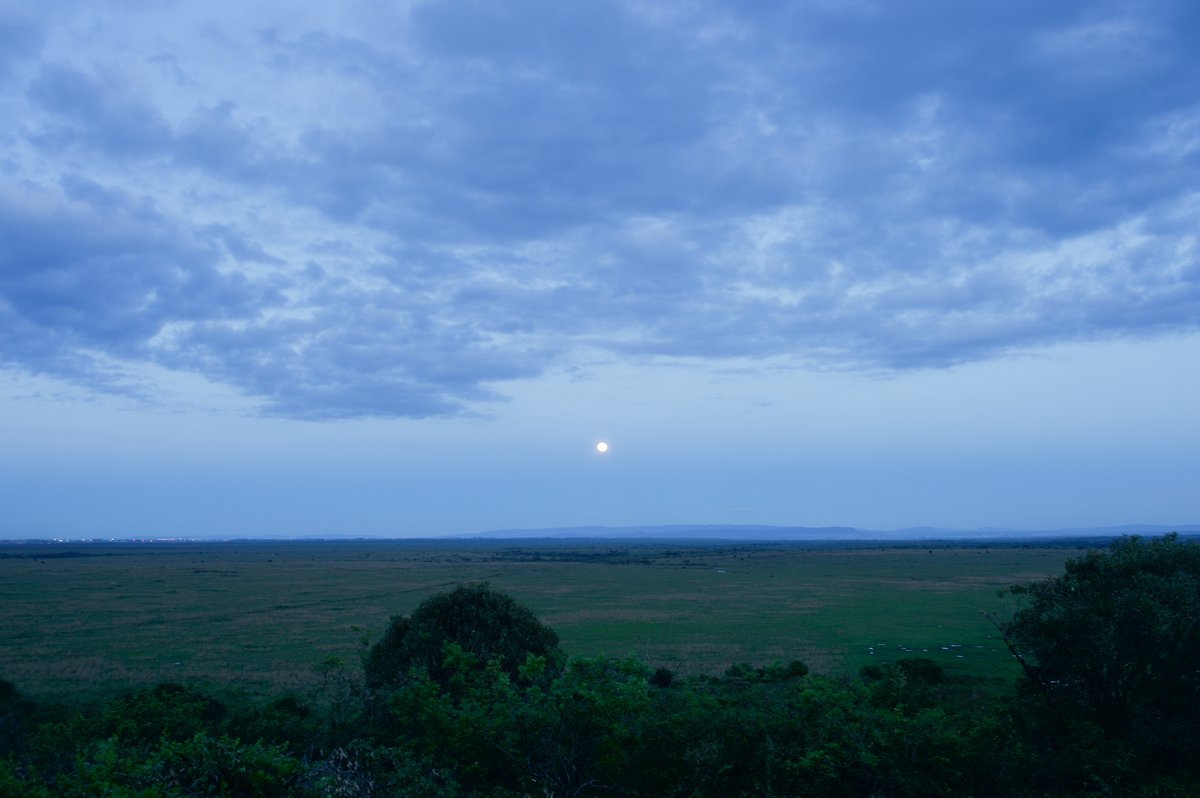
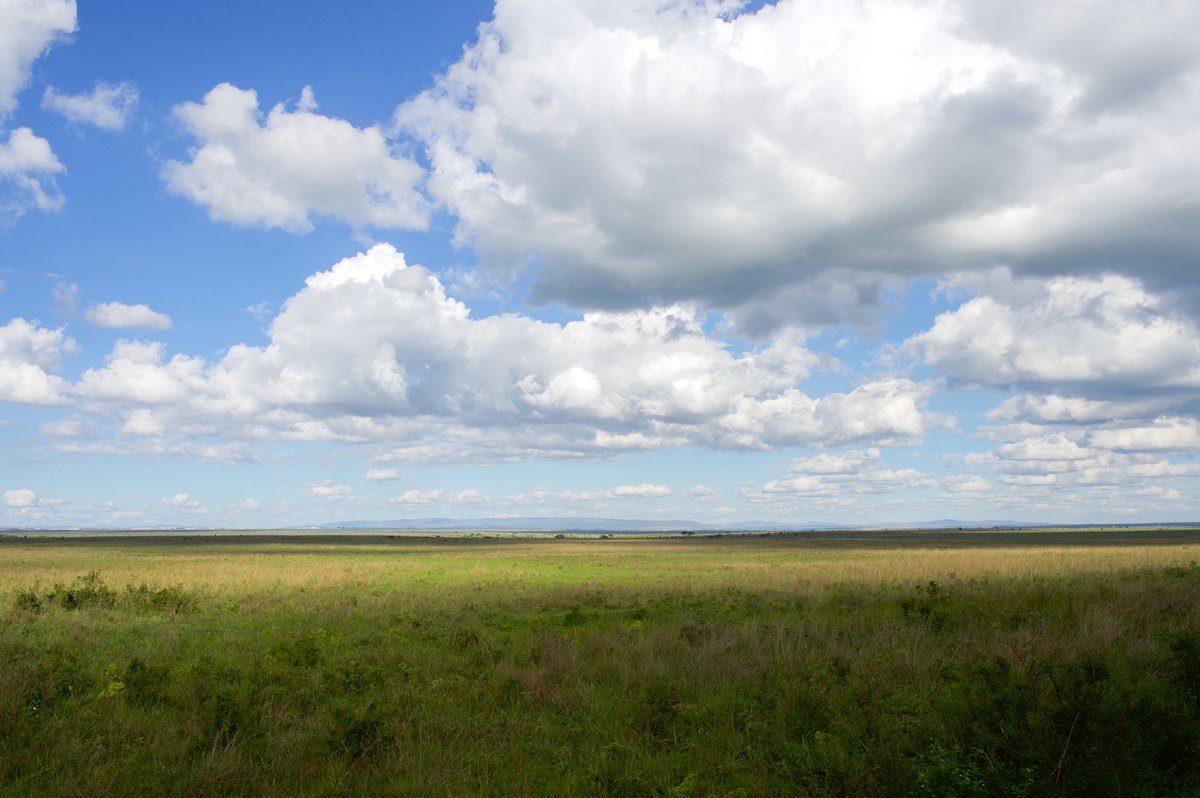
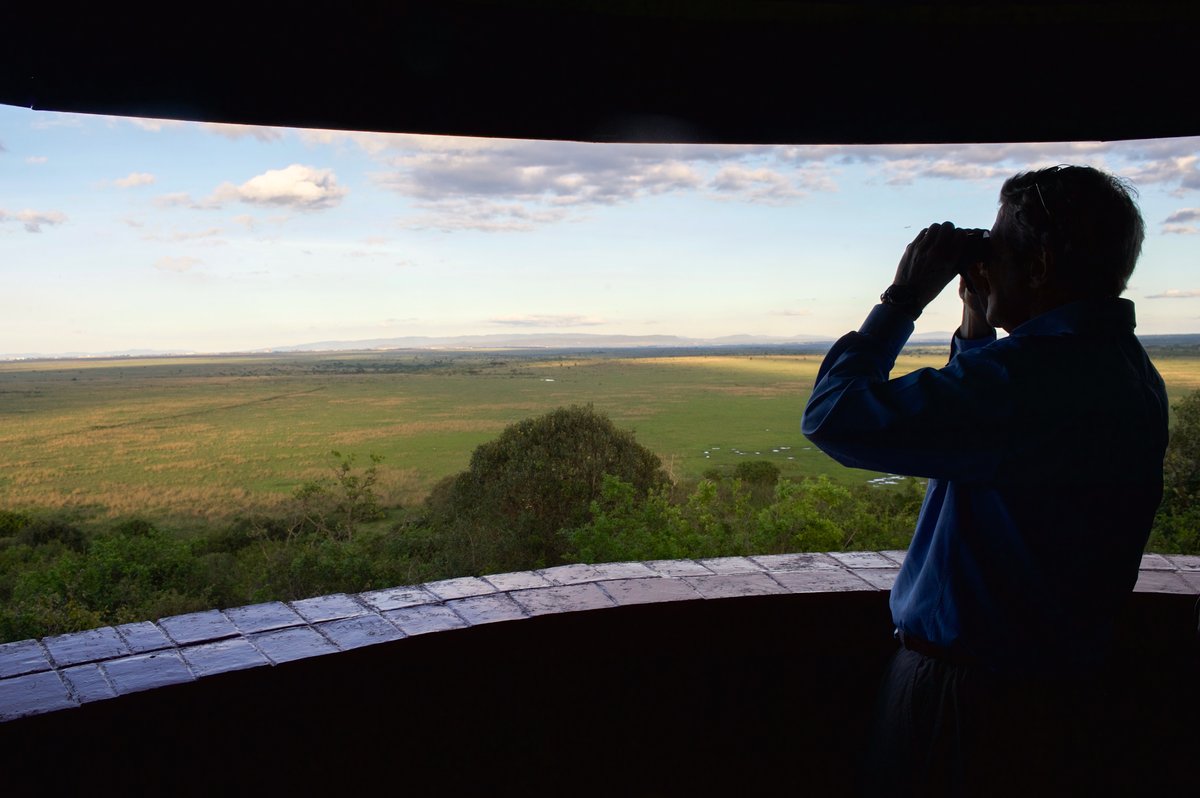
Nairobi National Park is an exceptional wildlife reserve located just 7 kilometers from the center of Kenya’s capital. Established in 1946 as Kenya’s first national park, it stands as a global symbol of conservation—offering an extraordinary juxtaposition of urban skyline and open savannah. Its founding responded to increased human-wildlife conflict as Nairobi expanded, leading to the protection of the Athi plains. Today, the park preserves over 100 mammal species, including four of the iconic “Big Five” (excluding elephants), as well as more than 400 bird species. Cultural landmarks such as the Ivory Burning Site Monument—commemorating Kenya’s anti-poaching leadership—add depth to its appeal. As the only national park bordering a capital city, Nairobi National Park presents both unique conservation challenges and opportunities, making it a must-visit for tourists and locals alike (National Parks Association; Kenya Wildlife Service; Ole Sereni’s Ultimate Guide).


History and Cultural Significance
Colonial Origins and Early Development
Nairobi National Park’s history dates to the late 19th and early 20th centuries, when British colonialists settled the area. At the time, the Athi plains supported abundant wildlife living alongside Maasai pastoralists and Kikuyu farmers (Wikipedia). With Nairobi’s rapid growth, conflicts between people and wildlife became frequent, prompting the creation of the Southern Game Reserve. In 1946, this reserve was gazetted as Nairobi National Park, the first of its kind in Kenya (National Parks Association; Discover Walks). The park’s establishment came with the displacement of local Maasai communities, highlighting the complex intersection of conservation and social justice (Wikipedia).
Urban Encroachment and Human-Wildlife Conflict
Uniquely bordering Nairobi’s urban edge, the park faces constant pressure from the city’s expansion, pollution, and habitat fragmentation (Britannica). While fenced on three sides, its southern boundary remains open for wildlife migration—a crucial corridor for seasonal movement but also a source of ongoing human-wildlife conflict, especially as agriculture and settlements expand (Wikipedia).
Conservation Milestones and Global Significance
Nairobi National Park has achieved significant conservation successes:
- Black Rhino Sanctuary: The park is a leading stronghold for the critically endangered black rhinoceros (National Parks Association).
- Ivory Burning Site Monument: In 1989 and again in 2016, Kenyan presidents publicly burned confiscated ivory here, sending a powerful anti-poaching message worldwide (Kenya Peaks; Discover Walks).
- Lion Conservation Unit: Recognized in 2005 for its role in carnivore conservation (Wikipedia).
- Wildlife Rehabilitation: Home to the Nairobi Animal Orphanage and David Sheldrick Elephant Orphanage, both central to Kenya’s wildlife rescue and education efforts (Britannica; Nairobi National Park Kenya).
Visiting Hours and Ticketing
Visiting Hours
- Open daily: 6:00 AM to 7:00 PM
- Best times: Early morning and late afternoon for optimal wildlife sightings (Kenya Luxury Safari)
Ticket Prices
Ticket costs vary by residency and age:
- Non-resident adult: USD 43–100 (check KWS official site for current rates)
- Non-resident child: USD 22
- Kenyan citizens: KES 430 (adults), KES 215 (children)
- Vehicle entry: KES 300 (cars with fewer than 6 seats); higher rates for larger vehicles (Kenya Peaks)
- Special activities: Night game drive (KES 2,155/person), guided tours (KES 1,720–3,015/guide), camping/picnic fees as applicable
Payment: Cashless only (credit/debit cards, M-Pesa). Purchase tickets online via the KWS eCitizen portal (Roadtrip Africa; Nairobi Wire).
Accessibility and Travel Tips
- Location: 7 km south of Nairobi CBD; accessible via Lang’ata Road or Nairobi-Mombasa Highway (The Brutally Honest Traveler)
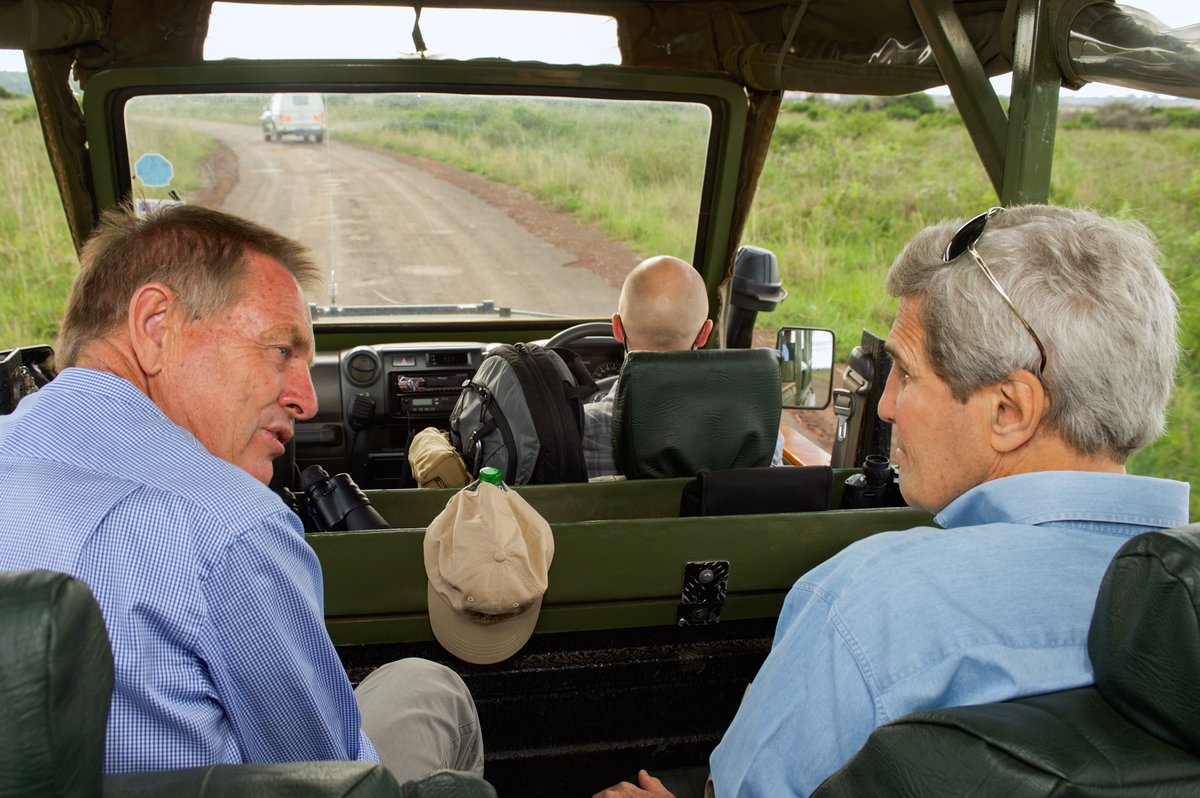
- Transport: Private vehicles, taxis, or organized tours are recommended. Limited public transport (matatus, city buses); train station nearby.
- Wheelchair Accessibility: Facilities at the main gate, Nairobi Safari Walk, and visitor center are wheelchair accessible.
- Packing: Bring binoculars, sunscreen, insect repellent, layers, and reusable water bottles.
- Best visiting months: Dry seasons (June–October, January–February) for highest wildlife concentrations. June sees lush post-rain landscapes with fewer crowds (Lonely Planet).
Park Layout and Access Points
- Size: 117–118 square kilometers (45 square miles), elevation 1,533–1,760 meters
- Fencing: North, east, and west boundaries fenced; southern boundary open for migration (Frontiers in Ecology and Evolution)
- Gates: Main Gate (Lang’ata Road), East Gate, Cheetah, Athi River, Masai, and Rogai Gates
- Facilities: Gravel game drive roads, picnic sites (Ivory Burning Site, Kingfisher, Impala, Mokoyiet, Hippo Pools), Nairobi Tented Camp, walking trails, Wildlife Education Centre, and Animal Orphanage
Habitats and Wildlife Diversity
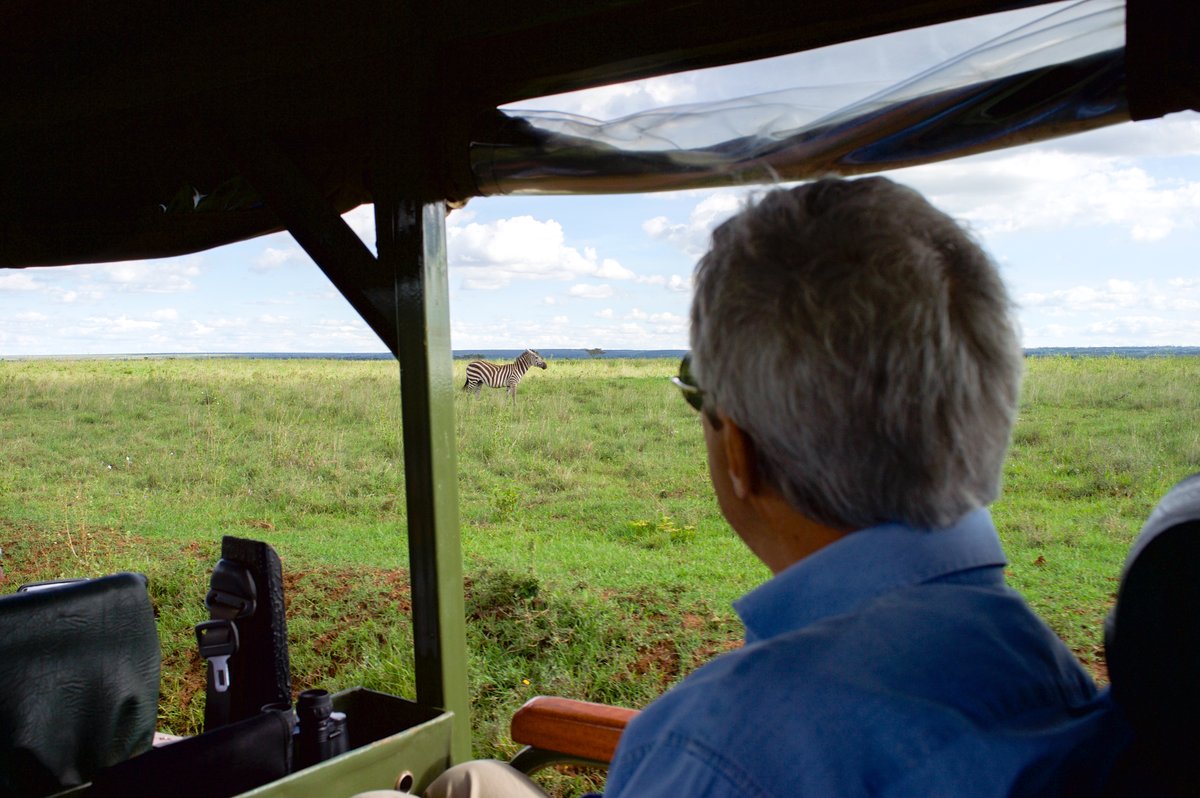
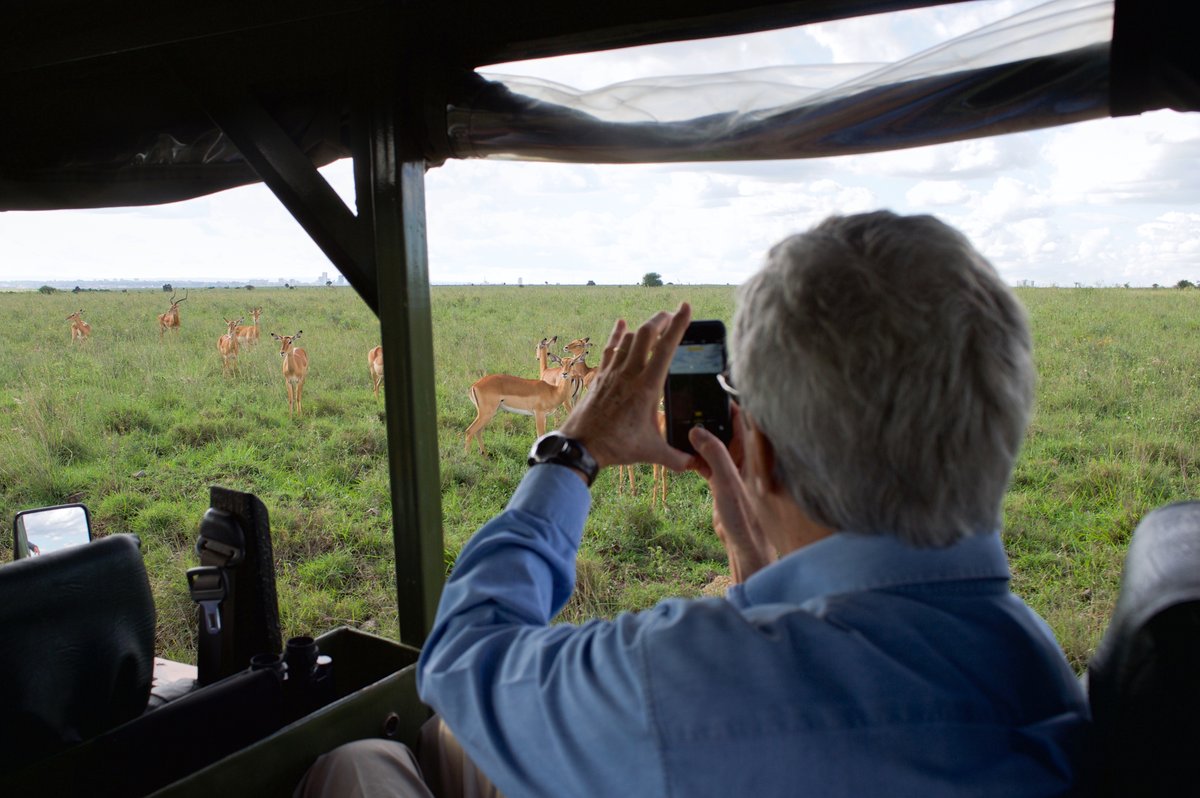
- Grasslands/Savannah: Host large herbivores and predators (lions, cheetahs, buffalo, giraffes, zebras, antelopes)
- Woodlands/Forests: Shelter for giraffes, elands, and nesting birds
- Wetlands/Riverine: Hippos, crocodiles, and waterbirds along the Mbagathi River
- Other: Rocky outcrops and shrublands home to smaller mammals and reptiles
Wildlife Highlights:
- Over 100 mammal species, including black and white rhinos (notably Rothschild’s giraffes), lions, leopards, hyenas, and jackals
- 400+ bird species, including raptors, secretary birds, crowned cranes, and waterbirds
- Reptiles such as Nile crocodiles and various snakes
Game Drives, Guided Tours, and Special Activities
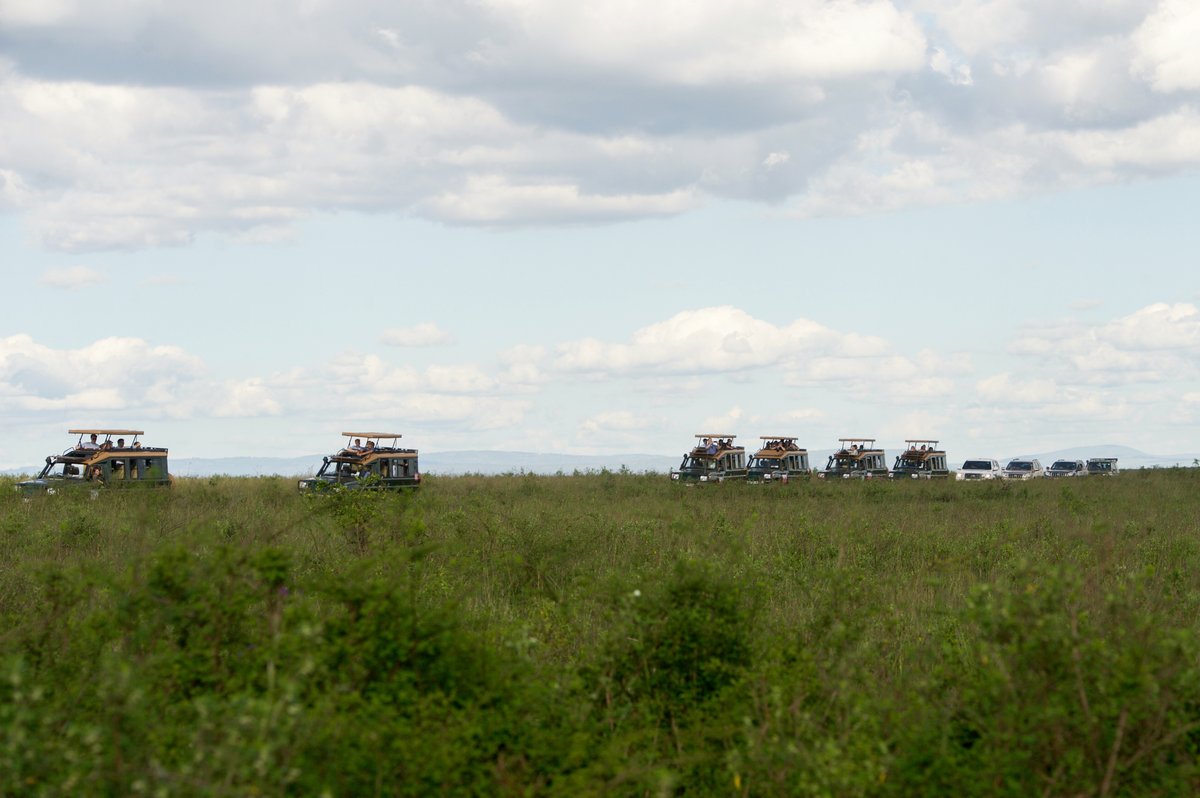
- Game Drives: Early morning/late afternoon best; self-drive (4x4 preferred) or guided tours by licensed operators (Ole Sereni; 10 Traveling Feet)
- Guided Walking Safaris: Rangers lead walks on designated trails, especially popular at Hippo Pools (Ole Sereni)
- Photography Safaris: Led by professional wildlife photographers (Ole Sereni)
- Night Game Drives: Occasionally available by prior arrangement (Ole Sereni)
- Picnic Sites: Kingfisher, Impala, and others provide scenic settings (store food securely) (The Brutally Honest Traveler)
Key Attractions Within and Near the Park
- Nairobi Animal Orphanage: Rehabilitation center for injured/orphaned wildlife (Ole Sereni)
- David Sheldrick Elephant Orphanage: Renowned for elephant rescue and rehabilitation; advance booking required (The Brutally Honest Traveler)
- Black Rhino Sanctuary: Protected area for critically endangered rhinos (Ole Sereni)
- Ivory Burning Site Monument: Symbol of Kenya’s anti-poaching efforts (Ole Sereni)
- Nearby: Nairobi Safari Walk, Karen Blixen Museum, Giraffe Centre, Nairobi National Museum, Kazuri Beads, Bomas of Kenya
Facilities and Visitor Services
- Restrooms: Available at main gates and picnic sites (carry your own toilet paper) (The Brutally Honest Traveler)
- Picnic Areas: Tables and benches provided
- Shops/Restaurants: Not available inside park—bring food and water
- Accommodation: Nairobi Tented Camp (inside), hotels/lodges nearby (Ole Sereni, Emakoko, Ololo Safari Lodge)
Safety and Regulations
- Remain in vehicles except at designated spots
- Do not feed or approach wildlife
- Keep noise to a minimum
- No littering; carry out all waste
- Supervise children at all times
- Follow ranger/guide instructions
Responsible Tourism and Park Management
Ecological Integrity and Conservation
- KWS employs zoning, restoration, and anti-poaching patrols
- Open southern boundary supports seasonal wildlife migration and genetic diversity
- Technology (drones, AI cameras) enhances surveillance and monitoring (Frontiers in Ecology and Evolution)
Visitor Management and Community Engagement
- Activities: Game drives, walks, birdwatching, picnics in designated areas
- Park rules: No off-roading, loud noises, or single-use plastics
- Community benefit: Local employment, cultural experiences, and revenue sharing
Sustainable Practices
- Eco-lodges use renewable energy and waste management systems
- Shared/electric safari vehicles reduce emissions
- Education: Visitor center, Safari Walk, school programs
Challenges and Future Directions
Despite its successes, Nairobi National Park faces:
- Urban encroachment threatening wildlife corridors
- Climate change impacting habitats
- Poaching and pollution requiring ongoing vigilance
- Visitor pressure during peak seasons
Adaptive management strategies include land-use planning, promotion of off-peak visits, and increased community partnerships.
Frequently Asked Questions (FAQs)
Q: What are Nairobi National Park’s visiting hours?
A: Daily, 6:00 AM to 7:00 PM
Q: How much are tickets?
A: Non-resident adults: USD 43–100; Kenyan adults: KES 430; Children and students: discounted rates
Q: How do I buy tickets?
A: Online via KWS eCitizen portal or at park gates (cashless only)
Q: Is the park accessible for disabled visitors?
A: Yes, main facilities and the Nairobi Safari Walk are accessible
Q: Can I self-drive?
A: Yes, 4x4 vehicle recommended
Q: Are night game drives available?
A: Yes, by advance arrangement with select operators
Listen to the full story in the app
The whole Nairobi National Park,
told well.
Audio guides for 1,100+ cities across 96 countries. History, stories, and local insight — offline ready.
Verified, and shown.
Researched and written by the Audiala editorial team from historical records, architectural archives, and local expertise.
Researched from Wikidata, Wikipedia & official sources · fact-checked · How we make our guides →