
Place
Kenya Updated Apr 2026
The first thing that hits you is the smell of diesel and eucalyptus, a cocktail that shouldn't work but does. Nairobi, Kenya's capital, keeps its national park inside the city limits—lions laze 7 km from parliament while commuter matatus blast Benga at 120 decibels. Concrete towers throw shadows over 1900-acre fever-tree forests, and yesterday's rain on red-dust paths steams like dry ice under equatorial sun.
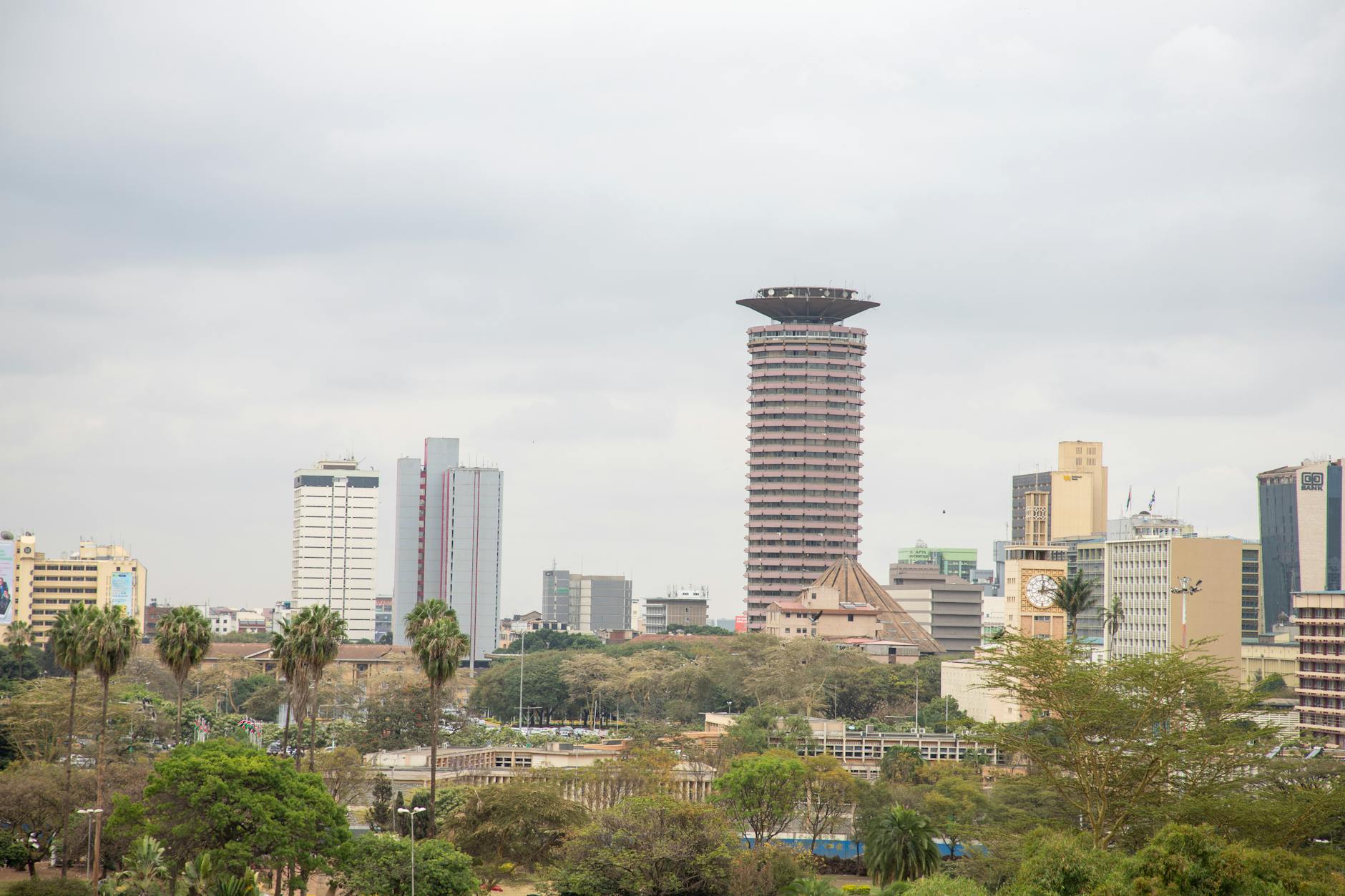 Photo: Justin Brian / Pexels
Built from cited sources · see the method · How we make our guides →
This is a place where 4.4 million people negotiate rush hour around zebra crossings—actual zebras. Office workers lunch on nyama choma roasted over 55-gallon drums, then return to glass towers built with Chinese loans and Kenyan audacity. The same avenue that hosts a Java House pour-over single-origin also hides a woman selling charcoal-roasted corn for 30 shillings. Both queues move fast.
Nairobi's urgency is contagious. Matatu crews repaint entire minibus murals overnight; a new gallery opens in a repurposed textile mill before the paint dries on the old one. Conversations switch from Kikuyu to Sheng to flawless Oxford English mid-sentence. The city doesn't ask you to keep up—it dares you to try.
Stay long enough and you'll notice the soundtrack: hadada ibis at dawn, the metallic click of a 14-seat matatu door, evening call to prayer from the Jamia Mosque competing with reggae bass from K1 Klub House. By the time you leave, the word "safari" will feel too polite for what just happened to your senses.
Not every monument, just the ones we'd walk you past ourselves.

Where to wander, by quarter — each with its own rhythm.
Before you go
Curated from places in this city. Same price as official sites.


Prices shown are indicative — final pricing and availability are confirmed at checkout. Audiala may receive a commission from bookings made via these links.
From swampy watering hole to skyscraper savanna in 125 years
Enkare Nyirobi—'place of cool waters'—is a seasonal swamp where Maasai herders water cattle beneath fever trees. The ridge above gives views of the Rift escarpment that still stop first-time visitors cold. These grazing rights will later be ignored by a railway surveyor with a theodolite and a British uniform.
Engineer Arthur Church drives a wooden peg into the red clay and declares this the 327-mile mark of the Uganda Railway. The altitude—1,661 m—means fewer mosquitoes, so workers’ tents go up overnight. Within three years the peg becomes a railhead, warehouse, and bar called ‘The Nairobi’.
Born in the Gatundu hills, the boy who will rename himself Kenyatta first sees Nairobi as a porter carrying settler luggage from the station. He learns English clock-time watching railway clocks, and decades later will stand on the same platform to declare Uhuru while the Union Jack is lowered.
A single tin shed on the swamp’s edge is promoted from supply depot to headquarters of the East Africa Protectorate. Lions drag off oxen at dusk; engineers play gramophones to keep them away. The population is 200 railway men, one Goan cook, and a Somali trader selling wire to them all.
Bubonic plague erupts in the cool-season mud; authorities torch the entire settlement on 2 May. Canvas, thatch, and whisky stocks burn for two days. When the smoke clears, surveyors redraw streets on a grid wide enough for ox-wagons to turn—Nairobi’s first master-plan is written in ash.
The colonial government relocates from humid Mombasa, bringing 600 files, a brass band, and a Union Jack the size of a railway carriage. Indian masons start building the law courts in pale Nairobi stone; Kikuyu labourers earn 8 rupees a month mixing cement by hand.
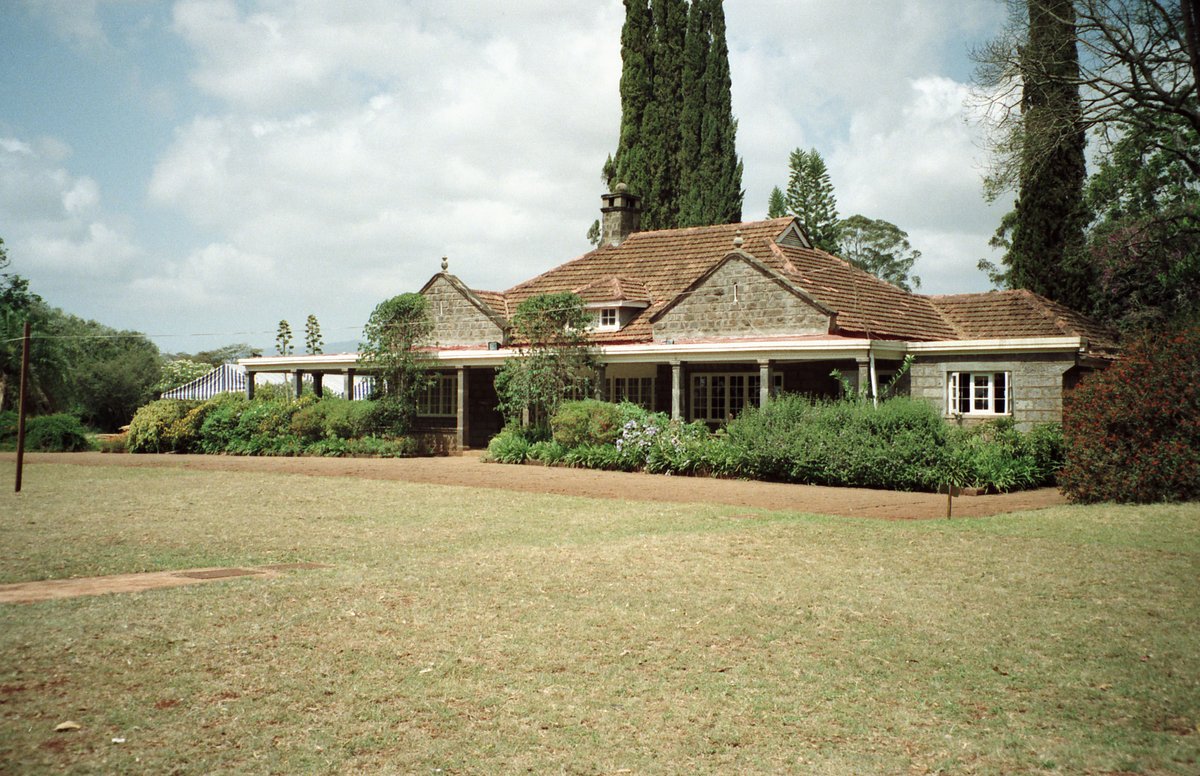
Twenty-eight-year-old Karen Dinesen arrives with a trousseau, a husband, and 4,000 hectares of optimism. Her coffee farm will fail, but the house she builds at the foot of the Ngongs becomes the place where Nairobi’s myth is written—first in letters, later in Hollywood light.
Harry Thuku addresses 7,000 workers outside the police station, demanding an end to the kipande pass system. Police fire into the crowd; 25 fall. The bullet marks on the sandstone wall fade, but the day’s slogan—‘No Taxation Without Representation’—is spray-painted again in 2007.
The governor signs an order protecting 117 km² of acacia savanna just seven kilometres south of the post office. Lions, not mayors, now set the southern city limit. Commuters on the 44 bus still pause to watch rhinos graze against a backdrop of glass banks.
Jomo Kenyatta stands in the same courtroom where Thuku once testified, charged with masterminding the forest uprising. The white-walls echo with Kikuyu oaths; outside, suspects are loaded into Bedford trucks bound for Lokitaung. The trials speed up the city’s Africanisation—clerks become lawyers, messengers become journalists.
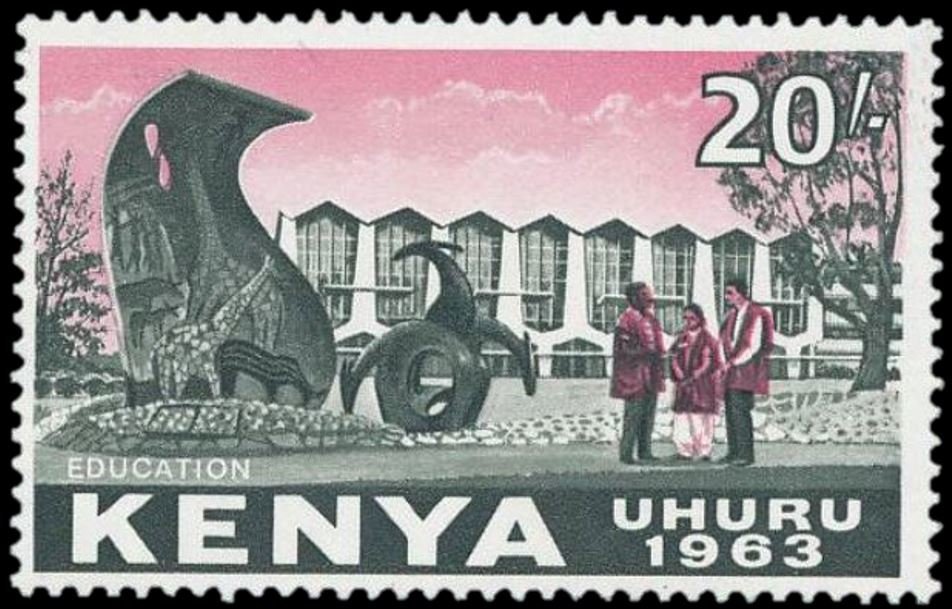
At 12.00 sharp, 100,000 people flood Uhuru Highway; the flag with lion and spear comes down, tricolour goes up. Fireworks bounce off the new Posta tower and set an acacia tree alight—an omen everyone pretends not to see. Nairobi’s population has doubled to 350,000 in the decade.
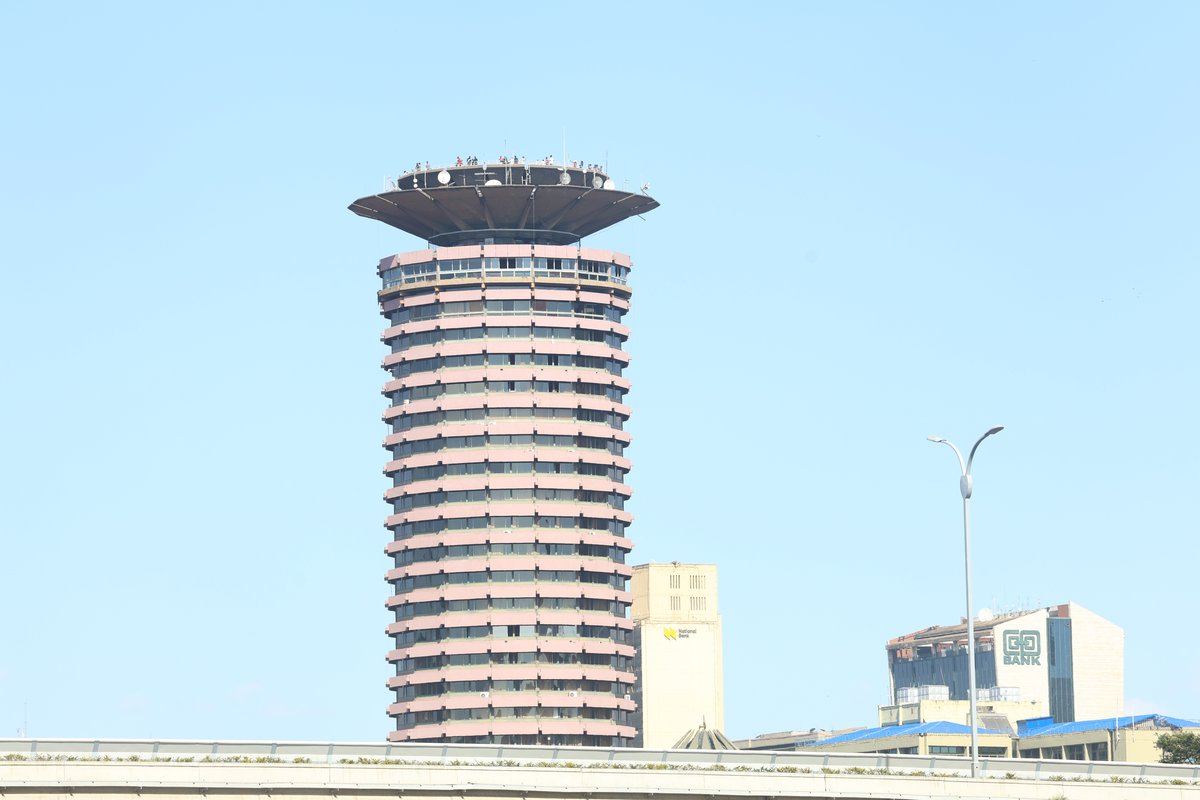
Scandinavian architects top out a 28-storey prism of pre-cast concrete, East Africa’s tallest. The roofline copies the ivory tower of a Maasai manyatta, only 105 metres taller. From the heli-pad you can see both the national park and the slum that houses the cleaners who hoover its carpets each dawn.
A truck packed with 2,000 pounds of TNT explodes outside the US embassy on Moi Avenue at 10:39 am. The blast shatters windows in a one-mile radius and drops the Ufundi House like a house of cards. 213 dead; the crater becomes a memorial garden where office workers now eat lunch beside a fragment of mangled girder.
Ballot disputes ignite tribal fault lines; barricades of burning tyres close Uhuru Highway for weeks. The city’s new malls become refugee camps overnight. When the smoke settles, 1,200 are dead and Nairobi discovers its middle class can flee to Dubai in 4 hours flat.
Four gunmen stroll into a Saturday mall and wage a 49-hour shoot-out that plays live on Twitter. Security forces hole up in the Nakumatt supermarket, shoppers hide in cinema toilets. The attack brands Nairobi as the place where global terror meets suburban shopping—Apple store on the ground floor, bullet holes in the sushi bar upstairs.
A Chinese-built bullet-nosed train cuts the Mombasa trip to 4½ hours, gliding on concrete viaducts above the traffic jams that once defined the city. The old metre-gauge depot, birthplace of Nairobi, is turned into a craft-beer yard where former engine drivers pour Guinness and tell tourists how lions used to eat the couplings.
Delegates from 42 countries adopt new rules for what counts as ‘authentic’ African heritage—written in the same convention centre where British settlers once planned game-hunting laws. The city that began as a railworkers’ bar now tells the world how to remember. Meanwhile, a new 62-storey tower rises opposite the 1975 KICC, its glass reflecting both the national park and the slum that still houses the night cleaners.
Author · 1885–1962
Lived here 1914–1931
She ran a coffee farm at the foot of the Ngong Hills and later turned her heartbreak into *Out of Africa*. Today she’d recognise the jacaranda-lined lane to her house—now a museum where guides quote her letters verbatim.
President · c. 1897–1978
Political prisoner here 1953–61, ruler 1963–78
Jailed in Lokitaung but tried at the old High Court, he walked out to address a million Kenyans in Uhuru Park. Modern Nairobi’s traffic would enrage him; the street named after him is the slowest in town.
Anti-colonial agitator · 1895–1970
Organised 1922 protests in downtown Nairobi
Arrested for mocking the governor, his supporters marched from the African Bazaar to Central Police—25 were shot. The same station stands today; matatu drivers still honk in salute when they pass.
Where locals actually book dinner — not the tourist menus.
Small things that change how the city treats you.
The city, as it actually looks.
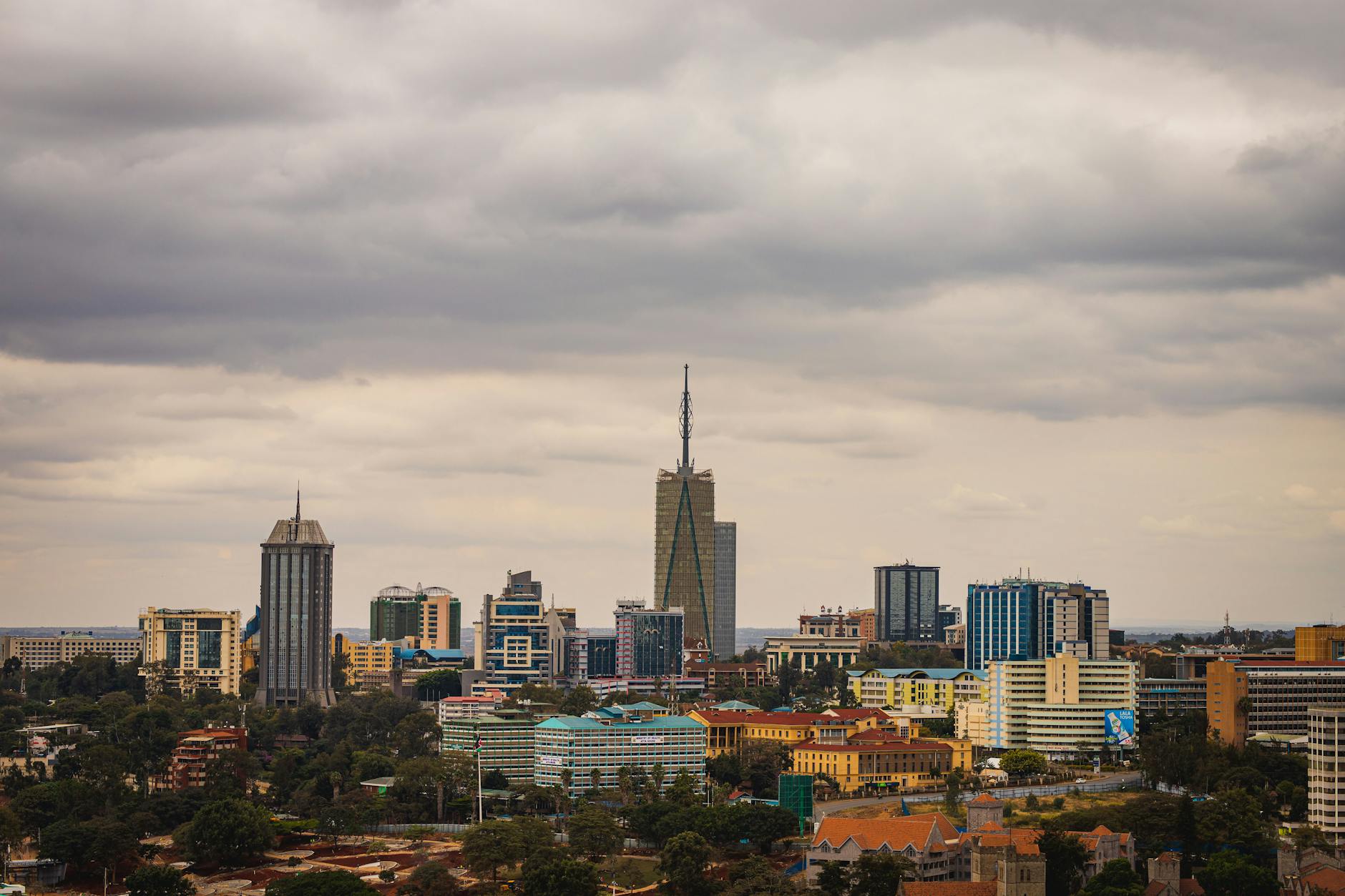

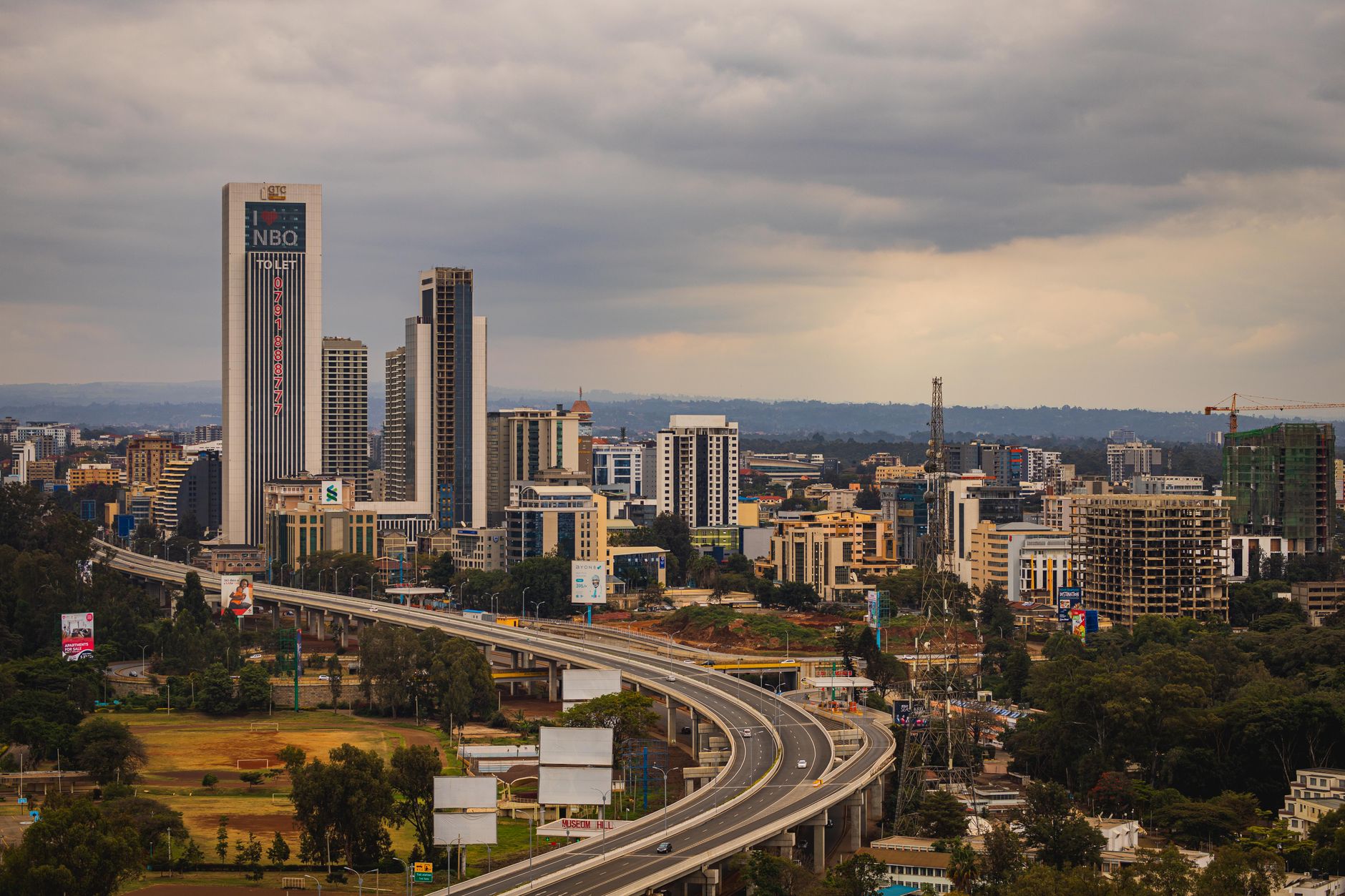
Absolutely—it's the only capital where you can photograph rhinos with skyscrapers behind. Two days gives you elephants at dawn, nyama choma lunch, and a rooftop sundowner in Westlands.
Three full days hits the sweet spot: one for National Park + Sheldrick, one for Karen Blixen + Giraffe Centre + Kazuri beads, one for downtown walking tour and the Railway Museum. Add a fourth if you want day-trip to Naivasha or Ngong Hills.
Yes, if you treat it like any big city. Use ride-hailing after dark, avoid South B and Mathare on foot, and keep jewellery minimal. Daylight in Westlands, Karen or Gigiri feels no different than European capitals.
Only in the compounds of Westlands or Gigiri. Elsewhere, even 300 m is risky—book door-to-door rides. Hotels happily arrange trusted taxis for 1 200–1 500 KES.
Park fee is 43 USD for non-residents, plus 5 000 KES (≈ 38 USD) for a half-day vehicle rental. Total ≈ 80 USD pp with two sharing—cheaper than flying to the Mara for a quick wildlife fix.
City itself sits above 1 600 m; mosquitoes rarely carry malaria here. Pills aren’t required if you stay metropolitan, but take them if you’ll overnight in the Rift Valley or coast afterwards.
47 places to discover

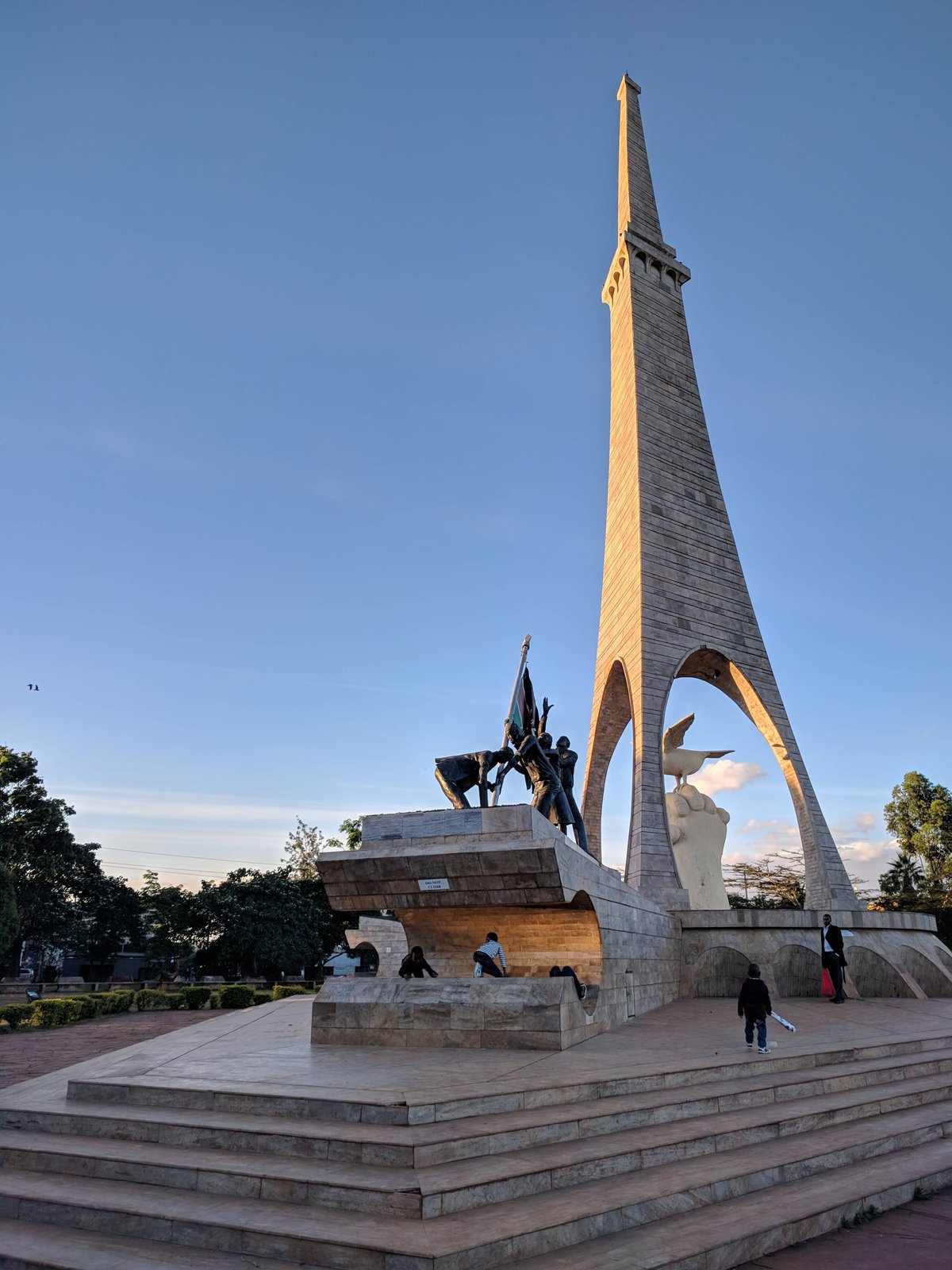




Saved and recently read places — kept on this device only.
Photos may have been resized or cropped.