Destinations

Kenya

"Kenya is not a single postcard of lions and acacias; it is a country where human origins, Swahili port cities, Rift Valley lakes, and Indian Ocean trade routes still shape the trip you have today."

location_city

Capital

Nairobi

translate

Language

English, Swahili

payments

Currency

Kenyan shilling (KES)

calendar_month

Best season

July-October

schedule

Trip length

10-14 days

badge

EntryeTA required for most visitors

Introduction

Kenya travel guide starts with a surprise: this is not one trip but half a dozen countries folded into one border.

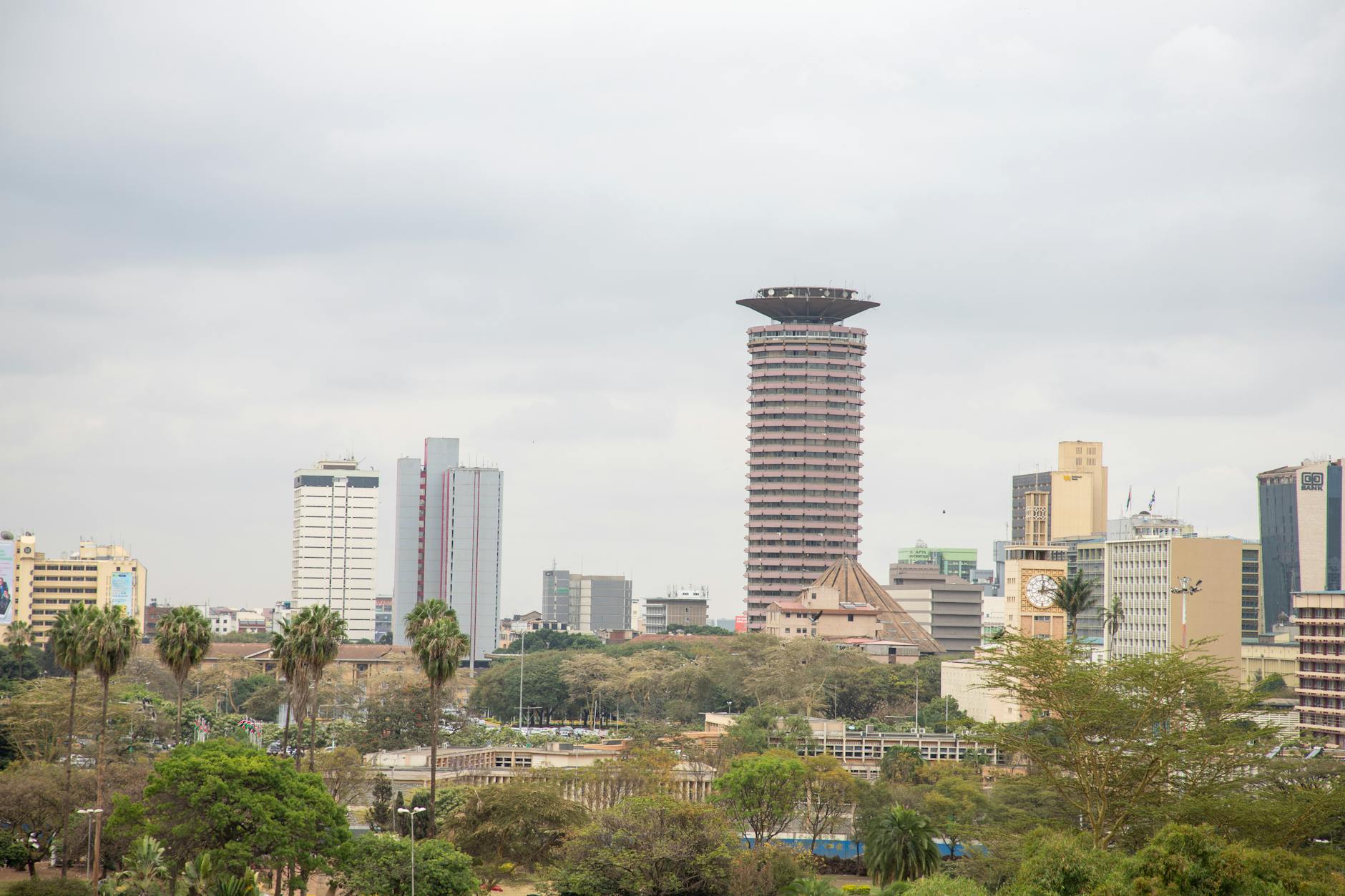
Most travelers arrive expecting safari, and Kenya can do that better than almost anywhere. But the country works because the contrasts are so sharp. Nairobi sits 1,795 meters above sea level, cool enough for a sweater after dark, while Mombasa wakes to salt air, ferry queues, and the Indian Ocean already warm by breakfast. Head north to Lamu and time loosens around coral-stone alleys and carved doors; turn inland toward Nakuru and the Rift Valley opens in escarpments, soda lakes, and sudden pink lines of flamingos. Kenya rewards people who like texture, not just checklist sights.

The best Kenya itineraries mix altitude, coast, and history instead of chasing wildlife alone. In Nairobi, you can move from fossil stories and contemporary art to late-night nyama choma without crossing emotional time zones. Mombasa carries the Portuguese century in Fort Jesus and the older Swahili coast in its street plan, while Malindi and Watamu lead you toward coral ruins, dhow water, and the vanished city of Gedi. Then places like Amboseli, Nanyuki, and Kisumu shift the mood again: elephant country under Kilimanjaro, Mount Kenya's colder light, and Lake Victoria's fish markets and stormy skies.

Kenya also asks for practical intelligence. Distances look manageable on a map, then park fees, road conditions, and domestic transfers remind you that this is a big country, 583,000 square kilometers from the Turkana Basin to the coast. July to October is the cleanest window for wildlife and overland movement, while January and February often give you dry weather with fewer crowds. If you want the country to make sense, pair one city with one wild region and one coast or lake stop. Nairobi, Amboseli, and Lamu works. So does Nakuru, Kisumu, and the coast around Watamu.

A History Told Through Its Eras

Where Humanity Learned Its Hands

Rift Valley Origins, c. 1,200,000 BCE-500 BCE

Morning light on the floor of the Great Rift Valley does something merciless: it shows every stone. At Olorgesailie, south of Nairobi, that light fell on thousands of hand-axes buried in volcanic silt, their edges still so sharp that early excavators said some could almost shave with them. This was not a random scatter from one hunt. It looks like habit, repetition, teaching.

What people often miss is that Kenya does not begin with kingdoms or caravans. It begins with practice. At Olorgesailie and around Lake Turkana, human beings returned to the same places across generations, shaping tools with such consistency that you can almost see the lesson being passed from one pair of hands to another.

Then came the boy from Turkana. In 1984, on the western shore of Lake Turkana, Kamoya Kimeu spotted a piece of skull no larger than a matchbox, and from that dry ground emerged the skeleton now known as Turkana Boy, a Homo erectus adolescent who died about 1.6 million years ago. He was long-limbed, tall for his age, already terribly modern in outline. Not a beast from legend. A person with knees, stride, growth, perhaps even awkwardness.

And before the written chronicle, northern Kenya was already building memory in stone. Around 3000 BCE, pastoral communities in the Turkana Basin raised pillar sites for their dead, with labor, ceremony and planning on a scale that tells you society had become something more than survival. The country that later sent ivory, spices, rebels and presidents into history had already learned the first lesson of civilization: how to gather people around something they agree matters.

Kamoya Kimeu, the son of a farmer from Kitui, changed world history by noticing the color of bone in a place where everyone else saw stone.

Kenya has repeatedly refused to loan Turkana Boy abroad, treating him less as a museum object than as a national ancestor.

Coral Palaces, Monsoon Winds, and the Secret Wealth of the Coast

Swahili Coast and Indian Ocean Worlds, 900-1500

A carved door opens onto a shaded courtyard in Lamu; cardamom hangs in the air; somewhere beyond the wall, the sea is timing the afternoon. That is where Kenyan history changes tone. Move from the uplands to the coast and the country begins to speak in coral stone, mangrove poles, prayer calls and trade winds.

Between the 10th and 15th centuries, towns such as Mombasa, Lamu and Malindi belonged to the great Swahili world, that chain of city-states tied to Arabia, Persia, India and, in time, China. These were not isolated African outposts waiting to be discovered by Europeans. They were literate, mercantile societies with mosques, warehouses, imported porcelain, fine textiles and an appetite for diplomacy that could turn a harbor into a court.

Gedi, near Malindi, remains the most haunting witness. Built in coral rag and laid out with houses, wells, a palace and a mosque, it had flush latrines and imported ceramics when much of Europe was still living far more roughly than it liked to admit. Then, sometime in the 17th century, the city emptied. No grand final battle, no operatic blaze. Just silence, vegetation and local warnings that spirits had taken up residence in the walls.

And then one of those details history adores. According to long-circulating accounts, the ruler of Malindi sent a giraffe to the Yongle Emperor of China after contact with Zheng He's fleet, and the creature was read at court as a qilin, an auspicious beast. Imagine it: a Kenyan animal, stepping into imperial Chinese symbolism, flattering a throne half a world away. Trade was never only about goods. It was also theater. By the time Vasco da Gama approached the coast in 1498, the stage was already crowded, sophisticated and politically sharp.

The unnamed sultan of Malindi played host, broker and gambler at once, using hospitality as a weapon in his rivalry with Mombasa.

Ibn Battuta, visiting Mombasa in 1331, was struck not by romance but by food and piety: bananas, sesame oil and the disciplined devotion of the town's Muslims.

The Coast Under Siege

Portuguese Forts, Omani Sultans, and Imperial Intrigue, 1498-1895

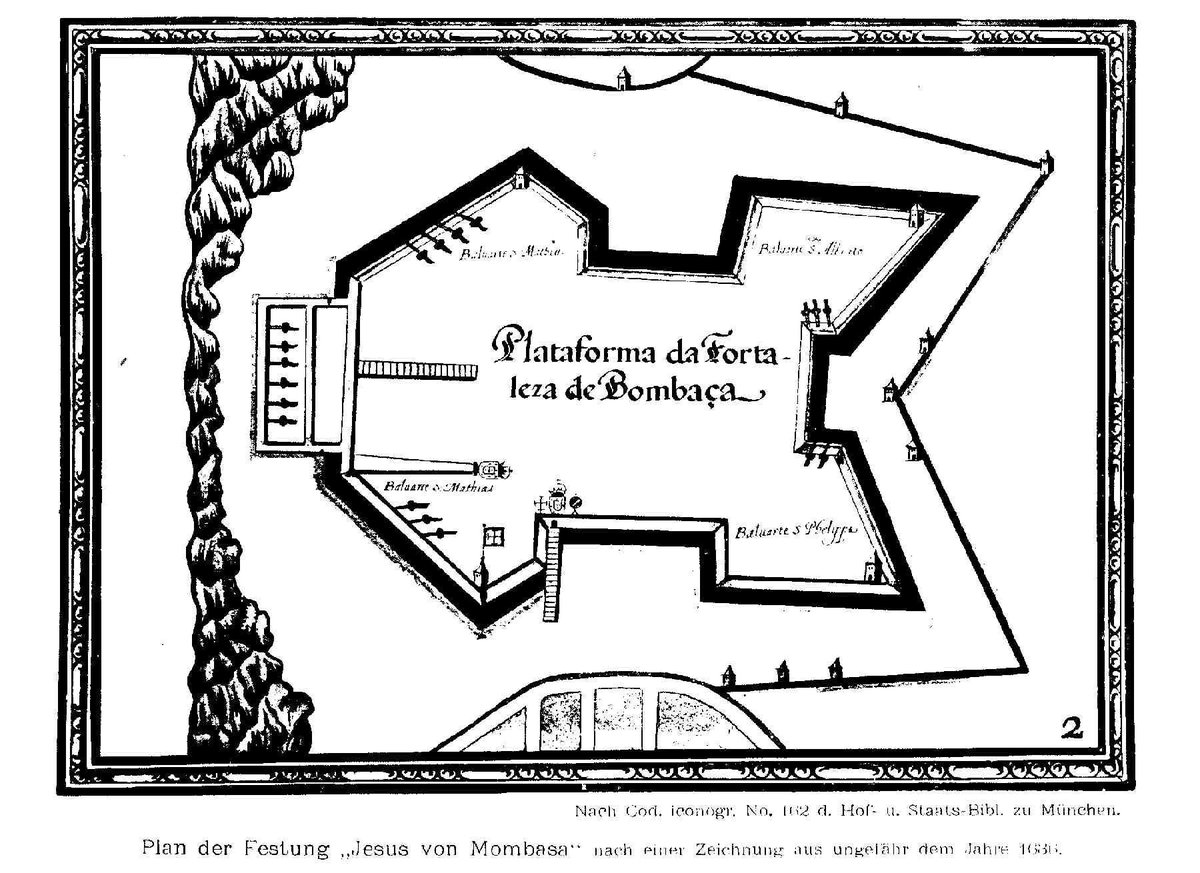
Stand inside Fort Jesus in Mombasa and the walls do the work for you. Coral stone, thick with salt and old heat, still holds the shape of anxiety. The Portuguese built it in 1593 as the hinge of their East African empire, a fortress designed to command the harbor and remind everyone who had cannons.

But empires on the coast rarely lasted as long as they imagined. What people often miss is that the Portuguese did not conquer an empty shore; they stepped into rivalries already alive between Swahili towns, Arab merchants and inland trade networks. Malindi welcomed them partly to weaken Mombasa. That calculation made sense for a moment. It proved expensive for generations.

The great drama came in 1696, when Omani forces began the siege of Fort Jesus. It lasted 33 months, a duration so punishing that it ceased to look like warfare and began to look like slow erasure. Disease and hunger worked beside artillery. When the walls finally fell in December 1698, only a handful of Portuguese defenders were left alive.

Yet the coast did not settle into peace. Omani power, Mazrui ambitions, the rising clove-and-slave economy of Zanzibar, missionary schemes and British naval interference all turned the 18th and 19th centuries into a long argument over who would tax, protect, convert or command the shoreline. In Lamu and Mombasa, families learned to survive by reading the next wind before it arrived. Then Europe changed the scale of the contest. By the late 19th century, chartered companies and imperial treaties were preparing to drag the interior into the same brutal ledger.

Seyyid Said, the Omani ruler who shifted his capital to Zanzibar, understood that whoever mastered the Kenyan coast could make the Indian Ocean pay tribute.

Fort Jesus was designed in a stylized human form, with bastions like outstretched arms, as if architecture itself were trying to impose a body on the harbor.

Railway Smoke, White Highlands, and the Price of Rule

Protectorate, Colony, and the Fight for Land, 1895-1963

A train whistle in the high grass. That is one of the founding sounds of modern Kenya. When the British pushed the Uganda Railway inland from Mombasa in the 1890s, they were laying track, yes, but also creating a new political geography: depots became towns, stations became claims, and a modest rail camp at Nairobi turned into the administrative heart of an empire.

Ce que l'on ignore souvent, c'est que the railway did not simply connect places. It reordered power. Land in the central highlands was surveyed, alienated and handed to settlers; African labor was taxed into motion; Indian workers who had built the line stayed and formed essential commercial communities; chiefs were promoted, ignored or reinvented according to colonial convenience. Kenya became a colony of paperwork as much as force.

Resistance arrived early and in many accents. Mekatilili wa Menza on the coast used oath and dance to rally the Giriama against British demands in 1913. Koitalel arap Samoei of the Nandi fought the railway's advance and paid for it with his life in 1905, shot during what was supposed to be a truce meeting. Harry Thuku mobilized urban protest in Nairobi in 1922, and the bullets fired into the crowd announced that colonial modernity had no intention of being gentle.

Then came the most painful chapter: the Mau Mau war in the 1950s. In the forests of the Aberdares and on the slopes around Mount Kenya, oaths were sworn, villages were cordoned, detainee camps filled, and the empire that claimed to bring order exposed the fear at its core. Dedan Kimathi became the face most people remember, but the story is larger and harder than one portrait. Farmers, women couriers, laborers, loyalists, informers, soldiers, detainees: a whole society was forced to declare itself under pressure.

When independence finally arrived on 12 December 1963, with Jomo Kenyatta stepping into statehood and the old flag coming down, the triumph was real. So was the unfinished business. Land, ethnicity, memory, justice, class: the argument was merely changing costume. The republic inherited the railway, the capital and the wounds.

Dedan Kimathi was not a bronze hero in his own lifetime but a hunted man in a leopard-skin cloak, writing letters in the forest while an empire closed in.

The 1898 Tsavo man-eaters, the two lions that attacked railway workers, were preserved so carefully in imperial memory that they became almost more famous than the laborers who actually built the line.

From Uhuru to the Age of Argument

Independence, Power, and a Restless Republic, 1963-present

At midnight in Nairobi on 12 December 1963, the word was uhuru. Freedom had a flag, a crowd, a choreography. Yet the new Kenya was born with old hierarchies still standing: land ownership remained unequal, the colonial capital still dominated the map, and politics quickly learned the habits of patronage.

Jomo Kenyatta gave the country stature and a language of national confidence, but he also oversaw a state in which access mattered, families accumulated extraordinary influence, and some regions learned early that independence could feel unevenly distributed. After his death in 1978, Daniel arap Moi inherited the presidency and, in time, built an order more intimate and more watchful, one that preferred loyalty to argument. Detentions, one-party discipline and fear marked the era, though so did school expansion, bureaucratic reach and a distinct political theater in which the ruler tried to appear both fatherly and unavoidable.

The turn came slowly, then all at once. The pressure for multiparty politics in the 1990s, the energy of civil society, the memory of political assassinations such as Tom Mboya's, the persistence of lawyers, clergy, students and journalists: all of this pried open the system. The 2007 election crisis showed how fragile the republic still was, with disputed results unleashing violence that cut through neighborhoods, roads and families.

And yet Kenya has a habit of answering crisis with reinvention. The 2010 constitution redistributed power, strengthened courts and counties, and changed the conversation about who owns the state. Wangari Maathai had already shown, tree by tree, that public life could be moral and practical at the same time. In Nairobi, in Kisumu, in Mombasa, even in the silence before dawn in Amboseli or the cool air around Nanyuki, you feel the same truth: this is a country that argues with itself in public. Which is often the surest sign that history is still alive.

Wangari Maathai made environmental care sound like constitutional logic, linking a seedling to dignity, memory and political courage.

The Green Belt Movement began with women asking for firewood, water and less soil erosion; the act that later won a Nobel Peace Prize started with very domestic frustrations.

The Cultural Soul

A City Speaks in Three Mouths

Kenya speaks in layers, and the layers do not queue politely. In Nairobi, a cashier can greet you in Kiswahili, switch to English for the receipt, then toss a line of Sheng over your shoulder before the coins settle. Language here is not a museum cabinet. It is a knife, a handshake, a school uniform, a joke.

Kiswahili carries public grace. English carries paperwork, law, ambition, the clean shirt of official life. Sheng carries speed, flirtation, mockery, invention, the right to bend the city until it answers back. You hear this best in a matatu stuck on Thika Road, where bass shakes the windows and syllables change shape faster than traffic lights.

Then the coast lowers its voice. In Mombasa and Lamu, words take on heshima, that disciplined softness of respect, and a greeting stretches into an inquiry about your health, your family, your morning, your soul if time permits. A country is a grammar of distance. Kenya knows exactly when to close it and when to keep one elegant step between bodies.

Maize, Smoke, Coconut, Memory

Kenyan food begins with starch and ends with philosophy. Ugali looks severe on the plate, a white mound with the dignity of a small monument, until the right hand pinches, rolls, presses, scoops, and suddenly you understand that form here is a kind of etiquette. The fingers do not merely eat. They think.

In the highlands, the plate tastes of maize, beans, potatoes, greens, and work that began before dawn. Githeri remembers school lunches and enamel bowls. Irio arrives green-flecked and calm, beside grilled meat that does not need a speech. Nyama choma is the opposite of solitude: goat on a wooden board, salt, kachumbari, Tusker bottles, and an argument that would survive a power cut.

The coast writes another sentence entirely. In Mombasa, Malindi, and Lamu, rice meets clove, cardamom, cinnamon, tamarind, lime, and coconut with the assurance of a civilization that has traded across the Indian Ocean for a thousand years. Pilau perfumes the room before the plate lands. Samaki wa kupaka stains your fingers with coconut sauce and fish oil. One learns fast that appetite is not greed. It is attention.

The Ceremony of the First Greeting

In Kenya, manners are not decorative lace pinned onto the day. They are the door. You do not rush toward your question as if efficiency were a virtue in itself; you greet, you ask after health, you acknowledge the other person's existence with enough seriousness to make the conversation worth having.

This can surprise visitors from countries where haste passes for honesty. A shopkeeper in Nairobi may ask how you are before discussing batteries. An elder in Kisumu expects greeting before business. On the coast, especially in Mombasa and Lamu, respect enters the spine: softer tone, patient pacing, titles used with care, shikamoo for elders in more traditional settings. The body learns before the tongue does.

And yes, politeness can be funny. The most devastating rebukes often arrive wrapped in perfect courtesy, which is far more elegant than a raised voice. Kenya understands a truth that many modern societies have misplaced: ritual saves time by giving dignity to the transaction. Bow badly, and the meal has already gone wrong.

Basslines for Traffic and Tide

Kenya does not keep one national soundtrack because the country has the decency to contain multitudes. Nairobi runs on bass, gospel harmonies, gengetone mischief, old-school hip-hop swagger, church keyboards, and the metallic rattle of matatus announcing themselves like rival emperors. Even traffic sounds arranged.

Then western Kenya changes the pulse. Around Kisumu, the guitar line loosens and curls, carrying the inheritance of benga: bright strings, circular momentum, songs built for dancing and remembering at once. Lake Victoria lies nearby, fish on grills, beer on tables, conversation long after sunset. Music here does not decorate the evening. It tells the evening what shape to take.

The coast has its own weather of sound. In Mombasa and Lamu, taarab enters with oud, violin, percussion, and lyrics that know how to veil desire without weakening it. That may be the most civilized form of seduction. Kenya's music scene understands a principle that novelists should steal: rhythm is not ornament. Rhythm is meaning.

Coral, Concrete, and the Art of Heat

Kenyan architecture is a study in how a people negotiate sun, status, trade, prayer, and bureaucracy without pretending these are separate matters. On the coast, old Swahili houses in Lamu and Mombasa use coral rag, lime plaster, courtyards, carved doors, inner shade, and narrow streets that ration light with monastic intelligence. Heat is never an abstract noun here. It is an adversary with a timetable.

Walk through Lamu Old Town and the walls seem to breathe salt. A doorway may carry floral carving, Quranic geometry, and the vanity of a merchant family all at once. In Mombasa, Fort Jesus remains the blunt interruption in this refined conversation, Portuguese military geometry planted in coral and lime, as if Europe had arrived in armor to argue with the monsoon.

Nairobi, by contrast, often looks as though it was built during an argument between empire, glass, concrete, aspiration, and rent. Colonial leftovers, office towers, informal stalls, church compounds, gated compounds, and shopping malls stand side by side with almost indecent candor. The result should be chaos. Often it is. But it is also honest. A city that grows this fast cannot afford hypocrisy in brick.
What Makes Kenya Unmissable

pets

Wildlife With Context

Kenya's parks matter because they sit inside a larger story of migration, drought, grazing, and borders. Amboseli gives you elephant herds and clear Kilimanjaro mornings; Nakuru brings Rift Valley birdlife and big-sky geology.

castle

Swahili Coast Cities

The coast is not beach filler. Mombasa, Lamu, Malindi, and nearby Watamu carry coral-stone architecture, mosque towns, trading history, and food shaped by Arabia, India, and East Africa.

hiking

Rift Valley Drama

Few countries change shape this fast. Kenya's Rift Valley drops into escarpments, soda lakes, geothermal ground, and volcanic highlands that make even a road trip feel cinematic.

history_edu

Human Origins Trail

Kenya holds some of the deepest human stories on earth, from Olorgesailie hand-axes to Turkana Boy. Nairobi is the easiest place to start, then the wider country keeps widening the timeline.

restaurant

A Serious Food Country

Eat past the safari-lodge buffet and Kenya becomes far more interesting. Nyama choma, pilau, samaki wa kupaka, omena, mutura, and sweet milky chai map the country region by region.

photo_camera

Light Worth Chasing

Photographers get more than animal sightings here. Nairobi after rain, dawn dust in Amboseli, Lamu's white walls, and the blue-green shallows off Watamu all change tone by the hour.

Cities

Cities in Kenya

Nairobi

"A city of 5.3 million where a Michelin-calibre restaurant, a matatu blasting Sheng, and a giraffe silhouetted against the skyline at Langata can all occupy the same afternoon."

44 guides

Mombasa

"Fort Jesus has watched Portuguese cannons, Omani sultans, and British colonels come and go since 1593, and the Old Town's carved coral-stone doorways still carry the weight of every one of them."

Lamu

"No cars, no traffic lights, 700-year-old Swahili architecture intact โ€” Lamu moves at the pace of a donkey cart and smells of cardamom and low tide."

Kisumu

"Kenya's third city sits on the Winam Gulf of Lake Victoria, where Nile perch land at the fish market before dawn and Luo guitar music finds you by nightfall."

Nakuru

"The Rift Valley floor here turns pink at distance โ€” flamingos by the tens of thousands working the alkaline shallows of a lake that also draws white rhino and Rothschild's giraffe."

Malindi

"Vasco da Gama planted a pillar here in 1498, Zheng He's fleet called before him, and the coral-reef marine park offshore still runs cleaner than almost anything left on the East African coast."

Eldoret

"The world's greatest distance runners โ€” Kipchoge, Rudisha, Cheruiyot โ€” trained on the red-dirt tracks of this highland town at 2,100 metres, and you can watch the next generation do it on any Tuesday morning."

Nanyuki

"The equator runs straight through this market town at the foot of Mount Kenya, and the permanent snow on Batian peak above it is visible from the main street on a clear morning."

Amboseli

"Kilimanjaro fills the southern horizon so completely from the marsh edges here that the elephant herds moving through the acacia scrub look like they are walking toward a painted backdrop."

Thika

"Elspeth Huxley's 1959 memoir put this town on the literary map, but the Blue Posts Hotel waterfall and the pineapple estates along the road north are the same as they were when she was a child here."

Marsabit

"A volcanic crater lake sits inside a cloud-forest on top of this desert mountain, 560 km north of Nairobi, surrounded by Borana and Gabra pastoralists and almost entirely ignored by mainstream tourism."

Watamu

"Three coral-stack sea stacks called Watamu Rocks anchor a marine national park where whale sharks arrive between October and March with the reliability of a scheduled bus."

Regions

Nairobi

Central Highlands and Capital

Nairobi is the country at full volume: government towers, roadside roast meat, art spaces, churches, traffic, and a vocabulary that changes by neighborhood. North and east of the city, the highlands cool the air, tea and coffee country begins, and places like Thika and Nanyuki show how quickly Kenya moves from urban edge to farmland and mountain light.

placeNairobi National Museum placeKaren and the Ngong Road area placeThika and Fourteen Falls placeNanyuki gateway to Mount Kenya placeKarura Forest

Nakuru

Rift Valley Lakes and Plains

The Rift Valley is where geology stops being abstract. Around Nakuru, escarpments drop hard, alkaline lakes pull in birdlife, and the road network makes this one of the easiest regions for self-drive travelers who want big landscapes without committing to the far north.

placeNakuru National Park placeLake Elementaita placeLake Naivasha placeHell's Gate area placeAmboseli

Mombasa

Swahili Coast

The coast trades in coral stone, humidity, carved doors, and a food culture shaped by the Indian Ocean rather than the interior. Mombasa has the deepest historical weight, while Watamu and Malindi soften the pace with beaches, marine parks, old ruins, and seafood lunches that can stretch well past plan.

placeFort Jesus in Mombasa placeMombasa Old Town placeWatamu Marine National Park placeMalindi Old Town placeGedi ruins near Malindi

Lamu

Lamu Archipelago

Lamu runs on a different clock. Cars disappear, donkeys take over, and the old Swahili street grid forces you to move at the pace of shade, prayer times, and dhow traffic; it is one of the few places in Kenya where silence can still win an argument.

placeLamu Old Town placeShela village placeLamu waterfront placeDhows in the channel placeTakwa ruins on Manda Island

Kisumu

Lake Victoria and Western Kenya

Western Kenya is greener, wetter, and less choreographed for foreign visitors than the safari circuit. Kisumu faces Lake Victoria with fish markets, ferries, and long lakeside evenings, while Eldoret brings cool air, maize country, and the athletic culture that has made the highlands famous far beyond Kenya.

placeKisumu lakeshore placeDunga fish market area placeImpala Sanctuary area placeEldoret highlands placeIten day trip from Eldoret

Marsabit

Northern Frontier

North of the better-traveled highlands, distances stretch and the country feels stripped back to lava, scrub, wind, and long-haul trucking routes. Marsabit matters because it interrupts that austerity with forested crater country, a reminder that northern Kenya is not empty at all, only less domesticated by standard itineraries.

placeMarsabit National Park placeMarsabit crater lakes placeChalbi Desert approaches placeTurkana corridor routes placeMount Marsabit forest

Suggested Itineraries

3 days

3 Days: Nairobi and Amboseli

This is the short route for travelers who want one city and one classic landscape without spending half the trip in transit. Start in Nairobi for museums, markets, and the country's political pulse, then head to Amboseli for elephant herds and clear morning views toward Kilimanjaro when the clouds behave.

Nairobiโ†’Amboseli

Best for: first-timers with limited time, wildlife-focused short breaks

7 days

7 Days: Mombasa, Watamu, and Malindi

Kenya's coast changes mile by mile, and this route lets you feel the shift instead of flattening it into one beach stay. Begin in Mombasa for Fort Jesus and old Swahili street patterns, continue to Watamu for reefs and slower beach days, then finish in Malindi where Italian influence, fishing culture, and nearby Gedi give the coast a different accent.

Mombasaโ†’Watamuโ†’Malindi

Best for: coast lovers, swimmers, travelers who want history with downtime

10 days

10 Days: Kisumu, Eldoret, and Nakuru

This western and Rift Valley route is for travelers who want Kenya beyond the postcard circuit. Kisumu brings Lake Victoria rhythms and fish-heavy kitchens, Eldoret shifts the mood to highland farming country and running culture, and Nakuru adds Rift Valley escarpments, soda-lake country, and an easy base for park time.

Kisumuโ†’Eldoretโ†’Nakuru

Best for: return visitors, road trippers, travelers interested in everyday Kenya

14 days

14 Days: Nairobi, Nanyuki, and Marsabit

This route climbs out of the capital and then keeps going until the country turns spare, volcanic, and huge. Use Nairobi to get your bearings, move on to Nanyuki for Mount Kenya access and Laikipia conservancies, then push north to Marsabit where crater forests, desert roads, and frontier distances make the scale of Kenya finally register.

Nairobiโ†’Nanyukiโ†’Marsabit

Best for: adventurous travelers, overland enthusiasts, second-time Kenya visitors

Notable Figures

Kamoya Kimeu

born 1938 ยท Fossil hunter
Worked in the Turkana Basin and helped define Kenya's place in human origins research

Kamoya Kimeu did not arrive through a university chair or a grand European expedition. He learned to read the earth in northern Kenya so well that in 1984 he spotted the fragments that led to Turkana Boy, turning the dry edges of Lake Turkana into one of the great addresses in the story of humanity.

Mekatilili wa Menza

c. 1840-c. 1924 ยท Giriama resistance leader
Led anti-colonial mobilization on the coast near present-day Kilifi and Malindi

Mekatilili fought the British not with a court title or an army uniform, but with oath-taking, oratory and the authority of a woman who understood exactly how to move a community. Her revolt on the coast reminds you that Kenyan resistance did not begin in the forests of the 1950s; it was already alive in villages that refused forced labor and state intrusion.

Koitalel arap Samoei

c. 1860-1905 ยท Nandi spiritual and political leader
Led Nandi resistance against the British advance during railway construction

Koitalel turned prophecy and politics into one instrument while the Uganda Railway pushed through Nandi country. In 1905 he went to what should have been a peace meeting and was shot dead, a betrayal so stark that it still sits in Kenyan memory like unfinished business.

Harry Thuku

1895-1970 ยท Nationalist organizer
Mobilized early urban protest in Nairobi

Harry Thuku belongs to the moment when Nairobi stopped being merely an imperial office town and became a city that could erupt. His arrest in 1922 drew a crowd into the streets, and the shooting that followed exposed how frightened colonial rule became when Africans organized in public.

Jomo Kenyatta

c. 1897-1978 ยท First Prime Minister and President of Kenya
Led independent Kenya from Nairobi after 1963

Kenyatta mastered the ceremony of statehood better than almost anyone in post-colonial Africa. He wrapped the new republic in confidence and symbolism, but his Kenya also hardened patterns of patronage and land inequality that would haunt the decades after independence.

Dedan Kimathi

1920-1957 ยท Mau Mau field commander
Led anti-colonial resistance in the Mount Kenya and Aberdare forests

Photographs turned Dedan Kimathi into an icon, but first he was a man in hiding, writing orders and arguments by hand while colonial patrols hunted him through the forest. His capture in 1956 gave the British a trophy; his afterlife gave Kenya one of its most stubborn symbols of resistance.

Tom Mboya

1930-1969 ยท Trade unionist and cabinet minister
A national political star whose assassination shook Nairobi and the republic

Tom Mboya had charm, speed and an international reach that made him look like Kenya's future before he turned forty. When he was shot on Government Road in Nairobi in 1969, the murder felt larger than one man; it deepened the suspicion that post-independence power would not surrender its secrets easily.

Wangari Maathai

1940-2011 ยท Environmentalist and Nobel Peace Prize laureate
Founded the Green Belt Movement in Kenya and linked ecology to democracy

Wangari Maathai began with trees because trees were practical: fuel, shade, soil, water. Then she made the argument impossible to ignore, showing that a stripped hillside and a stripped democracy often belong to the same political story.

Richard Leakey

1944-2022 ยท Paleoanthropologist and conservationist
Helped make Kenya central to both human origins research and wildlife conservation

Richard Leakey inherited a famous archaeological surname and still managed to become something more complicated: scientist, institution-builder, anti-poaching crusader and public bruiser. In Kenya he linked two kinds of inheritance, ancient bones and living animals, and treated both as national stakes.

Top Monuments in Kenya

Practical Information

travel

Visa

Most foreign visitors need an approved Electronic Travel Authorisation before flying to Kenya. Apply through the official eTA platform at least 72 hours before departure; standard processing usually starts at USD 30, and your passport should have 6 months' validity after arrival plus 2 blank pages.

payments

Currency

Kenya uses the Kenyan shilling, written as KES or KSh. Cards work in much of Nairobi, Mombasa, Kisumu, and safari lodges, but cash still matters for matatus, market stalls, tips, and smaller towns; M-Pesa runs daily life for locals, though many short-term visitors stick to card plus cash.

flight

Getting There

Most long-haul travelers land in Nairobi at Jomo Kenyatta International Airport, while Mombasa works well for a coast-first trip and Kisumu for western Kenya. One detail catches people out: many safari flights leave from Wilson Airport in Nairobi, not from JKIA.

directions_bus

Getting Around

For simple intercity travel, the Madaraka Express train between Nairobi and Mombasa is the easiest rail option, with economy fares from about KSh 1,500. Domestic flights save serious time on longer hops, while buses and matatus are cheaper but less predictable, especially on arrival day or after dark.

wb_sunny

Climate

Kenya does not have one weather pattern. Nairobi stays mild because it sits at 1,795 meters, the coast around Mombasa, Watamu, and Lamu is hot and humid year-round, and April to May is the wettest stretch in much of the country, with January to February and July to October usually the easiest windows for travel.

wifi

Connectivity

Safaricom has the strongest coverage, with Airtel also widely used, and prepaid data is cheap by European or North American standards. You will have solid 4G in Nairobi, Mombasa, Nakuru, Kisumu, and along major highways, but coverage drops sharply in remote parks and parts of the north.

health_and_safety

Safety

Kenya is manageable with ordinary city sense and a little planning. Use registered ride-hailing apps in Nairobi and Mombasa, avoid night road transfers when you can, keep valuables out of sight in crowded transport hubs, and check current health guidance if you are arriving from or transiting through a yellow-fever-risk country.

Taste the Country

restaurantUgali na sukuma wiki

Right hand pinches ugali, rolls, presses, scoops greens. Lunch, supper, family table, workers' canteen.

restaurantNyama choma

Friends gather, beer opens, goat roasts over charcoal. Meat lands on a wooden board, fingers tear, kachumbari follows.

restaurantPilau ya Pwani

Rice steams with clove, cumin, cardamom, stock. Weddings, Friday lunches, coast households in Mombasa and Lamu.

restaurantSamaki wa kupaka

Whole fish grills, coconut sauce coats, fingers lift flesh from bone. Coast tables, shared plates, late lunches.

restaurantGitheri

Maize and beans boil, then onion and tomato join. School memory, weekday lunch, metal plate, spoon.

restaurantMutura

Sausage grills over charcoal, vendor slices, salt and chili scatter. Street corner, dusk, standing crowd.

restaurantMandazi with chai ya maziwa

Dough fries, chai boils with milk and sugar. Morning kiosk, office break, roadside bench.

restaurantOmena with ugali

Tiny fish fry whole, ugali steadies the salt. Kisumu tables, Lake Victoria households, evening meal.

Tips for Visitors

euro
Carry Small Cash

Keep low-denomination shilling notes for matatus, market snacks, and tips. Big notes can be awkward in small shops, especially outside Nairobi, Mombasa, and major hotel zones.

train
Use The Train

For Nairobi to Mombasa, the Madaraka Express is usually the least stressful move if you are not flying. Book ahead on busy weekends and holiday periods, because the useful departures do fill.

smartphone
Book Rides By App

Use Uber, Bolt, or Little Ride in Nairobi, Mombasa, Kisumu, and Eldoret instead of negotiating random street taxis. It saves time, fixes the price upfront, and cuts down the usual airport haggling.

event_available
Reserve Safaris Early

Park fees, lodge beds, and safari flights push Kenya's budget up fast, especially from July to October and again in January to February. If wildlife is the reason you are coming, lock the big pieces in first and build the city time around them.

restaurant
Tip With Context

Around 10% is a normal restaurant tip for good service if the bill has not already added service charge. On safari, operator guidance commonly lands around USD 10 to 20 per traveler per day for a driver-guide, plus any shared lodge staff box.

handshake
Greet First

A quick greeting goes a long way in Kenya. Start with a hello before asking for directions, prices, or help; in more formal or older company, that small pause reads as respect rather than wasted time.

wifi
Buy A Local SIM

A Safaricom or Airtel SIM at the airport or in town is usually worth the minor setup hassle if you are staying more than a few days. You will want the data for maps, ride-hailing, and last-minute bookings, even if your hotel advertises decent Wi-Fi.

Explore Kenya with a personal guide in your pocket

Your Personal Curator, in Your Pocket.

Audio guides for 1,100+ cities across 96 countries. History, stories, and local insight โ€” offline ready.

smartphone

Audiala App

Available on iOS & Android

download Download Now

Join 50k+ Curators

Frequently Asked

Do I need a visa for Kenya in 2026? add

Most travelers need an Electronic Travel Authorisation, not a visa on arrival. Apply through the official Kenya eTA platform before travel, allow at least 72 hours, and check that your passport has 6 months' validity after entry plus 2 blank pages.

Is Kenya expensive for tourists? add

Kenya can be moderate in the cities and expensive once safaris start. A careful traveler can manage on roughly KES 7,600 a day, but park fees, private game drives, domestic flights, and lodge transfers push costs up quickly.

What is the best month to visit Kenya? add

January, February, and July through October are usually the safest bets for weather and wildlife. April and May are the hardest months for road-based travel because heavy rain can slow or derail plans, especially beyond the main highways.

Can you use credit cards in Kenya or do you need cash? add

You can use cards in many hotels, restaurants, supermarkets, and safari properties, especially in Nairobi, Mombasa, Kisumu, and Nakuru. You still need some cash for matatus, small cafes, tips, market stalls, and parts of rural Kenya.

Is it better to fly or take the train from Nairobi to Mombasa? add

Take the train if you want the simplest ground option and are not in a hurry; fly if time matters more than money. The Madaraka Express is easy and reasonably priced, while flights save hours and make more sense if you are connecting onward to Watamu, Malindi, or a safari leg.

How many days do you need in Kenya? add

Seven days is enough for one city-and-safari or coast-focused trip, but 10 to 14 days gives Kenya room to make sense. The country is larger than many first-time visitors expect, and distances between Nairobi, Mombasa, Kisumu, Nanyuki, and Marsabit are real.

Is Kenya safe for solo travelers? add

Yes, with the same caution you would use in any big, fast-moving country. Solo travelers do best by using ride-hailing apps in cities, avoiding unnecessary night transfers, booking first-night transport in advance, and staying alert in bus stations, markets, and beach areas after dark.

Can tourists use M-Pesa in Kenya? add

Yes, but it is not always the easiest setup for a short trip. Most visitors manage with cards and cash unless they buy a local SIM and want the convenience of paying the way many Kenyans do day to day.

Sources

  • verified Kenya Electronic Travel Authorisation โ€” Official entry requirements, eTA application process, processing times, passport rules, and fees.
  • verified Kenya Railways โ€” Official Madaraka Express routes, schedules, and fare information for Nairobi-Mombasa rail travel.
  • verified Kenya Revenue Authority โ€” Official tax authority reference for the standard 16% VAT rate and related consumer tax guidance.
  • verified CDC Travelers' Health: Kenya โ€” Health guidance including yellow-fever vaccination rules tied to origin and transit country.
  • verified Communications Authority of Kenya โ€” Market and telecom sector reference for mobile operators and connectivity context.

Last reviewed: