Plan and listen to Yomiuriland with Audiala.
Audio guide in your pocket, itinerary in your browser. Built for the way you actually visit.
Introduction to Yomiuriland: History and Cultural Significance
Yomiuriland stands as a testament to Japan’s postwar leisure culture and modernization. Opened in 1964, it was designed to provide Tokyo’s expanding suburban population with a space for recreation and entertainment, blending innovative amusement park rides with Japanese seasonal celebrations. Over the decades, Yomiuriland has become a cultural landmark, famed for its cherry blossom hanami in spring and massive Jewellumination event in winter (MATCHA; JW Web Magazine).
The park’s ongoing evolution reflects both Western amusement trends and deep-rooted Japanese values, notably “omotenashi,” or hospitality. Its layout, event schedule, and themed areas such as "Goodjoba!!" highlight Japan’s craftsmanship and spirit of innovation, making Yomiuriland a destination that bridges entertainment with cultural education.

Historical Background and Development
Origins and Growth
Yomiuriland was founded by the Yomiuri Group to meet the recreational needs of Tokyo’s growing suburbs. The park’s original attractions included classic rides like a Ferris wheel and merry-go-round, offering families a taste of Western amusement culture within a Japanese context (Kanpai Japan). Its location atop the Tama Hills was chosen for both scenic beauty and accessibility.
Expansion and Modernization
As demand grew, Yomiuriland expanded its repertoire with high-speed roller coasters like the iconic “Bandit,” interactive experiences such as “Goodjoba!!,” and one of Tokyo’s largest summer water parks, Pool WAI (Just About Japan). The park’s dedication to celebrating each season—hanami in spring, illumination in winter—has kept it relevant and popular across generations.
Visiting Yomiuriland: Practical Information
Visiting Hours
- Regular Hours: Typically 10:00 AM–5:00 PM
- Extended Hours: Until 8:00 or 9:00 PM during major events such as Jewellumination
- Seasonal Variation: Always check the official website for current schedules, as hours shift for special events and holidays.
Ticket Prices and Types
Yomiuriland offers flexible ticketing to suit different needs:
| Ticket Type | Adults (18–64) | Middle/High School (12–17) | Children (6–11) | Preschoolers (3–5) | Seniors (65+) |
|---|---|---|---|---|---|
| Admission Only | ¥1,800 | ¥1,500 | ¥1,000 | ¥1,000 | ¥800 |
| One-Day Pass (Unlimited) | ¥5,800 | ¥4,600 | ¥4,000 | ¥2,400 | ¥4,000 |
- Gondola/Sky Shuttle: Separate ticket required for the scenic cable car from Keio-Yomiuriland Station.
- Special Offers: Discount coupons are sometimes available online (Yomiuriland Official).
Access and Transportation
- By Train:
- Keio Line: From Shinjuku to Keio-Yomiuriland Station (~30 min), then the Sky Shuttle gondola (5–10 min) offers panoramic park views.
- Odakyu Line: To Yomiuriland-mae Station, then a short bus ride to the park.
- By Car: Ample parking available (fees apply), but spaces fill quickly on weekends and holidays.
Accessibility
Yomiuriland is wheelchair- and stroller-friendly, with accessible restrooms and rental services. Ramps and elevators are available throughout the park, and the Sky Shuttle gondola is suitable for guests with mobility needs.
Nearby Attractions
- Jindaiji Temple: Historic Buddhist temple with traditional soba shops (Yomiuriland Local Guide)
- Fujiko F. Fujio Museum: Dedicated to the creator of Doraemon
- HANA・BIYORI: A digital botanical garden and onsen
- Machida Squirrel Garden: Family-friendly wildlife experience
Top Attractions and Experiences
Roller Coasters and Thrill Rides
- Bandit: Once the world’s fastest coaster, Bandit is famed for its “fastest cherry blossom viewing” during spring (tickets-tokyo.com).
- Spin Runway: A spinning coaster themed around fashion (att-japan.net).
- Looping Starship: Gravity-defying spaceship ride.
- Hashibiro GO!: Japan’s first mega Disc’O ride.
- Bungee Jump: 22-meter jump for adrenaline seekers.
Family and Interactive Zones
- Goodjoba!!: Hands-on manufacturing-themed attractions, including splash rides, tram journeys, and interactive workshops (Hey Japan).
- Hero Training Center: Physical challenges for children.
- Merry-Go-Land Dog: Animal-themed carousel.
- Giant Ferris Wheel: 60 meters high, with views of Tokyo and Mt. Fuji.
Water Attractions
- Pool WAI: Open in summer, with five pools, slides, and a lazy river.
Seasonal Highlights and Events
Spring: Sakura Festival
- Over 1,000 cherry trees create a stunning hanami setting, especially from the Ferris wheel and Bandit coaster.
- Night Cherry Blossom Jewellumination: Combines sakura with illuminated displays (MATCHA).
Summer: Pool WAI
- Water park with pools, slides, and summer events (yomiuriland.com).
Autumn: Halloween & Seasonal Events
- Halloween parades, costumes, and themed attractions.
Winter: Jewellumination
- Kanto’s largest illumination event—over 6.5 million LEDs transform the park into a dazzling spectacle (JW Web Magazine).
- Themed zones, fountain light shows, and aerial views from the gondola.
Dining, Shopping, and Facilities
- Dining: Japanese and international cuisine, seasonal sweets, and themed treats (Klook).
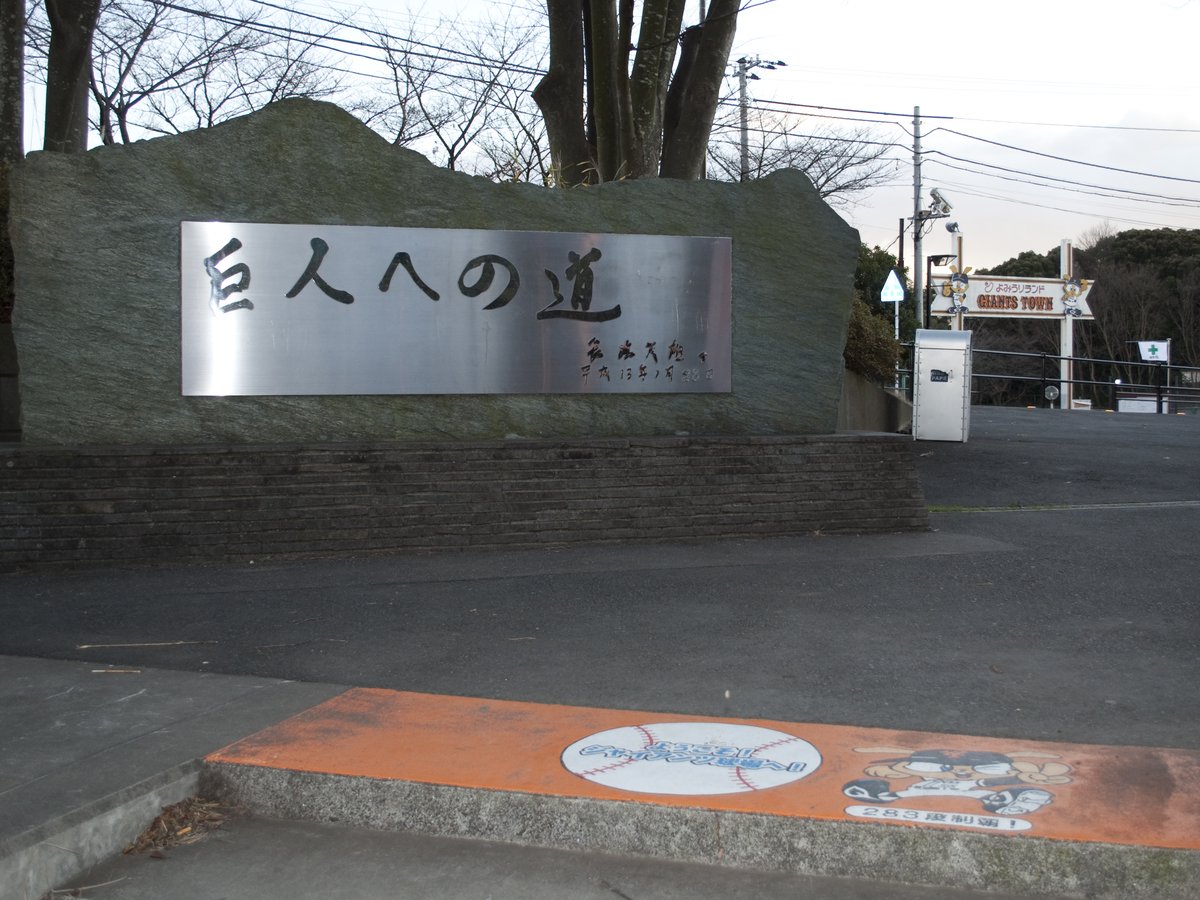
- Shopping: Souvenirs, Ghibli merchandise, Yomiuri Giants baseball goods, and seasonal items.
- Facilities: Coin lockers, baby care rooms, accessible restrooms, Lost & Found, and first aid.
- Payment: Cash (JPY), major credit cards, and electronic payments accepted.
Photography and Guided Tours
- The park is rich in photo opportunities, especially during cherry blossom and illumination events.
- Occasional guided tours are available—check the official website for updates.
Tips for Families and Groups
- Arrive early to avoid queues.
- Download the park map in advance.
- Stroller/wheelchair rentals available.
- Baby care facilities and group discounts offered.
- No outside food—ample dining options inside.
Frequently Asked Questions (FAQ)
What are Yomiuriland’s hours?
Typically 10:00 AM–5:00 PM; extended hours for events. Check the official site for updates.
How do I buy tickets?
Purchase online, at the entrance, or via authorized vendors. Special discounts may be available.
Is Yomiuriland accessible?
Yes, with accessible facilities and rentals for strollers/wheelchairs.
What’s the best time to visit?
Spring (sakura) and winter (Jewellumination) are peak seasons. Weekdays are less crowded.
Are there lockers?
Yes, at the entrance and near major attractions.
Can I bring pets?
Generally not, except certified service animals.
Listen to the full story in the app
The whole Yomiuriland,
told well.
Audio guides for 1,100+ cities across 96 countries. History, stories, and local insight — offline ready.
Verified, and shown.
Researched and written by the Audiala editorial team from historical records, architectural archives, and local expertise.
Researched from Wikidata, Wikipedia & official sources · fact-checked · How we make our guides →