Plan and listen to Waseda University Tsubouchi Memorial Theatre Museum with Audiala.
Audio guide in your pocket, itinerary in your browser. Built for the way you actually visit.
Introduction
The Waseda University Tsubouchi Memorial Theatre Museum, widely known as Enpaku, is a premier cultural destination nestled within the Waseda University campus in Tokyo. Established in 1928 to honor Professor Tsubouchi Shoyo—a pioneer in Japanese literature and the first to translate Shakespeare’s complete works into Japanese—Enpaku bridges the theatrical traditions of Japan and the world. The museum’s unique architecture, modeled after the Elizabethan Fortune Theatre, provides a fitting backdrop for its world-class collections and exhibitions. Whether you’re a theatre enthusiast, a student, or a traveler seeking Tokyo’s historical sites, Enpaku promises an immersive journey into the evolution of performing arts. For planning your visit, check the official Waseda University Culture Portal and the Enpaku official website.

Historical Context and Museum Significance
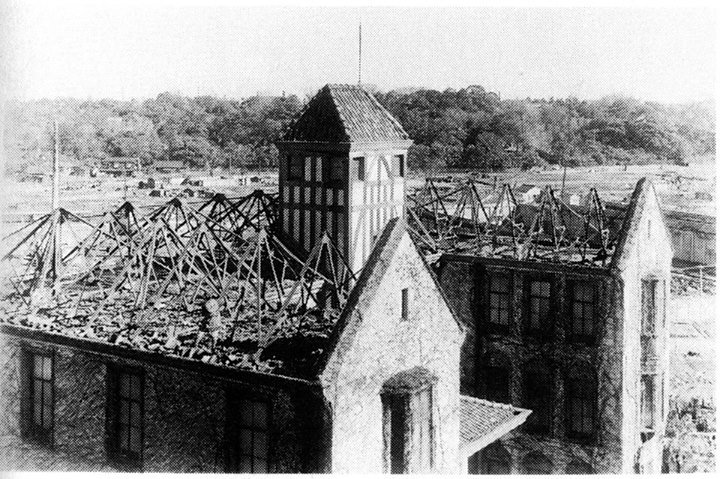
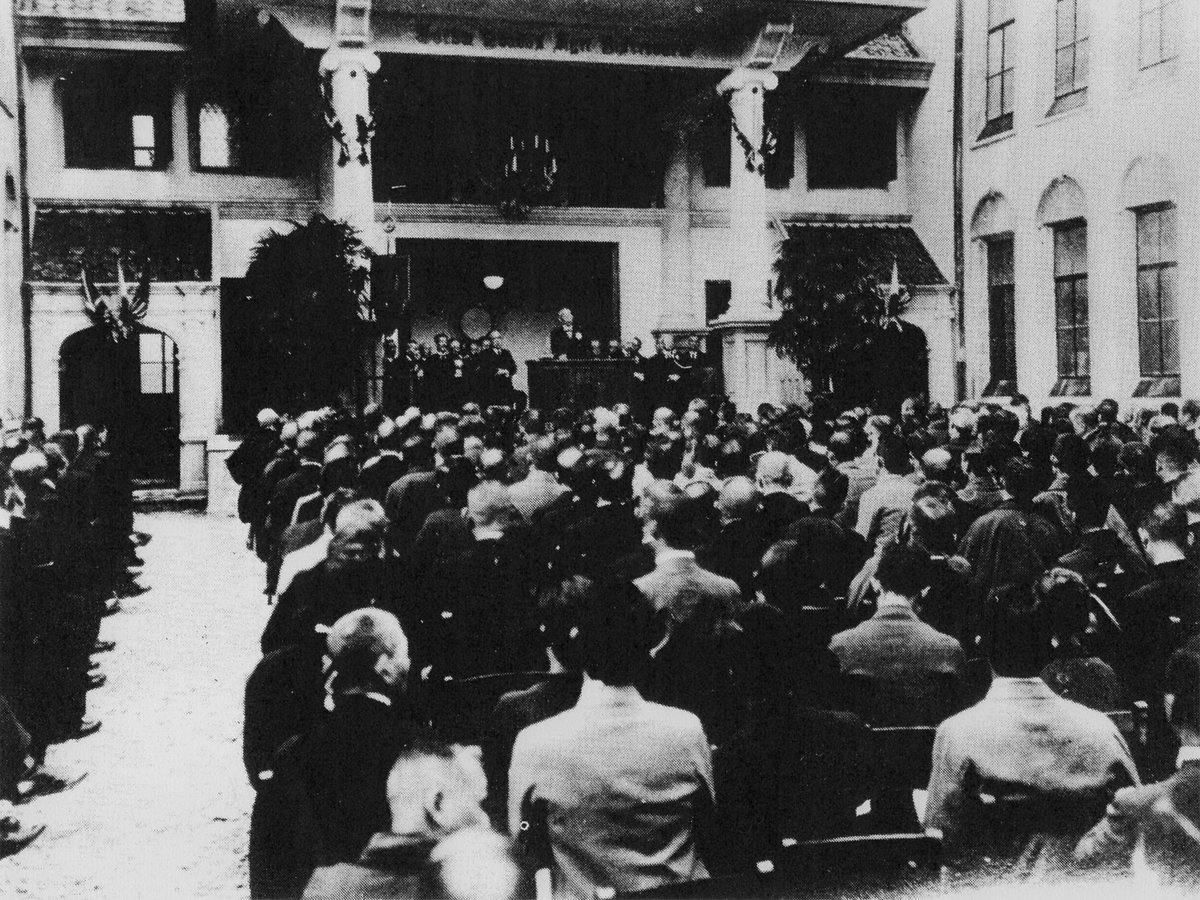
Founded to celebrate Dr. Tsubouchi Shoyo’s 70th birthday and his monumental translation of Shakespeare, the museum has grown into one of the world’s most comprehensive repositories for the performing arts. The vision was to create both a tribute to Tsubouchi’s literary legacy and a dynamic center for theatre research. Today, Enpaku houses nearly a million items, including scripts, costumes, stage models, posters, and rare books—documenting the rich tapestry of Japanese and global theatre. Its ongoing mission includes fostering research, public engagement, and education in the dramatic arts (Google Arts & Culture).
Architectural Features
Elizabethan Inspiration
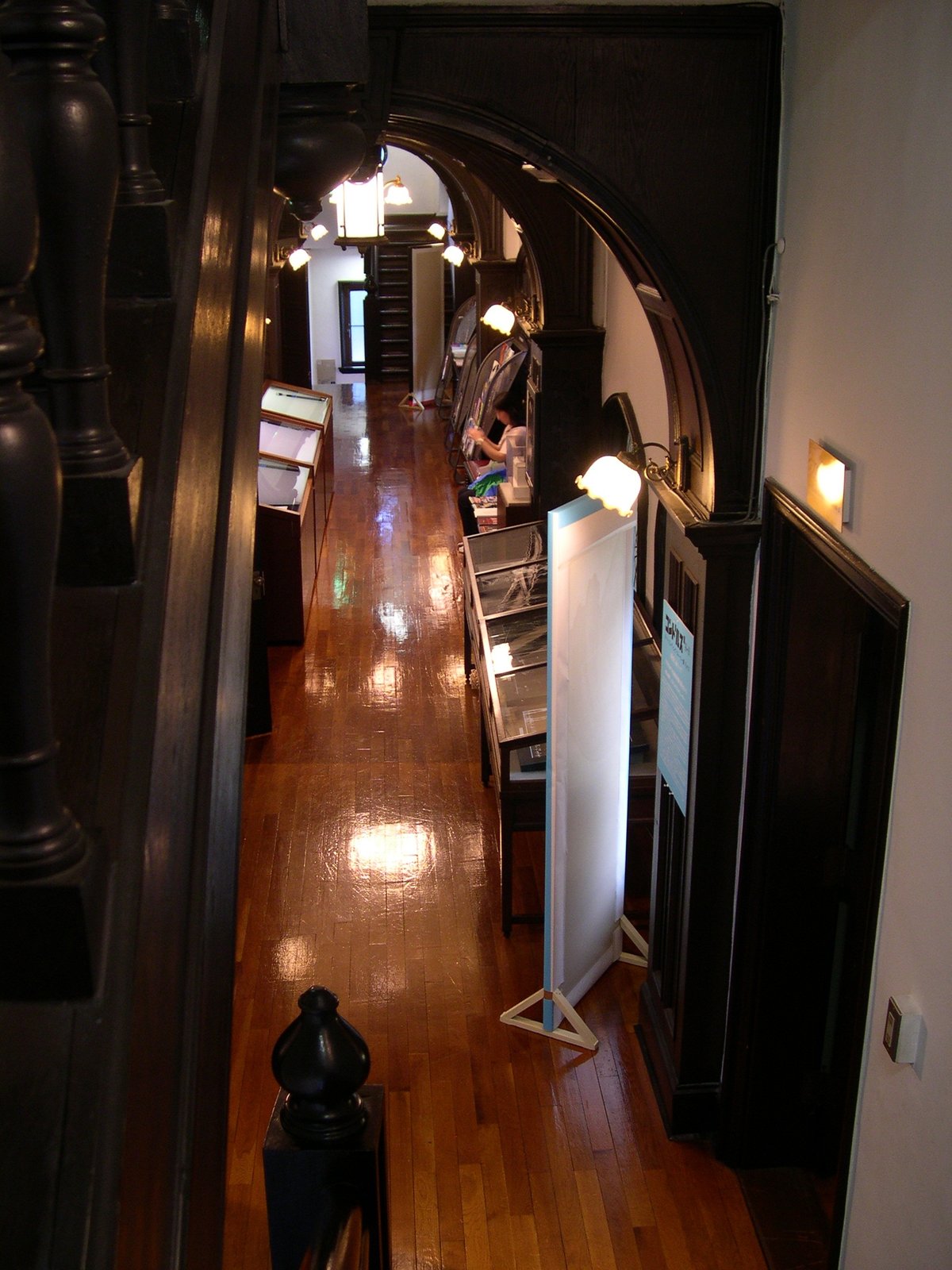
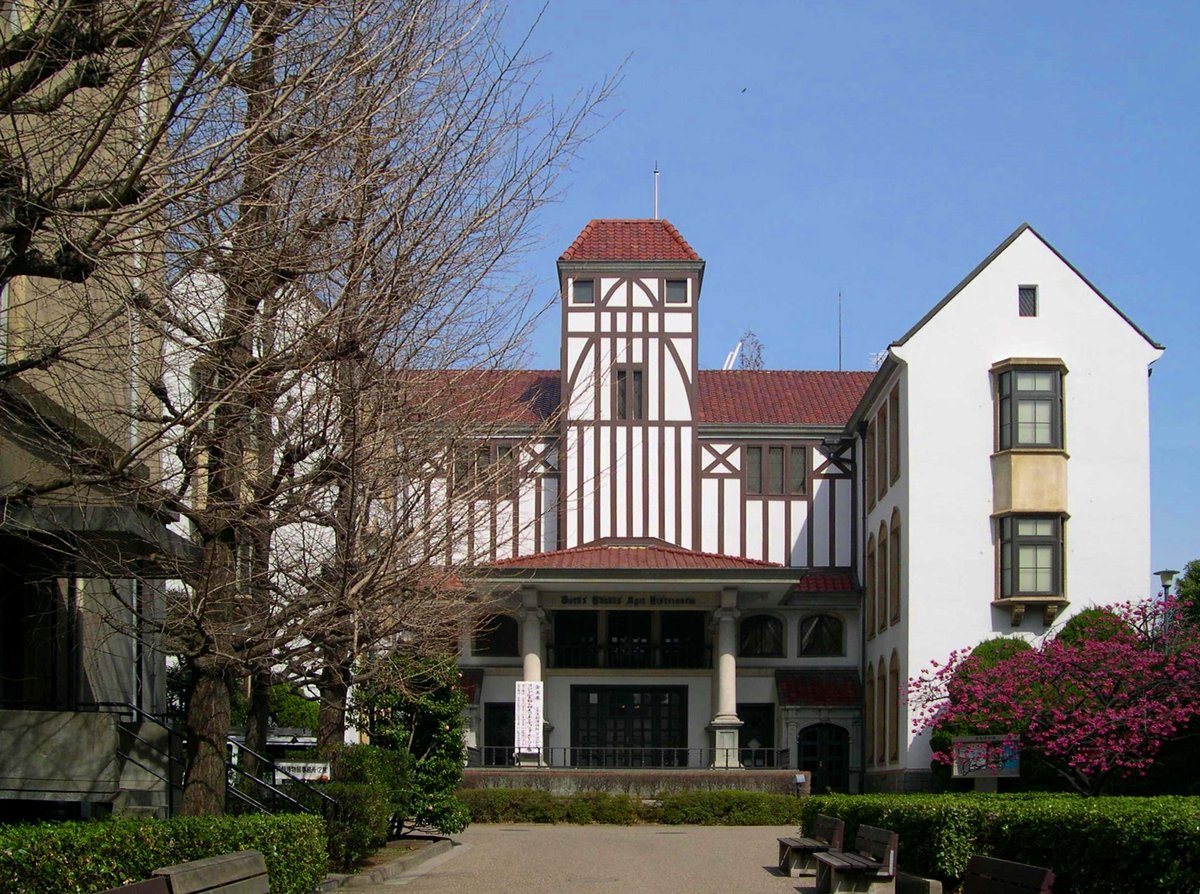
The museum’s architecture, designed by Professor Kenji Imai, pays homage to the 16th-century Fortune Theatre in London. The building features a central overhang stage and box-like wings, evoking the immersive atmosphere of an Elizabethan playhouse. The first-floor corridor displays a detailed Fortune Theatre model and a Shakespeare statue, symbolizing the fusion of Western and Japanese theatre (Google Arts & Culture).
Unique Design Elements
Constructed using brick and stone, the museum harmonizes Western classical design with Japanese aesthetics. Spaces such as the library reading room (styled as a dressing room) and the Latin inscription “Totus Mundus Agit Histrionem” (“All the world is a stage”) reinforce its dedication to the dramatic arts.
Collections and Exhibitions
Highlights
- Ukiyo-e Prints: Showcasing kabuki scenes, such as Chūshingura, these prints offer a vivid look into Edo-period theatre (Old Tokyo).
- Kabuki and Bunraku Materials: Costumes, scripts, props, and playbills from traditional forms.
- Western Theatre Artifacts: European and American memorabilia, rare books, and stage designs.
- Shakespeare Archives: Early Japanese translations and memorabilia from landmark productions.
- Stage Models and Costumes: Including a replica of the Fortune Theatre and authentic performance attire.
Permanent and Special Exhibitions
The museum features rotating permanent exhibitions covering the history of Japanese and world theatre. Recent thematic exhibitions include:
- The Genius of CHIKAMATSU Hanji: Focused on ningyo-joruri drama (Enpaku Chikamatsu Hanji).
- Stage Costume Exhibition: Tracing the evolution of theatrical attire (Enpaku Events).
- Showa 100 Years Theatre and Film Poster Exhibition: Chronicling visual history (Enpaku Events).
- War and Theatre: 80 Years After WWII: Examining the intersection of performance and conflict (Enpaku Events).
Interactive performances and digital displays are regularly integrated to enhance visitor engagement (Enpaku Online Museum).
Educational Programs and Events
Enpaku is an active center for learning, offering:
- Lectures, Workshops, and Symposia: Covering topics from classical Noh to contemporary dramaturgy (Enpaku Online Museum).
- Student Opportunities: University courses, internships, and hands-on collection work (Global COE Program).
- Community Events: Annual Shoyo Festival, public performances, and hands-on workshops (Enpaku Events).
- Publications: Exhibition catalogues and scholarly research are available for deeper exploration (Enpaku Chikamatsu Hanji).
Digital innovations, such as the Japan Digital Theatre Archives, provide access to rare materials and performances.
Visitor Information
Location & Access
- Address: 1-6-1 Nishi-Waseda, Shinjuku City, Tokyo 169-0051, Japan
- Nearest Station: Waseda Station (Tokyo Metro Tozai Line)—10-minute walk
- Other Access: Served by local bus routes and close to major Tokyo hubs (Waseda University Museums page)
Visiting Hours
- Tuesday to Sunday: 10:00 AM – 5:00 PM (last entry 4:30 PM)
- Closed: Mondays (or next day if Monday is a holiday), New Year holidays, and exhibition change periods
Admission and Tickets
- Permanent Exhibitions: Free for all visitors (Enpaku Events)
- Special Exhibitions: Typically ¥300–¥800 for adults; discounts for students and seniors; check details for each exhibition
- Group Visits and Guided Tours: Available by prior arrangement
Accessibility
- Fully wheelchair accessible, with elevators and accessible restrooms
- Multilingual signage (Japanese and English); audio guides and pamphlets available
- Tactile exhibits and written guides for visually/hearing-impaired visitors (contact in advance for assistance)
Visitor Services
- Museum Shop: Books, souvenirs, and exclusive merchandise
- Lockers and Lounge: Available for visitor comfort
- Wi-Fi: Free throughout the museum
Photography
- Allowed for personal use in most areas (no flash or tripods); restrictions may apply in special exhibitions
Nearby Attractions
- Waseda University Campus: Historic grounds and architecture
- Aizu Museum & Waseda University History Museum: Additional cultural experiences
- Shinjuku Gyoen National Garden: A short journey for nature lovers
- Tokyo Dome City: Entertainment complex nearby
Travel Tips
- Plan Ahead: Review the Enpaku website for up-to-date exhibition schedules and ticketing.
- Off-Peak Visits: Weekdays and early afternoons are less crowded.
- Allocate 1.5–2 hours: To fully appreciate the extensive exhibits.
- Combine Visits: Explore other cultural sites in the Waseda area for a full day out.
Frequently Asked Questions (FAQ)
Q: What are the museum’s opening hours?
A: Tuesday to Sunday, 10:00 AM–5:00 PM; last entry at 4:30 PM. Closed Mondays and during holidays.
Q: Is admission free?
A: Permanent exhibitions are free. Special exhibitions may have a ticket fee.
Q: Are guided tours available in English?
A: Yes, by appointment—book in advance via the official website.
Q: Is the museum wheelchair accessible?
A: Yes, with elevators, ramps, and accessible restrooms available.
Q: Where can I find dining options?
A: Cafés and restaurants are nearby on campus and in the surrounding neighborhood.
Q: Can I take photographs inside?
A: Personal photography is allowed in most areas, except where otherwise indicated.
Contact Information
For detailed inquiries, group bookings, or research appointments, contact the museum directly via the official Enpaku website.
Summary and Invitation
The Tsubouchi Memorial Theatre Museum is an essential destination for anyone interested in theatre, Japanese culture, or the performing arts. Its stunning architecture, unrivaled collections, and welcoming atmosphere make it a highlight among Tokyo’s historical sites. With free or affordable admission, accessible facilities, and a dynamic calendar of exhibitions and events, Enpaku offers a rewarding experience for all.
For the latest updates, audio guides, and more cultural recommendations, download the Audiala app and follow Enpaku’s social media channels. Step into the living history of theatre—where “All the world is a stage”—at Enpaku.
Listen to the full story in the app
The whole Waseda University Tsubouchi Memorial Theatre Museum,
told well.
Audio guides for 1,100+ cities across 96 countries. History, stories, and local insight — offline ready.
Verified, and shown.
Researched and written by the Audiala editorial team from historical records, architectural archives, and local expertise.
Researched from Wikidata, Wikipedia & official sources · fact-checked · How we make our guides →