Plan and listen to Tsukimigaoka Hachiman-Jinja with Audiala.
Audio guide in your pocket, itinerary in your browser. Built for the way you actually visit.
Introduction
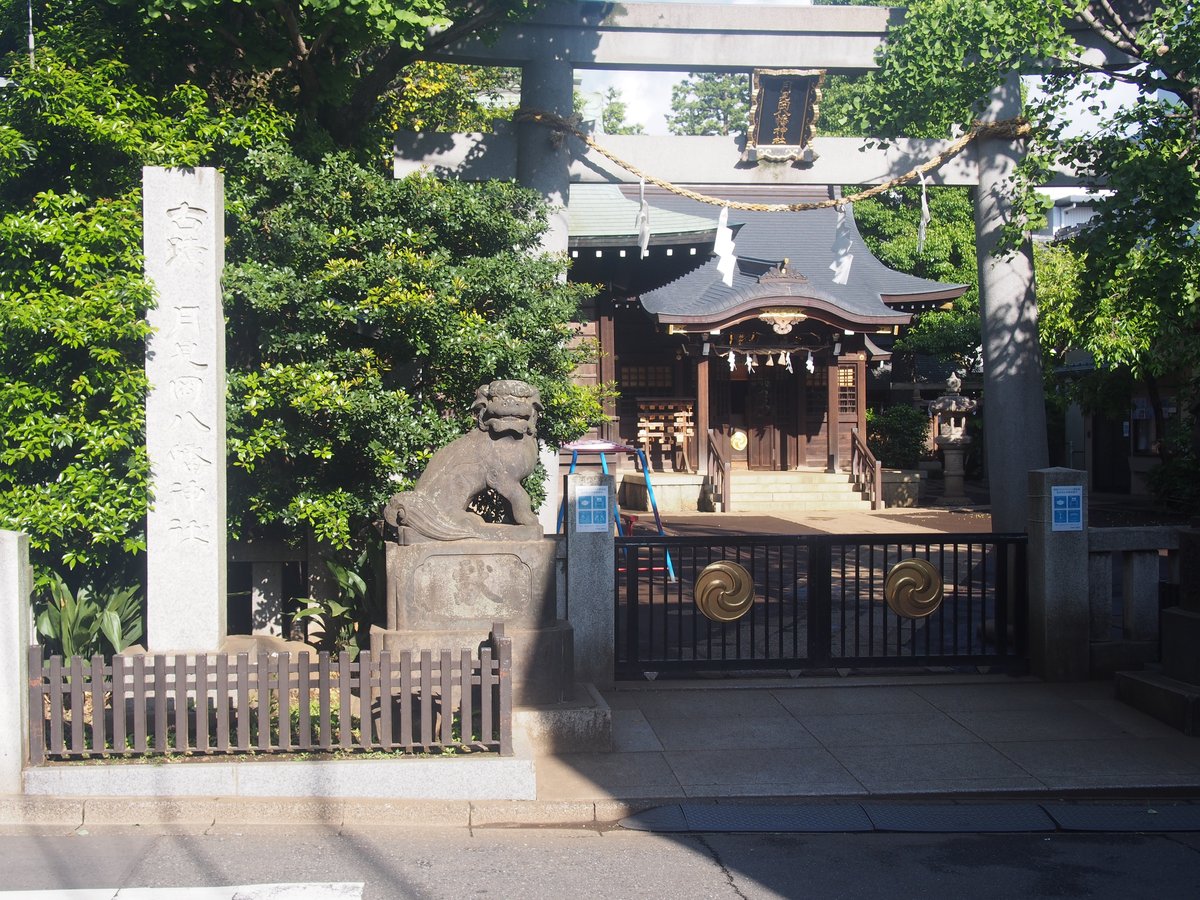
Tsukimigaoka Hachiman-Jinja stands as a testament to Tokyo’s rich spiritual and cultural legacy. Tucked away in Ōta Ward, this historic Shinto shrine, founded in 860 CE, is dedicated to Hachiman—the revered god of war and national protector. Visitors are offered not only a chance to explore centuries-old religious traditions but also to immerse themselves in vibrant festivals, traditional rituals, and breathtaking architecture. The shrine is easily accessible, open daily with free admission, and is celebrated for its welcoming atmosphere, making it a rewarding destination for travelers, families, and culture enthusiasts alike (Rodsshinto; Flip Japan Guide).
This comprehensive guide provides essential information on visiting hours, ticketing, shrine architecture, major festivals, and practical travel tips. It also highlights the shrine’s connections to Tokyo’s broader network of historical sites, ensuring you can maximize your cultural experience in the city.

Historical Background and Religious Significance
Origins and Legacy
Tsukimigaoka Hachiman-Jinja is one of Tokyo’s prominent Hachiman shrines, forming part of a centuries-old tradition that intertwines Shinto and Buddhist practices. Hachiman’s worship began between the 6th and 8th centuries and was officially recognized in 571 CE, with Emperor Kinmei’s veneration of Emperor Ōjin in Usa, Oita Prefecture (Rodsshinto). Over time, Hachiman’s influence deepened, becoming the guardian deity of both the imperial family and the warrior (samurai) class.
The shrine’s growth paralleled critical moments in Japanese history—such as the construction of the Great Buddha at Tōdai-ji in the Nara period and the rise of the Minamoto clan in the Heian and Kamakura periods, when Hachiman was adopted as the clan’s patron deity (Hachiman Handscrolls). By the Edo period, Hachiman shrines accounted for about one-third of all Shinto shrines in Japan.
Enshrined Deities
Tsukimigaoka Hachiman-Jinja reflects Hachiman’s syncretic heritage, enshrining:
- Emperor Ōjin (応神天皇): Deified as Hachiman.
- Empress Jingū (神功皇后): Mother of Ōjin.
- Himegami (比売神): A female deity often associated with the shrine (Rodsshinto).
Symbols such as doves (peace) and bows/arrows (martial protection) are prevalent throughout the grounds (Uniproyecta).
Shrine Layout and Architectural Features
Main Features
- Torii Gates: The entrance is marked by a striking red torii, signifying the sacred boundary (Flip Japan Guide).
- Haiden (Worship Hall) and Honden (Main Sanctuary): The central structures, built in traditional nagare-zukuri style, house the enshrined deities (japan-shrine.info).
- Temizuya (Purification Basin): Visitors purify themselves here before prayer.
- Sacred Trees: Mature ginkgo and camphor trees, often wrapped in shimenawa (sacred rope), reflect Shinto reverence for nature.
- Auxiliary Shrines: Smaller sub-shrines within the precinct honor related kami and historical figures.
Unique Elements
- Fuji Mound (Fujizuka): An artificial hill replicating Mount Fuji, designated as a Tangible Folk Cultural Property (japan-shrine.info).
- Shogi Hall: A special hall commemorating the shrine’s connection to the Japanese game shogi.
- Koga Inari Shrine: A brightly painted sub-shrine dedicated to the warriors of the Koga clan.
- Ritual Spaces: Seasonal decorations like the chinowa (cogon grass ring) are set up for purification during New Year’s ceremonies.
Ritual Practices
Visitors are encouraged to participate in water purification, make offerings, purchase protective amulets (omamori), and draw fortune slips (omikuji). Rituals follow traditional etiquette: bowing at the torii, purifying at the temizuya, and offering prayers at the main hall (Flip Japan Guide).
Festivals and Community Events
Annual Festival (Reitaisai)
The Reitaisai, held around September 7, is the shrine’s principal festival. It features:
- Shinto rituals led by priests
- Mikoshi (portable shrine) processions
- Kagura music and dance
- Food stalls and children’s games
This festival is a highlight for the local community, drawing visitors from across Tokyo (Rodsshinto).
Other Seasonal Events
- Hatsumode (New Year’s): The shrine is crowded with worshippers praying for good fortune (Japan Switch).
- Shichi-Go-San (November 15): A rite of passage for children.
- Hanami (Spring): Cherry blossom viewing near Lake Senzoku (Rodsshinto).
Community Involvement
Neighborhood associations and volunteers play key roles in organizing events, maintaining the grounds, and carrying the mikoshi during festivals. The shrine fosters a strong sense of local identity and tradition.
Visitor Information: Hours, Tickets, and Accessibility
Visiting Hours
- Open daily: 6:00 AM – 5:00 PM (some sources list 9:00 AM – 5:00 PM; check ahead for seasonal variations or event days)
Admission
- Free entry to all visitors. Donations are welcomed, especially during festivals.
Directions
- Location: Approximately 650 meters from Senzokuike Station (Tokyu Ikegami Line), with clear signage and easy walking access (Rodsshinto).
- Nearby Sites: Combine your visit with other Tokyo landmarks such as Tomioka Hachimangu, Ōmiya Hachiman-Gū, and Kitazawa Hachiman Jinja.
Accessibility
- Physical Access: Grounds are mostly flat and paved, but some auxiliary areas may have steps or gravel. Wheelchair users may require assistance.
- Public Transport: The shrine is well-connected via Tokyo’s train and bus network.
- Facilities: Accessible restrooms may not be available on-site, but can be found at nearby stations.
Practical Tips for Your Visit
- Best Times: Early morning or late afternoon for tranquility. Visit during festivals for lively celebrations, but expect crowds.
- What to Bring: Comfortable shoes, cash for offerings or purchasing amulets, and weather-appropriate clothing.
- Etiquette: Bow at the torii, participate respectfully in rituals, and observe silence in sacred spaces.
- Photography: Allowed on shrine grounds, but avoid taking photos inside the main hall or during ceremonies.
- Family-Friendly: Open spaces are suitable for children, though strollers may be difficult to use on gravel.
- Service Animals: Generally permitted; inform staff upon arrival.
- Language: Basic English signage is available. Staff may speak limited English, but communication is usually manageable.
Accessibility Guide
- Wheelchair Access: Some ramps and flat paths are present, but certain traditional features may be less accessible (Accessible Japan). Contact the shrine in advance if you have specific needs.
- Transport: Most nearby stations have elevators and accessible toilets. Avoid peak hours for a smoother journey (Go Tokyo).
- Visual/Auditory Needs: Tactile paving and multilingual signage are becoming more common.
Frequently Asked Questions (FAQ)
Q: What are the official visiting hours?
A: 6:00 AM – 5:00 PM daily; check ahead for special events.
Q: Is there an admission fee?
A: Entry is free; donations are encouraged.
Q: Are there guided tours?
A: Occasionally available; check with the shrine or local visitor centers.
Q: Is the shrine accessible for wheelchair users?
A: Most areas are accessible, but some steps or gravel paths may present challenges.
Q: Can I take photos?
A: Yes, in the grounds. Avoid photographing inside the main hall or during rituals.
Q: What are other nearby attractions?
A: Shibuya, Harajuku, Shinjuku, and other cultural landmarks are easily accessible.
Discover More
Enhance your experience by using apps like Audiala for audio guides, event notifications, and interactive maps. Stay updated by following the shrine’s official channels and checking guides for the latest festival information.
Summary and Visitor Tips
Tsukimigaoka Hachiman-Jinja is more than just a shrine—it is a living cultural landmark that brings together the spiritual, historical, and communal threads of Tokyo. Its open grounds, historic architecture, and inclusive traditions make it an essential site for anyone interested in Japan’s heritage. Leverage digital resources, plan your visit during major festivals, and embrace the unique blend of tranquility and celebration that defines this remarkable shrine (Rodsshinto; Flip Japan Guide).
Listen to the full story in the app
The whole Tsukimigaoka Hachiman-Jinja,
told well.
Audio guides for 1,100+ cities across 96 countries. History, stories, and local insight — offline ready.
Verified, and shown.
Researched and written by the Audiala editorial team from historical records, architectural archives, and local expertise.
Researched from Wikidata, Wikipedia & official sources · fact-checked · How we make our guides →