Introduction
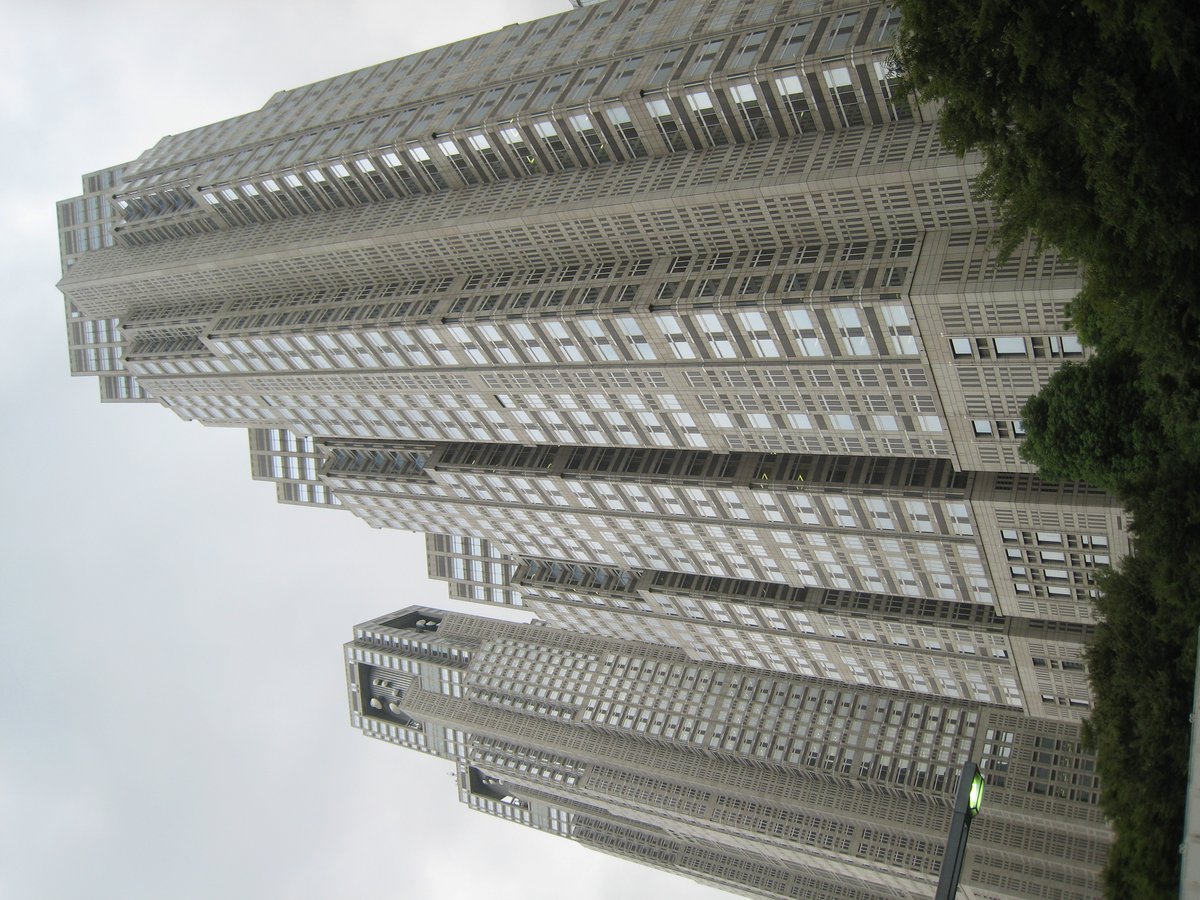
The Tokyo Metropolitan Government Building, often referred to as Tochō (都庁), stands as a monumental symbol of Tokyo's rapid urban development, modernity, and ambition. Completed in 1991 and designed by the celebrated Japanese architect Kenzo Tange, the building is not only the administrative center of Tokyo but also a popular tourist attraction due to its distinctive postmodern architecture and free observation decks offering panoramic views of the city. Situated in the bustling Shinjuku district, the building's twin towers rise 243 meters (799 feet) high, showcasing Tokyo's skyline and, on clear days, even Mount Fuji. The building's design was inspired by integrated circuit boards, reflecting the technological advancements of its time. This guide explores the rich history, architectural significance, and visitor information to help you make the most of your visit to this iconic Tokyo landmark (Tokyo Metropolitan Government).
Photo Gallery
Explore Tokyo Metropolitan Government Building in Pictures
Panoramic view of the Shinjuku district in Tokyo featuring modern high-rise buildings and bustling urban streets
A vibrant street scene around Shinjuku, Tokyo, showing busy roads, towering skyscrapers, and colorful city lights during dusk.
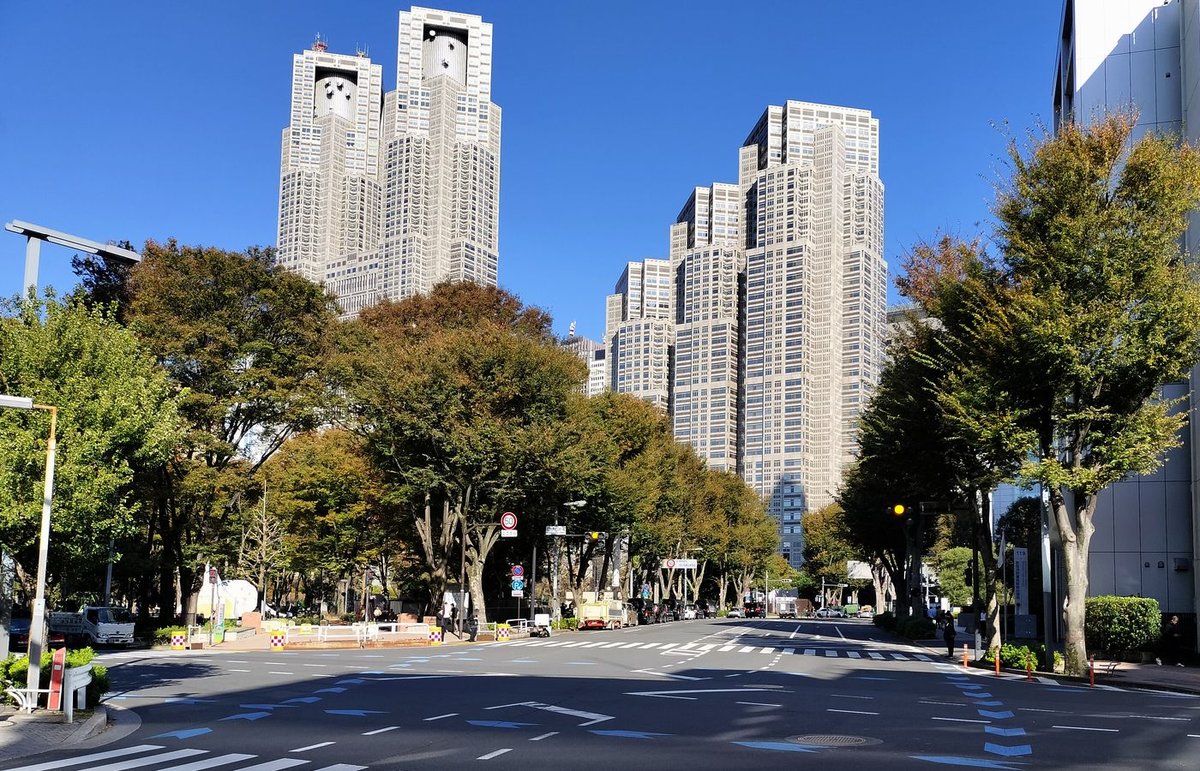
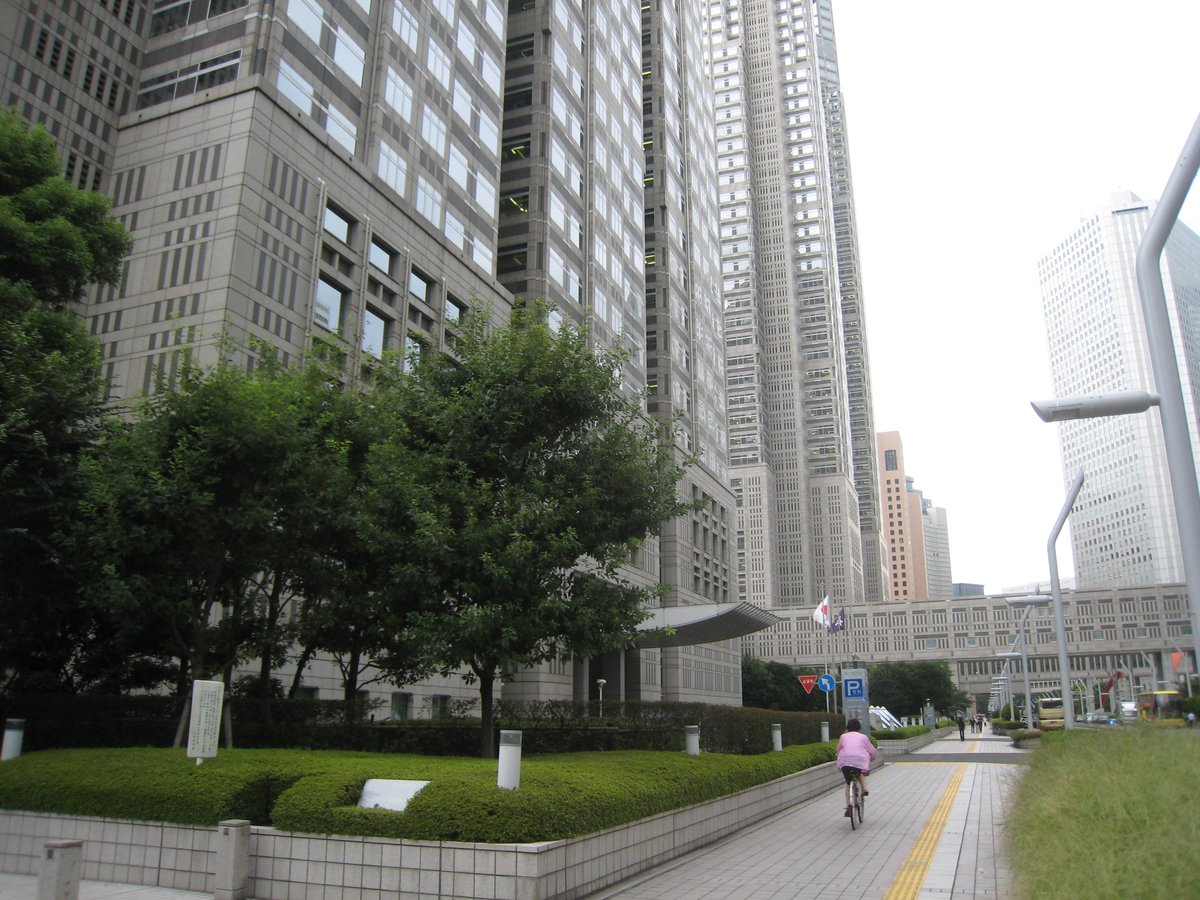
View of the southwest end of Shinjuku Central Park in Nishi-Shinjuku, Shinjuku Ward, Tokyo, featuring the Tokyo Metropolitan Government Building with its First and Second Government Buildings visible in the background.
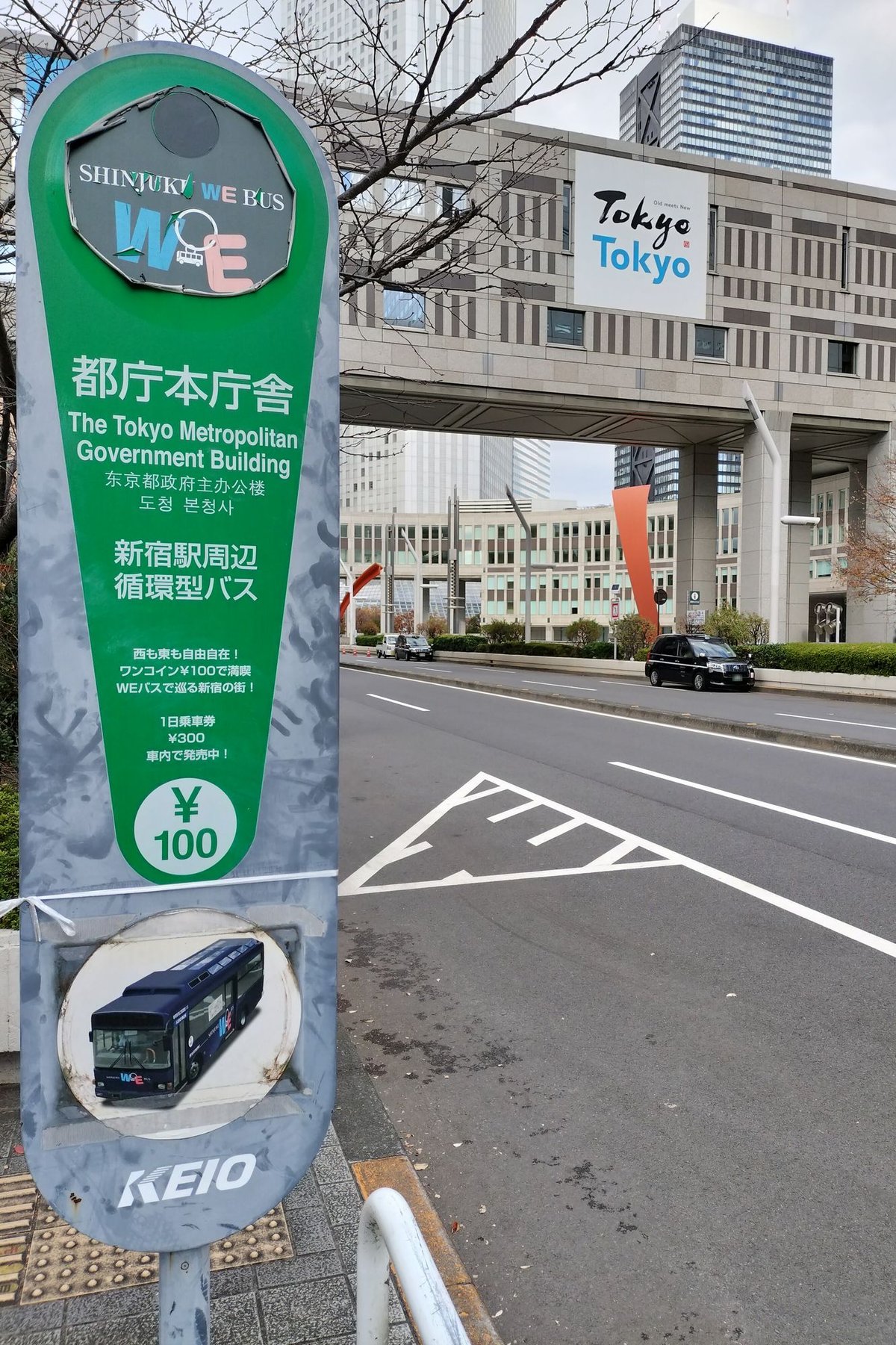
Image of Tocho bus stop facing north in Nishi-Shinjuku, Shinjuku Ward, Tokyo, showing a Shinjuku WE Bus stopped at the bus stop near the Tokyo Metropolitan Government Building
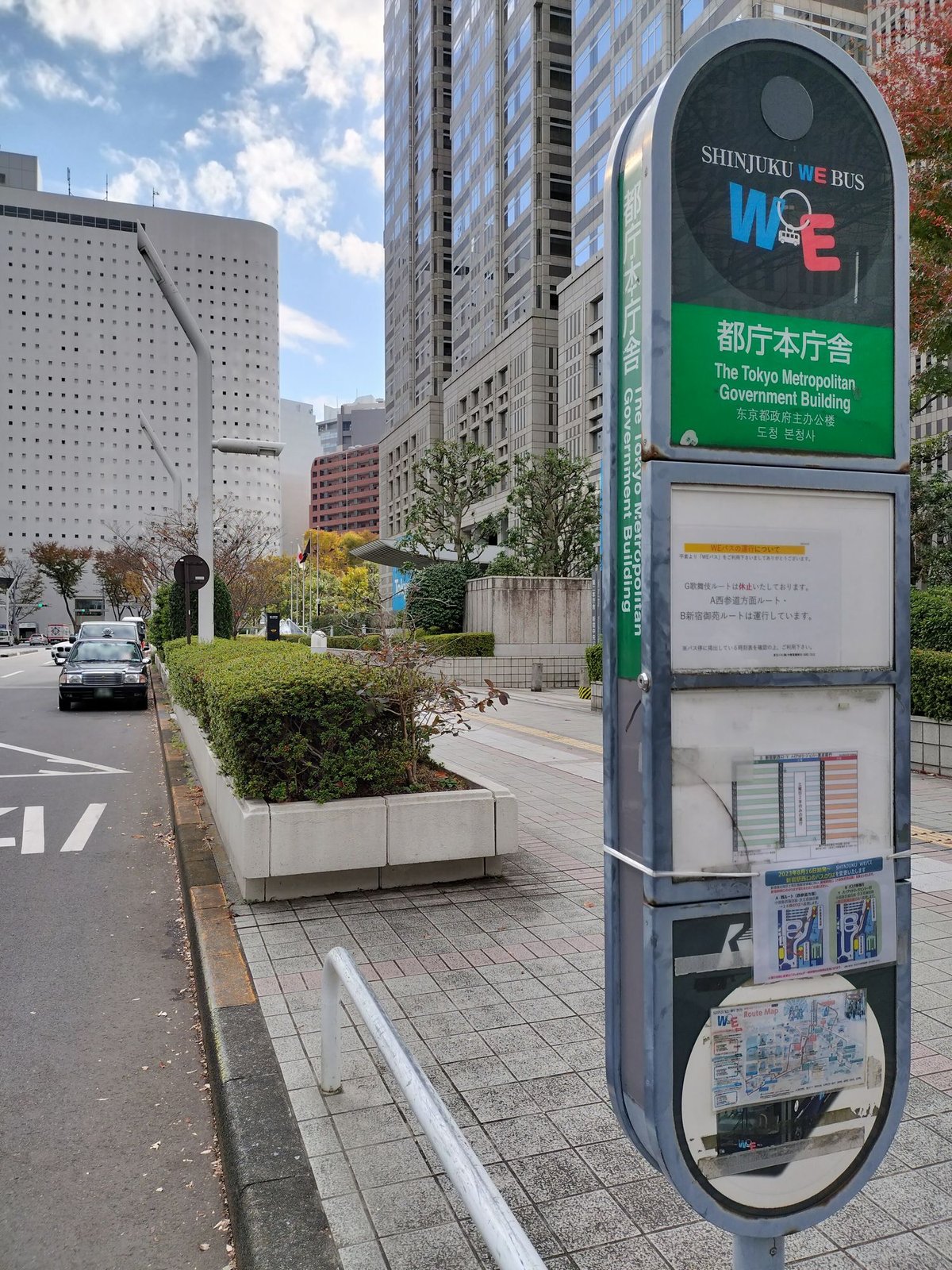
South-facing view of Tocho Honchosha bus stop in Nishi-Shinjuku, Shinjuku Ward, Tokyo, with Shinjuku WE Bus parked at the stop
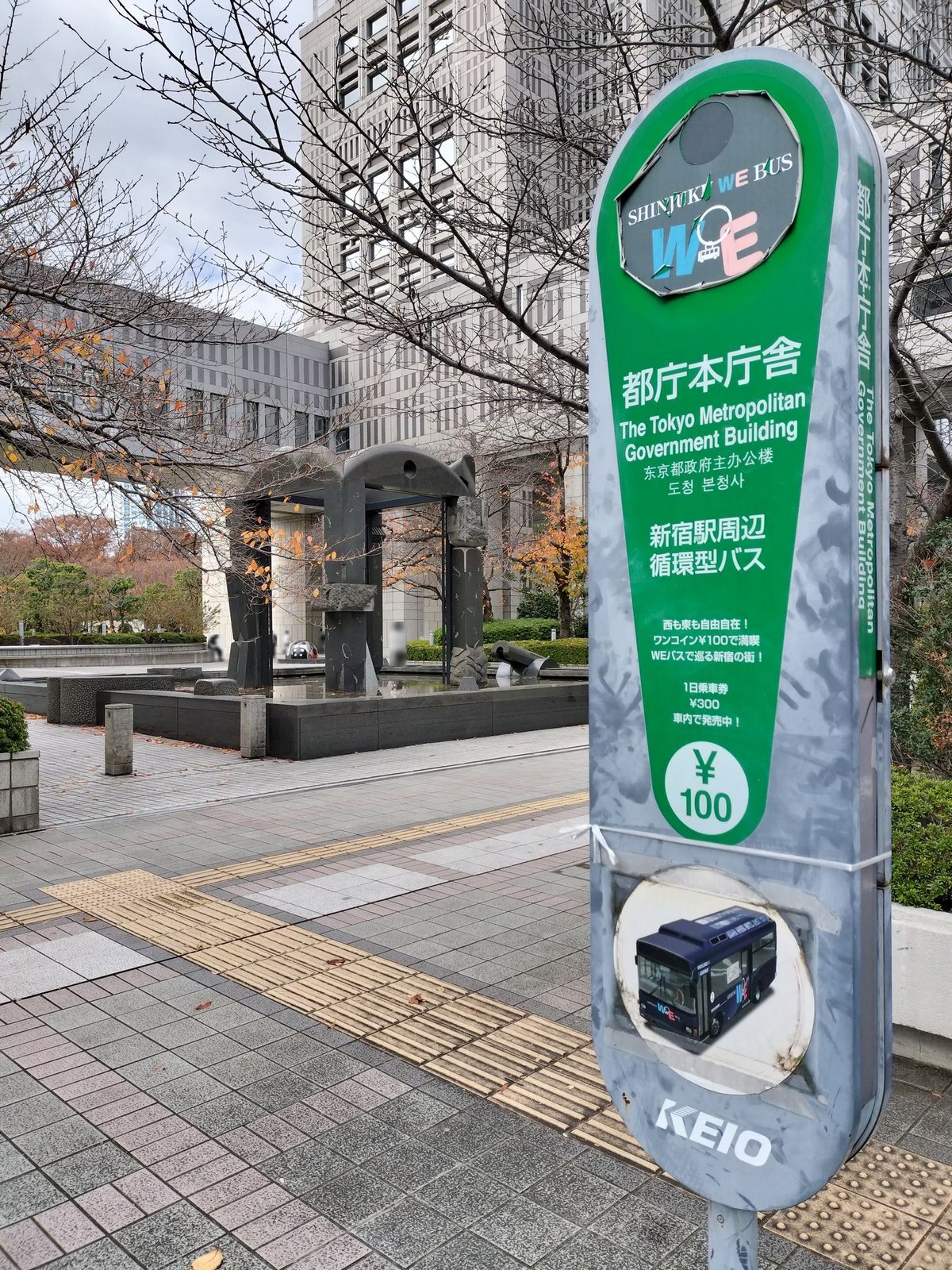
Westward view of Tocho bus stop in Nishishinjuku, Shinjuku, Tokyo featuring Shinjuku WE Bus and the Tokyo Metropolitan Government Building
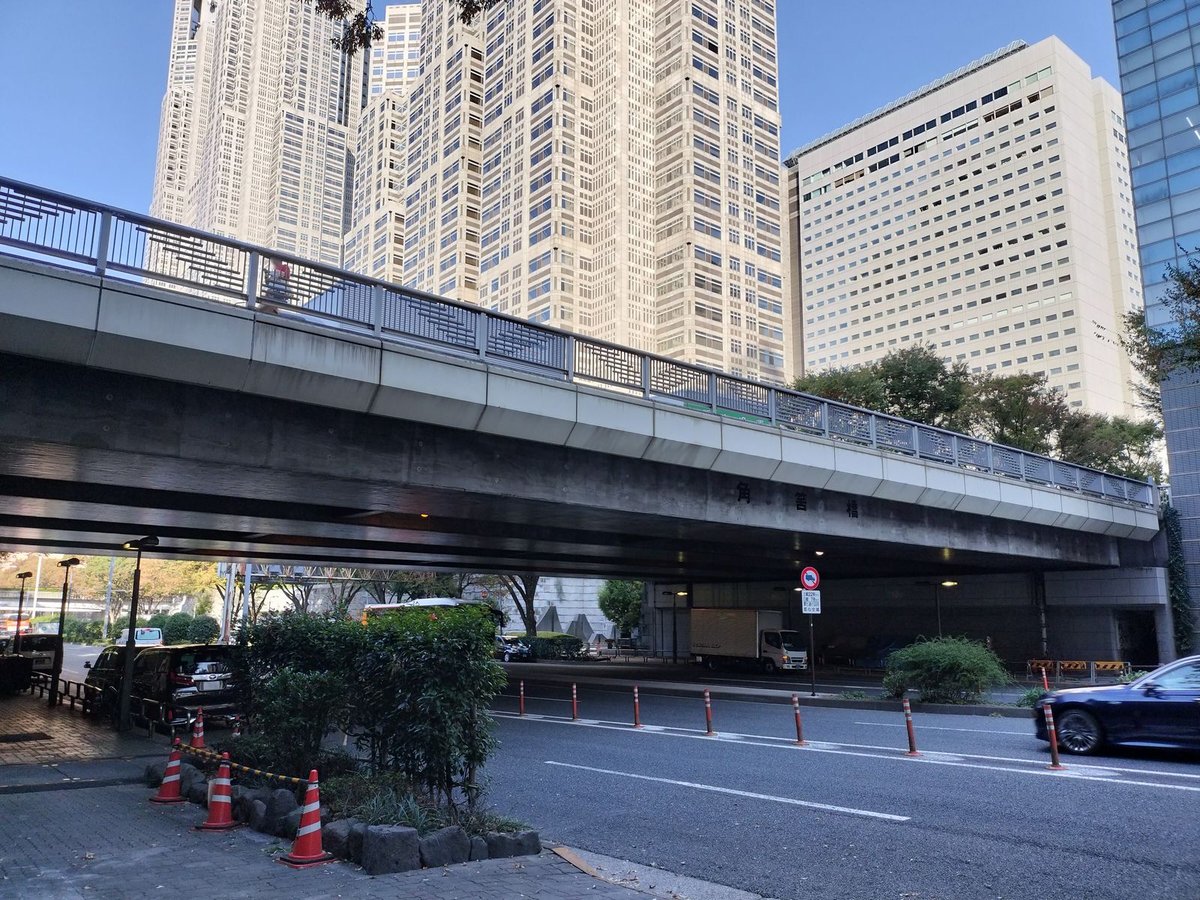
Photograph of Tsunohazubashi overpass from the southwest side in Nishi-Shinjuku, Tokyo. The image features the Tokyo Metropolitan Government Building's First and Second Buildings on the left and center, and the Shinjuku NS Building on the right.
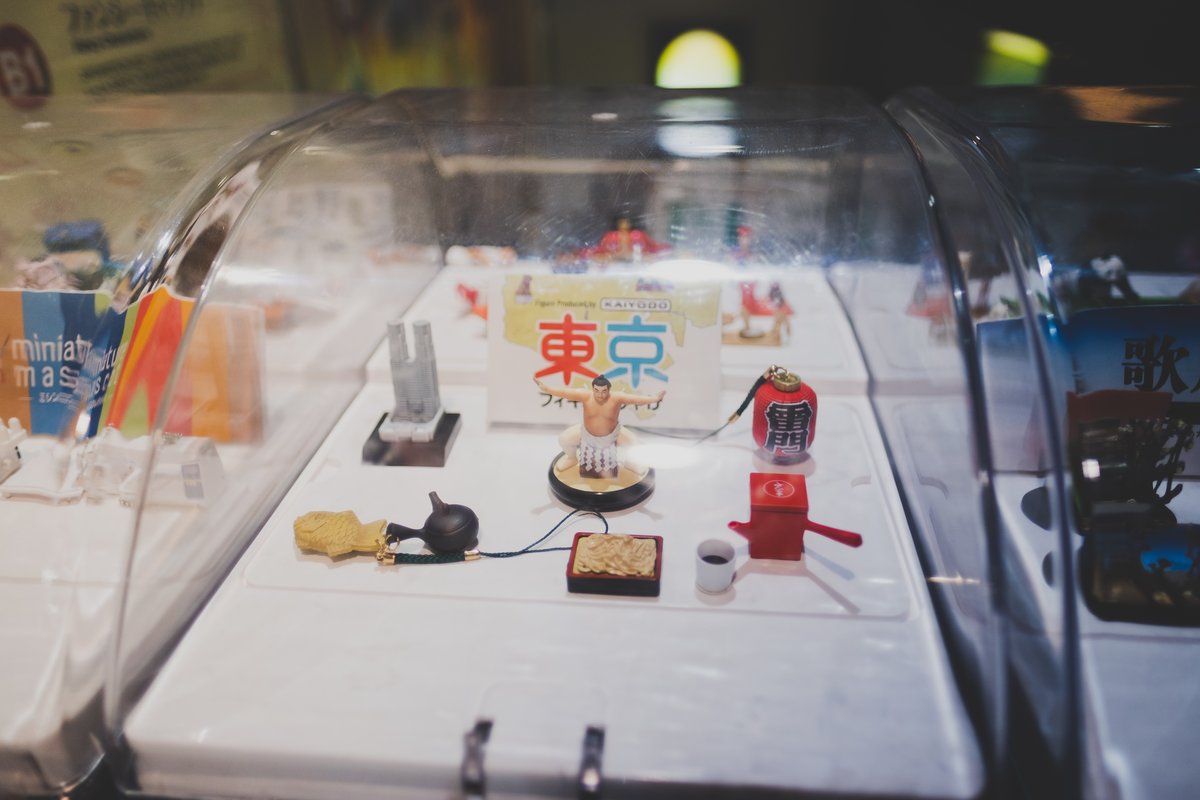
Scenic views of the Ueno neighborhood in Tokyo during April 2019 showcasing urban cityscape with streets and buildings against a clear blue sky.
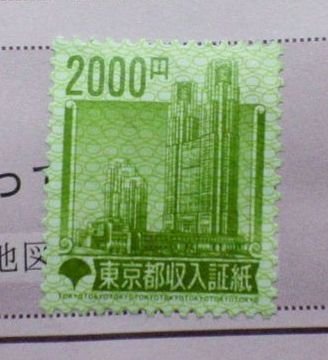
Image of a former Tokyo Metropolitan revenue stamp that was used during passport issuance applications, photographed by the uploader.
History of the Tokyo Metropolitan Government Building
The Need for a New Seat of Government
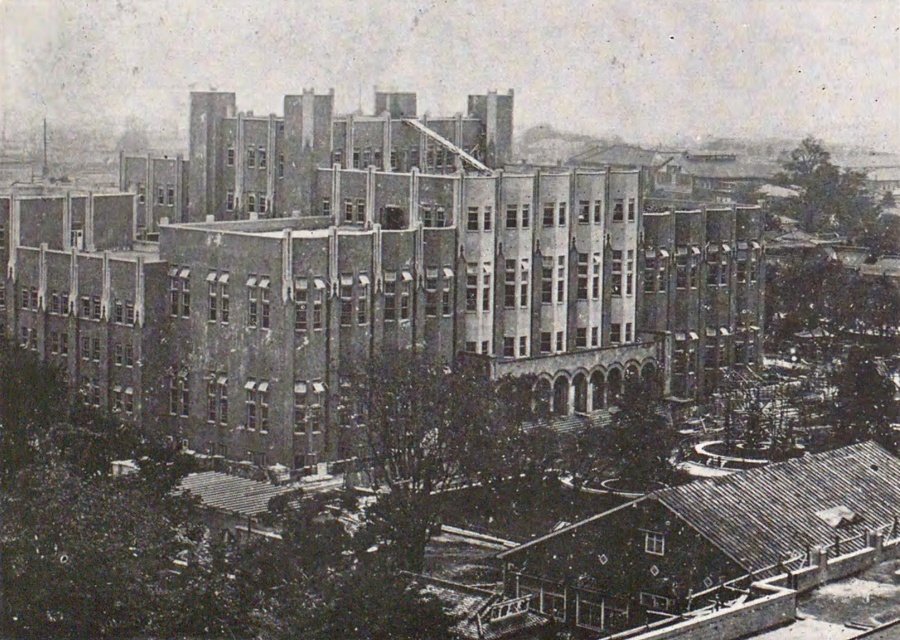
Before the Tochō, the Tokyo Metropolitan Government operated from a building in Marunouchi, constructed in 1923. However, by the 1980s, this building was deemed insufficient for the city's growing administrative needs. Tokyo, having long recovered from the devastation of World War II, was experiencing a period of rapid economic growth and urban development. The city's population was booming, and its global influence was on the rise. A new, larger, and more modern government building was needed to reflect Tokyo's status as a leading global city.
The Design and Construction
In 1985, a design competition was held, attracting over 100 entries. The winning design, by renowned Japanese architect Kenzo Tange, proposed a distinctive postmodern structure that would become a new landmark for Tokyo. Tange, known for his bold and futuristic designs, drew inspiration from the integrated circuit boards found in computers, reflecting the technological advancement of the time.
Construction began in 1988 on a site in Shinjuku, a bustling ward that was rapidly developing into a major business and entertainment center. The choice of Shinjuku, rather than the traditional administrative center of Chiyoda, was a deliberate one, signifying the city's westward expansion and the emergence of Shinjuku as a new core of Tokyo.
The Tochō's Significance
The Tokyo Metropolitan Government Building, completed in 1991 at a cost of ¥156 billion (approximately US$1.2 billion at the time), quickly became a symbol of Tokyo's modernity and ambition. Its towering presence, visible from miles around, served as a physical manifestation of the city's economic power and global influence.
More than just a government building, the Tochō was designed to be accessible to the public. Its free observation decks, offering panoramic views of Tokyo, quickly became a popular tourist attraction, drawing millions of visitors each year. This accessibility reflected the metropolitan government's commitment to transparency and civic engagement.
Visitor Information
Visiting Hours and Tickets
The Tokyo Metropolitan Government Building is open to the public daily from 9:30 AM to 11:00 PM, with the last admission at 10:30 PM. The observation decks are free to enter, making it an attractive option for budget-conscious travelers.
Accessibility and Travel Tips
The building is easily accessible via public transportation, with the closest station being Tochōmae Station on the Toei Oedo Line. The building is also a short walk from Shinjuku Station, one of Tokyo's major transportation hubs.
Nearby Attractions
While visiting the Tochō, you can also explore nearby attractions such as Shinjuku Gyoen National Garden, the bustling shopping district of Shinjuku, and the vibrant nightlife of Kabukicho.
Special Events and Photographic Spots
The Tochō often hosts special events and exhibitions, providing unique insights into Tokyo's governance and culture. The observation decks offer some of the best photographic spots in Tokyo, especially during sunset and at night when the city is illuminated.
FAQs
What are the opening hours of the Tokyo Metropolitan Government Building? The building is open daily from 9:30 AM to 11:00 PM, with the last admission at 10:30 PM.
How much do tickets cost? Entry to the observation decks is free.
What are some nearby attractions? Nearby attractions include Shinjuku Gyoen National Garden, the shopping district of Shinjuku, and Kabukicho.
Discover More
For more updates and travel tips, download our mobile app Audiala, check out our other related posts, or follow us on social media.
Listen to the full story in the app
Your Personal Curator, in Your Pocket.
Audio guides for 1,100+ cities across 96 countries. History, stories, and local insight — offline ready.
Audiala App
Available on iOS & Android
Join 50k+ Curators
Sources
- verified
- verified
- verified
- verified
Last reviewed: