Plan and listen to Tokyo Japan Temple with Audiala.
Audio guide in your pocket, itinerary in your browser. Built for the way you actually visit.
Introduction to Senso-ji Temple: History and Cultural Significance
Senso-ji Temple, located in the Asakusa district of Tokyo, is the city’s oldest and most revered Buddhist temple. Founded in 645 AD, it stands as a testament to Tokyo’s enduring spiritual traditions and is a focal point for Japanese culture and religious life. Senso-ji is dedicated to Kannon, the Buddhist goddess of mercy, and attracts millions of visitors annually for both worship and sightseeing. The temple complex is renowned for its vibrant festivals, grand architecture, and lively Nakamise-dori shopping street, making it a must-visit destination for anyone seeking to experience Tokyo’s historical and cultural heritage.
With its iconic Thunder Gate (Kaminarimon), imposing five-story pagoda, and centuries-old rituals, Senso-ji Temple is a living symbol of resilience and community spirit. Its enduring presence through wars, fires, and reconstruction embodies the city’s capacity for renewal and reverence for tradition. Senso-ji also serves as a bridge between the ancient and the modern, welcoming people of all backgrounds to share in its spiritual and cultural riches.


Historical Background and Significance
Senso-ji Temple’s origins date back to the mid-7th century, making it Tokyo’s oldest temple. According to legend, two fishermen discovered a golden statue of Kannon in the Sumida River, prompting the construction of a temple to enshrine it. Over the centuries, Senso-ji has played a central role in Tokyo’s religious and civic life. The temple complex has been rebuilt multiple times, most notably after being destroyed during World War II air raids. Its reconstruction became a symbol of hope and renewal for the city.
The temple grounds have also been a site for major cultural events and public gatherings, including the annual Sanja Matsuri, one of Tokyo’s largest and most colorful festivals. Senso-ji’s rich history is reflected in its architecture, rituals, and status as a designated cultural property.
Religious Importance and Festivals
Senso-ji is an active Buddhist temple, drawing both pilgrims and tourists. It is particularly famous for:
- Kannon Worship: The main hall (Hondo) houses the image of Kannon, and visitors often pray for compassion and good fortune.
- Sanja Matsuri: Held every May, this festival celebrates the temple’s founders and features lively processions, traditional music, and portable shrines (mikoshi).
- New Year’s Celebrations: Senso-ji is a major site for hatsumode, the first shrine or temple visit of the year, attracting huge crowds who come to pray for blessings.
Throughout the year, various other events and rituals, such as the Asakusa Samba Carnival and Shinto-Buddhist ceremonies, are held on the temple grounds, reinforcing its role as a spiritual and cultural hub.
Architectural Highlights
Senso-ji’s architecture blends traditional Buddhist and Japanese styles, featuring several notable structures:
- Kaminarimon (Thunder Gate): The temple’s dramatic outer gate, adorned with a massive red lantern, is an iconic Tokyo landmark.
- Nakamise-dori: The bustling shopping street leading to the temple, filled with stalls selling traditional snacks, souvenirs, and crafts.
- Hozomon (Treasure House Gate): The inner gate, famous for its imposing structure and large lanterns.
- Five-Story Pagoda: A striking architectural feature, symbolizing Buddhist cosmology.
- Main Hall (Hondo): The spiritual heart of the temple, where worshippers offer prayers and incense.
The temple complex also includes gardens, smaller shrines, and statues, providing a rich environment for exploration and reflection.
Visitor Information: Visiting Hours, Tickets, and Access
Visiting Hours
- Main Hall (Hondo): Open daily from 6:00 AM to 5:00 PM (from 6:30 AM from October to March).
- Temple Grounds: Open 24 hours; visitors are welcome to stroll the grounds at any time.
- Shops on Nakamise-dori: Typically open from 9:00 AM to 7:00 PM, though hours may vary by vendor.
Tickets and Admission
- Admission: Free. There are no tickets required to enter the temple grounds or main hall.
- Special Exhibitions: Occasionally, Senso-ji hosts exhibitions or cultural events that may charge a fee. These are announced on the official Senso-ji website.
Getting There: Transportation and Directions
Senso-ji Temple’s central location in Asakusa makes it easily accessible by public transport:
- By Subway:
- Take the Tokyo Metro Ginza Line, Toei Asakusa Line, or Tobu Skytree Line to Asakusa Station. The temple is a 5-minute walk from any station exit.
- By Bus: Several city buses stop at Asakusa, including routes from major Tokyo districts.
- By Taxi: Taxis are available citywide, but public transport is often quicker and more economical.
For detailed route planning, consult the Tokyo Metro Guide.
Practical Tips and Cultural Etiquette
- Dress Modestly: While there is no strict dress code, respectful attire is recommended when visiting religious sites.
- Purification Ritual: At the entrance, use the chozuya (water pavilion) to rinse your hands and mouth before approaching the main hall.
- Incense Offering: Purchase incense (osenko), light it at the large cauldron (jokoro), and waft the smoke toward yourself for good fortune.
- Prayer: When praying, bow slightly, offer a coin, and follow local customs.
- Photography: Allowed on temple grounds, but refrain from flash or disruptive photography in the main hall and during ceremonies.
- Quiet Reflection: Maintain a respectful demeanor and keep noise to a minimum, especially during rituals.
Accessibility and Facilities
- Wheelchair Accessibility: The temple grounds and main buildings are accessible, with ramps and accessible restrooms available.
- Restrooms: Public facilities are located near the temple grounds and Nakamise-dori.
- Shops and Food: Numerous stalls and shops offer traditional snacks, sweets, and souvenirs.
- Wi-Fi: Free public Wi-Fi is available in the Asakusa area.
If you require special assistance, contact temple staff or visit the information center near Kaminarimon Gate.
Nearby Attractions and Suggested Itineraries
- Asakusa Culture and Tourist Information Center: Offers panoramic views and travel assistance.
- Sumida River Cruises: Enjoy a scenic boat ride from Asakusa Pier.
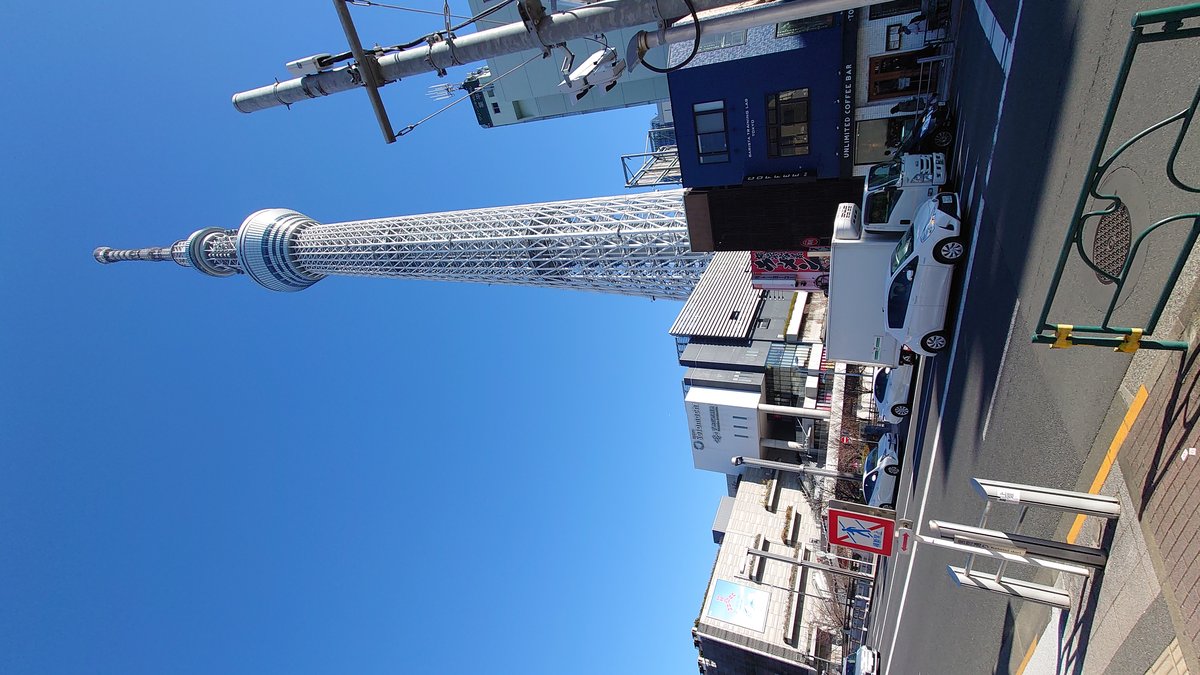
- Tokyo Skytree: Japan’s tallest tower, a short distance from Senso-ji.
- Kappabashi Street: Famous for kitchenware and restaurant supply stores.
- Ueno Park: Home to museums and a zoo, easily reached by subway.
Suggested Itinerary: Start with a morning visit to Senso-ji, explore Nakamise-dori, enjoy lunch at a local eatery, and continue to Tokyo Skytree or a Sumida River cruise.
For more tips, see the Here There and Gone Tokyo Guide.
Frequently Asked Questions (FAQ)
Q: What are Senso-ji Temple’s opening hours?
A: The main hall is open from 6:00 AM to 5:00 PM (6:30 AM in winter), while the temple grounds are accessible 24 hours.
Q: Is there an admission fee?
A: No, entry to Senso-ji Temple and its grounds is free.
Q: Can I take photos inside the temple?
A: Photography is permitted on the grounds and in most public areas, but please be respectful and avoid using flash or taking photos during ceremonies.
Q: Is Senso-ji Temple accessible for visitors with disabilities?
A: Yes, the temple is wheelchair accessible and has accessible restrooms.
Q: Are guided tours available?
A: Free and paid guided tours are available through the Asakusa tourist center and local volunteer organizations.
Q: What is the best time to visit?
A: Early morning or late afternoon for fewer crowds. Spring and autumn offer pleasant weather and seasonal beauty.
Discover More
Senso-ji Temple offers a rich blend of history, spirituality, and vibrant local culture. Whether you’re seeking a meaningful spiritual experience or a glimpse into Tokyo’s past, Senso-ji welcomes all visitors.
Pro Tip: Download the Audiala app for guided tours, insider tips, and real-time updates on Tokyo’s top landmarks. Follow us on social media for inspiration, travel hacks, and the latest event announcements.
Listen to the full story in the app
The whole Tokyo Japan Temple,
told well.
Audio guides for 1,100+ cities across 96 countries. History, stories, and local insight — offline ready.
Verified, and shown.
Researched and written by the Audiala editorial team from historical records, architectural archives, and local expertise.
Researched from Wikidata, Wikipedia & official sources · fact-checked · How we make our guides →