Plan and listen to Tokyo College Of Transport Studies with Audiala.
Audio guide in your pocket, itinerary in your browser. Built for the way you actually visit.
Introduction: The Significance of Tokyo College of Transport Studies
Tokyo College of Transport Studies (東京交通短期大学), founded in 1952 under the Toyosho Gakuen school corporation, is a prominent institution in Tokyo specializing in transport education. With its guiding philosophy of “質実剛健” (shitsujitsu gouken) — “simplicity and fortitude” — the college stands as a testament to Japan’s dedication to resilient and efficient transportation systems. Its programs blend rigorous academics with practical vocational training, preparing students for the evolving demands of the transport sector.
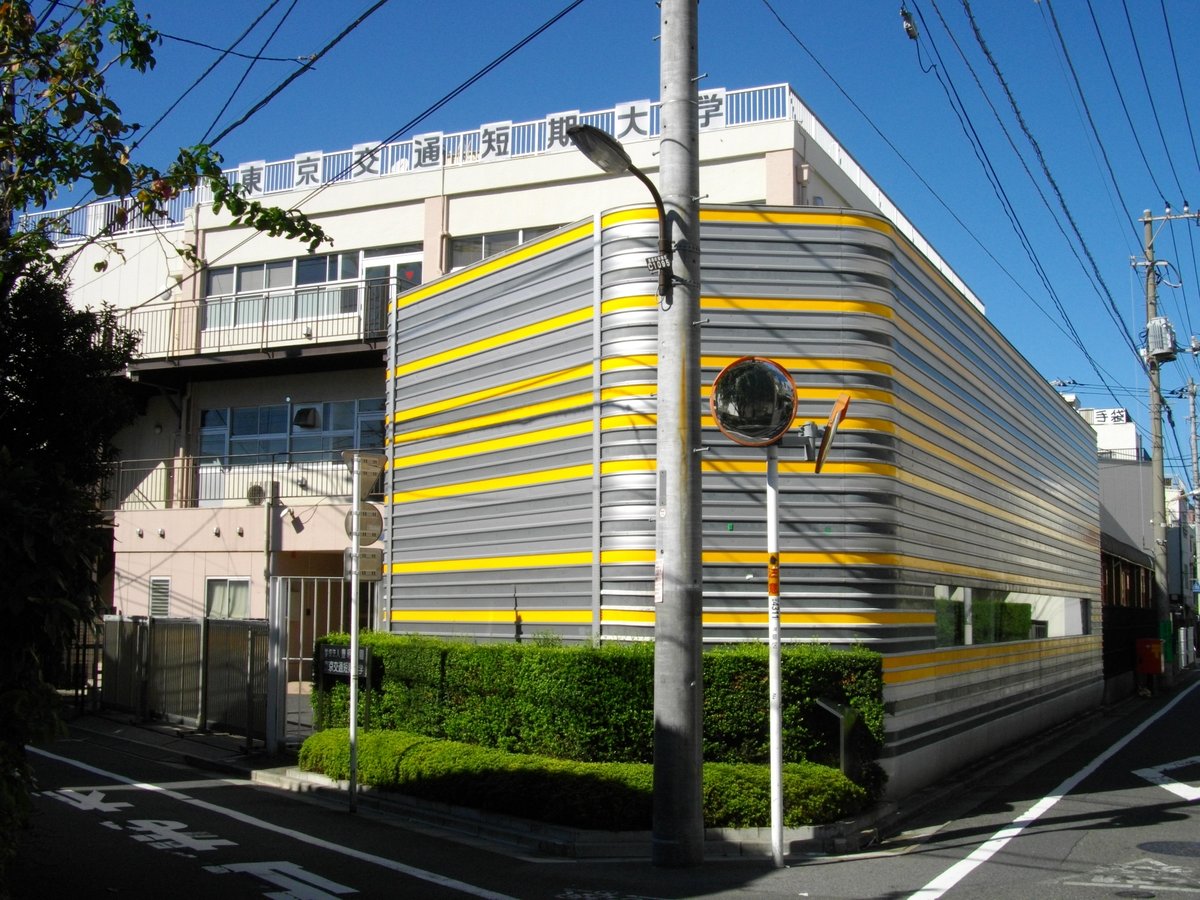
The campus, especially the landmark Building No. 1 (completed in 2018), is an architectural highlight, exemplifying a fusion of traditional Japanese elements with modernist design. The college’s role extends beyond education, contributing to Tokyo’s transportation ecosystem through research, industry partnerships, and community engagement. Visitors—whether prospective students, researchers, or architecture enthusiasts—can expect a destination rich in history, innovation, and urban culture.
This guide covers essential visiting information, including hours, access, tickets, local tips, and nearby attractions. For deeper exploration, consult the official Tokyo College of Transport Studies website or the Audiala mobile app, which offer virtual tours and updated event information. (Tokyo College of Transport Studies Official Website, Go Tokyo Accessibility Guide, Wikipedia Entry)

Discover Tokyo College of Transport Studies: History, Architecture, and Visitor Information
History and Institutional Significance
Established in the wake of Japan’s post-war modernization, Tokyo College of Transport Studies was founded to address the need for skilled professionals in Japan’s rapidly advancing transportation sector. The college’s philosophy emphasizes practicality and resilience, aligning with the country’s reputation for cutting-edge infrastructure and operational efficiency. Over the decades, TCTS has contributed to shaping the workforce and innovations that power Japan’s transport systems.
Campus Architecture: Building No. 1
A defining feature of TCTS is Building No. 1, completed in 2018. This structure, located along Kawagoe Highway and close to the Metropolitan Expressway, serves as a gateway to the campus. The building’s design features robust exposed concrete and stainless steel panels, with visual motifs inspired by Vivaldi’s “Four Seasons.” Its architectural style harmonizes traditional Japanese aesthetics with modernist sensibilities and incorporates advanced construction solutions to meet urban planning and shadow regulations. The use of sloped aluminum paneling and attention to environmental integration make it a showcase of contemporary academic architecture.
Visitor Information: Hours, Admission, Accessibility, Access, and Nearby Attractions
Visiting Hours
- Monday to Friday: 9:00 AM – 5:00 PM
- Closed: Weekends and national holidays
- Note: Hours may vary during academic sessions or special events. Confirm current hours on the official website.
Admission and Tickets
- General Entry: Free for visitors to public areas; registration at the main entrance is required.
- Guided Tours: Offered during open campus events and by advance booking. Special exhibitions or seminars may require tickets.
Accessibility
- Facilities: Ramps, elevators, accessible restrooms, tactile paving, and multilingual signage are available throughout the campus to accommodate all visitors (Go Tokyo Accessibility Guide).
- Support: Visitors needing assistance can arrange for support in advance. Quiet zones and digital guides are available for sensory and cognitive accessibility.
Getting There
- By Train/Subway: Served by JR East, Tokyo Metro, and Toei Subway lines. The nearest major station is Shinjuku, with pedestrian access to the campus (Go Tokyo).
- From Airports: Haneda Airport (30–45 min by train/monorail); Narita Airport (60–90 min via Narita Express or Skyliner).
- By Bus: Accessible city buses with low floors and ramps.
- By Taxi: Accessible taxis available; pre-booking recommended.
- By Bicycle: Rentals and bicycle parking available nearby.
Nearby Attractions
- Kawagoe Highway District: Explore the blend of historic and modern Tokyo.
- Urban Parks and Green Spaces: Ideal for relaxation.
- Transport Museums: Enhance your visit with nearby museums dedicated to Tokyo’s railway and transport history.
- Dining and Shopping: Variety of local cafes, restaurants, and shops.
Practical Visitor Tips
- Best Time to Visit: Weekdays, outside rush hours (avoid 7:30–9:00 AM and 5:30–7:30 PM).
- Photography: Permitted in public areas; restricted in classrooms and research labs.
- Language: English signage is present, but staff English proficiency varies. Use translation apps if needed.
- Payment: Carry cash as some locations may not accept credit cards.
- Transit: Use Suica or Pasmo IC cards for seamless travel (The Invisible Tourist).
- Weather: Prepare for Tokyo’s seasonal variations; bring an umbrella in the rainy season.
Frequently Asked Questions (FAQ)
Q: Can visitors access all areas of the campus?
A: Public areas are open to visitors; research labs and lecture halls require prior arrangement.
Q: Are guided tours available?
A: Yes, typically at 11:00 AM and 3:00 PM on weekdays. Reserve in advance.
Q: Is the campus wheelchair accessible?
A: Yes, with ramps, elevators, and accessible restrooms.
Q: How do I reach TCTS from Tokyo’s airports?
A: Use direct train/monorail connections from Haneda (30–45 min) or Narita (60–90 min).
Q: Are there accommodations nearby?
A: Yes, from business hotels to traditional ryokan, many with accessible rooms. Book early.
Campus Layout and Facilities
The campus is organized around central courtyards and green spaces, promoting community and efficient movement. Wide walkways and bilingual signage assist in navigation. Key facilities include main lecture halls, a state-of-the-art library, innovation labs, and public gathering spaces.
Architectural Highlights
- Building No. 1: Noteworthy for its concrete and stainless steel façade and sustainable design.
- Library and Learning Commons: Bright, spacious reading and collaboration areas with garden views.
- Innovation Labs: Interactive spaces for learning about transport technologies.
Visitor Amenities and Accessibility
- Rest Areas and Cafes: Located throughout the campus.
- Digital Kiosks: For navigation and information.
- Accessible Entrances and Pathways: Ramps, tactile paving, and elevators.
Art, Culture, and Community Spaces
- Public Art: Sculptures and murals reflect Japanese heritage and the theme of mobility.
- Multipurpose Halls: Host exhibitions, lectures, and cultural events open to the public.
Sustainability Features
- Eco-Friendly Design: Solar panels, green roofs, rainwater harvesting, and permeable pavements.
- Seismic-Resistant Construction: Ensures safety in Tokyo’s earthquake-prone environment.
Local Integration and Neighborhood
- Urban Environment: Located in a vibrant district with convenient access to cultural, shopping, and business areas.
- Green Plazas: Landscaped spaces provide peaceful retreats.
FAQ
Q: Is there parking available?
A: Limited visitor parking with prior reservation; public transportation is recommended.
Q: Can I attend lectures or seminars?
A: Special events and seminars may be open to visitors; check the website for details.
Academic Programs and Industry Collaboration
Academic Focus and Curriculum
TCTS offers associate degrees focused on transport operations, management, railway systems, traffic engineering, and transport policy. The curriculum emphasizes both theoretical knowledge and practical skills, aligning with Japan’s advanced transport sector (Wikipedia).
Practical Training
- Laboratory Work: Simulation and safety experiments.
- Field Visits: To railway depots and transport hubs.
- Internships: With leading transport and logistics companies.
Industry Partnerships and Research
- Advisory Boards: Collaboration with industry leaders to ensure curriculum relevance.
- Research Initiatives: Applied projects in urban mobility, safety, and sustainability.
- Examples: Collaboration principles similar to ITS Center, University of Tokyo and industry-academia partnerships (GUS Canada).
Community Engagement
- Career Fairs and Seminars: Connect students with potential employers.
- Alumni Networks: Support mentorship and professional growth.
Global Perspective
- Study Abroad and International Seminars: Exposure to global transport practices.
- Language Training: For international collaboration and cross-cultural competence.
Visiting TCTS: Accessibility, Transportation, and Local Tips
Accessibility Features
- Physical Access: Elevators, ramps, tactile paving, accessible restrooms (Go Tokyo Accessibility Guide).
- Support Services: Arrange assistance in advance; quiet zones and digital guides for sensory needs.
- Tips: Visit outside peak hours, use accessible tourism resources (Accessible Japan), and communicate any special needs ahead of time.
Travel and Transportation Options
- Train/Subway: Multiple lines serve the campus; stations equipped with elevators and accessible gates.
- Airports: Direct connections from Haneda and Narita.
- Bus, Taxi, Bicycle: Accessible and convenient options available.
Local Context and Safety
- Urban Setting: Safe, clean, and well-lit area blending academic and urban life.
- Etiquette: Politeness, quiet in public spaces, and attention to signage regarding shoes and conduct.
- Language and Connectivity: English signage present; translation apps recommended. Free Wi-Fi on campus.
Useful Tips and Emergency Info
- IC Cards: Use Suica or Pasmo for public transport.
- Payment: Carry some cash.
- Weather: Prepare for seasonal changes.
- Emergency: Police (110), Fire/Ambulance (119); TCTS can assist with emergencies.
FAQ
Q: How do I book a guided tour?
A: Reserve via the official website or by contacting the administration.
Q: Are there accessible accommodations nearby?
A: Yes, with early booking recommended.
Summary
Tokyo College of Transport Studies offers a distinctive blend of historical significance, architectural innovation, and cutting-edge transport education within Tokyo’s urban heart. Its inclusive campus, industry partnerships, and accessible location make it a valuable destination for students, researchers, and travelers. Maximize your visit by checking official resources for current details, using digital tools for guidance, and exploring nearby attractions that showcase Tokyo’s transport heritage and culture.
Listen to the full story in the app
The whole Tokyo College Of Transport Studies,
told well.
Audio guides for 1,100+ cities across 96 countries. History, stories, and local insight — offline ready.
Verified, and shown.
Researched and written by the Audiala editorial team from historical records, architectural archives, and local expertise.
Researched from Wikidata, Wikipedia & official sources · fact-checked · How we make our guides →