Plan and listen to Tankiri Kosodate Jizōson with Audiala.
Audio guide in your pocket, itinerary in your browser. Built for the way you actually visit.
Introduction
Tankiri Kosodate Jizōson, nestled in a quiet Tokyo neighborhood, is a profound testament to Japan’s spiritual and cultural heritage. Revered as a protector of children, families, and travelers, this Buddhist site encapsulates centuries of tradition, local legend, and community devotion. Whether you’re a history enthusiast or a spiritual seeker, this guide delivers an in-depth look at the shrine’s history, significance, visitor information, and practical insights for a meaningful visit (Wikipedia: Jizō; Japan Experience: Tokyo History; Britannica - Japanese Religion).

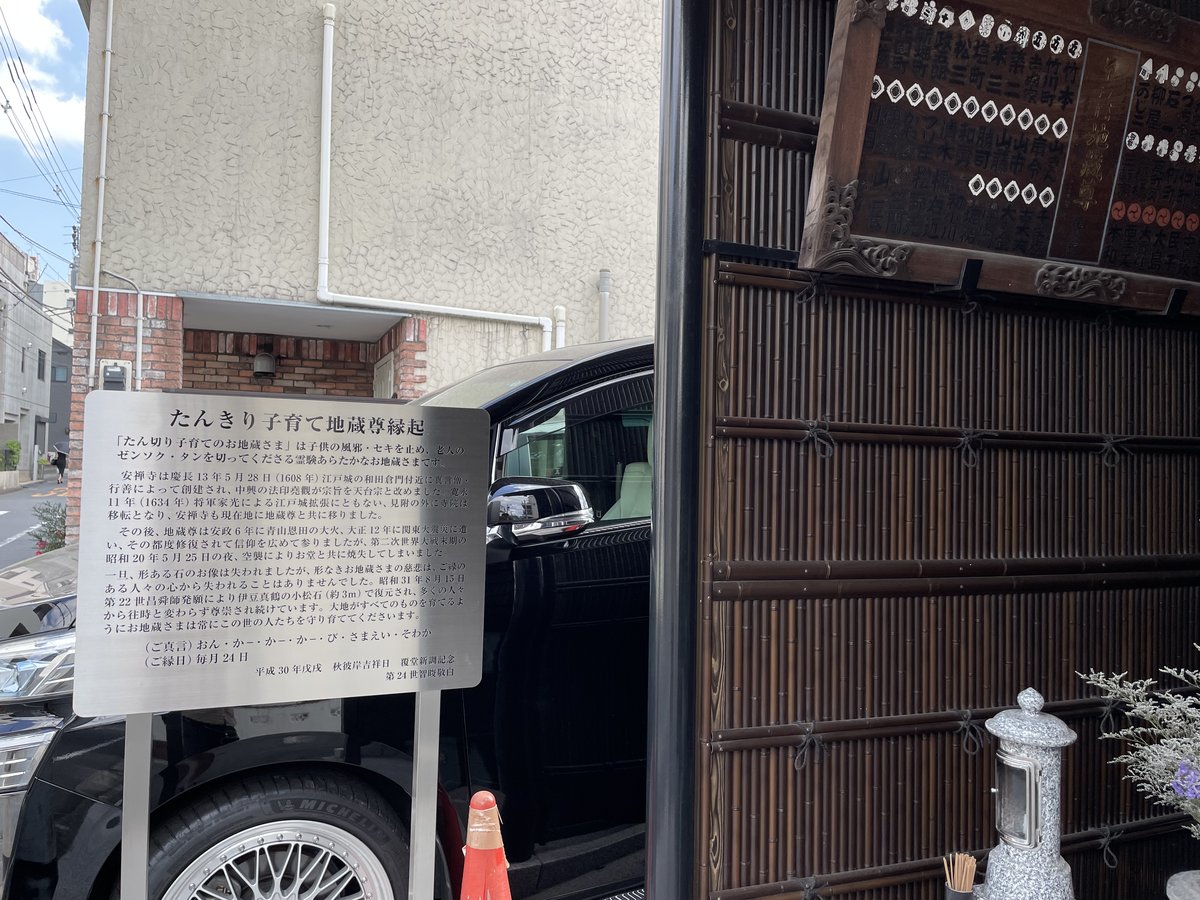
Historical Context and Origins
Tankiri Kosodate Jizōson’s roots trace back to the Edo period (1603–1868), when Tokyo (then Edo) burgeoned as Japan’s political and cultural center (Japan Experience: Tokyo History). Jizō Bosatsu (Kṣitigarbha Bodhisattva) worship dates further to the Heian era (794–1185), gaining prominence as a protector of children, expectant mothers, and travelers. The “Kosodate” (“child-raising”) aspect highlights the statue’s unique importance for prayers related to childbirth, fertility, and child health (Britannica - Japanese Religion).
The proliferation of Jizō statues across Tokyo, especially at crossroads and temple grounds, reflects the community’s enduring belief in Jizō’s compassionate power to intercede on behalf of the vulnerable. Tankiri Kosodate Jizōson stands out for its rich local folklore and its ongoing role in community life.
Local Legends and Cultural Significance
According to local legend, a suffering mother or child was miraculously healed after prayers and offerings at this site. The name “Tankiri” connects to the relief of pain or hardship—“tan” (pain) and “kiri” (to cut/end)—and is sometimes linked to the symbolic offering of a tankiri, or wooden pestle (Japan Experience: Japanese Myths). Over generations, Tankiri Kosodate Jizōson has become a pilgrimage destination for families seeking blessings for healthy childbirth and child-rearing.
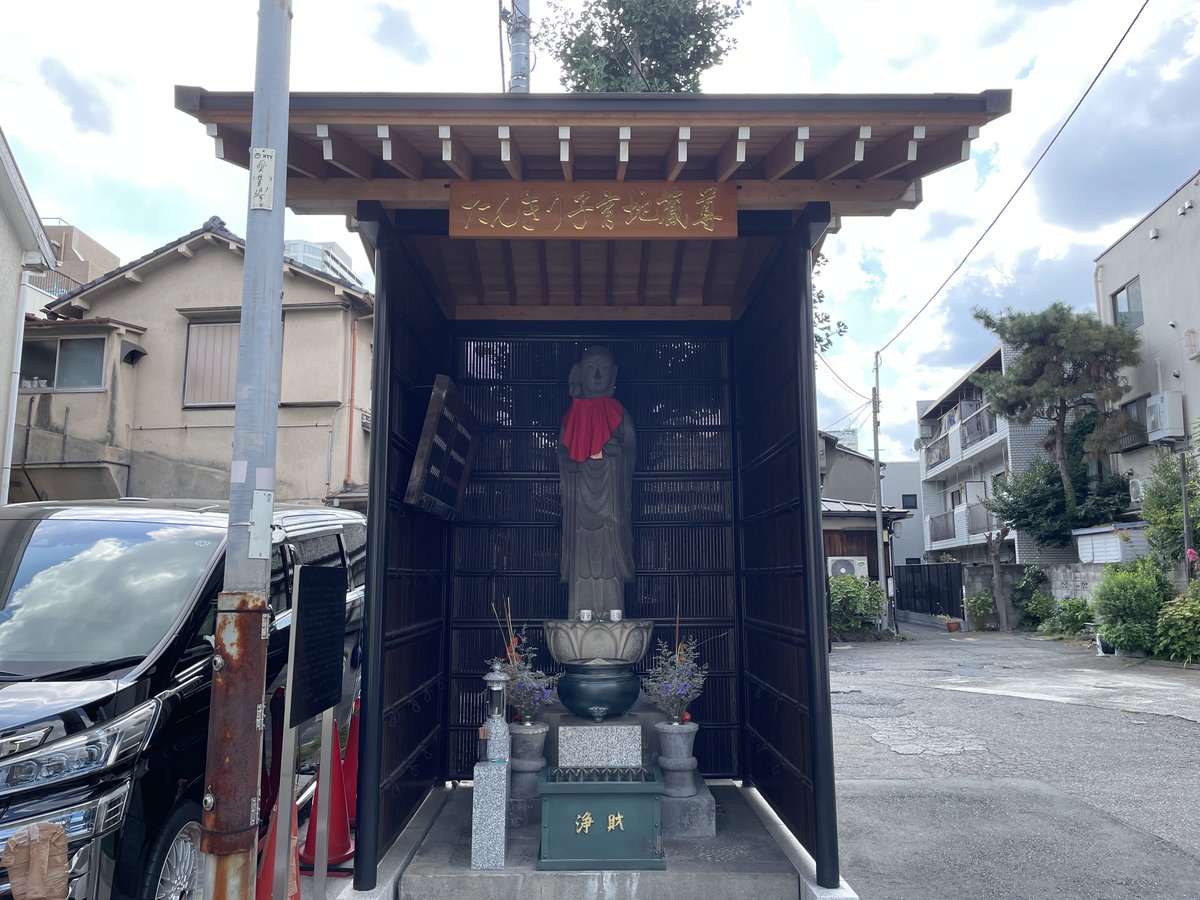
The site’s statue is often adorned with red bibs and caps, gifts from grateful parents or hopeful visitors. These symbols of protection are rooted in Japanese belief that the color red wards off evil spirits and illness.
Syncretism: Buddhist and Shintō Traditions
Japanese spirituality is defined by syncretism, blending Buddhist and Shintō rituals. While Tankiri Kosodate Jizōson is a Buddhist site, Shintō customs—such as bowing, clapping, and purification rituals—are often observed. Many families visit both Buddhist temples and Shintō shrines for different life events, reflecting the harmonious coexistence of these traditions (Cultural Atlas - Japanese Religion).
Rituals, Festivals, and Community Practices
Common Practices
- Ema (Votive Plaques): Visitors write prayers for children’s health on wooden plaques.
- Red Bibs and Caps: Adorning Jizō statues as acts of gratitude or petition.
- Incense, Flowers, and Offerings: Placed at the altar or around the statue, invoking protection and healing.
Festivals
- Jizō-bon: Held in late summer, this festival features ceremonies for deceased children and living families, with communal prayers, offerings, and sometimes children’s activities.
- Obon: Another major festival, observed in mid-August, honoring ancestral spirits (Britannica - Japanese Religion).
These rituals and festivals foster community solidarity and keep the spiritual legacy of the site vibrant.
Visiting Information: Hours, Tickets, and Access
- Opening Hours: Generally open from 8:00 AM to 6:00–7:00 PM daily. Hours may extend during festivals or special events.
- Admission Fees: Free; donations are appreciated at collection boxes.
- Special Events: Check local event calendars or the shrine’s notice boards for extended hours and ceremonies.
- Accessibility: The site is mostly flat and accessible, though some areas may have steps or uneven ground. Wheelchair users should inquire in advance for specific needs.
- How to Get There: The shrine is typically within a 10–15 minute walk from the nearest train or subway station. Use Tokyo’s public transport apps for the most efficient routes.
- Nearby Attractions: Combine your visit with Nezu Shrine, Ueno Park, or other local temples for a fuller experience (The Invisible Tourist - Nezu Shrine).
Visitor Tips and Etiquette
- Quiet Reflection: Maintain a peaceful demeanor and avoid loud conversation.
- Offerings: Coins (5 or 10 yen), flowers, incense, or red bibs are appropriate.
- Shoes: Remove shoes only when entering indoor temple areas.
- Photography: Permitted outdoors; avoid photographing worshippers and follow posted signs.
- Dress Modestly: Shoulders and knees should be covered; avoid revealing attire.
- Purification Ritual: At the chōzuya, rinse hands and mouth before praying.
For more on etiquette:
- How to Respectfully Visit Shrines & Temples in Japan
- Etiquette Tips for Shrines and Temples in Tokyo
Integration with Tokyo’s Religious Landscape
Tankiri Kosodate Jizōson is part of a broader landscape that includes renowned sites like Senso-ji and Meiji Jingu (Oyster - Senso-Ji Temple). Unlike these major temples, Tankiri Kosodate Jizōson offers a more intimate and community-centered experience, providing insight into Tokyo’s living spiritual traditions.
Visuals and Media
Enhance your visit with:
- Photos: The main Jizō statue with red bibs, festival events, and the tranquil grounds.
- Maps: Site location and its relation to nearby attractions.
- Virtual Tours: Check Tokyo tourism sites for interactive experiences (Go Tokyo: Experiences).
Frequently Asked Questions (FAQ)
Q: What are the visiting hours of Tankiri Kosodate Jizōson?
A: Typically 8:00 AM to 6:00–7:00 PM daily; check for changes during festivals.
Q: Is there an entrance fee?
A: No, admission is free.
Q: Are guided tours available?
A: Not regularly, but some local tour operators may include the shrine in cultural tours.
Q: Is the site accessible for those with mobility issues?
A: Largely accessible, though some areas may have steps. Inquire locally for specific accommodations.
Q: How do I get there using public transport?
A: The shrine is within a short walk from a nearby train or subway station. Use route-planning apps for details.
Q: Can I take photos?
A: Yes, outdoors. Avoid photographing people at prayer or in areas where photography is restricted.
Listen to the full story in the app
The whole Tankiri Kosodate Jizōson,
told well.
Audio guides for 1,100+ cities across 96 countries. History, stories, and local insight — offline ready.
Verified, and shown.
Researched and written by the Audiala editorial team from historical records, architectural archives, and local expertise.
Researched from Wikidata, Wikipedia & official sources · fact-checked · How we make our guides →