Plan and listen to Tamagawa Aqueduct with Audiala.
Audio guide in your pocket, itinerary in your browser. Built for the way you actually visit.
Introduction: The Tamagawa Aqueduct and Its Historical Significance
The Tamagawa Aqueduct (Tamagawa Josui, 玉川上水) is a landmark of Tokyo’s urban evolution and a marvel of Edo-period engineering. Built in 1653 to address Edo’s (modern-day Tokyo) severe freshwater shortages, the aqueduct stretches approximately 43 kilometers from the Tama River in western Tokyo to the city center near Shinjuku. Serving as a vital source of drinking water, irrigation, and firefighting, its construction fundamentally shaped the city’s growth, health, and cultural landscape. Today, the aqueduct’s legacy endures as the “Green Road,” a scenic corridor that weaves together history, nature, and recreation and is accessible to visitors throughout the year (Tokyo Metropolitan Government; IHCSA Cafe).
This comprehensive guide covers the aqueduct’s origins, engineering achievements, cultural impact, visitor information, travel tips, nearby attractions, and practical advice for making the most of your visit.

Origins and Early Development
By the 17th century, Edo’s rapid expansion led to an urgent need for clean water. The Kanda Canal was unable to meet the demands of the swelling population, prompting the Tokugawa Shogunate to commission the Tamagawa Aqueduct in 1653. Local farmers, brothers Shoemon and Seiemon Tamagawa, spearheaded the project, completing it in just over six months (Japan Experience; IHCSA Cafe).
Construction and Engineering
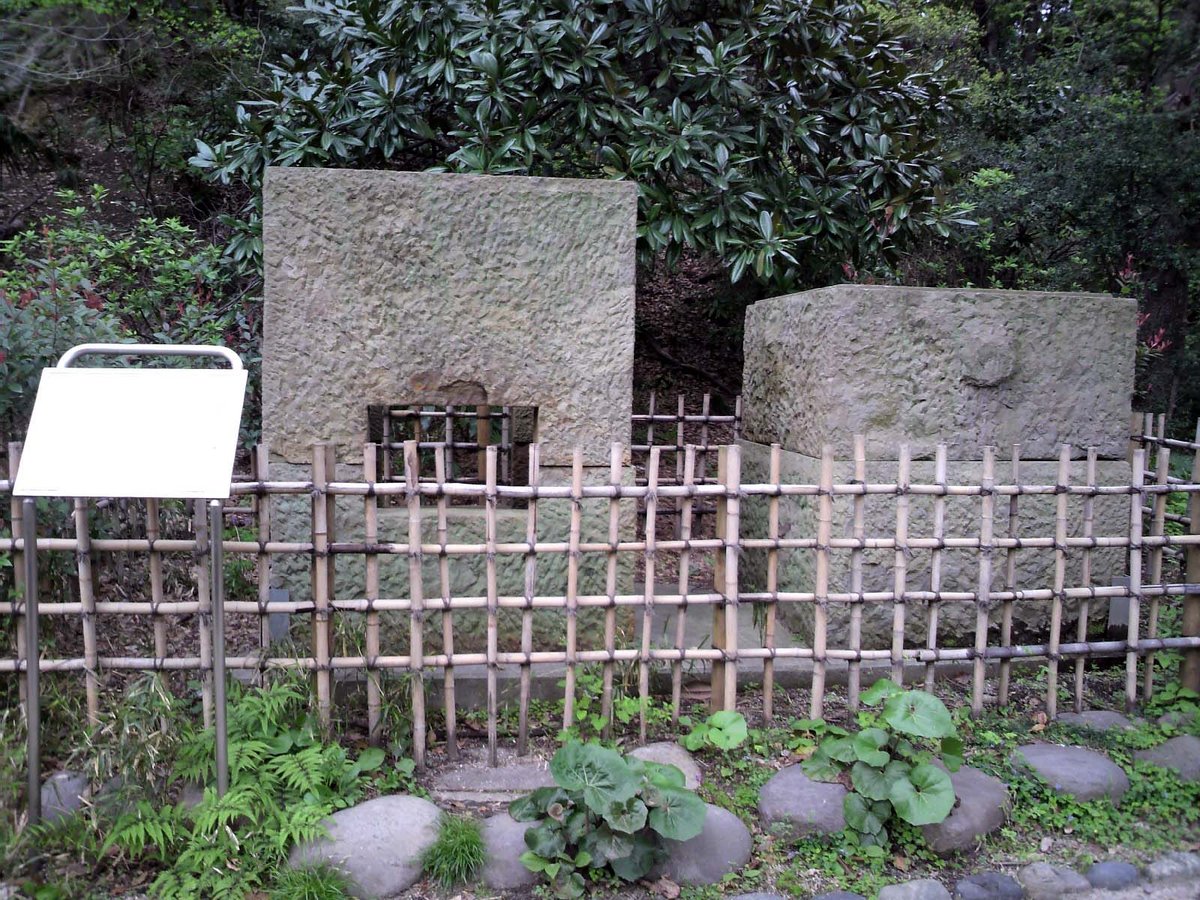
The aqueduct begins at the Hamura Weir on the Tama River and once reached Shinjuku Gyoen. Builders used a combination of earthworks, stone, and wooden pipes. Key elements of the original structure are now displayed at the Tokyo Waterworks Historical Museum (IHCSA Cafe). The canal’s gentle slope exemplifies Edo-period engineering (Japan Experience).
Social and Cultural Impact
The aqueduct enabled the development of wells, public baths, and communal spaces, profoundly shaping Edo’s urban life. It also supported culinary traditions, religious purification, and improved public health (IHCSA Cafe).
Legacy and Preservation
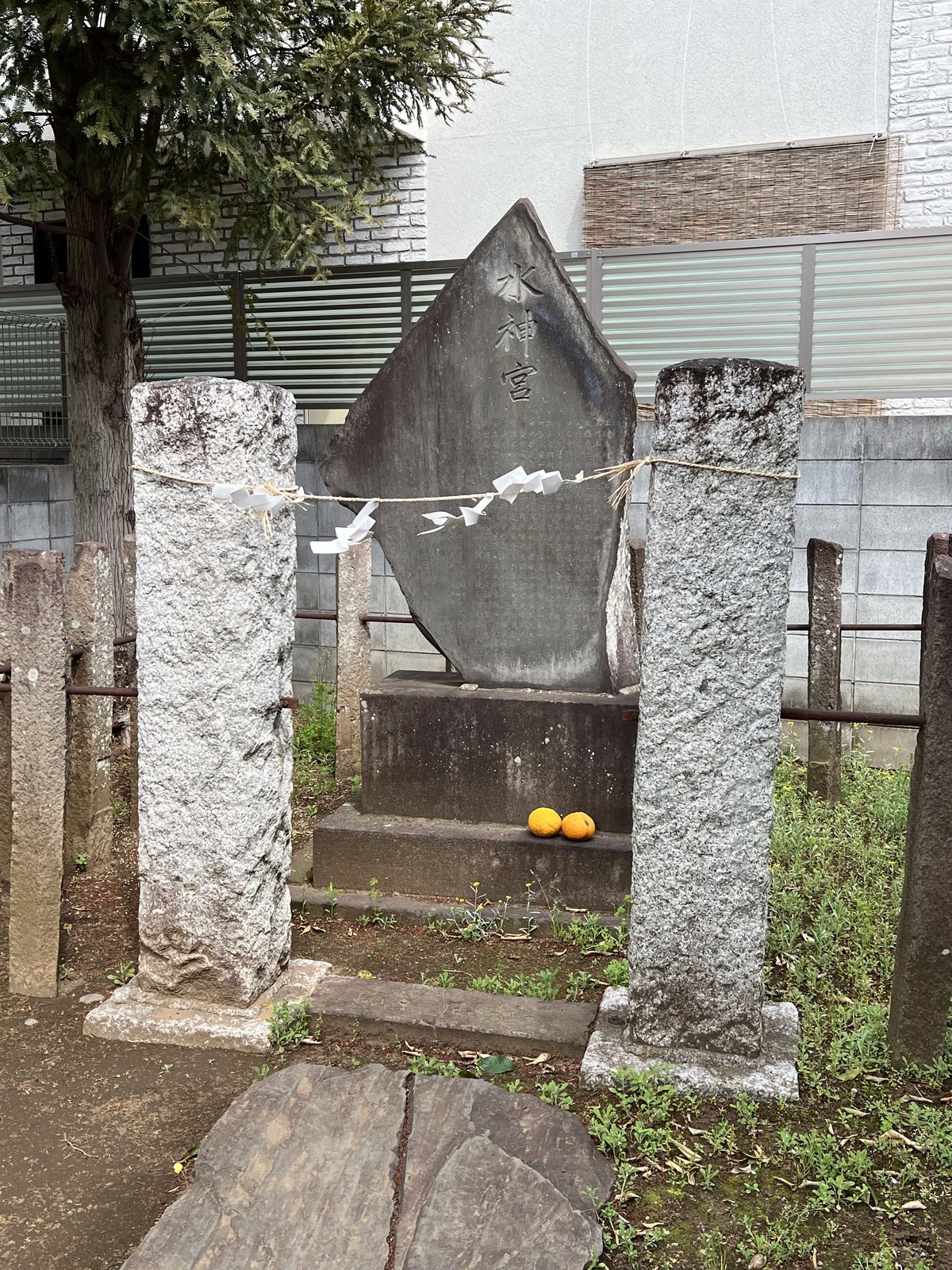
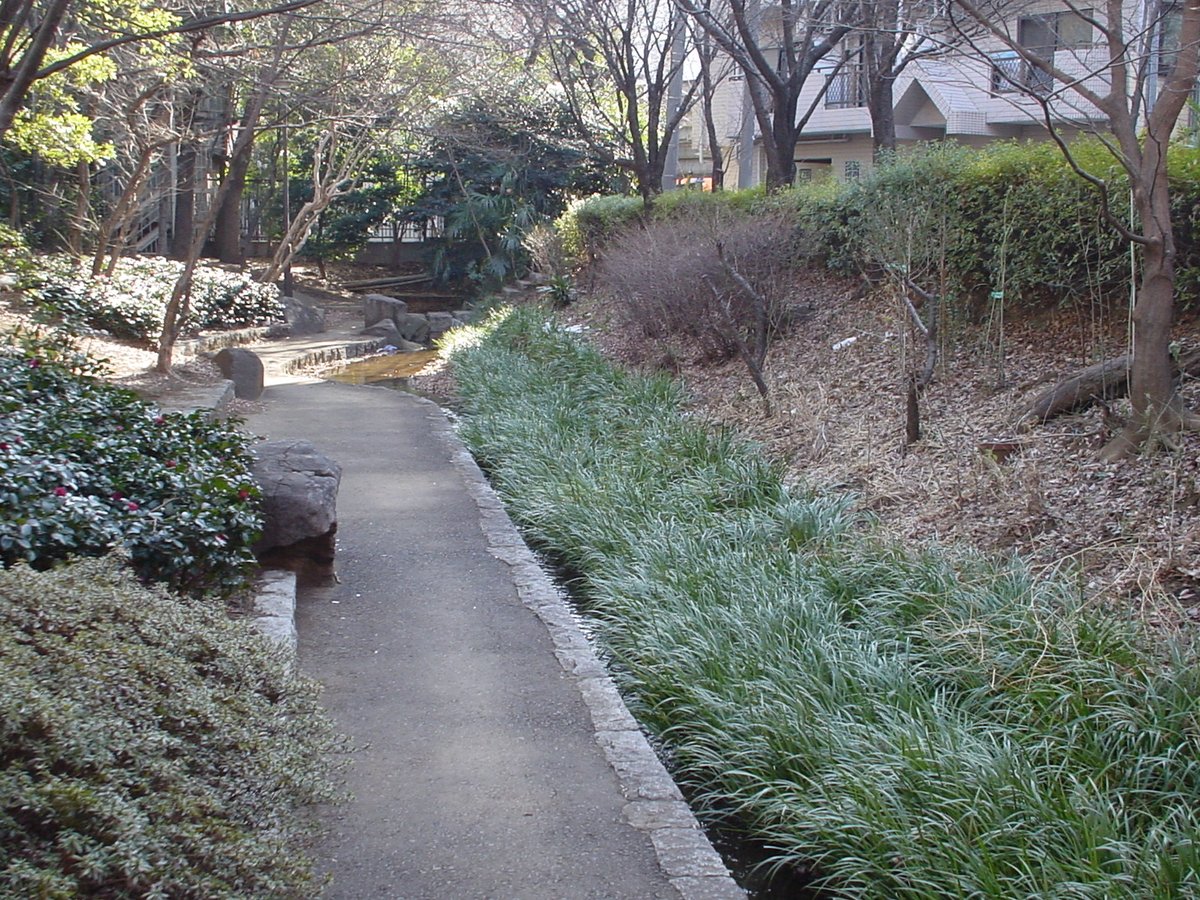
Parts of the original aqueduct are still in use, especially upstream. The route is preserved as the “Green Road,” lined with historical markers and monuments. The Tamagawa brothers are commemorated along the path, and the aqueduct was designated a National Historic Site in 2003 (Tokyo Metropolitan Government; Japan Experience).
Opening Hours
- Green Road: Open 24/7, year-round.
- Museums: The Tokyo Waterworks Historical Museum typically operates from 9:30 AM to 5:00 PM and is closed on Mondays (verify hours before visiting).
Tickets and Admission
- Aqueduct Path: Free of charge.
- Museums: The Tokyo Waterworks Historical Museum offers free admission.
Accessibility
- Most of the Green Road is wheelchair accessible, with paved paths.
- Some older or rural segments may have uneven terrain.
Guided Tours
- Seasonal guided tours are available through local tourism offices and the Tokyo Metropolitan Government. Advance booking is recommended.
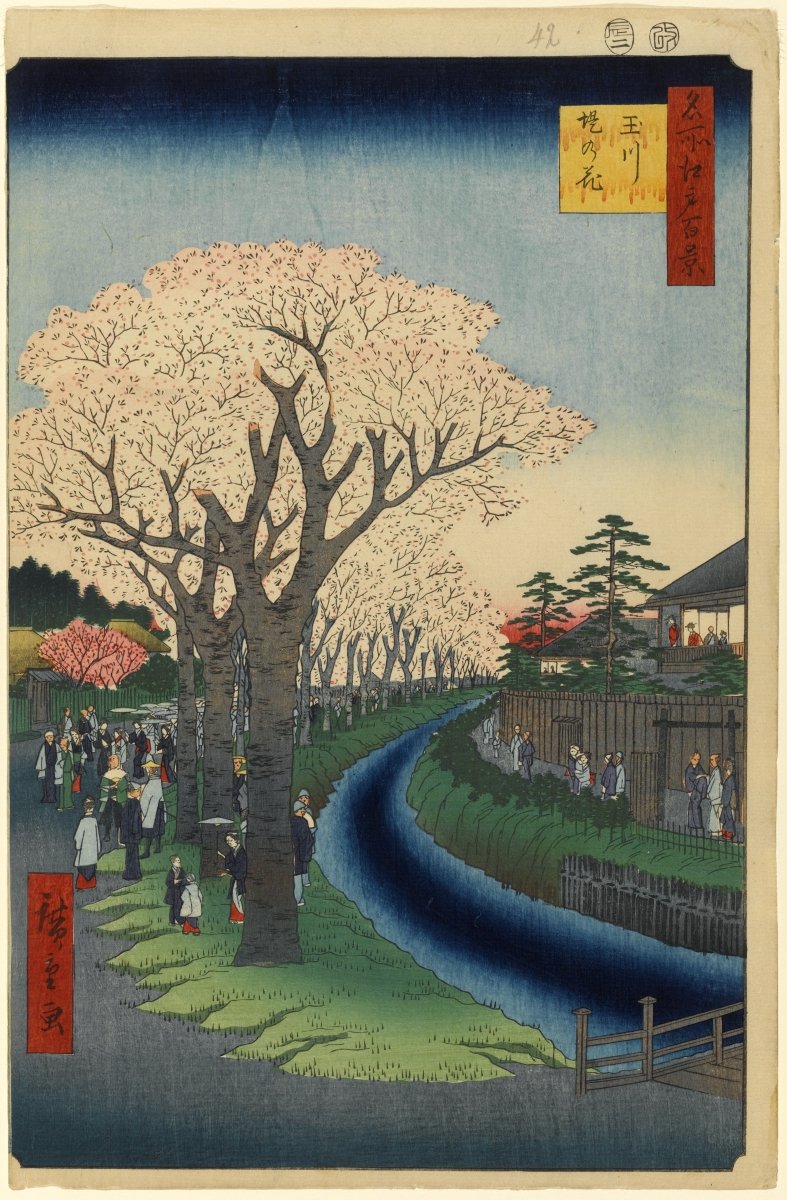
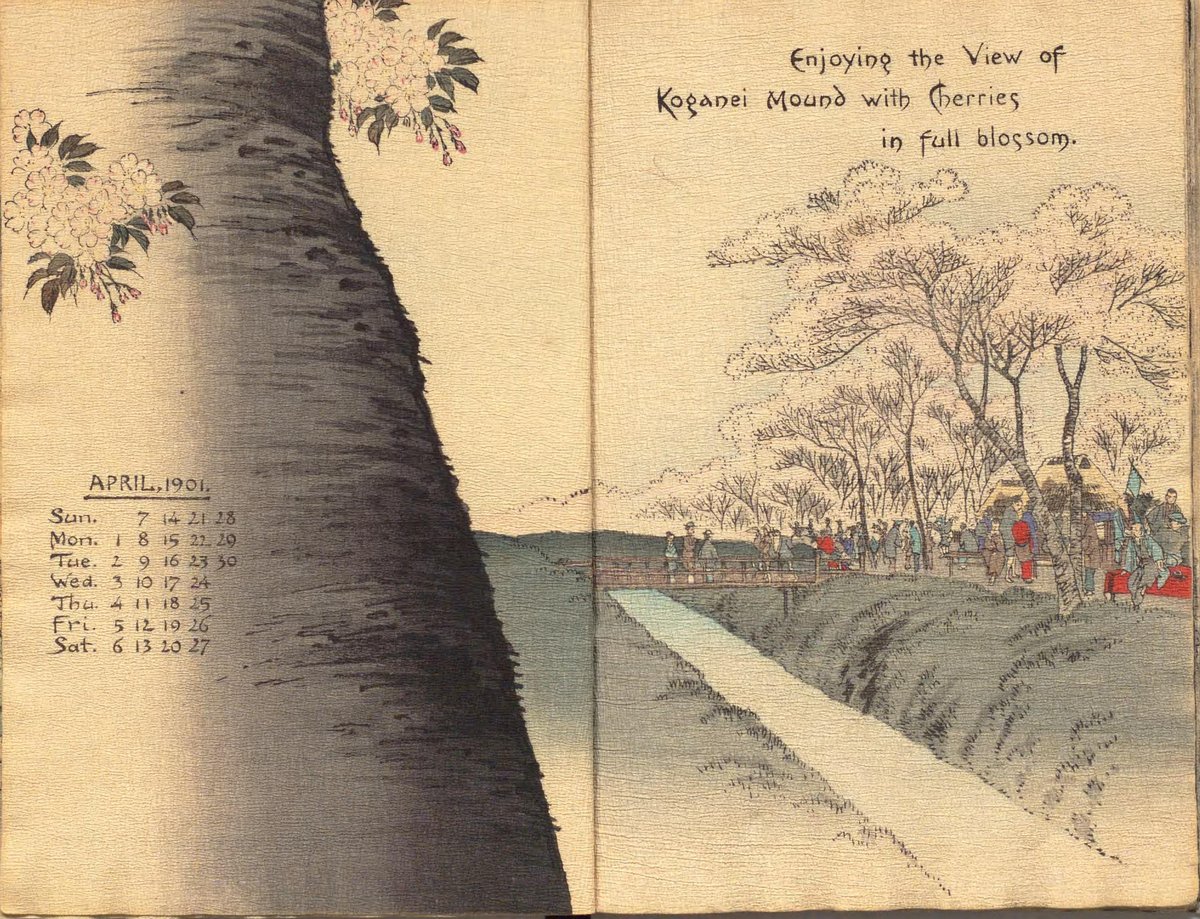
- Best Time to Visit: Spring (cherry blossoms) and autumn (foliage) are particularly scenic.
- What to Bring: Comfortable shoes, water, sun protection, and a camera.
- Getting There: Accessible via public transport; key stations include Hamura, Kodaira, and Ochanomizu.
- Safety: The Green Road is family-friendly and safe.
- Inokashira Park: Renowned for cherry blossoms and proximity to the Ghibli Museum.
- Shinjuku Gyoen Park: Close to the historical endpoint of the aqueduct.
- Hamura City: Features the Tamagawa brothers’ statue and the Hamura Weir.
- Hamura Weir: Picturesque views of the Tama River at the aqueduct’s source.
- Historic Monuments: Stone markers at Yotsuya Okido.
- Tree-Lined Walkways: Ideal for seasonal photography, especially during blossom and foliage seasons.
- Cherry Blossom Festivals: Held in spring along the aqueduct.
- Autumn Foliage Viewing: Popular in late October and November.
- Historical Reenactments and Walks: Occasionally organized by local groups.
- Tokyo Waterworks Historical Museum: Offers exhibits on the aqueduct’s construction, artifacts like the “Josuiki” (Water Records), and multimedia presentations on Tokyo’s water infrastructure (IHCSA Cafe).
Q: What are the Tamagawa Aqueduct’s visiting hours?
A: The Green Road is open year-round, 24/7. Museums have specific opening hours; verify before visiting.
Q: Is there an admission fee?
A: The aqueduct path is free. Some museums may charge admission.
Q: Is the route wheelchair accessible?
A: Most of the Green Road is accessible, but some sections may be uneven.
Q: Are guided tours available?
A: Yes, check with local tourism offices for current offerings.
Q: How do I get there?
A: Use public transportation—trains to Hamura, Kodaira, or Ochanomizu stations are convenient.
The Tamagawa Aqueduct is a remarkable testament to Tokyo’s historical transformation and engineering ingenuity. Whether you are a history enthusiast, a nature lover, or looking for a unique urban walk, the Green Road invites you to discover a living piece of Edo-period heritage. Plan your visit, explore monuments and museums, and immerse yourself in this unique blend of culture, nature, and history.
For interactive maps, audio guides, and up-to-date event information, download the Audiala app. Stay connected via our social media channels for travel tips and exclusive content.
Listen to the full story in the app
The whole Tamagawa Aqueduct,
told well.
Audio guides for 1,100+ cities across 96 countries. History, stories, and local insight — offline ready.
Verified, and shown.
Researched and written by the Audiala editorial team from historical records, architectural archives, and local expertise.
Researched from Wikidata, Wikipedia & official sources · fact-checked · How we make our guides →