Plan and listen to Senkawa Aqueduct with Audiala.
Audio guide in your pocket, itinerary in your browser. Built for the way you actually visit.
Introduction to the Senkawa Aqueduct and Its Historical Importance
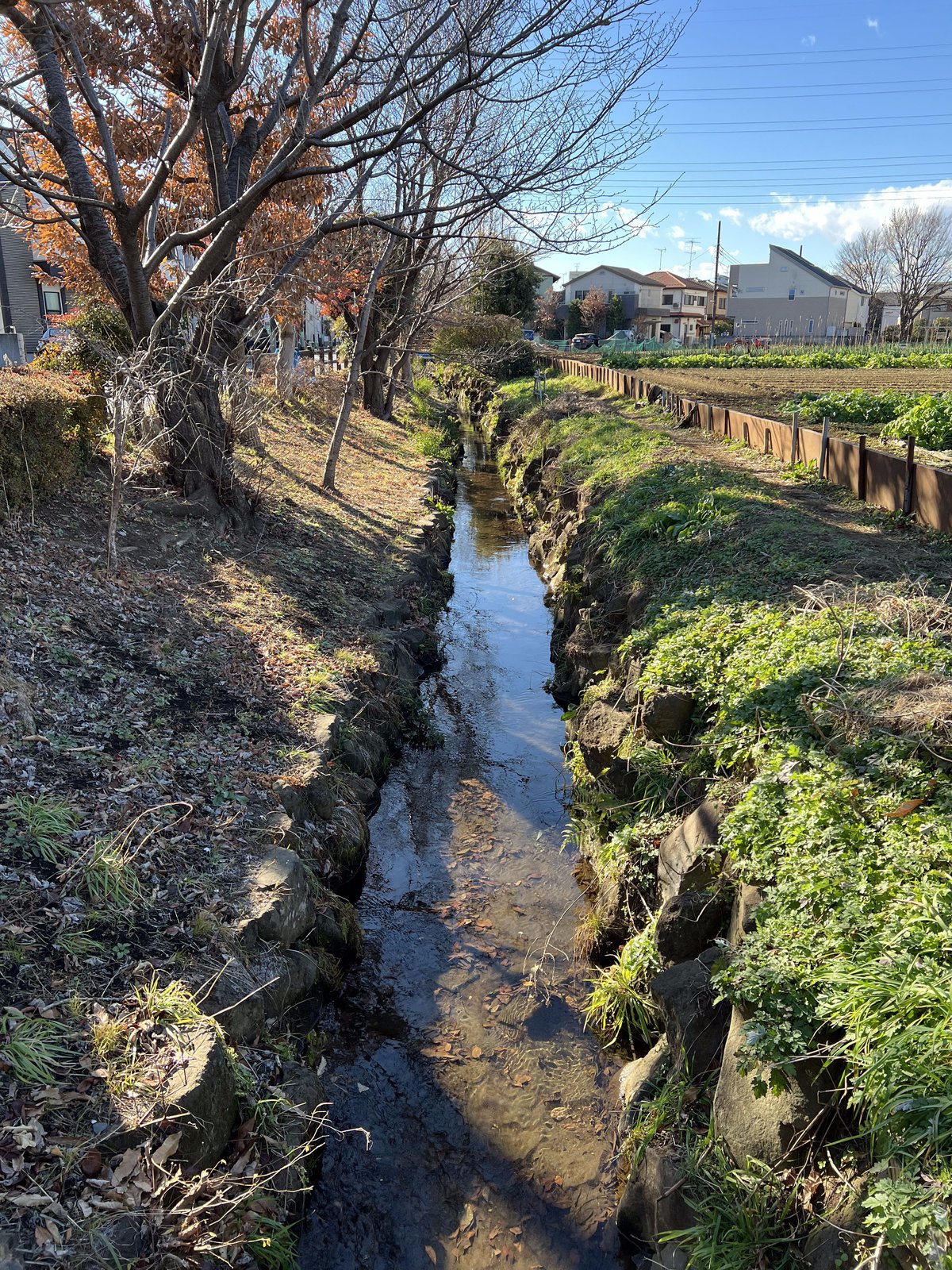
The Senkawa Aqueduct (千川上水) is a remarkable symbol of Edo-period innovation, offering a rare glimpse into Tokyo’s historical water management and urban development. Built in 1696 during the Tokugawa shogunate, this 21–22-kilometre aqueduct channeled fresh water from the Tama and Shakujii Rivers into the northern and western districts of Edo (now Tokyo), using gravity-fed wooden and stone conduits. Its construction was essential for public health, fire prevention, and the growth of gardens, temples, and local industries. The legacy of the aqueduct endures today, especially along the Senkawa Josui Greenway—a scenic park tracing the original route and inviting visitors to experience Tokyo’s hidden waterways and rich urban heritage.
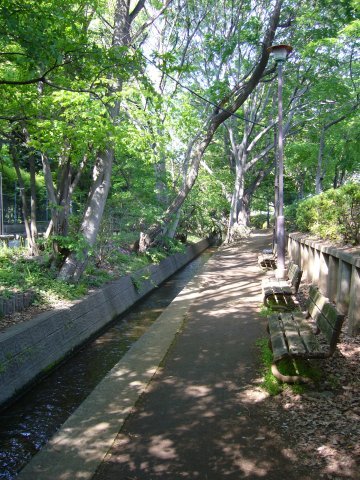
Open year-round and free to access, the greenway is easily reached via the Tokyo Metro Yurakucho, Fukutoshin, and Seibu Ikebukuro Lines. The mostly flat, wheelchair- and stroller-friendly path features historical markers, cherry blossom groves, and seasonal festivities. Visitors can further enrich their experience with guided tours or by exploring nearby cultural sites such as the Tokyo Waterworks Historical Museum, Koishikawa Botanical Garden, and Nezu Shrine. Whether enjoying spring cherry blossoms or autumn foliage, the Senkawa Aqueduct offers a vital chapter of Tokyo’s history and evolving cultural identity.
(Tokyo Metropolitan Government, Japan Guide, Agoda)

History and Development
Originating in the Edo period, the Senkawa Aqueduct was constructed in response to the city’s rapid growth and the need for reliable water supplies. Drawing from the Tama and Shakujii Rivers, it utilized gravity-fed channels, wooden pipes, and stone constructions to supply northern and western Edo. This system not only supported households and businesses but played a crucial role in fire prevention and public sanitation.
Urban and Cultural Significance
The aqueduct’s presence shaped the layout of neighborhoods, parks, temples, and gardens. Many of Tokyo’s modern roads and parks follow the aqueduct’s path, illustrating its lasting influence on the city’s geography. Along its banks, a vibrant local culture developed, with festivals, traditional crafts, and daily life centering around the waterway. Cherry trees planted along the route became focal points for seasonal celebrations like hanami (cherry blossom viewing).
Engineering and Technological Highlights
Engineers of the Edo period demonstrated exceptional skill by constructing a gravity-fed aqueduct system without modern pumps. Wooden pipes and stone channels enabled a steady flow of water over long distances, supporting irrigation, fire prevention, and even local industries such as papermaking and sake brewing. The system exemplifies early sustainable resource management and collective urban planning.
Preservation in Modern Tokyo
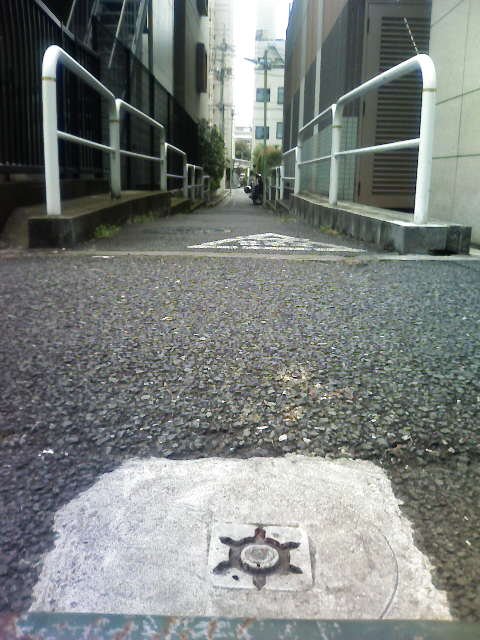
As Tokyo modernized, much of the original aqueduct was covered or rerouted underground. However, the Senkawa Josui Greenway now preserves its historical route as a scenic, linear park ideal for walking, cycling, and viewing cherry blossoms. Interpretive signs and historical markers along the way provide educational insights, while community events keep local traditions alive.
Visitor Information: Hours, Tickets, Accessibility
Visiting Hours
- Open year-round, accessible at all hours. Daytime visits are recommended for safety and best scenery.
Tickets
- No admission fees; the greenway and aqueduct remains are free to explore.
Accessibility
- Paths are mostly flat, paved, and suitable for wheelchairs and strollers, with multiple access points in residential neighborhoods.
Getting There
- Accessible from stations on the Tokyo Metro Yurakucho and Fukutoshin Lines, and the Seibu Ikebukuro Line (notably Senkawa and Ekoda Stations). Local buses also serve the area.
Travel Tips and Nearby Attractions
Guided Tours
- Occasional guided walks are organized by local historical societies or the Tokyo Waterworks Historical Museum. Check their websites or local tourism offices for schedules.
Nearby Attractions
- Tokyo Waterworks Historical Museum: Learn about the evolution of Tokyo’s water systems.
- Koishikawa Botanical Garden: Explore Edo-era landscaping and plant collections.
- Nezu Shrine: Visit a historic Shinto shrine with beautiful seasonal gardens.
- Koganei Park & Musashino Central Park: Both are easily combined with a walk along the aqueduct.
Photography
- The greenway is especially photogenic in cherry blossom season (late March–early April) and during autumn foliage (October–November). Historical markers and sluice gates offer unique photo opportunities.
Seasonal Events and Culinary Experiences
Spring: Hanami (Cherry Blossom Viewing)
- Cherry trees lining the aqueduct create a stunning atmosphere. Enjoy picnics, local snacks, and seasonal treats from temporary stalls during this popular festival period.
(Magical Trip)
Summer: Matsuri and Fireworks
- Local summer festivals feature traditional music, dance, food stalls (yakisoba, kakigori), and sometimes fireworks displays. Lantern-lit evening walks are enchanting.
(Matcha-JP)
Autumn: Momiji (Foliage Viewing)
- The trail is transformed by vibrant autumn leaves. Look for craft fairs and seasonal foods such as roasted sweet potatoes.
(Agoda)
Winter: Reflection and New Year Traditions
- Enjoy peaceful walks, birdwatching, and local New Year’s shrine visits.
Local Cuisine
- Savor handmade soba at nearby noodle shops, izakaya dishes (yakitori, edamame), and local sake. Festivals and shopping streets frequently offer snacks like takoyaki and taiyaki. Guided food tours are available in adjacent districts.
(Travel Pander), (The Invisible Tourist), (ByFood)
Practical Tips and Visitor Etiquette
- Dress Appropriately: Wear comfortable shoes and seasonal clothing; bring sun protection in summer and warm layers in winter.
- Facilities: Restrooms and benches are available in major parks along the route.
- Trash and Recycling: Carry your trash until you find a bin—Japan’s anti-littering standards are high.
- Respect Local Customs: Greet locals, keep noise low, and do not pick plants or flowers.
- Pets: Allowed on a leash; owners must clean up after them.
- Language: Most signage is in Japanese; a translation app may be helpful.
Frequently Asked Questions (FAQ)
Q: What are the Senkawa Aqueduct visiting hours?
A: The aqueduct and greenway are open year-round, with free access at all hours—daytime visits are safest and most scenic.
Q: Is there an admission fee?
A: No, the trail is completely free to access.
Q: Is the greenway wheelchair accessible?
A: Yes, most sections are flat and paved, but a few areas may be uneven.
Q: Are guided tours available?
A: Occasionally, through local museums or historical societies. Most visits are self-guided.
Q: How do I get there?
A: Use the Tokyo Metro Yurakucho or Fukutoshin Lines, or the Seibu Ikebukuro Line. Buses also serve the area.
Q: Is the trail pet-friendly?
A: Yes, but pets must be leashed and owners must clean up after them.
Listen to the full story in the app
The whole Senkawa Aqueduct,
told well.
Audio guides for 1,100+ cities across 96 countries. History, stories, and local insight — offline ready.
Verified, and shown.
Researched and written by the Audiala editorial team from historical records, architectural archives, and local expertise.
Researched from Wikidata, Wikipedia & official sources · fact-checked · How we make our guides →