Plan and listen to Remains Of Mōri Kai-No-Kami'S Residence with Audiala.
Audio guide in your pocket, itinerary in your browser. Built for the way you actually visit.
Introduction
Nestled in the bustling Roppongi Hills area of Tokyo, Mōri Garden (毛利庭園) offers a serene escape that seamlessly blends natural beauty with rich cultural heritage. This historical garden traces its origins back to the Edo period (1603-1868), when the Mōri clan, powerful feudal lords from the Chōshū domain, established their residence in Edo, now modern-day Tokyo. Initially designed as part of the Mōri family's estate, the garden reflects traditional Japanese aesthetics, incorporating elements like ponds, streams, and carefully arranged rocks to create a miniature representation of the natural landscape (source).
Despite periods of modernization, especially during the Meiji Restoration of 1868, Mōri Garden has retained much of its original charm. Efforts by the Mōri family and subsequent owners have ensured its preservation. In the 1960s, the garden was incorporated into the larger Roppongi Hills development project, securing its place amidst Tokyo's urban sprawl (source).
Today, Mōri Garden serves as a peaceful retreat for locals and tourists alike, offering a glimpse into traditional Japanese garden design while hosting various cultural events throughout the year. Its central location and accessibility make it an ideal destination for anyone looking to explore Tokyo's rich history and serene beauty (source).

Discover the History and Beauty of Mōri Garden - Tokyo's Hidden Gem
Origins and Early History
Mōri Garden (毛利庭園) has its roots in the Edo period (1603-1868), a time when the powerful Mōri clan established their residence in Edo (modern-day Tokyo) to maintain their political influence. The garden was part of the Mōri family's estate, designed to reflect traditional Japanese garden aesthetics. It features elements like ponds, streams, and carefully arranged rocks.
Meiji Restoration and Modernization
The Meiji Restoration of 1868 led to rapid modernization and westernization of Japan. Despite these changes, Mōri Garden retained much of its original design, thanks to the Mōri family and subsequent owners. In the early 20th century, the garden underwent renovations that blended Western-style landscaping with traditional Japanese design elements.
Post-War Reconstruction and Preservation
After World War II, many historical sites in Tokyo were damaged or neglected, including Mōri Garden. Recognizing its historical and cultural value, local authorities and preservationists initiated restoration efforts. In the 1960s, the garden was incorporated into the Roppongi Hills development project, ensuring its preservation amidst Tokyo's modernization.
Cultural Significance and Modern-Day Relevance
Today, Mōri Garden stands as a testament to Tokyo's cultural heritage. It offers a peaceful oasis amidst the bustling city, with a central pond surrounded by seasonal flowers and meticulously maintained greenery. The garden hosts various cultural events, including tea ceremonies and art exhibitions, promoting cultural exchange and community engagement.
Notable Features and Attractions
Mōri Pond
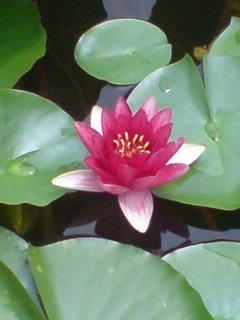
The central pond, known as the "Mōri Pond," is the garden's focal point. It is surrounded by carefully arranged rocks, trees, and seasonal flowers, and is home to various species of koi fish.
Traditional Tea House
The traditional tea house offers visitors the opportunity to experience a Japanese tea ceremony. Designed in the sukiya-zukuri architectural style, it provides a serene setting for immersive cultural experiences.
Stone Lanterns and Statues
Stone lanterns and statues are strategically placed throughout the garden, enhancing its aesthetic appeal and creating a harmonious balance between natural and man-made elements.
Visitor Information
Visiting Hours
- The garden is open daily from 7:00 AM to 11:00 PM.
Tickets
- Entrance to the garden is free of charge.
Accessibility
- The garden is wheelchair accessible, with paved pathways and ramps.
Travel Tips and Nearby Attractions
Travel Tips
- Visit during different seasons to enjoy the varied botanical displays. Early mornings or late afternoons are ideal for a peaceful experience.
Nearby Attractions
- Explore Roppongi Hills, Tokyo Midtown, and the National Art Center, all within walking distance.
Special Events
- Check the official Roppongi Hills website for information on special events, guided tours, and festivals held in the garden.
Frequently Asked Questions (FAQ)
What is the best time to visit Mōri Garden?
- The garden is beautiful year-round, but spring and autumn offer the most stunning displays of seasonal flowers and foliage.
Are there guided tours available?
- Yes, guided tours are available and can be booked through the Roppongi Hills website.
Can I take photos in Mōri Garden?
- Yes, photography is allowed, but please be respectful of other visitors and avoid disrupting the tranquility of the garden.
Listen to the full story in the app
The whole Remains Of Mōri Kai-No-Kami'S Residence,
told well.
Audio guides for 1,100+ cities across 96 countries. History, stories, and local insight — offline ready.
Verified, and shown.
Researched and written by the Audiala editorial team from historical records, architectural archives, and local expertise.
Researched from Wikidata, Wikipedia & official sources · fact-checked · How we make our guides →