Plan and listen to Q49583796 with Audiala.
Audio guide in your pocket, itinerary in your browser. Built for the way you actually visit.
Introduction to Tokyo Historical Sites
Tokyo is a city where centuries of tradition meet futuristic innovation, making it a fascinating destination for travellers. Once known as Edo, a fishing village that grew into the political nucleus of Japan during the Edo period (1603–1868), Tokyo’s transformation continued through the Meiji Restoration and into the dynamic, resilient metropolis we know today. Visitors can discover a tapestry of experiences—from historic landmarks like the Imperial Palace and Senso-ji Temple to modern marvels including Tokyo Skytree and the vibrant districts of Shibuya and Ginza (Odyssey Traveller; Facts and Details; EdrawMind; Tokyo Metropolitan Government; National Geographic; Tourist Japan; Japan Guide).
This guide provides essential information on visiting hours, ticket details, accessibility, and tips to help you explore Tokyo’s most significant historical sites, ensuring an immersive journey through the city’s past and present.
- Early Origins: From Fishing Village to Feudal Power
- The Meiji Restoration and Modernization
- Catastrophe and Reconstruction: Earthquakes and War
- Postwar Growth and Urban Transformation
- Contemporary Tokyo: Resilience and Innovation
- Key Historical Sites: Hours, Tickets, and Accessibility
- Practical Visitor Tips
- Iconic Landmarks: Details and Highlights
- Modern Marvels and Unique Experiences
- Museums, Nature, and Themed Attractions
- Seasonal and Outdoor Activities
- FAQs
- Summary and Resources
- Sources and Further Reading

Early Origins: From Fishing Village to Feudal Power
Tokyo’s roots are anchored in the small village of Edo, established on the Kanto Plain. The Edo Clan fortified this area in the 12th century, and by the 15th century, Edo Castle became its centrepiece. The decisive shift came in 1603 when Tokugawa Ieyasu made Edo the seat of his shogunate, ushering in a long era of peace and prosperity. By the 1700s, Edo was among the world’s largest cities, renowned for its unique urban culture and dense wooden architecture (Odyssey Traveller; EdrawMind; Facts and Details).
The Meiji Restoration and Modernization
The arrival of Commodore Perry in 1853 ended Japan’s isolation, leading to the Meiji Restoration in 1868. The shogunate collapsed, imperial rule was restored, and Edo became Tokyo (“Eastern Capital”), the nation’s new seat of power. The Meiji era saw rapid modernization—introduction of Western technology, railways, and infrastructure transformed the cityscape, though traditional neighborhoods diminished (Facts and Details).
Catastrophe and Reconstruction: Earthquakes and War
Tokyo’s history is shaped by resilience in the face of disaster. The Great Kanto Earthquake of 1923 and the devastation of World War II left the city in ruins, but subsequent reconstruction efforts introduced modern streets, subways, and disaster-resistant infrastructure (EdrawMind). By the 1970s, Tokyo re-emerged as a vibrant, growing metropolis.
Postwar Growth and Urban Transformation
In 1943, the Tokyo Metropolis was formed, amalgamating the city and prefecture. The 1964 Olympics symbolized Tokyo’s modernization, while the economic boom of the 1980s transformed the skyline with skyscrapers and public works. Even after the bubble burst in the 1990s, Tokyo continued to evolve, blending redevelopment with cultural preservation (Tokyo Metropolitan Government; EdrawMind; Facts and Details).
Contemporary Tokyo: Resilience and Innovation
Today, Tokyo is the world’s most populous metropolitan area, famous for its juxtaposition of tradition and innovation. The city features both neon-lit districts and serene historic sites, supported by advanced disaster preparedness and a strong focus on accessibility (National Geographic; Tokyo Metropolitan Government).
Key Historical Sites: Hours, Tickets, and Accessibility
- Imperial Palace: Home to the Imperial Family, with gardens open daily 9:00 AM–5:00 PM (last entry 4:30 PM). Free admission; guided inner-ground tours require advance reservation (Japan Wonder Travel). Wheelchair accessible.
- Senso-ji Temple: Tokyo’s oldest temple in Asakusa. Grounds open 24 hours, main hall 6:00 AM–5:00 PM. Entry free; Nakamise Street offers shopping and street food (Tourist Japan). Some areas have steps.
- Meiji Jingu Shrine: Shinto shrine in a forested park, open sunrise to sunset, free admission. Paths are mostly wheelchair accessible (National Geographic).
- Edo-Tokyo Museum: Chronicles the city’s transformation. Open Tue–Sun 9:30 AM–5:30 PM, closed Mondays. Admission: ~600 yen adults. Fully accessible (History Hit).
- Tokyo National Museum: Largest collection of Japanese art. Open 9:30 AM–5:00 PM (Fridays until 8:00 PM), closed Mondays. Admission: ~1,000 yen adults (History Hit). Accessibility services available.
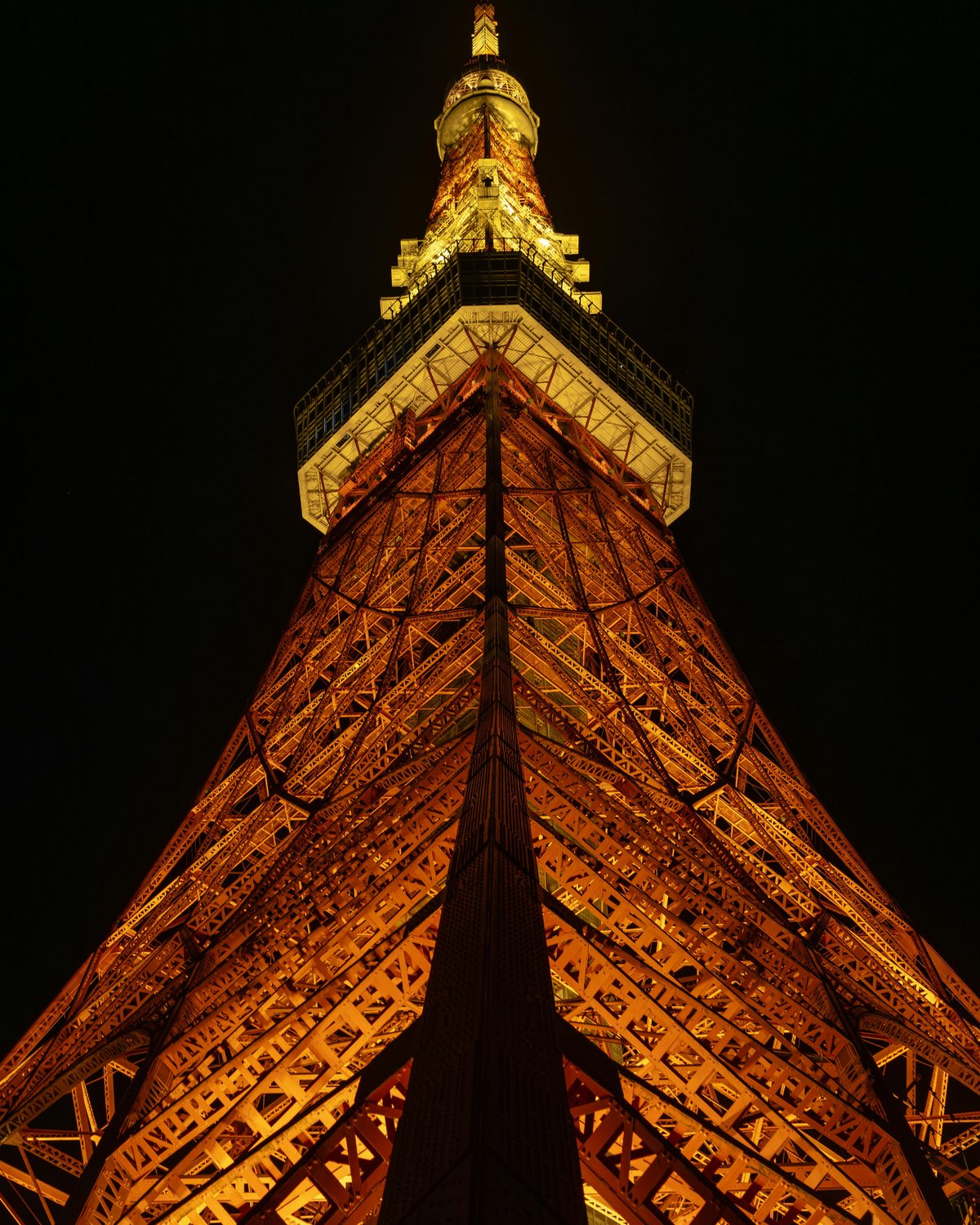
- Tokyo Tower: Iconic symbol since 1957. Open 9:00 AM–11:00 PM (last entry 10:30 PM). Tickets: 1,200–3,000 yen depending on deck (Japan Wonder Travel). Wheelchair accessible.
Practical Visitor Tips
- Plan for Variety: Mix historical sites with modern attractions for a well-rounded experience.
- Book in Advance: Reserve guided tours or popular attractions early.
- Accessibility: Most sites are accessible, but some traditional areas may have stairs.
- Combine Attractions: Many sites are near parks, museums, or shopping districts.
- Public Transport: Use Tokyo’s efficient trains and subways; consider prepaid IC cards.
Iconic Historical and Cultural Landmarks
Senso-ji Temple and Asakusa District
Founded in 645 AD, Senso-ji is Tokyo’s oldest temple, famous for its Kaminarimon Gate and lively Nakamise-dori shopping street. The temple is a focal point for festivals and preserves the atmosphere of Edo-period Tokyo (Japan Guide). Wheelchair access is available in most areas.
Meiji Jingu Shrine
A tranquil forested sanctuary dedicated to Emperor Meiji and Empress Shoken, Meiji Jingu is a symbol of modern Japan’s spiritual roots. Admission is free, and paths are accessible.
Imperial Palace and East Gardens
The Imperial Palace occupies the former Edo Castle site. The East Gardens are open to the public and feature historic moats, stone walls, and manicured landscapes (Japan Guide). Guided inner-ground tours require reservations.
Modern Marvels and Urban Experiences
Tokyo Skytree
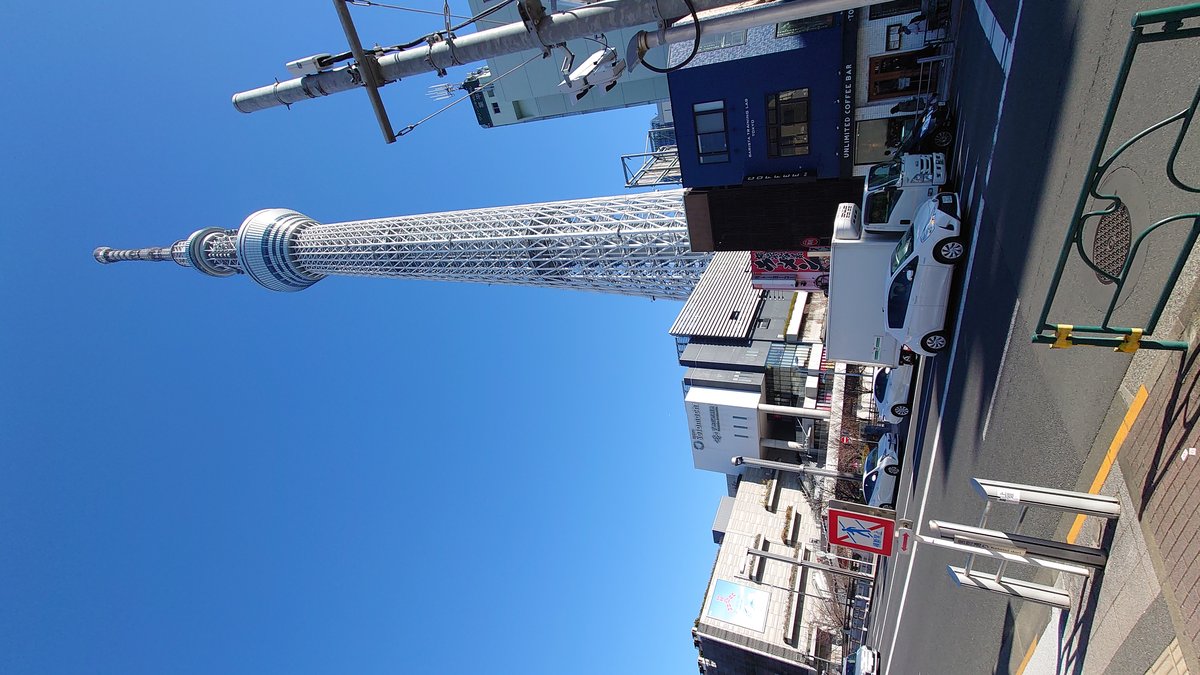
At 634 meters, the Skytree is Japan’s tallest structure, with observation decks offering citywide views. Open 8:00 AM–10:00 PM; ticket prices vary by deck (Tokyo Skytree Official). Fully wheelchair accessible.
Shibuya Crossing & Hachiko Statue
Shibuya Crossing, the world’s busiest pedestrian intersection, is a symbol of dynamic urban life. The nearby Hachiko Statue and Shibuya Sky observation deck are must-sees.
Ginza Shopping District
Tokyo’s premier shopping area, Ginza combines luxury brands with historical theaters and is home to the upcoming Ginza Sony Park (JW Web Magazine).
Museums and Art Spaces
Tokyo National Museum (Ueno Park)
Japan’s largest art collection, including samurai artifacts and ancient scrolls. Open 9:30 AM–5:00 PM (last admission 4:30 PM), closed Mondays. Accessible facilities available.
teamLab Planets Tokyo
A digital art museum renowned for interactive, immersive installations. Advance tickets required; most spaces are accessible (JW Web Magazine).
Edo-Tokyo Open Air Architectural Museum
Features relocated buildings from different eras, offering insights into Tokyo’s architectural evolution. Open 9:30 AM–4:30 PM, closed Mondays (Locals in Japan).
Nature and Relaxation
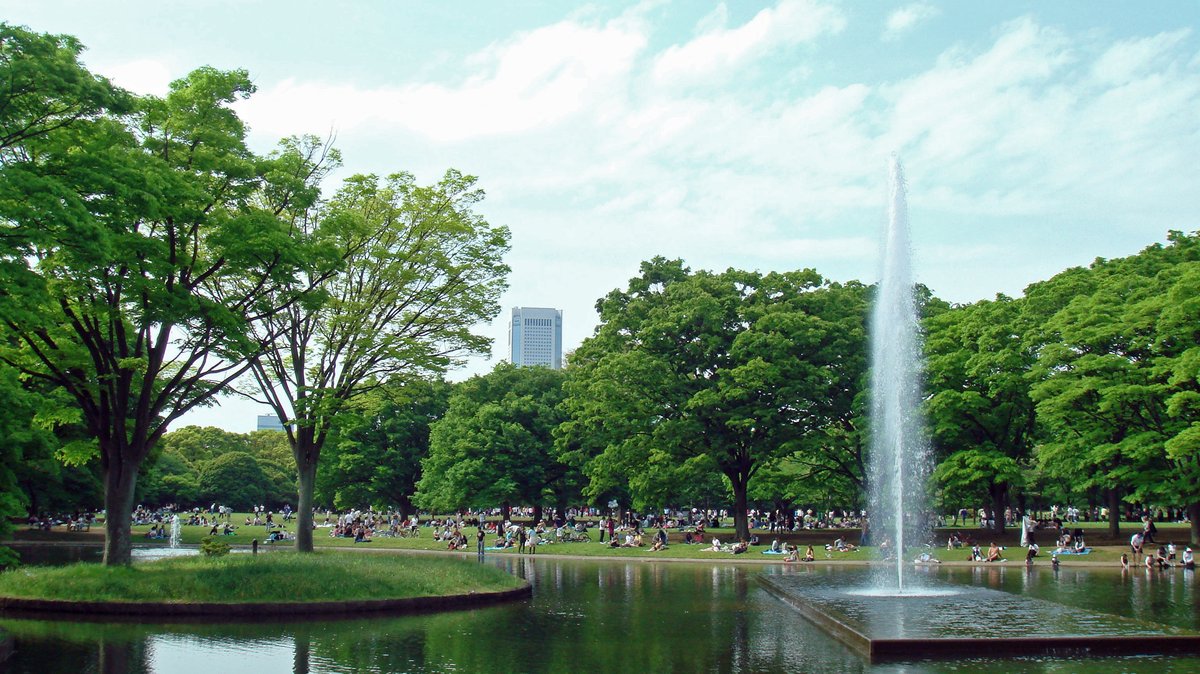
Shinjuku Gyoen National Garden
A blend of Japanese, English, and French landscape designs, famous for cherry blossoms in spring. Open 9:00 AM–4:30 PM, closed Mondays.
Sumida River Cruises
River cruises reveal Tokyo’s skyline and historical bridges. Evening cruises are popular during seasonal events (Go Tokyo).
Senkyaku Banrai Toyosu Manyo Club Onsen
A 24-hour onsen facility with panoramic city views and a variety of relaxation spaces (Locals in Japan).
Unique and Themed Experiences
Ghibli Museum
A whimsical museum dedicated to Studio Ghibli’s animation. Tickets must be bought in advance (Locals in Japan).
Harry Potter Studio Tour Tokyo
Explore authentic film sets and props; advance booking is mandatory (JW Web Magazine).
Shibuya Go Kart Experience
Drive go-karts in costume through Tokyo’s famous streets. Requires an international driver’s license.
Seasonal and Outdoor Activities
- Cherry Blossom Viewing (Hanami): Parks like Ueno and Shinjuku Gyoen are popular for hanami during late March to early April (Japan Guide).
- Day Trips: Nikko’s UNESCO shrines and Mt. Fuji are accessible as day trips (Locals in Japan).
Frequently Asked Questions (FAQ)
Q: What are the best times to visit Tokyo’s historical sites?
A: Spring (March–May) and autumn (September–November) offer ideal weather and seasonal events.
Q: Are tickets required for most sites?
A: Many temples and shrines are free; museums and special tours require tickets.
Q: Is Tokyo accessible for visitors with disabilities?
A: Most major attractions are wheelchair accessible; check individual sites for details.
Q: Can I join guided tours?
A: Yes, many sites offer guided tours in several languages; advance booking is recommended.
Q: How do I purchase tickets for popular attractions?
A: Many tickets can be purchased online or at the venue; advance booking is advised for high-demand sites like the Ghibli Museum.
Enhance Your Visit
- Visuals: Look for high-quality images and virtual tours on official websites.
- Interactive Maps: Use digital maps to plan routes and explore nearby attractions.
- Travel Apps: The Audiala app offers real-time updates, exclusive deals, and personalized itineraries.
Visiting Tokyo Tower: Complete Guide
Tokyo Tower, a 333-meter communications and observation structure, is a powerful symbol of Japan’s postwar recovery. Inspired by the Eiffel Tower, it’s a beloved icon and a highlight for any Tokyo itinerary (Tokyo Tower Official Site).
Visiting Hours & Tickets
- Main Observatory (150m): 9:00 AM–11:00 PM (last admission 10:30 PM)
- Top Deck (250m): 10:00 AM–9:00 PM (last admission 8:30 PM)
- Tickets: Adults ¥1,200; Top Deck extra ¥1,000. Discounts for children and seniors. Buy online or at the tower.
Getting There
- Train: Akabanebashi, Kamiyacho, and Onarimon Stations are nearby.
- Bus/Taxi: Multiple routes available.
- Accessibility: Fully wheelchair accessible.
Nearby Attractions
- Zojoji Temple: Historic site adjacent to the tower.
- Shiba Park: Ideal for relaxation and tower views.
Events and Tips
- Seasonal Illuminations: Check for special light-up events.
- Photography: Sunset and nighttime are best for photos.
- Food: Cafes and souvenir shops available inside.
Summary of Key Points About Visiting Tokyo Historical Sites
Tokyo’s journey from Edo to modern metropolis is reflected in its diverse historical sites, museums, and cultural events. By planning ahead, utilizing public transport, and respecting local customs, visitors can enjoy a seamless and enriching experience. Tokyo’s commitment to accessibility ensures that travellers of all abilities can participate in its vibrant culture (Japan Guide; Tourist Japan; Tokyo Metropolitan Government; Japan Guide; National Geographic; JW Web Magazine).
Listen to the full story in the app
The whole Q49583796,
told well.
Audio guides for 1,100+ cities across 96 countries. History, stories, and local insight — offline ready.
Verified, and shown.
Researched and written by the Audiala editorial team from historical records, architectural archives, and local expertise.
Researched from Wikidata, Wikipedia & official sources · fact-checked · How we make our guides →