Plan and listen to Port Of Tokyo with Audiala.
Audio guide in your pocket, itinerary in your browser. Built for the way you actually visit.
Introduction
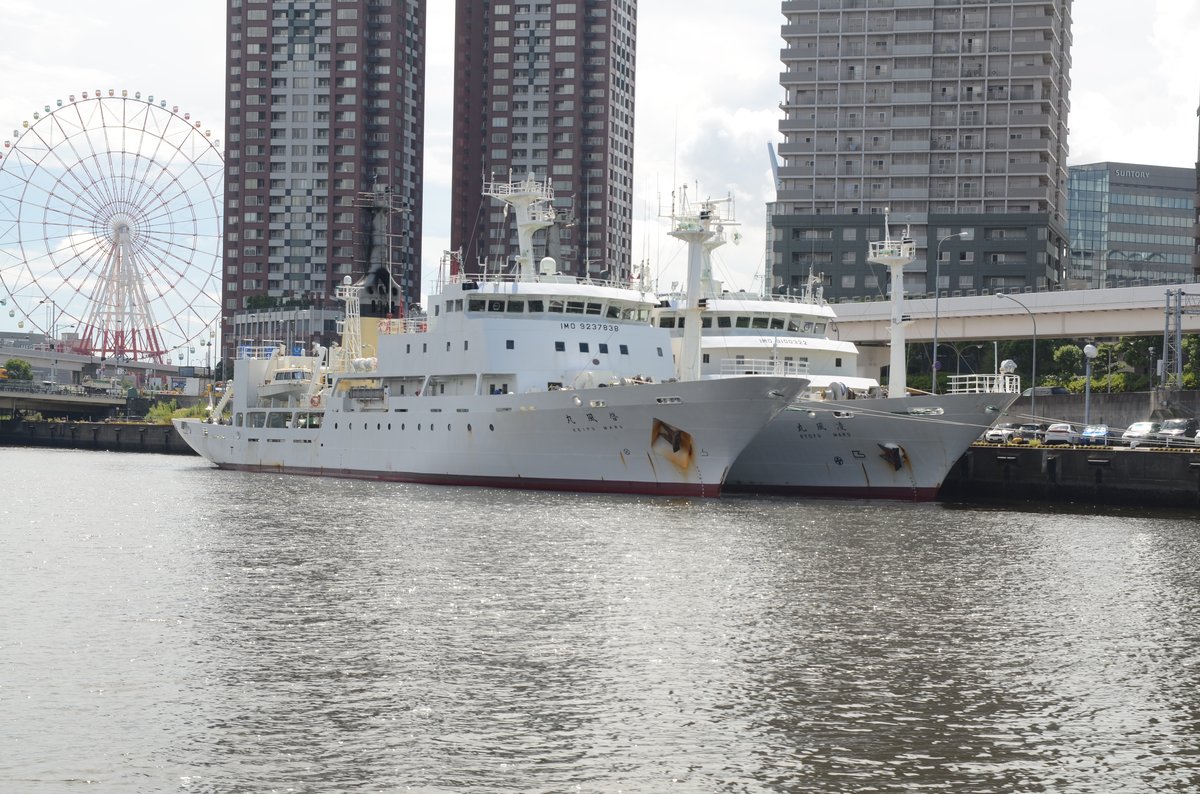
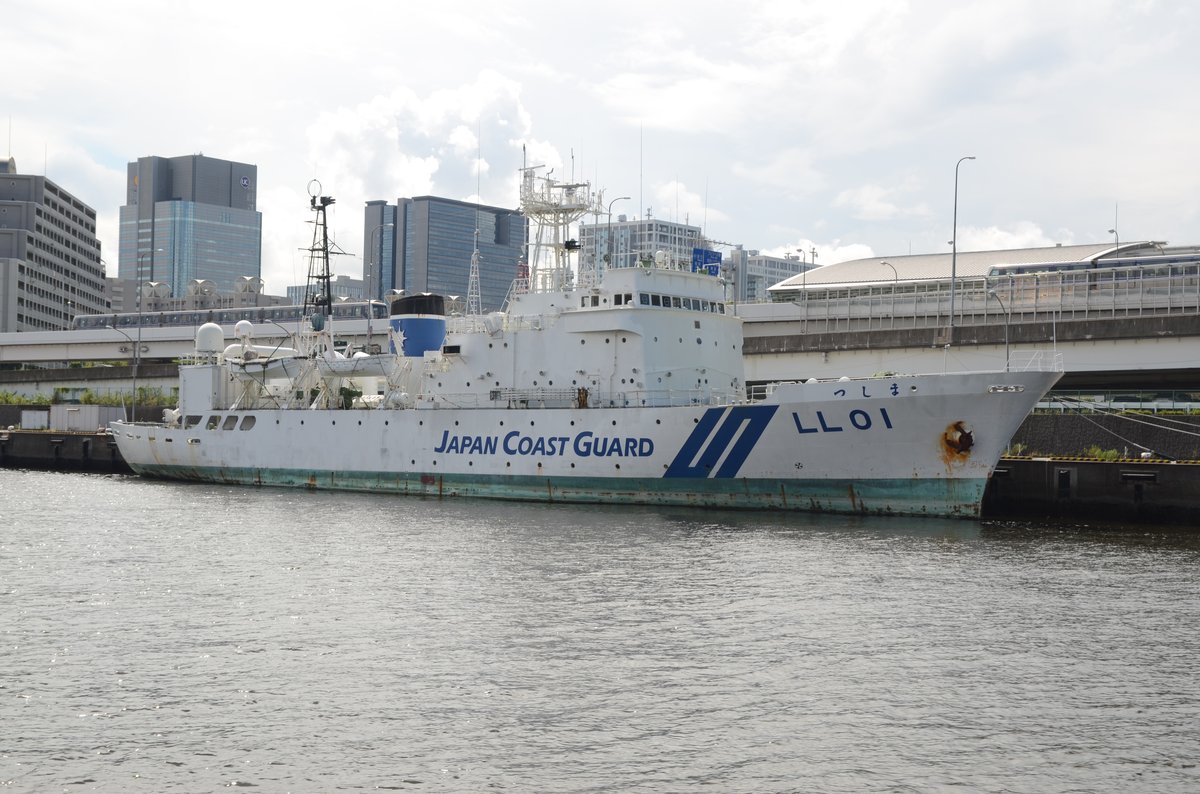
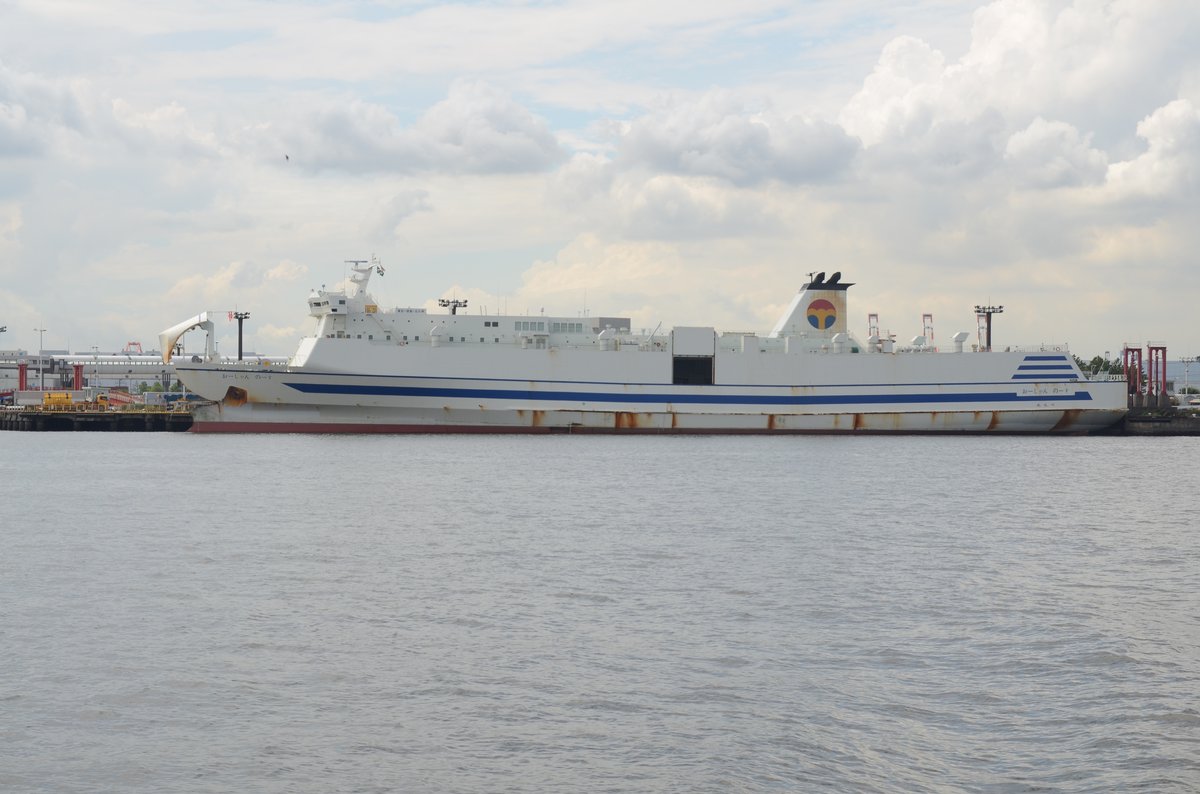
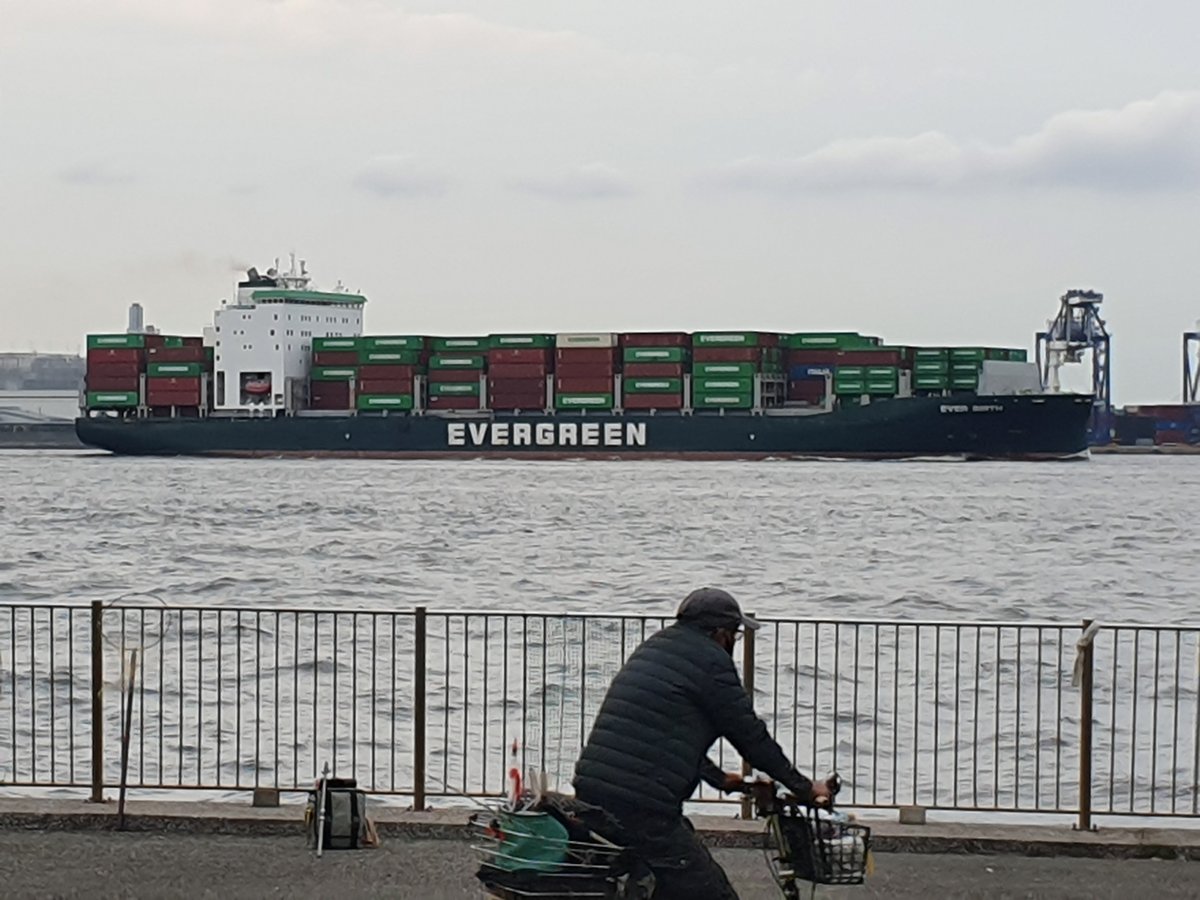
The Port of Tokyo is a dynamic gateway to Japan’s capital, seamlessly blending centuries of maritime history with cutting-edge modern infrastructure. Established during the Edo period as Edo Minato, it has evolved in step with Tokyo’s transformation—from a small fishing village to a sprawling metropolis and global economic powerhouse. Today, the port ranks among Japan’s largest and most advanced seaports, playing a pivotal role in international trade, urban development, and tourism. Spanning over 1,000 hectares, the Port of Tokyo is not only a logistical hub but also a rich cultural landmark, offering visitors insight into the city’s past, present, and future (Japan Experience, Marine Insight, Tokyo Odaiba Net, Go Tokyo).

Early Origins: From Edo Port to Modern Tokyo
The port’s roots date back to the Edo period, when it was known as Edo Minato. Edo (now Tokyo) grew rapidly under the Tokugawa Shogunate (1603–1868), and the port became essential for domestic distribution, supporting the shogunate’s economic activities. However, due to isolationist policies, international trade was restricted to other ports like Yokohama (Japan Experience, LiquiSearch). Land reclamation projects began during this era, laying the foundation for future urban and port development (Tokyo Odaiba Net).
Meiji Modernization and 20th Century Expansion
With the Meiji Restoration (1868), Tokyo and its port underwent major modernization as Japan opened to the world. Major infrastructure projects, such as the improvement of the Sumida River estuary and reclamation at Tsukishima and Shibaura, accelerated the port’s growth (LiquiSearch). The Great Kanto Earthquake of 1923 prompted significant reconstruction, leading to the opening of Hinode Terminal in 1925 and further expansion.
Opening to International Trade
On May 20, 1941, the Port of Tokyo officially opened for international trade. Its central location positioned it as a vital access point for global commerce, supporting both imports and exports across various industries (Japan Experience).
Postwar Growth and Containerization
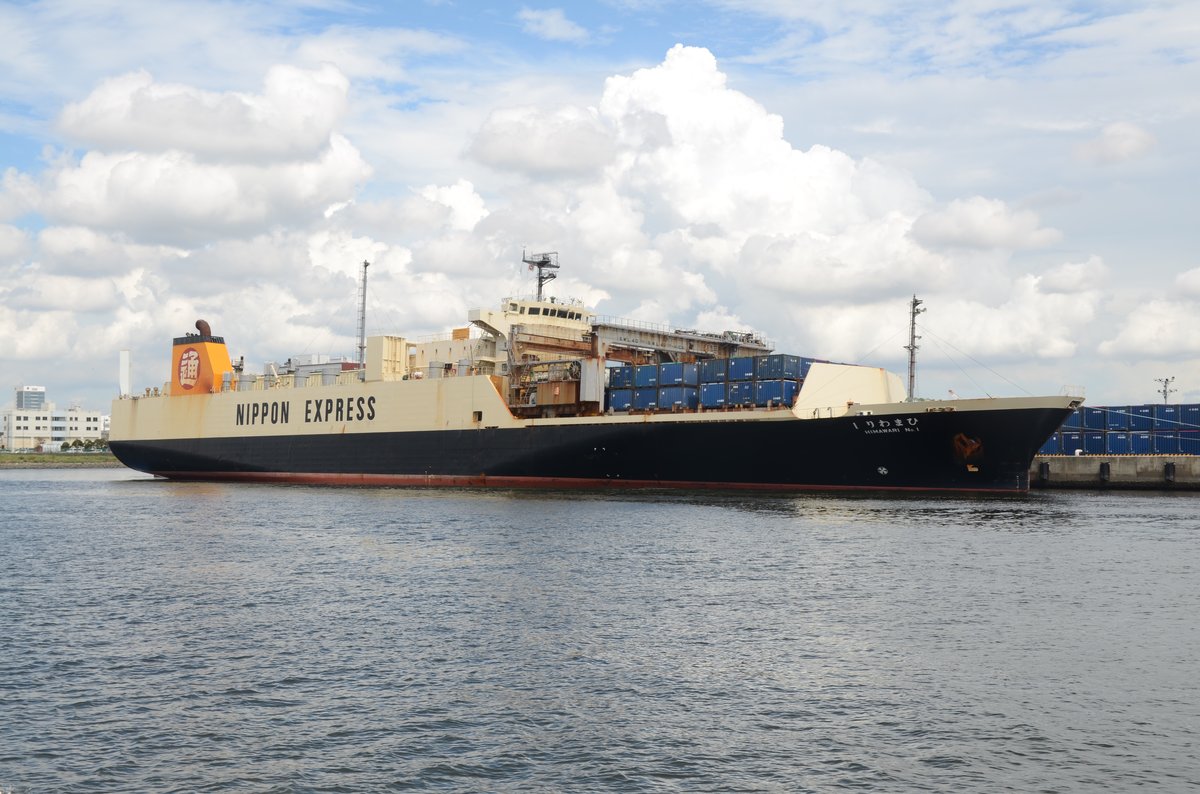
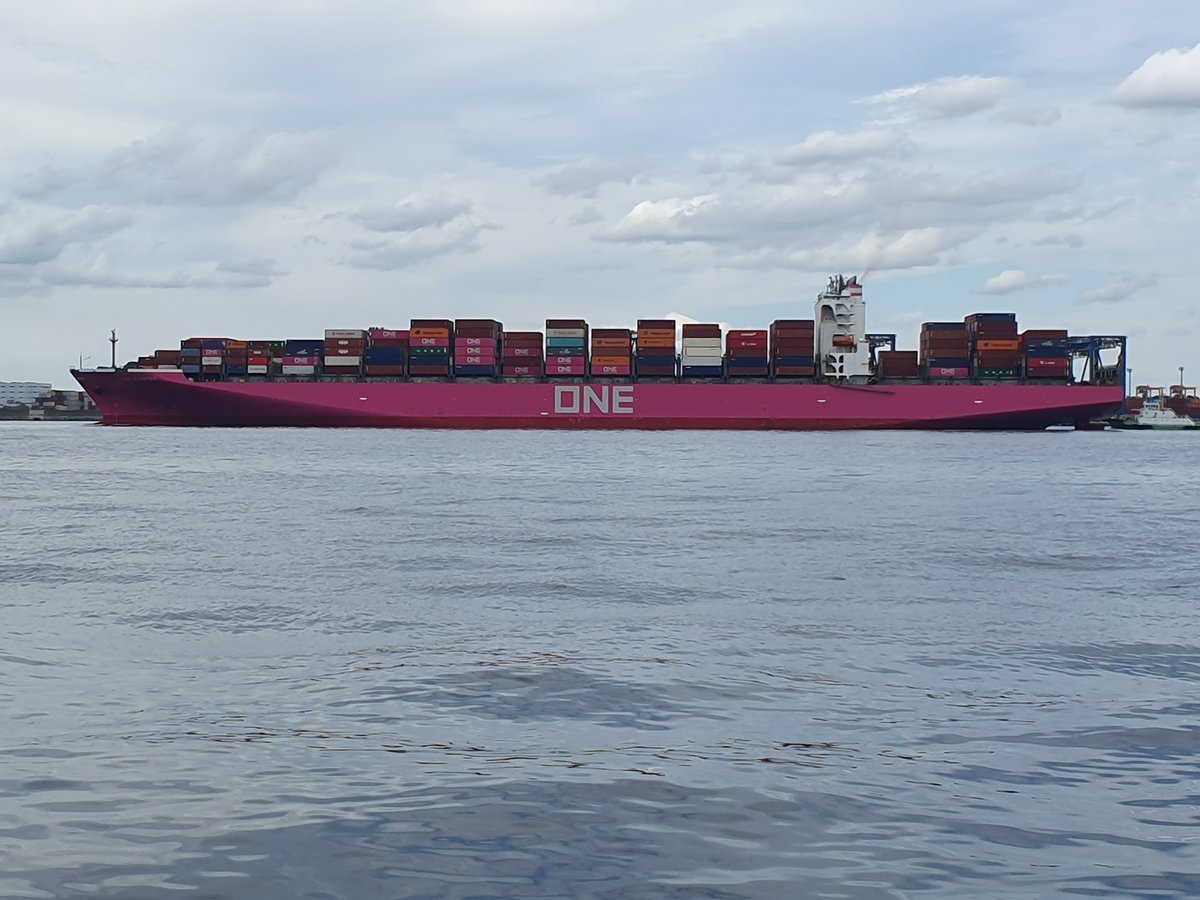
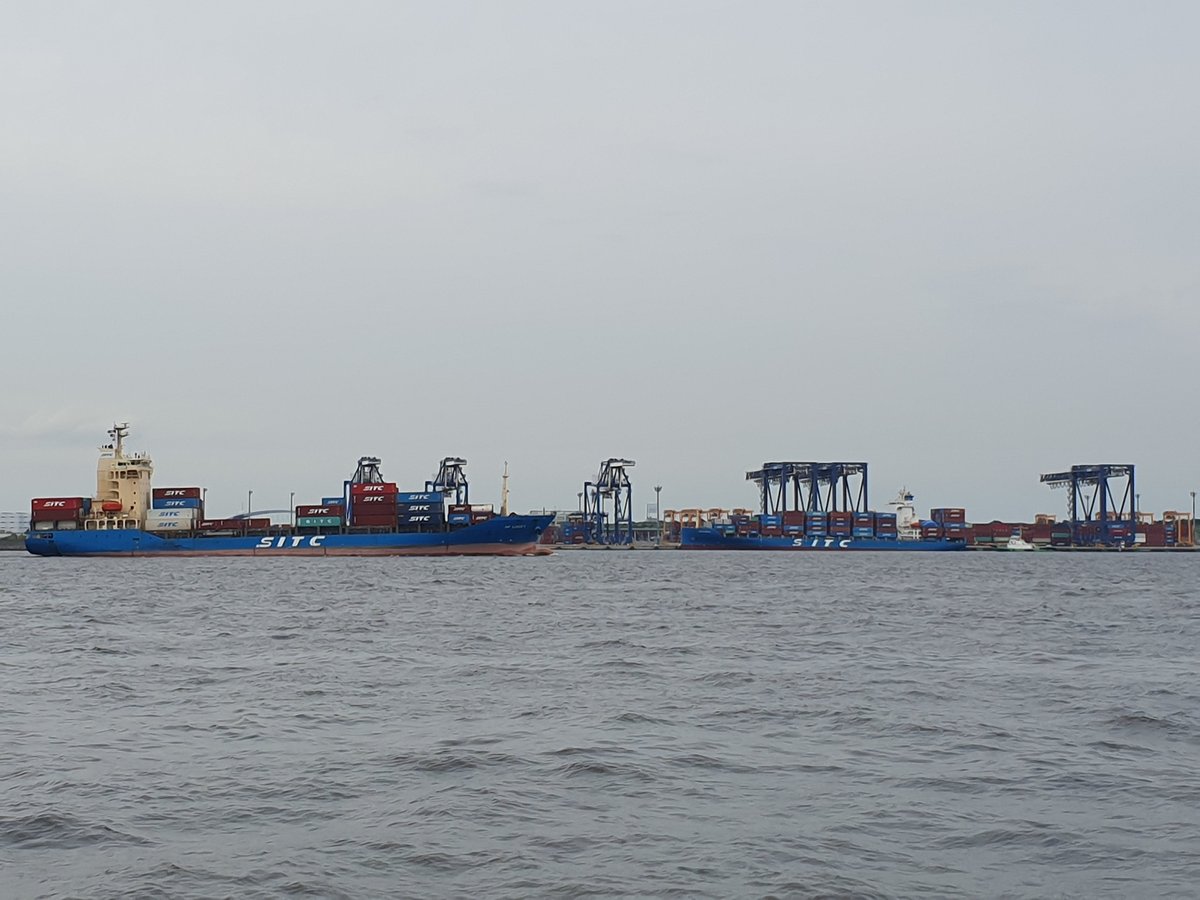
Post-World War II, the port was instrumental in Japan’s reconstruction, with new terminals like Toyosu and Harumi supporting industrial resurgence (LiquiSearch). The 1960s brought containerization—a major leap forward for global shipping. In 1967, Nippon Container Terminals, Ltd. became Japan’s first container terminal operator, and Tokyo handled its first container ship (Marine Insight).
Contemporary Role and Urban Redevelopment
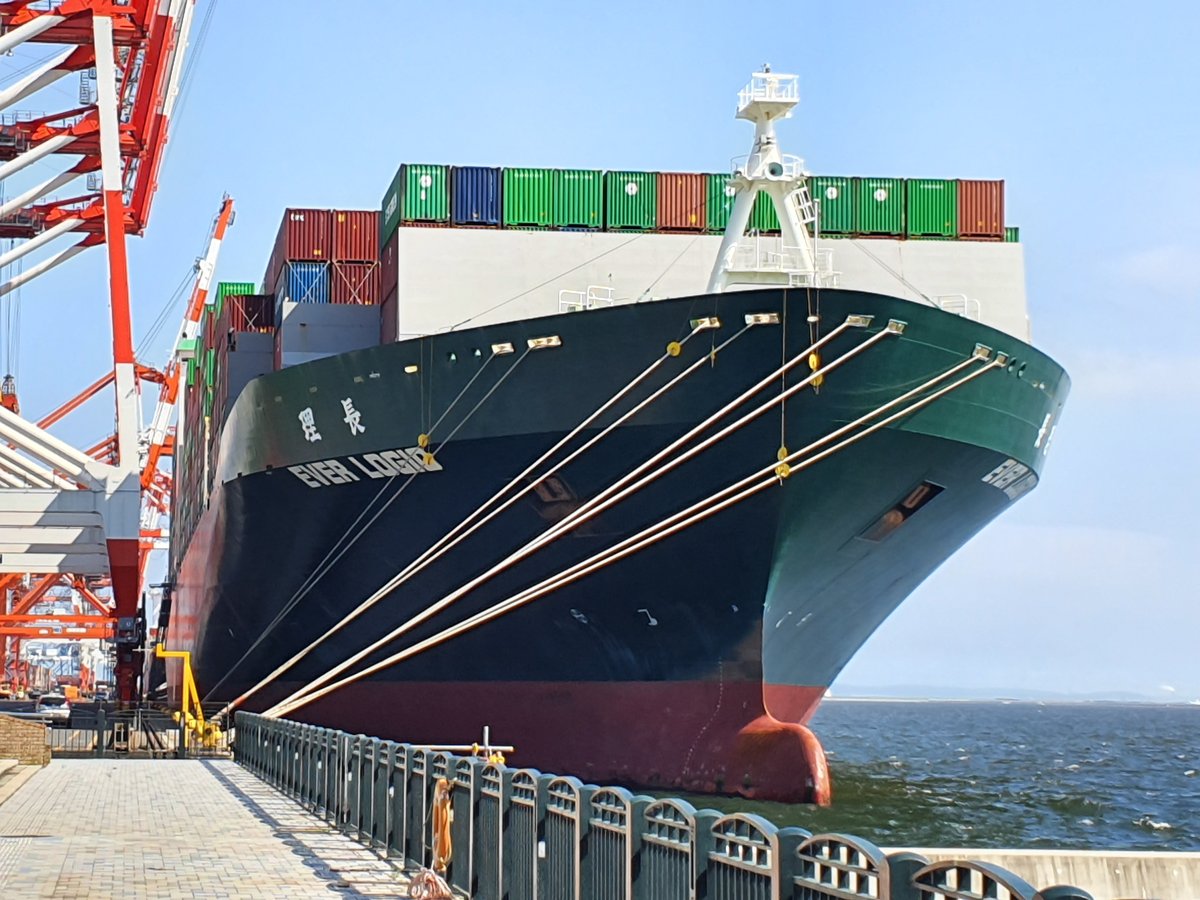
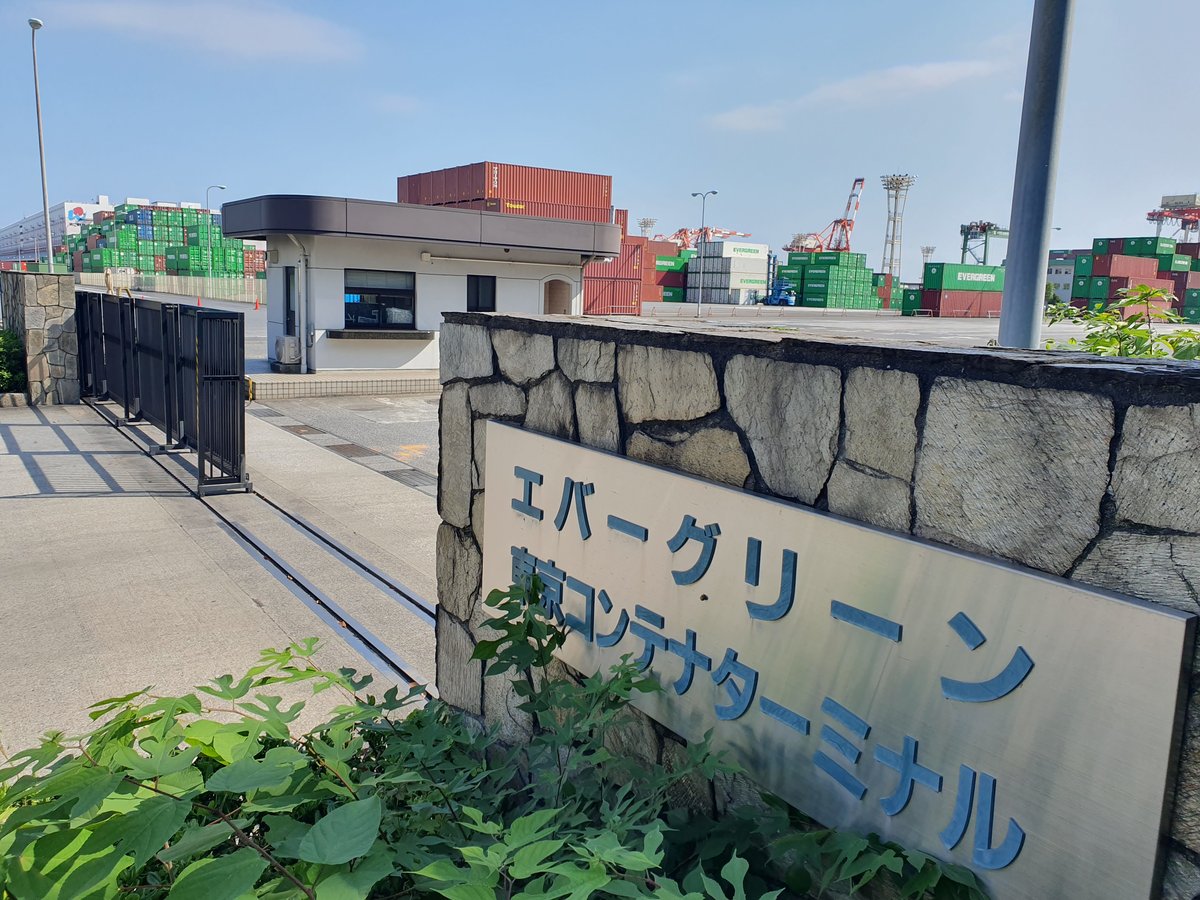
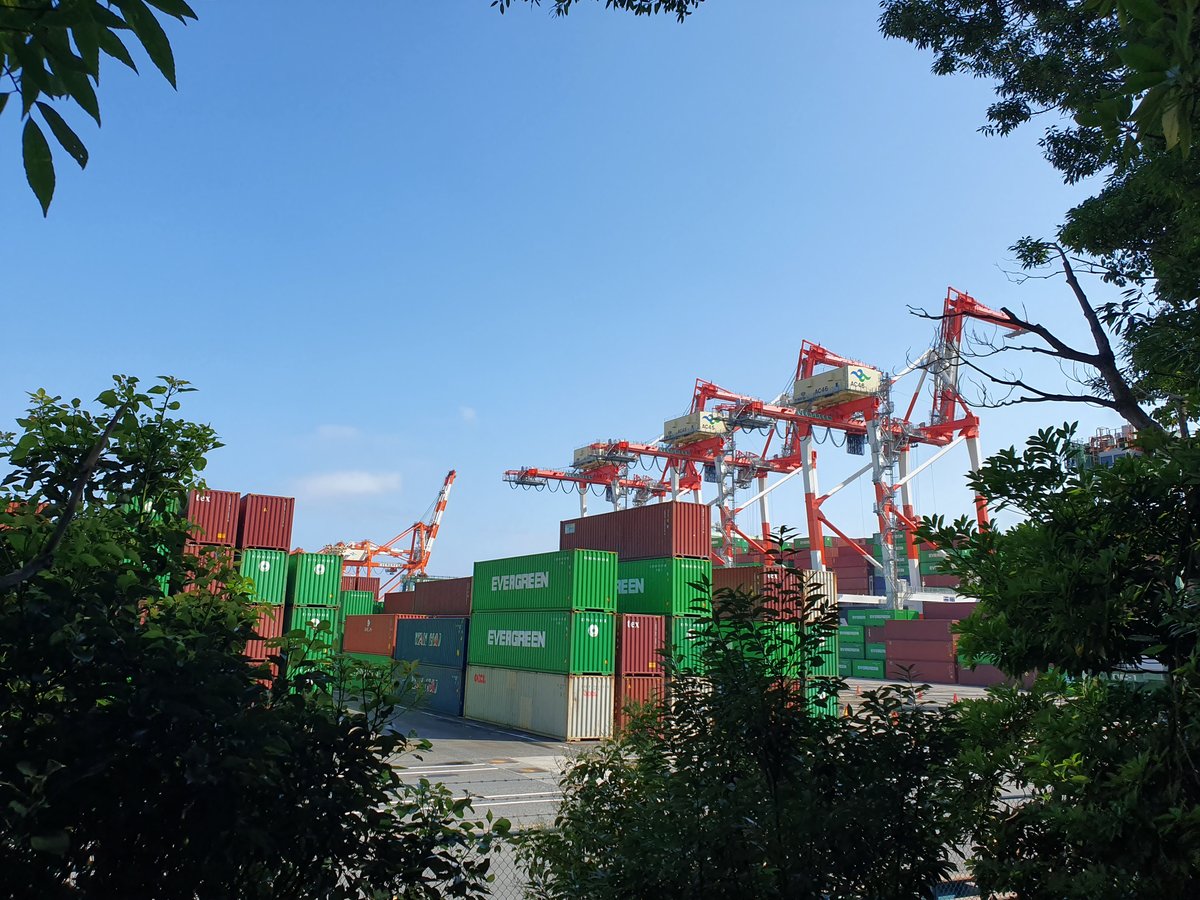
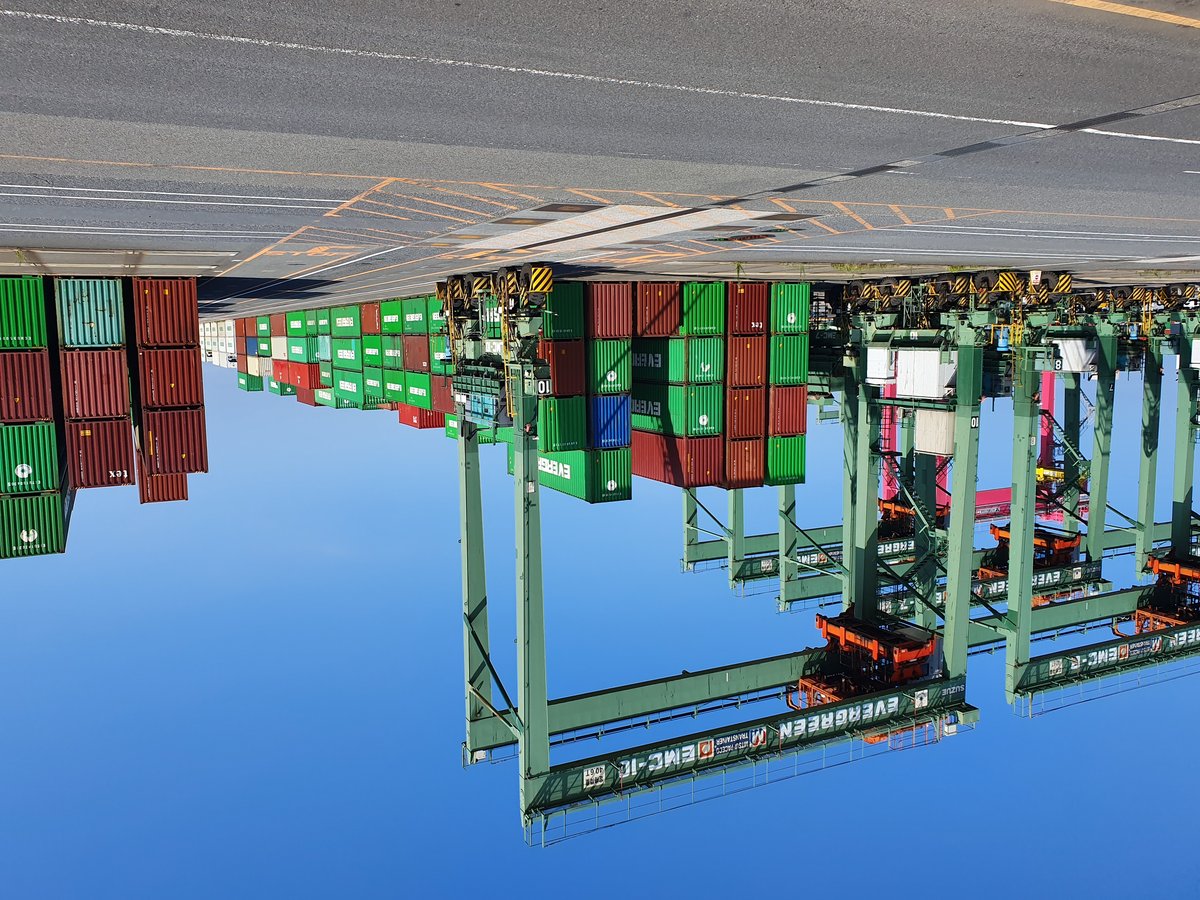
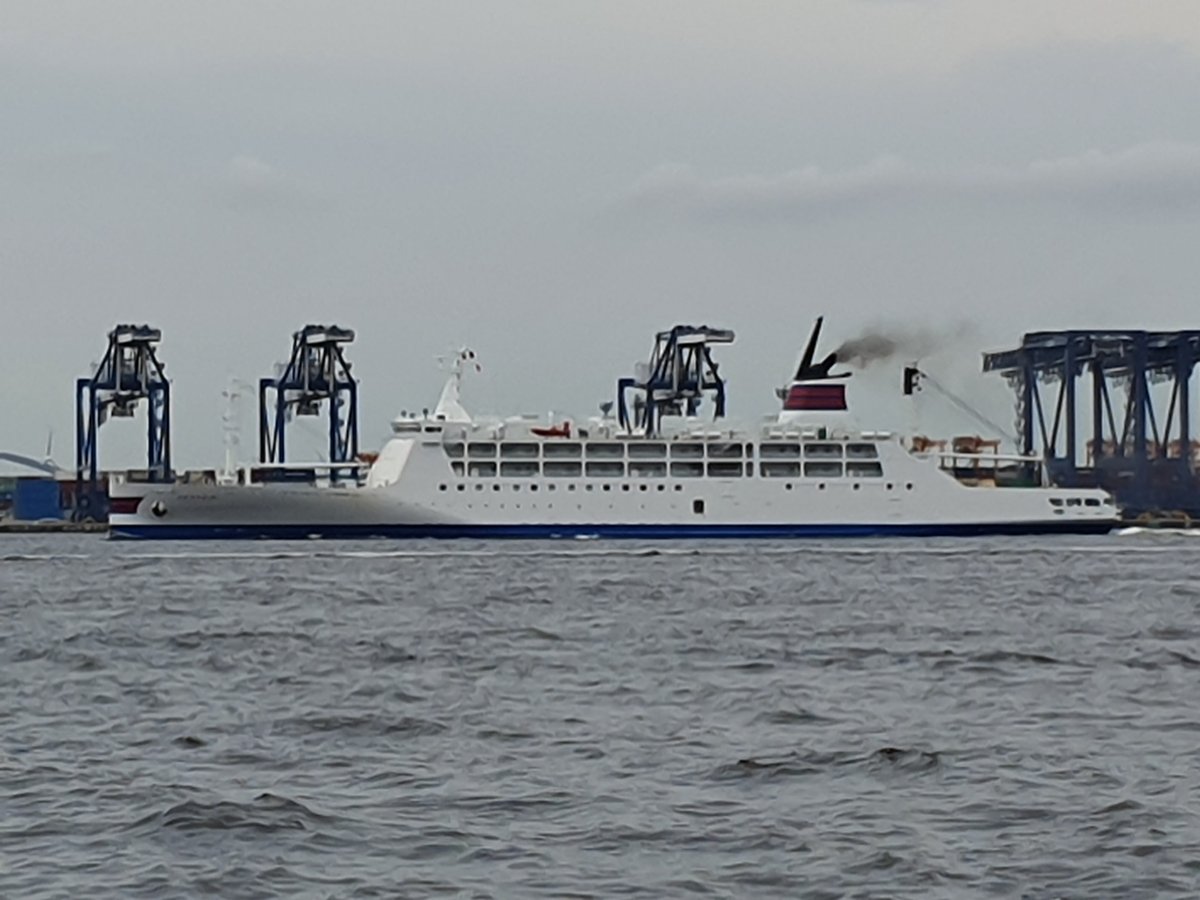
Today, the Port of Tokyo boasts 204 wharves and 15 container berths, serving as a key node in domestic and international supply chains (Marine Insight). Urban planning initiatives have transformed reclaimed land into lively districts such as Odaiba, while facilities like the Tokyo Port Museum showcase the port’s history and innovation (Tokyo Odaiba Net). The port is also a gateway for cruise tourism and hosts events that integrate it into Tokyo’s vibrant cultural scene.
Visiting the Port of Tokyo: Practical Information
Visiting Hours & Tickets
- Public Areas: Open year-round, generally from 9:00 AM to 5:00 PM.
- Tokyo Port Museum: Open 10:00 AM–6:00 PM (last entry 5:30 PM), closed Mondays and New Year holidays.
- Admission: Outdoor areas are free. Museum entry is about 300 yen for adults (discounts for students and seniors). Tickets are available on-site or online.
Accessibility
The port’s major facilities—including the Tokyo Port Museum and cruise terminals—are wheelchair accessible, with ramps, elevators, and accessible restrooms. Public transport and stations like Shimbashi and Takeshiba provide easy access.
Guided Tours & Special Events
- Guided tours are available during festivals and special events, offering insight into port operations and history. Check the Tokyo Port website or local tourism offices for current schedules.
- Annual events like the Tokyo Port Festival feature ship tours, fireworks, and cultural performances.
Nearby Attractions & Photography Spots
- Odaiba: Features shopping centers, entertainment, and the Rainbow Bridge.
- Harumi Area: Offers scenic cruises and access to the International Cruise Terminal.
- Photography: Best spots include the Rainbow Bridge, waterfront parks, and the Tokyo Port Museum for panoramic bay views.
Sustainability and Future Directions
The Port of Tokyo is at the forefront of sustainability, implementing decarbonization efforts, promoting electric vehicles, and adopting energy-efficient port technologies (Medium). These initiatives support Tokyo’s broader goals for carbon reduction and urban resilience. Community engagement and ongoing infrastructure upgrades ensure the port remains dynamic, accessible, and environmentally responsible (Tokyo Odaiba Net).
Key Milestones in Port of Tokyo History
- Edo Period: Domestic hub; first land reclamation projects.
- Meiji Era: Major modernization and expansion.
- 1923: Post-earthquake reconstruction, Hinode Terminal opens in 1925.
- 1941: Official opening to international trade (Japan Experience).
- Post-1945: Rapid reconstruction and industrial boom.
- 1967: Containerization and first container terminal.
- 1996: Odaiba Waterfront Subcenter Development Plan (Tokyo Odaiba Net).
- 2019: 2.46 million TEUs of containers handled (Marine Insight).
- 2020s: Focus on sustainability and urban redevelopment.
Frequently Asked Questions (FAQ)
Q: What are the Port of Tokyo visiting hours?
A: Generally 9:00 AM–5:00 PM for public areas; 10:00 AM–6:00 PM for the Tokyo Port Museum (closed Mondays).
Q: Are tickets required?
A: Outdoor areas are free. The museum charges about 300 yen (discounts available).
Q: How do I get there?
A: Via public transport—Yurikamome Line to Odaiba, JR/Subway lines to Takeshiba, or city buses.
Q: Is the port accessible?
A: Yes, with ramps, elevators, and accessible restrooms throughout major facilities.
Q: Are guided tours available?
A: Yes, mainly during special events and festivals. Check the official website for details.
Q: What nearby attractions should I visit?
A: Odaiba, Rainbow Bridge, Tokyo Port Museum, Harumi Cruise Terminal, and waterfront parks.
Tokyo International Cruise Terminal: Visitor Guide
Opened in 2020, the Tokyo International Cruise Terminal (TICT) is a landmark of modern design on Tokyo Bay, serving both international travelers and locals interested in maritime culture. Its wave-inspired architecture and extensive facilities make it a hub for cruise tourism and a highlight of Tokyo’s waterfront (Go Tokyo, CruiseMapper).
Facilities
- Observation Deck: Panoramic bay and city views, ideal for photography (Go Tokyo).
- Tourist Information Center: Multilingual staff, maps, and guidance.
- Shops & Restaurants: Wide range of dining and shopping options.
- Baby Care & Accessibility: Family-friendly amenities and full wheelchair access.
- Free Wi-Fi: Throughout the terminal (TravelPander).
Visiting Hours & Tickets
- General Access: Open during cruise arrivals/departures, typically early morning to late evening.
- Observation Deck: Public access during terminal hours.
- Admission: Free for all visitors; some tours and events may require tickets.
Getting There
- Yurikamome Line: Tokyo International Cruise Terminal Station is a short walk from the terminal.
- Airports: Haneda (25 min by bus/taxi), Narita (60–90 min by bus/taxi) (TravelPander).
- Public Transport: JR lines, city buses, and airport limousine buses serve the area.
- Parking: Available, but reservation recommended during peak cruise seasons.
Accessibility
The terminal is fully accessible, with ramps, elevators, accessible restrooms, and staff support. All signage is multilingual, and assistance is available at the Tourist Information Center.
Nearby Attractions
- Odaiba: DiverCity, Aqua City, teamLab Borderless, Odaiba Seaside Park (Go Tokyo).
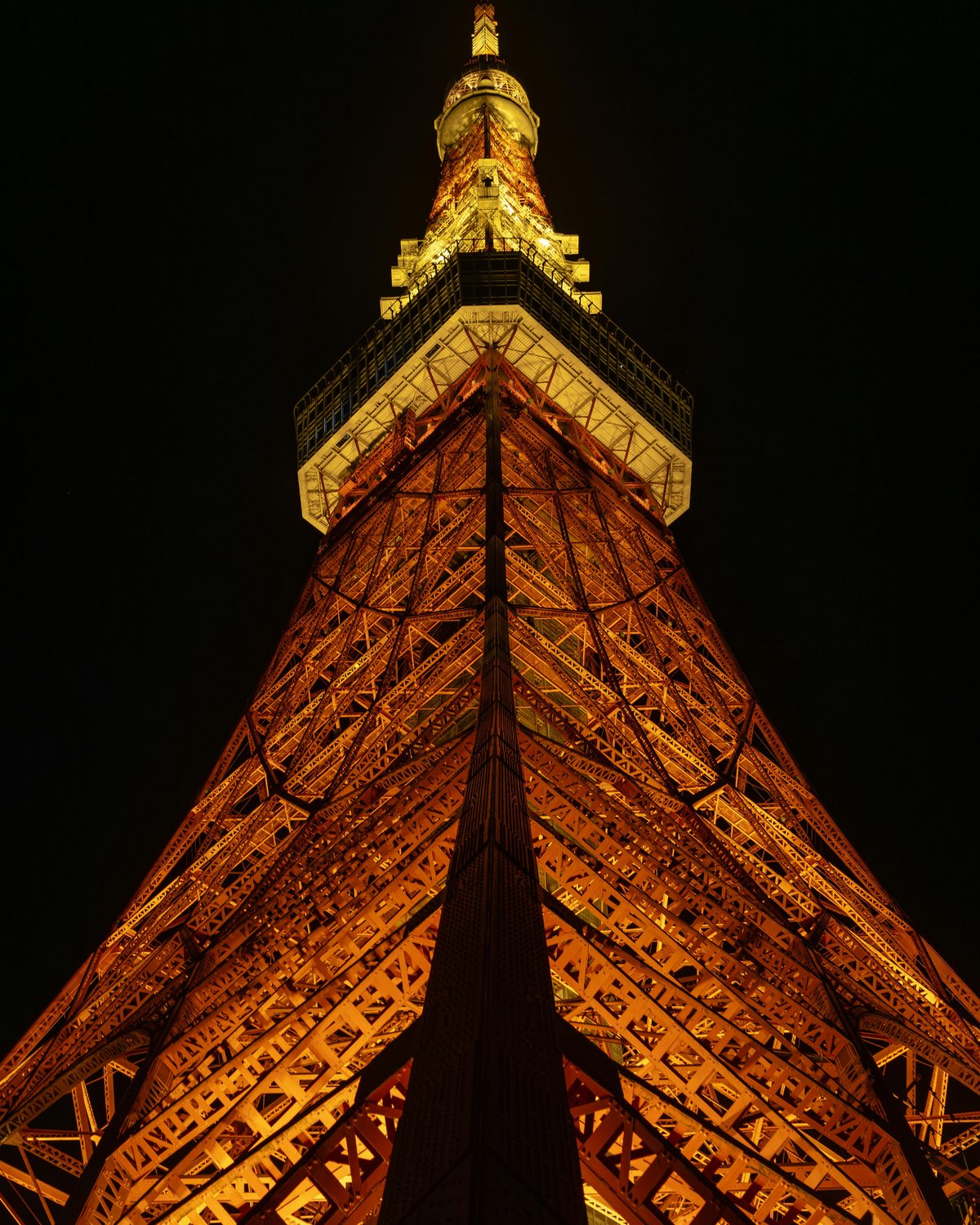
- Central Tokyo: Tokyo Tower, Ginza, Asakusa (Senso-ji Temple), Tsukiji Outer Market (CruisePorts.co).
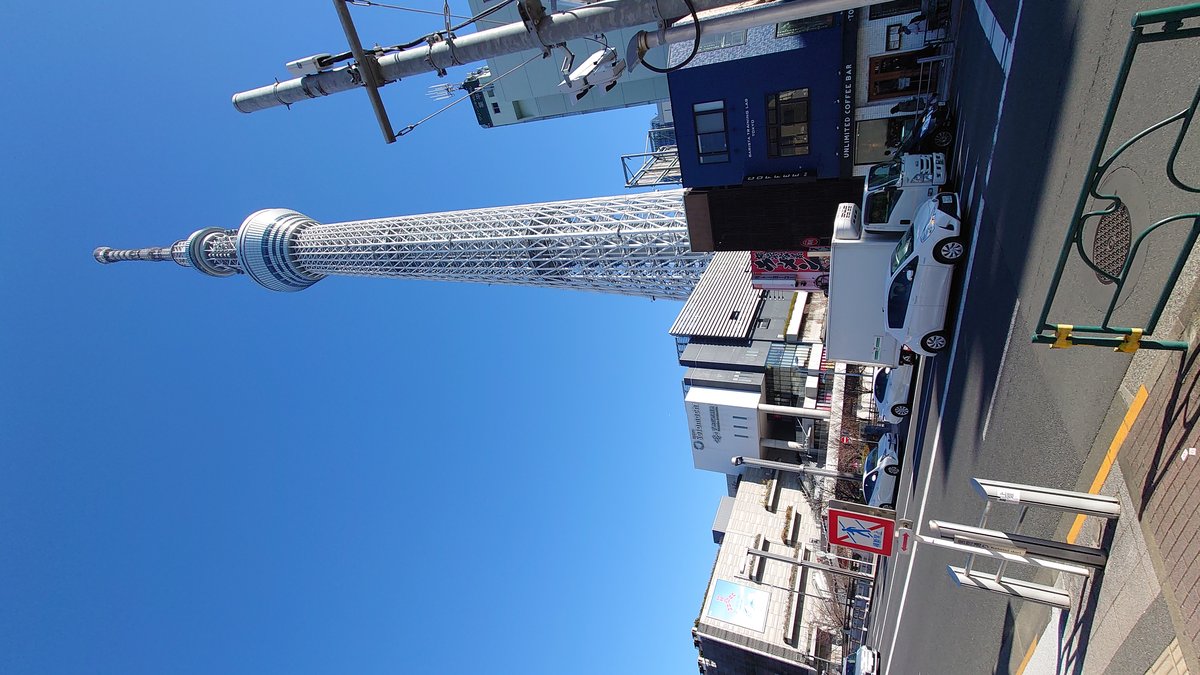
- Tokyo Skytree: Iconic tower with panoramic city views (Go Tokyo).
- Day Trips: Easy rail access to Nikko, Hakone, and Kamakura (MLIT).
Seasonal Tips and Travel Advice
- Weather: June is rainy, so bring a light jacket and umbrella (Magical Trip).
- Events: June features cultural festivals like Sanno Matsuri.
- Peak Times: Arrive early during embarkation/disembarkation for a smoother experience.
- Connectivity: Free Wi-Fi at the terminal and rental options for SIM cards/portable Wi-Fi at airports and stations.
Summary Table: Key Visitor Experience Facts
| Feature | Details |
|---|---|
| Closest Airport | Haneda (25 min), Narita (60–90 min) |
| Public Transport | Yurikamome Line, JR lines, city buses, airport buses |
| Terminal Facilities | Observation deck, info center, shops, restaurants, Wi-Fi |
| Accessibility | Ramps, elevators, accessible restrooms |
| Luggage Services | Porters, luggage carts, courier service |
| Nearby Attractions | Odaiba, Tokyo Tower, Asakusa, Ginza, Tokyo Skytree |
| Accommodation | Luxury/business hotels, hostels, ryokan |
| Seasonal Advice | Rainy in June, check events, arrive early at terminals |
| Passenger Volume | 300,000+ cruise passengers annually |
Listen to the full story in the app
The whole Port Of Tokyo,
told well.
Audio guides for 1,100+ cities across 96 countries. History, stories, and local insight — offline ready.
Verified, and shown.
Researched and written by the Audiala editorial team from historical records, architectural archives, and local expertise.
Researched from Wikidata, Wikipedia & official sources · fact-checked · How we make our guides →