Introduction
The Panasonic Globe Theatre is a cultural landmark in Tokyo, celebrated for merging the timeless drama of Shakespeare with Japan’s vibrant theatrical traditions. Opened in 1988 through a collaboration between the Shiki Theatre Company and Panasonic Corporation, the theatre serves as a bridge between East and West, providing audiences with world-class performances in an environment that both honors and updates the original Globe Theatre in London. This guide covers everything you need to know about visiting the Panasonic Globe Theatre: its history, architecture, visiting hours, ticketing, accessibility, top travel tips, and nearby attractions. For further updates, refer to official and trusted travel sources (Britannica, Go Tokyo, Tokyo Park).
Theatre History and Cultural Significance
Origins and Development
The Panasonic Globe Theatre was conceived as a tribute to Shakespeare and the Elizabethan playhouse tradition, responding to a renewed fascination with Shakespearean drama in Japan. Opened in 1988, the theatre became Japan’s first performance venue dedicated to Shakespeare and classic Western plays. Its establishment contributed to deepening cross-cultural dialogue and expanding the reach of Shakespearean drama in the Japanese context.
Since its opening, the theatre has hosted both local and international productions, welcoming the Royal Shakespeare Company and other prestigious groups. Its programming includes not only Shakespearean classics but also innovative reinterpretations, Japanese theatre styles, and educational initiatives that nurture the next generation of performers and audiences (Go Tokyo).
Architectural Design and Facilities
Exterior and Auditorium
Designed by architect Isozaki Arata, the Panasonic Globe Theatre pays homage to the original Globe Theatre, with a polygonal, near-circular structure and three tiers of galleries surrounding a thrust stage. The design creates an intimate connection between actors and audience, reminiscent of Elizabethan theatres, but with modern comforts such as cushioned seats and advanced acoustics.
Stage & Technology
The thrust stage projects into the audience, allowing for immersive performances. Modern lighting, sound systems, and backstage facilities enable the theatre to accommodate traditional plays as well as multimedia productions.
Accessibility and Amenities
The theatre is fully accessible, with elevators, ramps, and reserved seating for guests with disabilities. Facilities include restrooms on every floor, a cloakroom, a café, and a theatre shop selling souvenirs. For detailed information about the theatre’s design and visitor experience, see (Britannica, Tokyo Park).
Visitor Information: Hours, Tickets, Accessibility
Visiting Hours and Location
- Address: 4-1-2 Sendagaya, Shibuya-ku, Tokyo, near Shinjuku and Shibuya districts
- Regular Hours: 10:00 AM – 7:00 PM on performance days; hours may vary on non-performance days or holidays. Always check the official website for current schedules.
- Box Office: Opens 1 hour before performances and closes 30 minutes after curtain time.
How to Get There
The theatre is easily accessible via:
- Shinjuku Station: 15–20 min walk or short taxi ride
- Sendagaya Station (JR Chuo-Sobu Line): ~10 min walk
- Kokuritsu-Kyogijo Station (Toei Oedo Line): ~10 min walk
Ticket Information
- Purchase: Online via the official site or major Japanese ticketing platforms.
- Pricing: Typically ¥4,000–¥12,000, depending on performance and seating.
- Discounts: Available for students, seniors, and groups.
- Language: Many performances offer English surtitles or are performed in English.
Accessibility
- Wheelchair Access: Elevators, ramps, and designated seating available.
- Assistive Devices: Listening devices upon request.
- Staff Support: Assistance is available for guests with special needs.
Travel Tips and Nearby Attractions
Top Sights Near the Theatre
- Shibuya Crossing & Hachiko Statue: World-famous intersection and historic monument (Japan Wonder Travel).
- Meiji Jingu Shrine: Tranquil forested shrine, 15 min by train (Japan Wonder Travel).
- Harajuku & Takeshita Street: Epicenter of youth culture and fashion.
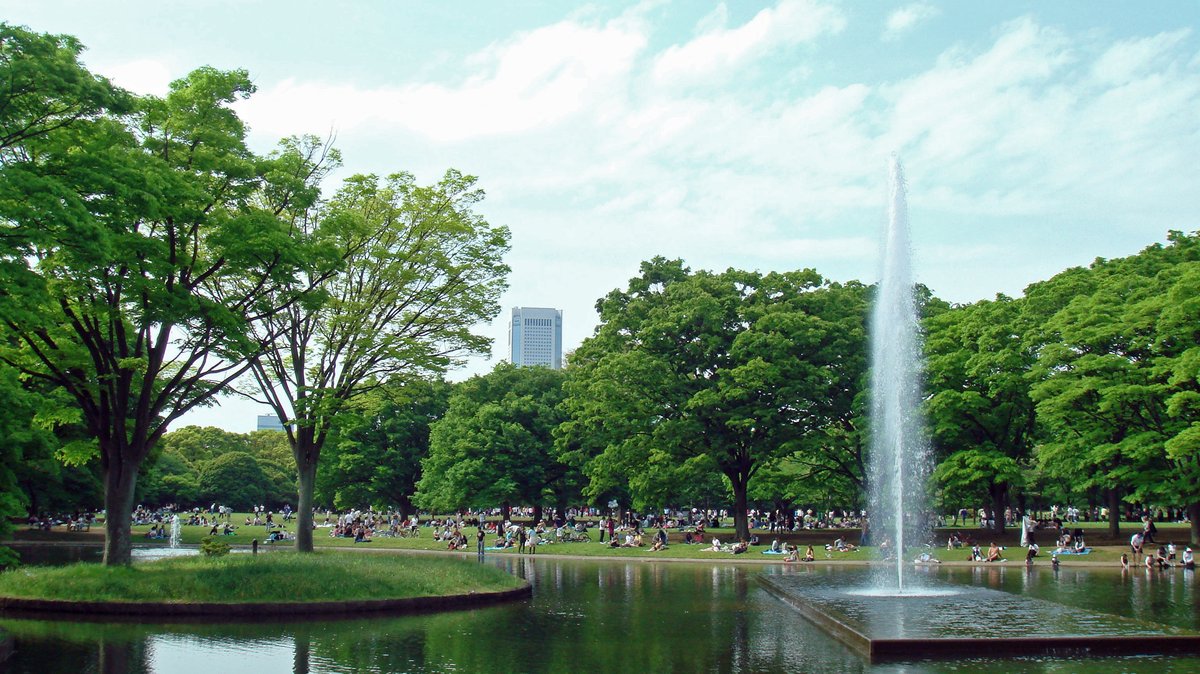
- Yoyogi Park: Expansive city park with seasonal events.
- Shinjuku Gyoen National Garden: Beautiful landscaped gardens, ideal for cherry blossom viewing (Japan Wonder Travel).
- Imperial Palace East Gardens: Free to enter, featuring historic ruins and flower displays.
- TeamLab Planets & Borderless: Immersive digital art experiences.
- Nakameguro & Meguro River: Scenic riverside, especially during cherry blossom season (Mai-Ko).
Practical Travel Tips
- Transportation: Use public transit—parking is limited in central Tokyo.
- Luggage Storage: Available at hotels and train stations.
- Dining: Shibuya and Shinjuku offer a range of Japanese and international cuisine.
- Language: English signage is common, but basic Japanese phrases are helpful.
Accommodation Options
Luxury
- Palace Hotel Tokyo: 5-star, adjacent to Imperial Palace (Solo Travel Hotels).
- Andaz Tokyo Toranomon Hills: Rooftop views, spa, and luxury amenities (Solo Travel Hotels).
- Hotel Gajoen Tokyo: Traditional style with modern comfort (Solo Travel Hotels).
Mid-Range & Boutique
- DDD HOTEL, NOHGA HOTEL AKIHABARA TOKYO, ONE@Tokyo: Modern, well-located, and stylish (Solo Travel Hotels).
Unique and Budget
- ONSEN RYOKAN YUEN SHINJUKU: Traditional hot spring experience.
- LANDABOUT TOKYO, Hamacho Hotel Tokyo: Affordable and comfortable choices (Solo Travel Hotels).
Frequently Asked Questions (FAQ)
Q: What are the official visiting hours?
A: 10:00 AM–7:00 PM on performance days; check the official site for updates.
Q: How can I buy tickets?
A: Online in advance via the official website or at the box office.
Q: Is the theatre accessible?
A: Yes, it offers full accessibility and support for guests with disabilities.
Q: Are there English-language performances?
A: Many shows have English surtitles or are performed in English.
Q: Can I bring children?
A: Family-friendly shows are available; check age restrictions when booking.
Q: Is photography allowed?
A: Only in lobby and exterior areas—no photos or recordings during performances.
Visuals and Media
Include high-quality images and videos of the theatre’s exterior and interior. Use descriptive alt tags such as "Panasonic Globe Theatre facade at dusk" and "Interior stage view of Panasonic Globe Theatre" to improve SEO and accessibility.
Discover More
The Panasonic Globe Theatre is a premier Tokyo destination for theatre lovers and cultural explorers. Its unique blend of historical homage, modern amenities, and diverse programming ensures a memorable visit. With convenient access to some of Tokyo’s top historical and cultural sites, a visit to the theatre can be the highlight of your trip.
For up-to-date information, download the Audiala app, follow the theatre’s official social media channels, and check the Panasonic Globe Theatre website for showtimes and ticket availability.
Listen to the full story in the app
Your Personal Curator, in Your Pocket.
Audio guides for 1,100+ cities across 96 countries. History, stories, and local insight — offline ready.
Audiala App
Available on iOS & Android
Join 50k+ Curators
Sources
- verified
- verified
- verified
- verified
- verified
- verified
- verified
Last reviewed: