Plan and listen to Naval War College with Audiala.
Audio guide in your pocket, itinerary in your browser. Built for the way you actually visit.
Introduction
The Naval War College in Tokyo, historically known as Kaigun Daigakkō, stands as a cornerstone in Japan’s naval and military legacy. Founded in 1888, it was instrumental in training officers and shaping Japan’s maritime power during pivotal periods such as the Meiji era, the Russo-Japanese War, and World War II. Though the original college buildings have been lost to time—due first to the Great Kantō earthquake and later to redevelopment—the institution’s enduring influence can be explored through museums, archives, and commemorative sites across Tokyo and beyond.
This comprehensive guide provides detailed information for visitors eager to discover the Naval War College’s historical context, practical visiting tips, ticketing details, accessibility, and related attractions. Whether you are a history enthusiast, researcher, or curious traveler, use this guide to navigate Tokyo’s naval heritage and plan a meaningful visit.
For archival research, the Naval War College’s collections are preserved at the National Institute for Defense Studies (NIDS) in central Tokyo and the Japan Coast Guard Academy in Kure, Hiroshima Prefecture. Though the original sites in Tsukiji and Kamiōsaki no longer exist, curated exhibitions, museum ships, and memorials throughout Tokyo allow visitors to immerse themselves in Japan’s maritime history.

Why Visit the Naval War College and Related Sites in Tokyo?
The Naval War College was central to Japan’s emergence as a major naval power. While the original college no longer stands, Tokyo remains rich in naval history through its museums, archives, and memorials. Visitors can explore authentic artifacts, educational exhibits, and research resources that tell the story of Japan’s modernization and military development.
Historical Evolution and Mission
The Naval War College was established in 1888 to train officers for the Imperial Japanese Navy, evolving alongside Japan’s defense policies and strategies. After the original Tsukiji facilities were destroyed in 1923, the college relocated to Kamiōsaki, Shinagawa, operating until its closure in 1945 (Naval War College Wikipedia). Today, its historic archives and academic mission continue at NIDS, serving as a premier center for military research and education (NIDS Military History).
Visiting the Naval Museum and Related Maritime Museums
Location, Hours & Tickets
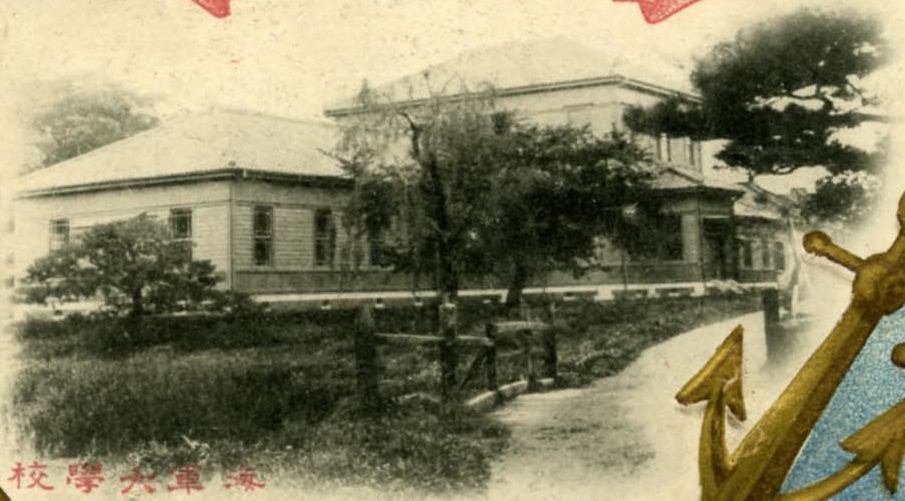
- Original Naval Museum: Historically located within the Naval University building in Tsukiji, Tokyo. The original site no longer exists, but naval history exhibitions are available at modern institutions such as the Yamato Museum and the JMSDF Kure Museum.
- Hours: Check individual museum websites for current hours; most are open daily except Mondays and national holidays.
- Tickets: Admission fees vary, ranging from free to modest charges. For example, the Yamato Museum charges a small entry fee.
- Accessibility: Most museums are wheelchair accessible and offer visitor services; confirm specific needs in advance.
- Guided Tours: Some museums provide guided tours and special exhibitions on naval history and technology.
Highlights and Exhibits
- Authentic ship models and naval artifacts
- Paintings, such as those depicting Admiral Heihachirō Tōgō at the Battle of Tsushima
- Relief maps and dioramas of significant naval battles
For more on the original museum and naval heritage, see Old Tokyo: The Naval Museum, Tsukiji, Tokyo c.1910.
The Naval War College Archive at the National Institute for Defense Studies (NIDS)
Visiting Hours and Admission
- Open: Monday–Friday, 9:00 AM–5:00 PM (closed on weekends and national holidays)
- Admission: Free of charge; prior appointment recommended for researchers and groups
- Location: Central Tokyo, near Kudanshita and Jimbocho stations
- Accessibility: Wheelchair accessible, with staff support available
The Former Naval War College Site in Kamiōsaki
Historical Location and Transformation
After the 1923 earthquake, the Naval War College moved to Kamiōsaki, Shinagawa. The college operated here until 1945, after which the site became government property and was later redeveloped for the National Institute of Infectious Diseases (NIID official site). The last remaining buildings were demolished in 1999.
Access and Visitor Information
- Address: Kamiōsaki, Shinagawa City, Tokyo 141-0021
- Nearest Station: Meguro Station (JR Yamanote Line and various subway lines)
- Public Access: None. The grounds are restricted and no monuments or plaques commemorate the college.
- Ticketing: Not applicable; the site is not open to the public.
What Remains
No original buildings or interpretive signage remain. The only tangible legacy is the college’s library collection (around 8,000 volumes) now housed at the Japan Coast Guard Academy in Kure, accessible to researchers by appointment.
Exploring Tokyo’s Military Heritage: Museums and Memorials
Yushukan War Memorial Museum
Located at Yasukuni Shrine, the Yushukan Museum offers comprehensive exhibits on Japan’s military history, including naval artifacts and displays on the War College’s prominent alumni.
- Hours: 9:00 AM–4:30 PM
- Admission: Free (donations welcome)
- Access: Kudanshita Station
Mikasa Museum Ship
The Mikasa Museum Ship, preserved in Yokosuka, is the only surviving pre-dreadnought battleship and was Admiral Tōgō’s flagship at the Battle of Tsushima.
- Hours: 9:00 AM–5:00 PM
- Admission: Adults ¥700
- Access: JR Yokosuka Line to Yokosuka Station
Tokyo National Museum
Provides context on Japan’s modernization and the cultural backdrop of naval development.
- Hours: 9:30 AM–5:00 PM (Fridays until 9:00 PM)
- Admission: Adults ¥1,000
- Access: Ueno Station
Practical Travel Tips
- Getting There: Use Tokyo Metro and JR train lines for easy access to all sites.
- Best Time to Visit: Weekdays and mornings are less crowded; spring and autumn are recommended for pleasant weather.
- Language: Some exhibits are in Japanese; audio guides or English materials are available at major museums.
- Accessibility: Museums typically support accessibility needs—confirm in advance if necessary.
Guided Tours, Special Events, and Educational Programs
Several tour operators offer military history walking tours, covering Yasukuni Shrine, Yushukan Museum, and related sites for deeper learning. NIDS and other institutions occasionally host public lectures and special exhibitions. For updates, check official museum and archive websites.
Frequently Asked Questions (FAQ)
Q: Is the original Naval War College site open to the public?
A: No, the Kamiōsaki site is now government property and not accessible.
Q: Where can I access the Naval War College’s archives?
A: At the National Institute for Defense Studies in Tokyo and the Japan Coast Guard Academy in Kure.
Q: Are there guided tours available?
A: Some museums offer tours; check their official websites for details.
Q: Is admission free?
A: NIDS and some museums (like Yushukan) are free; others may charge a fee.
Q: Can I view original artifacts from the War College?
A: Artifacts and documents are preserved in archives and select museums; the Japan Coast Guard Academy library is accessible to researchers by appointment.
Summary and Recommendations
Although the original Naval War College buildings are gone, the institution’s legacy thrives through Tokyo’s museums, archives, and memorials. Plan your visit around the opening hours of major sites, use guided tours for added context, and consult digital archives for in-depth research. For a broader perspective, include visits to the Yamato Museum in Kure and other maritime museums outside Tokyo.
For up-to-date information, download the Audiala app and follow official museum channels. Through thoughtful exploration, you can appreciate the profound influence of the Naval War College on Japan’s naval identity and national security policy (NIDS Research and Military History; Yamato Museum; Yushukan Museum).
Listen to the full story in the app
The whole Naval War College,
told well.
Audio guides for 1,100+ cities across 96 countries. History, stories, and local insight — offline ready.
Verified, and shown.
Researched and written by the Audiala editorial team from historical records, architectural archives, and local expertise.
Researched from Wikidata, Wikipedia & official sources · fact-checked · How we make our guides →