Plan and listen to Nakano Broadway with Audiala.
Audio guide in your pocket, itinerary in your browser. Built for the way you actually visit.
Introduction
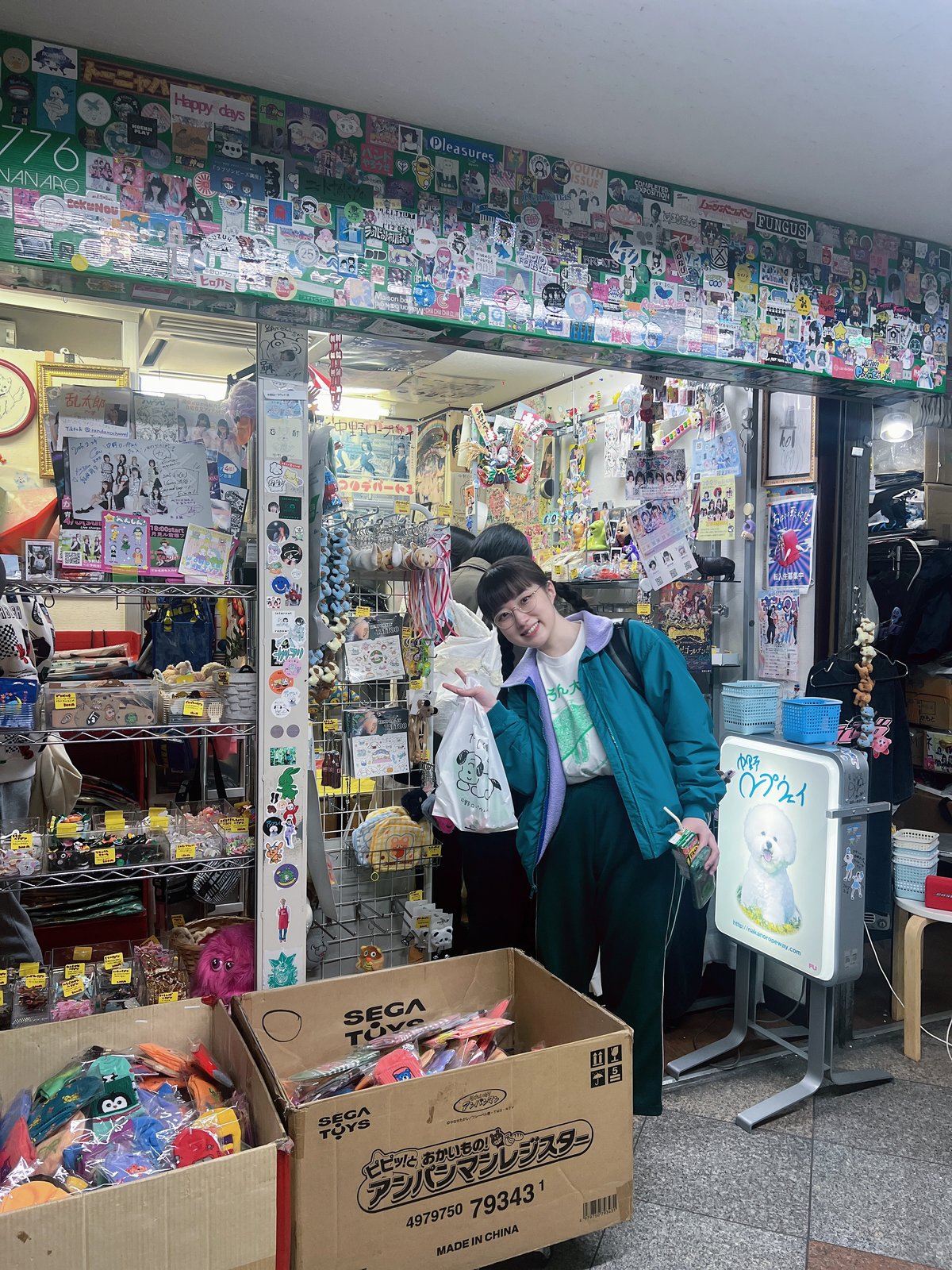
Situated in Tokyo’s Nakano district, Nakano Broadway has evolved from a luxury shopping and residential complex into an internationally celebrated hub of Japanese subculture. Since opening in 1966, it has become a magnet for anime, manga, and vintage collectibles enthusiasts, offering a labyrinthine shopping experience that contrasts with Tokyo’s sleeker commercial centers. With over 350 shops, Showa-era charm, and a rich local community, Nakano Broadway stands as both a cultural icon and a window into the evolution of urban Japan.
This guide details Nakano Broadway’s history, cultural significance, visiting hours, accessibility, travel tips, nearby attractions, and answers to frequently asked questions. Whether you are a first-time visitor or a seasoned collector, you’ll find essential information here to plan an unforgettable visit.
For further background on Nakano Broadway’s cultural significance and visitor insights, see Nippon.com, Japan Guide, and Tokyo Weekender.

History and Cultural Significance
Origins and Early Development
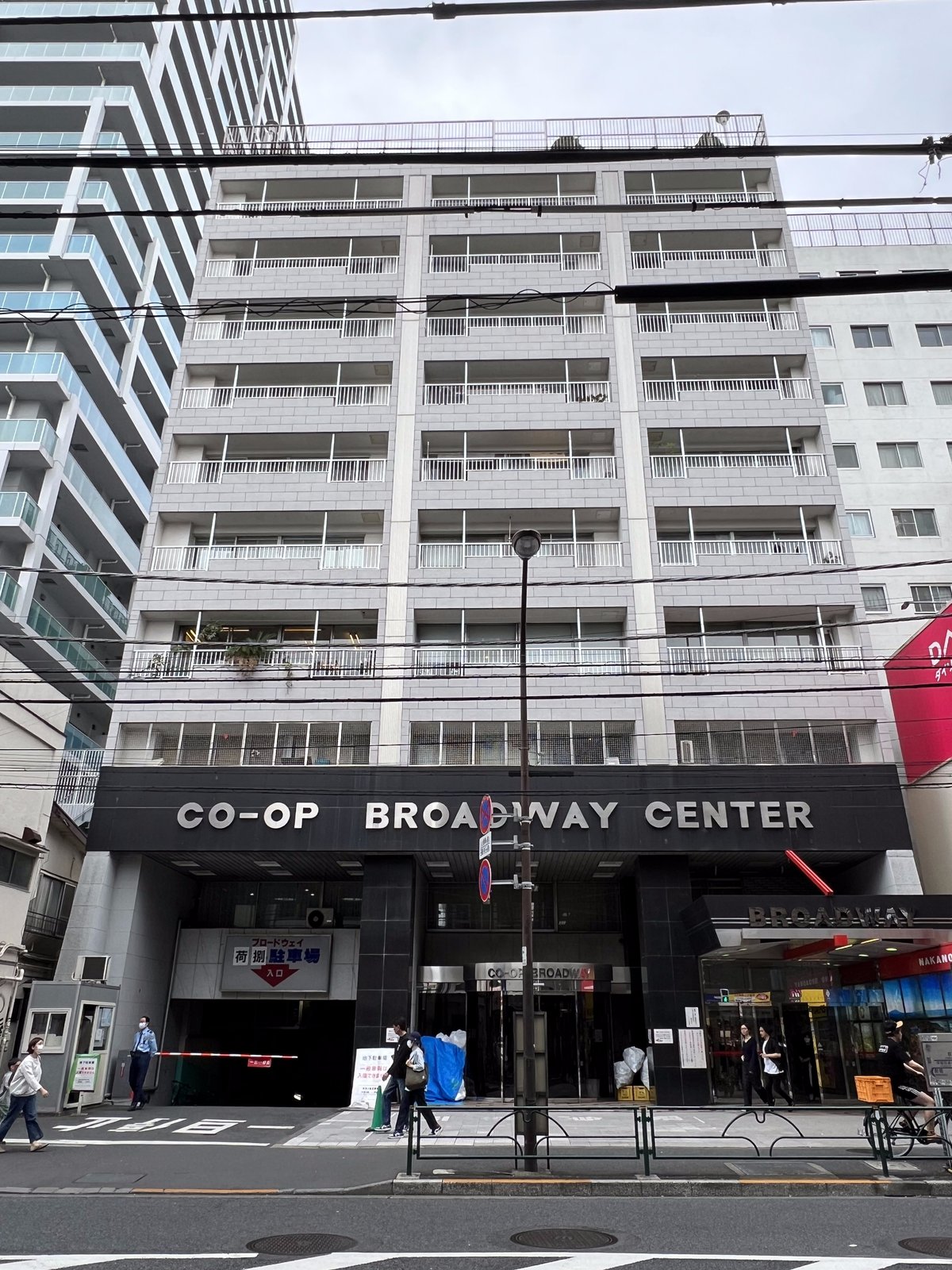
Nakano Broadway debuted in 1966 during Japan’s economic boom as a luxury shopping and residential complex, inspired by the glamour of New York’s Broadway. Its five shopping floors and upper-level apartments, then boasting amenities like a rooftop pool, catered to Tokyo’s rising middle class. Initially, it was home to high-end boutiques and luxury watch retailers, attracting celebrities and socialites (jw-webmagazine.com, nippon.com). However, competition from newer shopping centers in Shinjuku and Kichijoji led to a gradual decline in the late 1970s, with many luxury shops closing and vacant storefronts becoming common.
Transformation into an Otaku Mecca
A pivotal moment came in 1980 with the opening of Mandarake, a secondhand manga shop, which rapidly gained popularity among manga and anime fans (tokyoweekender.com, japan.travel). Mandarake’s success attracted more specialty stores, transforming Nakano Broadway into a center for otaku culture. By the 1990s, as the economic bubble burst, the complex had fully reinvented itself as a haven for niche subcultures, with Mandarake expanding to multiple outlets and drawing international visitors (japan-guide.com, sakuratrips.com).
Architectural and Social Uniqueness
Nakano Broadway’s blend of commercial and residential spaces, with retail on the lower floors and apartments above, creates a unique environment. The ever-shifting network of over 350 small shops fosters an eclectic, community-oriented atmosphere distinct from developer-driven malls (nippon.com). Its retro Showa-era interiors and unpolished charm make it a nostalgic destination, offering an authentic alternative to Akihabara’s neon-lit energy (matcha-jp.com, japan-experience.com).
Subcultures and Offerings
While anime and manga are the primary draws, Nakano Broadway is also home to vintage toy shops, rare vinyl music stores, alternative fashion boutiques, art galleries, and crafts by local artists (japan-experience.com). Some original luxury watch and jewelry stores still operate, reflecting the complex’s layered history (nippon.com). The ever-changing mix of shops—thanks to a management style favoring autonomy and flexibility—has turned Nakano Broadway into a real-life wonderland and a model for grassroots urban revitalization (nippon.com).
Legacy and Future
Nakano Broadway remains a resilient symbol of Tokyo’s cultural evolution, balancing old-world nostalgia with contemporary trends (japambience.com). While the aging building has sparked debates about renovation, its legacy as a subculture hub and community centerpiece endures (tokyotourists.com). Its continued popularity attests to the power of creativity, diversity, and community-driven renewal (japan-guide.com).
Visitor Information
Visiting Hours & Entrance
- General Hours: Open daily from 11:00 AM to 8:00 PM. Some stores have different schedules.
- Entry Fee: Free. No ticket required. Some special exhibitions may require separate fees.
- Best Times to Visit: Weekdays and early afternoons for fewer crowds.
Getting There
- From Shinjuku: Take the JR Chuo Line (Rapid) to Nakano Station (about 10 minutes).
- From Nakano Station: Use the North Exit, walk through Nakano Sun Mall (a covered arcade), and the entrance to Nakano Broadway is at the far end.
For additional directions, see Go Tokyo.
Accessibility
- Elevators and escalators connect all retail floors.
- Some narrow aisles and retro features may be challenging for wheelchairs, but accessibility assistance is available at information counters.
- Restrooms are available on select floors.
Travel Tips
- Cash: Many shops are cash-only; ATMs are available in and around the complex.
- Language: Japanese is the main language, but major shops often offer English support.
- Navigation: Take a photo of the floor map upon entering; the layout is maze-like.
- Photography: Ask for permission before taking photos inside shops.
- Crowds: Arrive early or visit on weekdays to avoid congestion.
| Floor | Key Features |
|---|---|
| Basement (B1) | Grocery, food shops, and Daily Chiko |
| 1st Floor (1F) | Clothing, shoes, used electronics, cafes |
| 2nd & 3rd Floors | Anime, manga, collectibles, Mandarake stores |
| 4th Floor (4F) | Rare figures, antiques, specialty shops |
| 5F & Up | Residential apartments (not open to public) |
For a detailed map, visit Nakano Broadway Floor Map.
Must-See Attractions
- Mandarake: Multiple outlets specializing in manga, anime, and rare collectibles.
- Daily Chiko: Famous for its towering multi-flavor soft serve ice cream (ByFood).
- Nakano Sun Mall: Covered shopping street leading to Nakano Broadway.
- Specialty Hobby Shops: Retro electronics, idol goods, vintage toys, and more.
Food and Dining
Nakano Broadway is a treat for foodies as well as pop culture fans:
- Daily Chiko: Basement-level soft serve stand with up to eight flavors in a single cone (Plan My Japan).
- Oyakidokoro Refutei: Imagawayaki cakes with sweet or savory fillings at Nakano Sun Mall entrance.
- Themed Cafes: Board game bar Kurumari and Nostalgia Cafe offer unique atmospheres (ByFood).
- Ramen: Michelin Guide-recommended Aoba Nakano, Jiraigen, and King Ken nearby (Plan My Japan).
Explore Nakano Sun Mall for additional bakeries, confectioneries, and izakayas. For more food inspiration, see ByFood.
Events and Special Highlights
- Pop-up shops and collaborations: Regularly hosted for exclusive merchandise (The Tourist Checklist).
- Art exhibitions, autograph sessions, and seasonal festivals: Check event calendars or the official website for schedules.
- Cherry blossom season: Visit nearby Nakano Central Park for hanami picnics (Plan My Japan).
Frequently Asked Questions (FAQ)
Q: What are Nakano Broadway’s opening hours?
A: Most shops are open from 11:00 AM to 8:00 PM, but times may vary.
Q: Is there an entrance fee?
A: No, entry is free.
Q: How do I get to Nakano Broadway?
A: Take JR Chuo Line to Nakano Station, North Exit, and walk through Nakano Sun Mall.
Q: Is Nakano Broadway wheelchair accessible?
A: Yes, elevators serve all floors, but some aisles are narrow.
Q: Can I take photos?
A: Ask for permission before taking photos inside shops.
Q: Are tours available?
A: Some third-party operators offer guided tours; check local listings or the Nakano Tourism site.
Q: Are vegetarian/vegan options available?
A: Limited, but some cafes offer suitable dishes.
Practical Tips
- Carry cash for small purchases.
- Visit on weekdays to avoid crowds.
- Use a translation app if needed.
- Plan for at least half a day to explore thoroughly.
- Some shops offer international shipping for large purchases.
Nearby Attractions
- Nakano Sun Mall: Additional shopping and dining.
- Nakano Central Park: Green space for relaxation.
- Koenji: Vintage shops and live music venues nearby.
- Ramen Streets: Nakano’s reputation for ramen makes it a must-visit for noodle lovers (Japan Travel).
Summary Table: Key Visitor Information
| Feature | Details |
|---|---|
| Nearest Station | Nakano Station (JR Chuo Line) |
| Walk Distance | ~5 minutes from North Exit via Nakano Sun Mall |
| Opening Hours | 11:00 AM – 8:00 PM (individual shop hours may vary) |
| Entry Fee | Free |
| Accessibility | Elevators; some narrow aisles |
| Food Options | Cafes, bakeries, ramen, and street food |
| Payment | Cash preferred; some cards accepted |
| Restrooms | Available on select floors |
Listen to the full story in the app
The whole Nakano Broadway,
told well.
Audio guides for 1,100+ cities across 96 countries. History, stories, and local insight — offline ready.
Verified, and shown.
Researched and written by the Audiala editorial team from historical records, architectural archives, and local expertise.
Researched from Wikidata, Wikipedia & official sources · fact-checked · How we make our guides →