Plan and listen to Nakamura Kōgeisha Head Office Building with Audiala.
Audio guide in your pocket, itinerary in your browser. Built for the way you actually visit.
Introduction
The Nakamura Kōgeisha Head Office Building, located in the heart of Tokyo, is a celebrated architectural landmark that fuses Japan’s storied artisanal traditions with cutting-edge design. This guide provides a detailed overview of the building’s history, cultural significance, architectural features, visiting hours, ticketing, accessibility, and nearby attractions. Whether you are an architecture enthusiast, craft lover, or cultural explorer, this article will help you make the most of your visit to one of Tokyo’s most unique historical sites (ArchDaily; TOKI).

Historical Background and Architectural Significance
Origins and Evolution
Nakamura Kōgeisha, founded over a century ago, is a leading name in traditional Japanese woodworking and lacquerware tools. The Head Office Building stands as a testament to the company’s commitment to craftsmanship and innovation, reflecting Tokyo’s post-war modernization while honoring artisanal roots. The building’s design is deeply influenced by architect Hiroshi Nakamura, who integrates regional identity, nature, and the expertise of local artisans into each project (ArchDaily; TOKI).
Cultural Significance
More than a corporate headquarters, the building functions as a vibrant cultural center, hosting workshops, exhibitions, and community programs that celebrate Japanese craft and encourage sustainable practices. Its evolving architecture, which incorporates both traditional and modern materials, situates it as a living example of how urban spaces can honor heritage while embracing the future (nakam.info; worldcitiescultureforum.com).
Architectural Highlights and Design Philosophy
Signature Features
- Material Harmony: The exterior and interiors blend wood, stone, concrete, and glass, allowing the building to change character with the shifting light, seasons, and weather.
- Omohara Forest Rooftop Garden: Inspired by Italy’s Piazza del Campo, the hexagonal steps and green spaces invite visitors to relax, socialize, and enjoy panoramic city views (TOKI).
- Tea House: A tranquil retreat within the urban landscape, encouraging mindfulness and a connection with nature.
- Biophilic Design: The architecture maximizes natural light, fresh air, and greenery, creating a restorative environment for visitors and staff.
- Collaborative Craftsmanship: Construction involved skilled local artisans and top engineering firms, ensuring both aesthetic beauty and structural sustainability (ArchDaily).
Influence on Japanese Architecture
The Nakamura Kōgeisha Head Office is recognized as a model for integrating tradition and innovation in contemporary Japanese architecture. Its approach has inspired broader trends in Tokyo’s urban development, emphasizing individuality, environmental responsibility, and the preservation of cultural identity (Architizer; Trip101).
Visitor Information: Hours, Tickets, and Tours
Visiting Hours
- General Opening: Monday to Friday, 9:00 AM – 5:00 PM
- Some Public Areas and Workshops: Tuesday to Sunday, 10:00 AM – 6:00 PM
- Closed: Weekends (for standard tours), Mondays (for workshops), and national holidays
- Always check the official website before your visit for updated hours.
Tickets and Booking
- General Admission: Free access to public areas and exhibitions.
- Workshops & Special Exhibitions: Require tickets, available online or at the reception desk.
- Guided Tours: Advanced reservation recommended; some tours may carry a fee (GuruWalk; All Japan Tours).
Tour Options
- Self-Guided Visits: Explore exterior and select public zones.
- Guided Architectural Tours: Learn about the building’s design, history, and craft legacy (available in Japanese and English).
- Hands-On Workshops: Participate in traditional craft-making, often led by master artisans.
Accessibility and Facilities
Universal Access
- Step-Free Entrances & Elevators: All public floors are wheelchair accessible.
- Accessible Restrooms: Equipped with handrails and emergency features.
- Wheelchair Rentals: Available upon request at reception.
- Assistance Animals: Guide dogs welcomed.
- Braille and Audio Guides: Select exhibits offer accessible formats; advance notice recommended.
Visitor Amenities
- Reception Desk: Multilingual staff and English-language brochures.
- Restrooms: Modern, clean, and accessible.
- Lockers: Coin-operated for personal belongings.
- Wi-Fi: Complimentary in public areas.
- Gift Shop: Traditional crafts, souvenirs, and publications.
- Café: Light refreshments, Japanese tea, and seasonal treats in a relaxing environment.
Visitor Guidelines
- Photography: Allowed in most public and garden areas; restrictions in some workshops.
- Conduct: Quiet and respectful behavior is expected.
- Dress Code: Neat attire recommended, especially for workshops.
For additional accessibility details, visit Accessible Japan.
Special Events and Community Engagement
Nakamura Kōgeisha hosts regular workshops, open studios, and exhibitions, fostering cultural exchange and keeping craft traditions alive. Events coincide with Tokyo’s major festivals, such as Design Festa and the Ueno Summer Festival, and may feature live demonstrations, pop-up shops, and eco-friendly craft sessions (nakam.info; worldcitiescultureforum.com).
The building also collaborates with international partners and embassies, supporting Tokyo’s vision as a global cultural capital (icma.org).
Nearby Attractions and Suggested Itineraries
Historical and Cultural Sites
- Meiji Shrine: A serene Shinto sanctuary near Harajuku.
- Nezu Shrine: Famous for its azalea gardens.
- National Museum of Western Art & Ueno Park: Art collections and seasonal cherry blossoms.
Modern Destinations
- Ginza District: Luxury shopping and gourmet dining (Japan Guide).
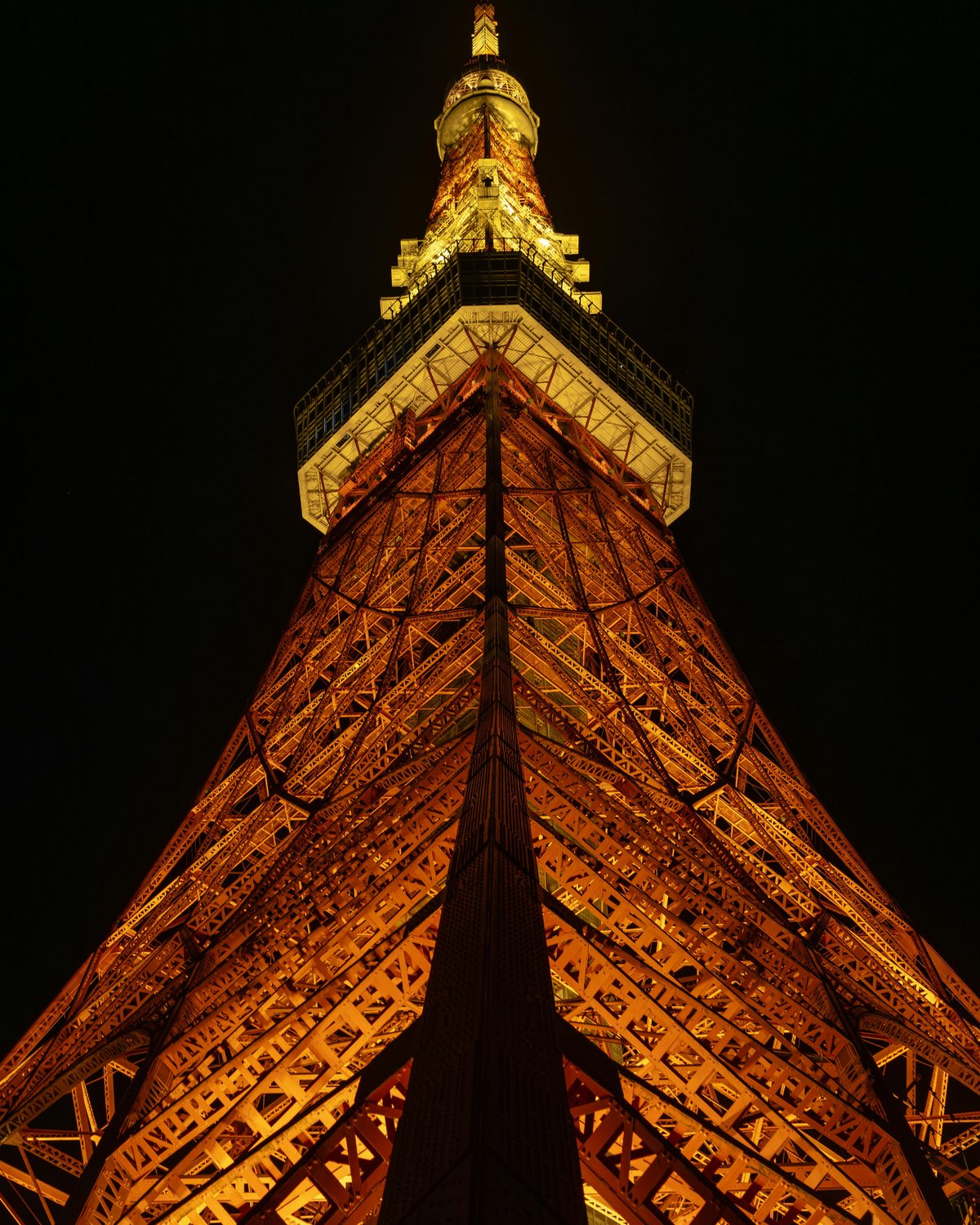
- Tokyo Tower, Roppongi Hills: Iconic cityscapes and museums.
- Tsukiji Outer Market: Renowned for fresh seafood and traditional street food.
Sample Itinerary
- Morning: Guided tour at Nakamura Kōgeisha, explore the rooftop garden.
- Afternoon: Visit Meiji Shrine or Ueno Park.
- Evening: Stroll Ginza or enjoy Tokyo Tower’s night views.
For route planning, use the Tokyo Metro website or Japan Transit Planner.
Frequently Asked Questions (FAQ)
Q: What are the Nakamura Kōgeisha Head Office visiting hours?
A: Monday to Friday, 9:00 AM – 5:00 PM; some public areas open Tuesday to Sunday, 10:00 AM – 6:00 PM. Closed weekends and national holidays.
Q: Is there an admission fee?
A: General admission is free. Workshops and guided tours may require a ticket.
Q: How do I book a guided tour or workshop?
A: Book online via the official website or through tour operators like GuruWalk and All Japan Tours.
Q: Is the building accessible for people with disabilities?
A: Yes, with step-free entrances, elevators, accessible restrooms, and available support services.
Q: Can I take photos inside?
A: Yes, in most areas, except where signage restricts photography.
Q: Are tours available in English?
A: Yes, but availability is limited—advance booking is recommended.
Listen to the full story in the app
The whole Nakamura Kōgeisha Head Office Building,
told well.
Audio guides for 1,100+ cities across 96 countries. History, stories, and local insight — offline ready.
Verified, and shown.
Researched and written by the Audiala editorial team from historical records, architectural archives, and local expertise.
Researched from Wikidata, Wikipedia & official sources · fact-checked · How we make our guides →